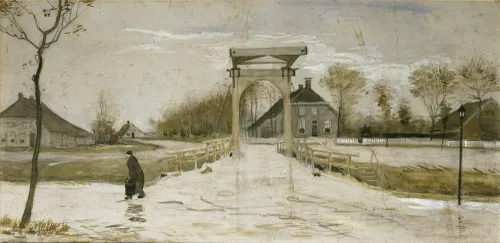
Van Gogh’s "Drawbridge in Nieuw-Amsterdam" exemplifies his command of oil on canvas, infusing vibrant colors and dynamic brushwork to bring the scene to life. Each stroke reveals his innovative approach, characteristic of the Post-Impressionism movement. The texture and movement within the painting echo those found in related works like "Wheatfield with Cypress I" and "Harvest At La Crau With Montmajour In The Background," demonstrating the artist’s relentless pursuit of capturing the spirit of his surroundings.
This fine art painting for sale invites viewers to explore the symbolism woven throughout its composition. The drawbridge, a recurring motif in Van Gogh’s oeuvre, represents both connection and transition—a bridge between worlds and emotions. Like "Cypress against a Starry Sky" and "Vincent's Boarding House in Hackford Road, Brixton, London," this artwork tells a story beyond mere scenery, offering a glimpse into the deeper narratives that define Van Gogh’s Post-Impressionist legacy.
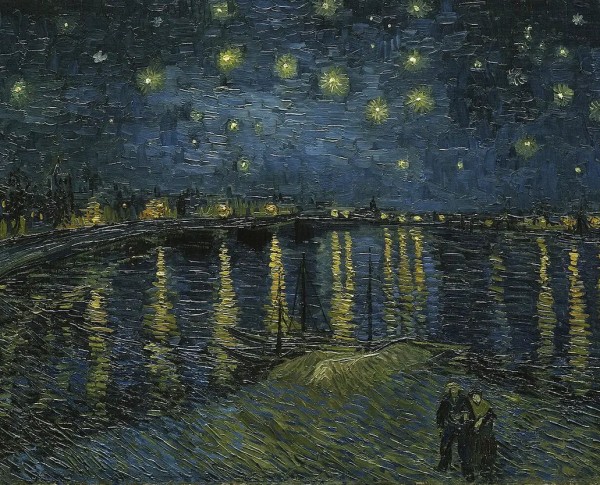
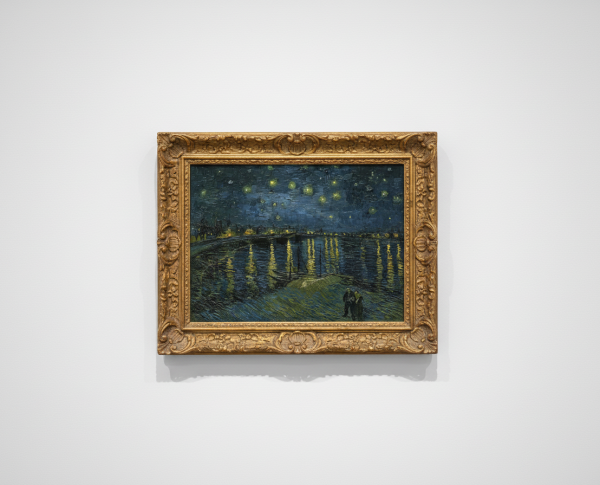
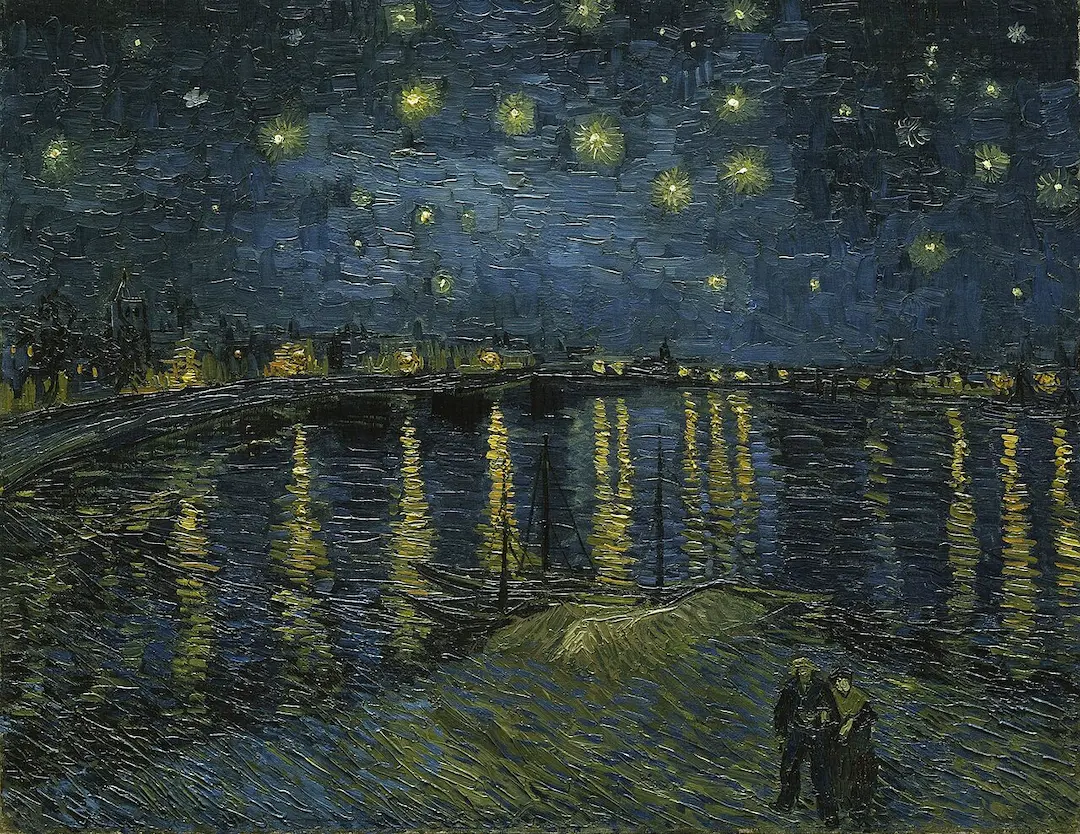
Owning "Drawbridge in Nieuw-Amsterdam" means acquiring a piece of art history and a stunning hand-painted oil painting by Vincent Van Gogh. As a prominent work from the Post-Impressionism movement, it stands alongside sought-after pieces like "Starry Night Over The Rhone." Collectors and enthusiasts alike value these masterpieces for their beauty, historical significance, and the enduring influence they hold over modern interpretations of fine art painting for sale.
When Art Meets History
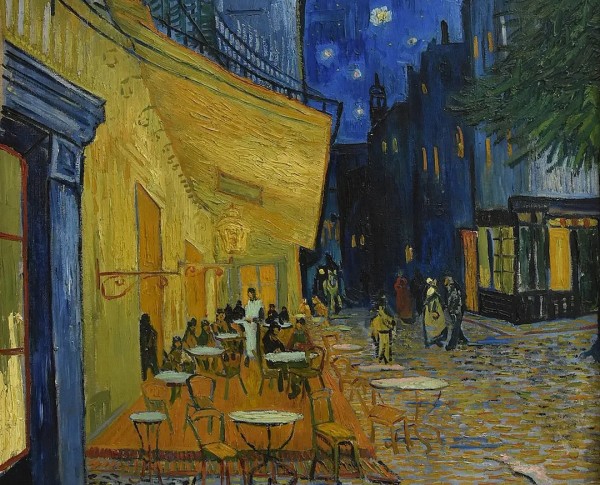
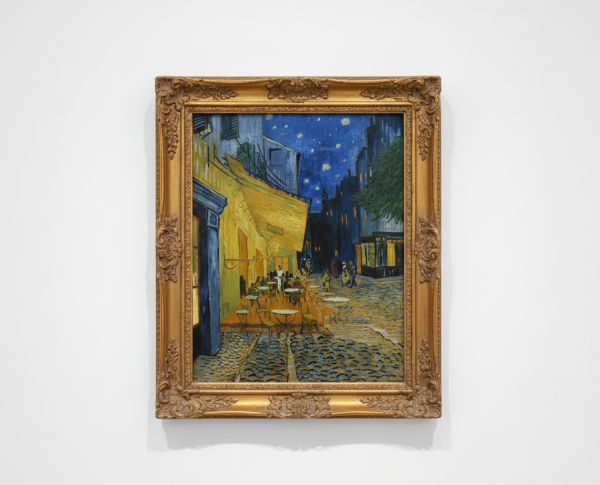
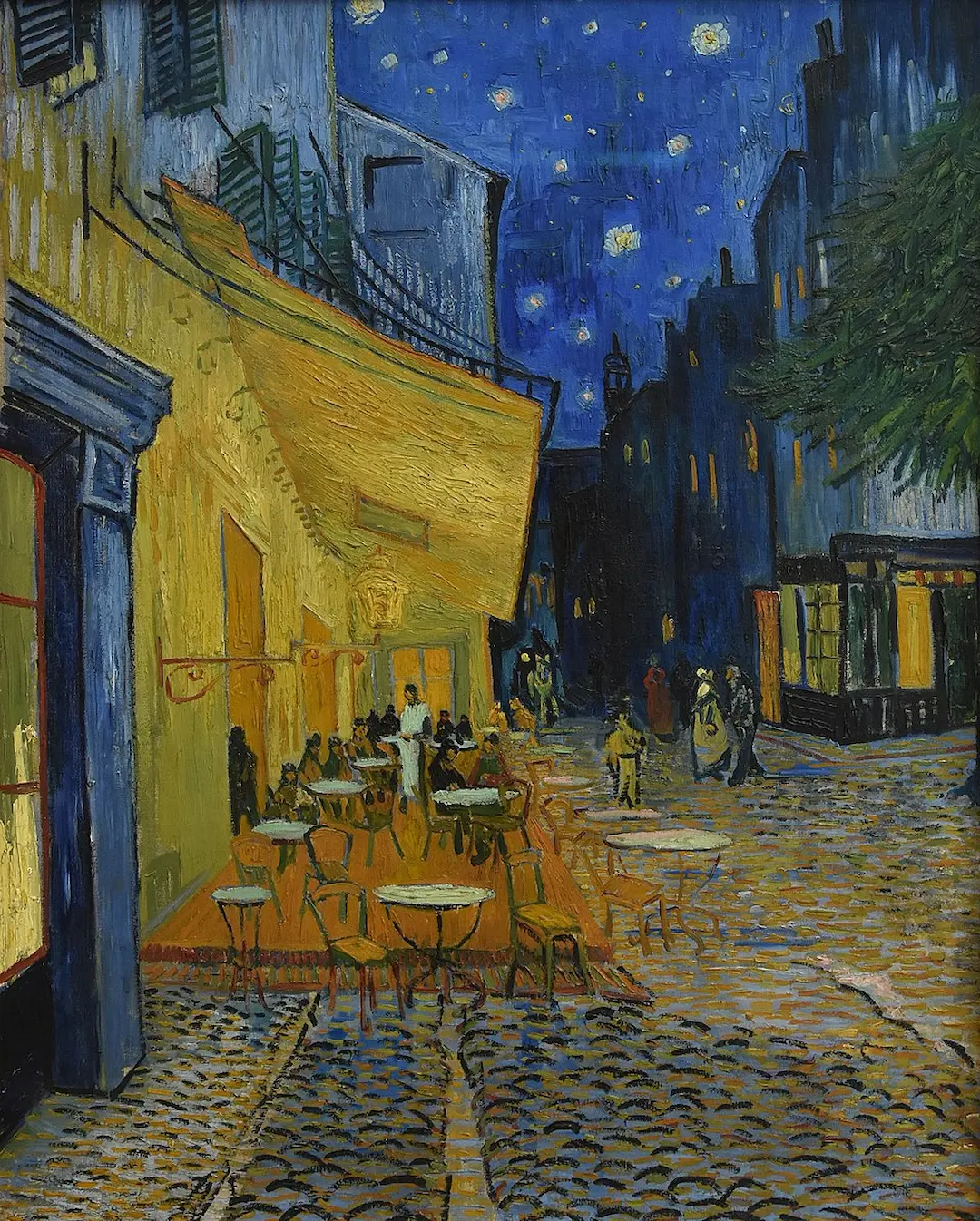
"Drawbridge in Nieuw-Amsterdam" by Vincent Van Gogh stands as a testament to the transformative period of the Post-Impressionism movement. Painted during Van Gogh's time in the Netherlands, this hand-painted oil painting captures the essence of industrial progress blending with rural landscapes. Similar to his works like "The Night Café in Arles" and "Fields with trees in Barbizon," Van Gogh’s attention to historical context elevates the scene, making it a significant piece for both art lovers and historians alike.
Techniques That Speak
Van Gogh’s mastery of oil on canvas shines through in "Drawbridge in Nieuw-Amsterdam." The textured brushstrokes and vibrant palette characteristic of Post-Impressionism breathe life into the tranquil Dutch setting. As seen in related works such as "The Seine at Courbevoie" and "End of the pier, Honfleur," Van Gogh’s technique captures movement and atmosphere, inviting viewers to experience the world through his unique perspective and innovative approach to color and form.
Emotions on Display
Every inch of "Drawbridge in Nieuw-Amsterdam" radiates the emotional intensity Vincent Van Gogh is renowned for. The painting’s dynamic skies and reflective water evoke a sense of longing and contemplation, hallmarks of Post-Impressionism. Like "Nave Nave Mahana," this fine art painting for sale channels deep feelings, allowing each brushstroke to communicate Van Gogh’s inner world, making it a profound addition to any collection focused on expressive, evocative masterpieces.
Coveted by Collectors
For collectors, "Drawbridge in Nieuw-Amsterdam" represents a rare opportunity to own a piece that bridges history, technique, and emotion. As with Van Gogh’s other celebrated works, this oil on canvas is highly sought after in the art market. The painting’s connection to the Post-Impressionism movement and its thematic kinship with pieces like "Fields with trees in Barbizon" only heighten its appeal as a fine art painting for sale, making it a prized addition to prestigious collections worldwide.
Related Post-Impressionism Hand-Painted Oil Paintings by Other Artists
Other Famous Post-Impressionism Artists:
Frequently Asked Questions About Drawbridge in Nieuw-Amsterdam
What is the historical significance of "Drawbridge in Nieuw-Amsterdam"?
"Drawbridge in Nieuw-Amsterdam" is significant as it captures a moment in the late 19th century when Van Gogh was deeply influenced by the Dutch landscape and its architecture, reflecting the transition of the Netherlands into modernity.
What artistic techniques did Van Gogh use in this painting?
Van Gogh employed his signature impasto technique, using thick layers of paint to create texture and movement. His bold brushstrokes and vibrant color palette convey emotional depth and dynamism within the scene.
What themes are explored in "Drawbridge in Nieuw-Amsterdam"?
The painting explores themes of transition and connectivity, symbolized by the drawbridge itself, which serves as a metaphor for the passage between different states of being and the bridging of communities.
How does Van Gogh's use of color influence the mood of the painting?
Van Gogh's use of contrasting colors, particularly the vibrant blues and earthy tones, creates a sense of harmony while also evoking feelings of nostalgia and contemplation, inviting viewers to reflect on the scene's significance.
In what ways does this painting reflect Van Gogh's personal experiences?
This painting reflects Van Gogh's longing for connection and belonging, mirroring his own struggles with isolation and mental health. The drawbridge symbolizes both a physical and emotional passage in his life.
What influences from other artists can be seen in "Drawbridge in Nieuw-Amsterdam"?
Van Gogh was influenced by the Impressionists, particularly in his approach to light and color. The loose brushwork and emphasis on capturing a moment in time resonate with the works of artists like Claude Monet.
What role does the landscape play in the composition of the painting?
The landscape serves as a vital backdrop that enhances the narrative of the drawbridge, illustrating the relationship between nature and human intervention, and emphasizing the beauty of the Dutch countryside.
How does "Drawbridge in Nieuw-Amsterdam" fit into Van Gogh's body of work?
This painting is a key example of Van Gogh's exploration of rural life and landscapes, showcasing his ability to infuse ordinary scenes with emotional resonance, which is a hallmark of his artistic legacy.
What symbolism can be found in the drawbridge itself?
The drawbridge symbolizes transition and change, representing the movement between different states of existence. It can also be interpreted as a gateway to new opportunities and experiences in life.
How has "Drawbridge in Nieuw-Amsterdam" been received by art critics over time?
Over the years, art critics have praised "Drawbridge in Nieuw-Amsterdam" for its innovative use of color and form, recognizing it as a significant work that encapsulates Van Gogh's unique vision and emotional depth.






















_GFM_Painting_(1).webp)


 100% Hand-Painted: Finished in 3-6 Weeks

.png)
















_(1).webp)