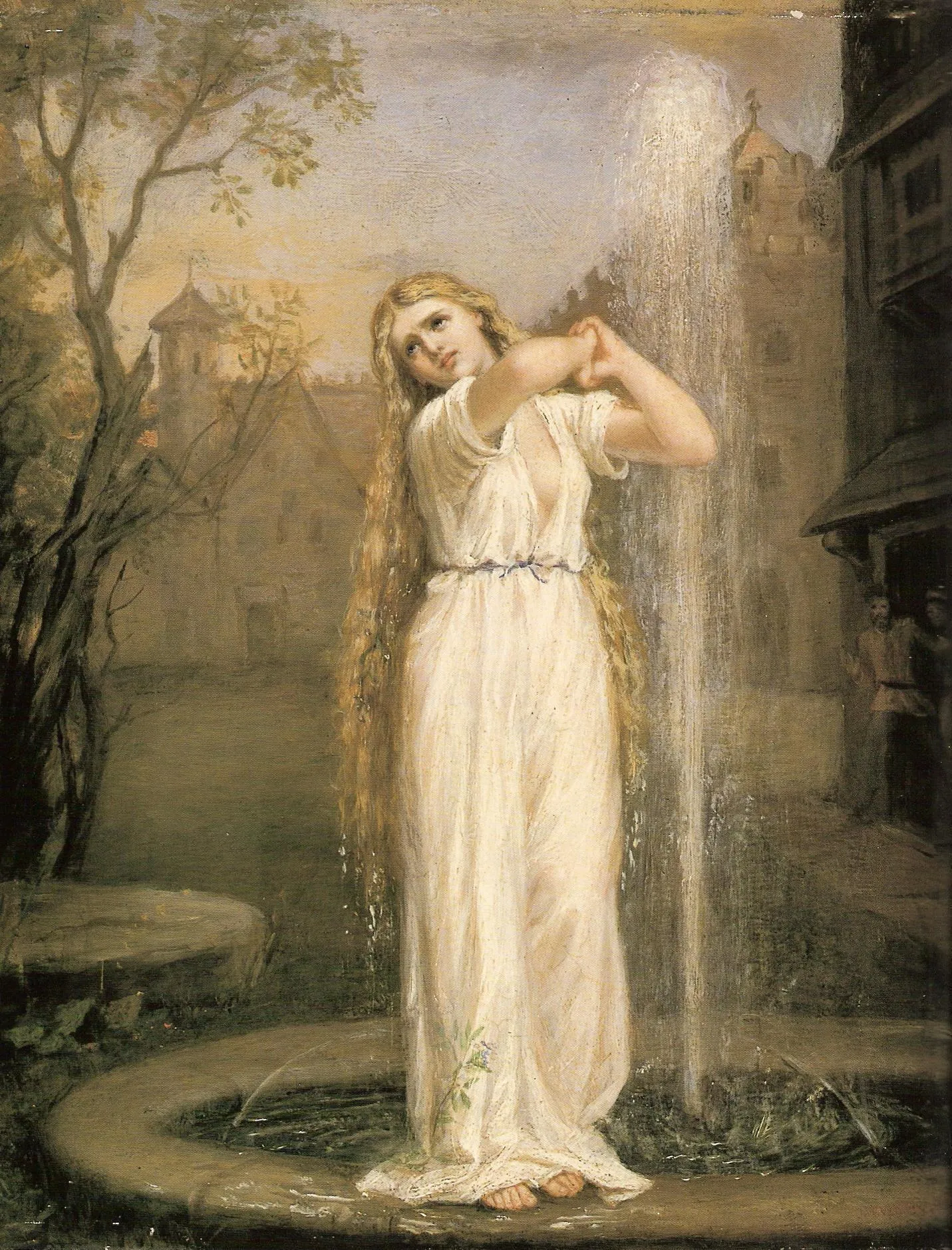
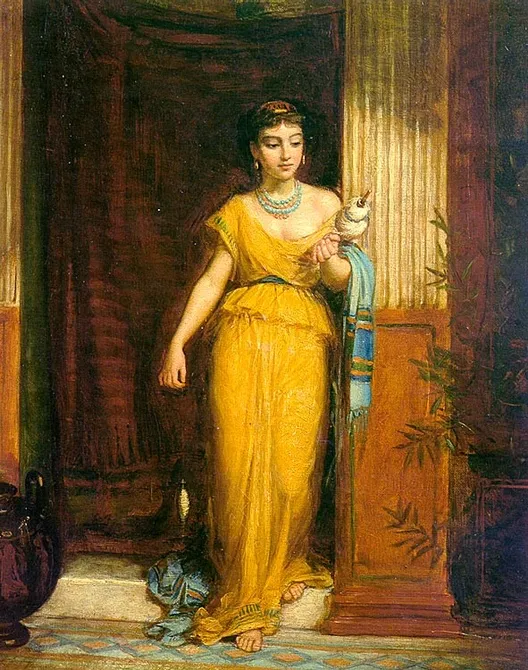
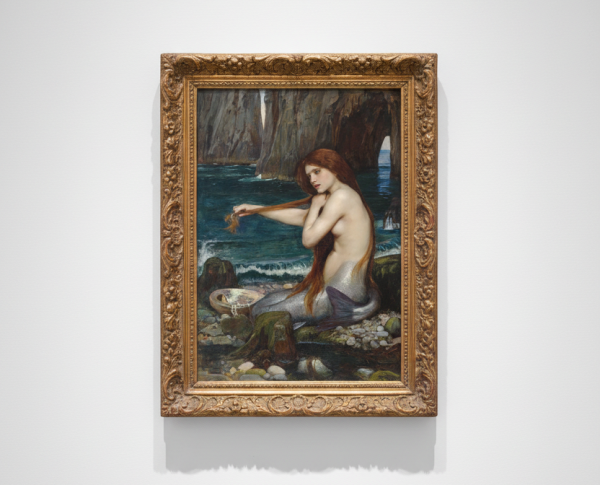
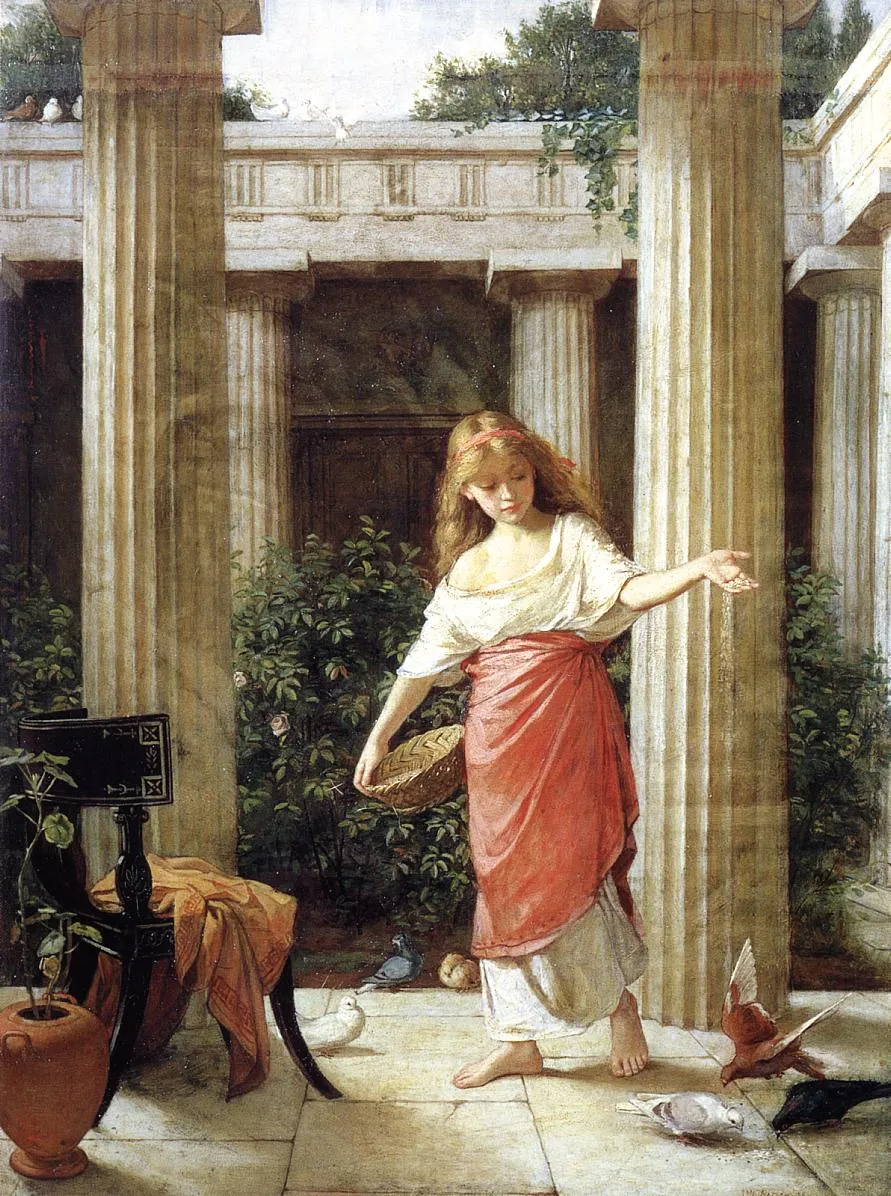
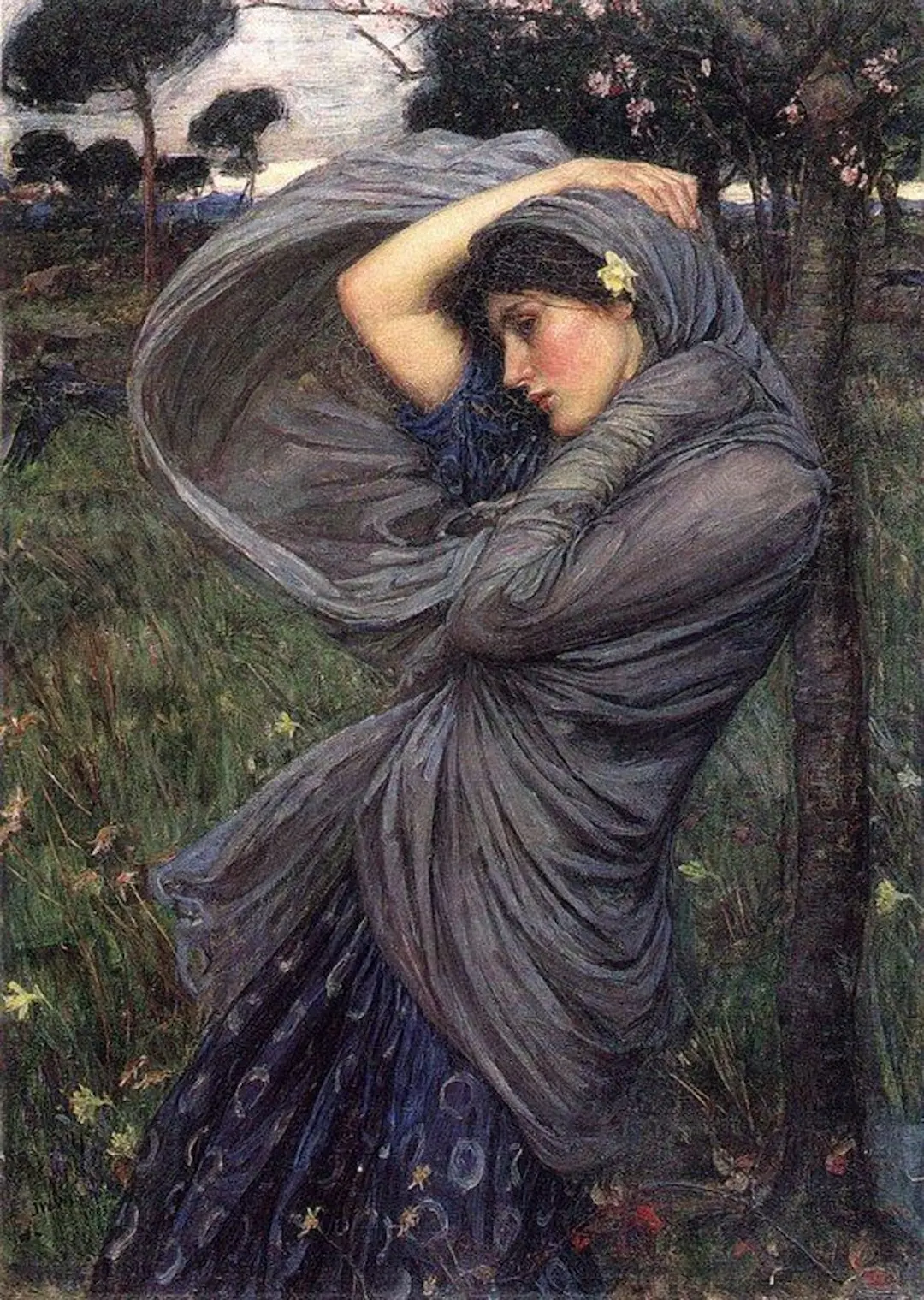
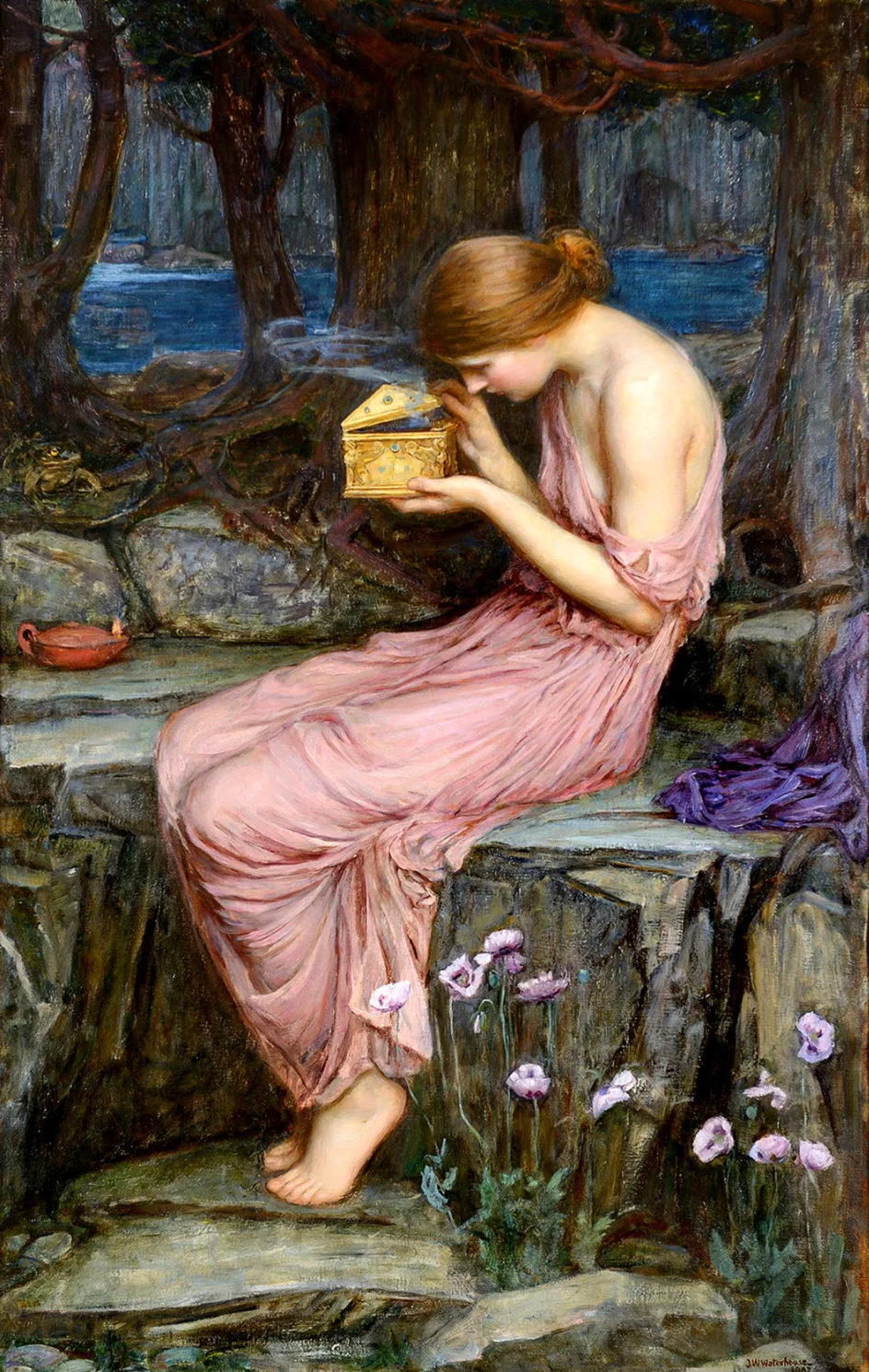
John William Waterhouse’s "In the Peristyle" showcases the artist’s technical prowess with oil on canvas. Each brushstroke is meticulously applied, resulting in a luminous composition that highlights Waterhouse’s talent for rendering delicate details and lush environments. Collectors of Pre-Raphaelites works, including pieces like "Boreas 1903" and "Undine," will appreciate the harmonious blend of color and form that makes this painting a true visual delight for any art lover.
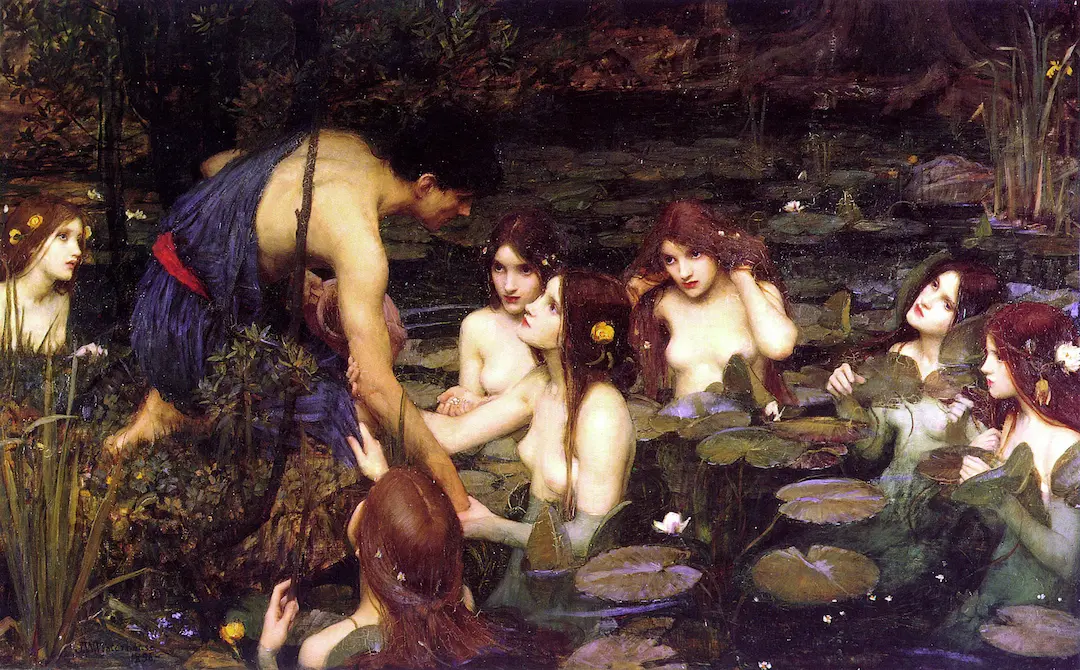
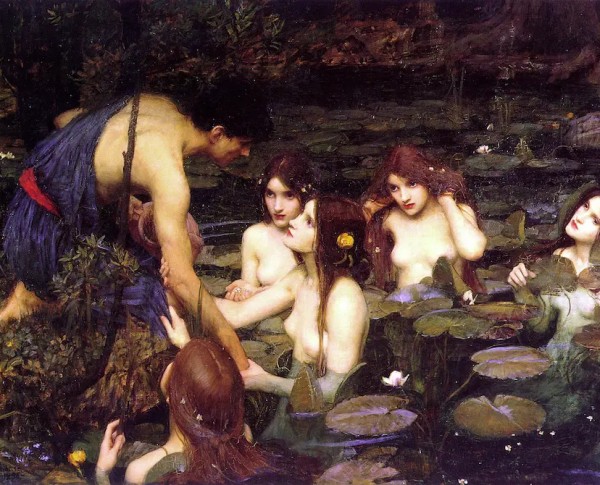
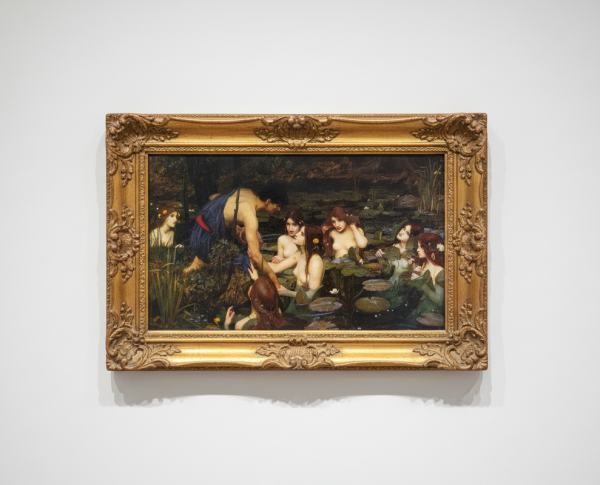
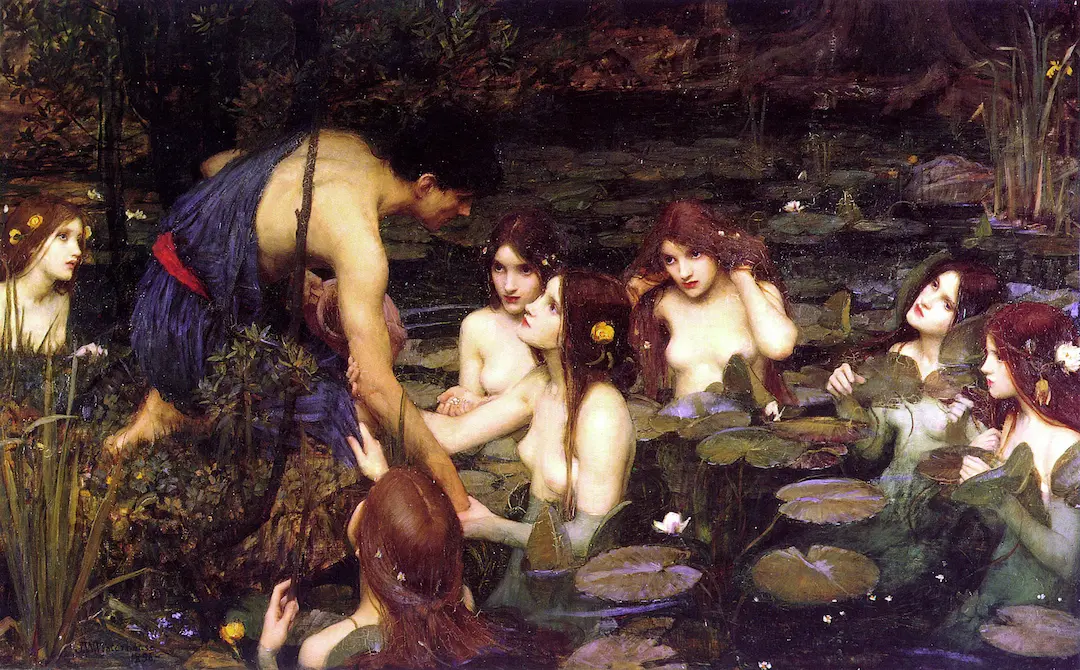
Rich in narrative depth, "In the Peristyle" exemplifies the Pre-Raphaelites’ fascination with mythological and allegorical themes. Waterhouse skillfully weaves symbols and subtle storytelling into this fine art painting for sale, much like he does in "Hylas and the Nymphs 1896" and "The Unwelcome Companion." The painting’s serene setting and enigmatic figures encourage viewers to explore layers of meaning, making it a compelling addition to any collection of symbolic art.
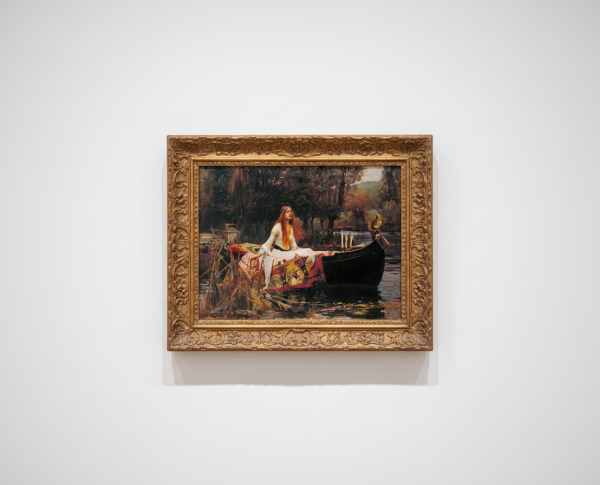
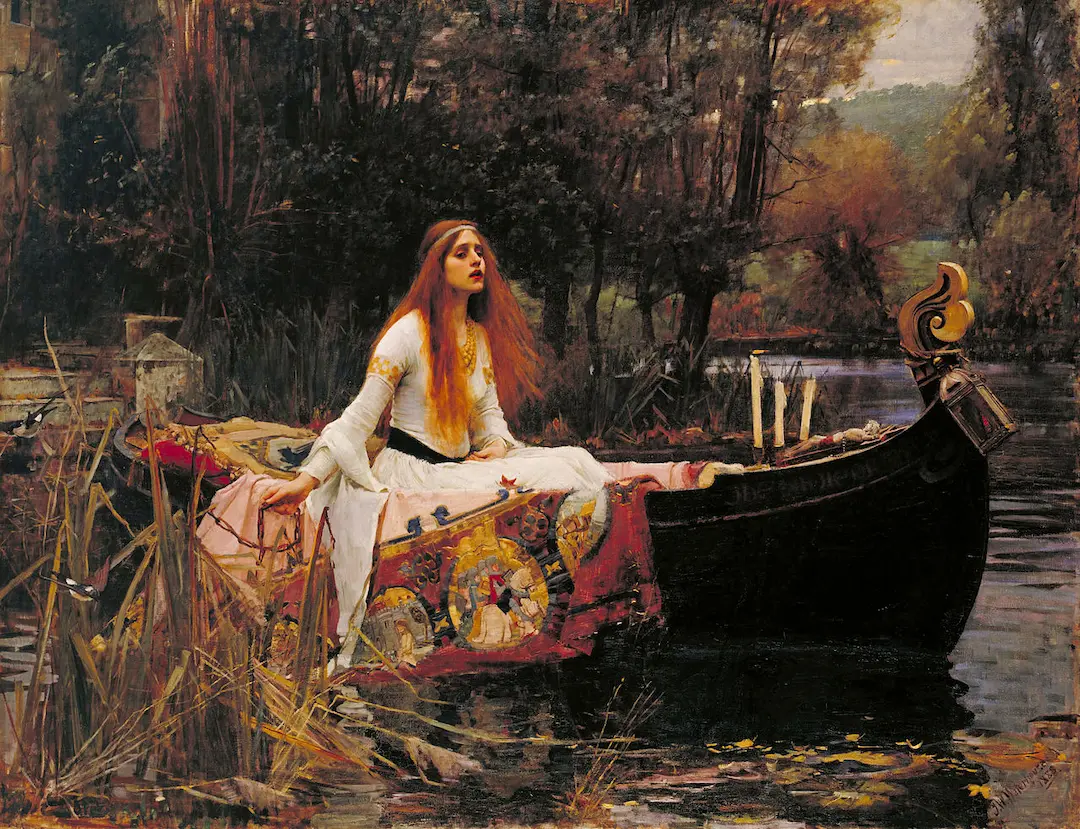
For collectors seeking exceptional works, "In the Peristyle" is a remarkable hand-painted oil painting by John William Waterhouse that embodies the spirit of the Pre-Raphaelites. Its timeless appeal and exquisite craftsmanship ensure it stands alongside related products such as "The Lady of Shalott 1888" and "Boreas 1903." Owning this masterpiece means possessing a significant piece of art history, perfect for enthusiasts searching for a distinguished fine art painting for sale.
When Art Meets History
"In the Peristyle" by John William Waterhouse stands as a testament to the Pre-Raphaelites movement, echoing a fascination with classical themes and meticulous detail. This hand-painted oil painting captures the essence of antiquity, much like his other works such as "Portrait of Caroline Hill" and "Landscape with Trees." Through its historical setting, Waterhouse invites viewers to step into a world where art and history intertwine, highlighting the enduring appeal of Pre-Raphaelite aesthetics.
Techniques That Speak
Waterhouse's mastery shines in "In the Peristyle," where his use of oil on canvas brings depth and vibrancy to every fold of fabric and play of light. The artist’s technique is reminiscent of his approach in "John Owen, Fellow, Secretary, British and Foreign Bible Society." Each brushstroke showcases his commitment to the Pre-Raphaelites style, emphasizing clarity and realism. The result is a captivating visual narrative that distinguishes this painting within his celebrated portfolio.
Emotions on Display
"In the Peristyle" resonates with emotion, revealing the artist's gift for conveying subtle feelings through posture and expression. Waterhouse, known for works like "Mrs I. Holman Hunt" and "Eve," crafts a scene filled with quiet contemplation. The fine art painting for sale offers viewers a window into the subject’s inner world, embodying the Pre-Raphaelites’ fascination with beauty and introspection. It’s a moving example of how Waterhouse transforms ordinary moments into poetic visual stories.
Coveted by Collectors
As a remarkable piece within the Pre-Raphaelites movement, "In the Peristyle" is highly sought after by art enthusiasts and collectors alike. This hand-painted oil painting exemplifies Waterhouse’s skill and vision, making it a prized addition to any collection. Alongside related works such as "Eve" and "Landscape with Trees," it continues to inspire admiration, further cementing Waterhouse’s legacy as one of the most influential artists of his era.
Related Pre-Raphaelites Hand-Painted Oil Paintings by Other Artists
Other Famous Pre-Raphaelites Artists:
Frequently Asked Questions About "In the Peristyle"
What is the historical context of "In the Peristyle"?
"In the Peristyle," painted by John William Waterhouse in 1896, reflects the late Victorian fascination with classical themes and the revival of interest in ancient Greek and Roman culture. This period saw a resurgence of the Pre-Raphaelite movement, which emphasized beauty, nature, and mythological subjects.
What artistic techniques did Waterhouse employ in this painting?
Waterhouse utilized a combination of rich color palettes, intricate detail, and dramatic lighting to create a sense of depth and emotion. His use of oil paints allowed for a smooth blending of colors, enhancing the overall luminosity of the scene.
What themes are explored in "In the Peristyle"?
The painting explores themes of beauty, longing, and the passage of time. The serene setting of the peristyle serves as a backdrop for the contemplative figure, embodying the tension between nature and human emotion.
Who is the central figure in "In the Peristyle"?
The central figure is often interpreted as a muse or a representation of idealized femininity, reflecting Waterhouse's interest in the female form and its connection to nature and mythology.
What is the significance of the peristyle in the painting?
The peristyle, an architectural feature common in classical structures, symbolizes harmony and order. In the painting, it serves as a metaphor for the balance between the natural and the constructed world, enhancing the overall theme of beauty.
How does "In the Peristyle" reflect Waterhouse's artistic style?
Waterhouse's style is characterized by his attention to detail, emotive expressions, and the incorporation of mythological elements. "In the Peristyle" exemplifies these traits, showcasing his ability to evoke emotion through composition and color.
What role does color play in "In the Peristyle"?
Color plays a crucial role in establishing mood and atmosphere. The warm tones of the figure contrast with the cooler hues of the background, drawing the viewer's eye to the central figure and emphasizing her emotional state.
What influences can be seen in Waterhouse's work in this painting?
Waterhouse was influenced by the Pre-Raphaelite Brotherhood, which emphasized a return to nature, medieval themes, and vibrant colors. Additionally, his interest in classical mythology and literature is evident in the subject matter of "In the Peristyle."
What is the symbolism of the flora depicted in the painting?
The flora in "In the Peristyle" often symbolizes growth, beauty, and the transient nature of life. The lush greenery surrounding the figure enhances the theme of connection to nature and the ephemeral quality of beauty.
How has "In the Peristyle" been received by critics and art historians?
The painting has been praised for its lyrical quality and technical mastery. Art historians often highlight Waterhouse's ability to blend classical themes with Victorian sensibilities, making it a significant work in the study of late 19th-century art.























_GFM_Painting_(1).webp)


 100% Hand-Painted: Finished in 3-6 Weeks

.png)















_(1).webp)