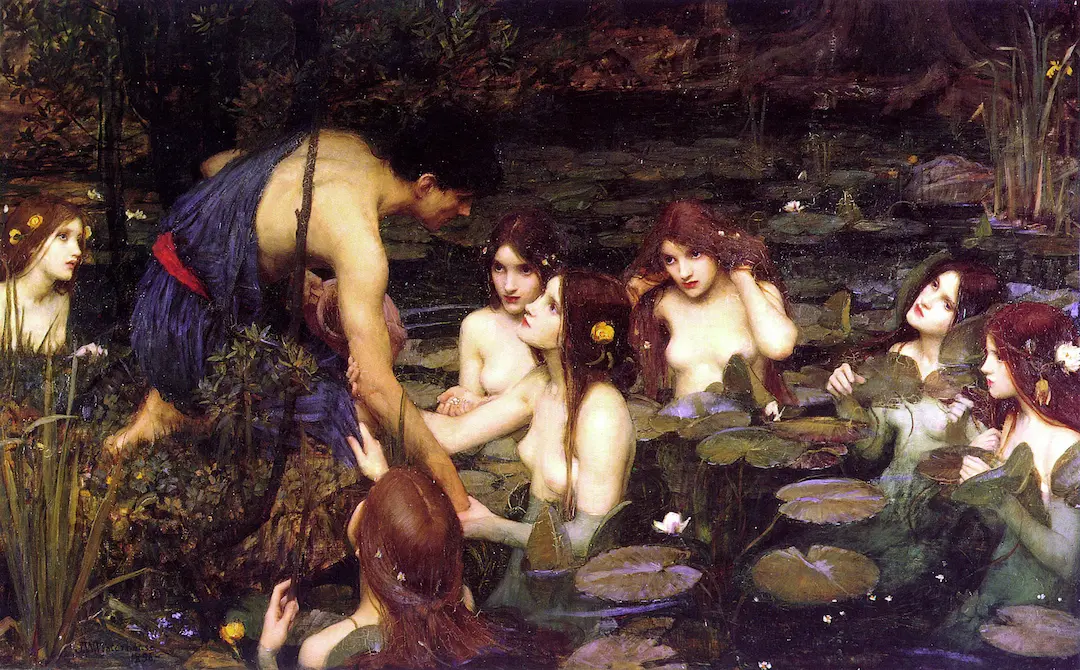
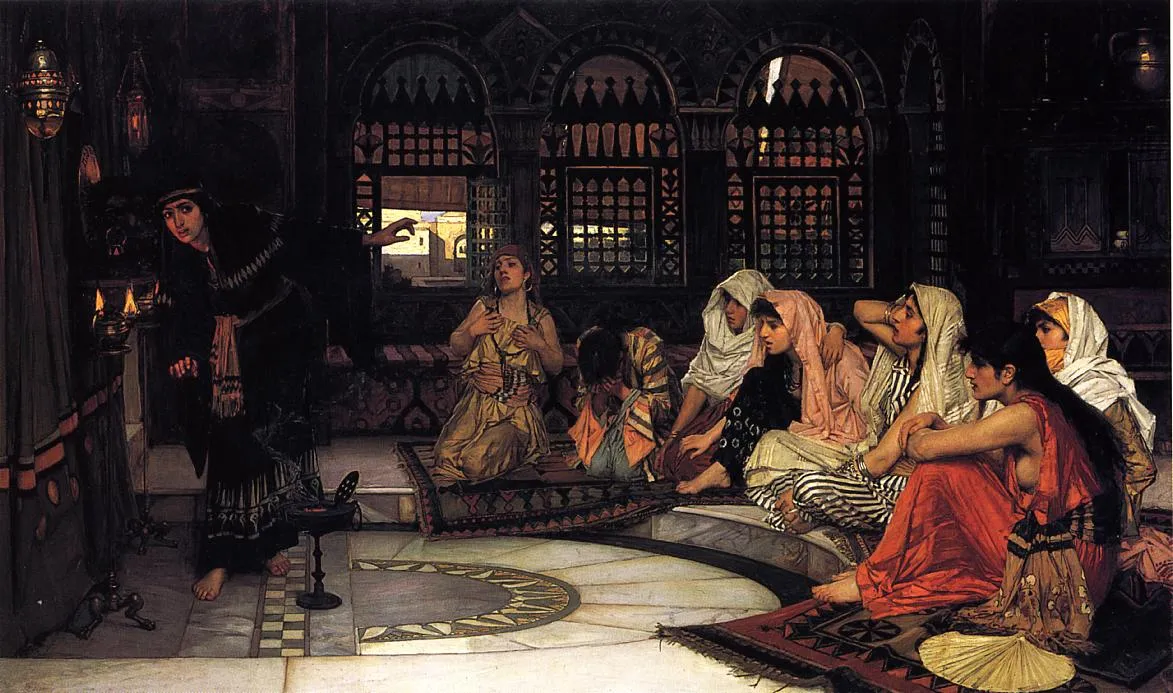
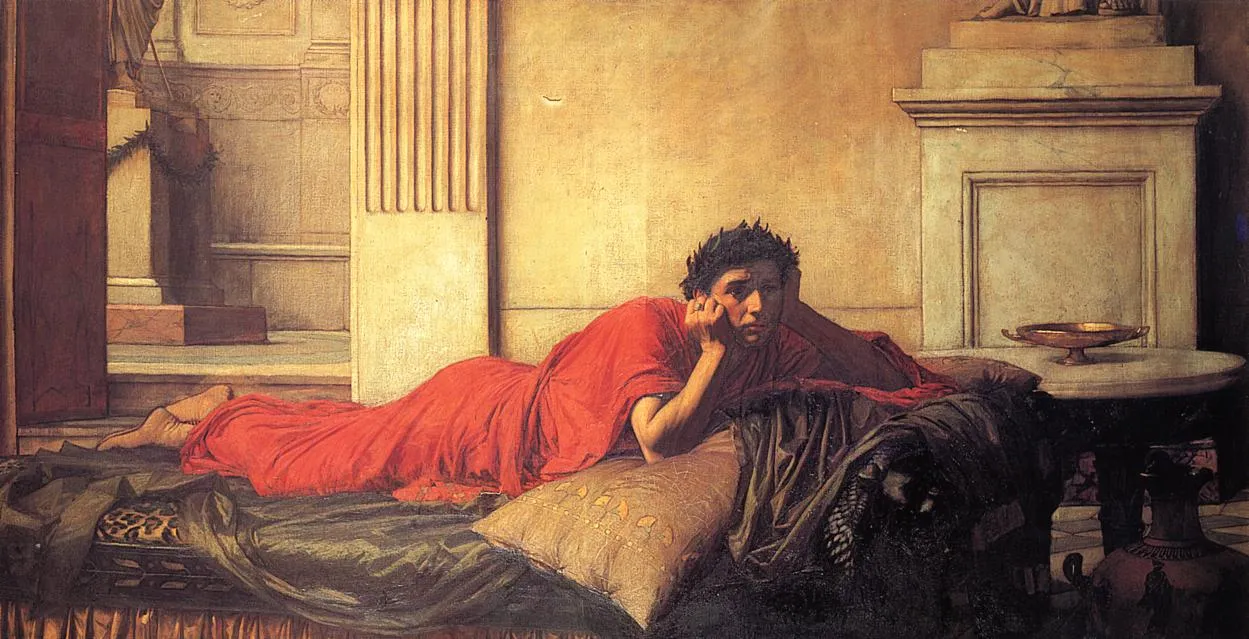
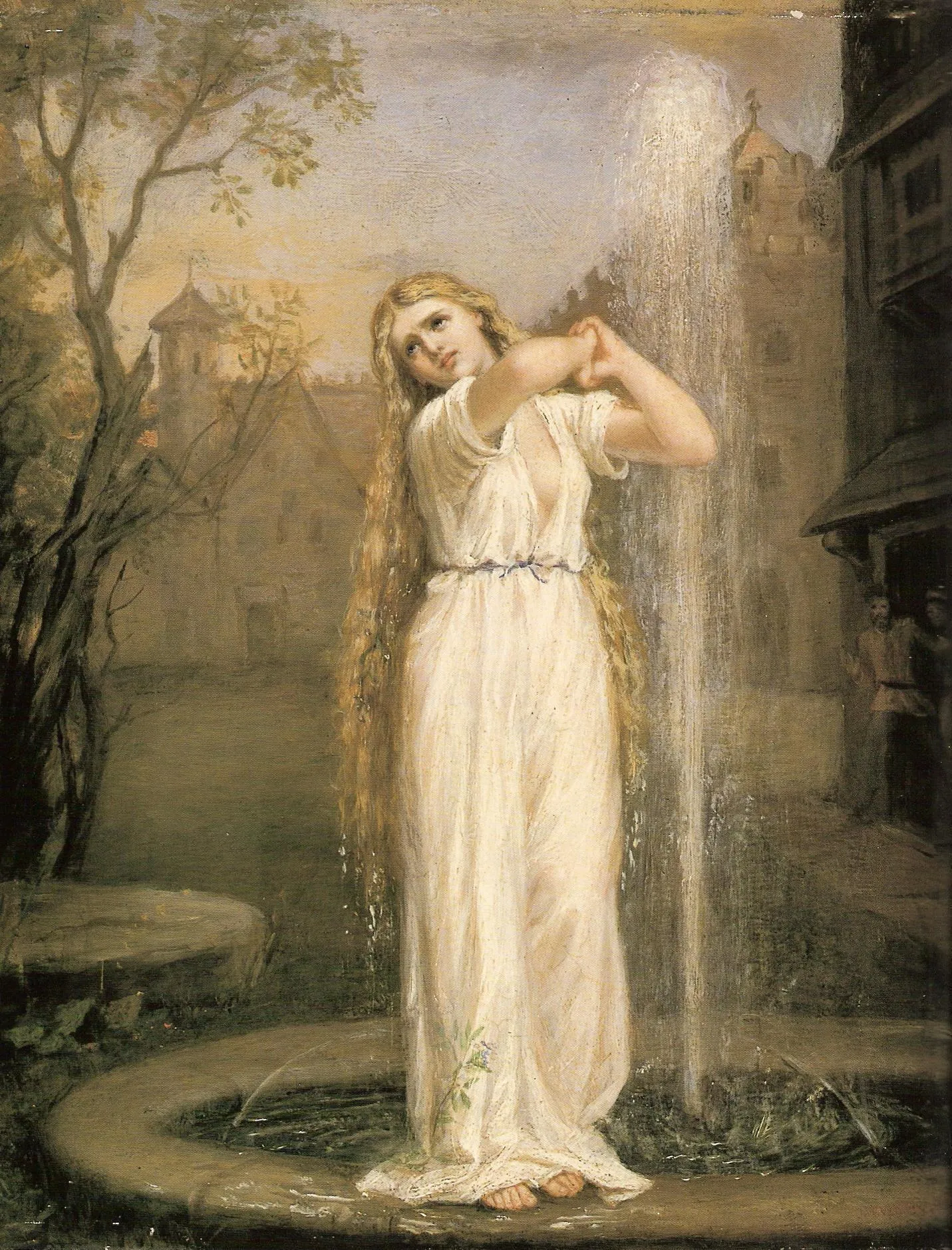
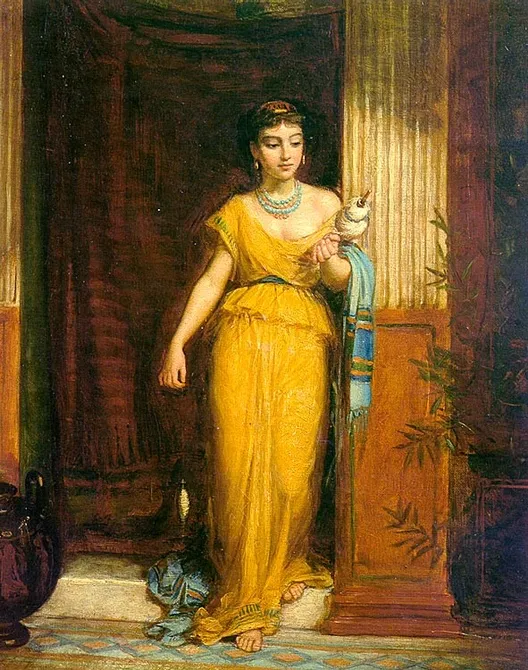
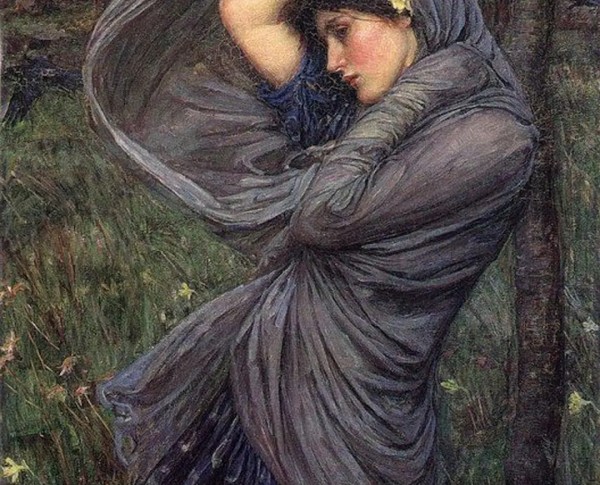
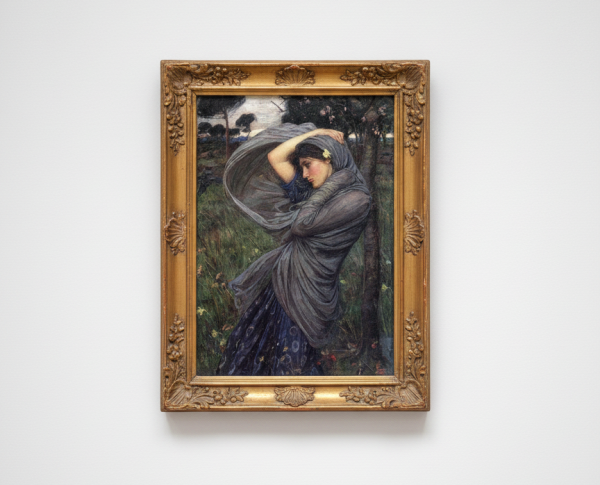
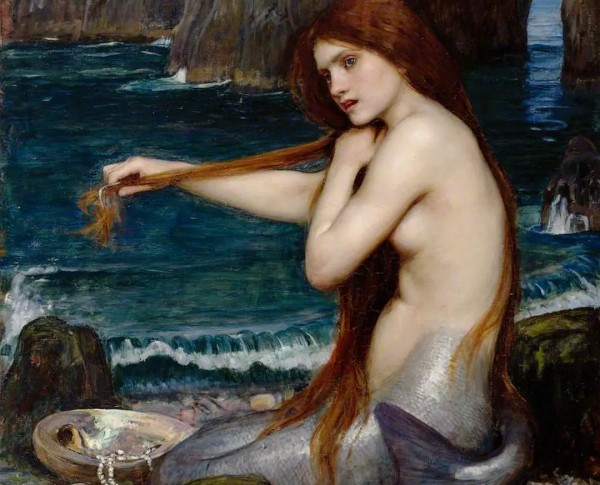
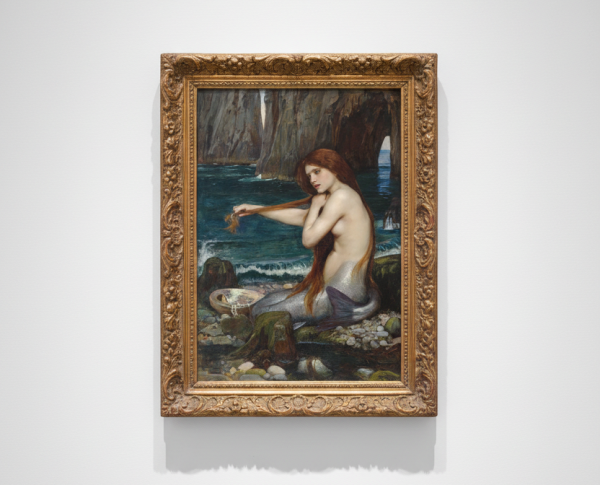
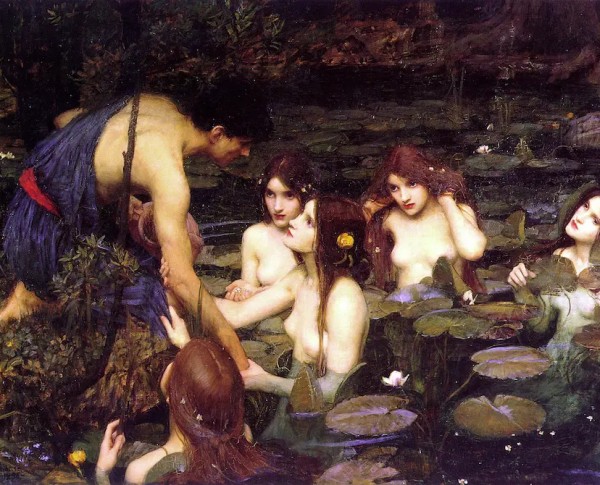
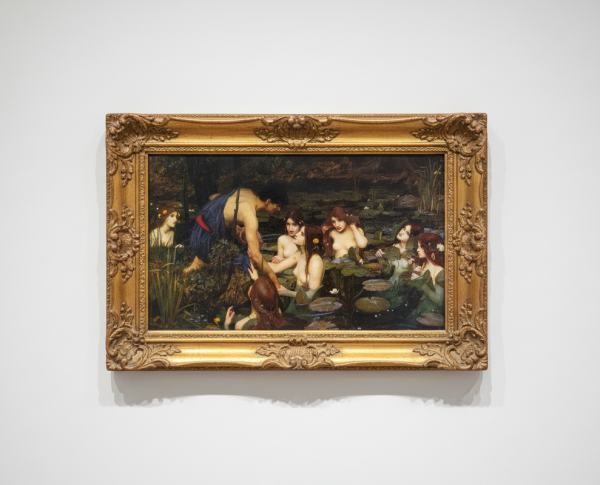
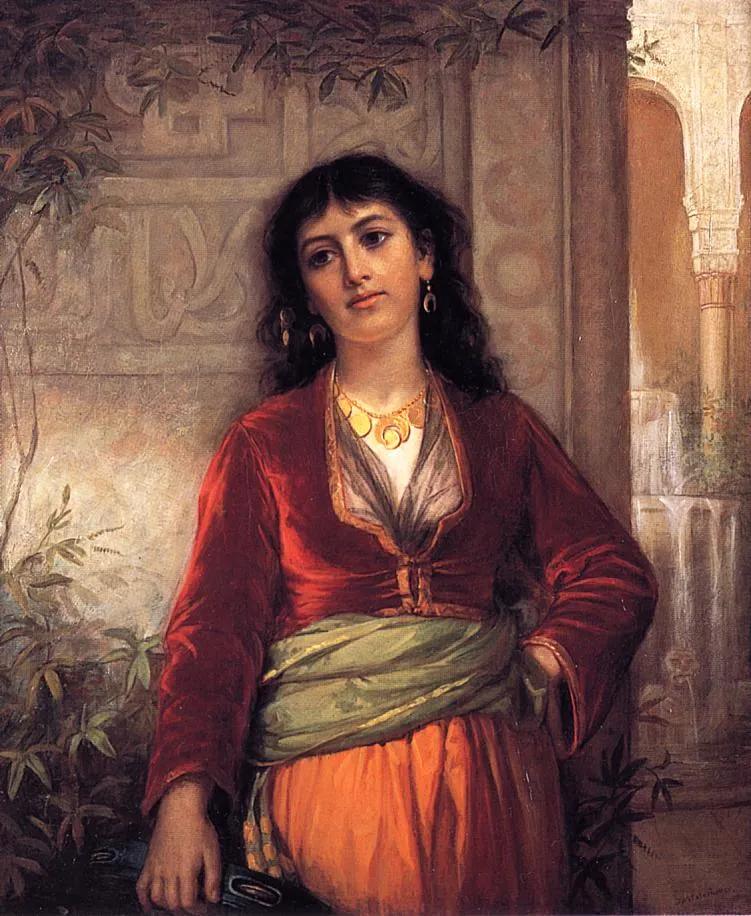
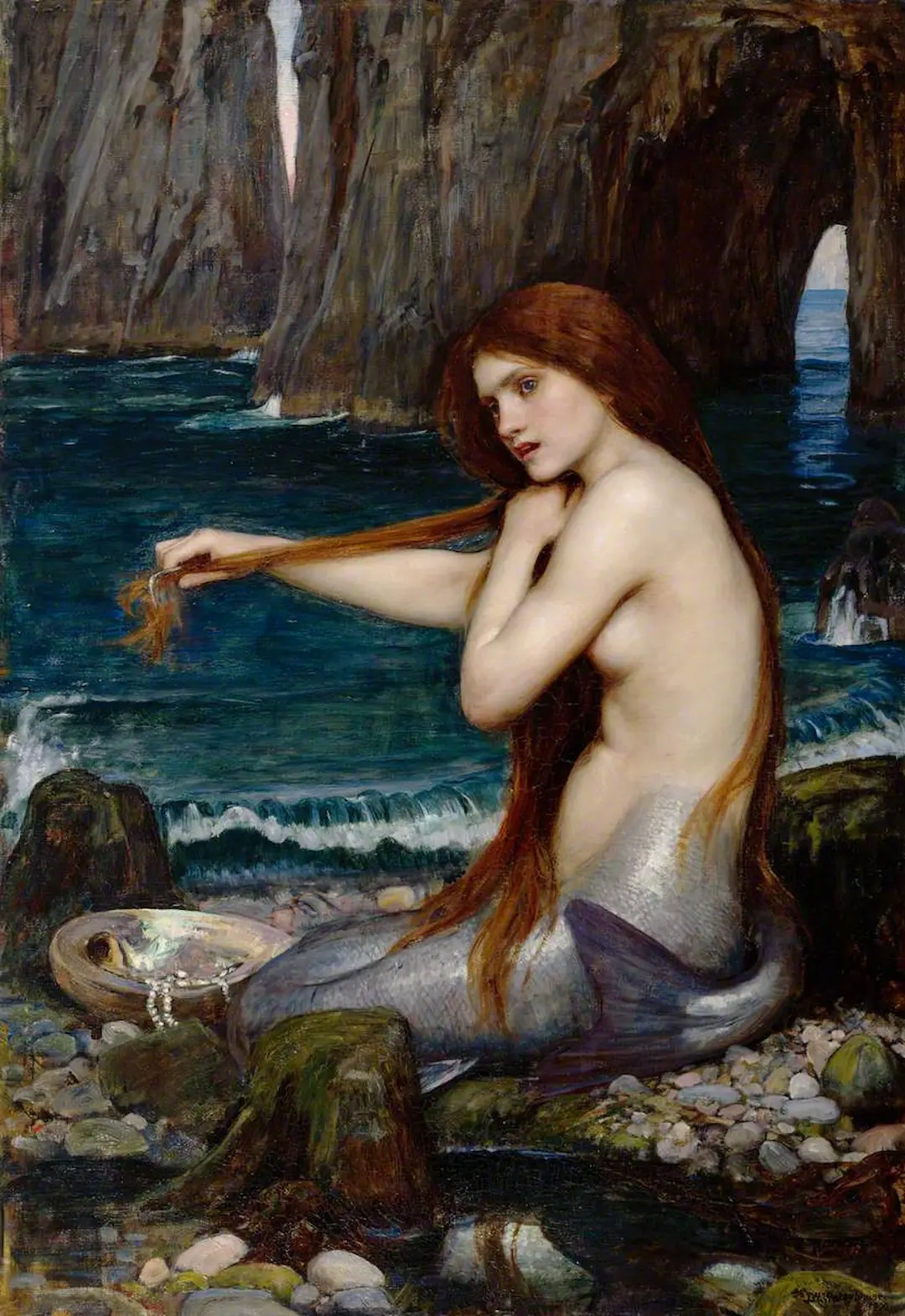
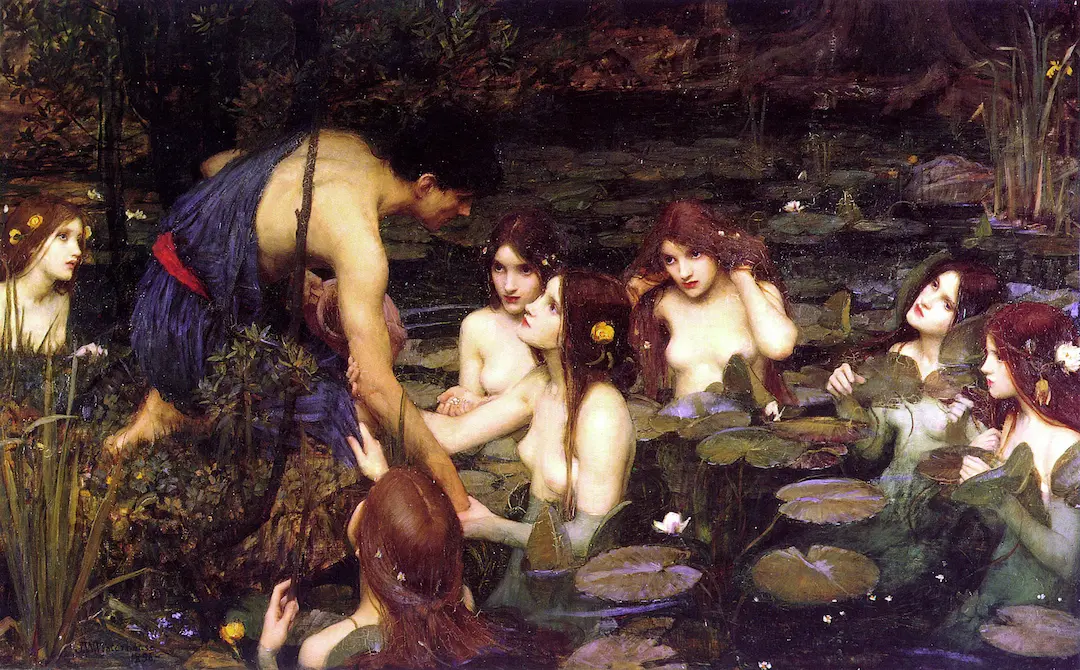
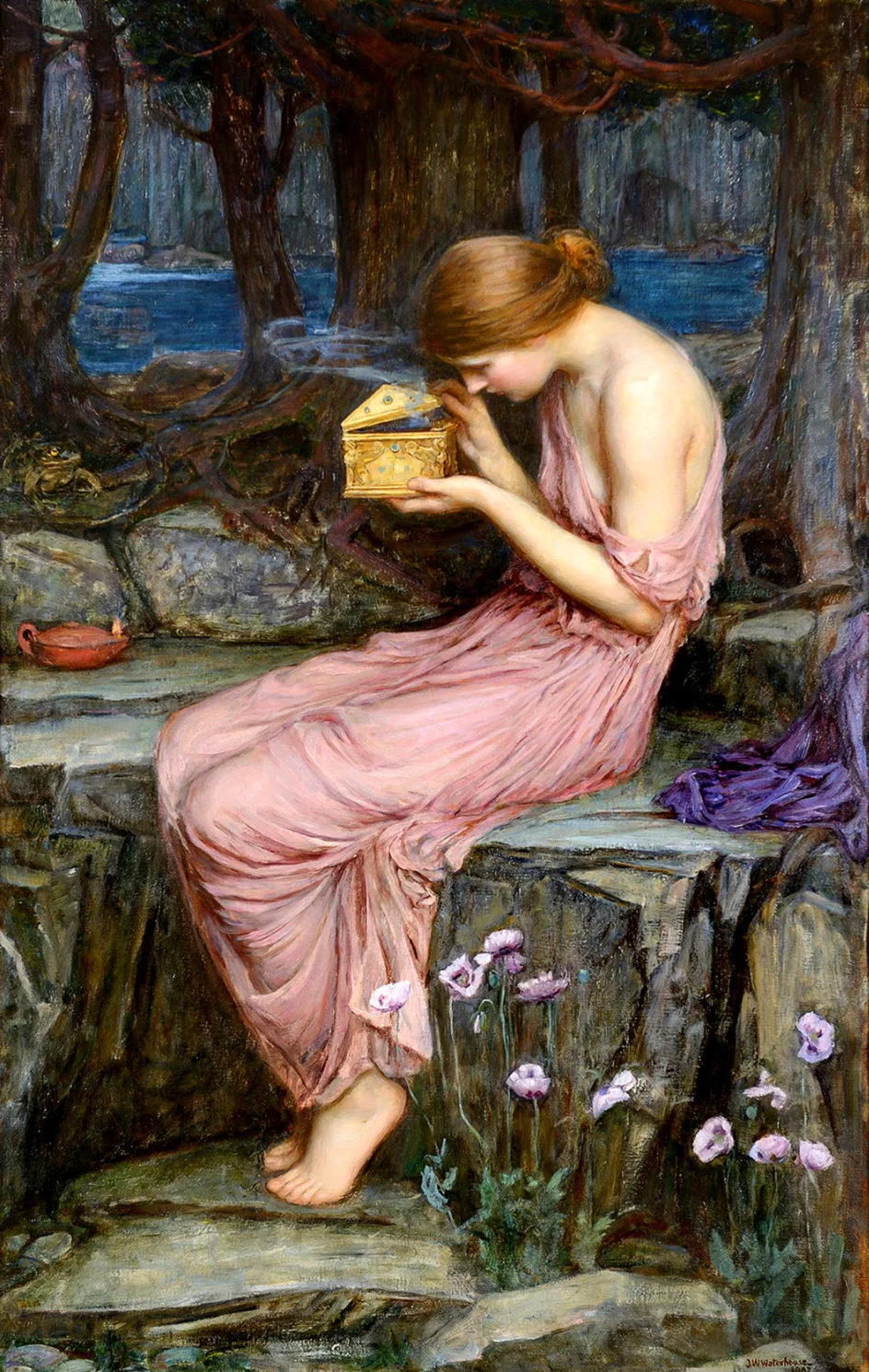
"The Unwelcome Companion" showcases Waterhouse’s technical prowess with oil on canvas, blending luminous color palettes and intricate brushwork. His skillful manipulation of light and texture brings each figure to life, echoing the Pre-Raphaelites’ commitment to realism and beauty. Collectors seeking fine art painting for sale will appreciate the exceptional craftsmanship present in this work, as well as in related masterpieces like "Hylas and the Nymphs 1896" and "A Mermaid 1900."
Waterhouse’s "The Unwelcome Companion" is rich with Pre-Raphaelite symbolism, drawing viewers into a world of myth and emotion. The painting’s narrative depth, achieved through expressive gestures and thoughtful composition, invites endless interpretation. This hand-painted oil painting aligns with Waterhouse’s other story-driven works, including "Psyche Opening the Golden Box 1903" and "The Slave," making it a beloved choice for those who value art with meaning and history.
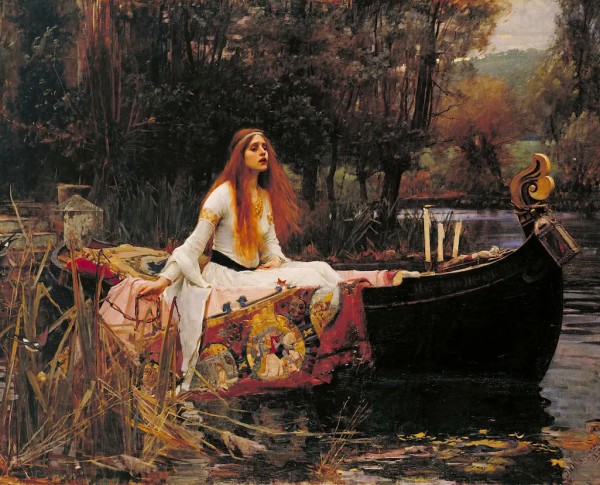
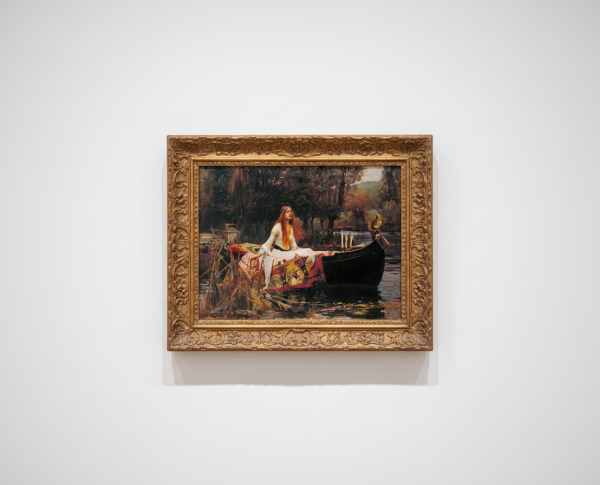
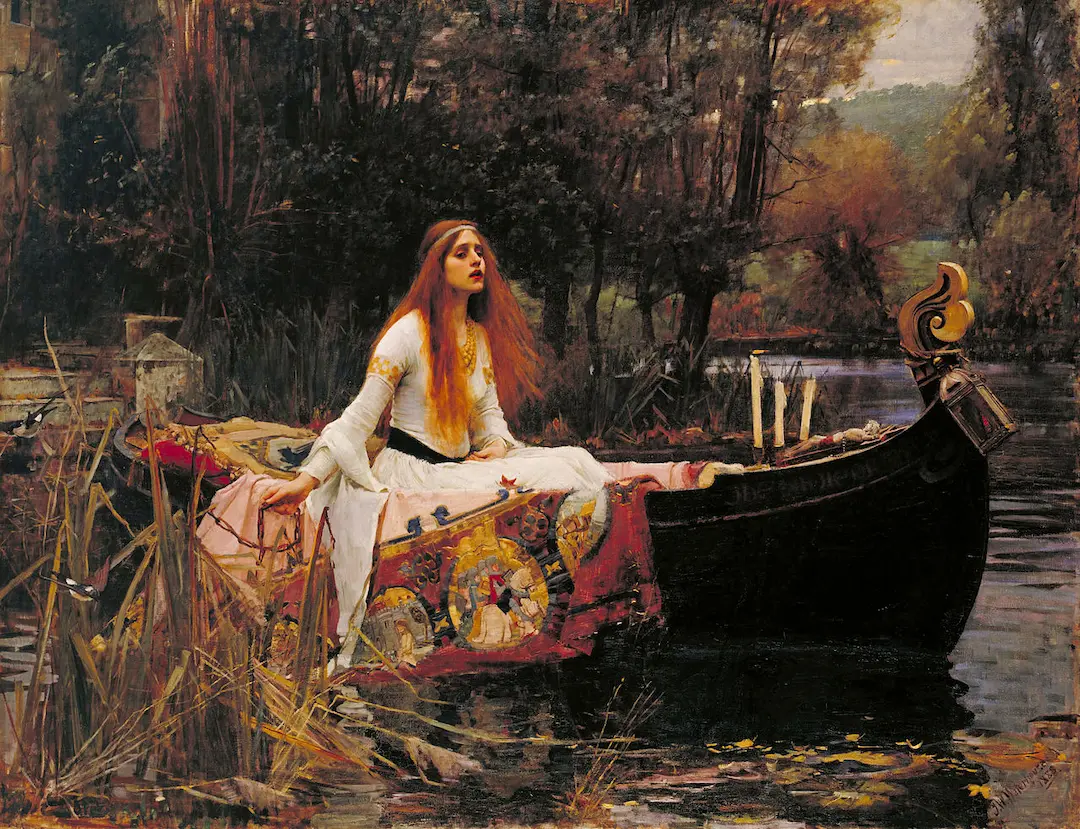
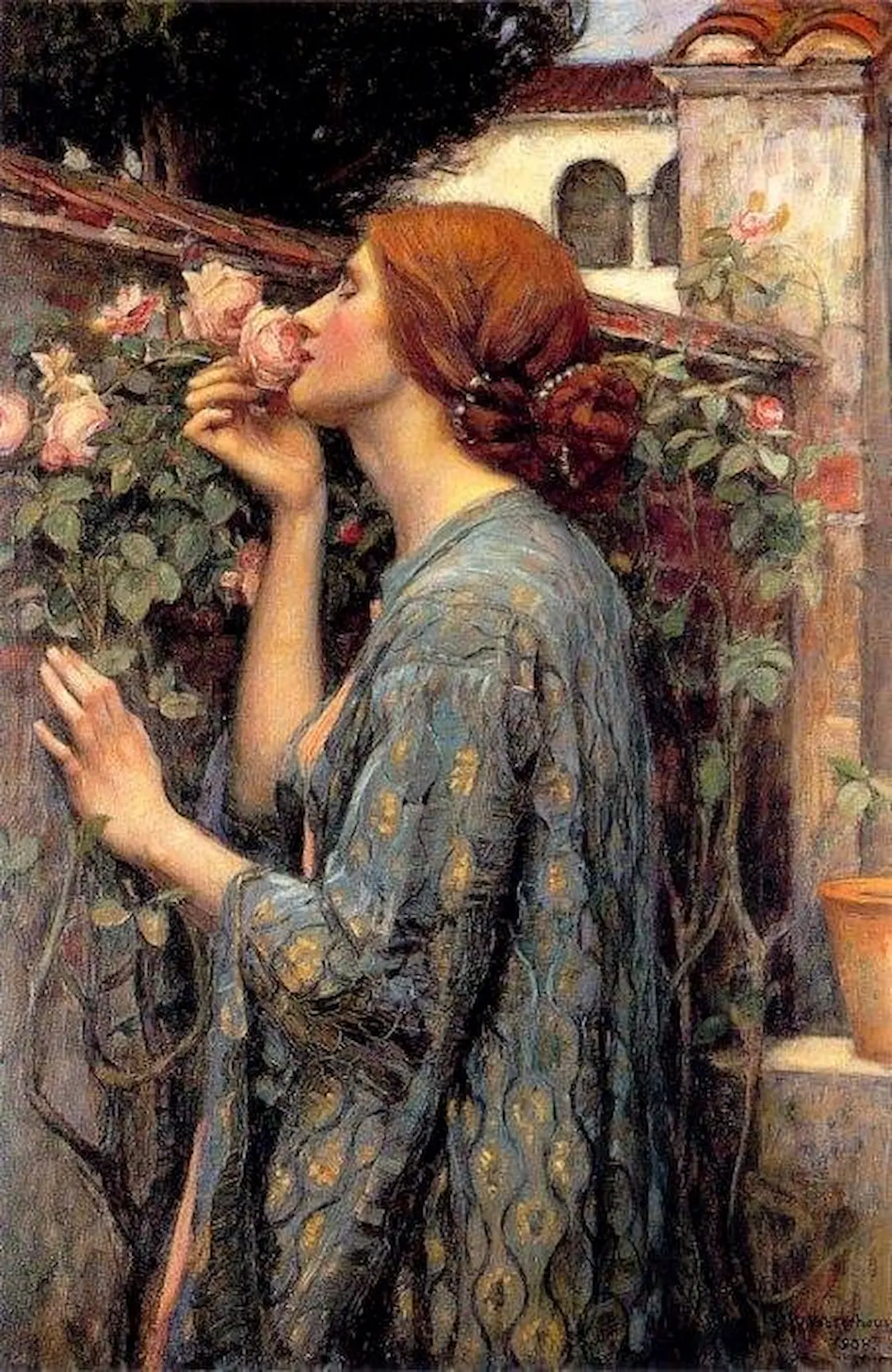
Owning "The Unwelcome Companion" means possessing a piece of Pre-Raphaelite history and Waterhouse’s artistic legacy. As a fine art painting for sale, it offers not only aesthetic pleasure but also enduring value for discerning collectors. Paired with related products such as "The Lady of Shalott 1888" or "The Soul of the Rose 1908," this oil on canvas masterpiece stands as a testament to timeless beauty and narrative power in the world of art.
When Art Meets History
John William Waterhouse, a renowned figure in the Pre-Raphaelites movement, created "The Unwelcome Companion" as a testament to his narrative-rich style. Painted during a period when hand-painted oil paintings were revered for their storytelling, this artwork reflects the era’s fascination with myth and emotion. Like his related paintings "Eve" and "Love Locked Out," Waterhouse’s work captures historical nuance, making "The Unwelcome Companion" a significant piece within the tapestry of 19th-century art history.
Techniques That Speak
Waterhouse’s mastery is evident in his use of oil on canvas, a medium favored by many Pre-Raphaelites for its depth and vibrancy. In "The Unwelcome Companion," the artist employs delicate brushwork and luminous layers to bring figures and settings to life. Techniques seen here are also present in his other works, such as "Piping Shepherd" and "Midsummer Eve," showcasing his ability to evoke atmosphere and texture, hallmarks of a truly skilled oil on canvas practitioner.
Emotions on Display
"The Unwelcome Companion" by John William Waterhouse is a fine art painting for sale that stirs deep emotional responses. The interplay between characters conveys tension and longing, hallmarks of the Pre-Raphaelites movement. Much like "Portrait of the Artist's Husband Henry with a Pipe," this painting draws viewers into a world of introspection and subtle drama. Waterhouse’s emotive storytelling is palpable, making this work resonate with those who appreciate art’s power to move the soul.
Coveted by Collectors
Collectors seek out "The Unwelcome Companion" as a distinguished hand-painted oil painting, appreciating its historical significance and artistic merit. Waterhouse’s works, including "Midsummer Eve" and "Eve," are highly valued within the Pre-Raphaelites movement for their timeless beauty and narrative depth. Owning this piece connects collectors to a celebrated legacy, making it a prized acquisition for anyone passionate about the enduring allure of 19th-century fine art.
Related Pre-Raphaelites Hand-Painted Oil Paintings by Other Artists
Other Famous Pre-Raphaelites Artists:
Frequently Asked Questions About The Unwelcome Companion
What is the historical context of "The Unwelcome Companion"?
"The Unwelcome Companion" was painted by John William Waterhouse in 1896, a period marked by the Pre-Raphaelite movement's influence and a growing interest in mythological themes in art.
What artistic techniques did Waterhouse employ in this painting?
Waterhouse utilized oil on canvas, employing rich colors and intricate details to create a sense of realism and emotional depth, characteristic of his style influenced by the Pre-Raphaelite Brotherhood.
What themes are explored in "The Unwelcome Companion"?
The painting explores themes of isolation, the duality of beauty and danger, and the tension between desire and repulsion, reflecting the complexities of human relationships.
Who are the figures depicted in "The Unwelcome Companion"?
The painting features a young woman and a menacing figure, often interpreted as a representation of temptation or an unwelcome presence in her life, highlighting the struggle between innocence and corruption.
What symbolism is present in "The Unwelcome Companion"?
The young woman symbolizes purity and vulnerability, while the dark figure represents the lurking dangers of desire and the unforeseen consequences of choices, creating a narrative of conflict.
How does "The Unwelcome Companion" reflect Waterhouse's artistic philosophy?
Waterhouse's philosophy often centered around the portrayal of women in myth and literature, emphasizing their emotional experiences and inner struggles, which is vividly depicted in this work.
What influences can be seen in Waterhouse's style in this painting?
Waterhouse's style in "The Unwelcome Companion" is influenced by the Pre-Raphaelite emphasis on detail, vibrant colors, and the depiction of romanticized narratives drawn from classical literature and mythology.
What is the significance of the color palette used in this painting?
The color palette features deep, contrasting hues that evoke a sense of drama and tension, enhancing the emotional impact of the scene and drawing the viewer into the narrative.
How does "The Unwelcome Companion" fit into the broader context of Waterhouse's body of work?
This painting exemplifies Waterhouse's recurring exploration of female figures caught in moments of emotional turmoil, aligning it with his other notable works that delve into themes of love, loss, and myth.
What impact did "The Unwelcome Companion" have on the art community during Waterhouse's time?
The painting was well-received and contributed to the growing appreciation for narrative art in the late 19th century, influencing both contemporary artists and the perception of women in art.























_GFM_Painting_(1).webp)


 100% Hand-Painted: Finished in 3-6 Weeks

.png)















_(1).webp)