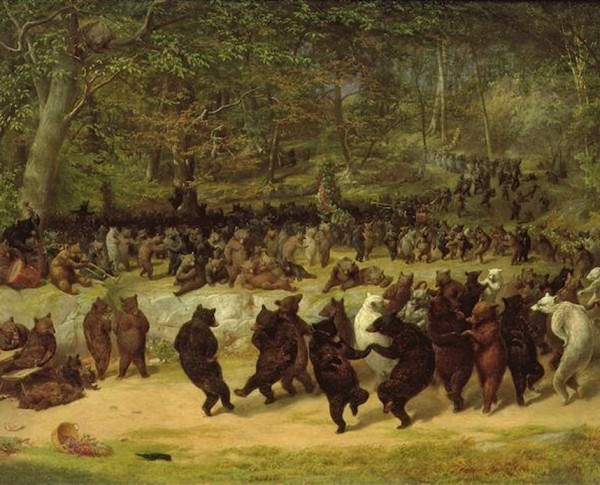
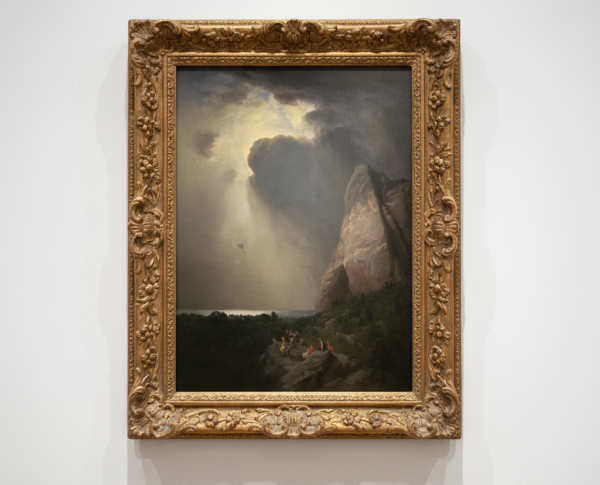
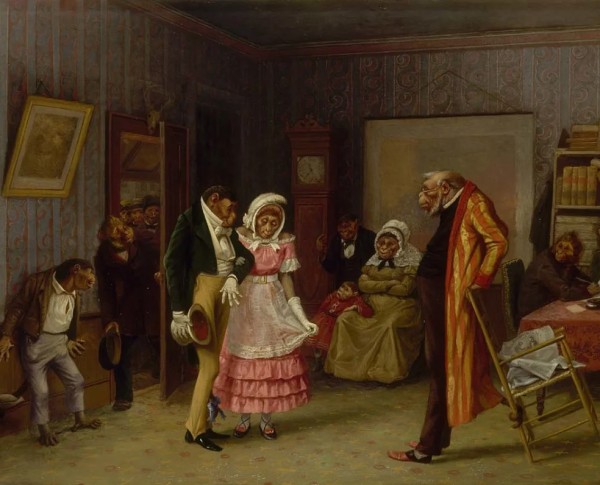
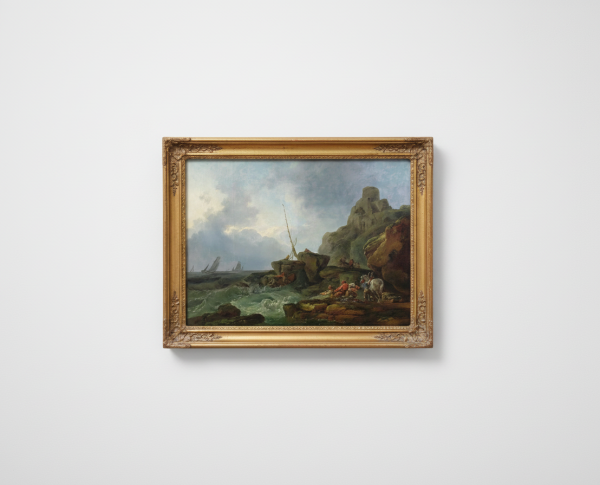
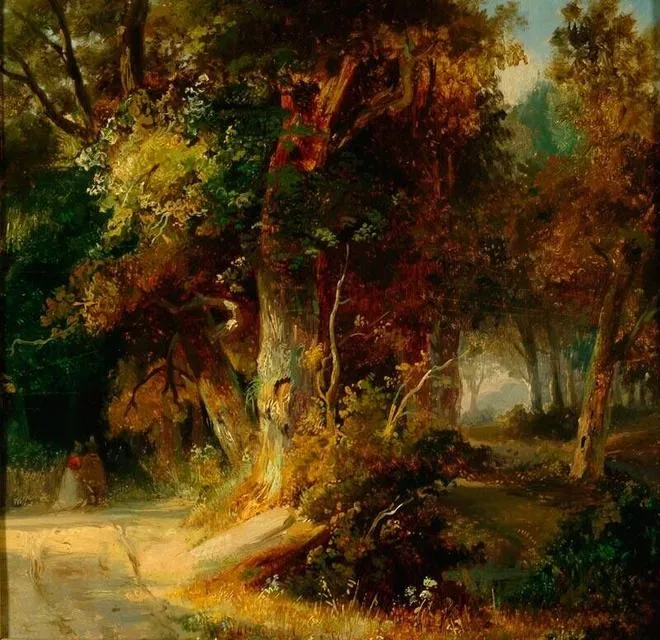
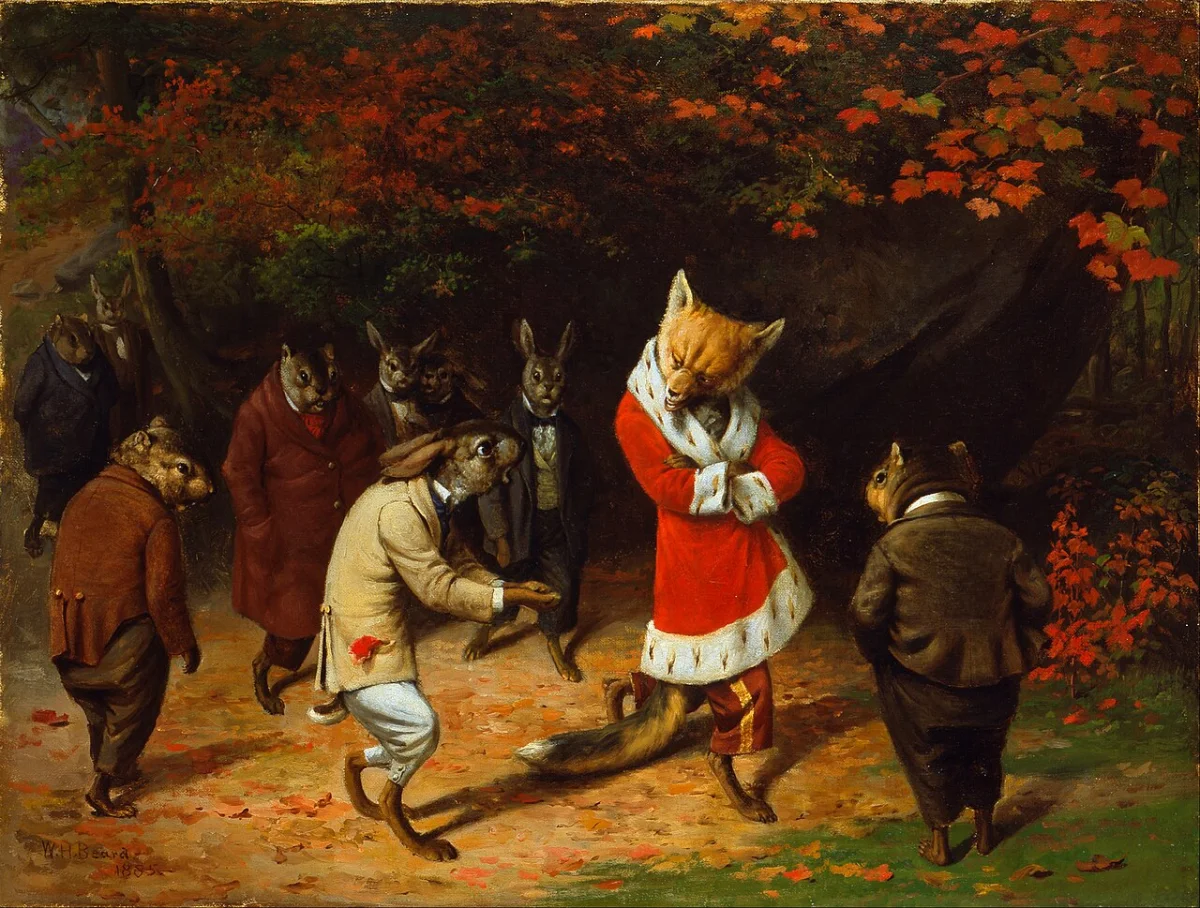
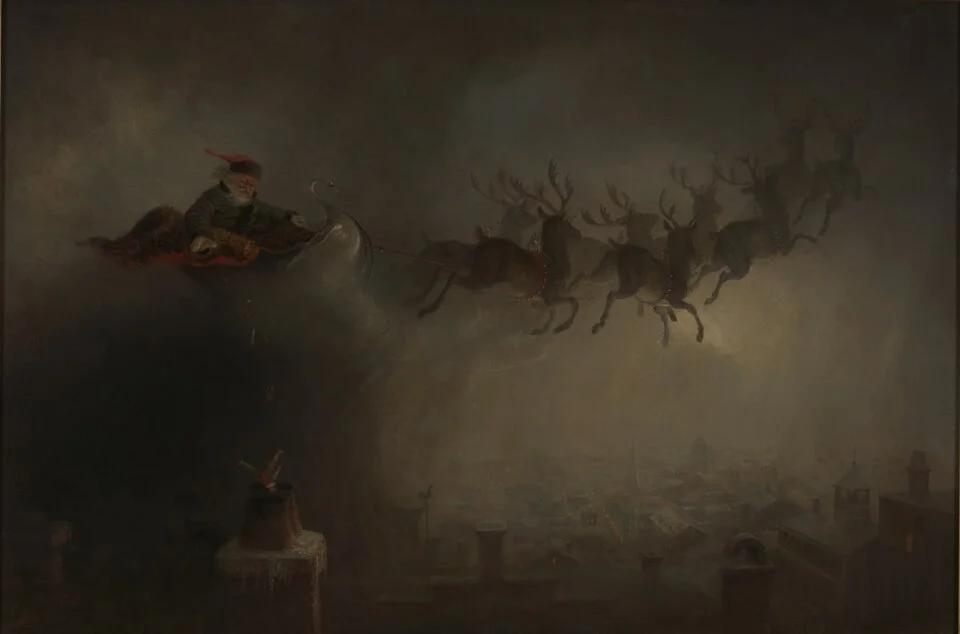
William Holbrook Beard’s expertise shines through the exquisite oil on canvas technique showcased in "In the Forest." Every brushstroke demonstrates his command over texture, light, and shadow, hallmarks of the Romanticism movement. This painting, much like "The Bulls and Bears in the Market" and "The March of Silenus," immerses viewers in a world of emotion and drama. Beard’s meticulous attention to detail ensures each piece remains a timeless example of masterful oil on canvas artistry.
"In the Forest" is more than a fine art painting for sale; it is a visual narrative steeped in symbolism. Beard often used animals and woodland scenes to comment on human nature, a theme echoed in works like "Five Bears" and "0005 Scientists At Work by." The Romanticism movement encouraged artists to explore emotion and allegory, and Beard’s painting invites viewers to unravel its mysteries. This makes it a captivating choice for collectors seeking meaningful art.
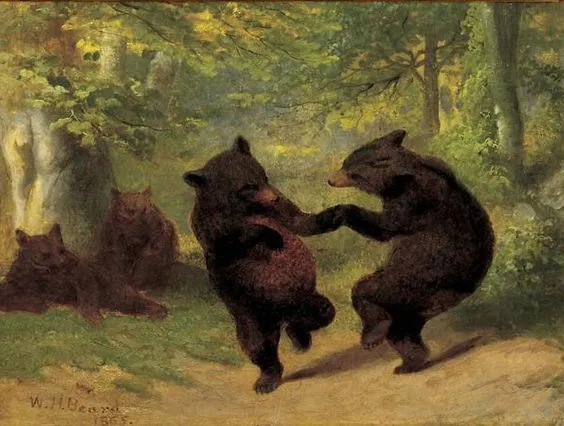
Owning "In the Forest" by William Holbrook Beard means possessing a hand-painted oil painting that embodies the spirit of Romanticism. Its unique blend of narrative depth and artistic mastery makes it a valuable addition to any collection. Collectors often seek out related pieces such as "The Bear Dance" and "The March of Silenus" to enhance their galleries. With its enduring appeal, "In the Forest" remains a coveted fine art painting for sale among art enthusiasts worldwide.
When Art Meets History
"In the Forest" by William Holbrook Beard is a remarkable example of Romanticism, a movement known for its fascination with nature and emotion. This hand-painted oil painting captures the mysterious allure of the wild, a theme also explored in related works like "Battle of San Jacinto" and "Dawn at the Alamo." Beard’s art reflects the historical period’s interest in untamed landscapes, making "In the Forest" a vital piece of cultural and artistic history.
Techniques That Speak
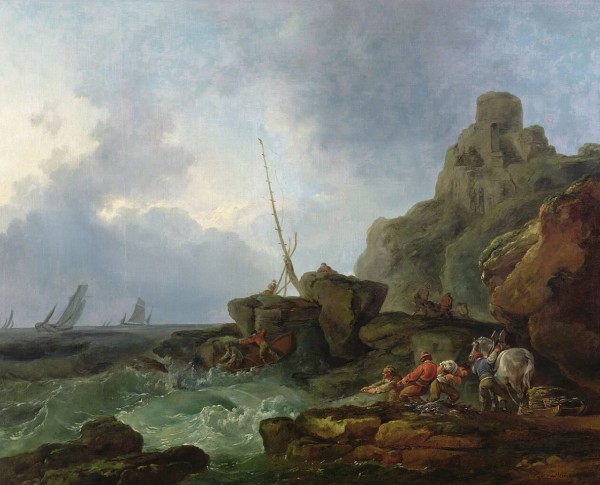
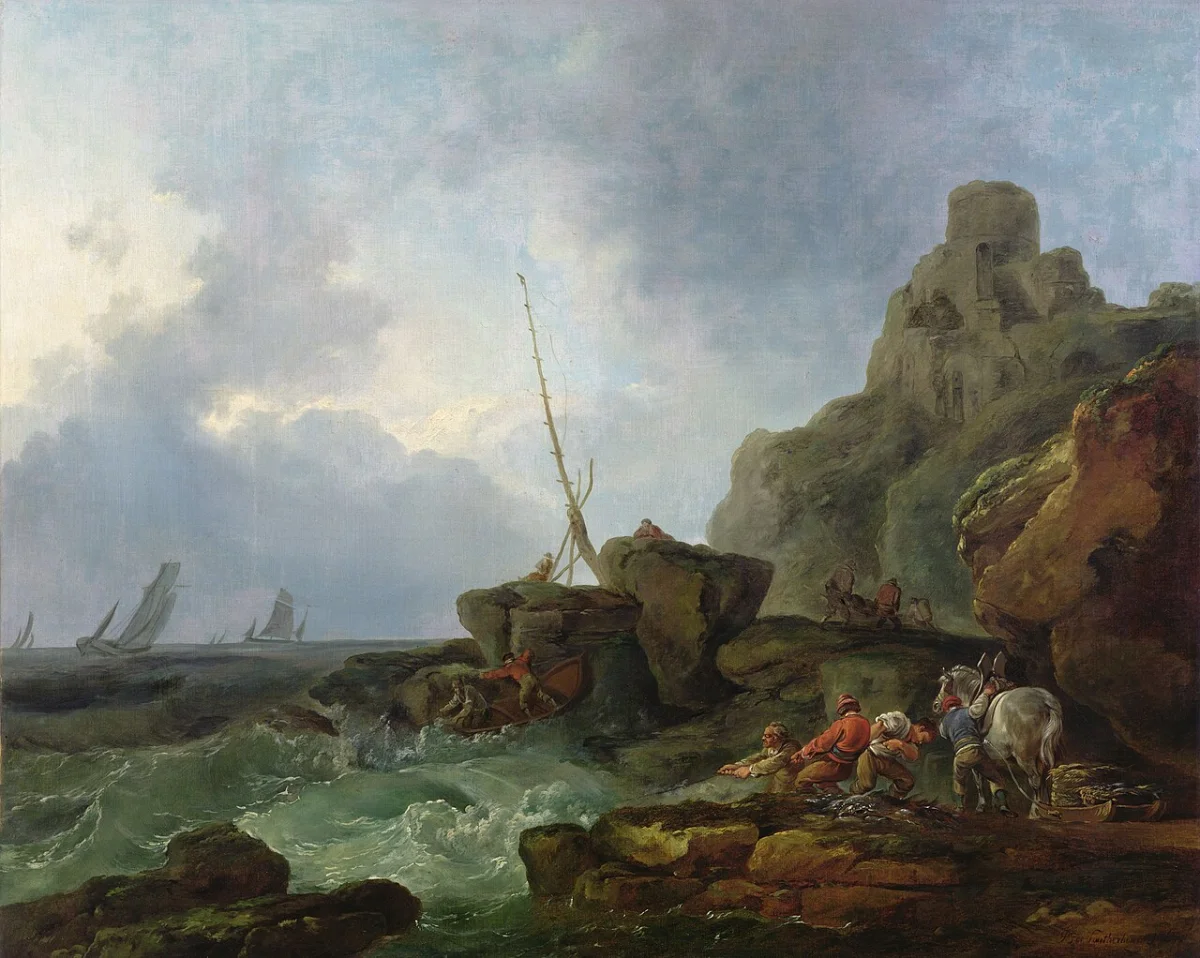
William Holbrook Beard’s masterful use of oil on canvas brings the enchanting woodland scene of "In the Forest" to life. The brushwork, rich textures, and vibrant palette echo techniques seen in Romanticism and in paintings like "Calais Pier" and "Life Saving Patrol." Beard’s attention to light and shadow elevates this oil on canvas, inviting viewers to immerse themselves in the lush, detailed environment that defines his celebrated style.
Emotions on Display
The emotional depth of "In the Forest" is unmistakable—Beard’s hand-painted oil painting evokes awe and curiosity for the natural world. Like "Bad der Nymphen," this work channels the Romantic spirit, stirring feelings of wonder and introspection. Through expressive animal figures and moody atmospheres, Beard invites us to explore our relationship with nature, making this fine art painting for sale a timeless testament to human emotion.
Coveted by Collectors
"In the Forest" remains highly sought-after among art enthusiasts who appreciate Romanticism and the legacy of William Holbrook Beard. Collectors value the painting’s craftsmanship, historical significance, and connection to related works such as "Life Saving Patrol" and "Calais Pier." As a fine art painting for sale, "In the Forest" exemplifies the enduring appeal of Beard’s vision, making it a prized addition to any distinguished collection.
Related Romanticism Hand-Painted Oil Paintings by Other Artists
Other Famous Romanticism Artists:
Frequently Asked Questions About "In the Forest"
What is the historical context of "In the Forest"?
"In the Forest," painted by William Holbrook Beard in the late 19th century, reflects the American fascination with nature during the period of westward expansion and the Romantic movement, which emphasized the beauty and sublimity of the natural world.
What artistic techniques did William Holbrook Beard employ in this painting?
Beard utilized a combination of realistic detail and atmospheric perspective to create depth, employing a rich color palette that enhances the vibrancy of the forest setting.
What themes are explored in "In the Forest"?
The painting explores themes of nature, tranquility, and the relationship between humans and the natural environment, inviting viewers to reflect on the beauty and complexity of the wilderness.
How does "In the Forest" reflect the characteristics of the Hudson River School?
While Beard is not a member of the Hudson River School, his work shares their emphasis on detailed landscapes and the celebration of nature, highlighting the American landscape's beauty and grandeur.
What symbolism can be found in the elements of the painting?
The forest setting symbolizes the untamed beauty of nature, while the animals depicted may represent the harmony of life within this ecosystem, emphasizing the interconnectedness of all living beings.
What impact did "In the Forest" have on American art at the time?
The painting contributed to the growing appreciation for landscape art in America, encouraging a deeper understanding of the natural world and influencing future generations of artists to explore similar themes.
How does the composition of "In the Forest" guide the viewer's eye?
The composition utilizes leading lines created by the trees and pathways to draw the viewer's eye into the depths of the forest, creating a sense of exploration and inviting contemplation.
What role do animals play in "In the Forest"?
Animals in the painting serve to enhance the narrative of the forest, symbolizing the vitality of nature and reminding viewers of the coexistence of wildlife within their natural habitats.
How does "In the Forest" reflect Beard's artistic philosophy?
Beard's philosophy centered on portraying nature authentically and celebrating its beauty, which is evident in "In the Forest" through his meticulous attention to detail and vibrant representation of the landscape.
What can we learn from "In the Forest" about the relationship between humans and nature?
The painting encourages viewers to appreciate and respect the natural world, serving as a reminder of the importance of preserving wilderness and fostering a harmonious relationship with the environment.






















_GFM_Painting_(1).webp)


 100% Hand-Painted: Finished in 3-6 Weeks

.png)















_(1).webp)