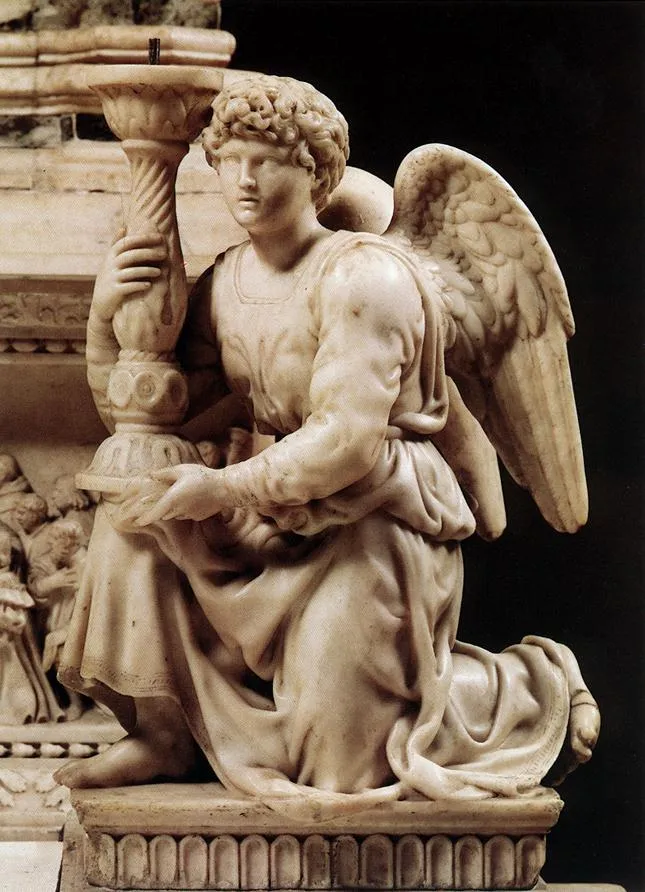
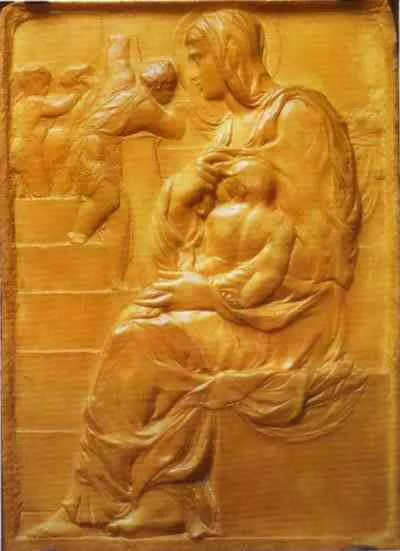
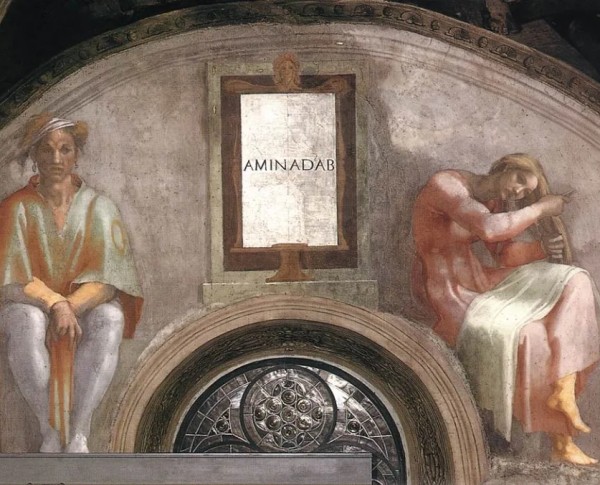
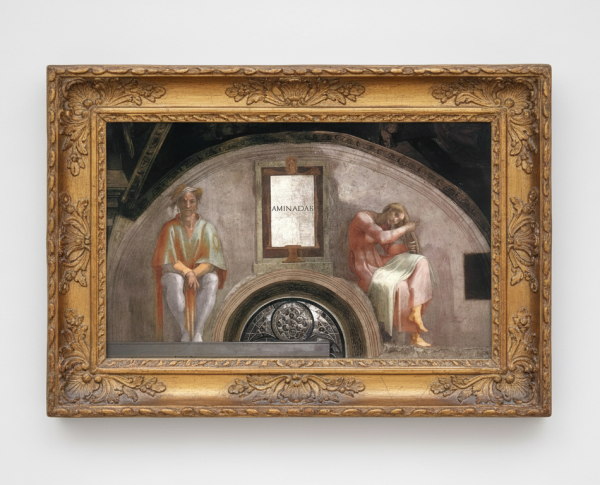
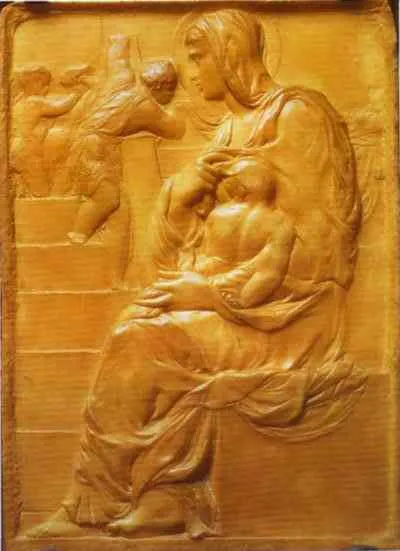
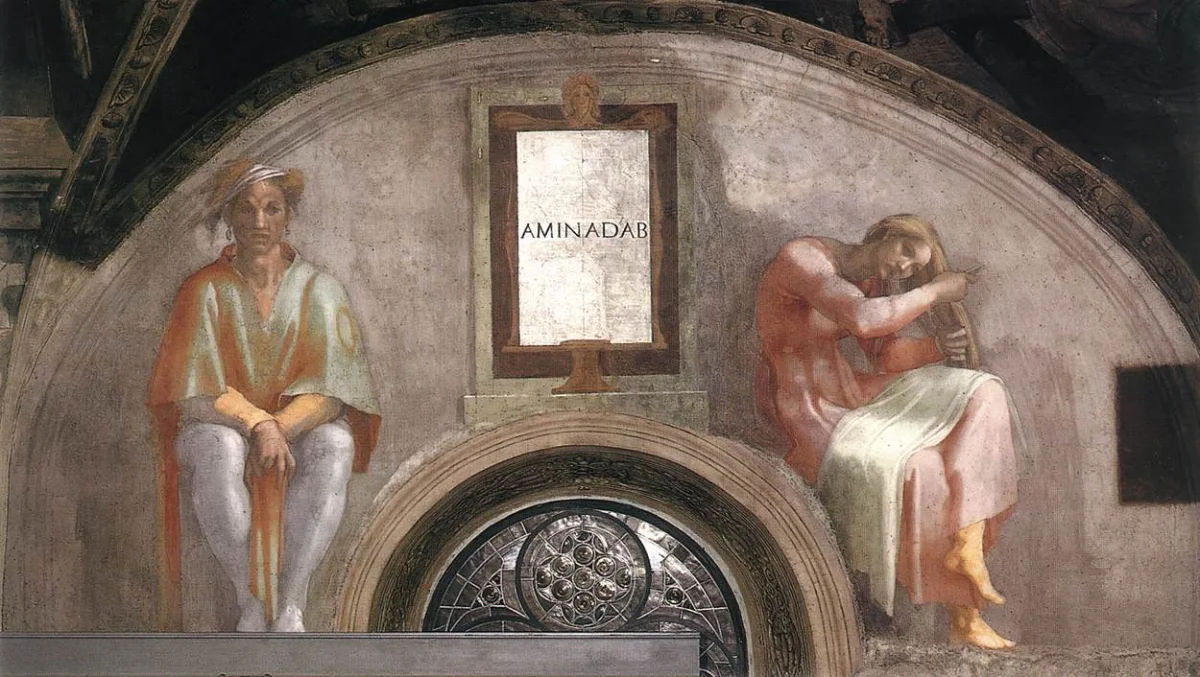
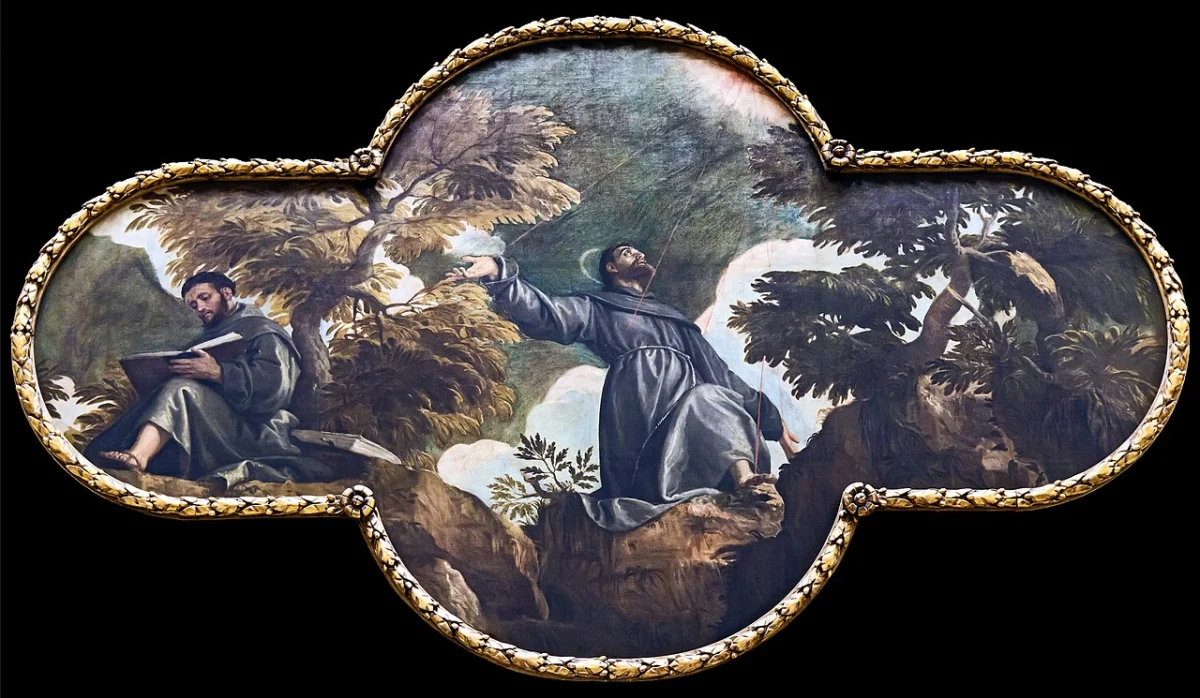
"Madonna of the Stairs" showcases Michelangelo's exceptional talent with oil on canvas. His attention to anatomical accuracy and emotional depth is evident, aligning perfectly with the ideals of the High Renaissance movement. This painting’s technique rivals his other celebrated works such as "Aminadab" and "The Stigmata of Saint Francis." The refined details and sculptural qualities make this oil on canvas a remarkable example of Michelangelo’s early mastery and artistic innovation.
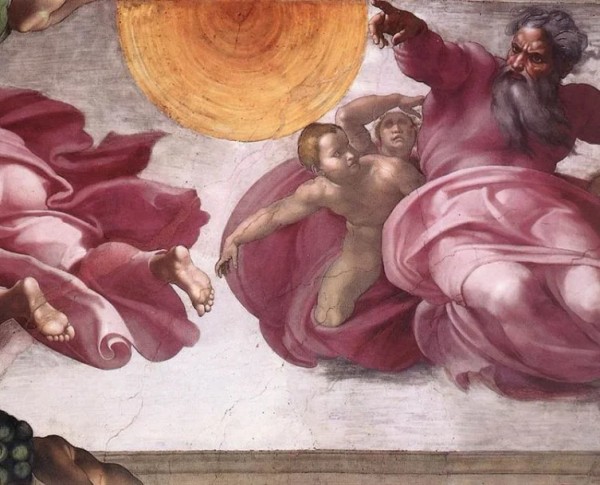
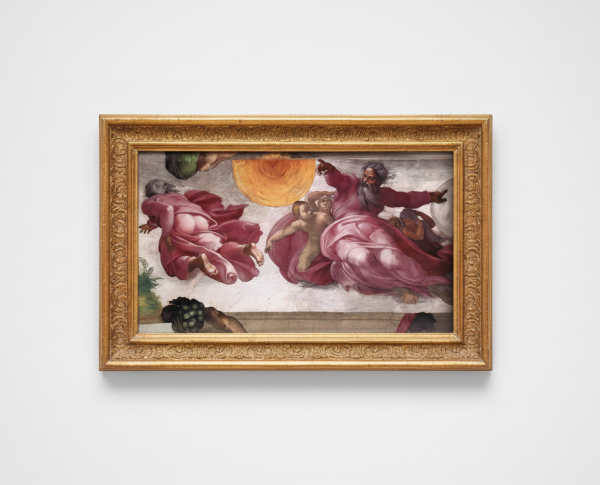
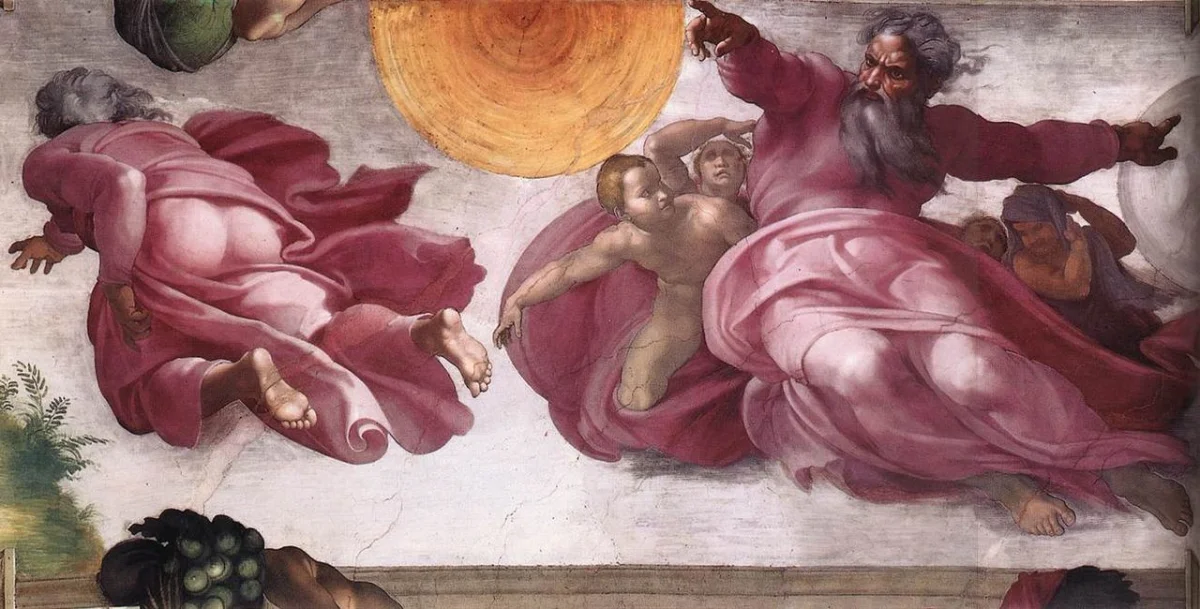
Michelangelo infused "Madonna of the Stairs" with layers of symbolism, making it a fine art painting for sale that appeals to both scholars and collectors. The gentle embrace between Mary and Jesus reflects themes of maternal devotion and divine protection. Similar narrative depth can be found in his other pieces, including "The Torment of Saint Anthony" and "The Creation of the Sun, Moon and Planets." Each element enriches the story, inviting endless interpretation.
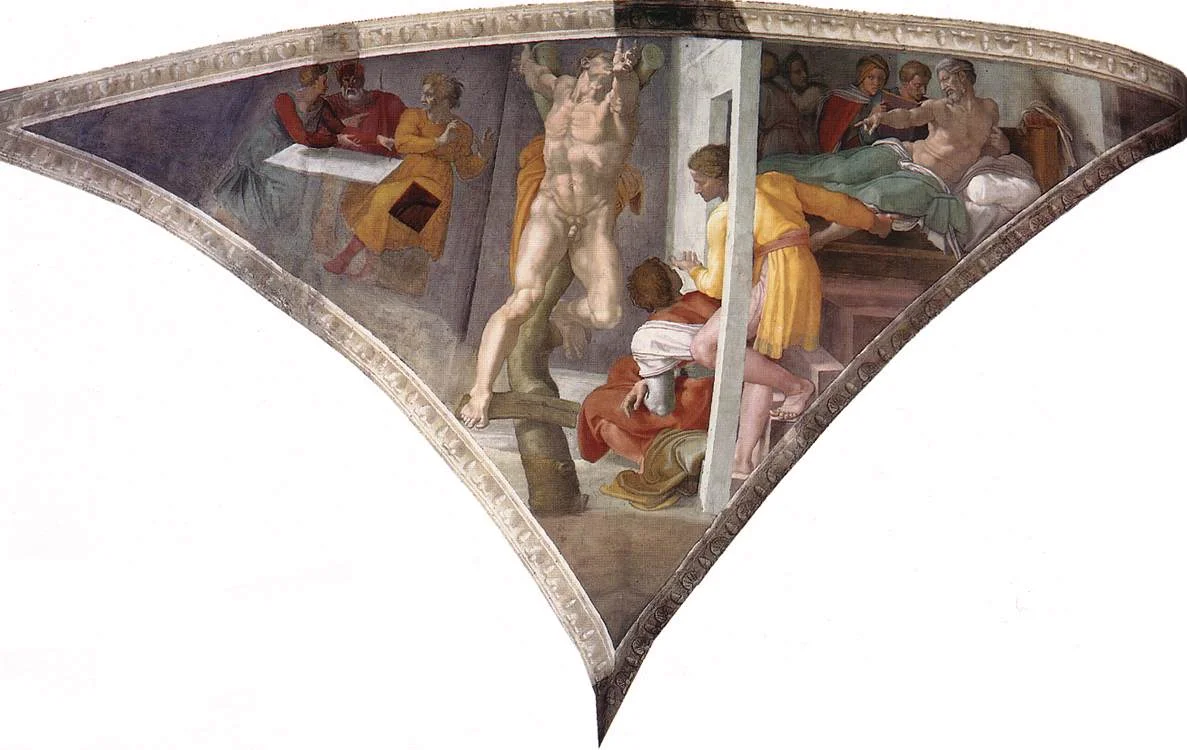
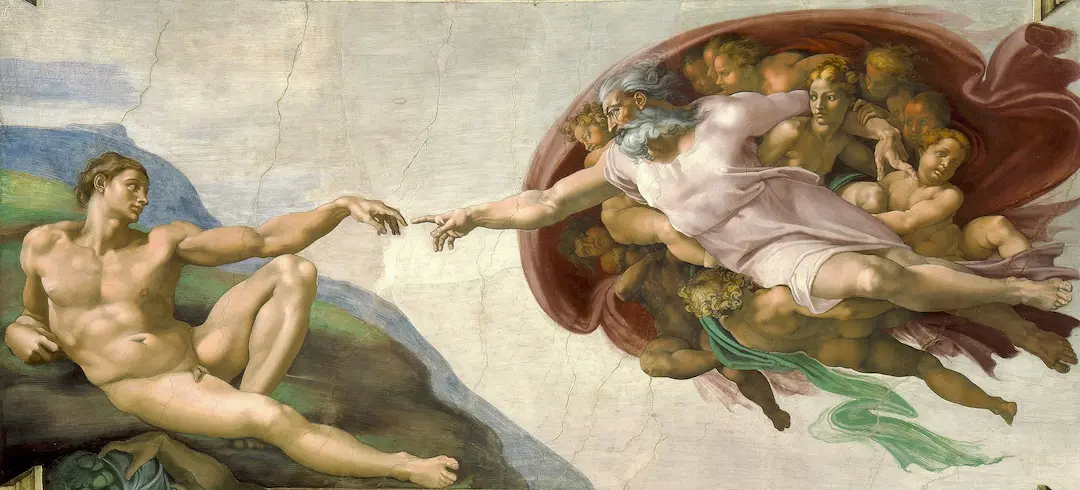
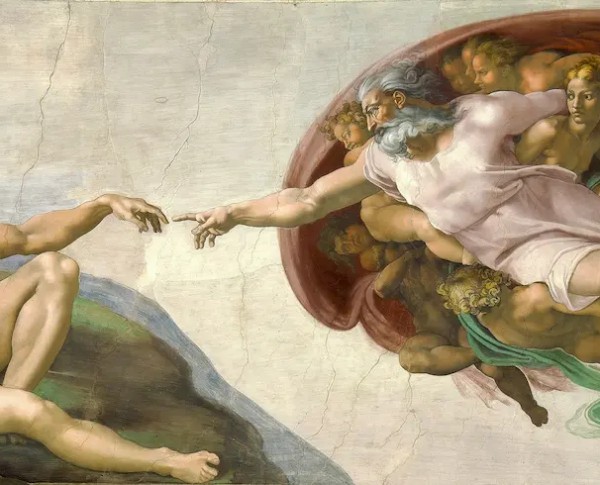
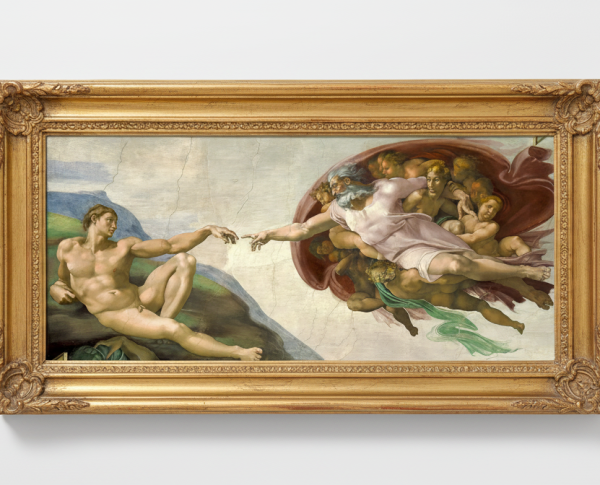
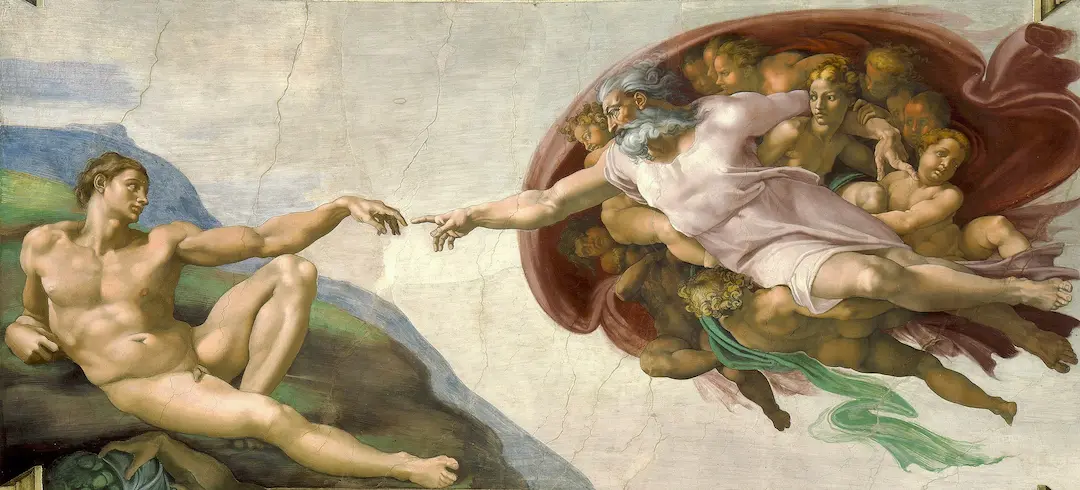
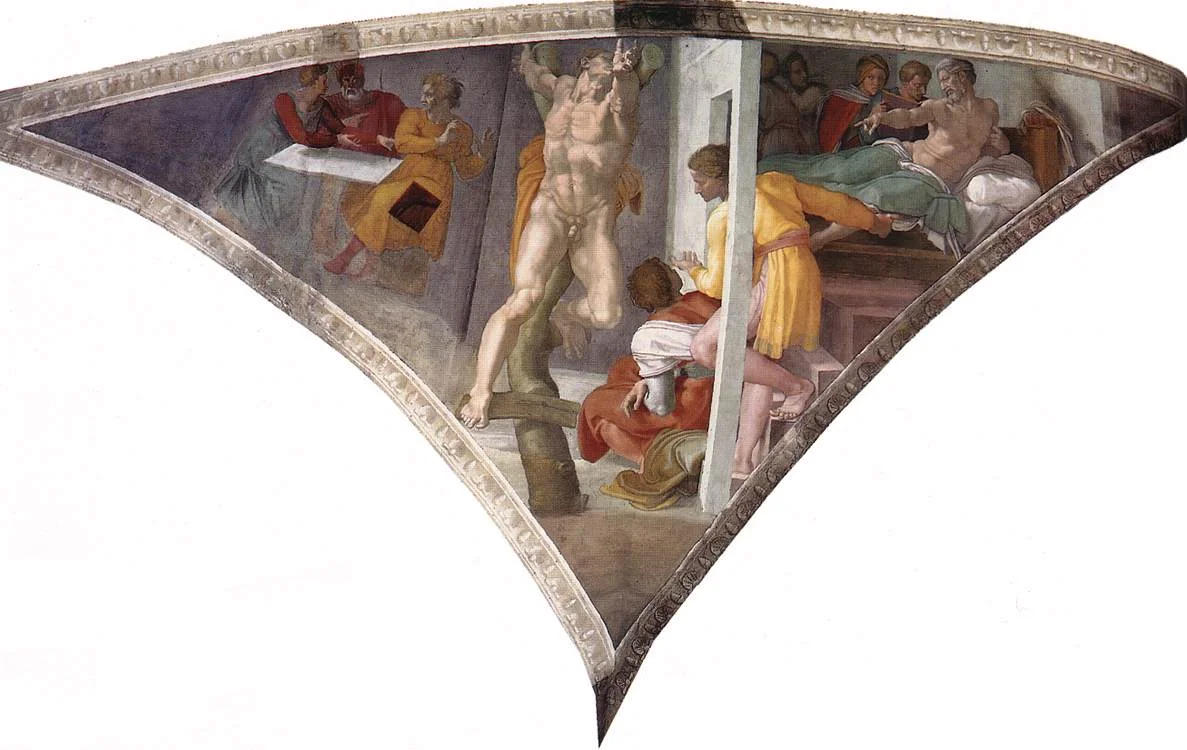
For those seeking a timeless addition to their collection, "Madonna of the Stairs" by Michelangelo Buonarroti is a coveted fine art painting for sale. Its High Renaissance origins and masterful execution set it apart, much like his renowned works "Creation of Adam 1510" and "The Punishment of Haman." Owning this masterpiece connects collectors to a rich tradition, making it a centerpiece alongside other iconic paintings from the era.
When Art Meets History
"Madonna of the Stairs" by Michelangelo Buonarroti is a remarkable example of the High Renaissance movement, blending spiritual themes with innovative artistry. Created early in Michelangelo's career, this hand-painted oil painting showcases his mastery of form and emotion. Like his contemporaries in works such as "The School of Athens" and "The Canigiani Holy Family," Michelangelo's "Madonna of the Stairs" reflects the period's reverence for classical beauty and religious devotion, making it a pivotal piece in art history.
Techniques That Speak
Michelangelo’s "Madonna of the Stairs" is renowned for its intricate techniques, particularly his use of oil on canvas. The painting’s delicate chiaroscuro and precise anatomical details demonstrate his deep understanding of human form, a skill also evident in "The Study of Drapery of a Seated Figure." Through subtle shading and careful brushwork, Michelangelo brings the Madonna and Child to life, illuminating why his works remain benchmarks in the High Renaissance movement.
Emotions on Display
In "Madonna of the Stairs," Michelangelo Buonarroti expresses profound maternal tenderness and serenity, hallmarks of a fine art painting for sale that resonates emotionally with viewers. The gentle embrace between Madonna and Child is rendered with sensitivity, mirroring the emotional depth found in masterpieces like "Saint Michael And The Dragon." The painting’s tranquil mood and intimate composition exemplify Michelangelo’s ability to capture the spiritual essence of his subjects.
Coveted by Collectors
Collectors highly prize "Madonna of the Stairs" for its historical significance and artistic mastery, making it a sought-after fine art painting for sale. Alongside works such as "The Hill of Calvary" and "The Canigiani Holy Family," this piece exemplifies Michelangelo’s contribution to the High Renaissance. Its enduring appeal lies in the combination of technical skill, emotional resonance, and the storied legacy of Michelangelo Buonarroti, cementing its status among the most coveted artworks in the world.
Related High Renaissance Hand-Painted Oil Paintings by Other Artists
Other Famous High Renaissance Artists:
Frequently Asked Questions About Madonna of the Stairs
What is the historical significance of the Madonna of the Stairs?
The Madonna of the Stairs is one of Michelangelo's early works, created around 1490. It is significant as it showcases his mastery of sculptural form and his ability to convey deep emotional resonance, marking the beginning of his illustrious career in the Renaissance period.
What materials were used in the creation of the Madonna of the Stairs?
The sculpture is carved from marble, a medium that Michelangelo favored for its durability and ability to capture intricate details. The choice of marble also reflects the Renaissance ideal of beauty and perfection.
What artistic techniques did Michelangelo employ in this work?
Michelangelo utilized a technique known as 'relief carving' for the Madonna of the Stairs, where the figures project from the background. This method creates a sense of depth and dimensionality, enhancing the emotional impact of the piece.
What is the symbolism behind the figures in the Madonna of the Stairs?
The sculpture depicts the Virgin Mary holding the Christ Child, symbolizing maternal love and protection. The presence of the stairs in the composition can be interpreted as a metaphor for the ascent to divinity, emphasizing the spiritual significance of the figures.
How does the Madonna of the Stairs reflect Renaissance ideals?
This work embodies Renaissance ideals through its focus on human emotion, naturalism, and the beauty of the human form. Michelangelo's attention to anatomical accuracy and expressive poses reflects the period's emphasis on humanism and the exploration of individual experience.
What influence did the Madonna of the Stairs have on later artists?
The Madonna of the Stairs had a profound influence on subsequent generations of artists, inspiring them to explore similar themes of maternal love and human emotion. Michelangelo's innovative approach to form and composition set a new standard for sculptural works in the Renaissance and beyond.
Where is the Madonna of the Stairs currently located?
The Madonna of the Stairs is housed in the Casa Buonarroti in Florence, Italy, which is dedicated to the life and works of Michelangelo. This location allows visitors to appreciate the context of the artist's early career.
What are the dimensions of the Madonna of the Stairs?
The sculpture measures approximately 1.5 meters in height, making it a significant yet intimate piece that invites close examination of its intricate details and emotional expressions.
What was Michelangelo's inspiration for the Madonna of the Stairs?
Michelangelo was inspired by the themes of faith, motherhood, and the human condition. His deep reverence for religious subjects and his personal experiences likely influenced the creation of this poignant representation of the Virgin Mary and Christ.
How does the Madonna of the Stairs compare to Michelangelo's later works?
While the Madonna of the Stairs showcases Michelangelo's early style, characterized by a more restrained emotional expression, his later works exhibit a heightened dynamism and complexity. This early piece lays the groundwork for his evolution into one of the most celebrated artists of the High Renaissance.






















_GFM_Painting_(1).webp)


 100% Hand-Painted: Finished in 3-6 Weeks

.png)















_(1).webp)