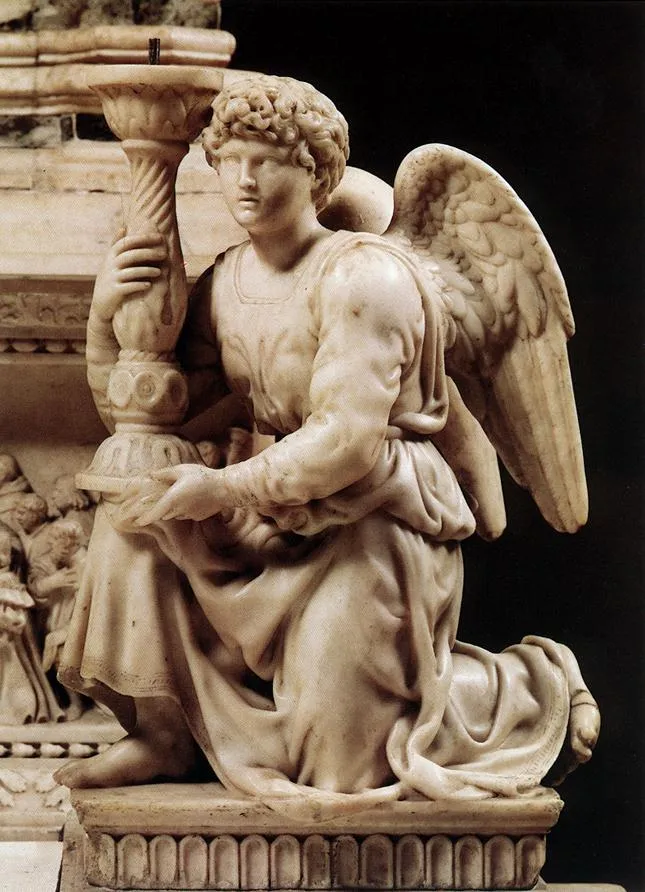
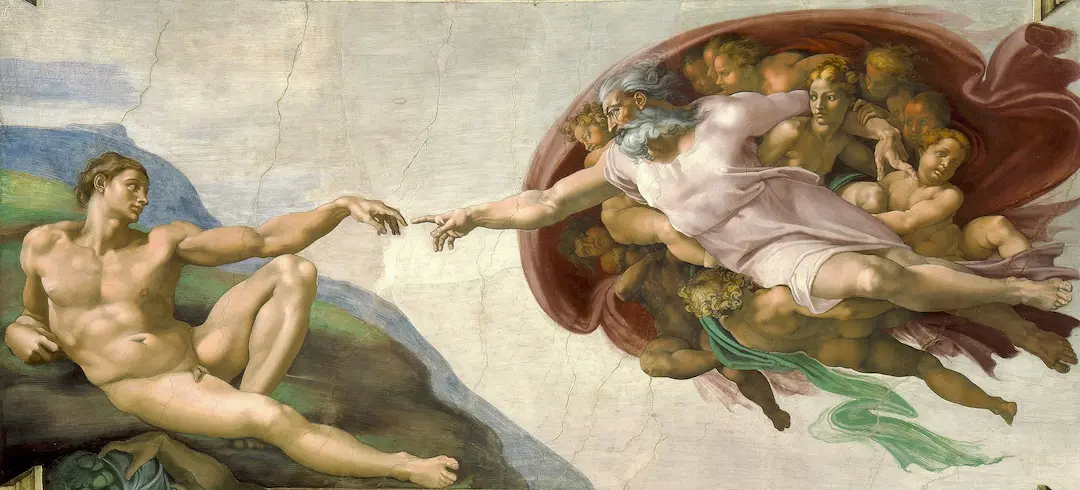
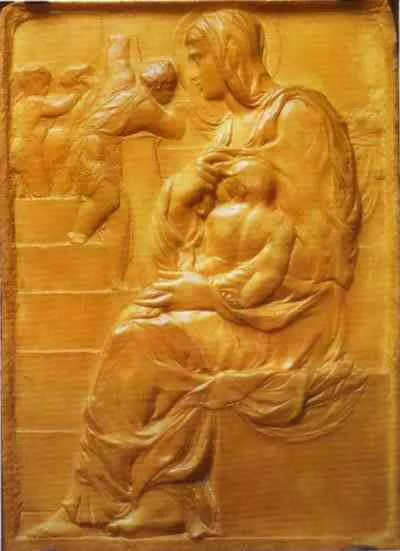
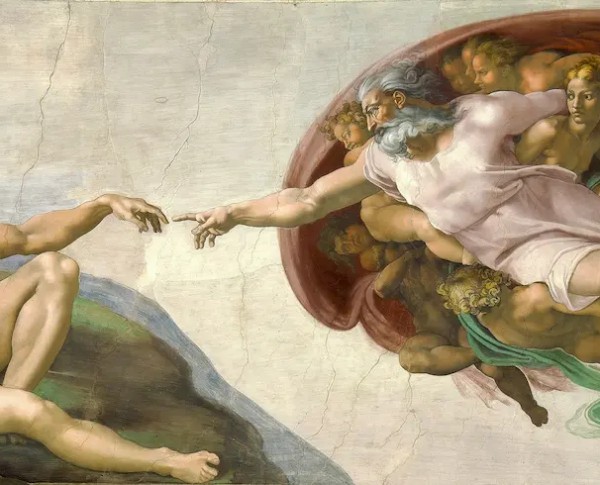
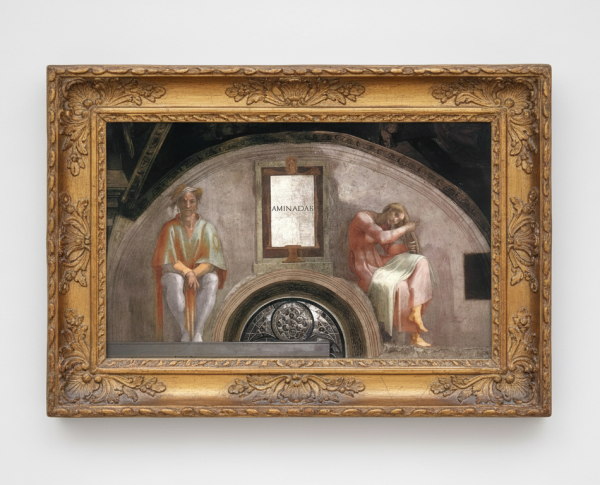
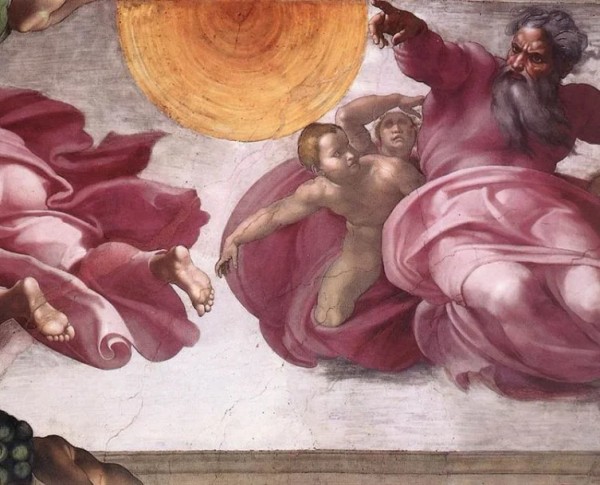
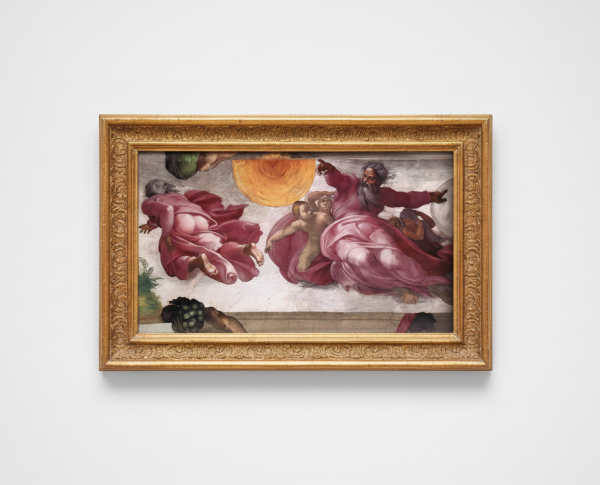
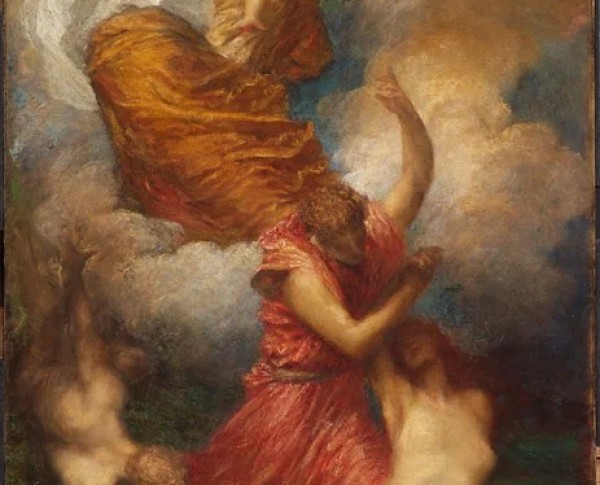
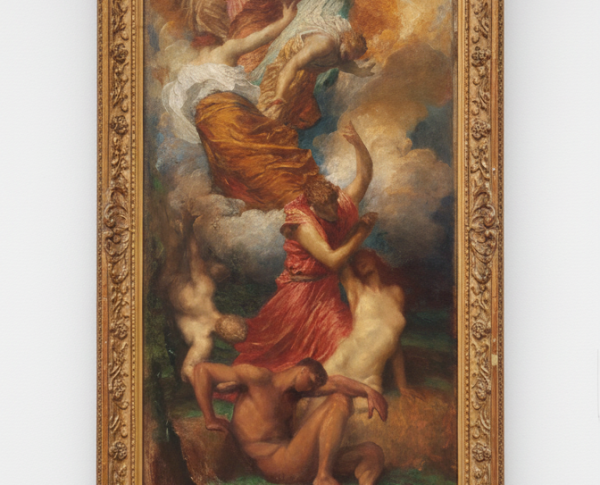
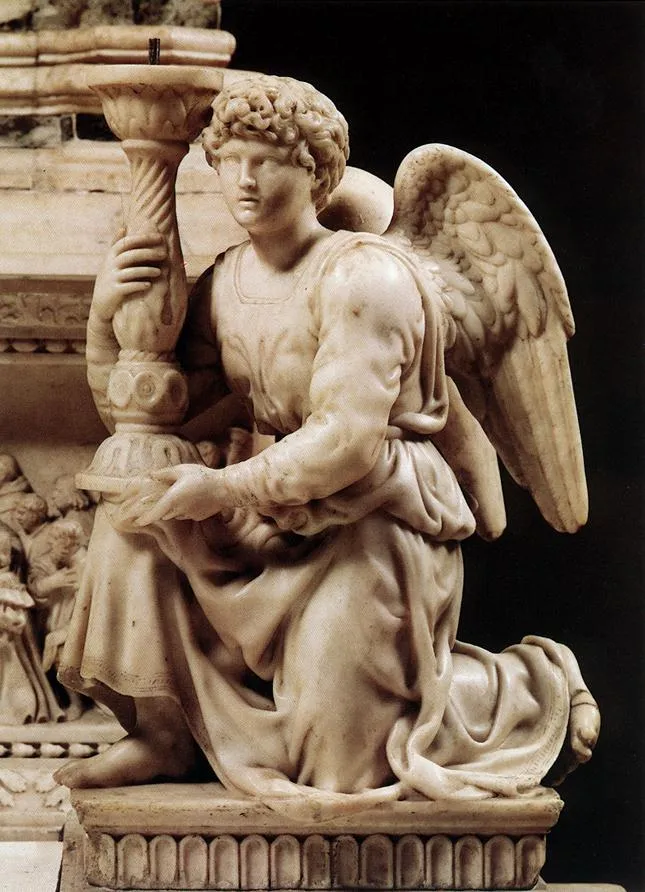
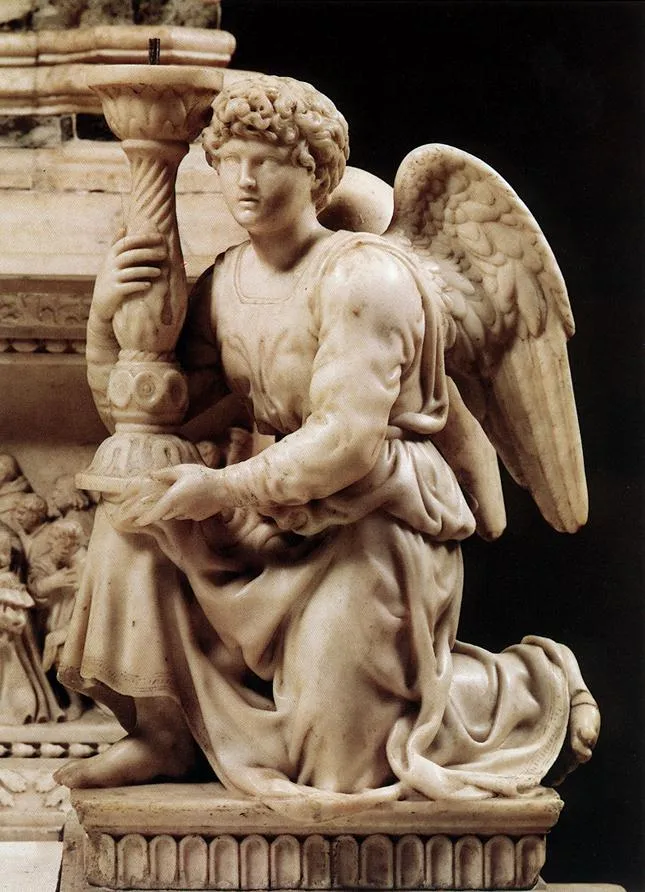
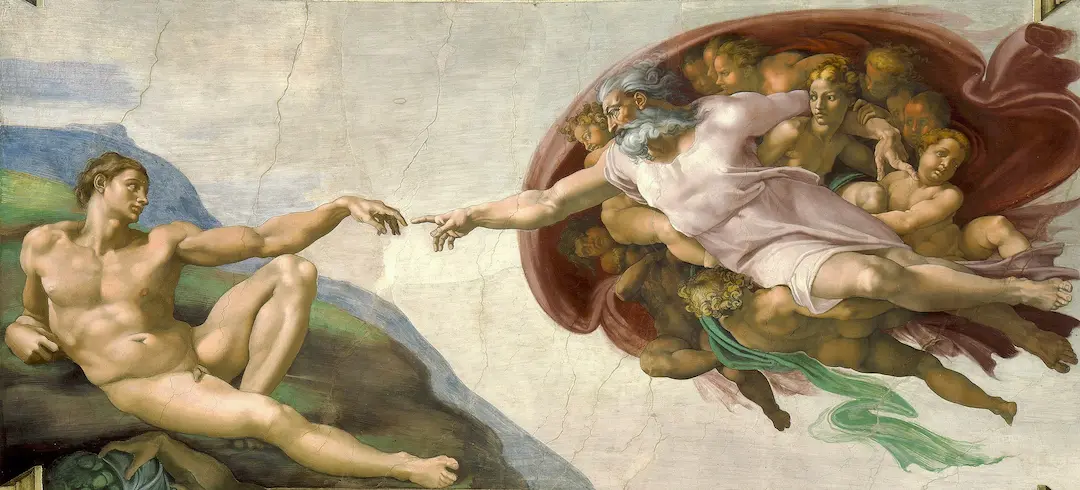
Michelangelo’s "Angel with Candlestick" showcases his exceptional skill in oil on canvas, a medium that brought depth and vibrancy to his religious subjects. The painting’s delicate brushwork and luminous detail echo the grandeur of the High Renaissance. Similar techniques can be admired in his other works, including "Madonna of the Stairs" and "Creation of Adam 1510." Each brushstroke reveals Michelangelo’s devotion to perfection and his profound impact on the art world.
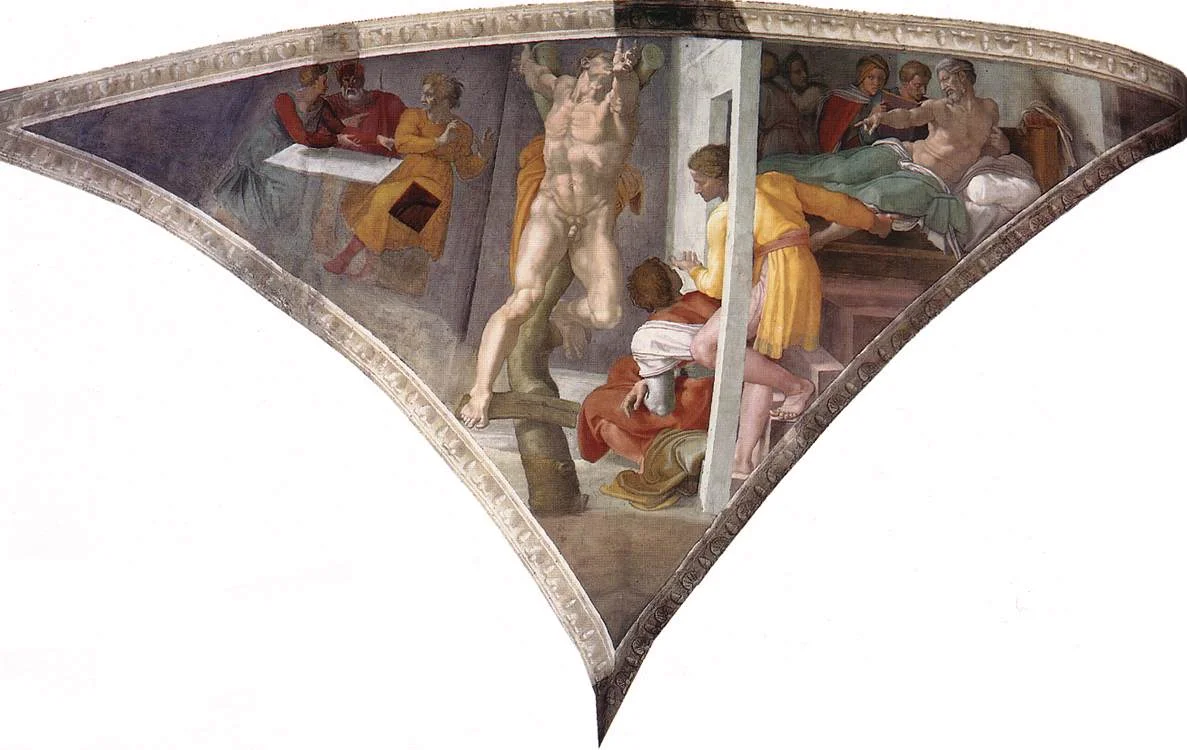
Every element in "Angel with Candlestick" is imbued with meaning, from the angel’s serene expression to the symbolic candlestick. Michelangelo Buonarroti often used religious iconography in his fine art painting for sale, inviting viewers to reflect on themes of faith and illumination. The painting’s narrative depth aligns with other notable works like "Crucifixion" and "St. Proculus," making it a thoughtful addition to any collection focused on Renaissance storytelling.
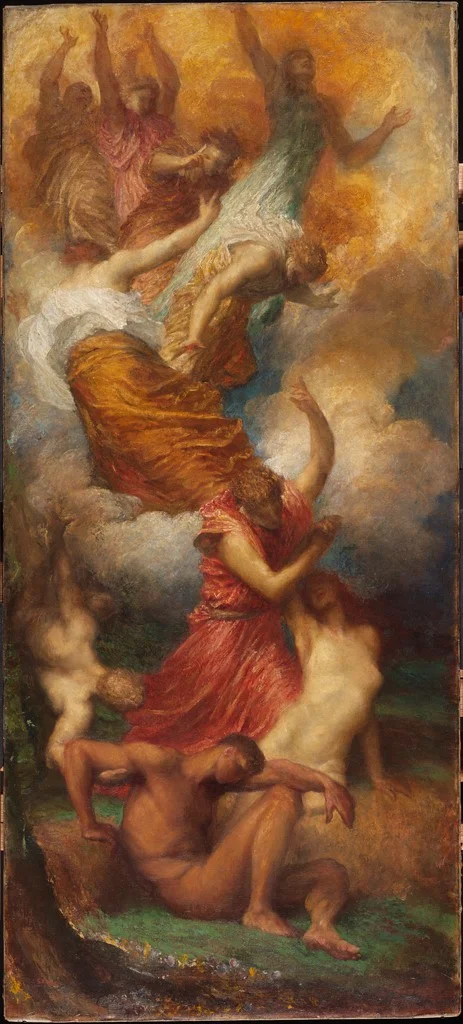
For collectors seeking a rare masterpiece, "Angel with Candlestick" by Michelangelo Buonarroti is an unrivaled choice among High Renaissance treasures. This hand-painted oil painting is not only a visual delight but also a valuable investment. Its connection to other iconic works—such as "The Creation of Eve" and "Creation of Adam 1510"—enhances its desirability. Secure this masterpiece and join a lineage of art enthusiasts devoted to preserving fine art painting for sale.
When Art Meets History
"Angel with Candlestick" by Michelangelo Buonarroti stands as a testament to the grandeur of the High Renaissance movement. This hand-painted oil painting beautifully captures the era's fascination with divine figures and classical ideals. Michelangelo, renowned for masterpieces like "The Transfiguration" and "The Study of Drapery of a Seated Figure," infuses the work with historical depth, reflecting the period's artistic evolution. Collectors and historians alike appreciate its unique place among fine art painting for sale from this influential time.
Techniques That Speak
Michelangelo Buonarroti’s mastery is evident in the "Angel with Candlestick," where his use of oil on canvas brings the subject to life. The artist’s technique, also seen in "Portrait Of Bindo Altoviti" and "La Donna Velata," showcases meticulous brushwork, luminous glazing, and dynamic composition typical of the High Renaissance. These methods create a sense of depth and realism, making each hand-painted oil painting a remarkable example of the movement’s technical achievements.
Emotions on Display
In "Angel with Candlestick," Michelangelo Buonarroti skillfully conveys a serene yet powerful emotional presence, a hallmark of the High Renaissance. The angel’s gentle expression and poised stance evoke a sense of spiritual calm, reminiscent of works like "Mona Lisa (La Gioconda) c. 1503-05." This oil on canvas masterpiece invites viewers to contemplate the inner world of its subject, making it an enduring favorite among those seeking a fine art painting for sale that moves the soul.
Coveted by Collectors
"Angel with Candlestick" remains a coveted treasure for collectors of High Renaissance art. Michelangelo Buonarroti’s reputation, established through pieces such as "The Transfiguration" and "La Donna Velata," enhances the painting’s desirability. Its exceptional quality as a hand-painted oil painting and its connection to a pivotal artistic movement ensure its high value. Art lovers searching for a fine art painting for sale often regard this work as an essential addition to any prestigious collection.
Related High Renaissance Hand-Painted Oil Paintings by Other Artists
Other Famous High Renaissance Artists:
Frequently Asked Questions About Angel with Candlestick
What is the historical significance of "Angel with Candlestick"?
"Angel with Candlestick" is a significant work by Michelangelo Buonarroti, created during the Renaissance period, which marked a revival of classical art and humanism. This painting reflects the artist's mastery in depicting the human form and divine subjects, showcasing the spiritual and artistic ideals of the time.
What artistic techniques did Michelangelo employ in this painting?
Michelangelo utilized chiaroscuro to create depth and volume in "Angel with Candlestick." The contrast between light and shadow enhances the three-dimensionality of the angel, while the delicate details in the drapery demonstrate his exceptional skill in rendering fabric and anatomy.
What does the candlestick symbolize in the painting?
The candlestick in the painting symbolizes light, purity, and divine presence. It serves as a metaphor for enlightenment and the illumination of the soul, reflecting the angel's role as a messenger of God.
How does "Angel with Candlestick" reflect Michelangelo's artistic style?
This painting exemplifies Michelangelo's signature style, characterized by dynamic poses and emotional expression. The angel's graceful posture and serene expression convey a sense of divine beauty and strength, hallmarks of Michelangelo's work.
In what context was "Angel with Candlestick" created?
"Angel with Candlestick" was created during the High Renaissance, a period marked by significant advancements in art and culture. Michelangelo was influenced by the religious fervor of the time, which is evident in the spiritual themes present in this painting.
What are the main themes explored in "Angel with Candlestick"?
The primary themes in "Angel with Candlestick" include divinity, guidance, and the interplay between light and darkness. The angel serves as a symbol of hope and protection, embodying the connection between the earthly and the divine.
How does this painting compare to Michelangelo's other works?
What influence did "Angel with Candlestick" have on later artists?
The painting has influenced numerous artists who sought to capture the divine and the human experience. Michelangelo's innovative techniques and emotional depth have inspired generations, contributing to the evolution of religious art in subsequent centuries.
What materials were used in the creation of "Angel with Candlestick"?
Michelangelo typically worked with fresco and marble, but "Angel with Candlestick" is believed to be a painting on canvas or wood, utilizing oil paints to achieve the vibrant colors and intricate details characteristic of his style.
Where can "Angel with Candlestick" be viewed today?
The painting is housed in a prominent art institution, where it is part of a collection that showcases Michelangelo's contributions to art. Visitors can appreciate the work in person and explore its historical context within the gallery's collection.






















_GFM_Painting_(1).webp)


 100% Hand-Painted: Finished in 3-6 Weeks

.png)















_(1).webp)