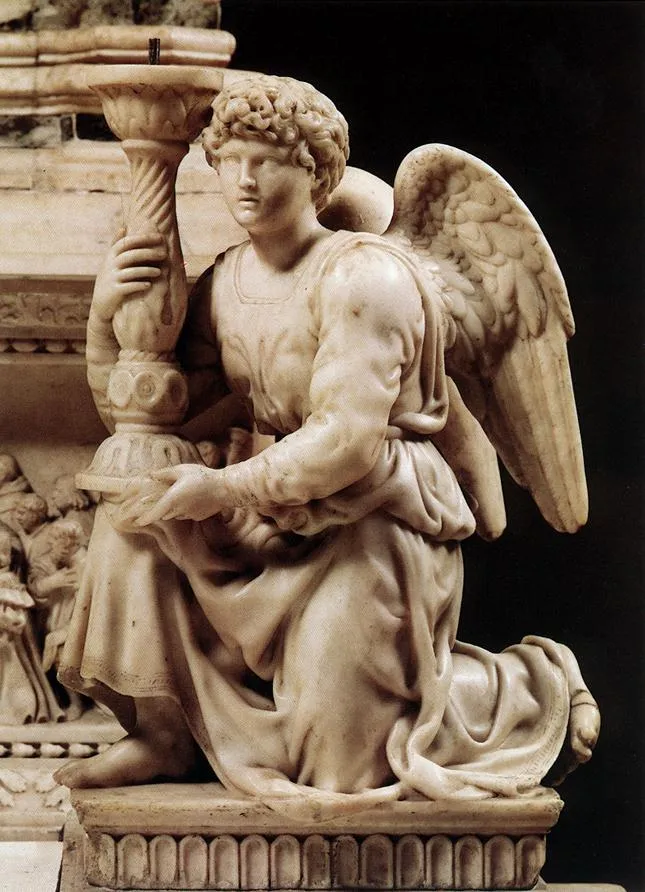
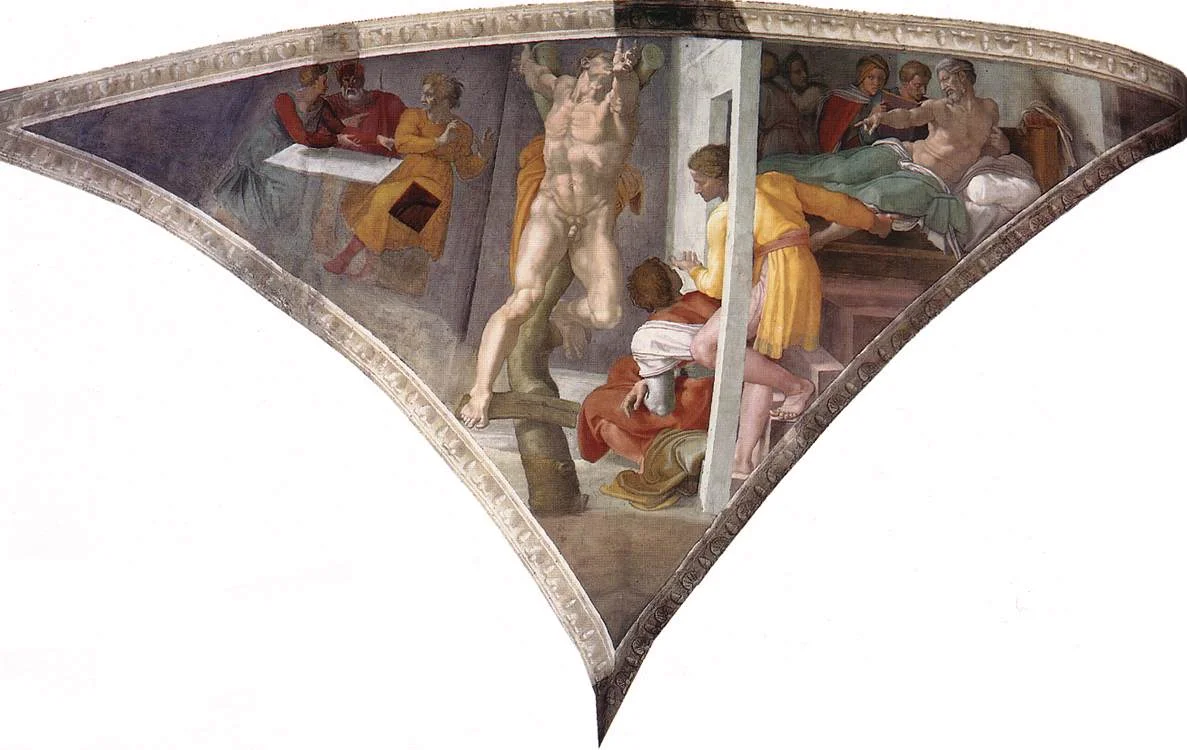
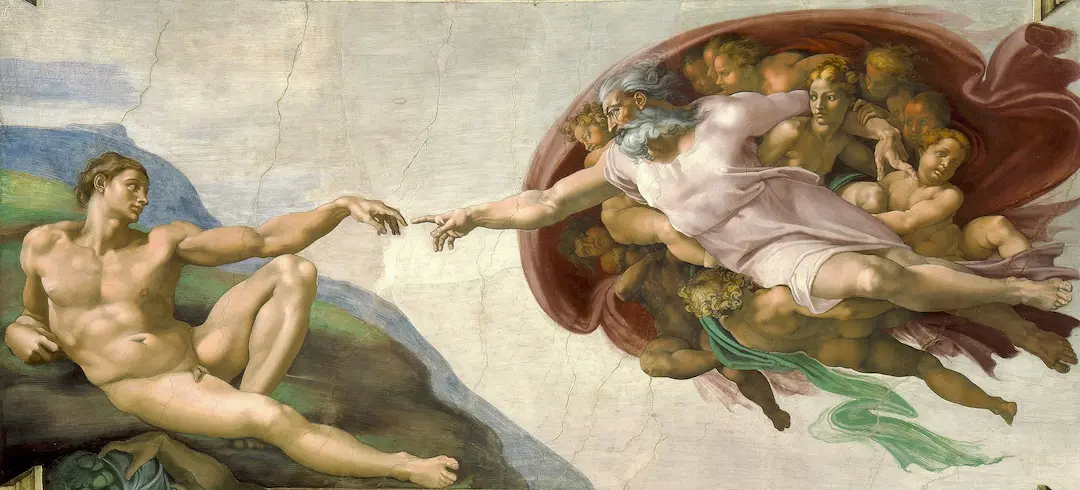
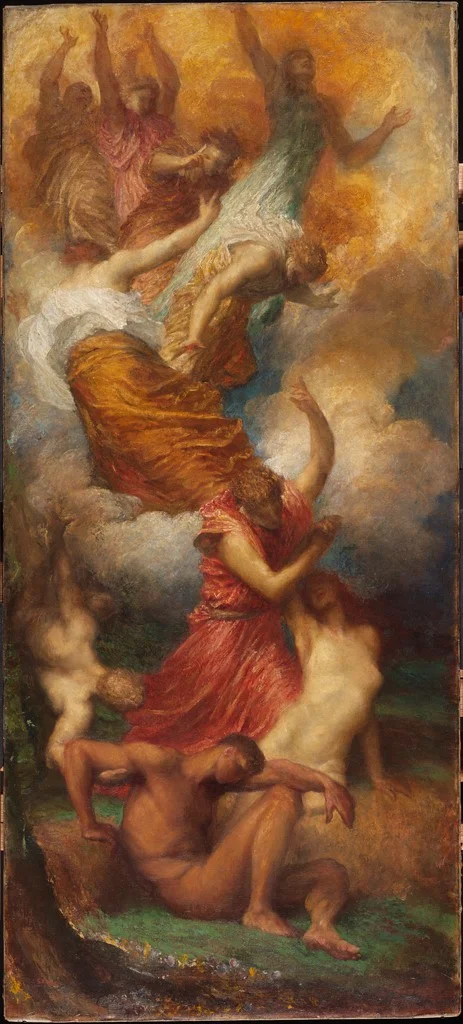
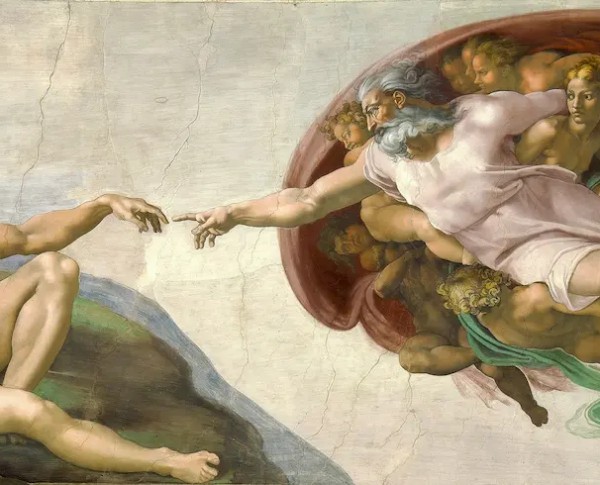
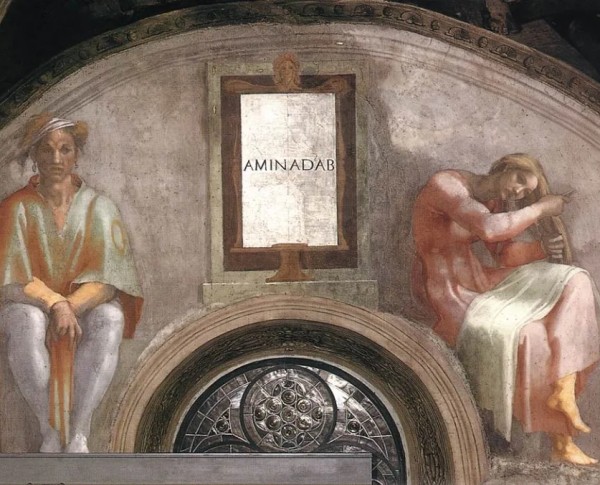
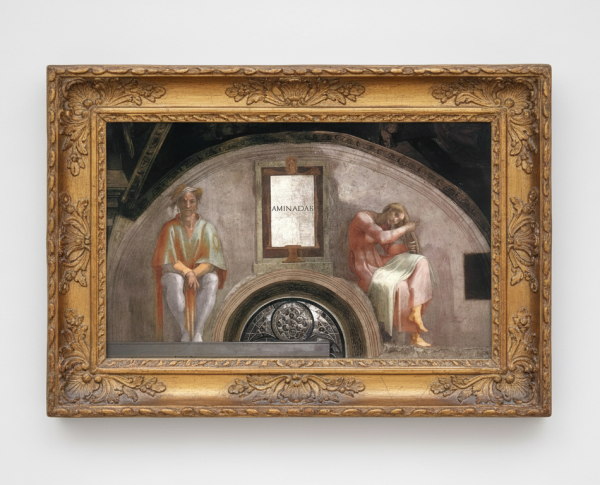
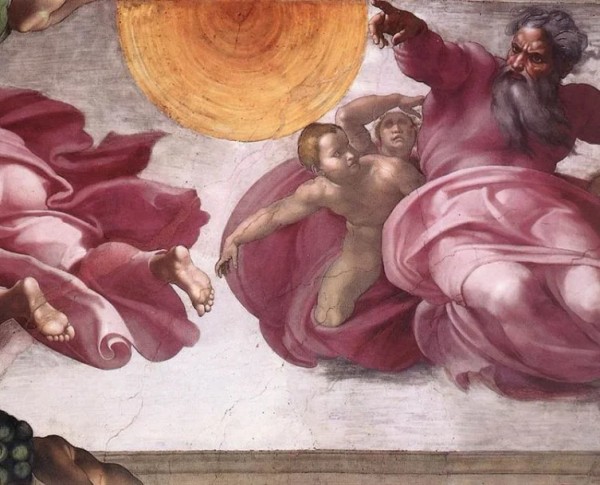
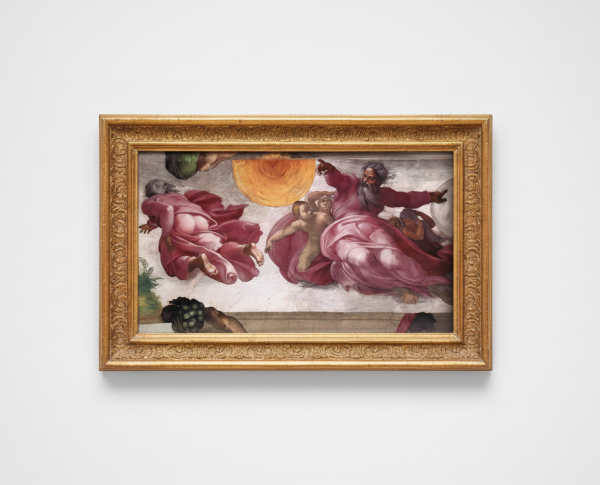
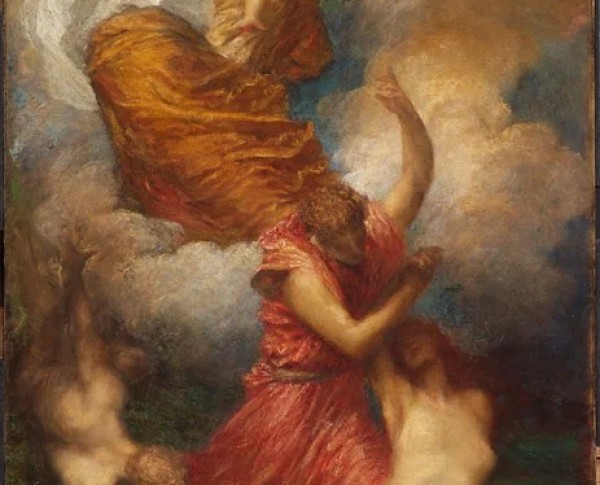
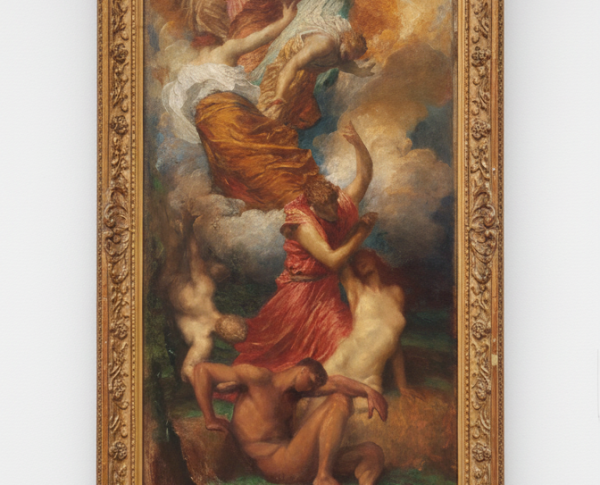
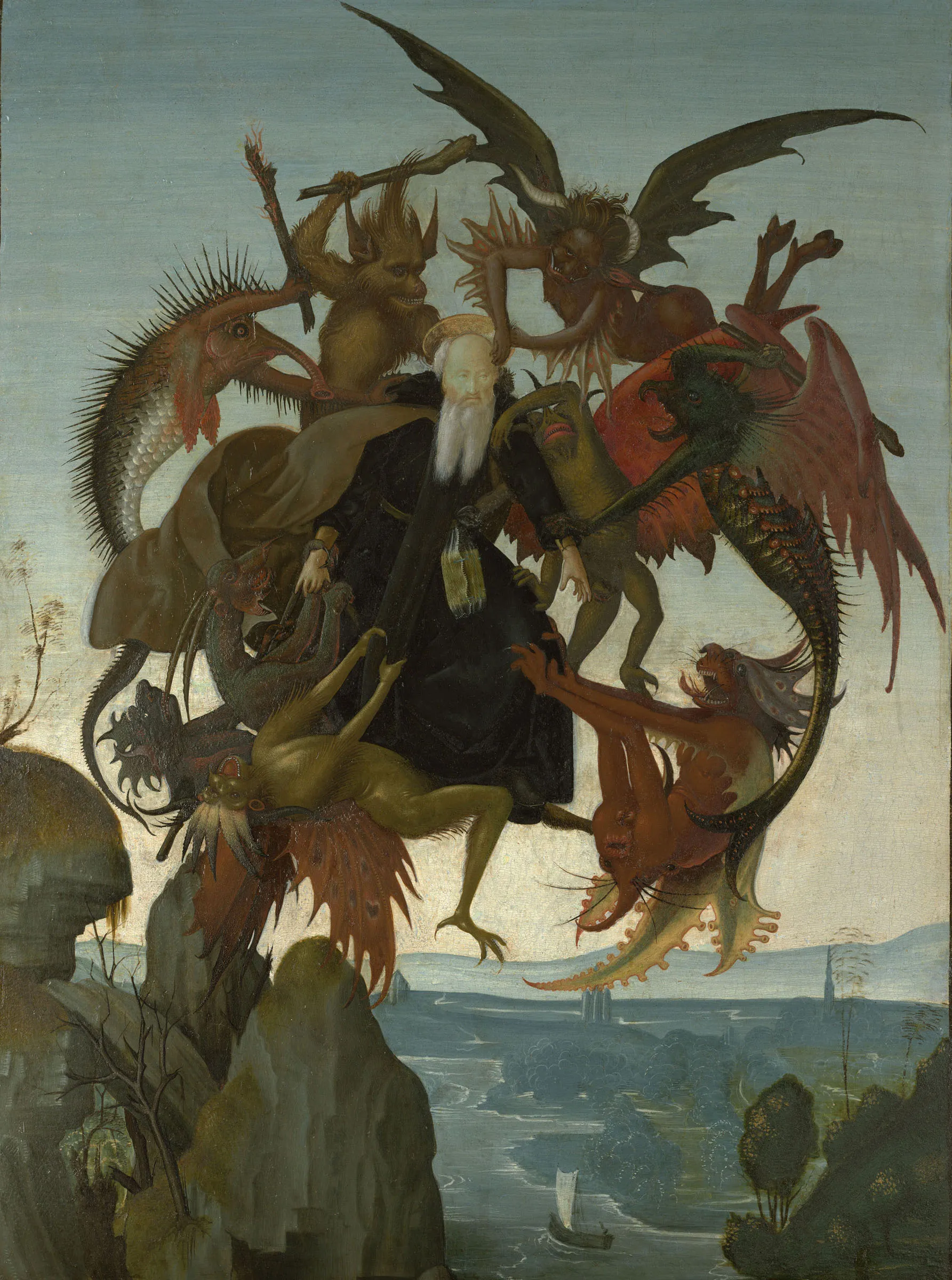
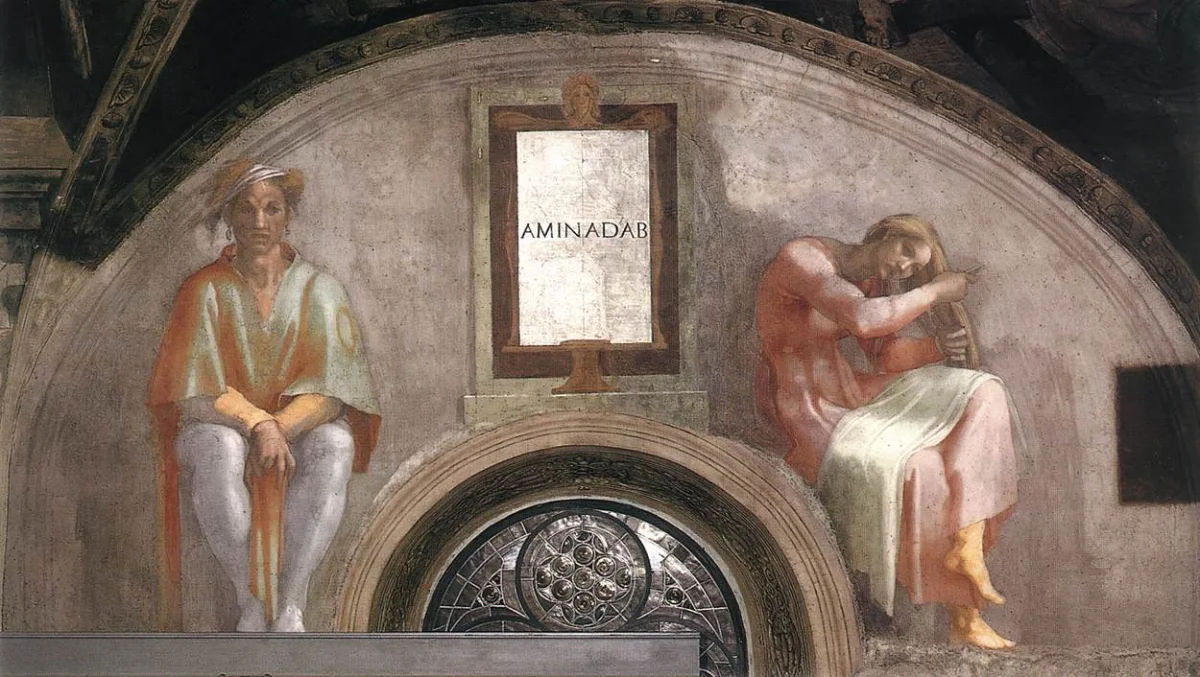
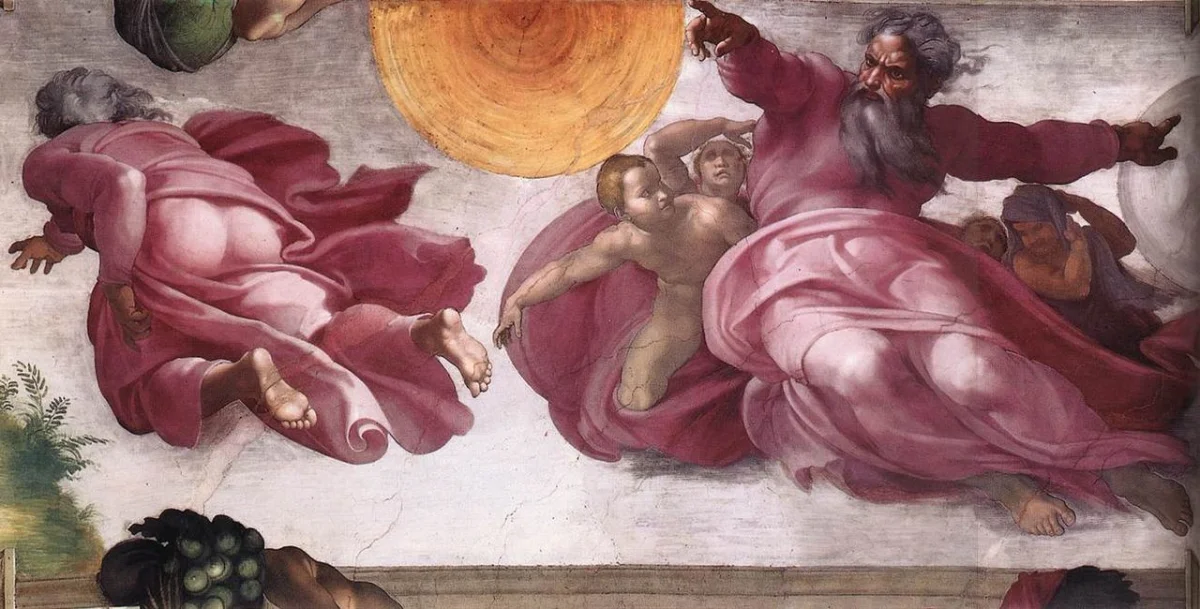
Michelangelo Buonarroti’s "The Torment of Saint Anthony" exemplifies technical brilliance through its expert use of oil on canvas. Every brushstroke demonstrates the precision and depth characteristic of the High Renaissance movement. The painting’s dramatic composition and attention to detail showcase Michelangelo’s evolving mastery, comparable to his other renowned works like "The Creation of the Sun, Moon and Planets" and "Aminadab," making it a pivotal piece for collectors of fine art.
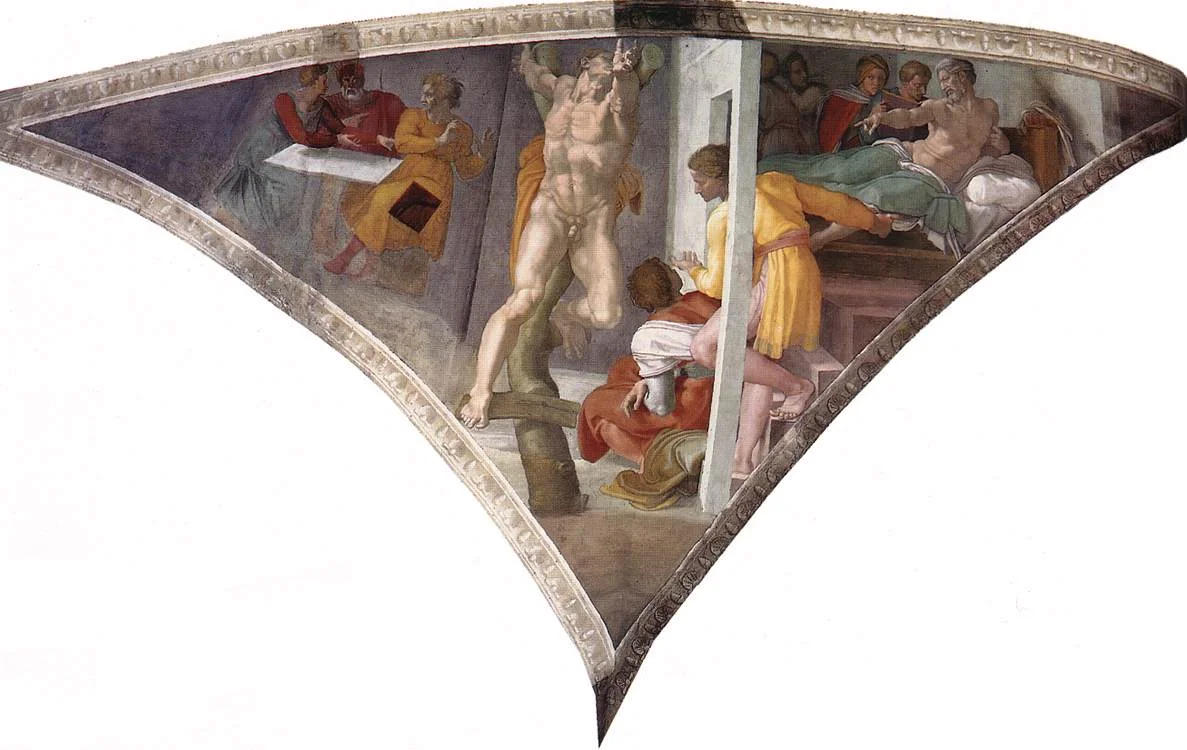
"The Torment of Saint Anthony" tells a vivid story through symbolic imagery, a hallmark of Michelangelo Buonarroti’s approach during the High Renaissance. This hand-painted oil painting captures the saint’s spiritual struggle, surrounded by fantastical creatures. Such narrative depth can also be found in works like "The Stigmata of Saint Francis" and "The Punishment of Haman," inviting viewers to explore the layers of meaning within each fine art painting for sale from this era.
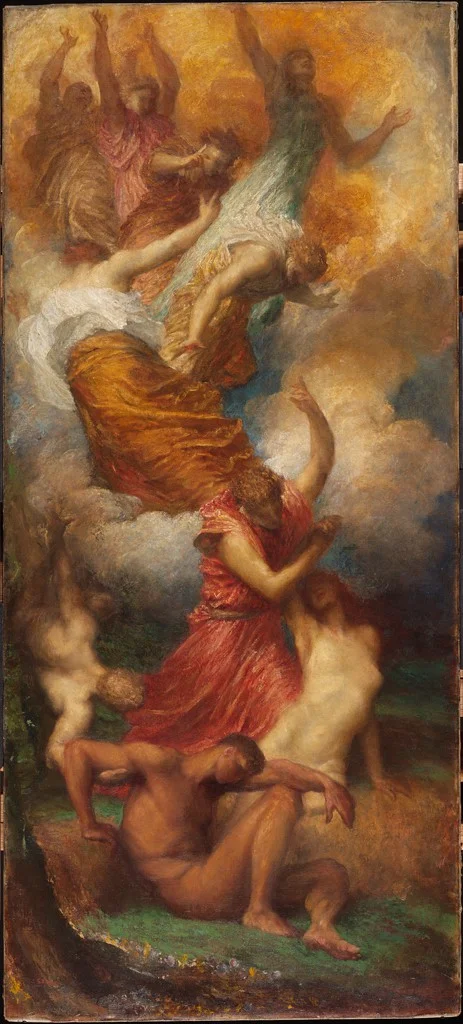
For art enthusiasts, "The Torment of Saint Anthony" by Michelangelo Buonarroti is a prized oil on canvas that embodies the spirit of the High Renaissance. Its rarity and historical significance make it a sought-after fine art painting for sale. Collectors often pair it with related masterpieces such as "The Creation of Eve" and "Aminadab," recognizing the value and prestige that Michelangelo’s works bring to any distinguished art collection.
When Art Meets History
Michelangelo Buonarroti’s masterpiece, "The Torment of Saint Anthony," stands as a pivotal work in the High Renaissance movement. This hand-painted oil painting showcases not only the artist’s youthful genius but also his deep engagement with religious themes. Painted during a period rich with innovation, this artwork sits alongside other iconic pieces like "Christ at the Column (Bramante)" and "Madonna of Belvedere (or Madonna del Prato)," reflecting the era’s fascination with spirituality and human emotion.
Techniques That Speak
Michelangelo’s use of oil on canvas in "The Torment of Saint Anthony" demonstrates his mastery of color, texture, and composition. The artist’s meticulous brushwork and attention to anatomical detail bring the dramatic scene to life, echoing techniques seen in works like "The Vision of Ezekiel" and "Madonna della Sedia." The vibrant palette and dynamic forms highlight why this painting remains a celebrated example of oil on canvas artistry from the High Renaissance.
Emotions on Display
In "The Torment of Saint Anthony," Michelangelo Buonarroti conveys intense suffering and spiritual resilience, hallmarks of the High Renaissance’s expressive power. The emotional depth achieved in this fine art painting for sale rivals that of "The Last Supper 1498," drawing viewers into Saint Anthony’s harrowing ordeal. Through masterful use of light and shadow, Michelangelo transforms torment into a universal narrative of faith, inspiring art lovers and collectors alike.
Coveted by Collectors
"The Torment of Saint Anthony" is highly sought after among connoisseurs of Renaissance art, often featured alongside treasures like "Madonna della Sedia" and "Madonna of Belvedere (or Madonna del Prato)." This hand-painted oil painting is prized for its historical significance and artistic innovation, making it a coveted addition to any collection. Its enduring appeal highlights the ongoing demand for exceptional fine art painting for sale from the High Renaissance and Michelangelo’s enduring legacy.
Related High Renaissance Hand-Painted Oil Paintings by Other Artists
Other Famous High Renaissance Artists:
Frequently Asked Questions About The Torment of Saint Anthony
What is the historical context of "The Torment of Saint Anthony"?
"The Torment of Saint Anthony" was created by Michelangelo in 1487, during the Renaissance period, a time characterized by a revival of classical learning and art. This painting reflects the era's emphasis on human emotion and the exploration of religious themes.
What inspired Michelangelo to create this artwork?
The painting was inspired by the life of Saint Anthony, a Christian monk who faced numerous temptations and trials. Michelangelo sought to capture the intense struggle between good and evil, a common theme in Renaissance art.
What artistic techniques did Michelangelo employ in this painting?
Michelangelo utilized a combination of chiaroscuro, which creates a strong contrast between light and dark, and dynamic composition to convey movement and emotional intensity. The figures are rendered with a sculptural quality, showcasing his mastery of anatomy.
What is the significance of the figures depicted in the painting?
The painting features Saint Anthony surrounded by grotesque demons, symbolizing the temptations he faced. Each figure represents different aspects of fear and desire, illustrating the internal conflict of the saint and the struggle against sin.
How does "The Torment of Saint Anthony" reflect Michelangelo's artistic style?
This work showcases Michelangelo's early style, characterized by expressive figures and dramatic poses. The emotional intensity and detailed rendering of the human form are hallmarks of his later masterpieces.
What are the symbolic elements present in the painting?
The grotesque figures surrounding Saint Anthony symbolize the various temptations and trials faced by individuals in their spiritual journeys. The chaotic composition reflects the turmoil of the human soul in the face of adversity.
Where is "The Torment of Saint Anthony" currently housed?
The painting is part of the collection at the Kimbell Art Museum in Fort Worth, Texas. It is one of the few surviving works from Michelangelo's early career.
What influence did "The Torment of Saint Anthony" have on later artists?
This painting influenced many artists of the Renaissance and Baroque periods, particularly in their approach to depicting human emotion and the struggle between good and evil. Its dramatic style set a precedent for future religious artworks.
How does this painting compare to other works by Michelangelo?
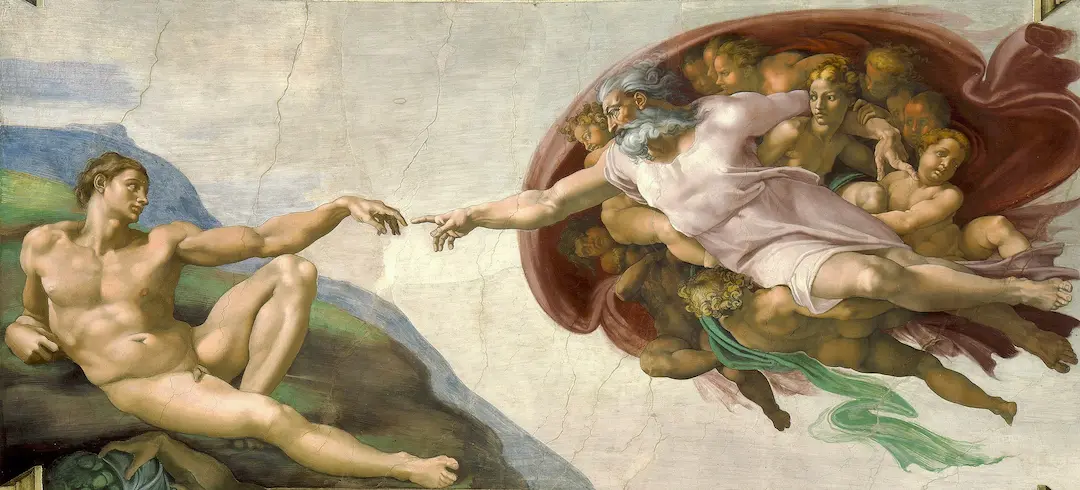
Compared to Michelangelo's later works, such as the Sistine Chapel ceiling, "The Torment of Saint Anthony" exhibits a raw emotionality and experimentation with form that laid the groundwork for his subsequent masterpieces.
What materials were used in the creation of "The Torment of Saint Anthony"?
Michelangelo created this artwork using tempera on wood, a common medium during the Renaissance that allowed for vibrant colors and detailed brushwork, contributing to the overall emotional impact of the piece.






















_GFM_Painting_(1).webp)


 100% Hand-Painted: Finished in 3-6 Weeks

.png)















_(1).webp)