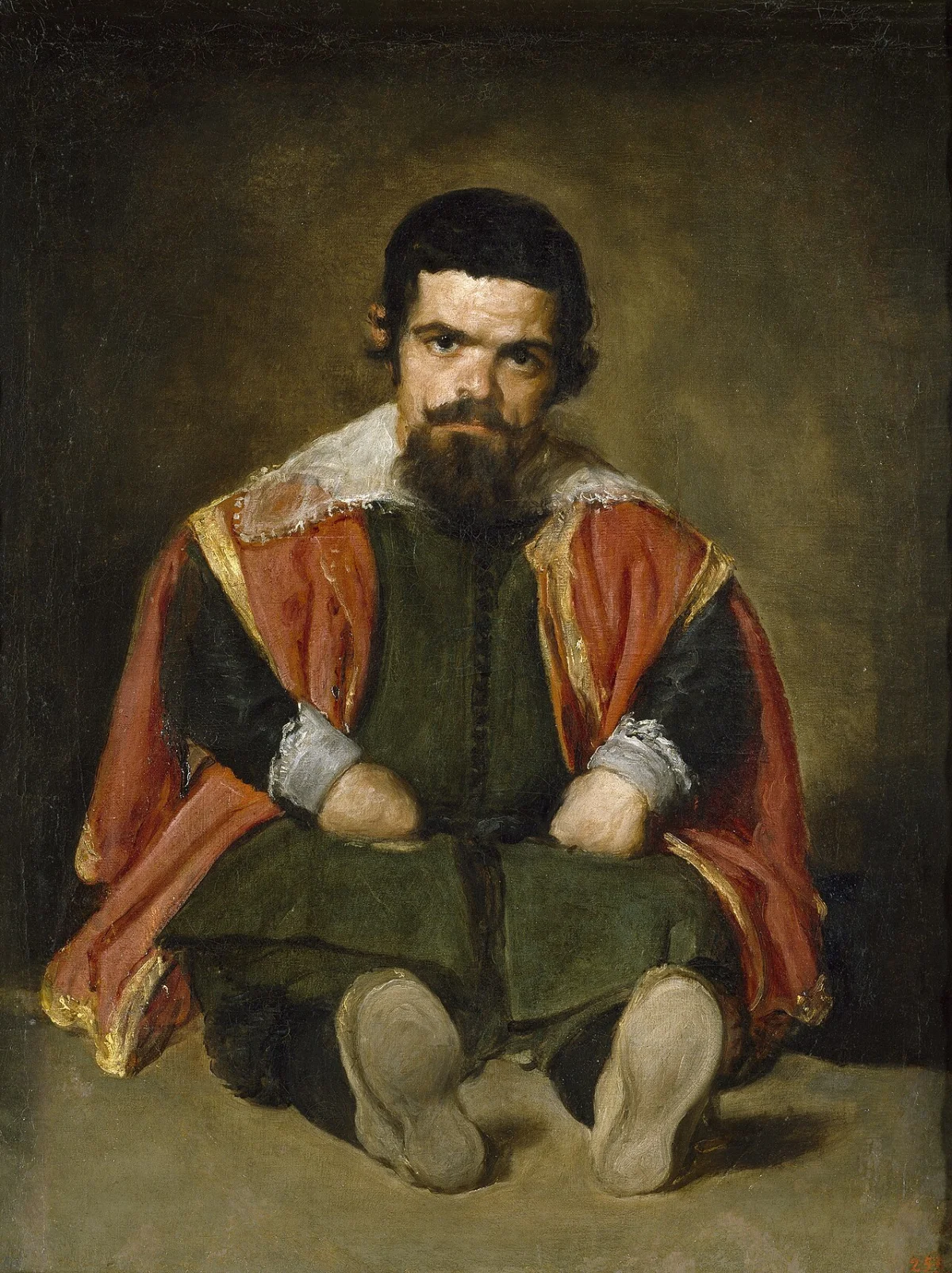
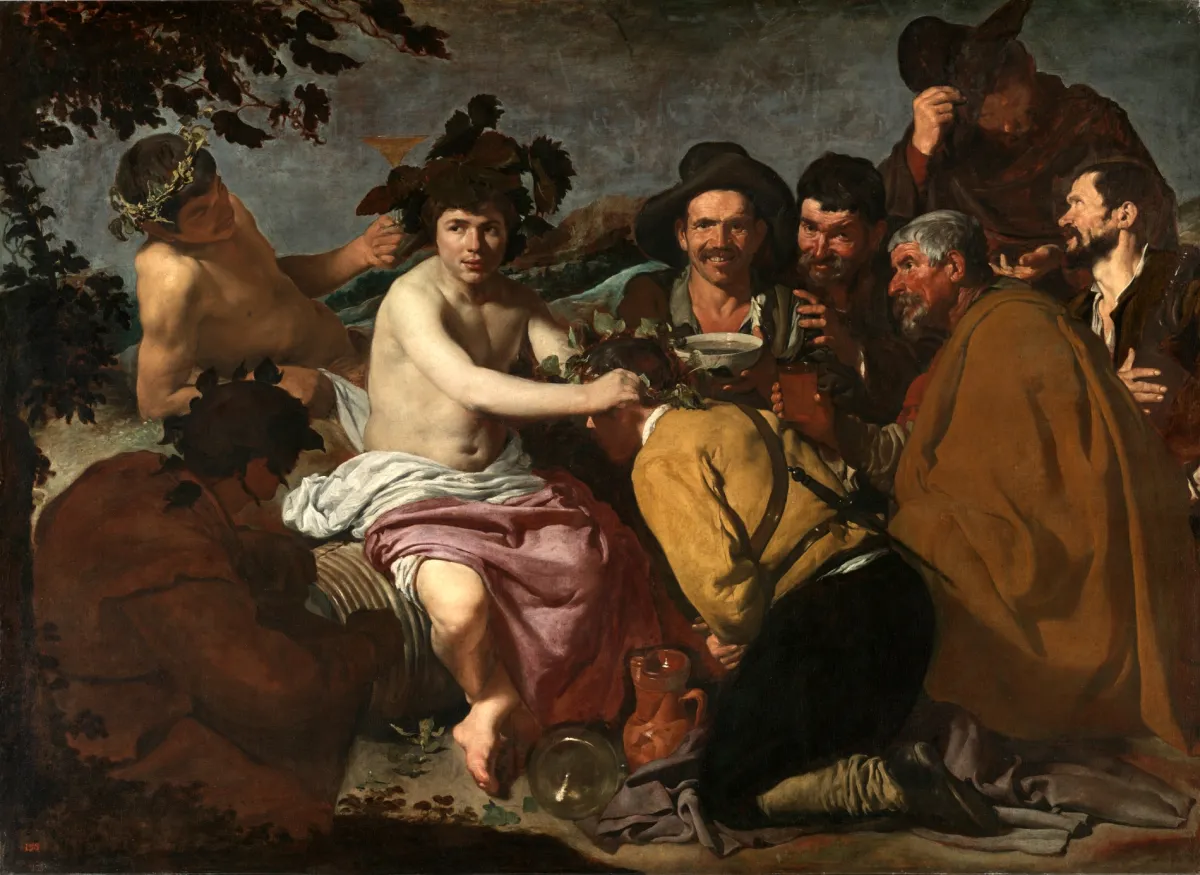
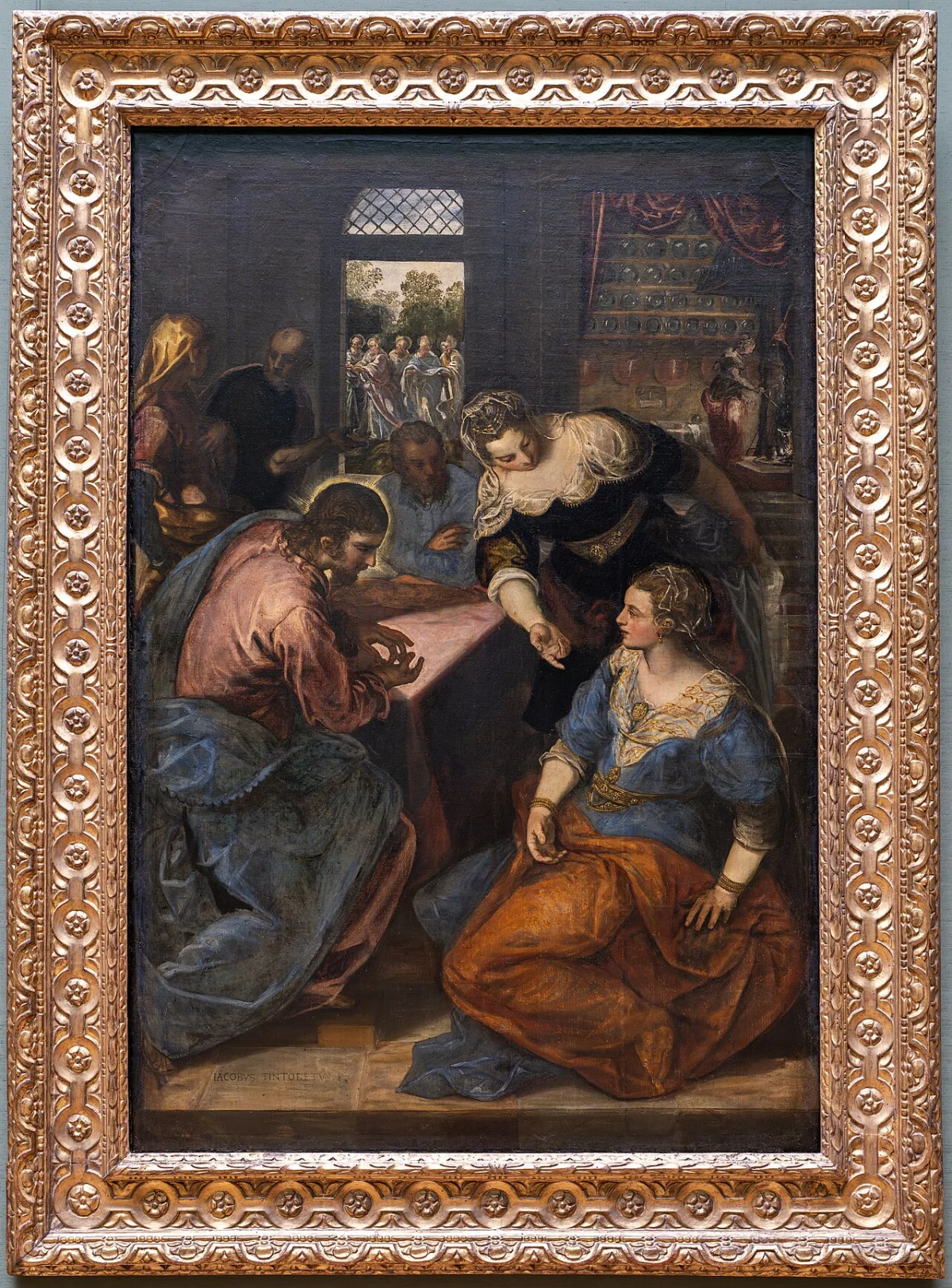
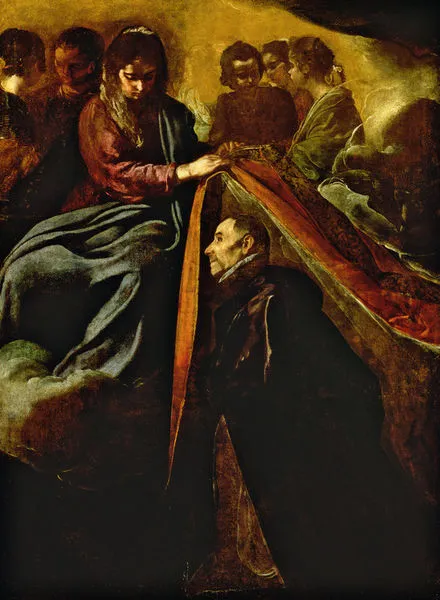
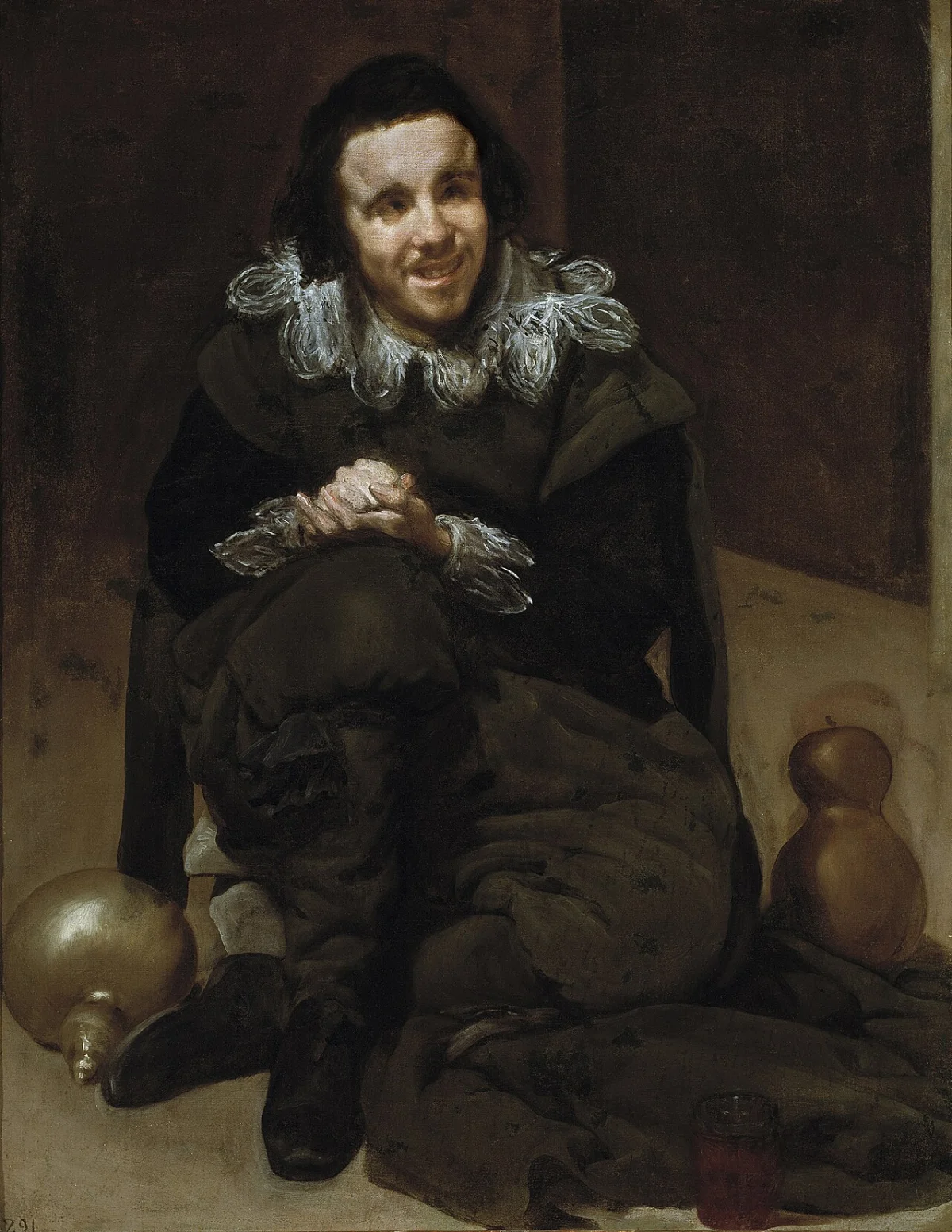
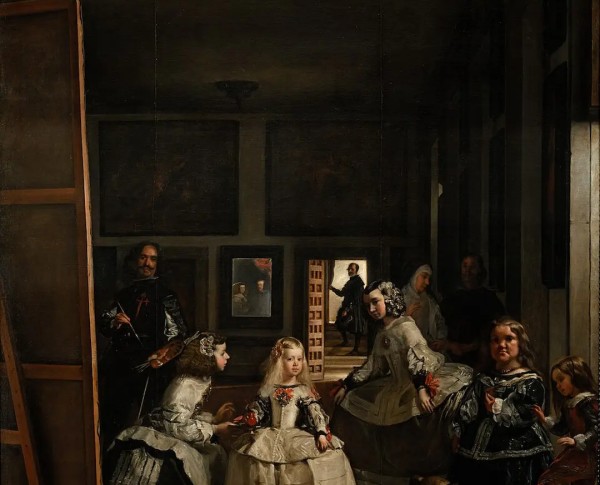
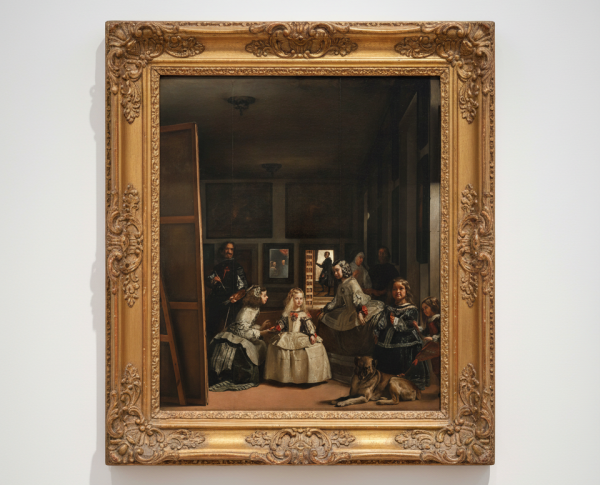
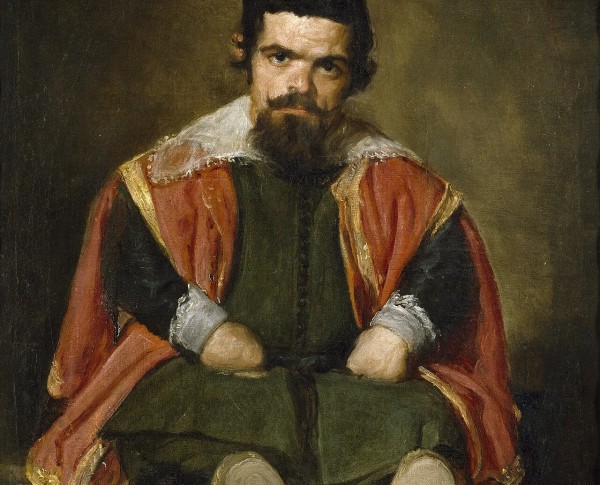
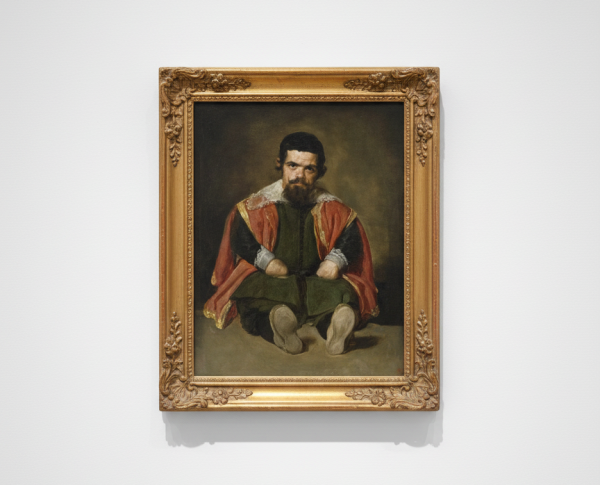
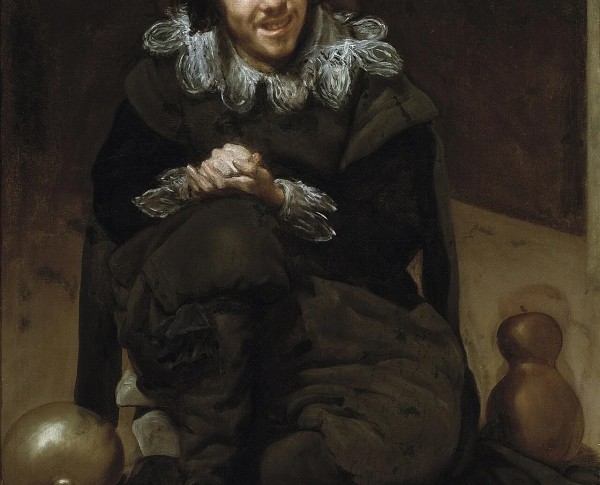
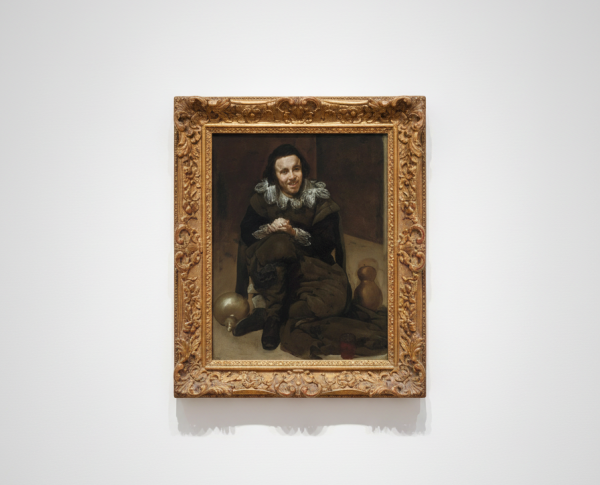
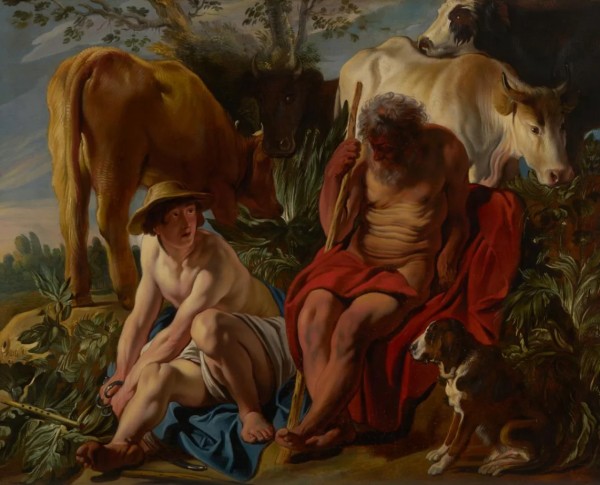
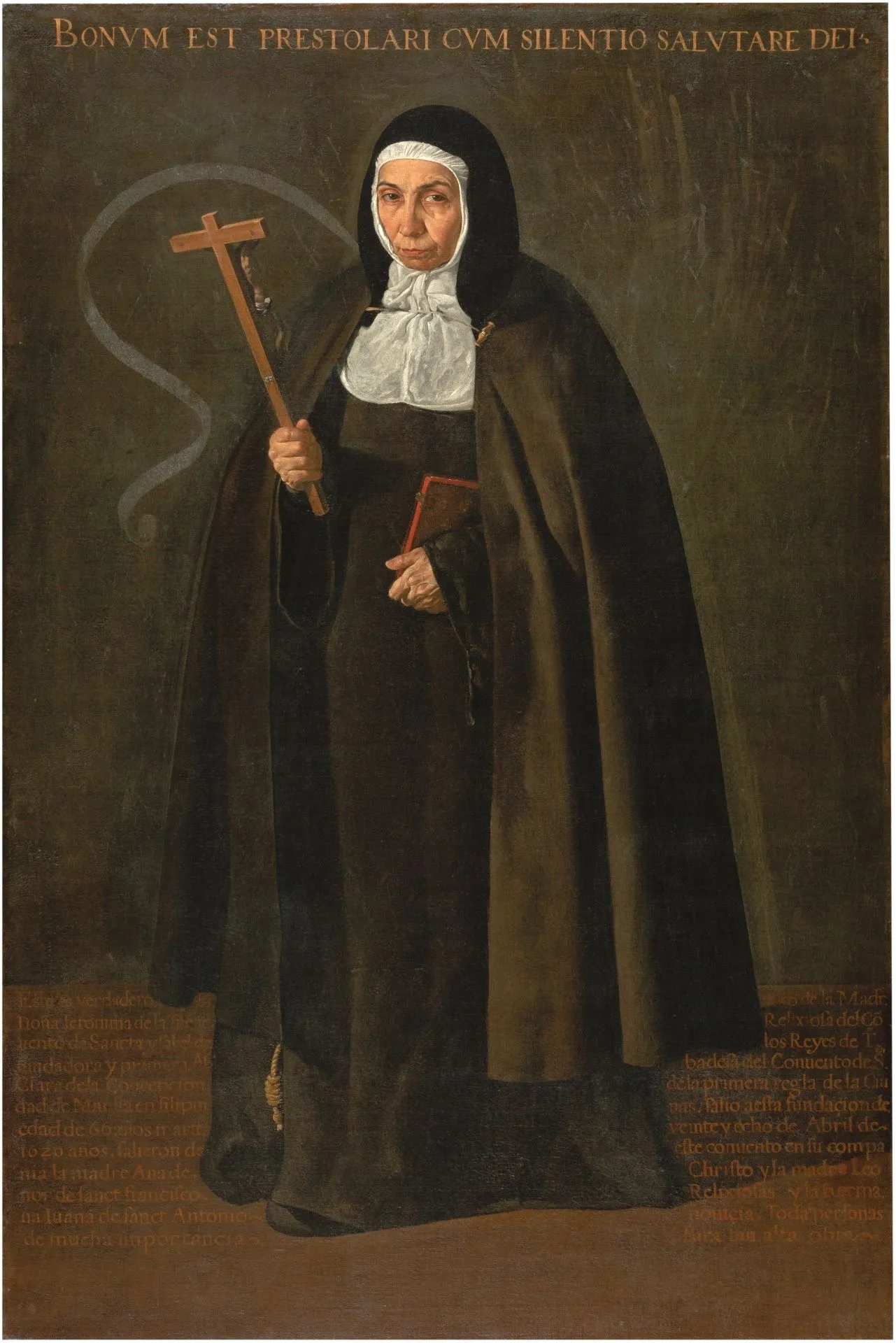
Diego Rodriguez de Silva y Velazquez’s "Madre Maria Jeronima de la Fuente" demonstrates unparalleled mastery in oil on canvas. Each brushstroke reveals the artist’s dedication to lifelike representation, a hallmark of the Realism movement. The subtle interplay of light and shadow brings the figure to life, reminiscent of Velazquez’s technique in "Breakfast" and "Head of a Girl". This oil on canvas is a stunning example of how technical skill and artistic vision unite in fine art.
Every detail in "Madre Maria Jeronima de la Fuente" is thoughtfully composed, telling a story beyond the surface. This fine art painting for sale invites viewers to explore the deep spirituality and strength of its subject, echoing themes present in Velazquez’s "Adoration of the Kings". Through careful symbolism and expressive realism, Velazquez crafts a narrative that resonates with admirers of the Realism movement, making this painting a meaningful addition to any art collection.
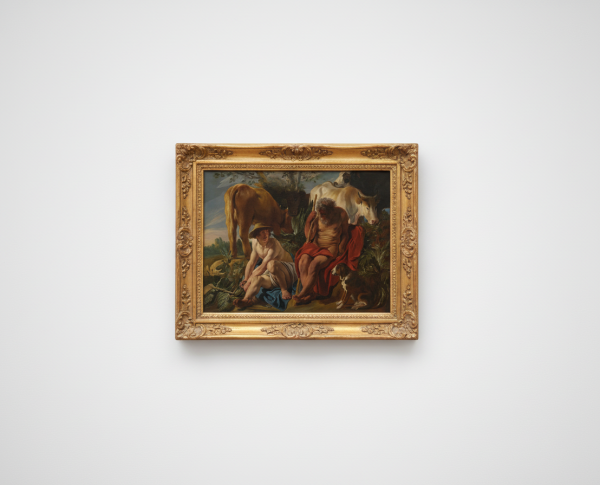
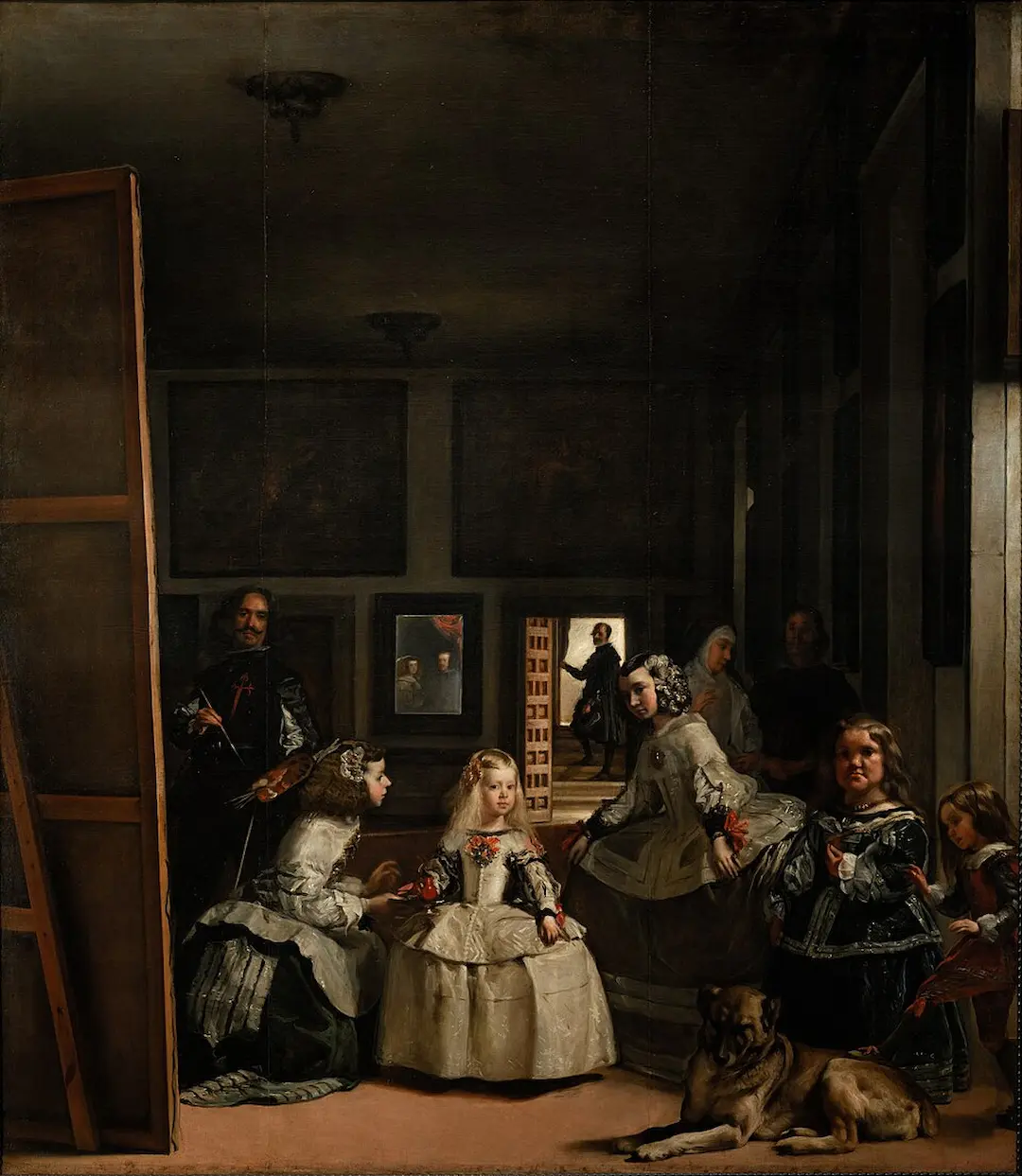
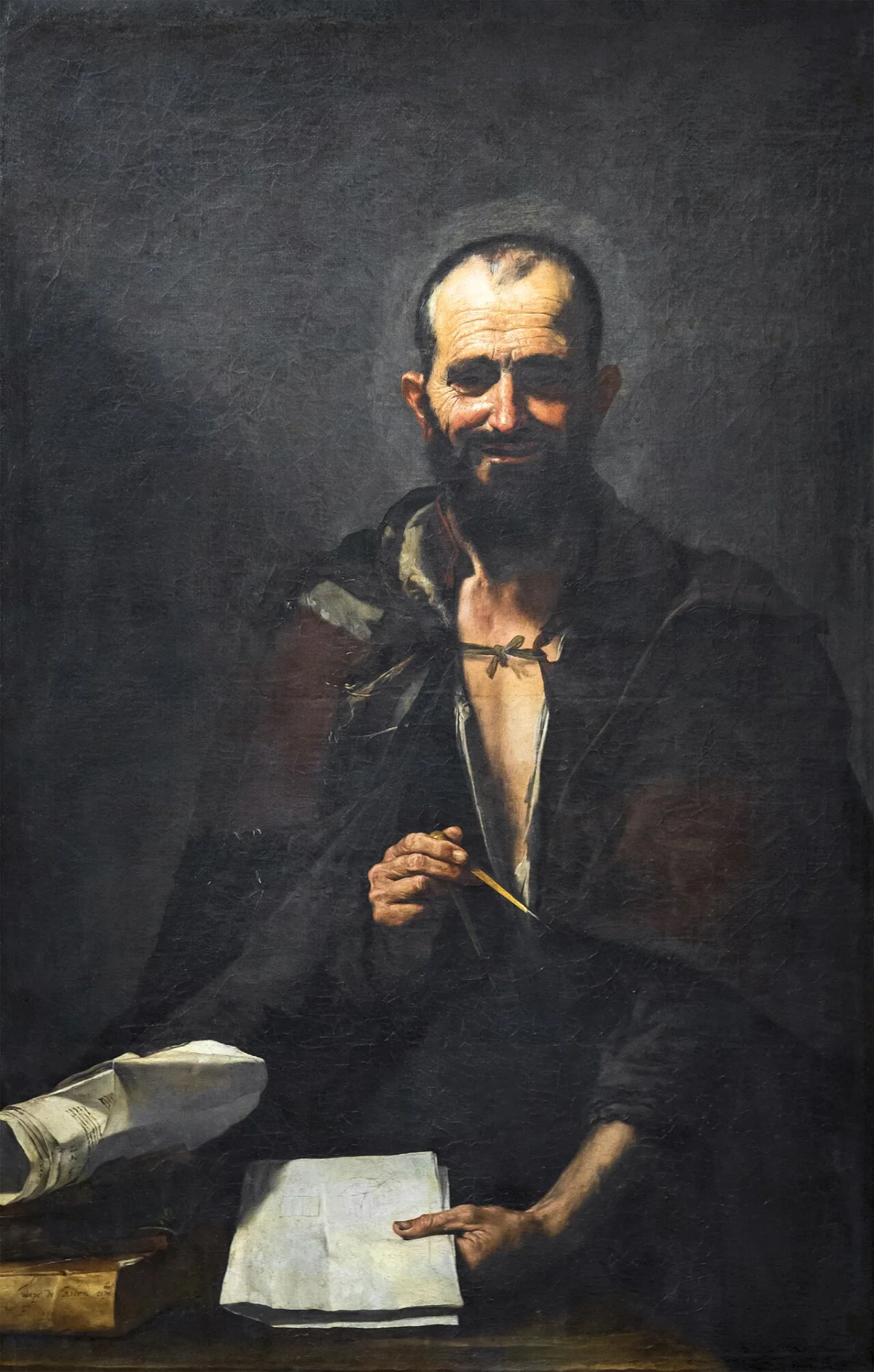
For collectors seeking a remarkable hand-painted oil painting, "Madre Maria Jeronima de la Fuente" by Diego Rodriguez de Silva y Velazquez is an exceptional choice. As part of the celebrated Realism movement, it pairs beautifully with related masterpieces like "Democritus" and "Las Meninas". This fine art painting for sale not only exemplifies Velazquez’s genius but also enriches any collection with its historical and artistic significance, making it a true collector’s treasure.
When Art Meets History
"Madre Maria Jeronima de la Fuente" by Diego Rodriguez de Silva y Velazquez stands as a testament to the Realism movement, capturing the dignified presence of its subject with remarkable authenticity. This hand-painted oil painting not only showcases Velazquez’s mastery but also reflects the era’s social and religious undertones. Similar to masterpieces like "Pierrot dancing" and "A woman pouring water," this work bridges the gap between art and the historical context in which it was created.
Techniques That Speak
Velazquez’s "Madre Maria Jeronima de la Fuente" exemplifies his innovative use of oil on canvas, a medium that allowed for subtle gradations and lifelike textures. The Realism movement prized such technical brilliance, making every brushstroke count. This painting, much like "Morning in a Pine Forest" and "A Dash for the Timber," reveals the artist’s dedication to rendering light, shadow, and emotion with unmatched precision, bringing the subject’s inner life to the forefront.
Emotions on Display
In "Madre Maria Jeronima de la Fuente," Diego Velazquez masterfully conveys the subject’s serene strength and spiritual resolve, hallmarks of the Realism movement. The depth of feeling in this fine art painting for sale echoes the emotional resonance found in related works such as "The Bronco Buster." Velazquez’s ability to translate complex emotions onto canvas invites viewers to connect deeply with the sitter’s story and presence.
Coveted by Collectors
As a prime example of Realism, "Madre Maria Jeronima de la Fuente" by Diego Rodriguez de Silva y Velazquez is highly sought after by art collectors worldwide. The hand-painted oil painting stands alongside esteemed works like "A woman pouring water" and "Pierrot dancing," making it a prized addition to any collection. Its historical significance and artistic mastery ensure that it remains a coveted treasure in the world of fine art.
Related Realism Hand-Painted Oil Paintings by Other Artists
Other Famous Realism Artists:
Frequently Asked Questions About Madre Maria Jeronima de la Fuente
Who is depicted in the painting "Madre Maria Jeronima de la Fuente"?
The painting features Madre Maria Jeronima de la Fuente, a prominent figure known for her religious devotion and contributions to the education of young women in the 17th century.
What is the historical context of "Madre Maria Jeronima de la Fuente"?
This artwork was created during the Spanish Golden Age, a period characterized by significant developments in art, literature, and culture, reflecting the religious fervor and societal values of the time.
What artistic techniques did Velazquez employ in this painting?
Velazquez utilized chiaroscuro to create depth and volume, along with a masterful use of light to highlight the figure of Madre Maria, enhancing her presence and importance in the composition.
What symbolism is present in "Madre Maria Jeronima de la Fuente"?
The painting symbolizes piety and devotion, with Madre Maria's serene expression and posture conveying her commitment to her faith and her role as a spiritual leader.
How does Velazquez's style influence the portrayal of religious figures?
Velazquez's realistic style and attention to detail bring a humanistic quality to religious figures, allowing viewers to connect emotionally with their spiritual narratives.
What role did religious art play in 17th-century Spain?
Religious art served as a means of communication of faith, reinforcing the values of the Catholic Church and inspiring devotion among the faithful during a time of religious conflict.
In what ways does this painting reflect Velazquez's artistic evolution?
This work showcases Velazquez's transition from a more traditional style to a greater emphasis on realism and psychological depth, marking an important phase in his artistic development.
What is the significance of the color palette used in the painting?
The subdued color palette enhances the solemnity of the subject matter, with earthy tones that evoke a sense of humility and reverence appropriate for a religious figure.
How does "Madre Maria Jeronima de la Fuente" compare to other works by Velazquez?
Compared to other works, this painting emphasizes a more intimate portrayal of its subject, focusing on the inner life and spirituality of Madre Maria rather than grand historical narratives.
What impact did "Madre Maria Jeronima de la Fuente" have on later artists?
The painting influenced subsequent generations of artists by exemplifying the integration of realism and emotional depth in religious art, encouraging a more personal interpretation of spiritual subjects.























_GFM_Painting_(1).webp)


 100% Hand-Painted: Finished in 3-6 Weeks

.png)















_(1).webp)