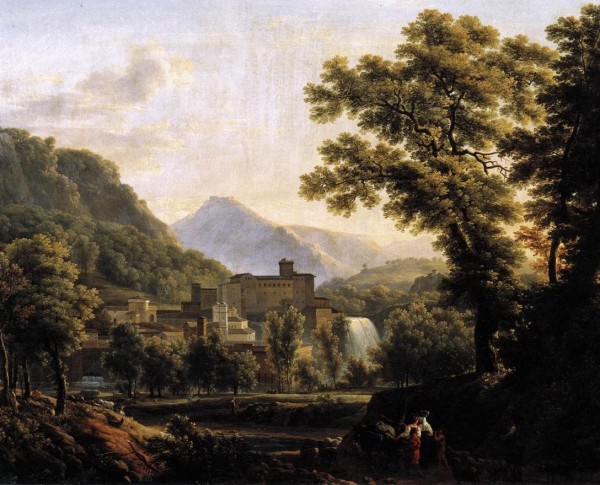
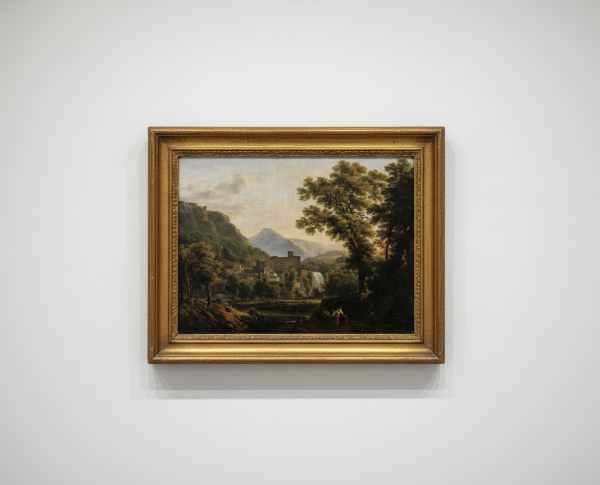
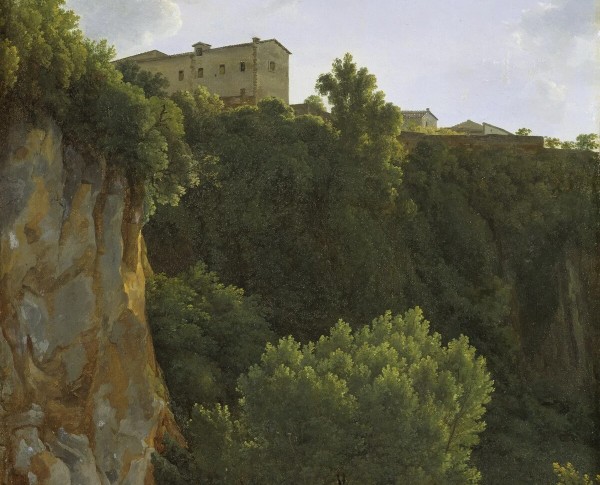
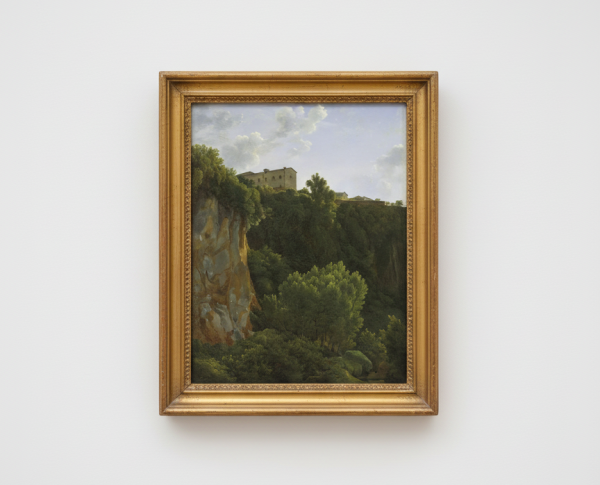
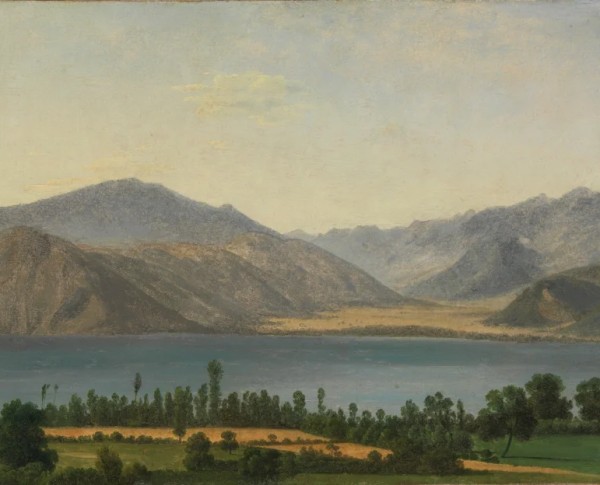
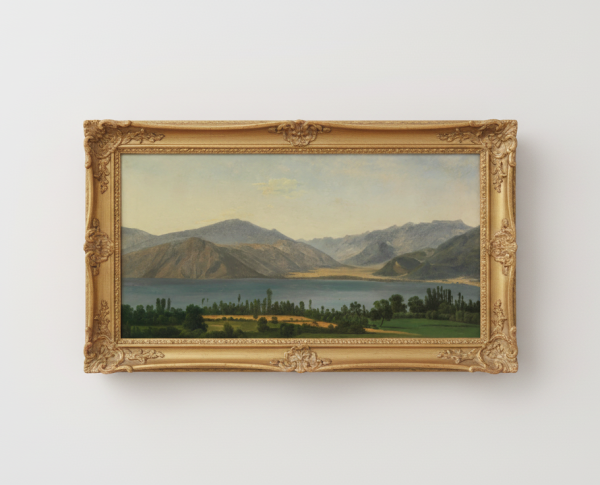
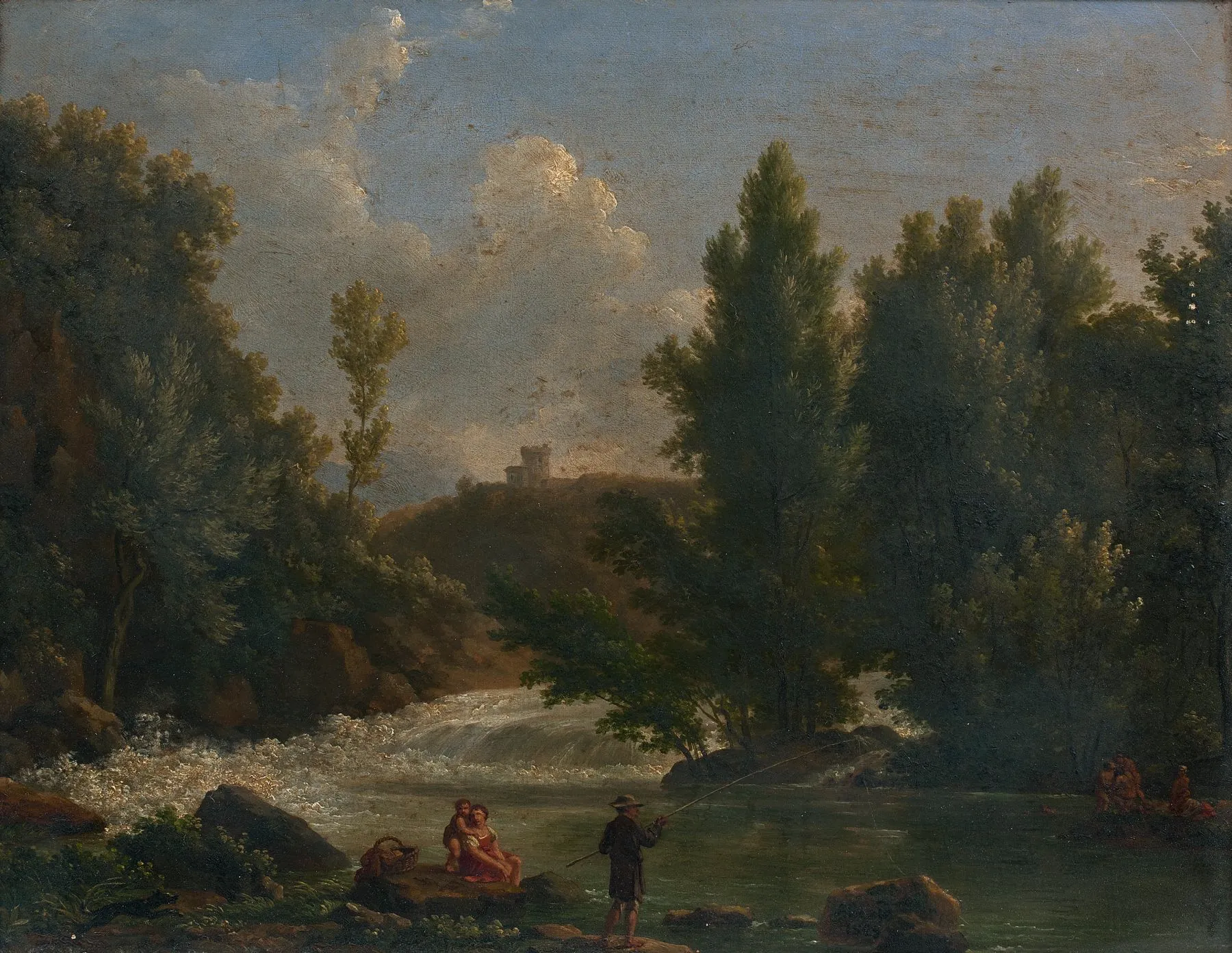
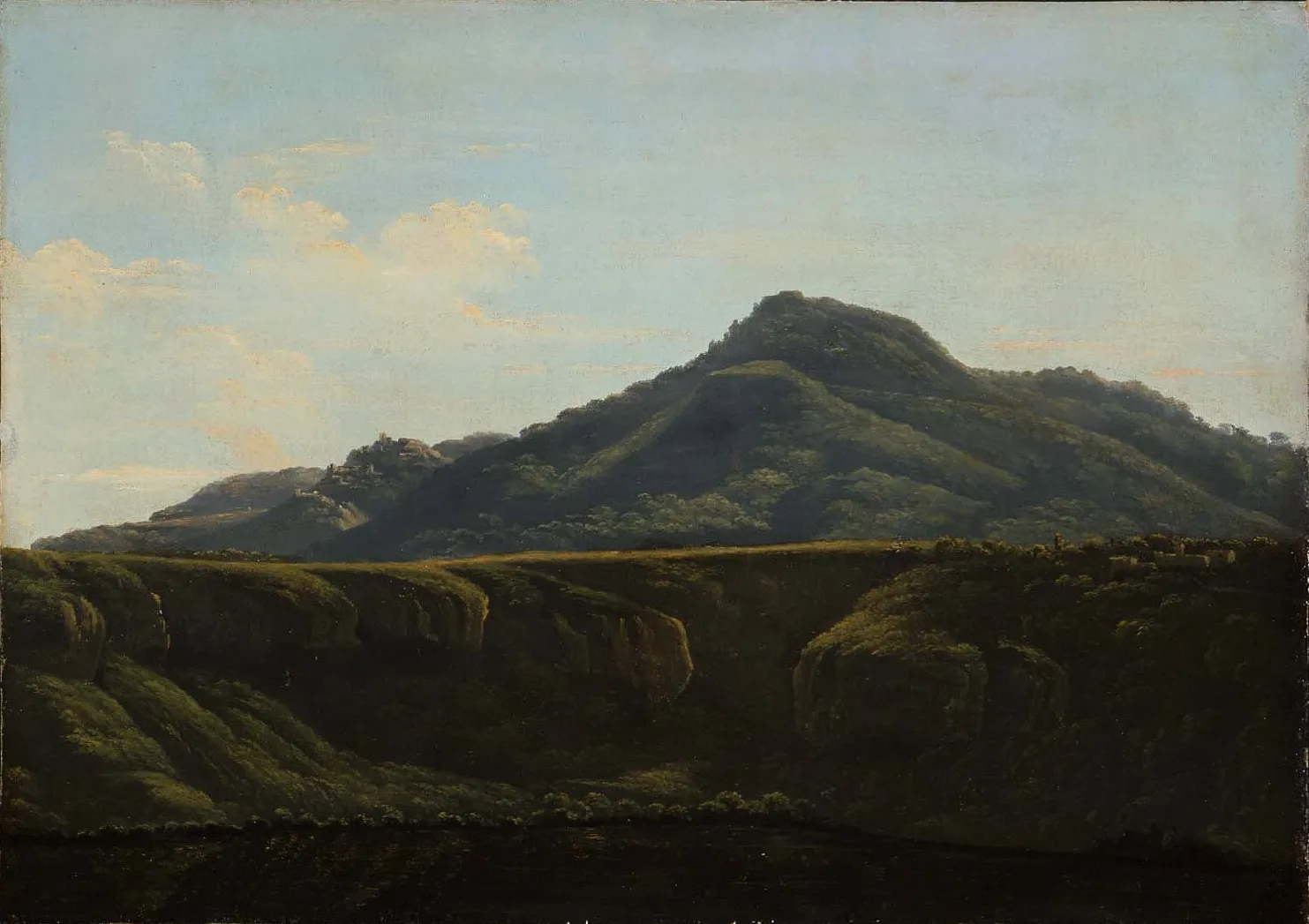
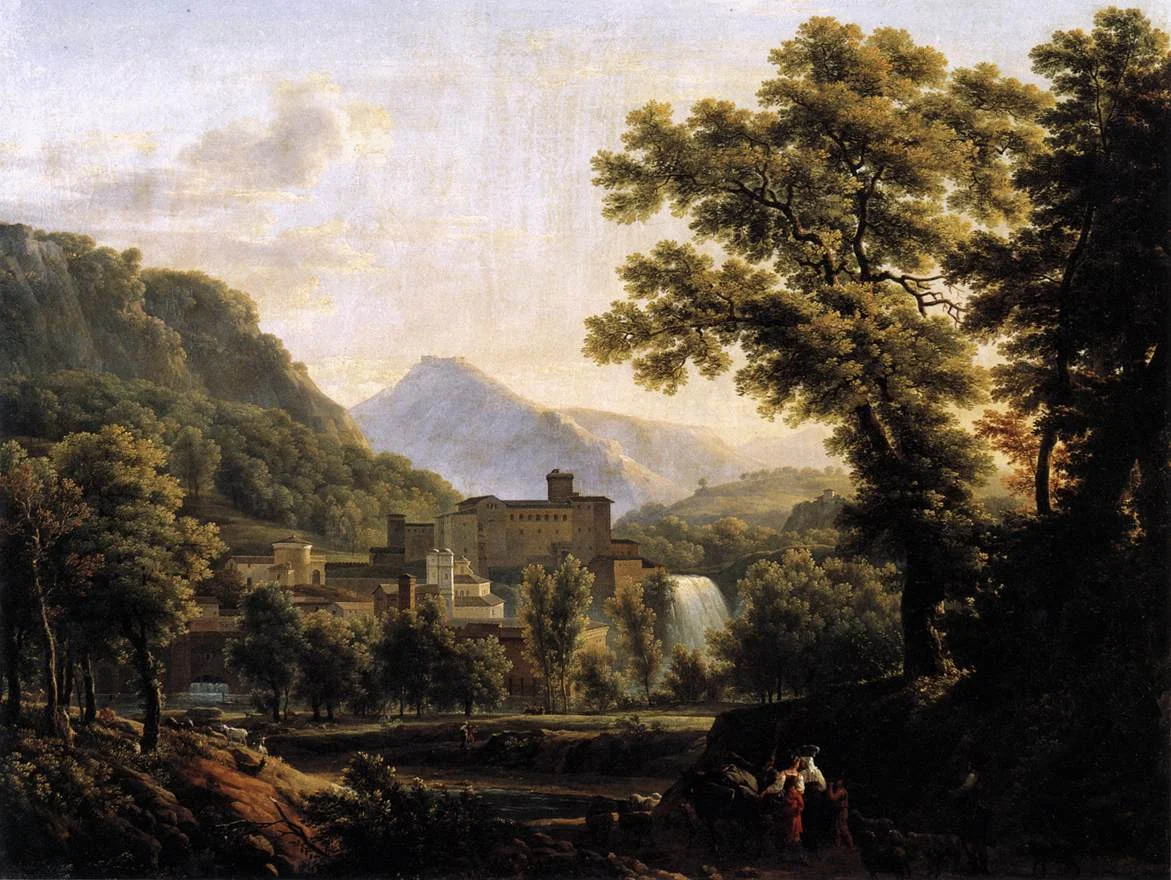
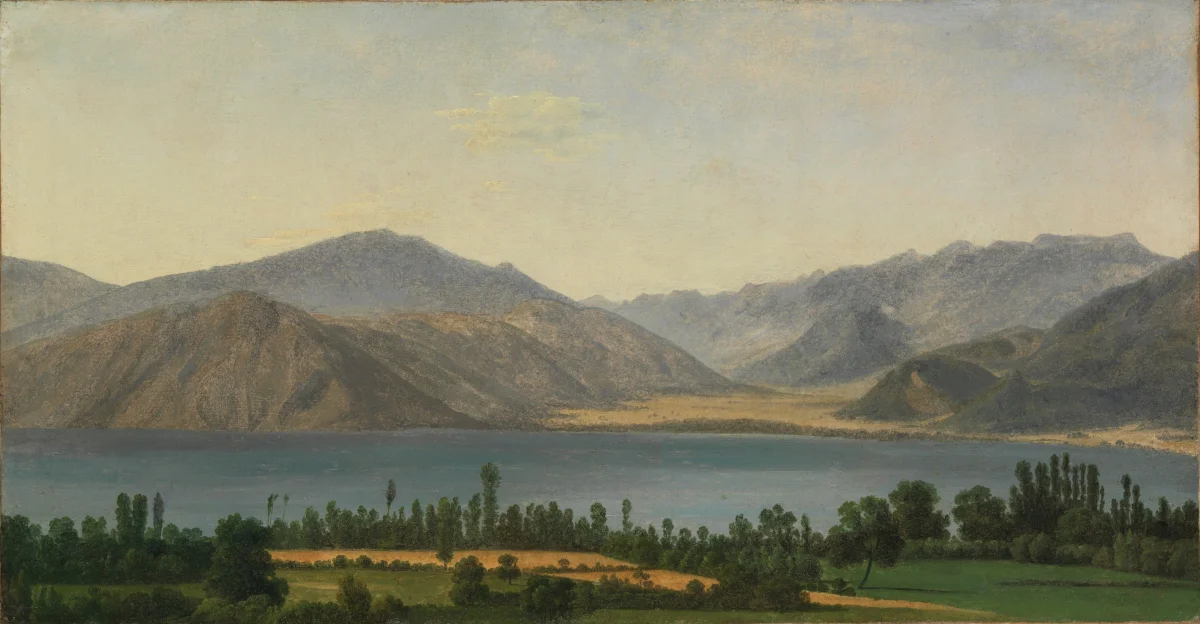
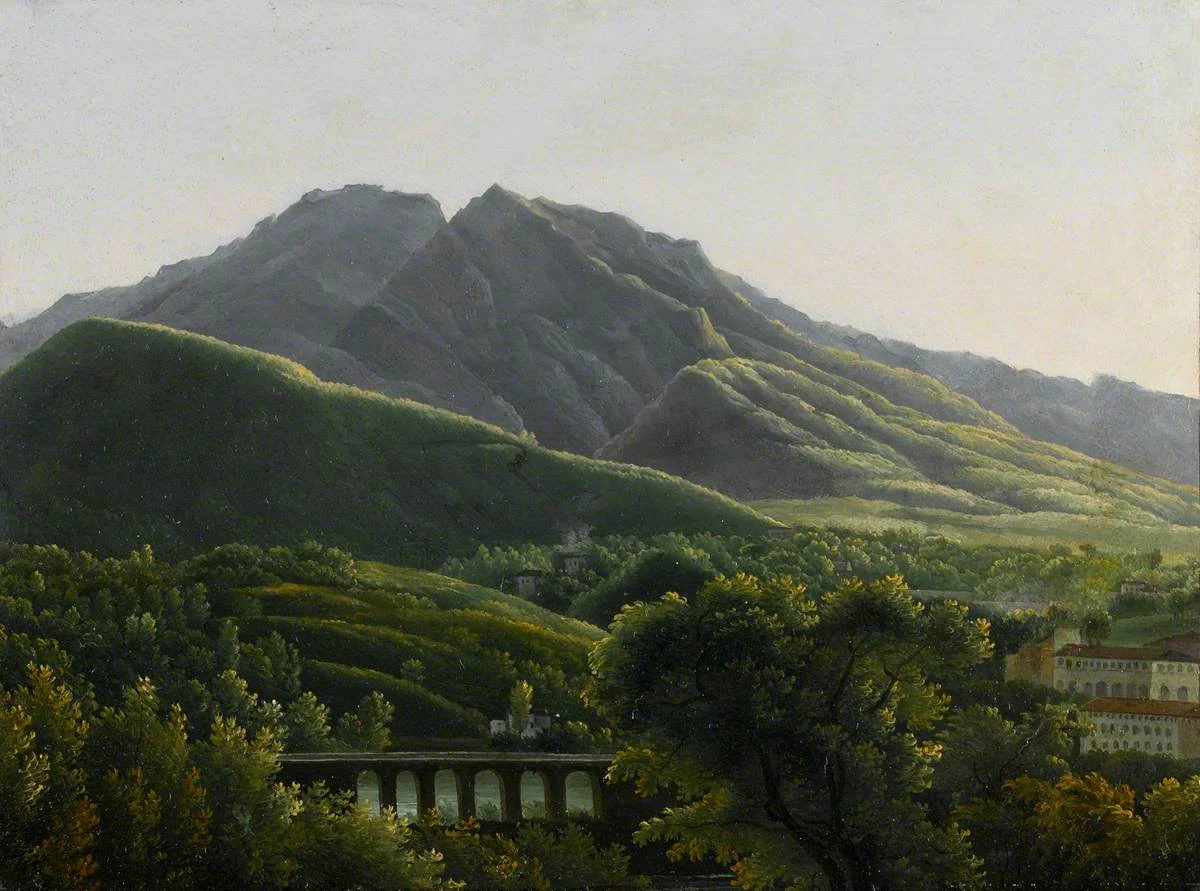
Jean-Joseph-Xavier Bidauld’s "Monte Cavo Du Lac D'albano" exemplifies the technical excellence found in Neo-Classical art. Rendered in oil on canvas, the painting demonstrates Bidauld’s precise brushwork and keen attention to natural detail. Each stroke conveys both the tranquility of the landscape and the artist’s dedication to classical ideals. Enthusiasts of fine art painting for sale will appreciate how this work, alongside pieces like "Paysage de riviére animé d'un pêcheur et de baigneuses," showcases Bidauld’s refined technique.
At the heart of "Monte Cavo Du Lac D'albano" are the stories and symbols woven throughout the landscape, characteristic of Jean-Joseph-Xavier Bidauld’s Neo-Classical vision. This hand-painted oil painting invites viewers to contemplate the harmony between humanity and nature, a recurring theme in his oeuvre. Like "The Augustus Bridge over the River Nera, near the City of Narni, Italy," this scene evokes a sense of history and contemplation, enriching any art lover’s understanding of classical narrative in painting.
For discerning collectors, "Monte Cavo Du Lac D'albano" by Jean-Joseph-Xavier Bidauld represents an exceptional opportunity to acquire a fine art painting for sale from the Neo-Classical movement. This oil on canvas masterpiece stands alongside related works such as "View of the Cascade of the Gorge near Allevard" and "View of the Isle of Sora," making it a coveted piece for any collection. Its timeless composition and historical significance ensure enduring value and appreciation.
When Art Meets History
Jean-Joseph-Xavier Bidauld’s "Monte Cavo Du Lac D'albano" stands as a testament to the Neo-Classical movement’s reverence for history and nature. This hand-painted oil painting beautifully captures the serenity of the Italian landscape, echoing the classical ideals seen in works like "The Declaration of Independence" and "Surrender of Lord Cornwallis." Bidauld’s dedication to historical accuracy and natural harmony makes this piece a significant artifact for enthusiasts of both art and history.
Techniques That Speak
Bidauld’s mastery is evident in his meticulous use of oil on canvas, a hallmark of Neo-Classical technique. With subtle brushwork and careful layering, he brings the tranquil scenery of "Monte Cavo Du Lac D'albano" to life, much like the precision found in "Portrait of Thomas Jefferson" or "Bildnis Des Aquasie Boachi." The artist’s attention to detail and structured composition highlight his deep understanding of both the medium and the movement’s ideals.
Emotions on Display
"Monte Cavo Du Lac D'albano" evokes a profound sense of calm and reflection, typical of Neo-Classical landscapes. Bidauld’s fine art painting for sale communicates the timeless beauty of nature, inviting viewers to pause and contemplate. The emotional resonance parallels the introspective moods found in "Amerling" and other classical works, demonstrating Bidauld’s ability to connect with audiences through serene yet powerful imagery.
Coveted by Collectors
Collectors highly prize "Monte Cavo Du Lac D'albano" for its historical significance and artistic mastery within the Neo-Classical movement. This hand-painted oil painting is often sought after alongside renowned pieces like "The Declaration of Independence" and "Portrait of Thomas Jefferson." Jean-Joseph-Xavier Bidauld’s legacy endures, as his works continue to attract discerning collectors and admirers of fine art painting for sale around the world.
Related Neo-Classical Hand-Painted Oil Paintings by Other Artists
Other Famous Neo-Classical Artists:
Frequently Asked Questions About Monte Cavo Du Lac D'albano
What is the historical significance of "Monte Cavo Du Lac D'albano"?
This painting captures the picturesque landscape of Lake Albano and Monte Cavo, reflecting the Romantic era's fascination with nature and its sublime beauty, as well as the cultural importance of the region in Italian history.
Who was Jean-Joseph-Xavier Bidauld?
Jean-Joseph-Xavier Bidauld was a French painter known for his landscapes and historical scenes. He played a significant role in the development of Romantic landscape painting in the late 18th and early 19th centuries.
What artistic techniques are evident in this painting?
Bidauld employs a combination of soft brushwork and a harmonious color palette to create a sense of depth and atmosphere, characteristic of the Romantic style, which emphasizes emotional resonance and the beauty of nature.
What themes are explored in "Monte Cavo Du Lac D'albano"?
The painting explores themes of nature's grandeur, tranquility, and the relationship between humanity and the natural world, inviting viewers to reflect on their place within the landscape.
How does this painting reflect the Romantic movement?
This work embodies the Romantic movement's ideals by emphasizing emotion, individual experience, and the sublime qualities of nature, contrasting with the rationalism of the preceding Neoclassical period.
What symbols are present in the painting?
The lake symbolizes tranquility and reflection, while the mountain represents permanence and the sublime, illustrating the duality of nature's beauty and power.
In what ways does "Monte Cavo Du Lac D'albano" connect to Italian culture?
The painting highlights the cultural significance of the Alban Hills, a site of historical and mythological importance in Italy, reflecting the deep connection between art, landscape, and national identity.
What influences can be seen in Bidauld's work?
Bidauld was influenced by the works of earlier landscape painters such as Claude Lorrain and Nicolas Poussin, as well as the emerging Romantic ideals that celebrated nature's emotional and aesthetic power.
How does the composition of the painting enhance its meaning?
The composition, with its balanced arrangement of foreground, middle ground, and background, guides the viewer's eye through the landscape, reinforcing the sense of harmony and inviting contemplation of the scene's beauty.
What impact did "Monte Cavo Du Lac D'albano" have on later artists?
This painting influenced subsequent generations of landscape artists by demonstrating the emotional depth and aesthetic potential of natural scenes, paving the way for further exploration of the landscape genre in art.























_GFM_Painting_(1).webp)


 100% Hand-Painted: Finished in 3-6 Weeks

.png)















_(1).webp)