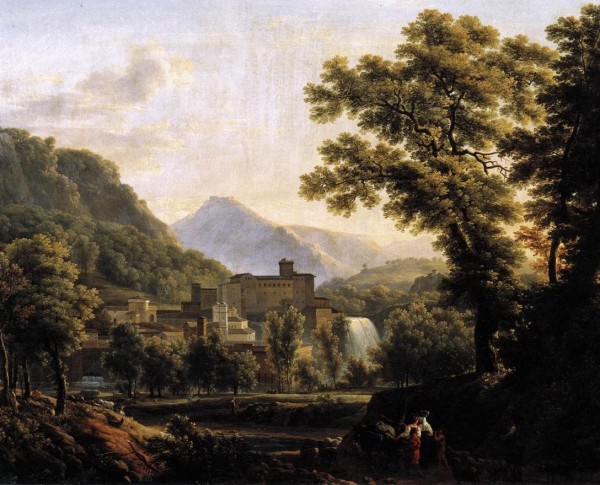
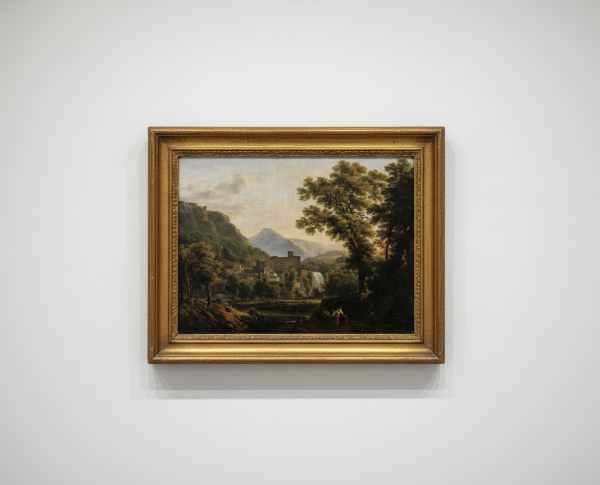
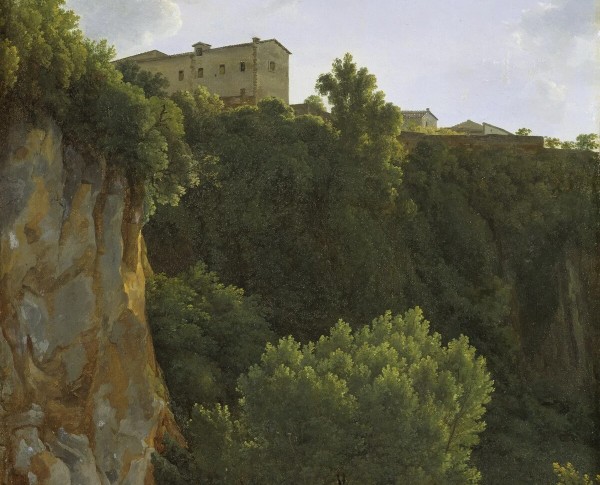
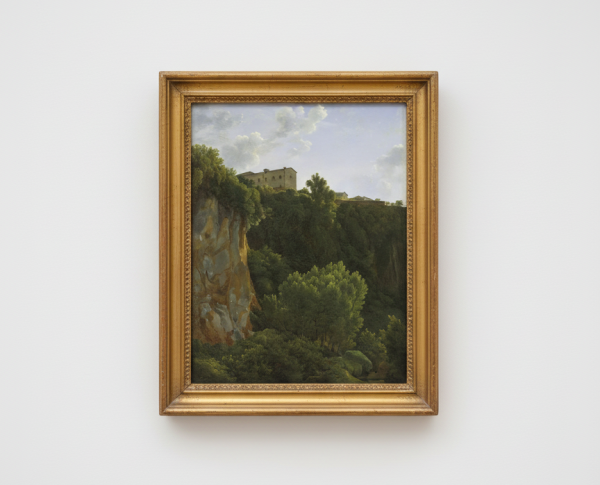
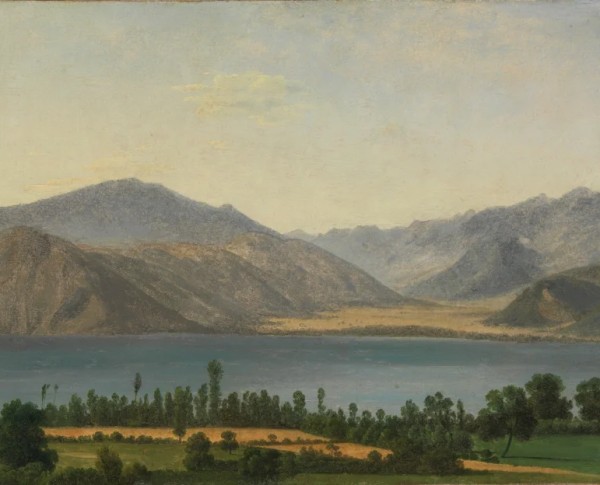
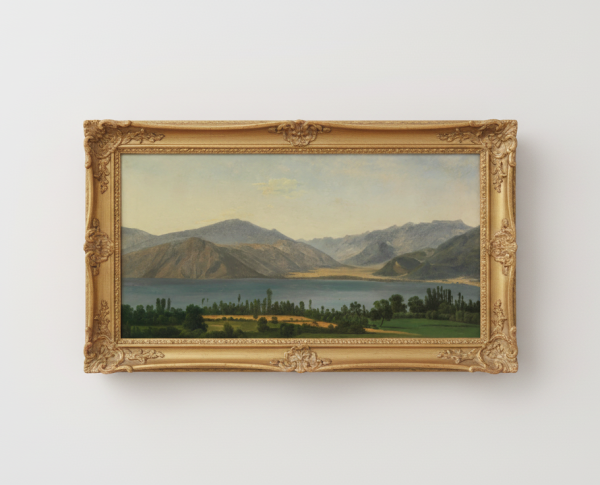
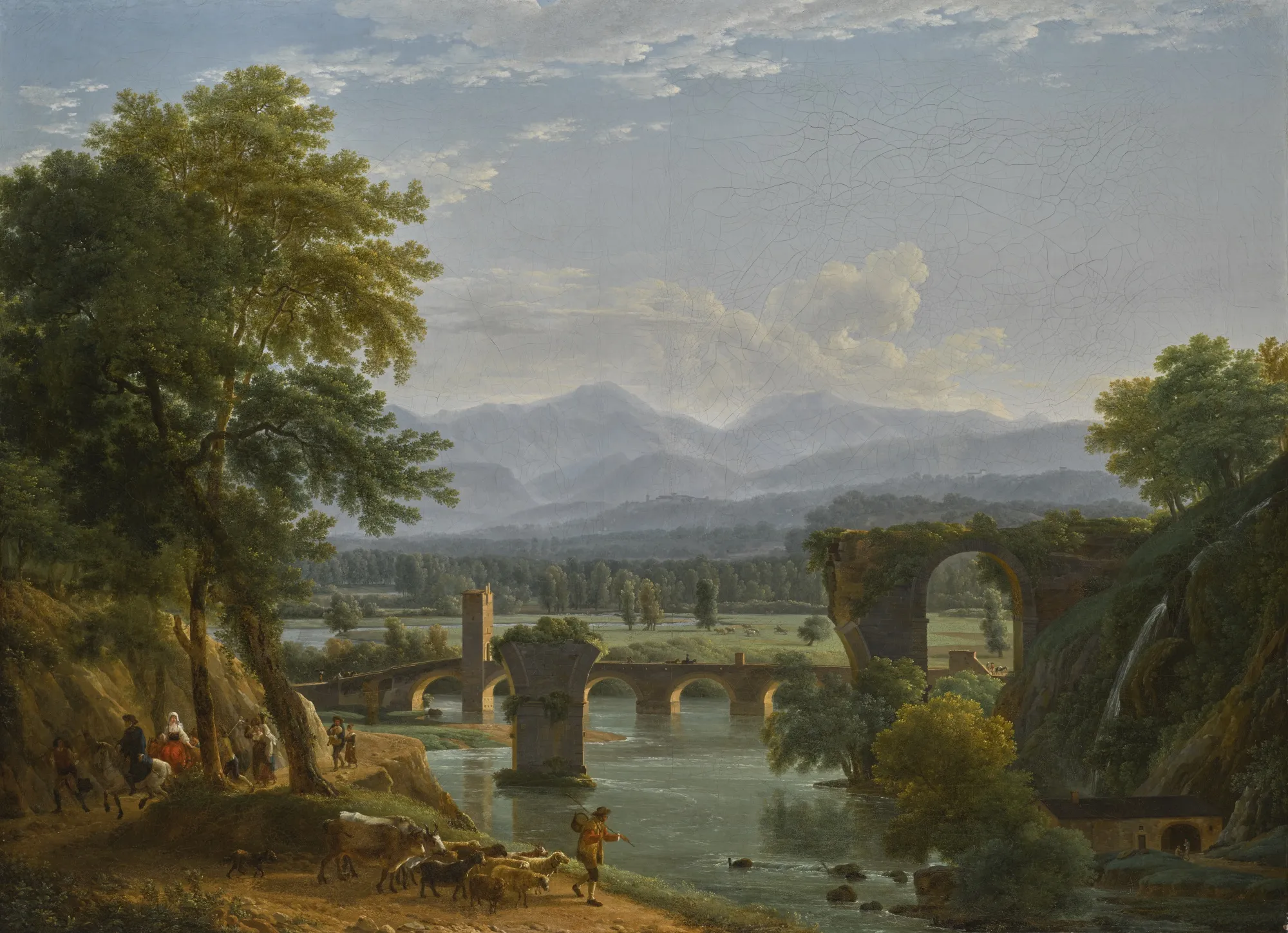
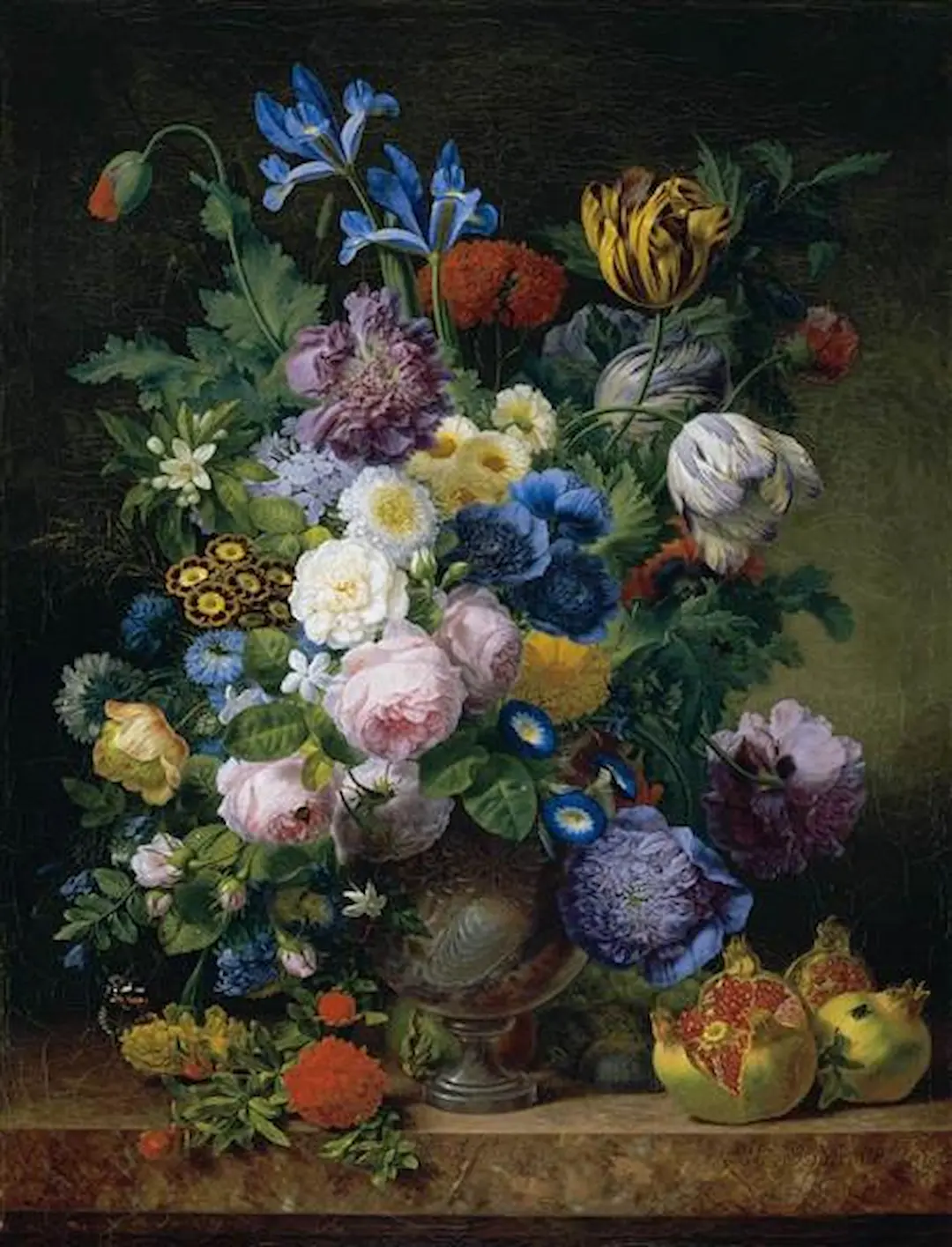
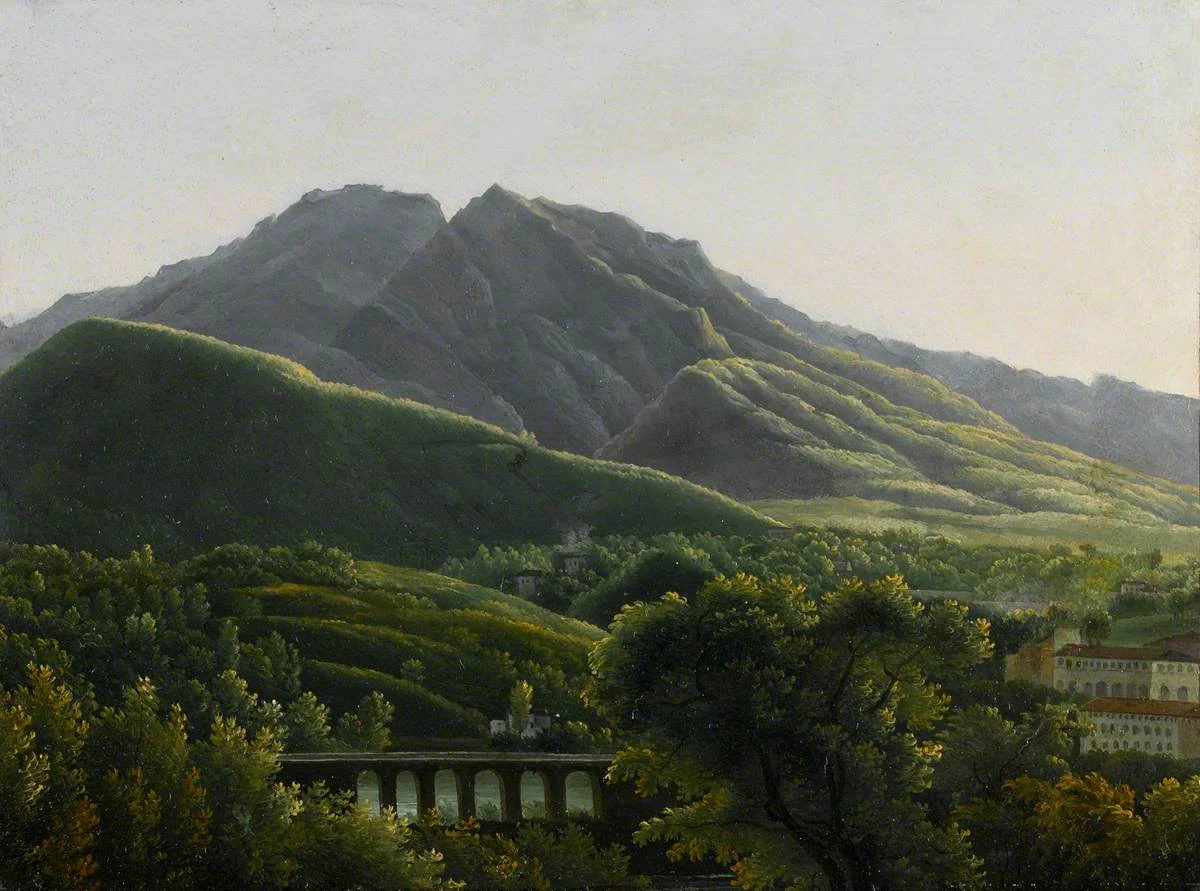
With his expert application of oil on canvas, Bidauld demonstrates the refined precision characteristic of Neo-Classical artists. In "The Augustus Bridge over the River Nera, near the City of Narni, Italy," each brushstroke reveals his dedication to balance, harmony, and detail. The painting’s serene composition aligns with masterpieces such as "Still-Life 1810" and "View of the Isle of Sora," showcasing Bidauld’s unparalleled skill in landscape painting.
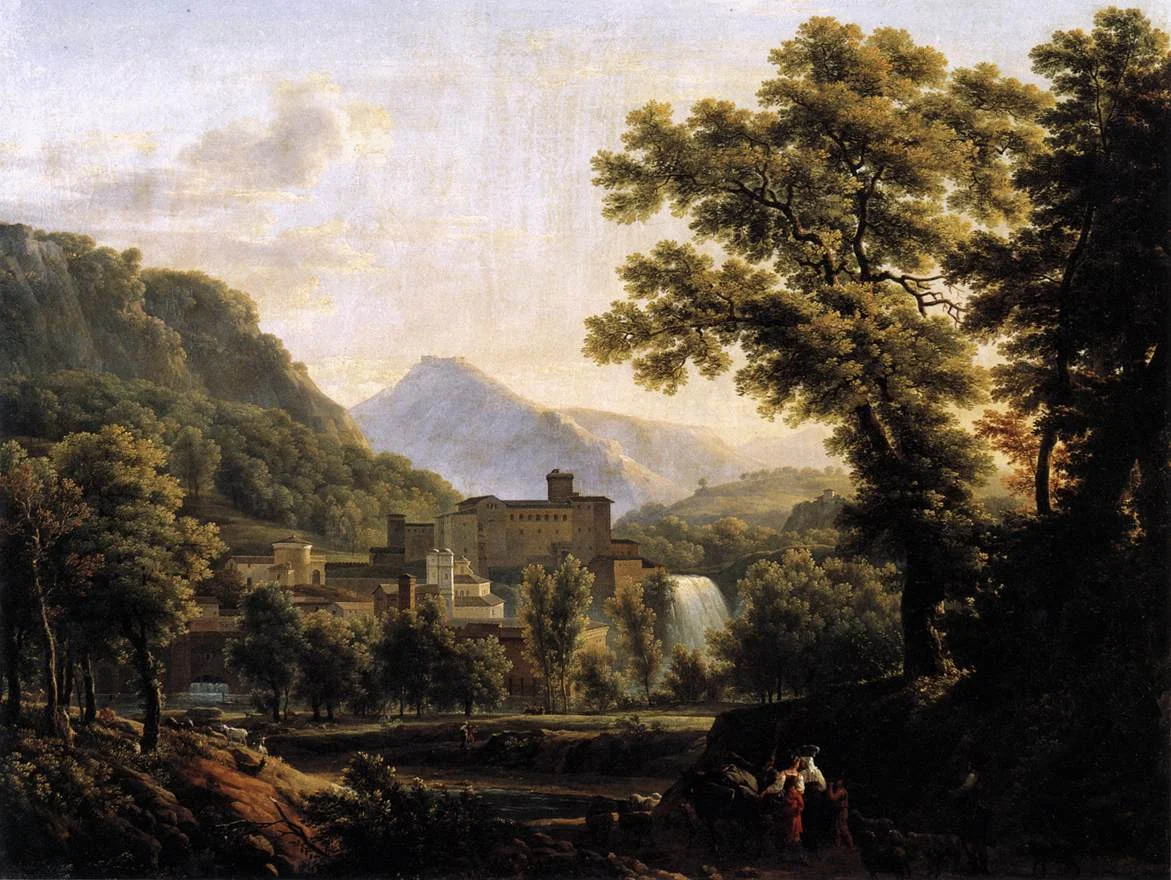
This fine art painting for sale not only depicts the historic Augustus Bridge but also weaves a narrative of connection between past and present. Bidauld’s choice of subject matter in "The Augustus Bridge over the River Nera, near the City of Narni, Italy" reflects Neo-Classical reverence for ancient architecture and nature’s grandeur. Art lovers will find parallels in "View of the Waterfalls at Tivoli" and "Grenoble," each painting inviting viewers to uncover deeper symbolic meanings.
For enthusiasts seeking a distinguished fine art painting for sale, Bidauld’s "The Augustus Bridge over the River Nera, near the City of Narni, Italy" is an exceptional choice. Its place within the Neo-Classical movement and the artist’s celebrated body of work—including "The Bridge at La Cava, Kingdom of Naples"—ensures lasting value and prestige. Owning this masterpiece is an opportunity to preserve and appreciate a pivotal moment in art history.
When Art Meets History
"The Augustus Bridge over the River Nera, near the City of Narni, Italy" by Jean-Joseph-Xavier Bidauld is a remarkable hand-painted oil painting that masterfully captures the grandeur of Roman architecture. Created during the Neo-Classical movement, this work reflects Bidauld’s fascination with antiquity and the Italian landscape. Like his contemporaries who painted "Portrait of Dr. Meer" and "The Sea Maiden," Bidauld immortalized a historical setting, offering viewers a timeless glimpse into Italy’s storied past.
Techniques That Speak
Jean-Joseph-Xavier Bidauld’s use of oil on canvas in "The Augustus Bridge over the River Nera, near the City of Narni, Italy" showcases the refined techniques characteristic of the Neo-Classical movement. His precise brushwork and clear composition echo the skills seen in related works such as "Bildnis Des Aquasie Boachi" and "Robert Watson, 1746 - . Adventurer." Bidauld’s attention to detail and mastery of light and shadow make this oil on canvas a testament to his technical prowess.
Emotions on Display
This fine art painting for sale evokes a sense of awe and serenity, transporting viewers to the tranquil Italian countryside. Jean-Joseph-Xavier Bidauld’s "The Augustus Bridge over the River Nera, near the City of Narni, Italy" draws upon the Neo-Classical movement’s ideals of harmony and balance, stirring emotions much like "Anton, König von Sachsen." The painting’s peaceful atmosphere and majestic scenery invite admiration and contemplation, making it a cherished piece for any art enthusiast.
Coveted by Collectors
Collectors are drawn to "The Augustus Bridge over the River Nera, near the City of Narni, Italy" for its historical significance and artistic excellence. As a hand-painted oil painting by Jean-Joseph-Xavier Bidauld, it stands alongside notable Neo-Classical works like "The Sea Maiden." The painting’s authentic depiction of Italy and its masterful execution ensure its status as a fine art painting for sale that is highly sought after by discerning art lovers worldwide.
Related Neo-Classical Hand-Painted Oil Paintings by Other Artists
Other Famous Neo-Classical Artists:
Frequently Asked Questions About The Augustus Bridge over the River Nera, near the City of Narni, Italy
What is the historical significance of the Augustus Bridge depicted in the painting?
The Augustus Bridge, built during the Roman Empire, is a significant architectural feat that symbolizes the engineering prowess of ancient Rome. It served as a vital connection between regions and facilitated trade and communication, reflecting the importance of infrastructure in Roman society.
Who was Jean-Joseph-Xavier Bidauld and what is his contribution to art?
Jean-Joseph-Xavier Bidauld was a French painter known for his landscapes and historical scenes. His works often reflect a romanticized view of nature and historical architecture, contributing to the development of 19th-century landscape painting and the appreciation of natural beauty in art.
What artistic techniques did Bidauld employ in this painting?
Bidauld utilized a combination of atmospheric perspective and meticulous detail to create depth and realism in the landscape. His use of light and shadow enhances the three-dimensionality of the bridge and surrounding scenery, drawing the viewer's eye through the composition.
What does the painting symbolize in terms of nature and civilization?
The painting symbolizes the harmony between nature and civilization, showcasing how human ingenuity, represented by the bridge, coexists with the natural beauty of the River Nera. This duality reflects the Romantic ideals of the time, emphasizing the importance of both progress and the natural world.
How does the composition of the painting enhance its narrative?
The composition guides the viewer's gaze from the foreground of the river to the bridge and the distant hills, creating a narrative journey. This arrangement not only highlights the bridge's significance but also invites contemplation of the relationship between human achievements and the surrounding landscape.
What role does color play in this artwork?
Bidauld's use of a warm color palette, with soft greens and blues, evokes a sense of tranquility and nostalgia. The colors enhance the natural beauty of the scene while also emphasizing the timelessness of the Augustus Bridge, inviting viewers to reflect on its enduring legacy.
In what ways does this painting reflect the Romantic movement?
This painting embodies the Romantic movement's emphasis on emotion, nature, and the sublime. Bidauld's portrayal of the bridge amidst a picturesque landscape captures the awe of nature and the human spirit, aligning with the Romantic ideals of valuing personal experience and the beauty of the natural world.
What was the cultural context of Italy during the time this painting was created?
During the late 18th and early 19th centuries, Italy was experiencing a resurgence of interest in its classical heritage. This period saw a revival of Neoclassicism and Romanticism, with artists and intellectuals exploring themes of history, nature, and national identity, which are reflected in Bidauld's work.
How does this painting compare to other works by Bidauld?
Compared to other works by Bidauld, this painting showcases his ability to blend historical architecture with natural landscapes. While many of his pieces focus on serene landscapes, "The Augustus Bridge" uniquely highlights the intersection of human achievement and the beauty of the Italian countryside.
What impact has this painting had on the perception of historical sites in art?
This painting has contributed to the appreciation of historical sites as subjects in art, encouraging viewers to recognize the significance of architectural landmarks within their natural settings. It has inspired subsequent artists to explore similar themes, reinforcing the cultural and historical narratives associated with such sites.























_GFM_Painting_(1).webp)


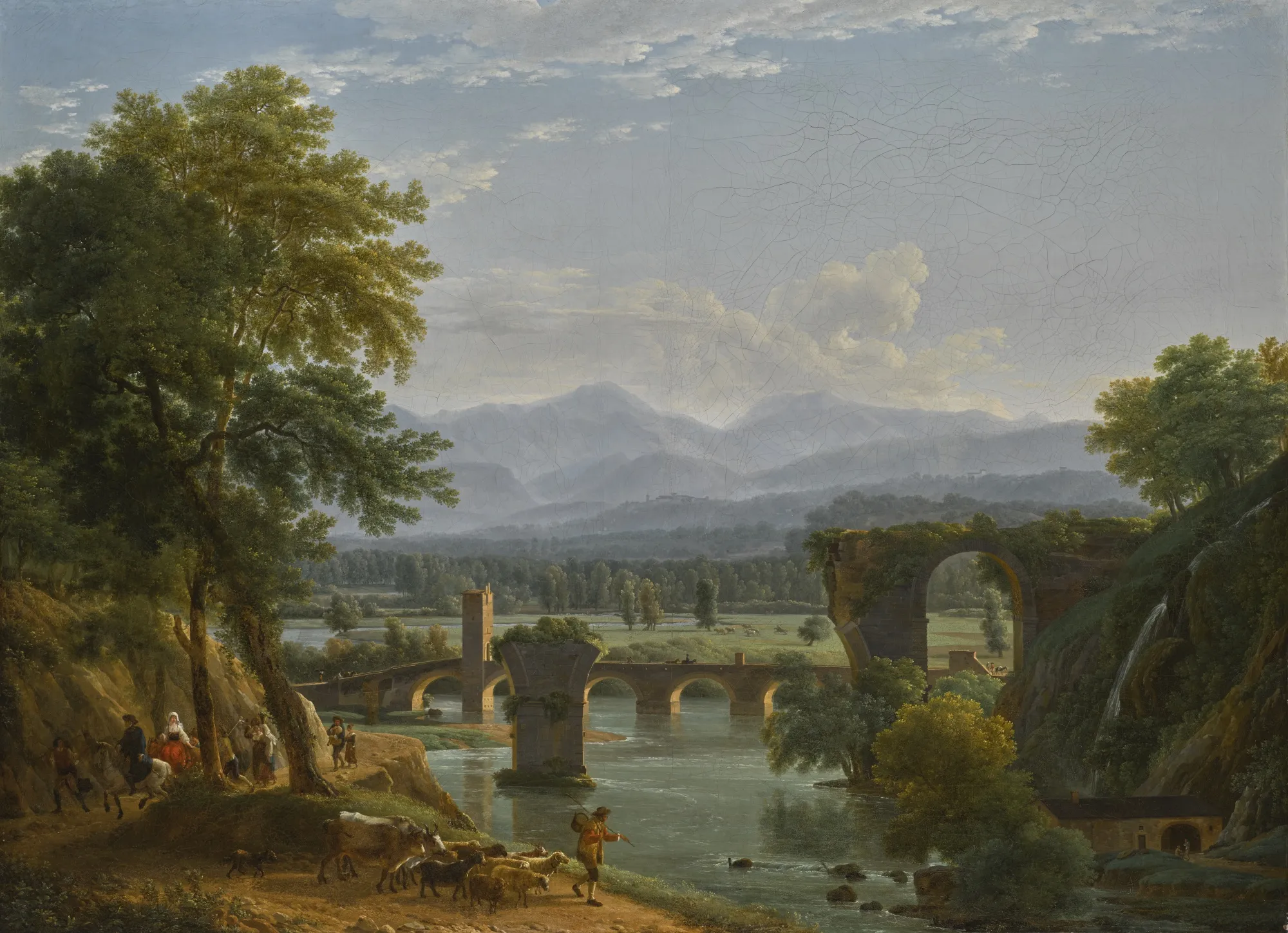
 100% Hand-Painted: Finished in 3-6 Weeks

.png)















_(1).webp)