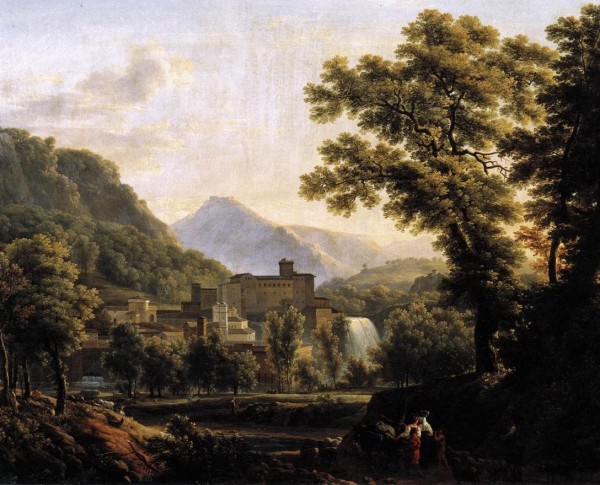
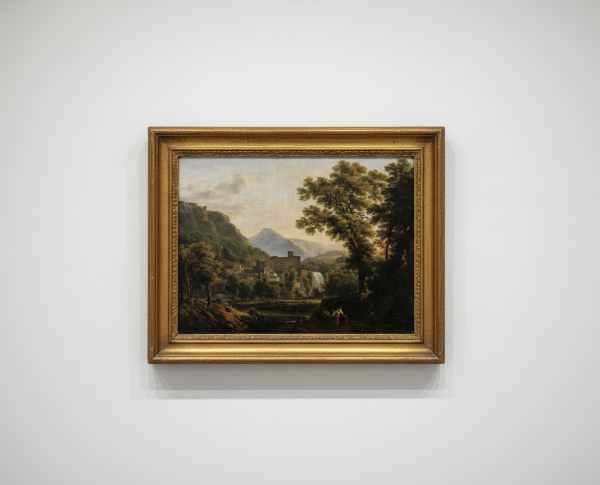
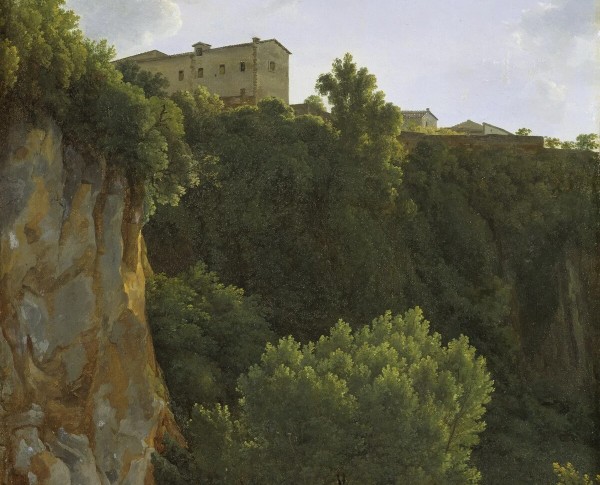
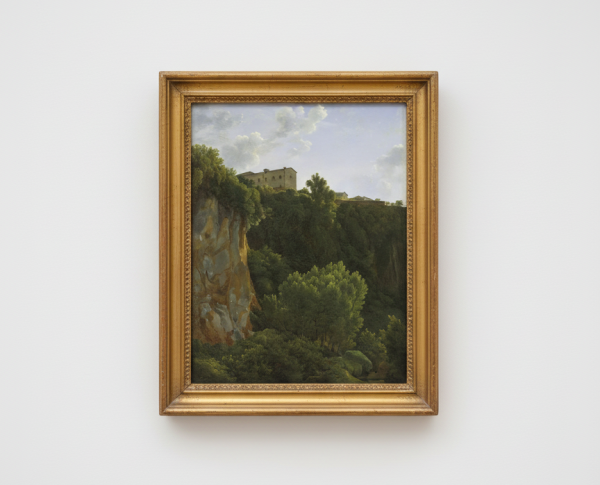
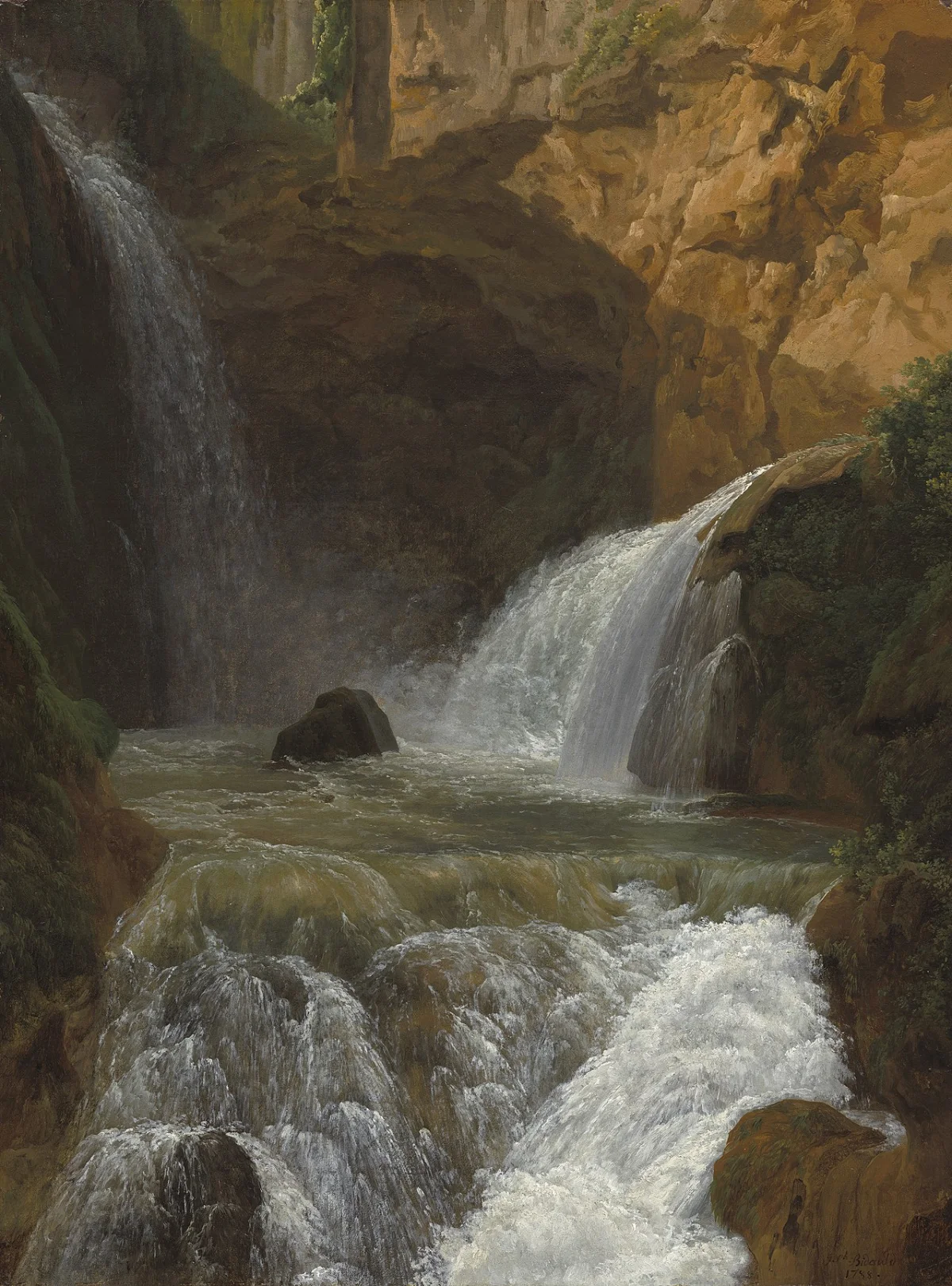
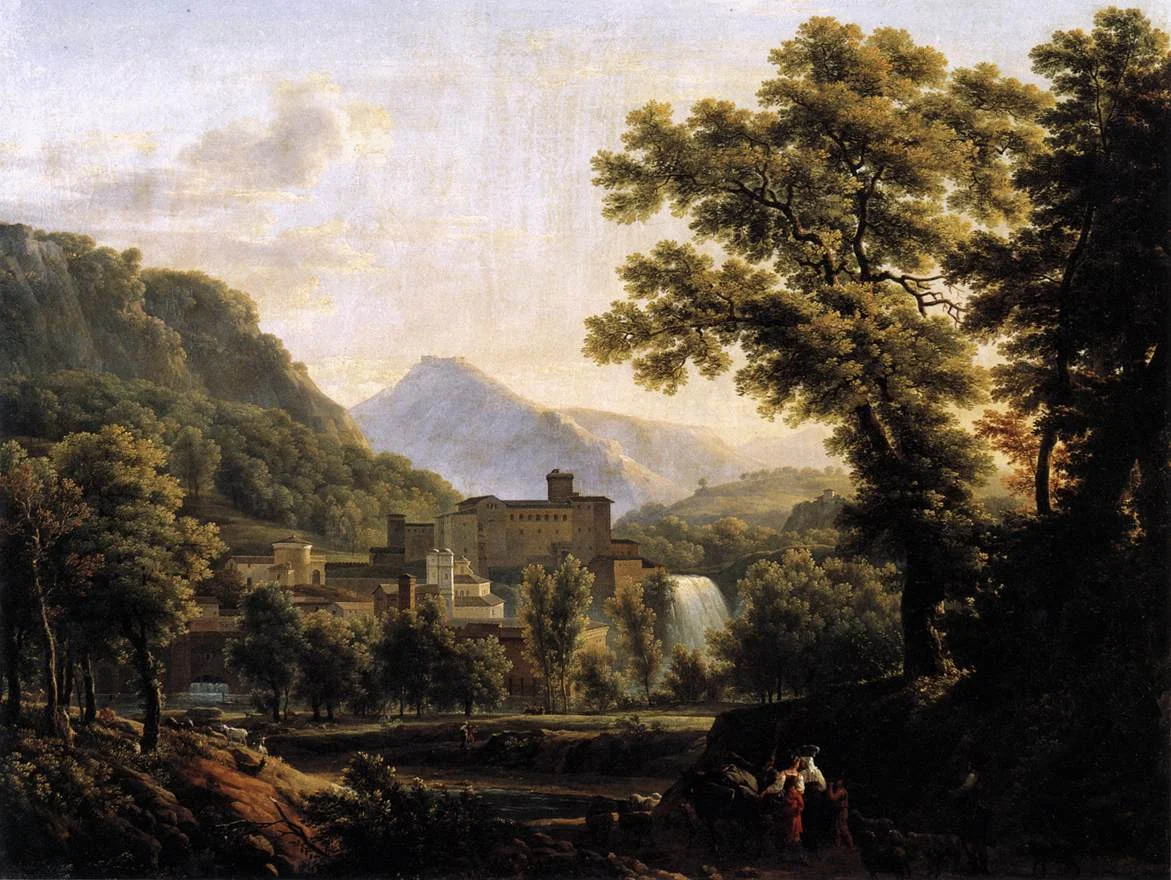
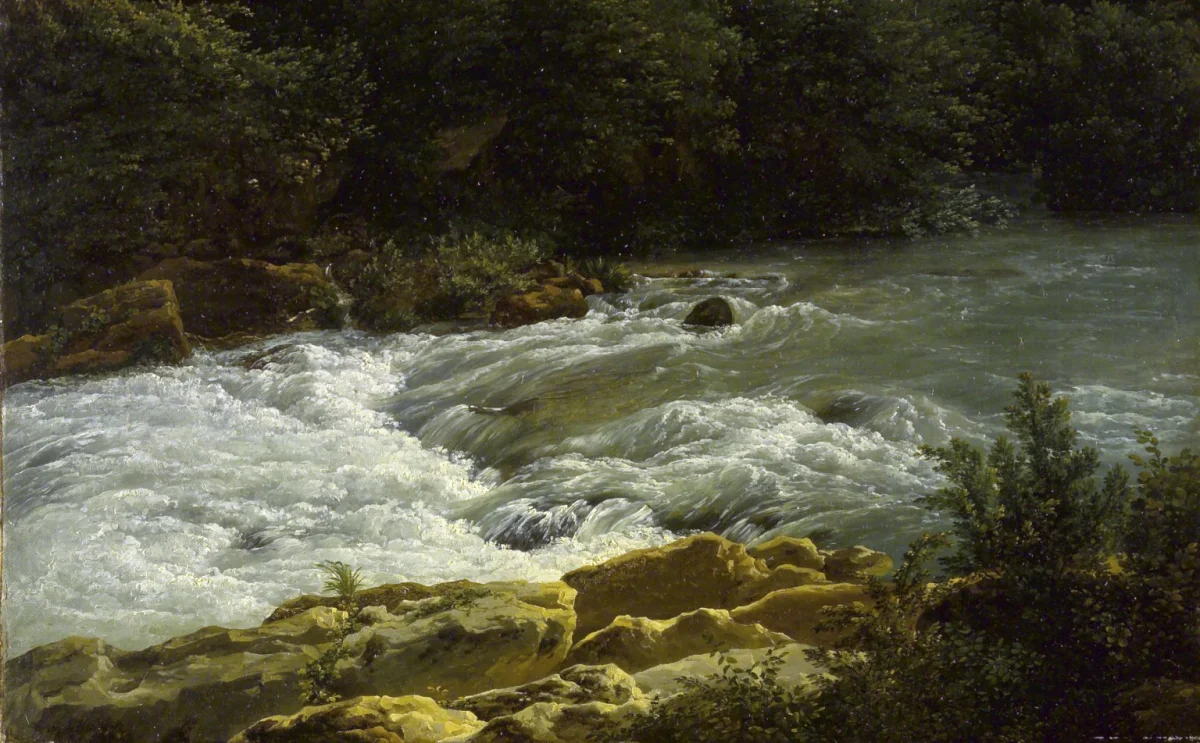
Jean-Joseph-Xavier Bidauld’s "View of the Waterfalls at Tivoli" exemplifies his technical brilliance in oil on canvas. The painting’s luminous palette and precise brushwork evoke the serene atmosphere characteristic of Neo-Classical landscapes. Admired alongside related works such as "The Bridge at La Cava" and "Running Stream at San Cosimato," this piece invites viewers to appreciate the mastery that defines both Bidauld’s oeuvre and the era’s artistic ideals.
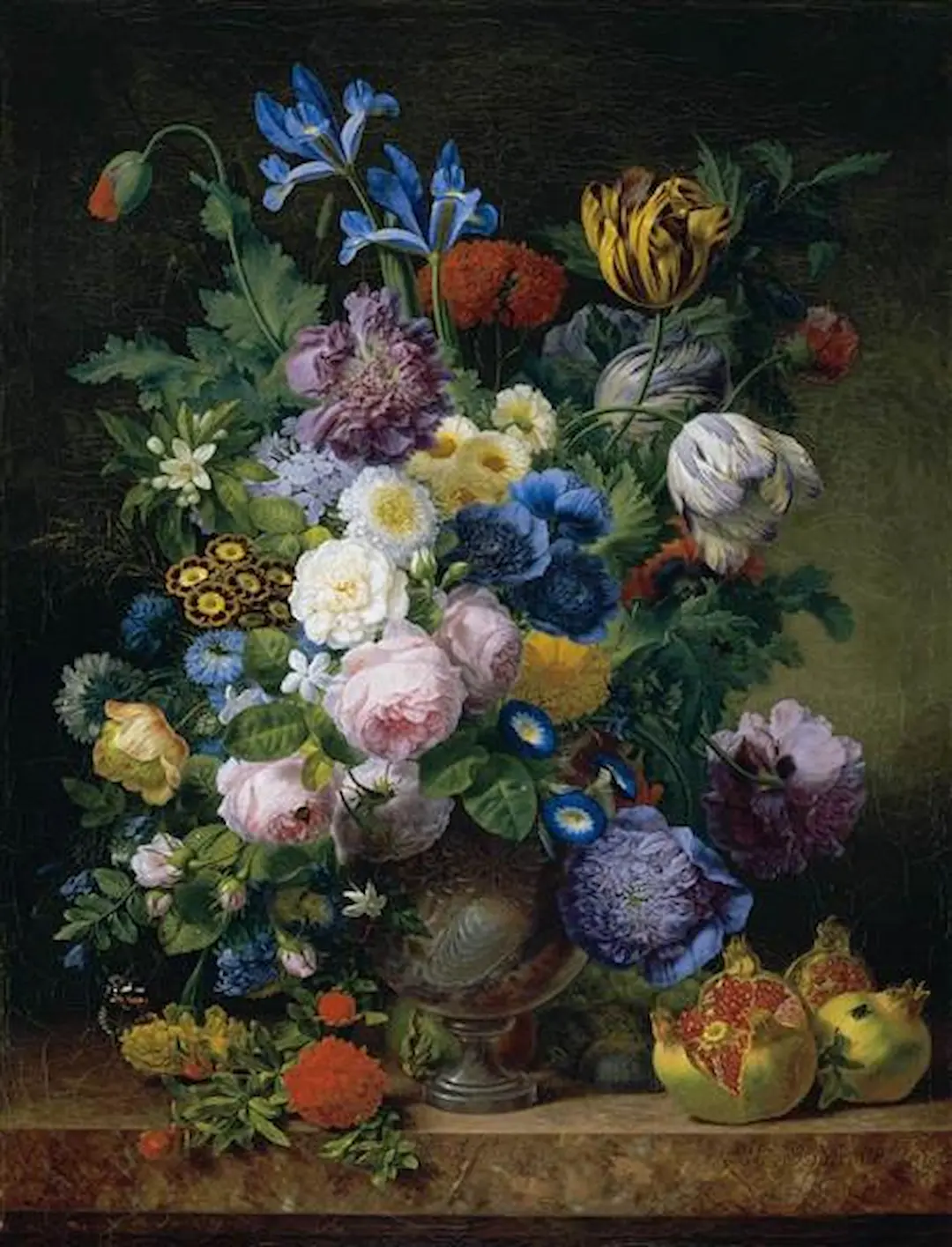
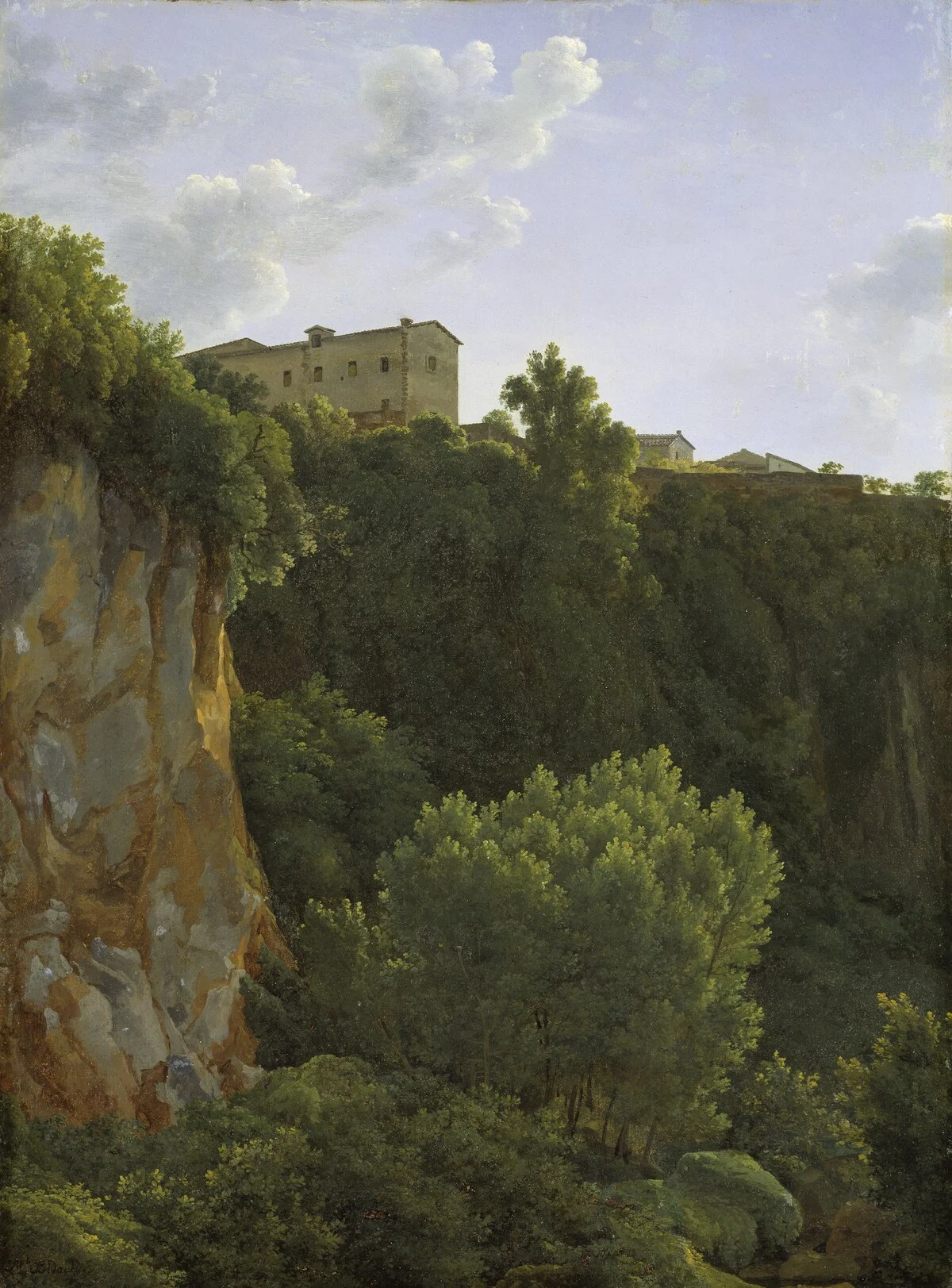
Bidauld’s "View of the Waterfalls at Tivoli" weaves stories of nature’s power and tranquility, hallmarks of Neo-Classical art. This fine art painting for sale echoes themes found in related pieces like "Still-Life 1810" and "Gorge at Cività Castellana." Through symbolic use of water and landscape, Bidauld invites viewers to contemplate the harmony between humanity and the natural world, a narrative that resonates deeply with art enthusiasts and historians alike.
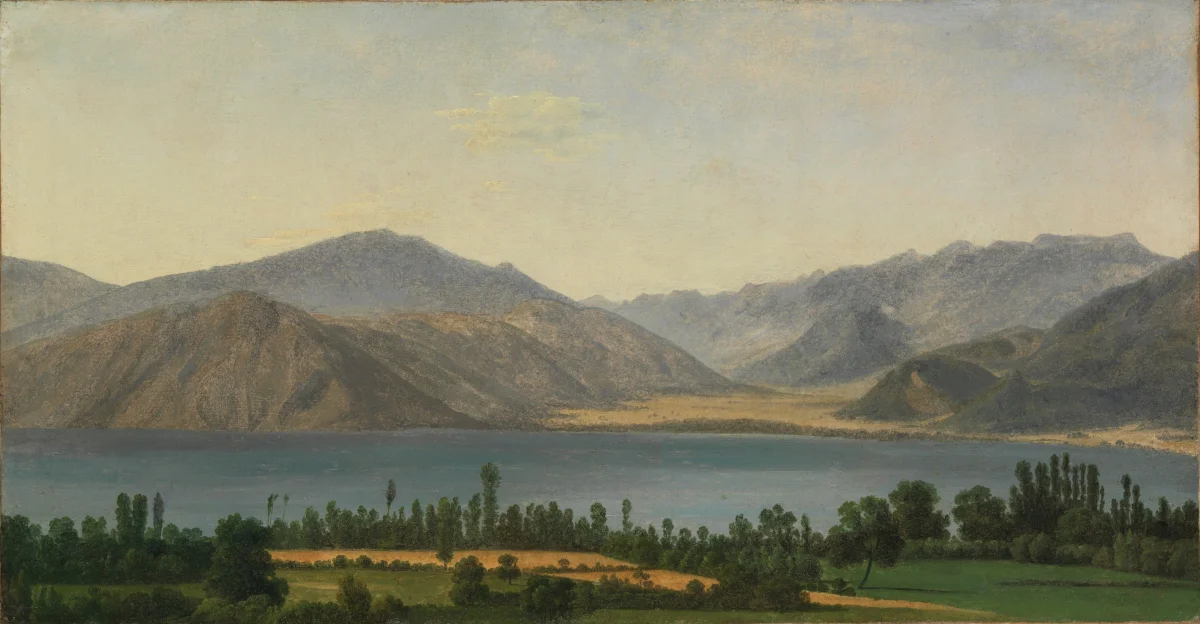
For collectors seeking a distinguished addition, "View of the Waterfalls at Tivoli" by Jean-Joseph-Xavier Bidauld is a remarkable hand-painted oil painting. As part of the Neo-Classical movement, it stands proudly with related works such as "View of the Isle of Sora." Owning this painting means embracing a legacy of refined artistry and elevating any collection with a work that embodies the sophistication and timeless appeal of Bidauld’s celebrated landscapes.
When Art Meets History
"View of the Waterfalls at Tivoli" by Jean-Joseph-Xavier Bidauld stands as a remarkable representation of the Neo-Classical movement. This hand-painted oil painting captures the timeless beauty of Tivoli’s cascading waterfalls, blending historical reverence with natural grandeur. Bidauld’s meticulous attention to detail echoes the era’s fascination with the ancient world, similar to masterpieces like "The Lament for Icarus" and "Surrender of General Burgoyne," making this work a pivotal piece in art history.
Techniques That Speak
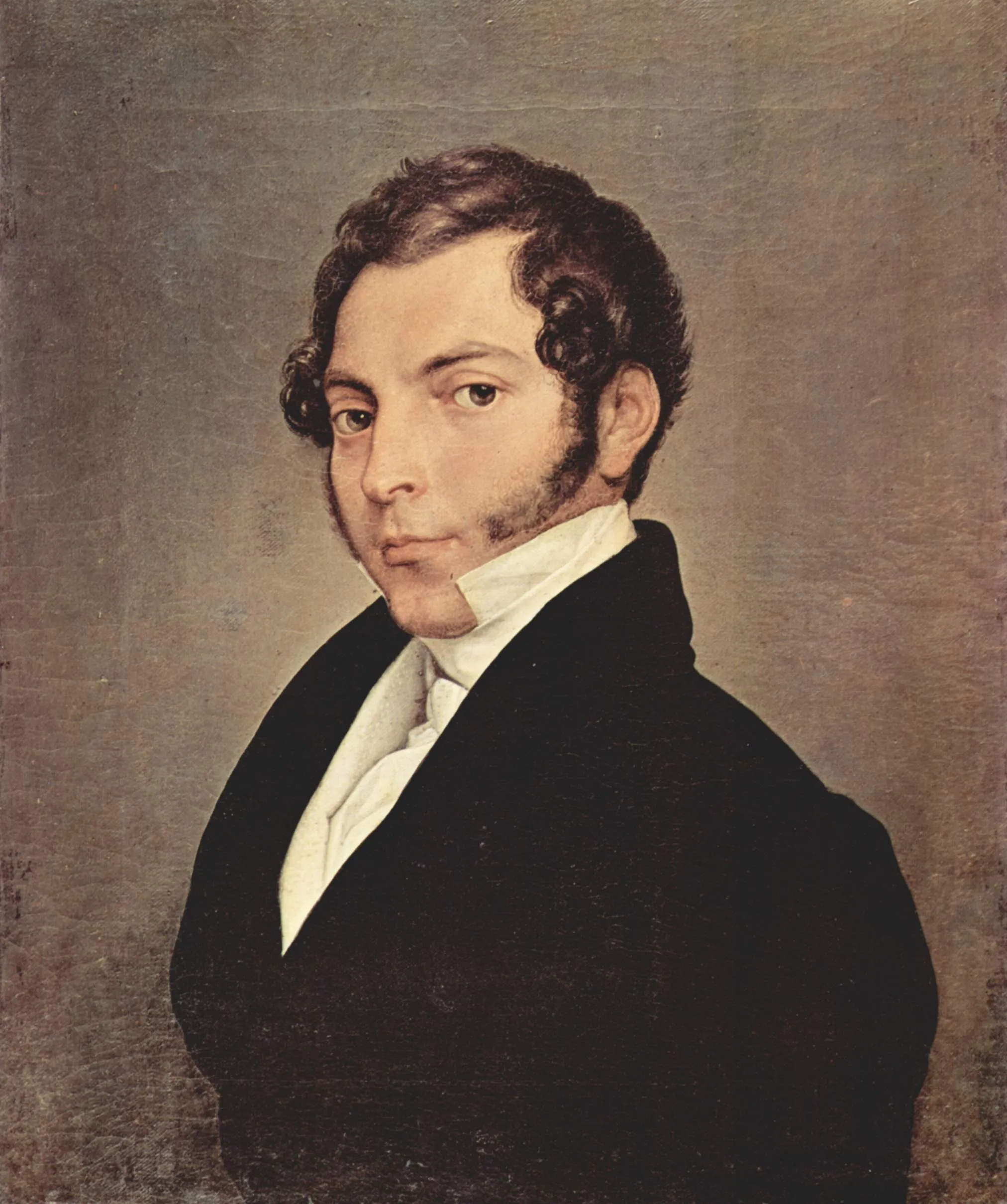
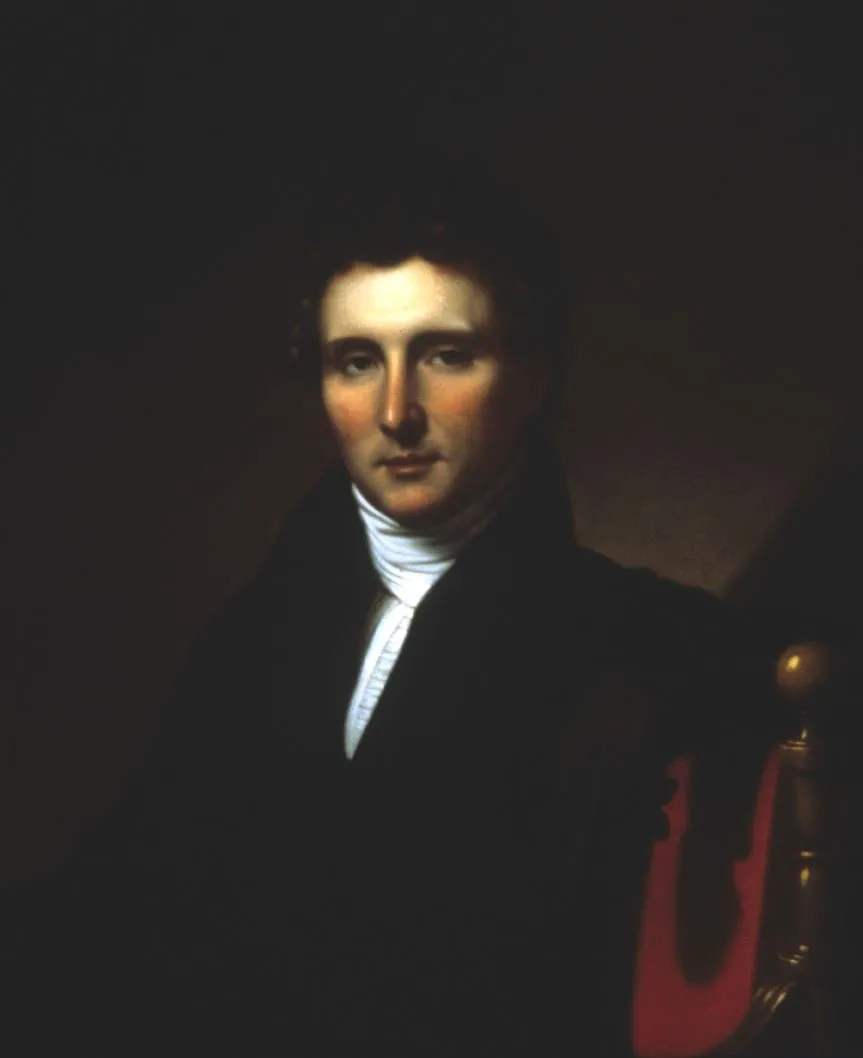
Jean-Joseph-Xavier Bidauld’s mastery shines through in his use of oil on canvas, portraying the dynamic interplay of light and water in "View of the Waterfalls at Tivoli." The Neo-Classical movement prized clarity and structure, and Bidauld’s brushwork exemplifies these ideals. Comparable to the precision in "Portrait of Thomas Jefferson" or "Prince Vasili Vasiljevits Dolgoruki," his technique elevates the landscape, inviting viewers to appreciate both nature and artistic skill in this celebrated medium.
Emotions on Display
This fine art painting for sale evokes a sense of awe and tranquility, capturing the emotional depth that Jean-Joseph-Xavier Bidauld infused into his work. "View of the Waterfalls at Tivoli" transports viewers to a serene Italian landscape, much like "Young Lady with Drawing Utensils - Countess Thekla Ludolf, neé Weyssenhoff" does with its quiet introspection. The painting’s atmosphere resonates with the ideals of the Neo-Classical movement, blending emotion and intellect seamlessly.
Coveted by Collectors
"View of the Waterfalls at Tivoli" by Jean-Joseph-Xavier Bidauld has become a highly sought-after hand-painted oil painting among collectors of Neo-Classical art. Its historical importance and artistic brilliance place it alongside celebrated works such as "Surrender of General Burgoyne" and "The Lament for Icarus." This masterpiece continues to draw admiration, appealing to those who value both the artist’s legacy and the enduring beauty of the Neo-Classical movement.
Related Neo-Classical Hand-Painted Oil Paintings by Other Artists
Other Famous Neo-Classical Artists:
Frequently Asked Questions About View of the Waterfalls at Tivoli
What is the historical significance of "View of the Waterfalls at Tivoli"?
This painting, created by Jean-Joseph-Xavier Bidauld in the late 18th century, captures the picturesque beauty of Tivoli, a popular destination for artists and tourists during the Grand Tour era, symbolizing the Romantic appreciation for nature.
What artistic style is reflected in Bidauld's work?
Bidauld's painting exemplifies the Romantic style, characterized by its emphasis on emotion, nature, and the sublime, contrasting with the more structured and rational approaches of the preceding Neoclassical period.
What elements in the painting symbolize nature's power?
The cascading waterfalls and rugged cliffs in the painting symbolize the awe-inspiring power of nature, reflecting the Romantic ideal that nature is both beautiful and formidable.
How does Bidauld depict light and atmosphere in this painting?
Bidauld skillfully uses light to create a sense of depth and movement, with the sunlight illuminating the water and foliage, enhancing the overall atmosphere of tranquility and grandeur.
What role does color play in "View of the Waterfalls at Tivoli"?
The vibrant color palette, featuring lush greens and deep blues, evokes a sense of vitality and harmony within the natural landscape, inviting viewers to immerse themselves in the serene environment.
How does this painting reflect the influence of the Grand Tour?
The Grand Tour, a traditional trip through Europe undertaken by mainly upper-class young men, greatly influenced Bidauld's work, as it captures the allure of Italy's landscapes, which were pivotal in shaping European artistic tastes.
What is the significance of the waterfalls in the context of Romanticism?
Waterfalls in Romantic art often symbolize the sublime, representing both beauty and terror, and in Bidauld's painting, they serve as a reminder of nature's grandeur and the emotional response it elicits in viewers.
Can you explain the composition of the painting?
The composition is carefully balanced, with the waterfalls serving as a focal point, while the surrounding landscape guides the viewer's eye through the scene, creating a harmonious relationship between the elements.
What techniques did Bidauld use to create texture in the painting?
Bidauld employed techniques such as layering and brushwork to create texture, particularly in the foliage and water, enhancing the realism and tactile quality of the natural elements depicted.
How does "View of the Waterfalls at Tivoli" compare to other works by Bidauld?
Compared to other works by Bidauld, this painting showcases his mastery of landscape and light, reflecting his evolution as an artist and his deep engagement with the Romantic ideals of nature and emotion.























_GFM_Painting_(1).webp)


 100% Hand-Painted: Finished in 3-6 Weeks

.png)















_(1).webp)