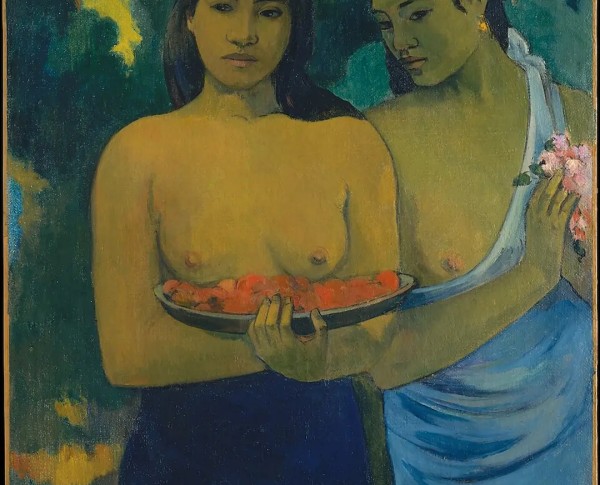
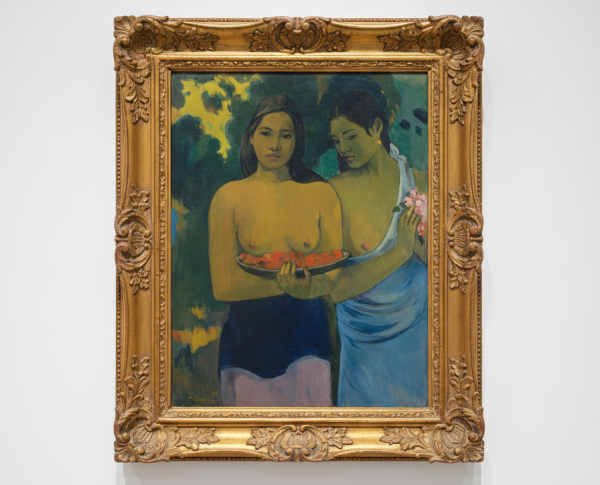
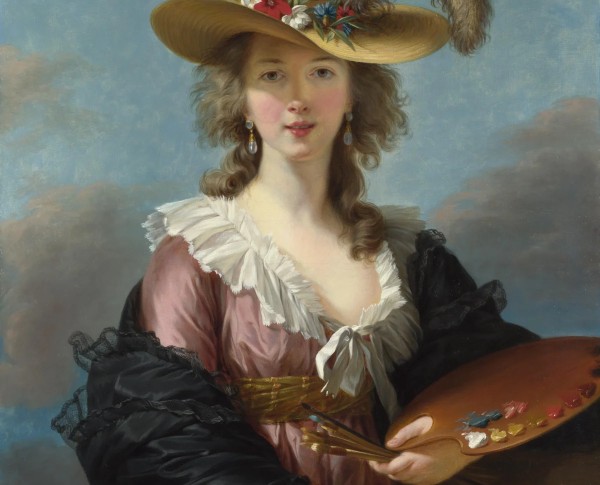
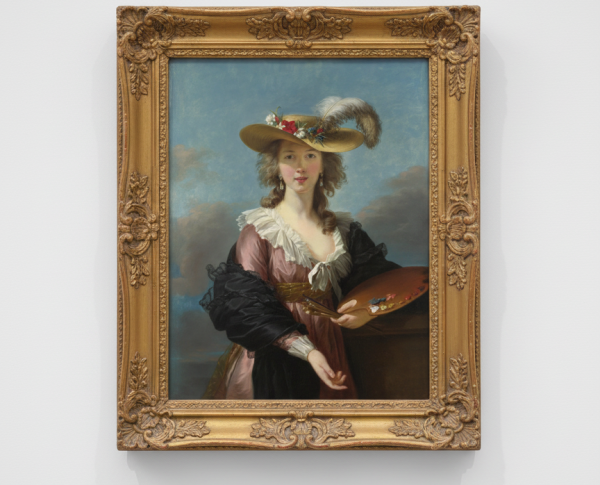
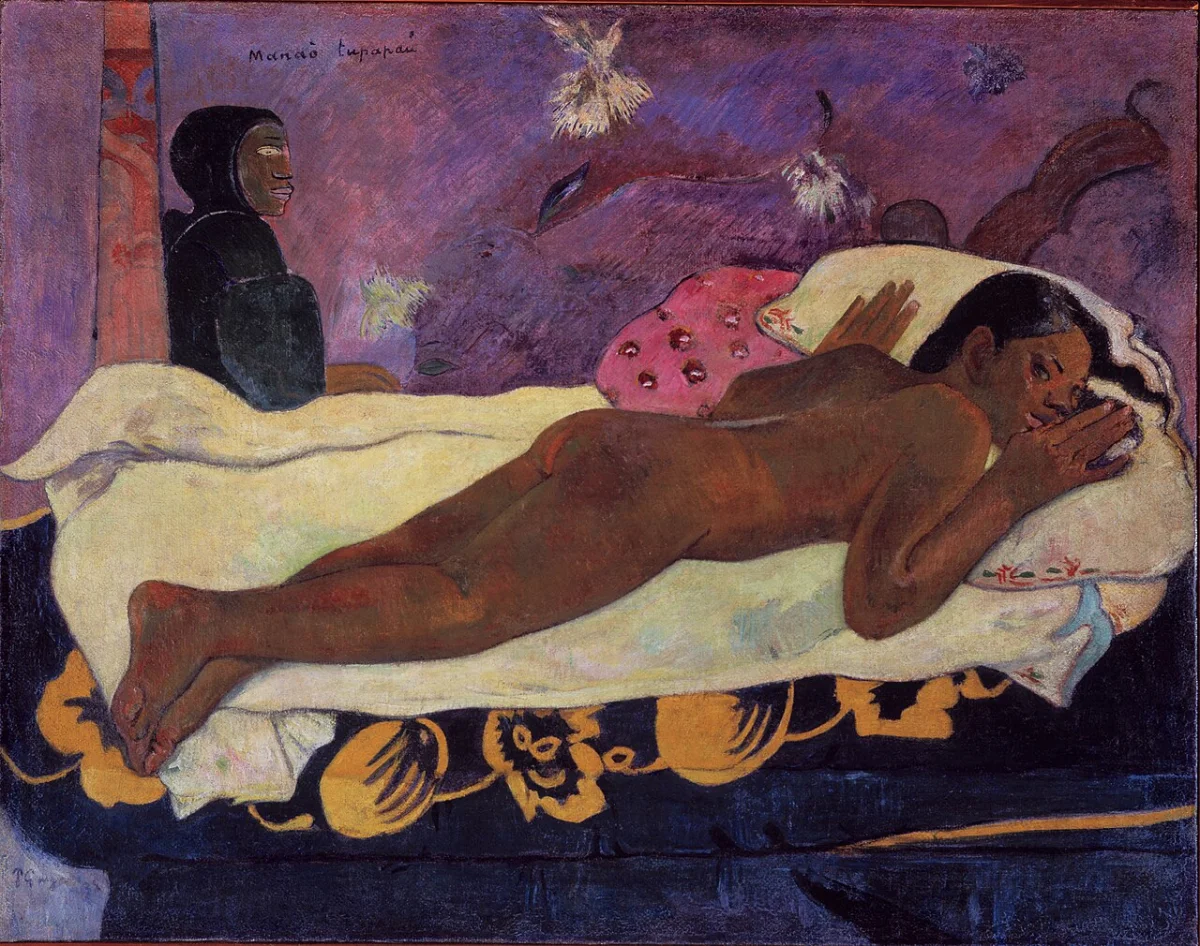
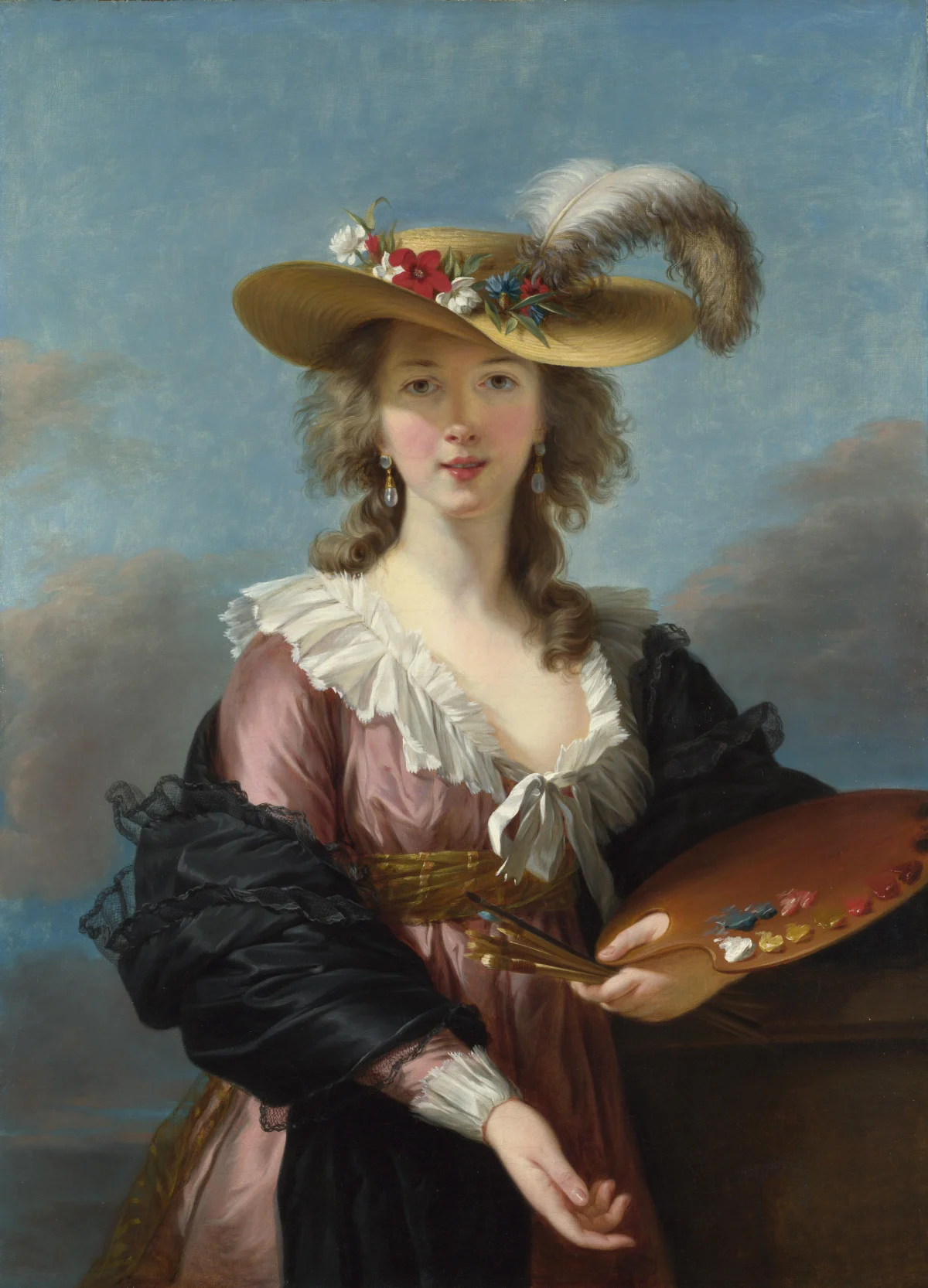
Paul Gauguin’s "Manaò tupapaú" showcases his unique approach to oil on canvas, blending bold colors and expressive forms to evoke emotion and intrigue. Each brushstroke reveals Gauguin’s technical prowess and deep understanding of his subject matter, hallmarks of the Post-Impressionism style. Collectors who appreciate masterpieces like "Self-portrait with hat" and "Parahi te marae" will find this painting a testament to the enduring appeal of oil on canvas artworks in fine art collections.
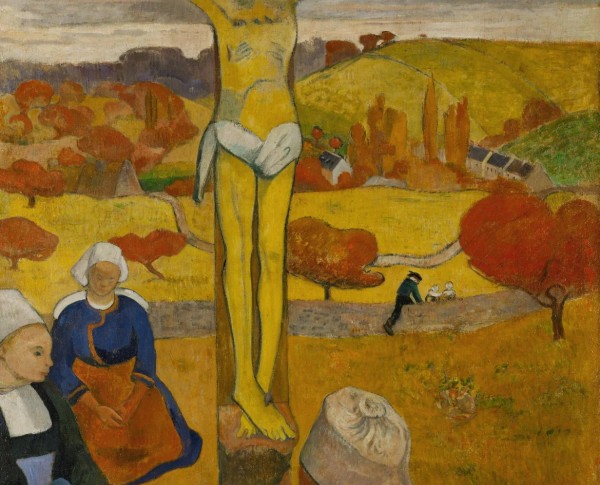
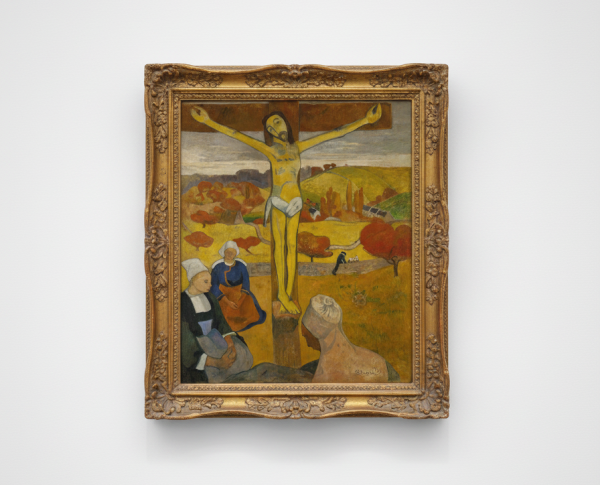
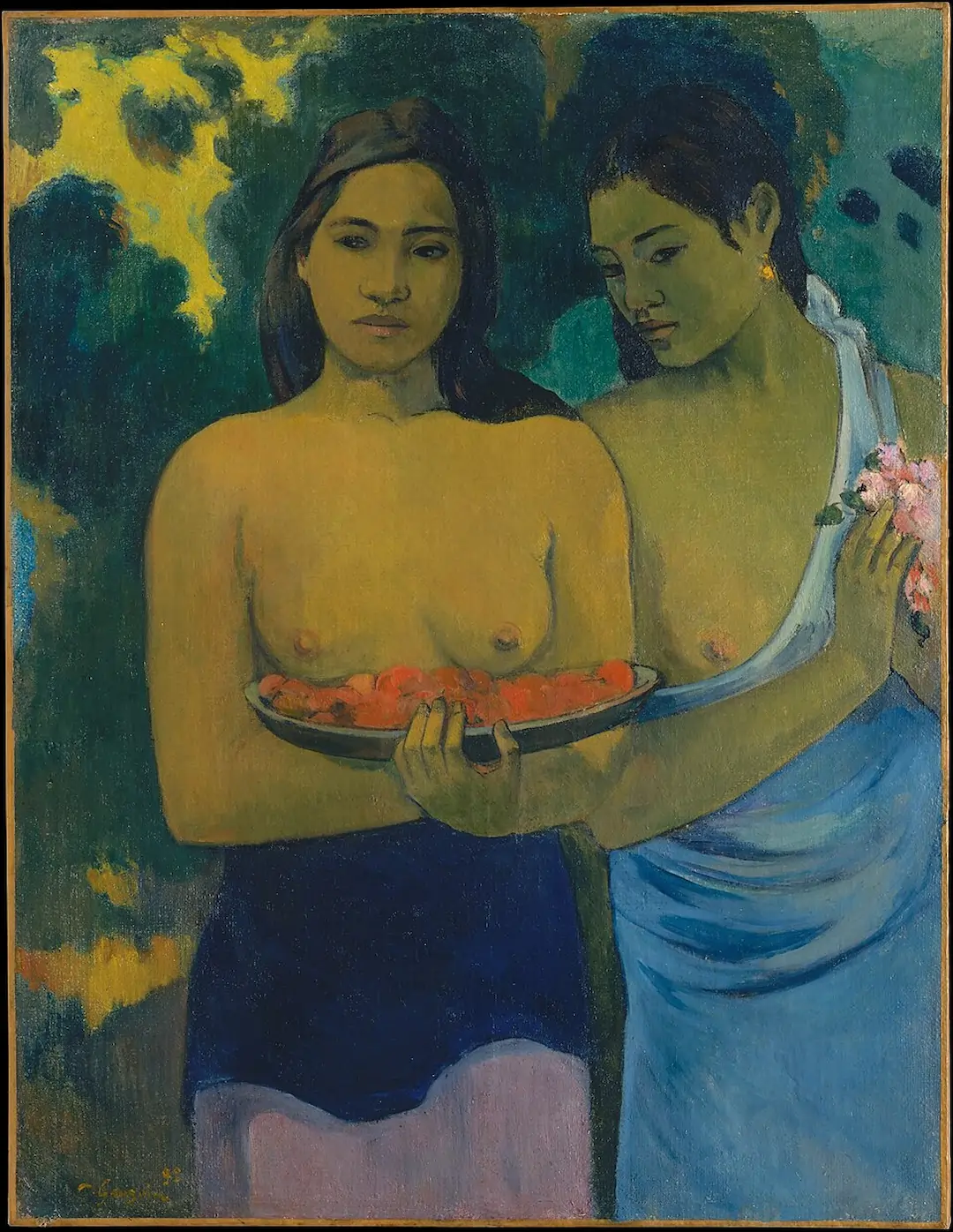
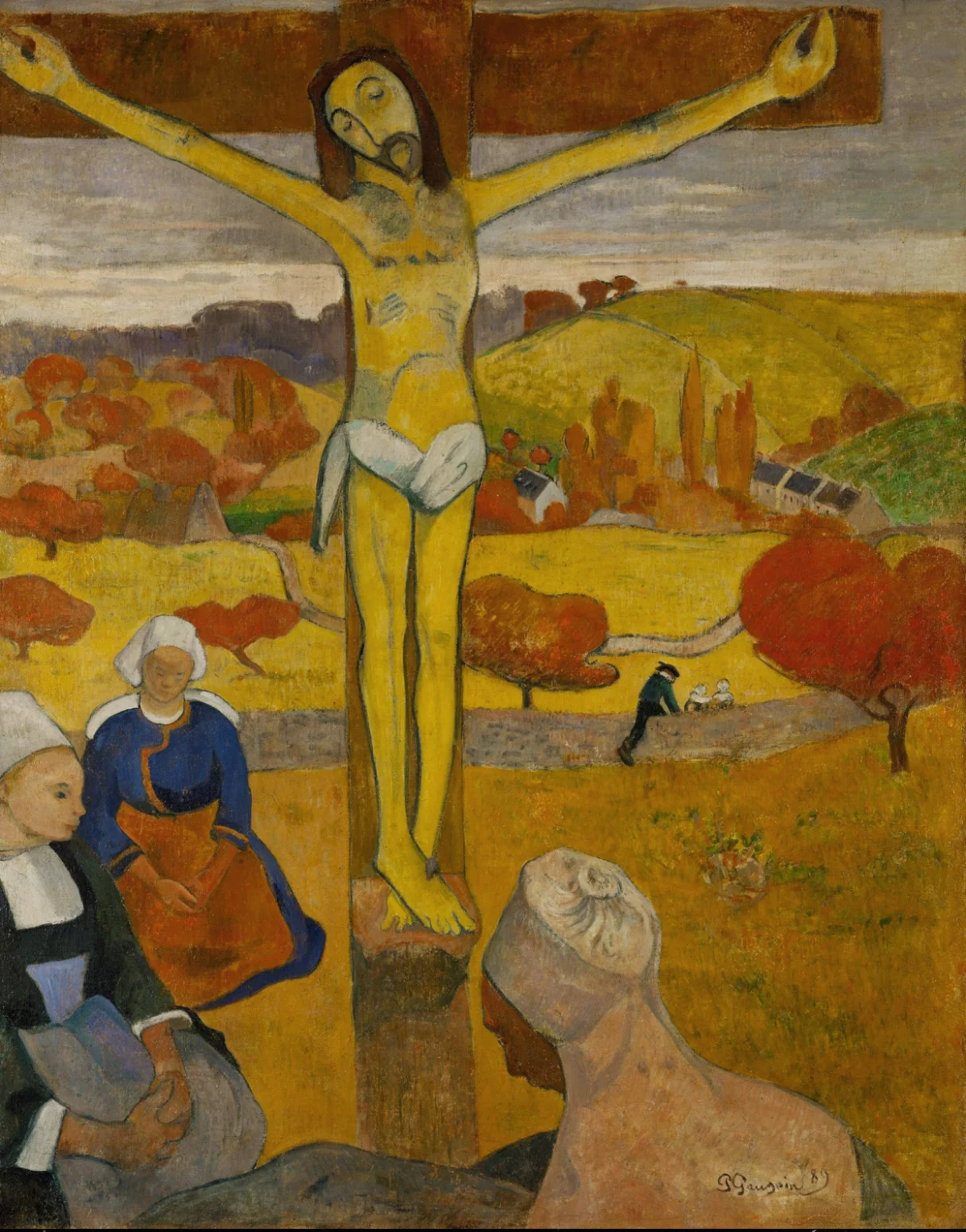
"Manaò tupapaú" is more than just a hand-painted oil painting; it’s a narrative rich with symbolism and cultural references. Gauguin weaves Tahitian folklore into this Post-Impressionism gem, inviting viewers to interpret its mysterious figures and dreamlike ambiance. Fans of related works such as "Two Tahitian Women" and "The Yellow Christ" will appreciate the layered storytelling and symbolic depth that make this fine art painting for sale an essential addition to any discerning collection.
Owning "Manaò tupapaú" by Paul Gauguin means acquiring a piece of art history—a fine art painting for sale that epitomizes the Post-Impressionism movement. This oil on canvas not only enhances any collection but also connects you to other masterpieces like "Q17495755" and "Self-portrait with hat." With its striking visuals and cultural resonance, this painting is a testament to Gauguin’s genius and the timeless allure of hand-painted oil paintings.
When Art Meets History
"Manaò tupapaú" by Paul Gauguin stands as a significant work within the Post-Impressionism movement. Painted in 1892, this hand-painted oil painting captures the intersection of Tahitian culture and Western artistic innovation. Gauguin, known for masterpieces like "Branches with Almond Blossom" and "Vase With Twelve Sunflowers II," used his travels to inspire unique compositions. "Manaò tupapaú" offers a glimpse into historical cross-cultural exchanges, making it a compelling fine art painting for sale.
Techniques That Speak
Paul Gauguin employed bold color palettes and expressive brushwork in "Manaò tupapaú," hallmarks of the Post-Impressionism movement. The oil on canvas technique allowed for vibrant hues and deep contrasts, bringing the mysterious subject to life. Like his contemporaries in "Bridges Across The Seine At Asnieres" and "On Deeside," Gauguin experimented with form and perspective to evoke emotion, making each hand-painted oil painting a testament to his innovative approach.
Emotions on Display
"Manaò tupapaú" is renowned for its haunting emotional depth, portraying a young woman and a ghostly presence. Gauguin's use of oil on canvas emphasizes the dreamlike atmosphere, inviting viewers to interpret the narrative. This piece, akin to the emotional resonance found in "Town d'Avray: L'Etang au Batelier," reflects the artist’s fascination with symbolism and the subconscious, making it a highly sought-after fine art painting for sale among collectors.
Coveted by Collectors
Collectors are drawn to "Manaò tupapaú" for its historical significance and masterful execution as a hand-painted oil painting. Paul Gauguin’s works, including this and related paintings like "Vase With Twelve Sunflowers II," are prized for their unique blend of cultural storytelling and artistic innovation. As a cornerstone of the Post-Impressionism movement, this oil on canvas masterpiece continues to command attention in the fine art painting for sale market.
Related Post-Impressionism Hand-Painted Oil Paintings by Other Artists
Other Famous Post-Impressionism Artists:
Frequently Asked Questions About Manaò tupapaú
What is the historical context of Manaò tupapaú?
Manaò tupapaú was created by Paul Gauguin in 1892 during his time in Tahiti, a period marked by his exploration of indigenous cultures and a departure from European artistic conventions.
What artistic techniques did Gauguin use in this painting?
Gauguin employed bold colors, simplified forms, and a flat perspective, which were characteristic of his post-Impressionist style, aiming to evoke emotion rather than depict realistic representations.
What themes are present in Manaò tupapaú?
The painting explores themes of spirituality, the supernatural, and the connection between the living and the spirit world, reflecting Gauguin's fascination with Tahitian culture and mythology.
What does the title Manaò tupapaú signify?
The title translates to "The Spirit of the Dead Watching," indicating the presence of ancestral spirits and highlighting the importance of spirituality in Tahitian life.
How does Manaò tupapaú reflect Gauguin's artistic philosophy?
This work embodies Gauguin's philosophy of seeking truth through the exploration of primitive cultures, emphasizing emotional depth and symbolic meaning over realistic representation.
What is the significance of the figures depicted in Manaò tupapaú?
The figures represent a blend of the living and the spiritual, illustrating Gauguin's interest in the interaction between humans and the supernatural, which was central to Tahitian beliefs.
What influence did Manaò tupapaú have on modern art?
The painting influenced the Symbolist movement and later modern artists by showcasing the power of color and form to convey deeper meanings and emotions, paving the way for abstraction.
How does the color palette contribute to the painting's meaning?
Gauguin's use of vibrant, non-naturalistic colors enhances the emotional impact of the scene, creating a dreamlike quality that invites viewers to engage with the spiritual themes of the work.
What role does symbolism play in Manaò tupapaú?
Symbolism is central to the painting, with elements such as the figures and their positioning conveying complex ideas about life, death, and the afterlife, integral to understanding Tahitian culture.
How does Manaò tupapaú compare to Gauguin's other works?
This painting is representative of Gauguin's Tahitian period, showcasing his distinctive style and thematic focus on spirituality and the exotic, which contrasts with his earlier Impressionist works.






















_GFM_Painting_(1).webp)


 100% Hand-Painted: Finished in 3-6 Weeks

.png)















_(1).webp)