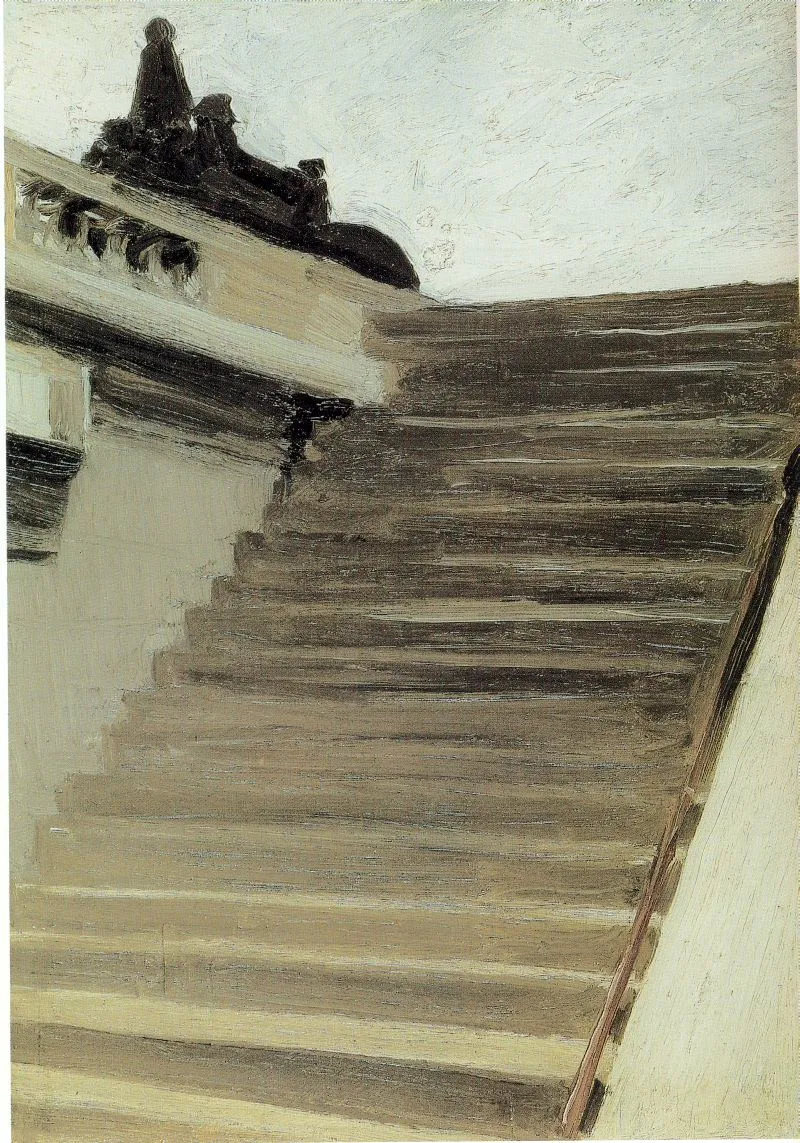
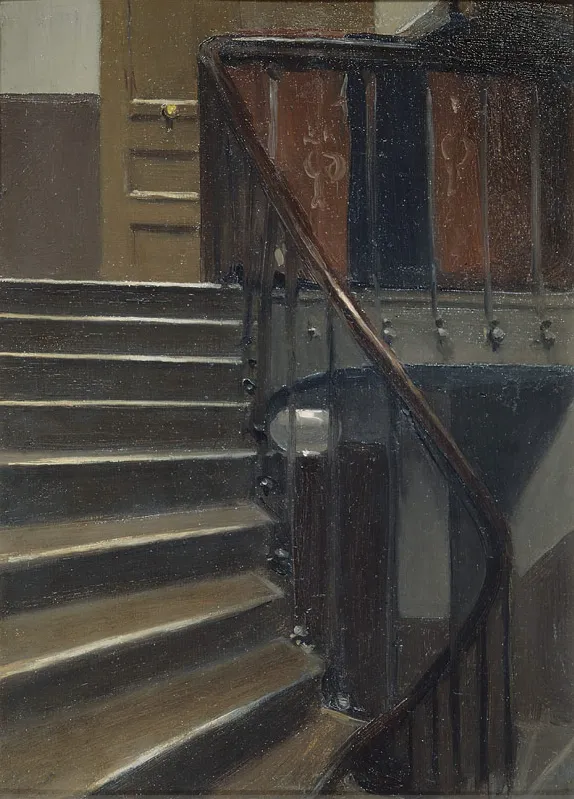
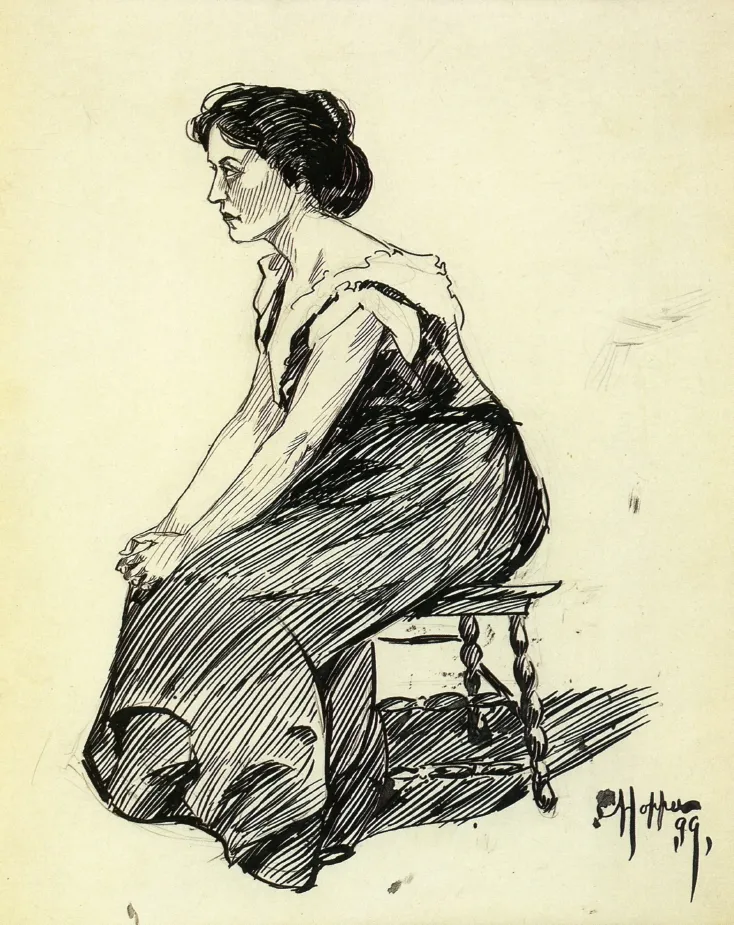
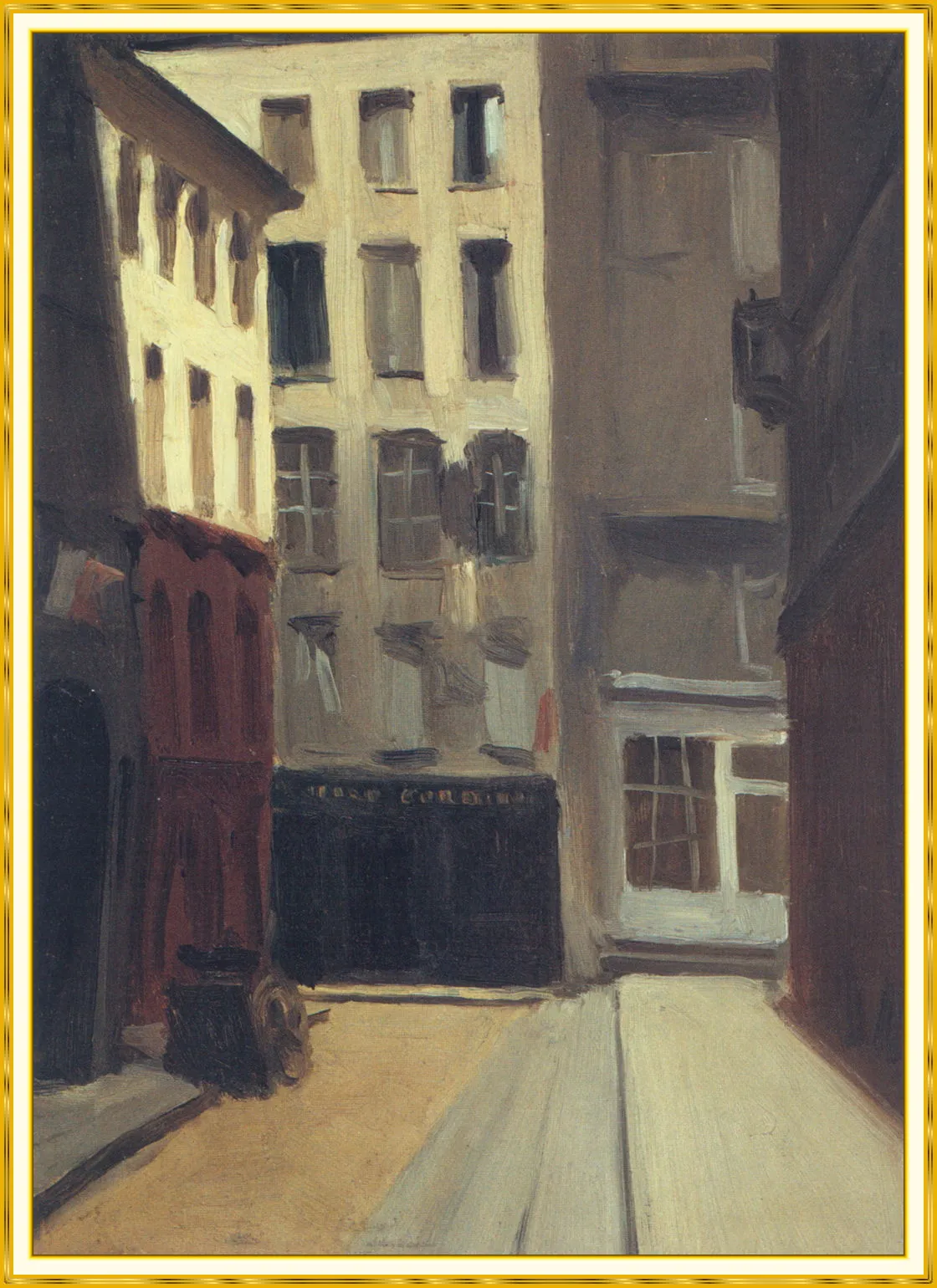
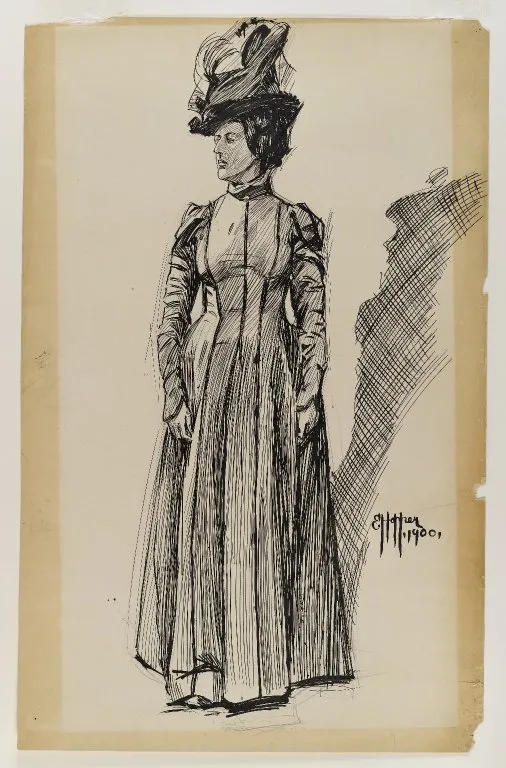
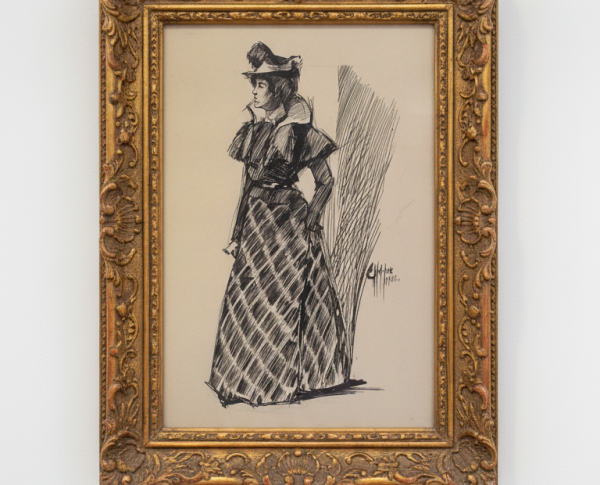
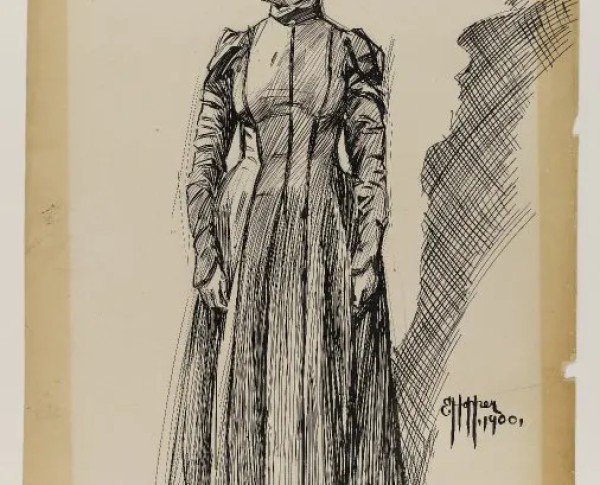
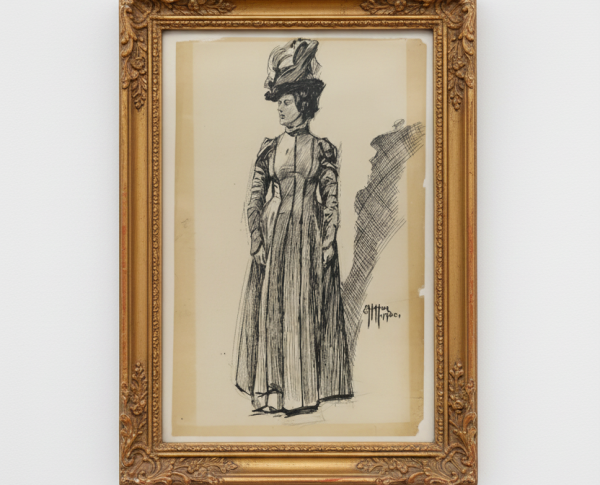
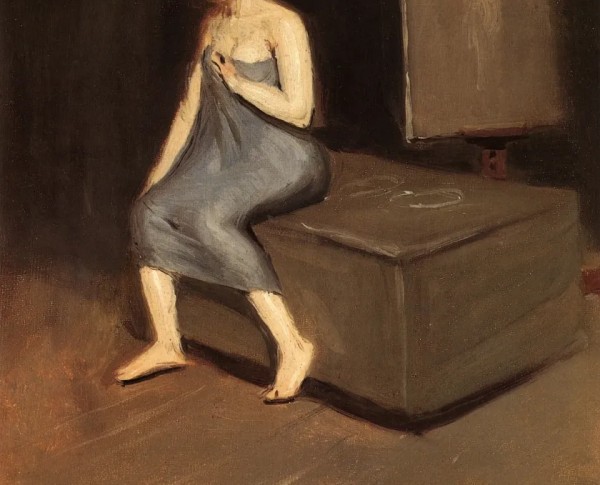
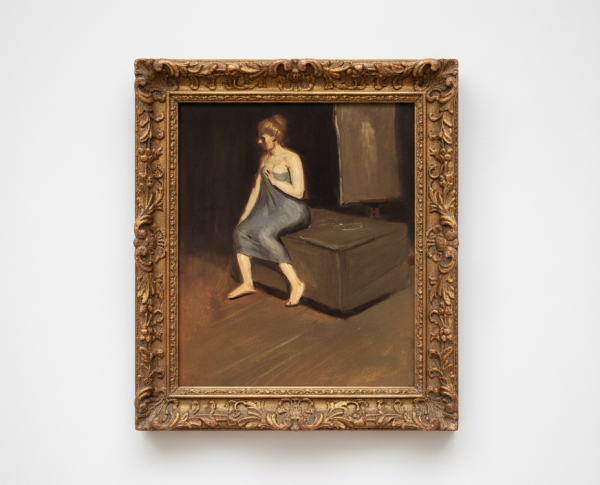
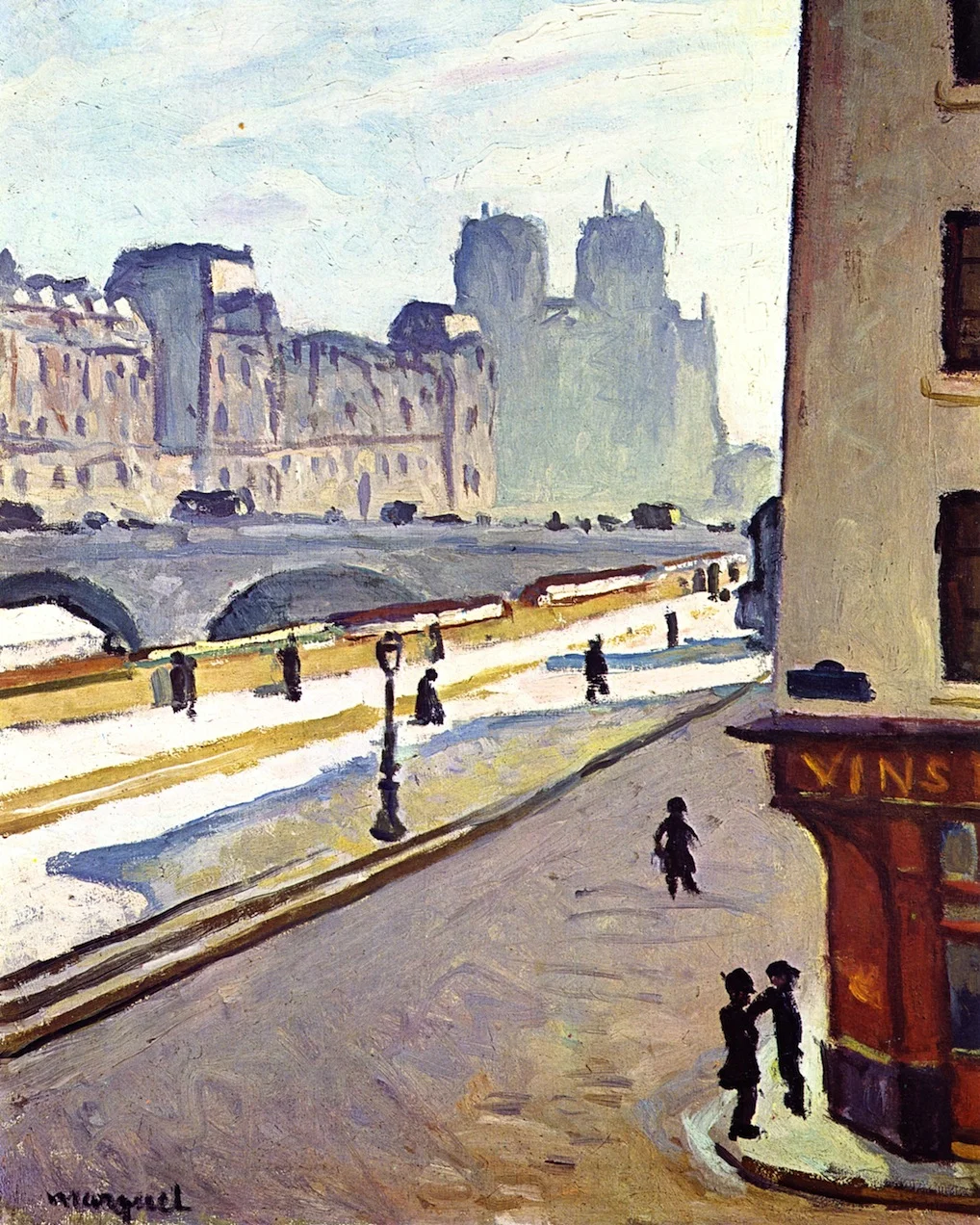
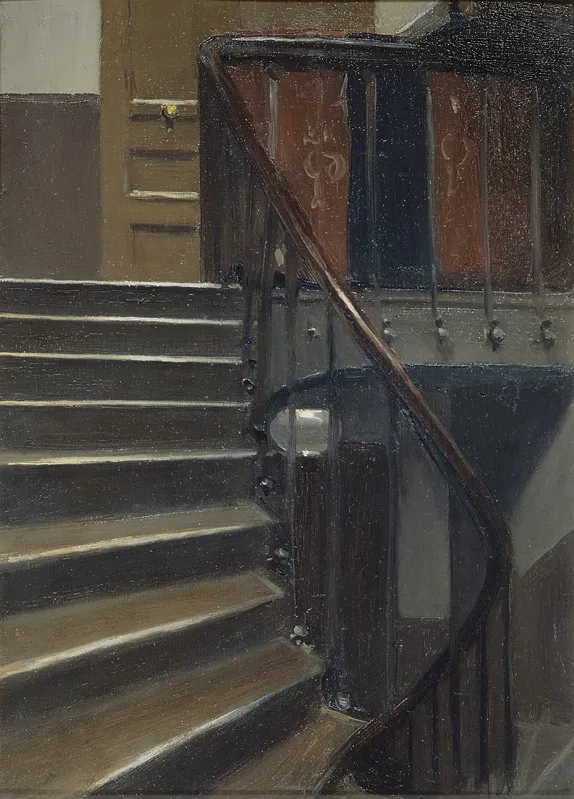
Edward Hopper’s "Notre Dame No 2" exemplifies his mastery of oil on canvas, showcasing meticulous attention to detail and a profound sense of atmosphere. The interplay of light and shadow in this American Realism gem highlights Hopper’s unique artistic voice. Each brushstroke reveals his dedication to capturing both the physical and emotional essence of his subjects. Collectors may also appreciate related paintings such as "Study of a Standing Woman" and "Paris Street" for their similar technical brilliance.
"Notre Dame No 2" is more than just a fine art painting for sale; it’s a narrative woven into the fabric of Parisian life through Hopper’s American Realism perspective. The painting’s subtle symbolism reflects themes of solitude and reflection, hallmarks of Hopper’s oeuvre. Its evocative composition invites viewers to imagine the stories behind the scene. Art lovers drawn to this symbolism may also find "Male Nude" and "Le Pont des Arts" resonant companions in their collection.
For discerning collectors, "Notre Dame No 2" by Edward Hopper is a prized addition and a rare example of hand-painted oil painting within the American Realism movement. Its timeless appeal makes it a sought-after piece for those passionate about both historic and modern art. As you explore fine art painting for sale, consider pairing this work with related products such as "Standing Female Figure" or "Le Pont des Arts" to enhance any curated art collection.
When Art Meets History
"Notre Dame No 2" by Edward Hopper stands as a remarkable intersection of art and history within the American Realism movement. Hopper, known for his evocative "hand-painted oil painting" technique, captured the timeless aura of iconic landmarks like Notre Dame. This piece resonates with the same observational depth found in related paintings such as "Scene I - Smitten Man Looking at Woman" and "A Lesson in Discretion," reflecting the era’s social and architectural nuances.
Techniques That Speak
Edward Hopper’s mastery is evident in the "oil on canvas" work of "Notre Dame No 2." His brushwork and use of light create a tangible sense of place, hallmark traits of the American Realism movement. Like in "Man Holding up a Comic Foreground That Puts Him in a Fishing Scene," Hopper’s technique draws viewers into the scene, capturing both the grandeur and solitude of urban landscapes through meticulous detail and thoughtfully balanced compositions.
Emotions on Display
"Notre Dame No 2" evokes a quiet introspection, a signature of Hopper’s "fine art painting for sale" repertoire. The painting’s atmosphere is reminiscent of works like "Foregrounds Advertisement," where subtle narratives unfold through nuanced expressions and settings. Hopper’s depiction of Notre Dame transcends mere representation, inviting viewers to contemplate the emotions embedded in the cityscape and the stories silently witnessed by its ancient walls.
Coveted by Collectors
Collectors are drawn to Edward Hopper’s works, and "Notre Dame No 2" is no exception, often sought after as a "hand-painted oil painting" masterpiece. Its place among American Realism icons and its connection to related paintings such as "I'm a Bad Dog What Kind of a Dog are You" make it especially desirable. Hopper’s ability to blend historical context with personal emotion ensures his paintings remain at the forefront of fine art collections worldwide.
Related American Realism Hand-Painted Oil Paintings by Other Artists
Other Famous American Realism Artists:
Frequently Asked Questions About Notre Dame No 2
What year was "Notre Dame No 2" painted?
"Notre Dame No 2" was painted by Edward Hopper in 1929, during a period when Hopper was exploring themes of solitude and urban life.
What is the significance of the Notre Dame Cathedral in Hopper's work?
The Notre Dame Cathedral serves as a symbol of permanence and tradition amidst the changing landscape of modernity, reflecting Hopper's fascination with the interplay between architectural forms and human experience.
How does Hopper's use of light contribute to the painting's mood?
Hopper's masterful use of light creates a sense of isolation and introspection, as the interplay of shadows and illumination emphasizes the emotional weight of the scene.
What artistic techniques did Hopper employ in "Notre Dame No 2"?
Hopper utilized a combination of realism and abstraction, employing bold brushstrokes and a limited color palette to evoke a sense of stillness and contemplation.
What themes are prevalent in "Notre Dame No 2"?
The painting explores themes of solitude, urban alienation, and the passage of time, reflecting Hopper's interest in the emotional landscape of modern life.
How does "Notre Dame No 2" compare to Hopper's other works?
Similar to other works by Hopper, "Notre Dame No 2" captures moments of quiet introspection, yet it uniquely emphasizes the historical significance of the Notre Dame Cathedral as a backdrop to contemporary life.
What role does architecture play in Hopper's artistic vision?
Architecture in Hopper's paintings often serves as a character itself, embodying themes of isolation and the human condition, as seen in "Notre Dame No 2" where the cathedral stands as a testament to enduring beauty amidst urban change.
What was the public's reaction to "Notre Dame No 2" upon its release?
Upon its release, "Notre Dame No 2" was well-received, with critics praising Hopper's ability to evoke emotion through architectural representation and his unique perspective on urban life.
How does the painting reflect the socio-political context of the 1920s?
The painting reflects the socio-political context of the 1920s by capturing the tension between tradition and modernity, as cities rapidly transformed and individuals grappled with feelings of disconnection and solitude.
What influence did "Notre Dame No 2" have on later artists?
"Notre Dame No 2" has influenced later artists by inspiring a focus on urban landscapes and the emotional resonance of architecture, encouraging subsequent generations to explore similar themes of isolation and the human experience within their work.























_GFM_Painting_(1).webp)


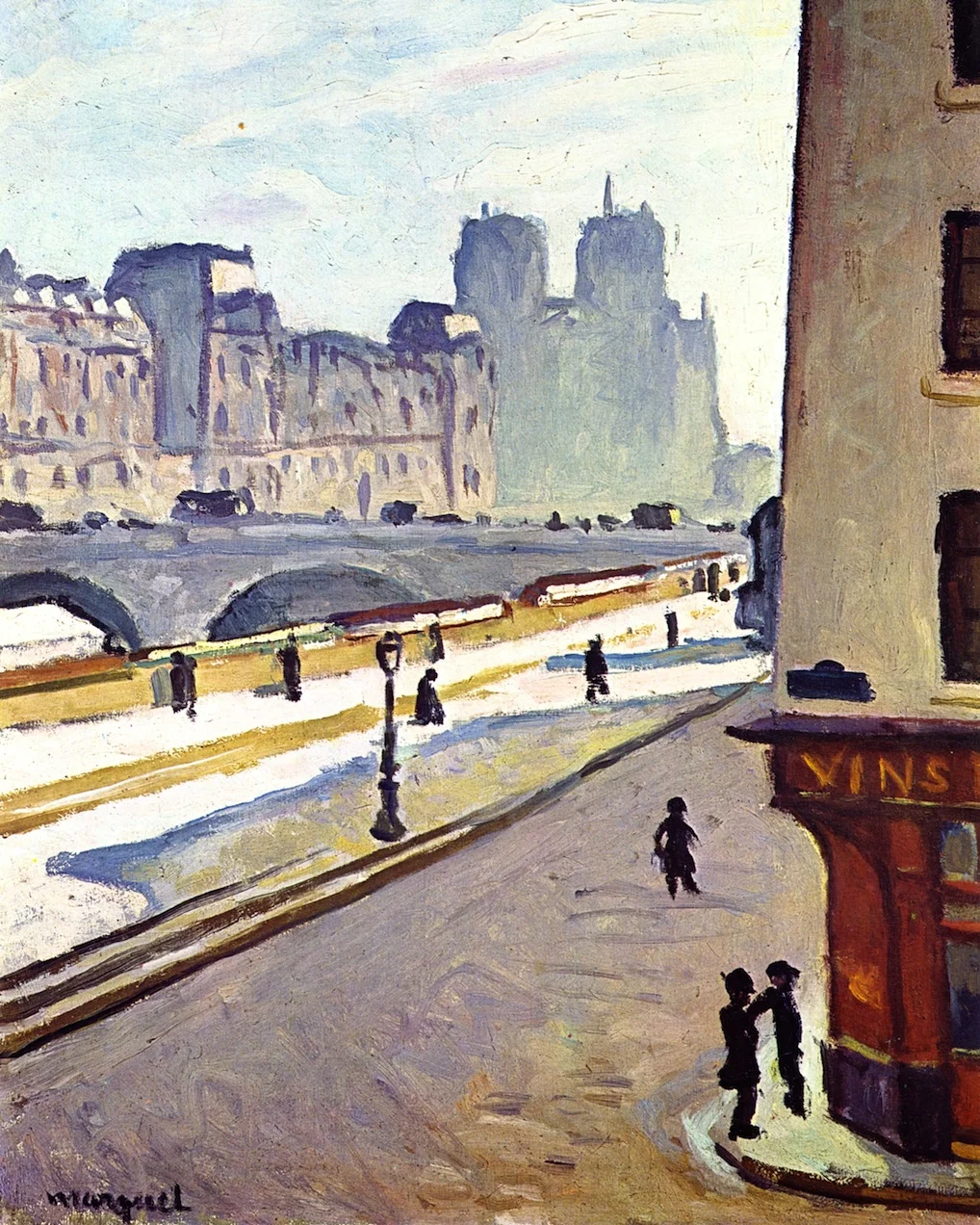
 100% Hand-Painted: Finished in 3-6 Weeks

.png)















_(1).webp)