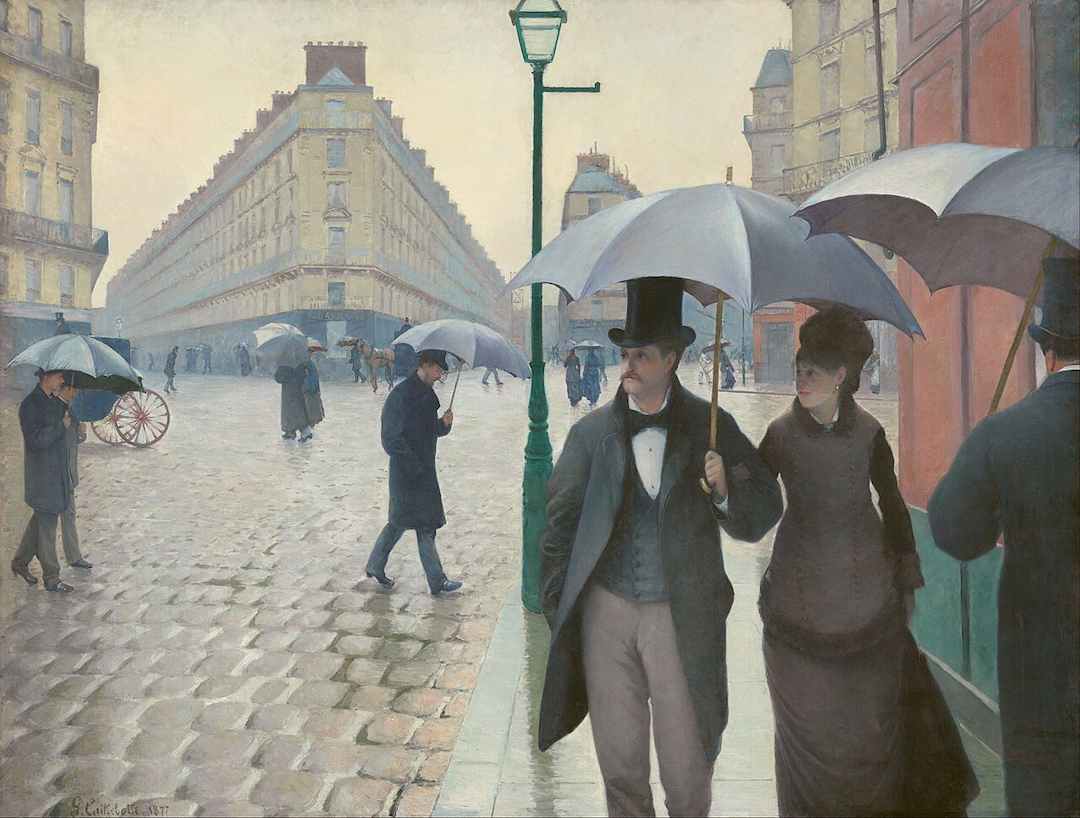
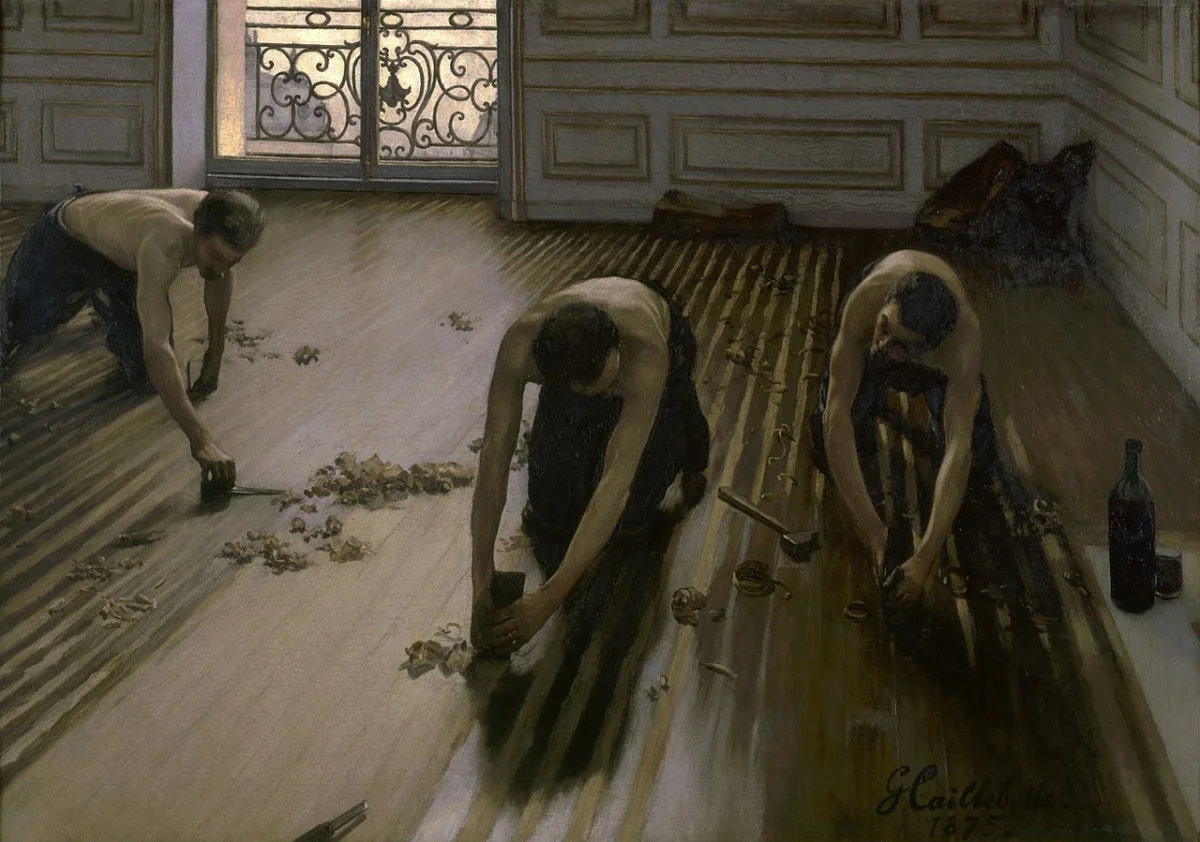
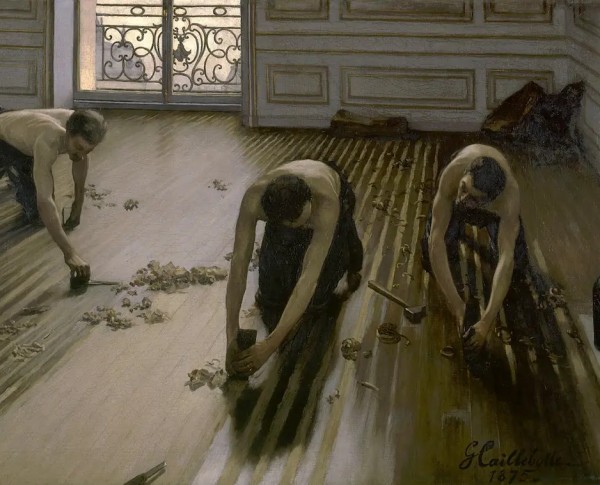
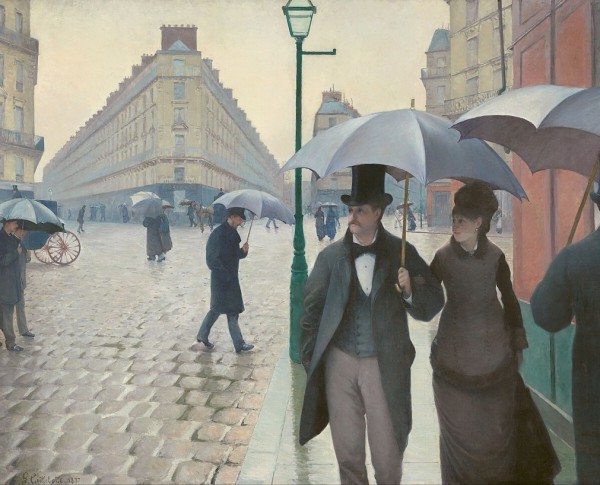
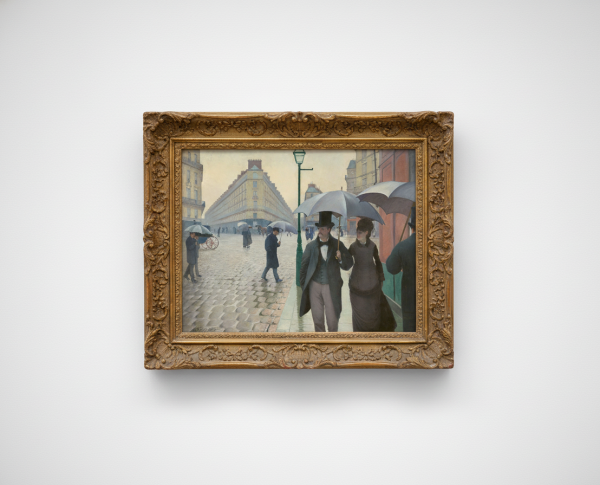
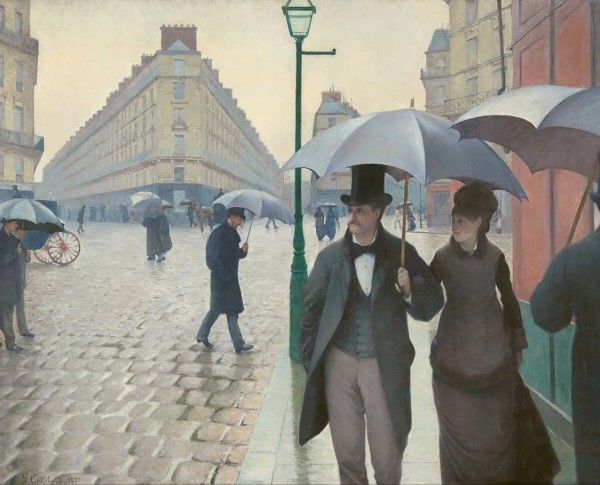
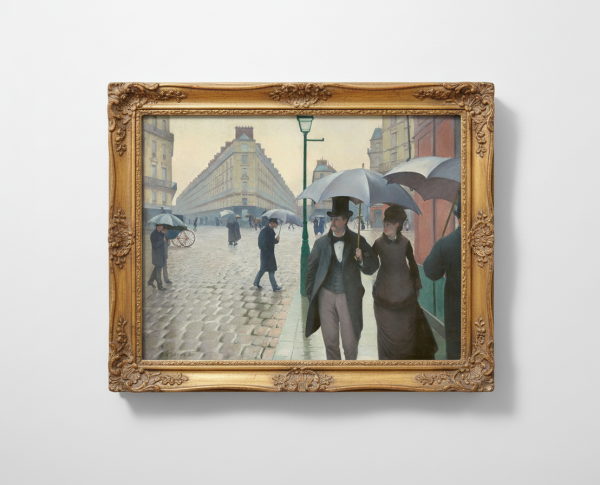
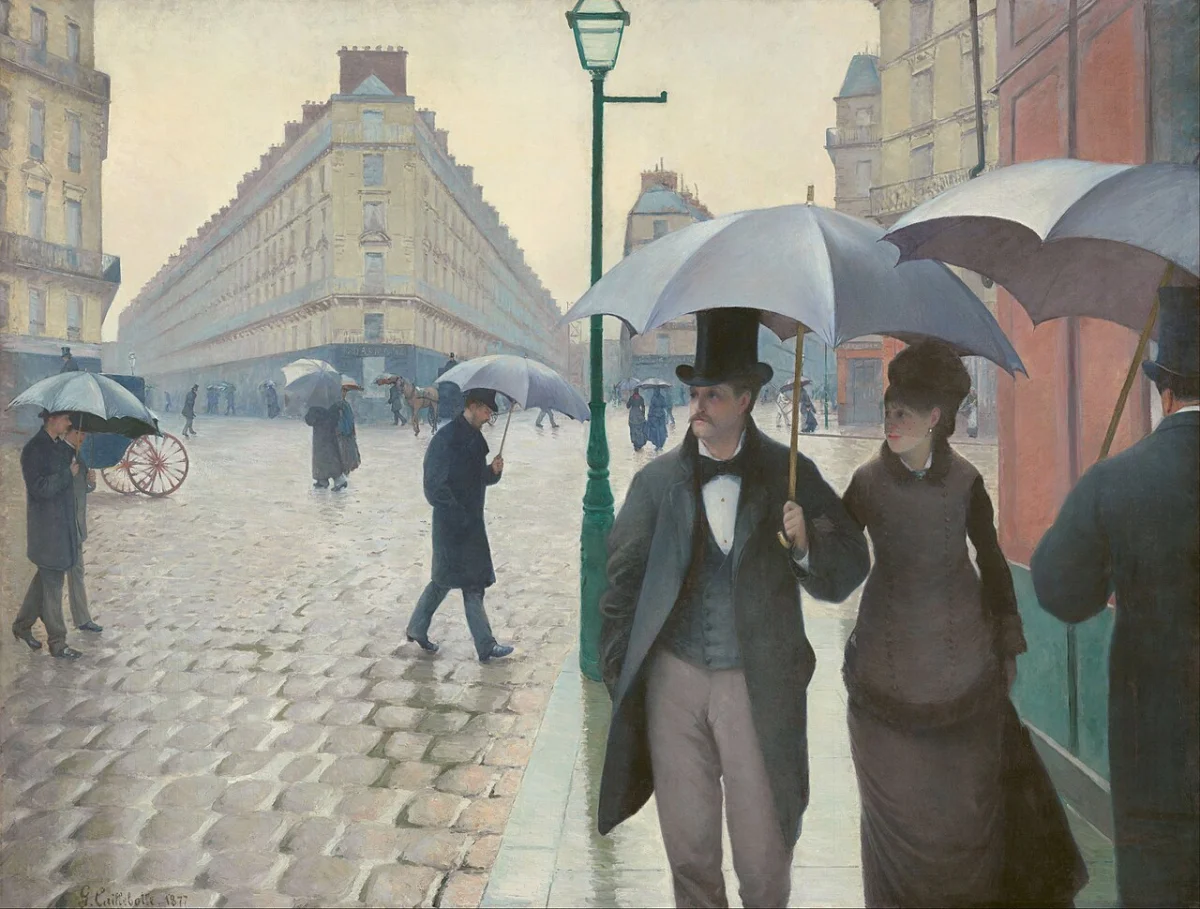
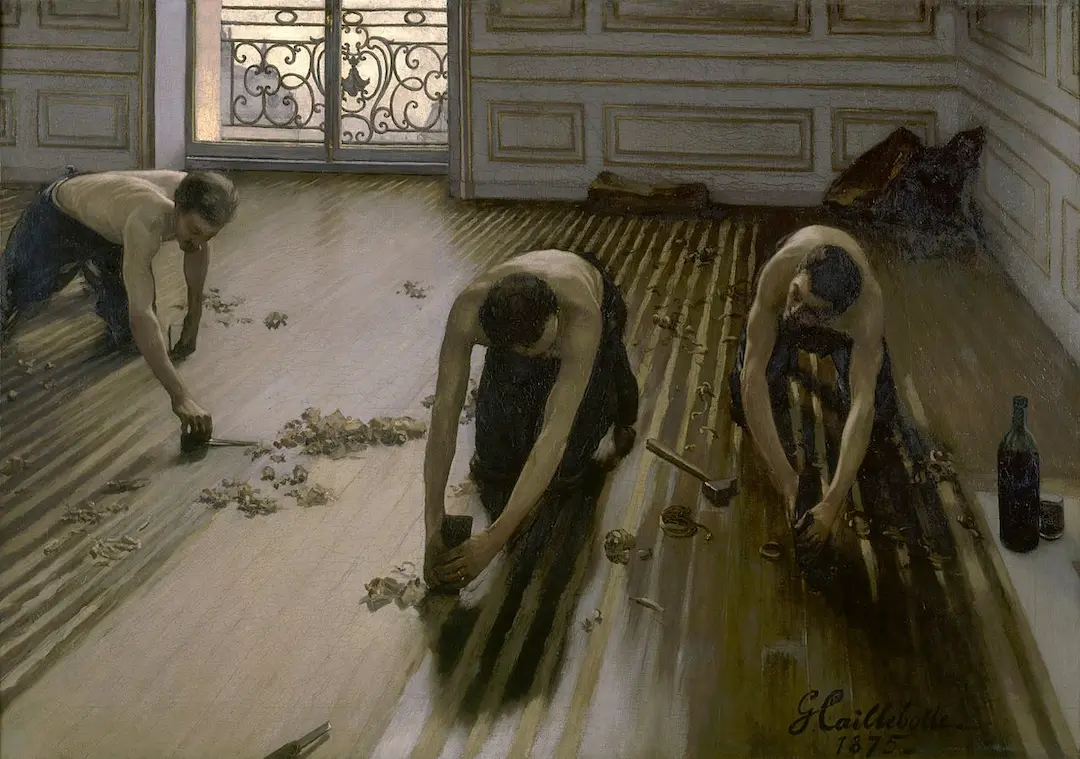
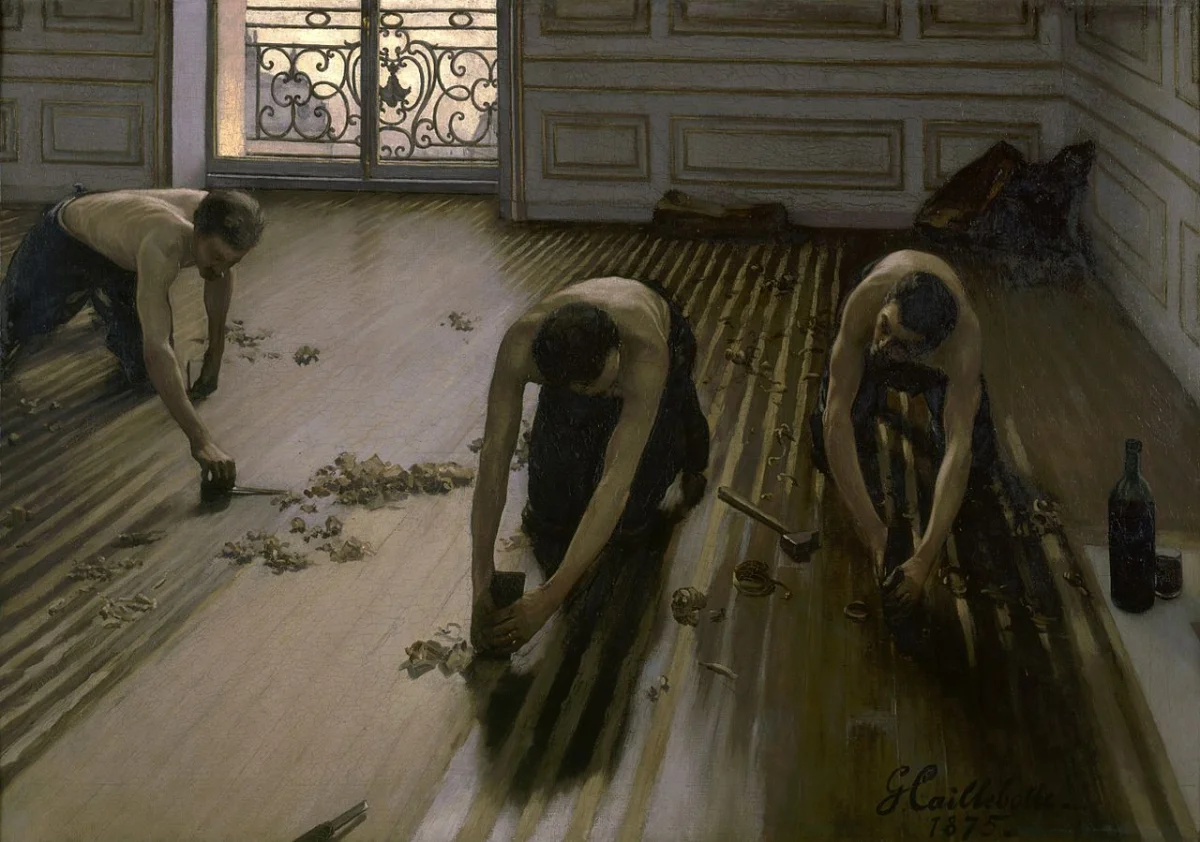
Rendered with meticulous detail, this oil on canvas exemplifies Caillebotte’s technical brilliance within the Impressionist movement. The artist’s use of perspective and light creates a striking sense of depth, drawing viewers into the rain-soaked Parisian streets. As with other works such as "The Floor Scrapers 1875," Caillebotte’s precise brushwork and composition elevate "Paris Street; Rainy Day" as a quintessential oil on canvas masterpiece for admirers of Impressionism.
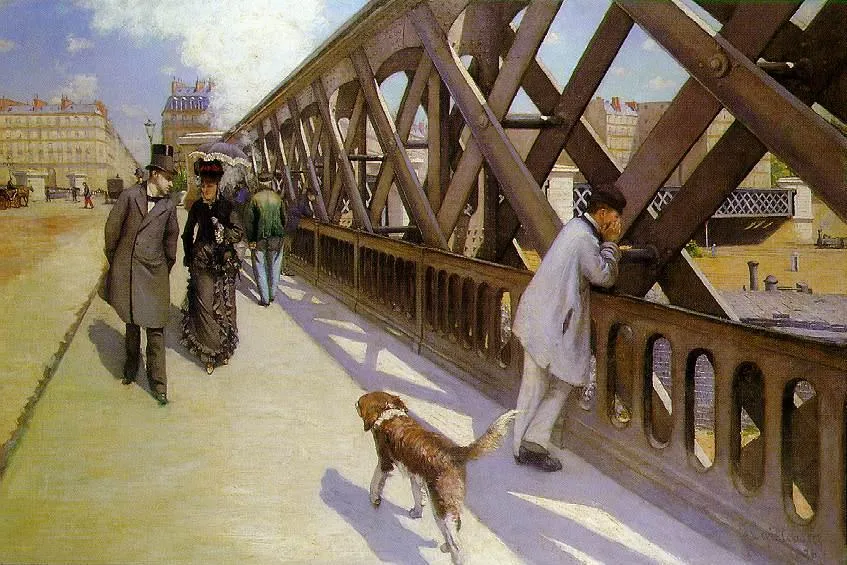
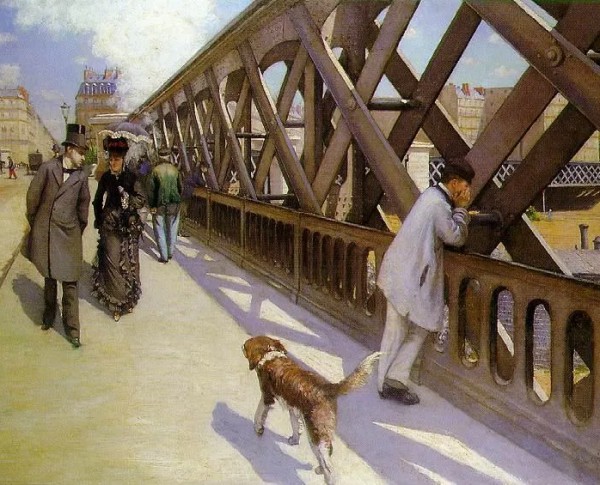
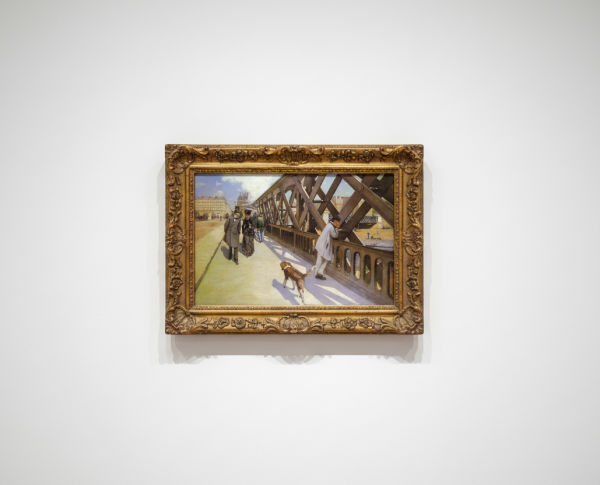
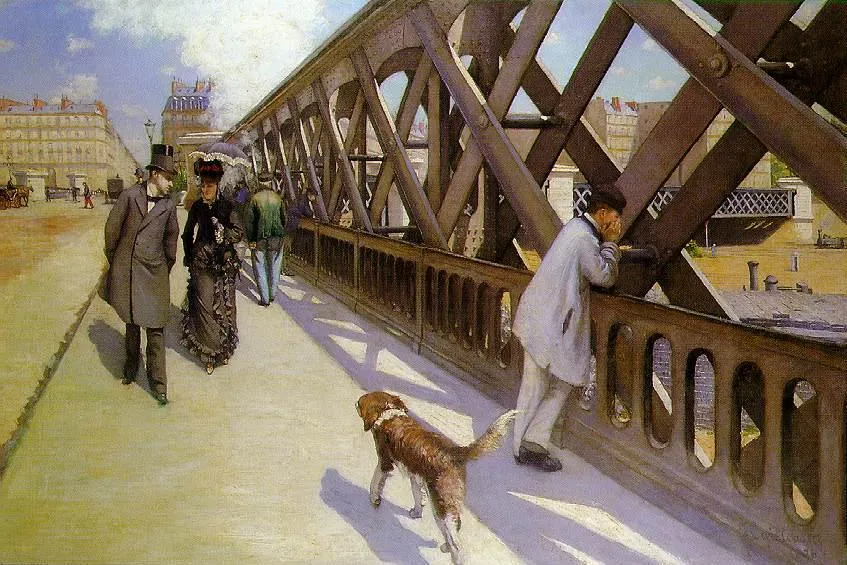
"Paris Street; Rainy Day" is a fine art painting for sale that tells stories beyond its surface. Caillebotte uses umbrellas, cobblestones, and reflections to symbolize the fleeting moments of modern city life. The figures, seemingly isolated yet connected by their environment, reflect the dynamic social landscape of Impressionist Paris. Collectors may also find meaning in related products like "Le Pont de l'Europe," which further explores urban themes and intricate symbolism in Caillebotte’s oeuvre.
Owning "Paris Street; Rainy Day" as a hand-painted oil painting is a dream for many art enthusiasts and collectors. This iconic work by Gustave Caillebotte is highly sought after among Impressionism aficionados, complementing collections that include pieces like "Paris Street - Rainy Weather 1877" and "The Floor Scrapers 1875." Its timeless appeal and historical significance make it a fine art painting for sale that continues to captivate audiences worldwide.
When Art Meets History
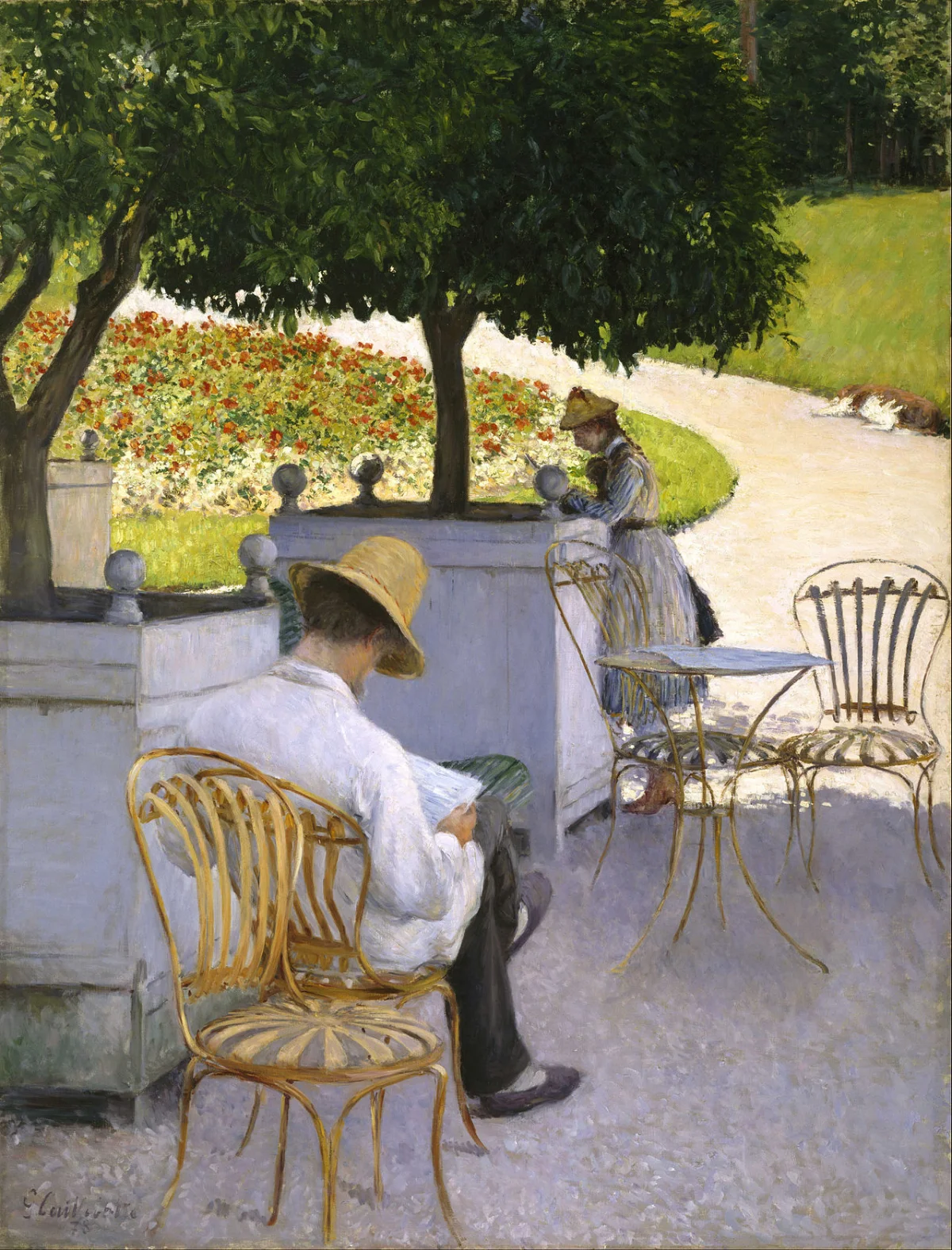
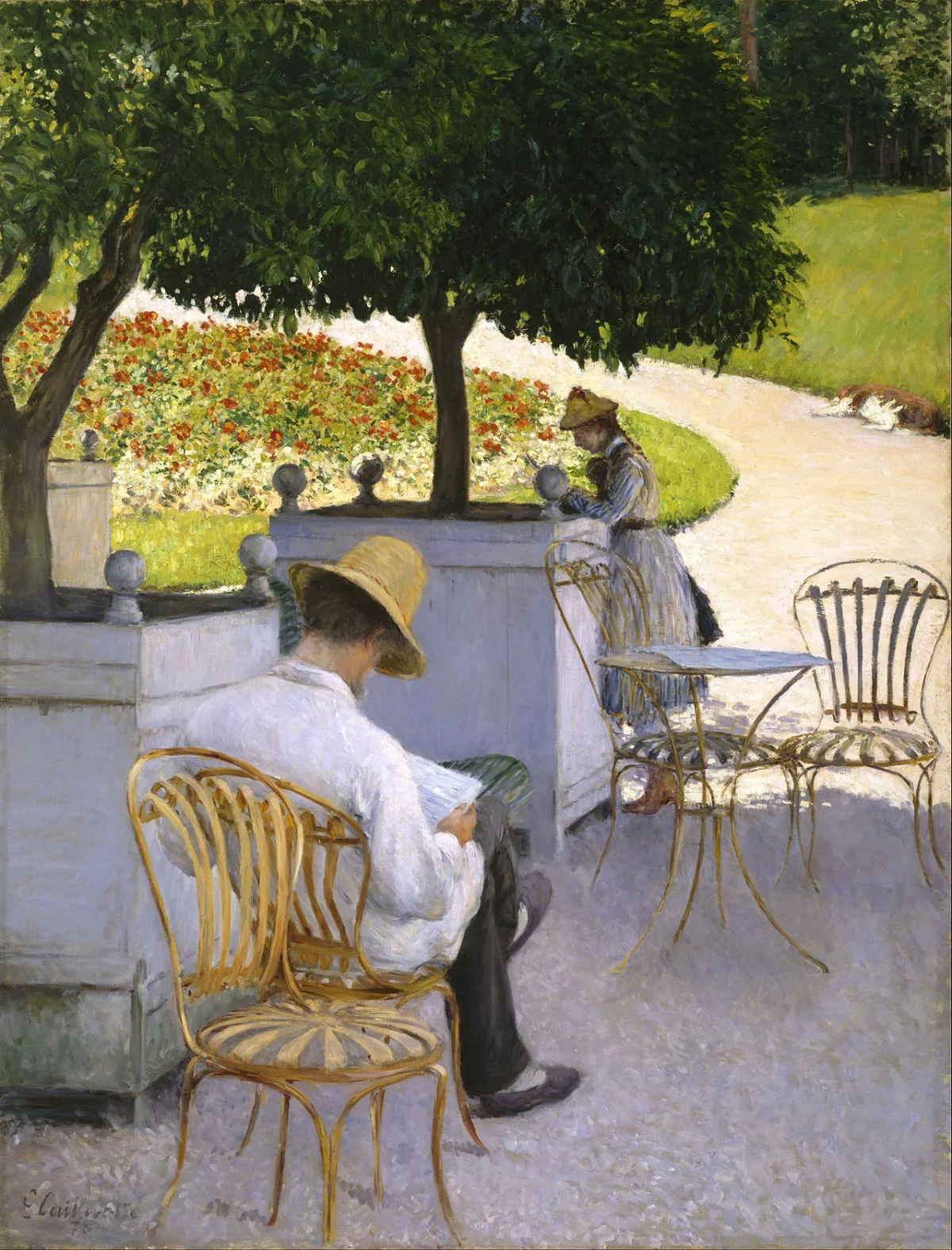
"Paris Street; Rainy Day" by Gustave Caillebotte stands as a remarkable hand-painted oil painting from the Impressionism movement. Painted in 1877, it captures the transformation of Paris during the late 19th century. Caillebotte’s work, alongside related paintings like "The Seine At Asnieres Aka The Skiff" and "Two Sisters Aka On The Terrace," reflects the vibrant city life and modernity of the era, making it a centerpiece of fine art history and a celebrated example of urban Impressionism.
Techniques That Speak
Gustave Caillebotte’s "Paris Street; Rainy Day" masterfully employs oil on canvas to create a realistic yet atmospheric scene. The painting’s precise perspective and diffused light showcase the artist’s innovative approach within the Impressionism movement. Techniques such as detailed brushwork and subtle color blending evoke the wet, reflective surfaces of Parisian streets, similar to those seen in "Terrace at the Seaside, Sainte-Adresse" and "Water Lily Pond." These qualities elevate this piece as a quintessential oil on canvas masterpiece.
Emotions on Display
"Paris Street; Rainy Day" conveys a quiet, contemplative mood, immersing viewers in the everyday life of Paris. Caillebotte’s fine art painting for sale evokes feelings of solitude and connection among the city’s inhabitants. The subdued palette and soft, rainy atmosphere are hallmarks of Impressionism, resonating with the emotional undertones found in related works like "Racehorses at Longchamp." This painting captures the fleeting moments and subtle emotions that define both Caillebotte’s style and the movement itself.
Coveted by Collectors
As a celebrated hand-painted oil painting, "Paris Street; Rainy Day" by Gustave Caillebotte is highly sought after by collectors and museums worldwide. Its association with the Impressionism movement and its connection to masterpieces like "The Seine At Asnieres Aka The Skiff" make it a valuable addition to any collection. The demand for such iconic works underscores the lasting appeal of oil on canvas art, ensuring Caillebotte’s legacy endures in the world of fine art painting for sale.
Related Impressionism Hand-Painted Oil Paintings by Other Artists
Other Famous Impressionism Artists:
Frequently Asked Questions About Paris Street; Rainy Day
What is the historical context of "Paris Street; Rainy Day"?
"Paris Street; Rainy Day" was painted in 1877 during the height of the Impressionist movement in France. This period was marked by significant social and technological changes, including the modernization of Paris under Baron Haussmann, which influenced Caillebotte's depiction of urban life.
Who was Gustave Caillebotte and what is his significance in art history?
Gustave Caillebotte was a French painter and a key figure in the Impressionist movement. He is known for his innovative compositions and use of perspective, which set him apart from his contemporaries. Caillebotte's work often focused on urban scenes and everyday life, making him a crucial contributor to the depiction of modernity in art.
What artistic techniques did Caillebotte employ in this painting?
Caillebotte utilized a unique perspective and a realistic style that combined elements of Impressionism with a focus on detail. His use of light and shadow, along with the depiction of reflections on wet pavement, showcases his mastery of capturing atmospheric effects and the dynamics of urban life.
What is the significance of the rainy setting in the painting?
The rainy setting in "Paris Street; Rainy Day" serves to enhance the mood and atmosphere of the scene. It reflects the changing weather patterns of Paris and symbolizes the transient nature of life. The rain also allows Caillebotte to explore themes of solitude and connection among the figures in the bustling city.
How does Caillebotte's use of perspective affect the viewer's experience?
Caillebotte's use of a low vantage point and diagonal lines creates a sense of depth and invites the viewer into the scene. This perspective allows for an immersive experience, making the viewer feel as if they are part of the urban environment, thus enhancing the emotional impact of the painting.
What themes are explored in "Paris Street; Rainy Day"?
The painting explores themes of modernity, urban life, and social interaction. It captures the essence of Parisian life in the late 19th century, highlighting the coexistence of individuals in a bustling city while also conveying a sense of isolation amidst the crowd.
What role does color play in this artwork?
Color plays a crucial role in "Paris Street; Rainy Day," with Caillebotte employing a muted palette that reflects the overcast sky and wet streets. The use of cool tones contrasts with the warm colors of the figures' clothing, creating a dynamic interplay that draws attention to the human presence within the urban landscape.
How does this painting compare to other works of the Impressionist movement?
Unlike many Impressionist works that focus on light and color, Caillebotte's "Paris Street; Rainy Day" emphasizes structure and perspective. This distinction highlights his unique approach to Impressionism, blending realism with the movement's characteristic spontaneity and focus on modern life.
What is the significance of the figures in the painting?
The figures in "Paris Street; Rainy Day" represent a cross-section of Parisian society. Their varied postures and interactions reflect the complexities of urban life and social dynamics during this period. The anonymity of the figures also suggests themes of isolation and the fleeting nature of human connections in a bustling metropolis.
Where can I view "Paris Street; Rainy Day" today?
"Paris Street; Rainy Day" is part of the collection at the Art Institute of Chicago. It is a prominent piece that continues to attract visitors interested in the Impressionist movement and the evolution of modern art.






















_GFM_Painting_(1).webp)


 100% Hand-Painted: Finished in 3-6 Weeks

.png)
















_(1).webp)