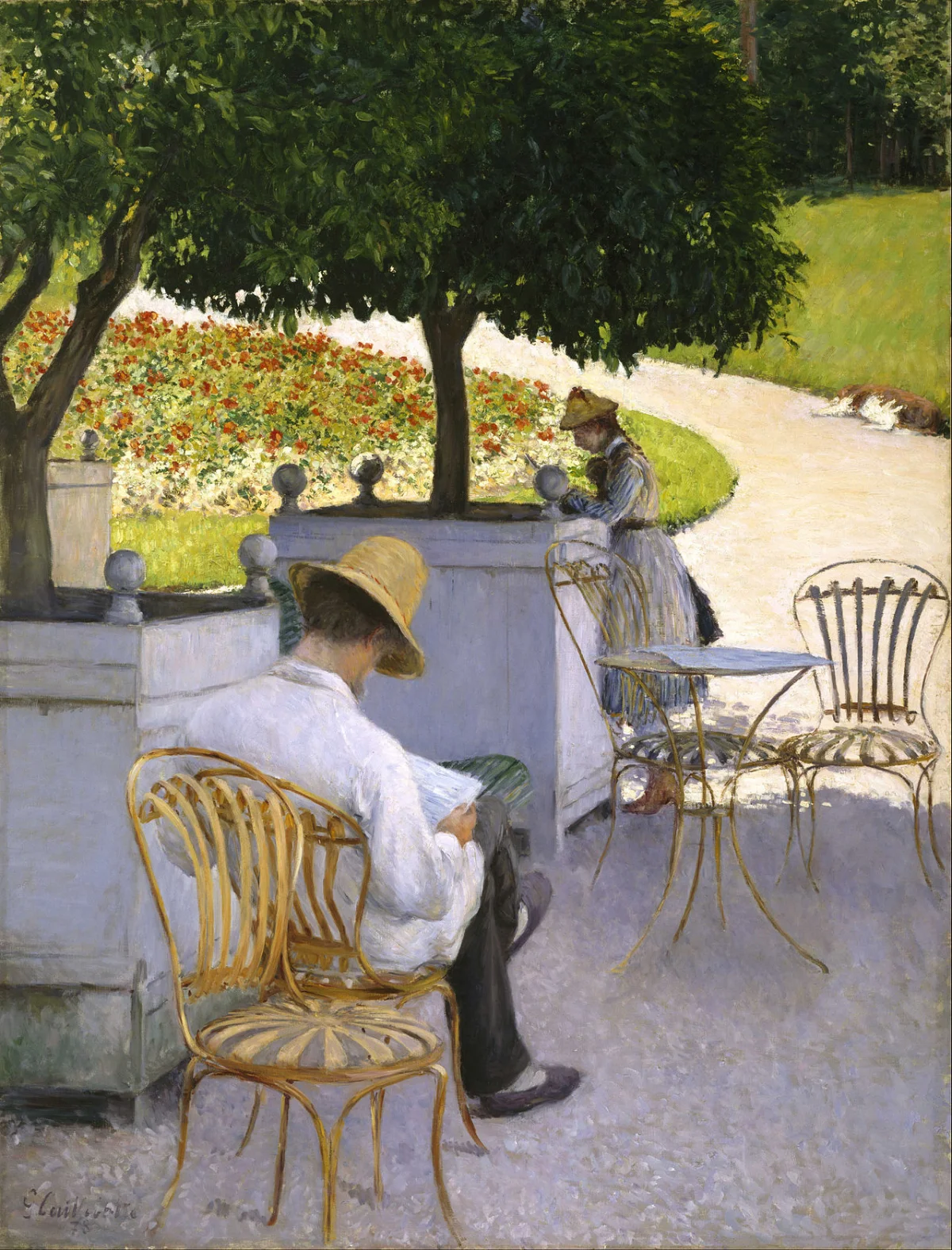
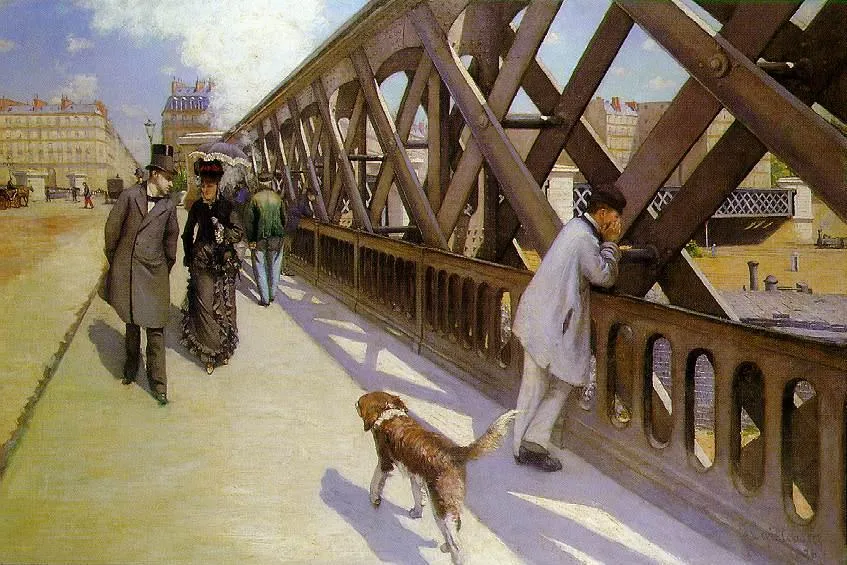
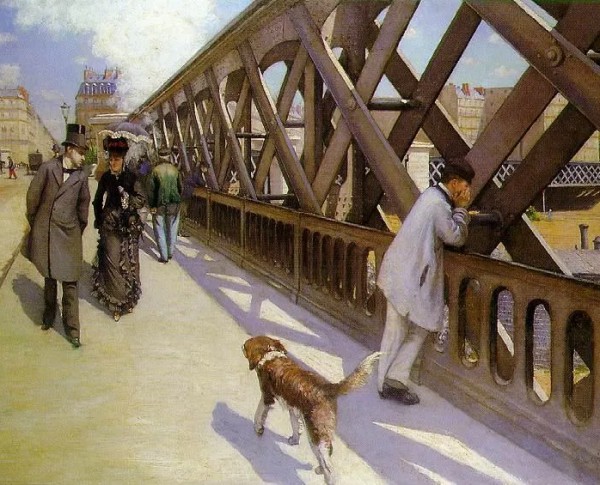
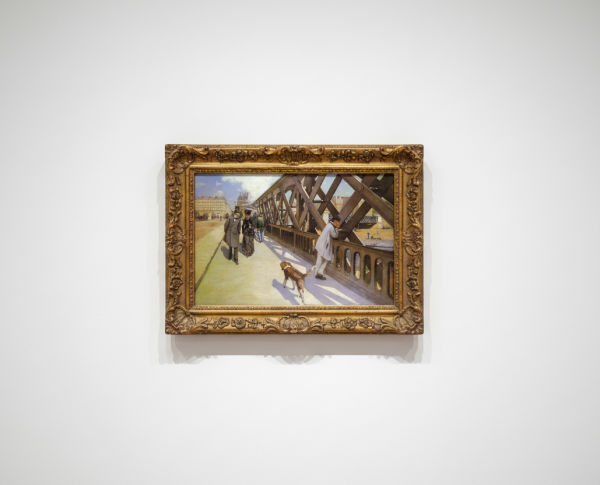
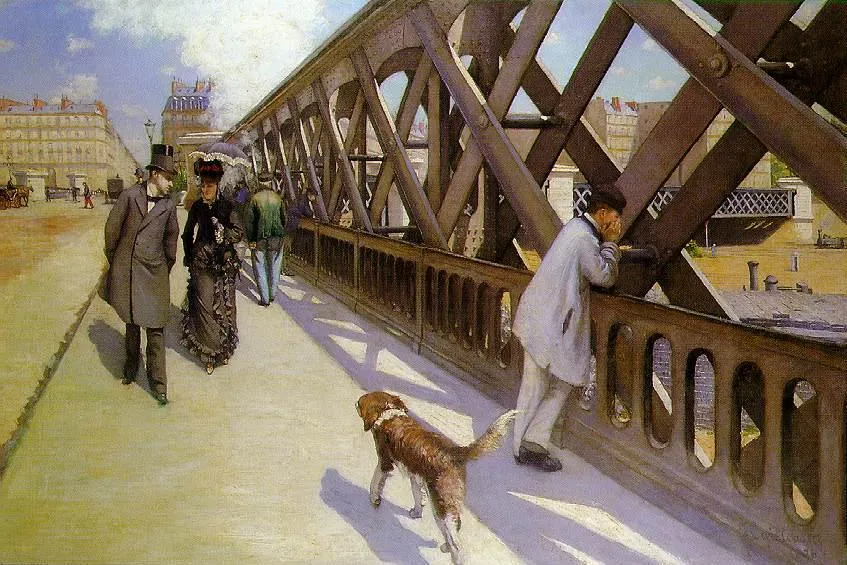
The artist’s precise technique is evident in every detail of “Le Pont de l'Europe,” a stunning oil on canvas that demonstrates Caillebotte’s mastery of light, shadow, and perspective. His Impressionist style brings the bustling Parisian bridge to life, inviting viewers to experience the scene firsthand. Art lovers seeking an oil on canvas from this era will find this piece, as well as related works, to be quintessential examples of fine craftsmanship within the Impressionism movement.
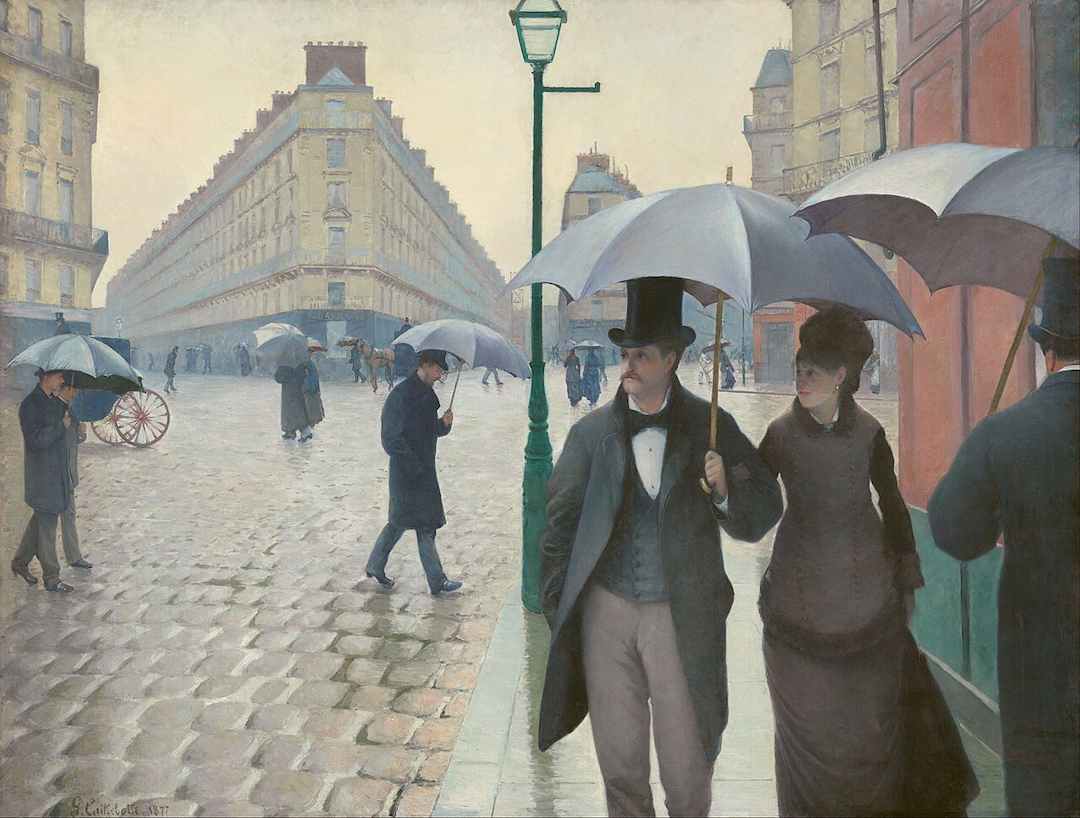
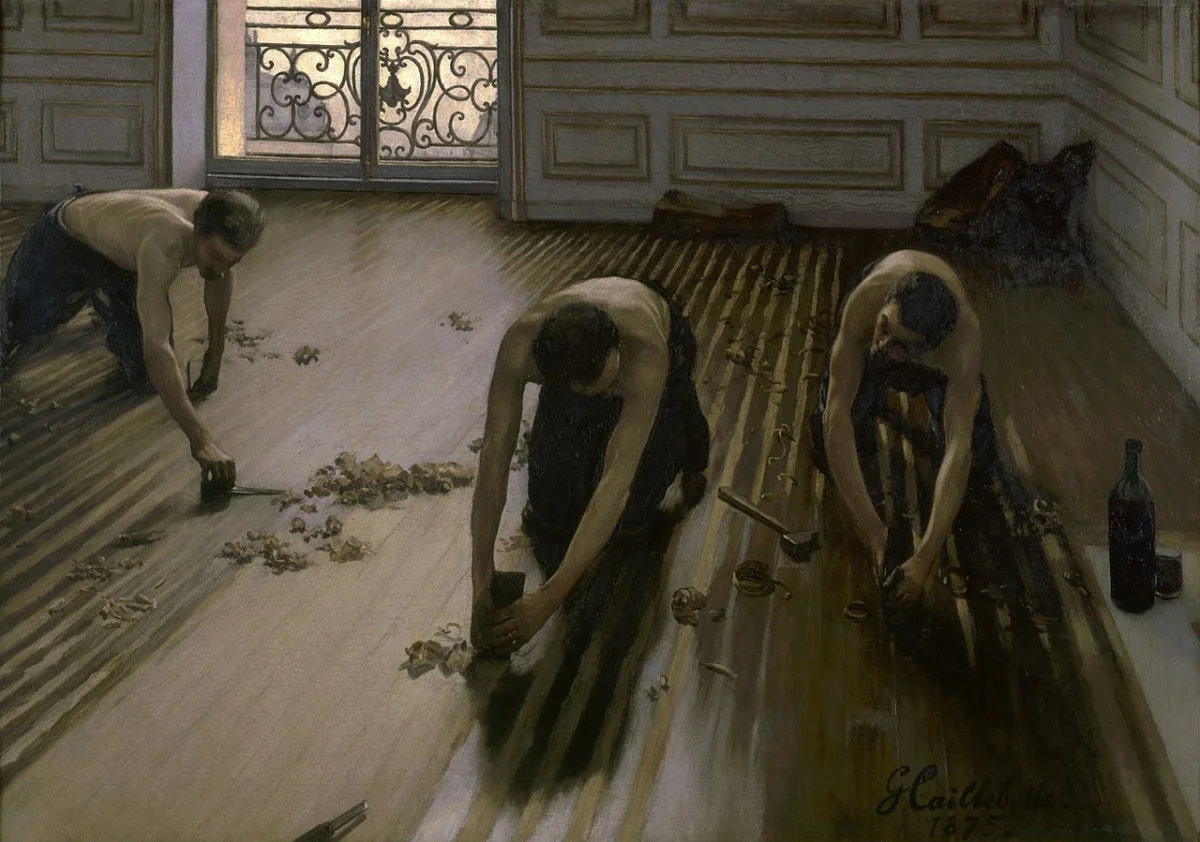
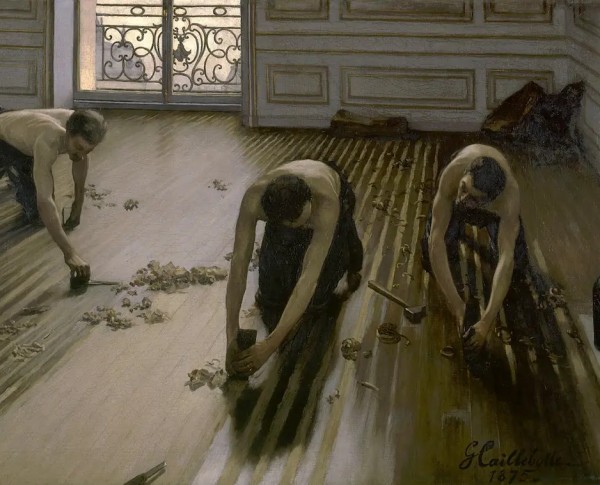
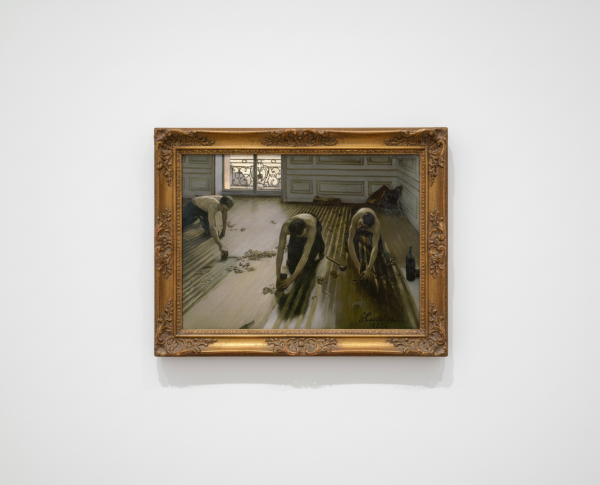
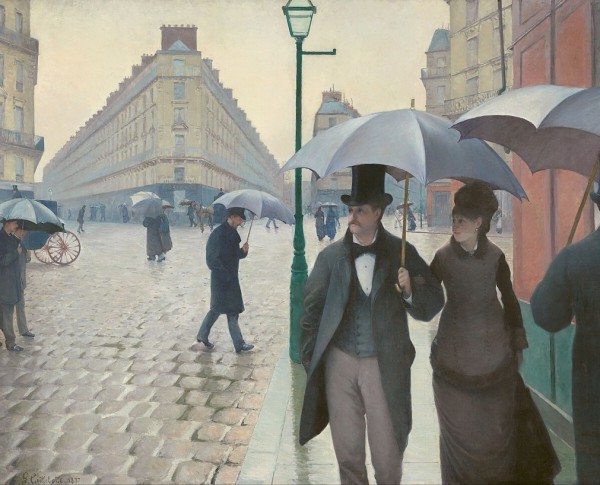
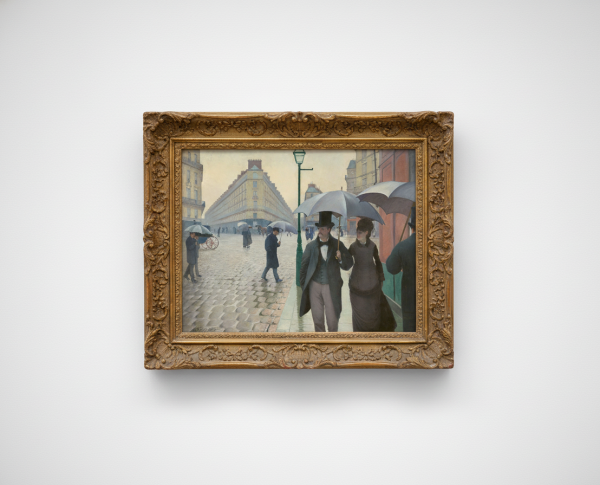
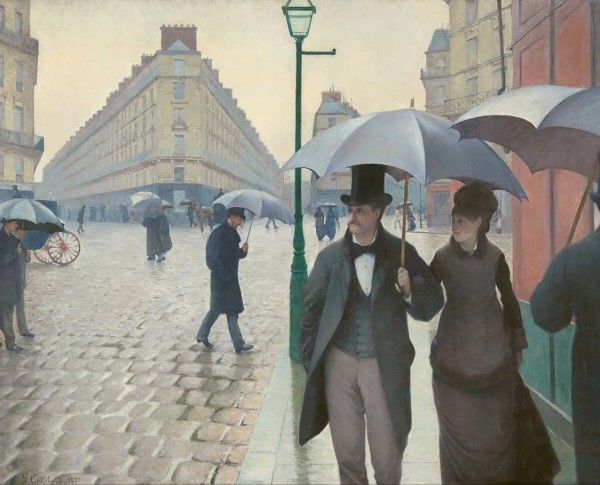
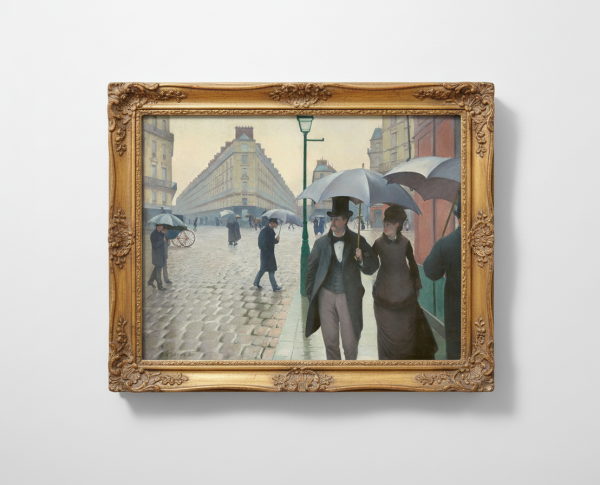
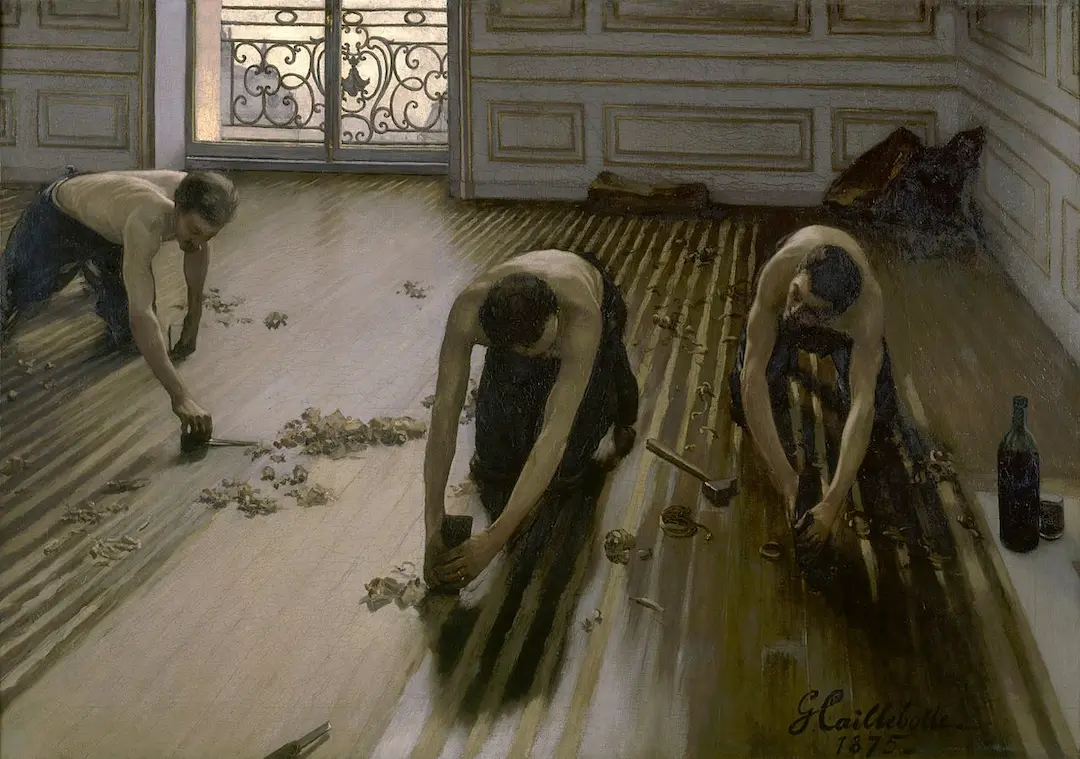
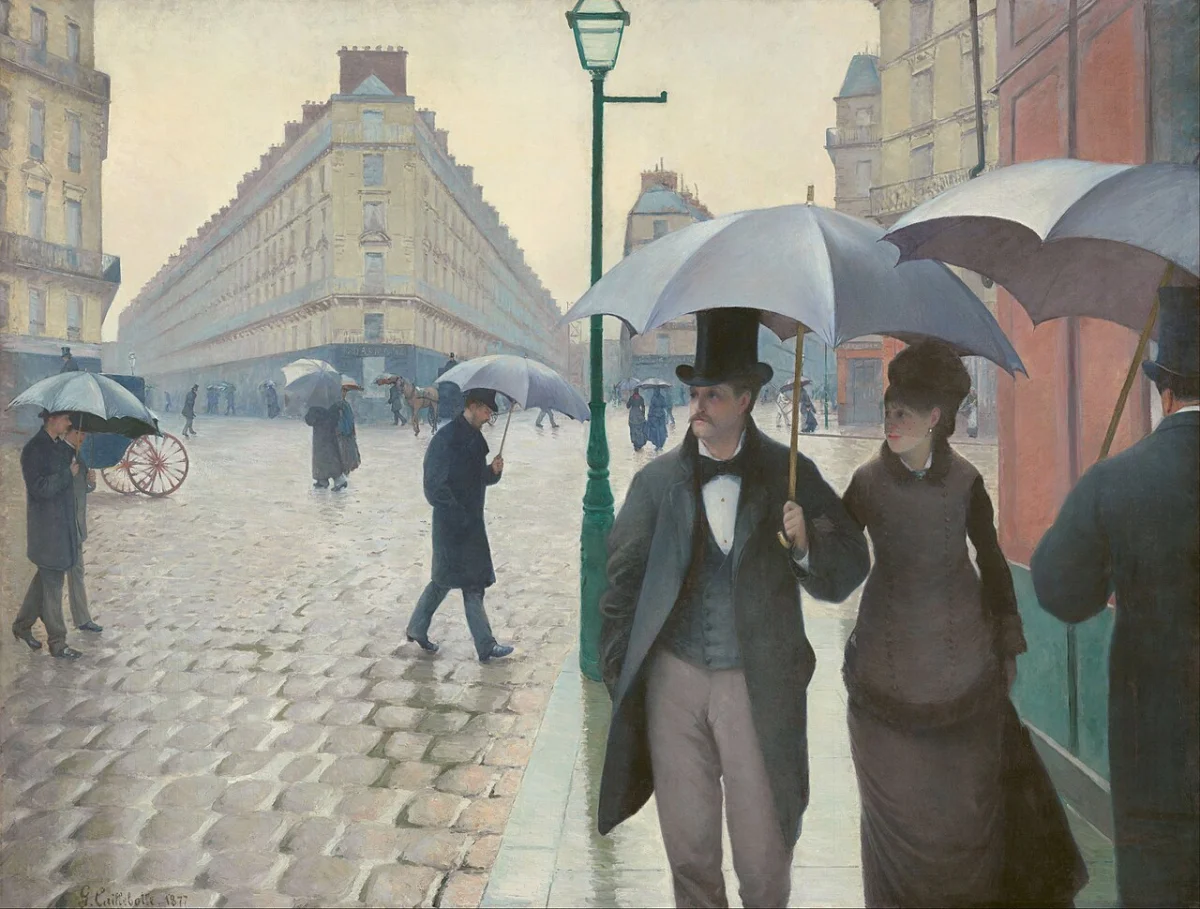
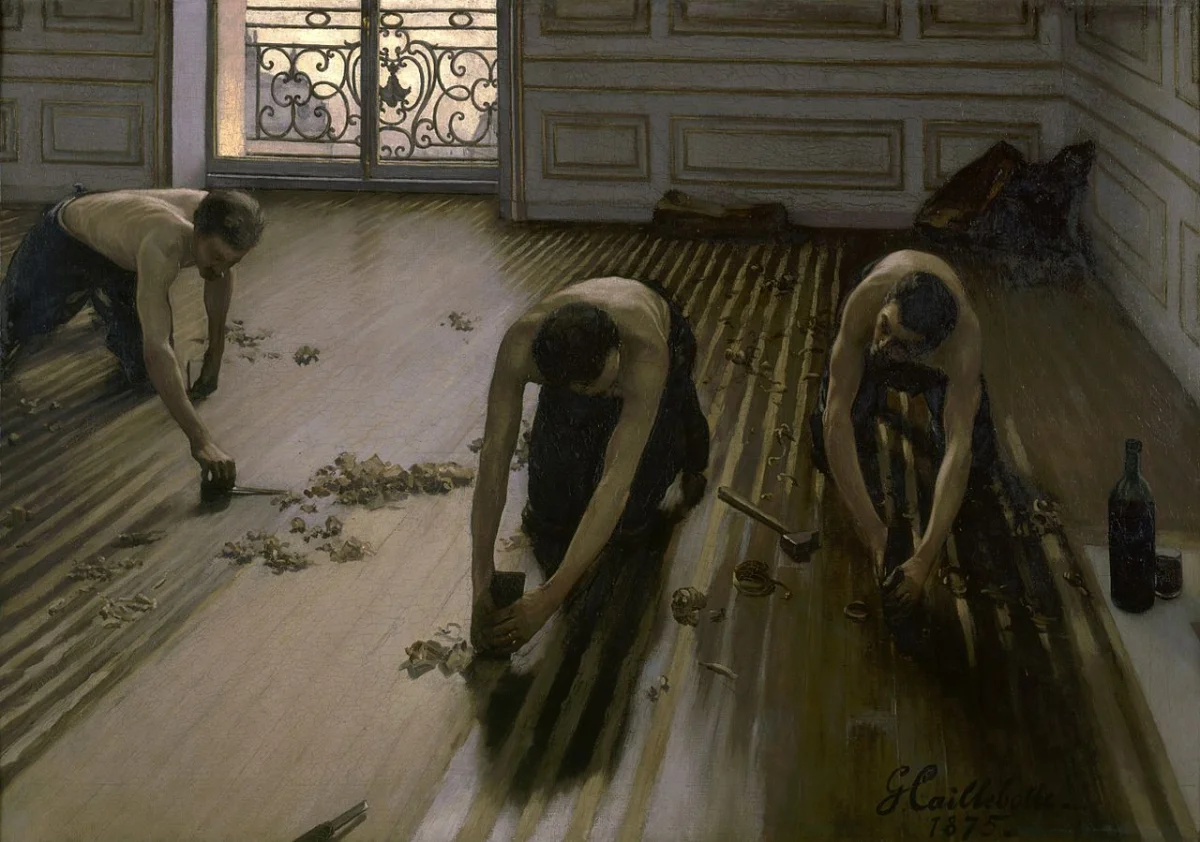
“Le Pont de l'Europe” is more than just a fine art painting for sale; it is a narrative woven into the fabric of Parisian life. Gustave Caillebotte’s composition, teeming with figures and industrial elements, reflects the social changes of the time. Through symbolic gestures and thoughtful placement, the painting tells stories of modernity and transformation, much like “Paris Street - Rainy Weather 1877” and “The Floor Scrapers 1875,” which are also notable Impressionist pieces.
For collectors, owning “Le Pont de l'Europe” by Gustave Caillebotte means possessing a hand-painted oil painting that embodies the spirit of Impressionism. Its historical value and artistic brilliance make it highly sought after, often displayed alongside related masterpieces such as “Paris Street - Rainy Weather 1877” and “The Floor Scrapers 1875.” This painting remains a prized addition for anyone seeking a fine art painting for sale that captures the essence of 19th-century Paris.
When Art Meets History
"Le Pont de l'Europe" by Gustave Caillebotte stands as a quintessential work within the Impressionism movement, capturing the vibrant transformation of Paris in the late 19th century. This hand-painted oil painting immortalizes the bustling bridge, reflecting the modernity and urban life of its era. Similar to other masterpieces like "Dance At The Moulin De La Galette" and "Impression, Sunrise," Caillebotte’s work offers a unique perspective on historical change through the lens of fine art.
Techniques That Speak
Gustave Caillebotte’s "Le Pont de l'Europe" utilizes oil on canvas to achieve remarkable depth and realism, distinguishing it within the Impressionism movement. His meticulous brushwork and innovative use of perspective draw viewers into the scene, much like Monet’s "Terrace at the Seaside" or Renoir’s "A Girl with a Watering Can." Caillebotte’s technical prowess elevates this painting, making it a celebrated example of oil on canvas artistry among Impressionist works.
Emotions on Display
Through "Le Pont de l'Europe," Caillebotte conveys the emotional complexity of urban life, blending solitude and connection amid the city’s bustle. The painting, like "The Fisherman" and "Sainte-Adresse," uses light and composition to evoke a sense of movement and introspection. This fine art painting for sale offers viewers an intimate glimpse into Parisian society, exemplifying how Impressionism captures fleeting moments and the feelings they inspire.
Coveted by Collectors
As a standout hand-painted oil painting from the Impressionism movement, "Le Pont de l'Europe" is highly sought after by collectors worldwide. Gustave Caillebotte’s innovative vision and technical brilliance ensure enduring demand, much like related paintings such as "Dance At The Moulin De La Galette" and "Impression, Sunrise." This fine art painting for sale remains a testament to the movement’s legacy, making it a prized addition to any discerning collection.
Related Impressionism Hand-Painted Oil Paintings by Other Artists
Other Famous Impressionism Artists:
Frequently Asked Questions About Le Pont de l'Europe
What is the historical context of Le Pont de l'Europe?
Le Pont de l'Europe was painted in 1876, during a period of rapid industrialization in France. The painting captures the newly constructed railway bridge over the Seine River, symbolizing the technological advancements of the time and the changing urban landscape of Paris.
Who was Gustave Caillebotte and what was his significance in the art world?
Gustave Caillebotte was a French painter and a prominent member of the Impressionist movement. Known for his innovative compositions and realistic portrayal of modern life, he played a crucial role in the development of Impressionism, often focusing on urban scenes and the effects of light.
What artistic techniques did Caillebotte use in Le Pont de l'Europe?
Caillebotte employed a unique perspective and a focus on geometric shapes in Le Pont de l'Europe. His use of strong diagonal lines and a high viewpoint creates a sense of depth and movement, characteristic of his style and reflective of the modernity of the scene.
What themes are explored in Le Pont de l'Europe?
The painting explores themes of modernity, urbanization, and the relationship between nature and industry. It juxtaposes the natural beauty of the Seine with the man-made structure of the bridge, highlighting the coexistence of progress and tradition in Paris.
How does Le Pont de l'Europe reflect the Impressionist movement?
Le Pont de l'Europe reflects the Impressionist movement through its emphasis on light, color, and everyday subjects. Caillebotte's brushwork captures the transient effects of light on the scene, while the focus on contemporary life aligns with the movement's goal of depicting modern experiences.
What is the significance of the bridge in the painting?
The bridge serves as a symbol of progress and connectivity in the rapidly evolving city of Paris. It represents the intersection of nature and industrialization, illustrating how urban development transformed the landscape and the lives of its inhabitants.
How did Caillebotte's background influence his work on Le Pont de l'Europe?
Caillebotte came from a wealthy family, allowing him the freedom to pursue art without financial constraints. His education in engineering and architecture influenced his precise depiction of structures and perspective in Le Pont de l'Europe, showcasing his technical skill alongside artistic vision.
What role does perspective play in Le Pont de l'Europe?
Perspective is crucial in Le Pont de l'Europe, as Caillebotte uses a high vantage point to create a dynamic composition. This perspective not only enhances the sense of depth but also invites the viewer to engage with the scene, making them feel part of the bustling urban environment.
How does Le Pont de l'Europe compare to other works by Caillebotte?
Compared to other works by Caillebotte, such as his depictions of interiors and leisure activities, Le Pont de l'Europe emphasizes the theme of urbanization. While many of his paintings focus on intimate scenes, this work showcases his ability to capture the broader changes occurring in society during his time.
What impact did Le Pont de l'Europe have on future artists?
Le Pont de l'Europe influenced future generations of artists by demonstrating the potential of urban subjects and modern themes within fine art. Caillebotte's innovative approach to composition and perspective paved the way for later movements that embraced the complexities of modern life.






















_GFM_Painting_(1).webp)


 100% Hand-Painted: Finished in 3-6 Weeks

.png)
















_(1).webp)