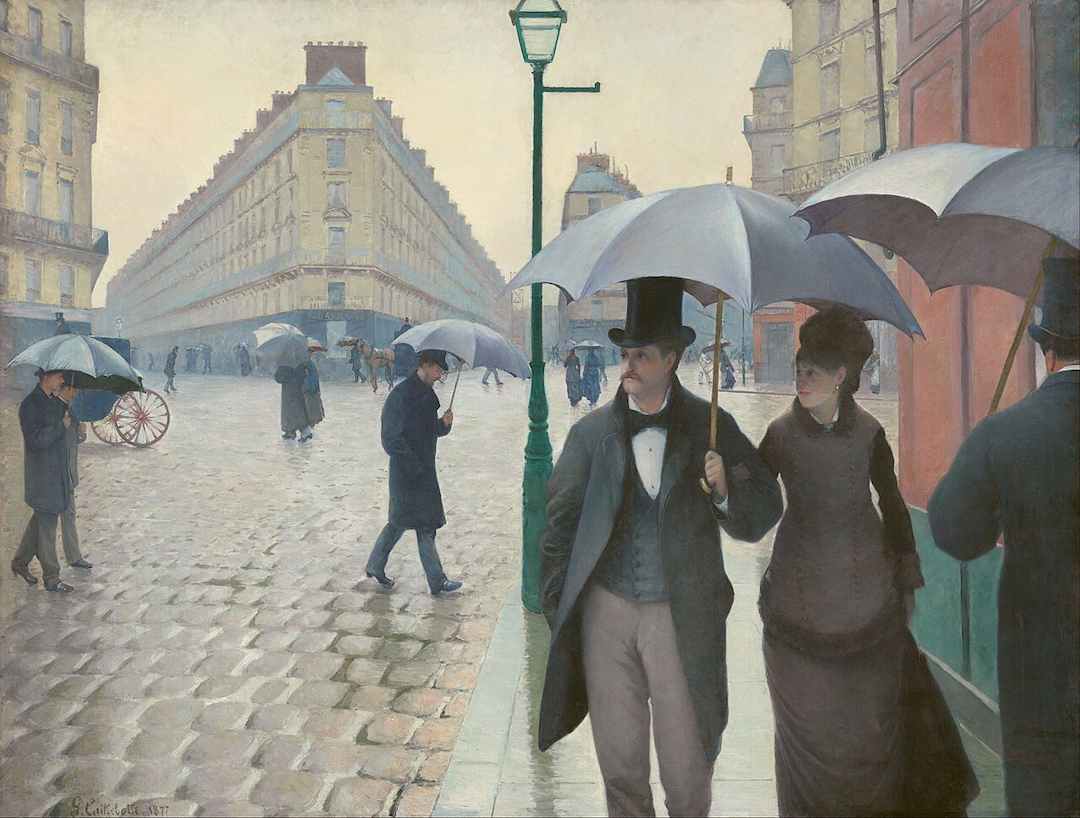
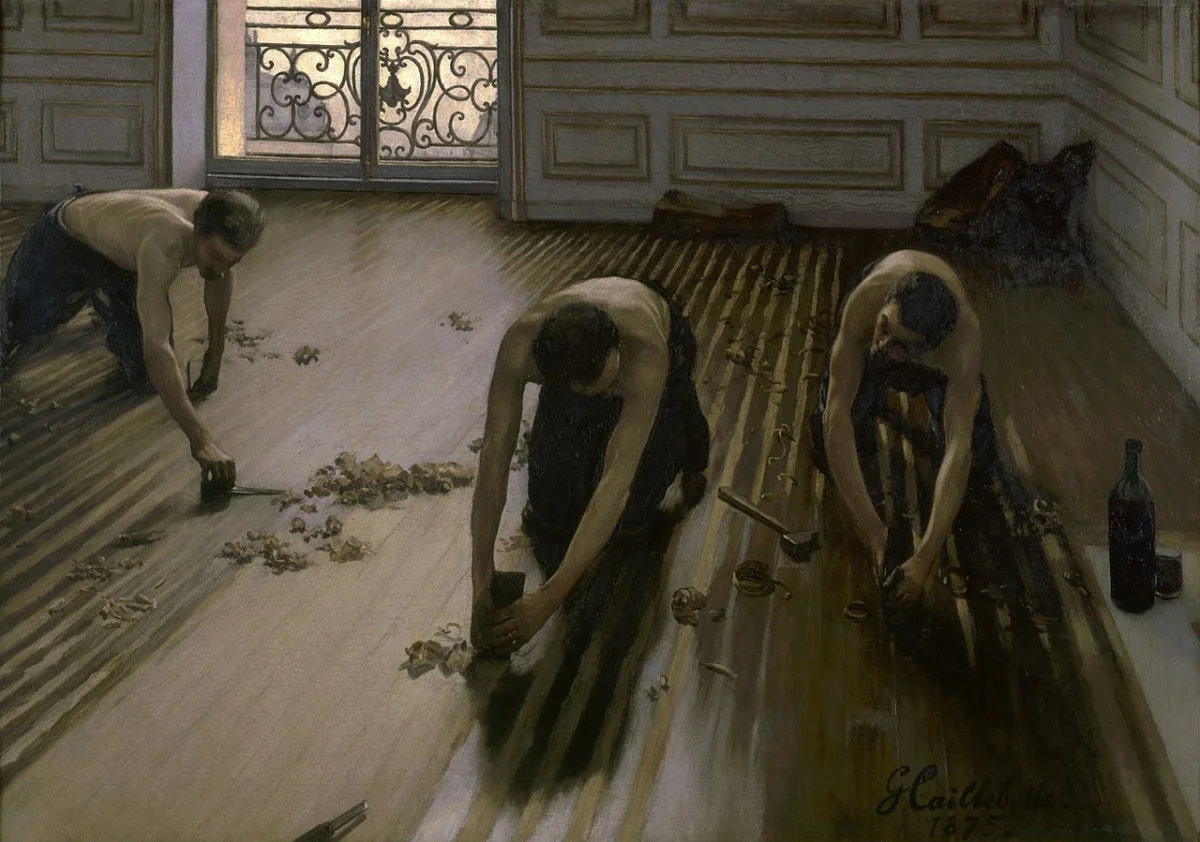
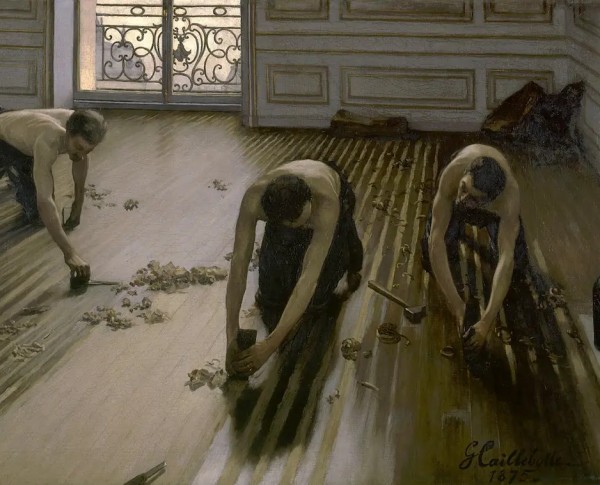
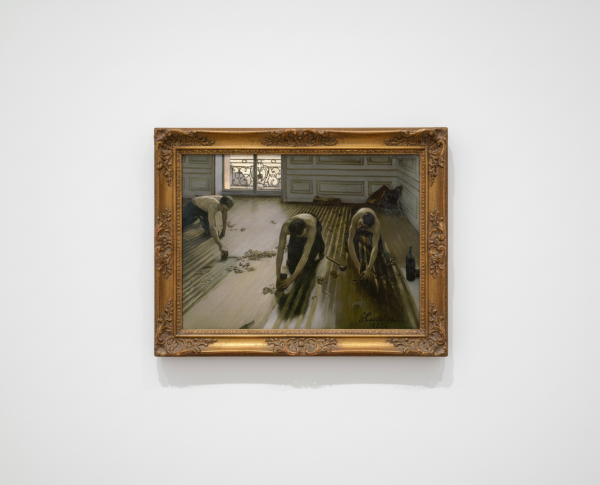
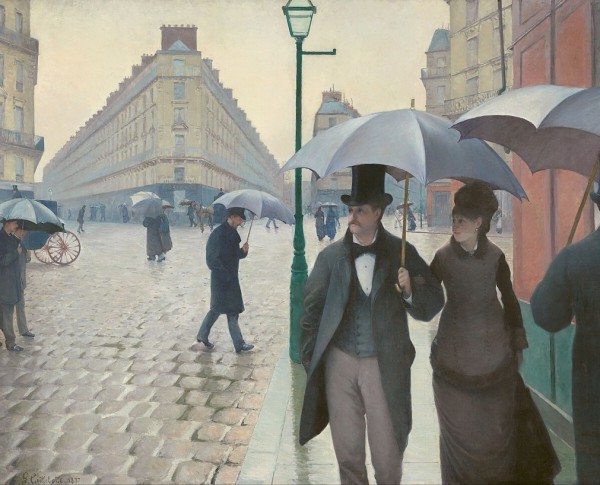
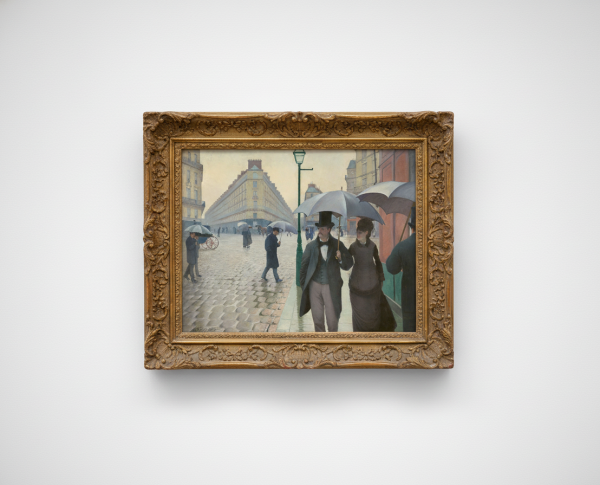
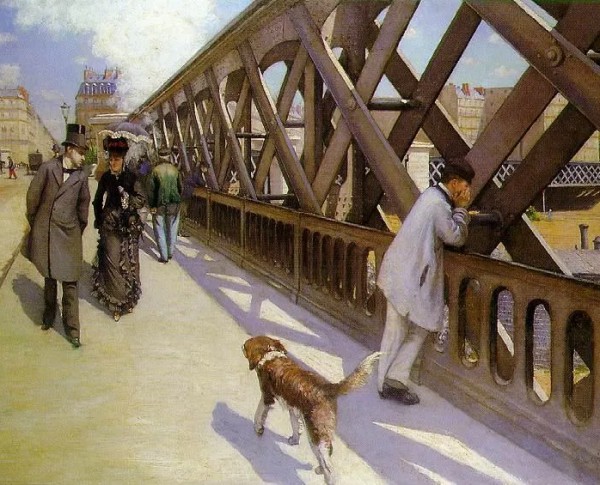
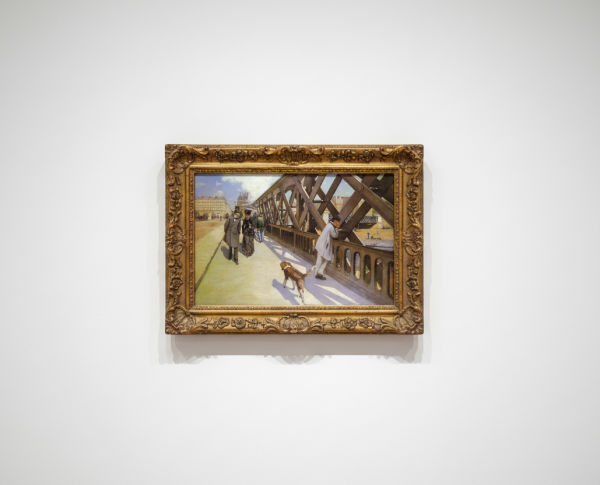
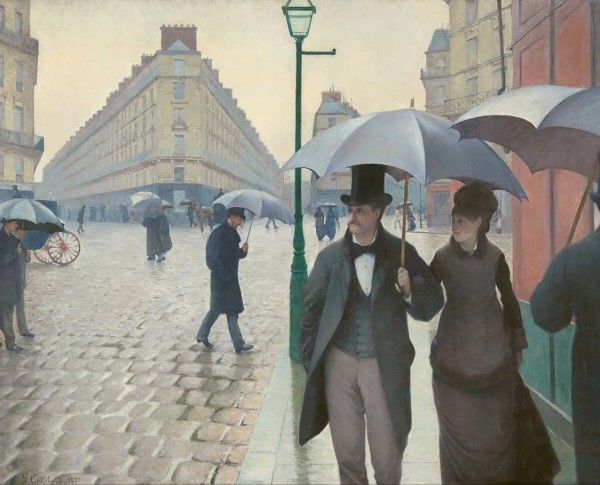
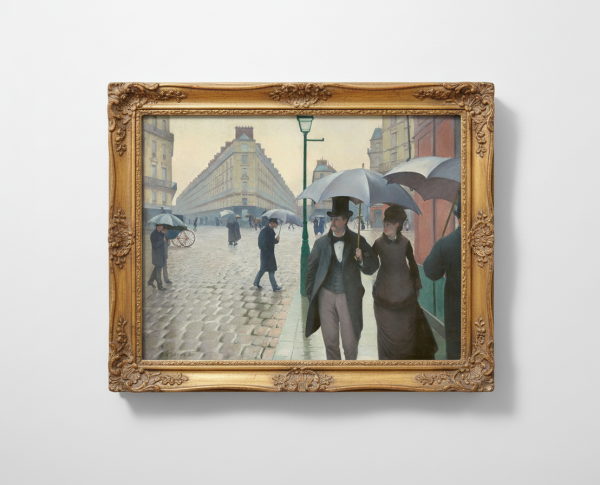
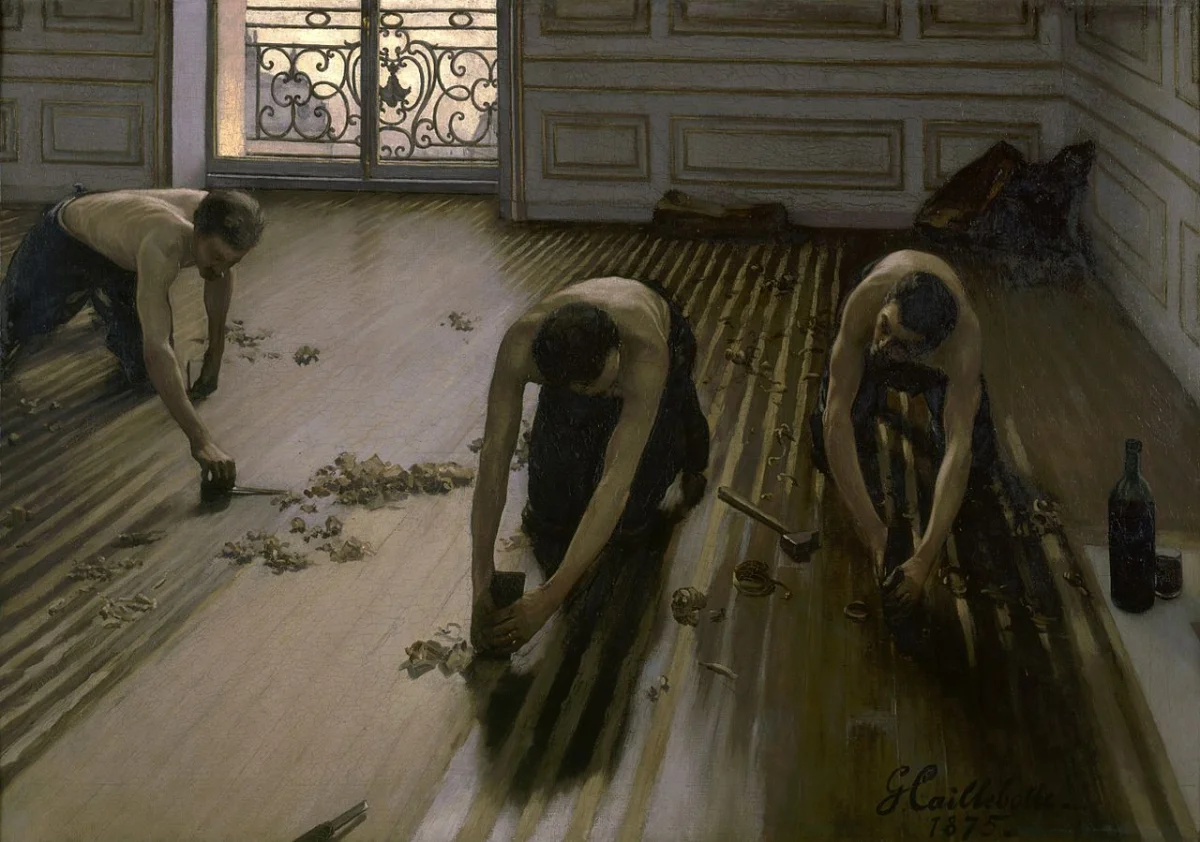
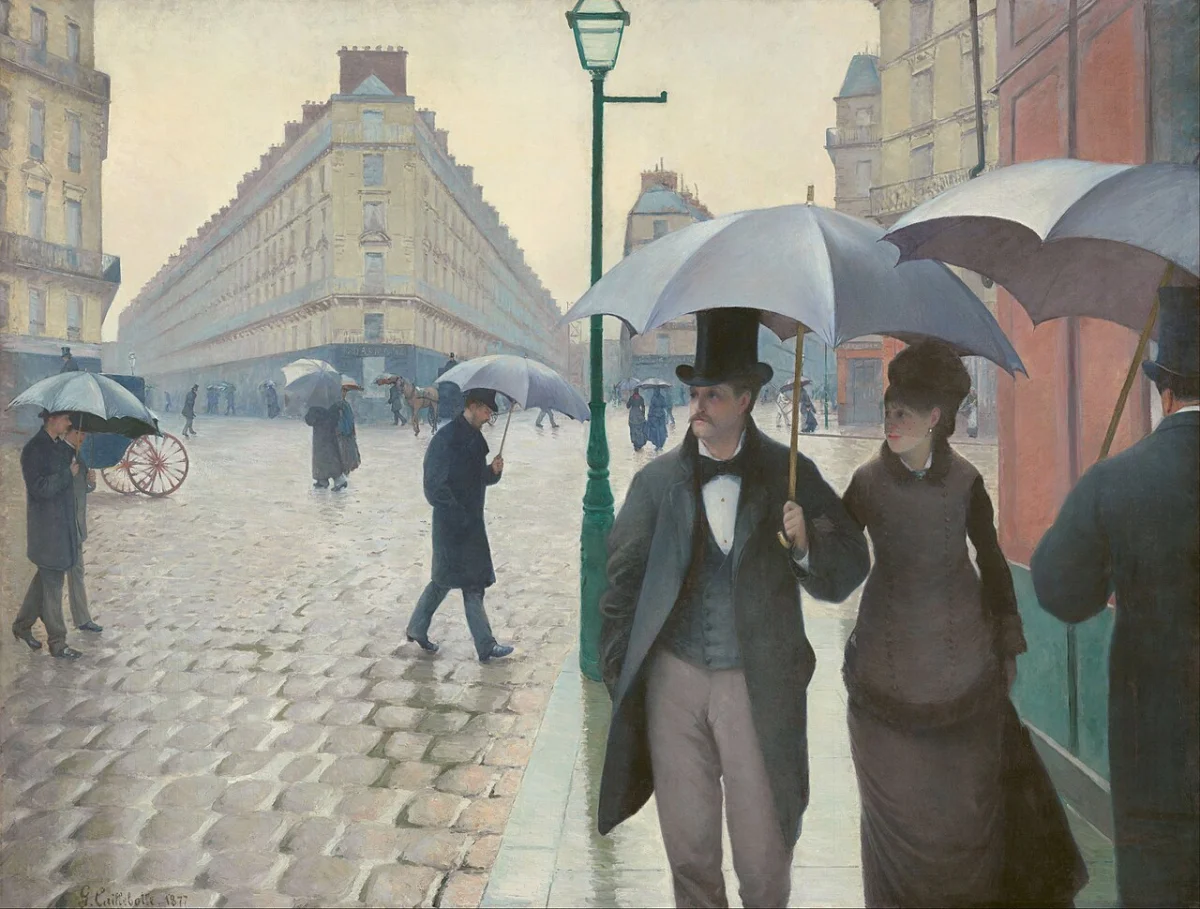
Gustave Caillebotte’s technique in "Les raboteurs de parquet" exemplifies the Impressionist approach to oil on canvas. His meticulous brushwork and attention to natural light emphasize the physicality and realism of the scene. Collectors of Impressionism will appreciate similar masterpieces like "Paris Street - Rainy Weather 1877" and "The Floor Scrapers 1875," which further display Caillebotte’s innovative use of perspective and composition in oil on canvas.
Beyond its technical brilliance, "Les raboteurs de parquet" tells a compelling story about the dignity of labor. The painting’s depiction of workers immersed in their craft resonates with themes of modernity and social change, making it a sought-after fine art painting for sale. Admirers of Caillebotte’s work often explore related products such as "Paris Street; Rainy Day," which also blend narrative depth with Impressionist style.
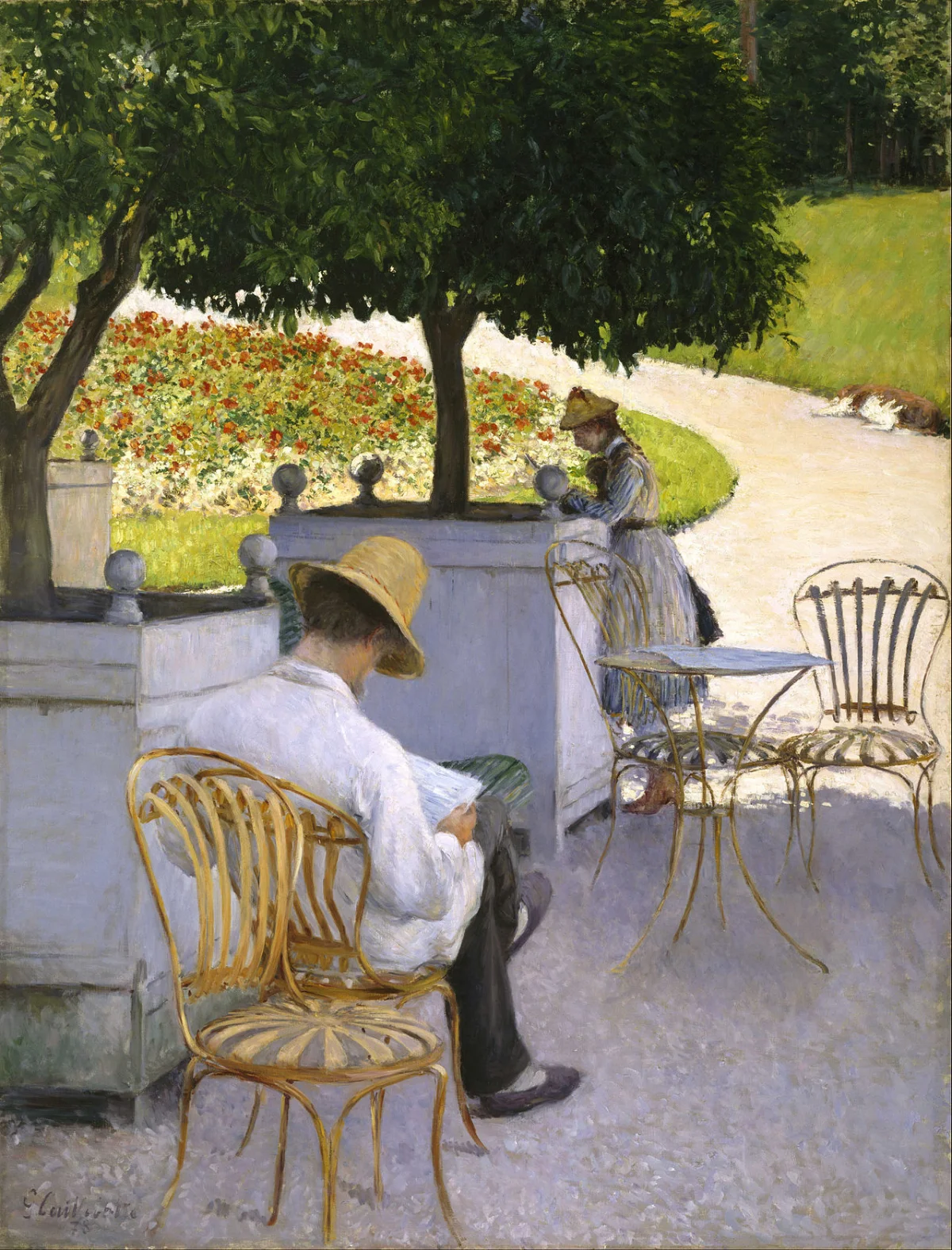
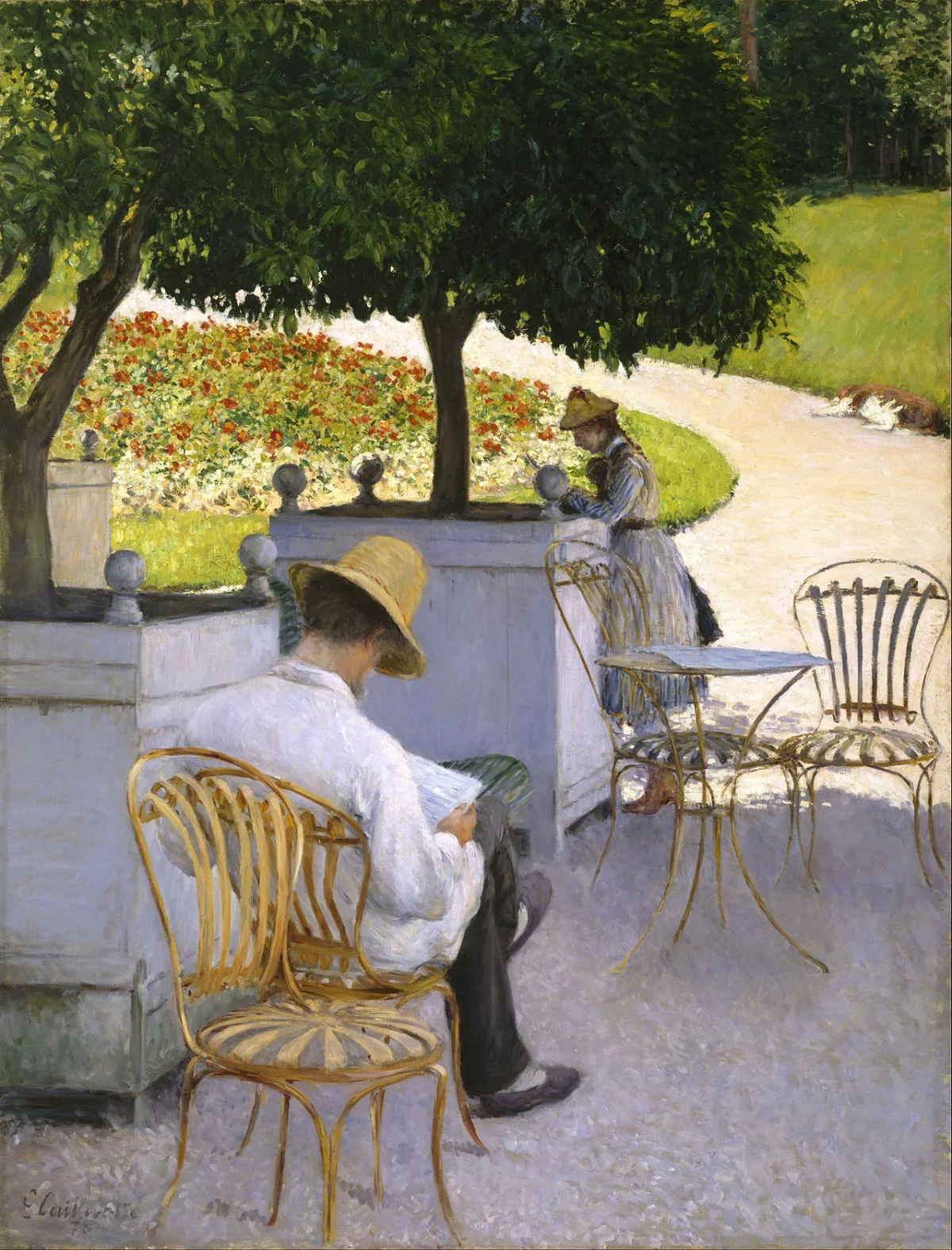
For art enthusiasts, "Les raboteurs de parquet" represents more than just a hand-painted oil painting—it is a rare gem within the Impressionism movement. Gustave Caillebotte’s masterwork continues to inspire collectors seeking museum-quality pieces. Related products like "Les orangers" and "The Floor Scrapers 1875" further enrich any collection, offering a glimpse into the artist's unique vision and the enduring appeal of fine art painting for sale.
When Art Meets History
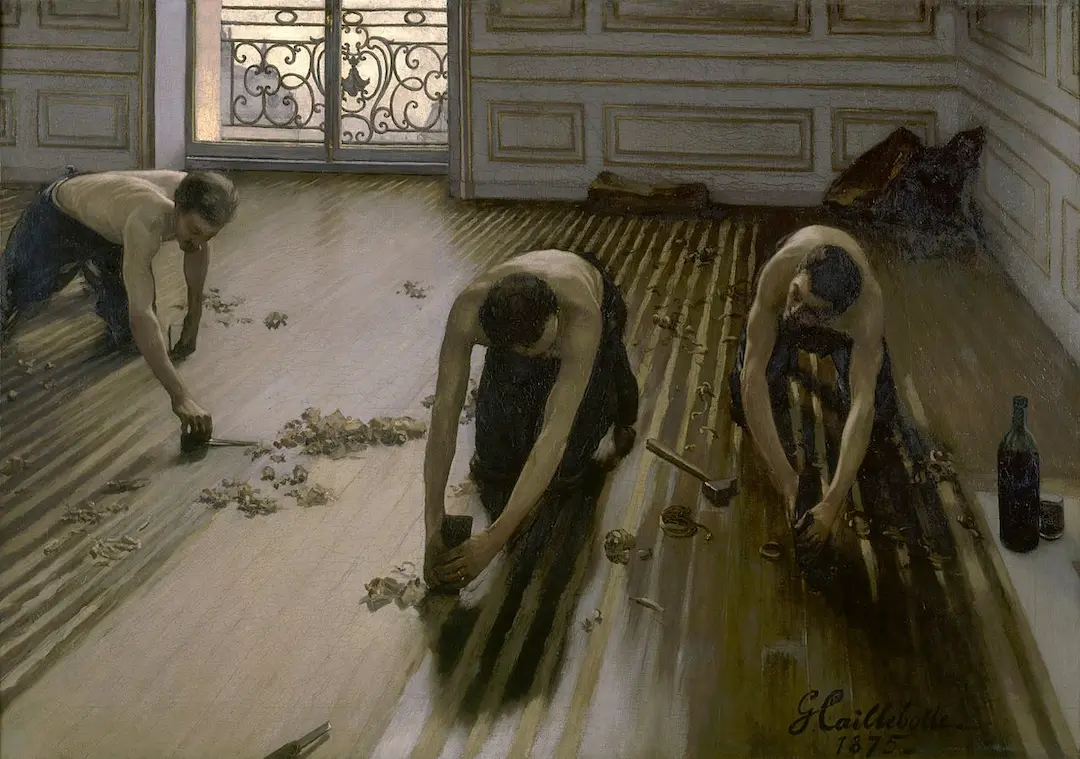
Gustave Caillebotte’s “Les raboteurs de parquet” stands as a milestone in the Impressionism movement, capturing everyday Parisian life with remarkable realism. Painted in 1875, this hand-painted oil painting reflects the social changes of 19th-century France, much like Monet’s “Houses of Parliament series” or Renoir’s “Dance At The Moulin De La Galette.” Caillebotte’s focus on working-class subjects marked a shift in fine art, enriching the narrative of Impressionist masterpieces.
Techniques That Speak
The masterful use of oil on canvas in “Les raboteurs de parquet” highlights Caillebotte’s unique approach among Impressionists. His technique blends precise draftsmanship with luminous brushstrokes, creating a striking contrast to the more fluid style seen in “Racehorses at Longchamp” or Degas’s “Dancers In Pink.” Every stroke in this oil on canvas work reveals Caillebotte’s dedication to detail, making his painting a standout in the realm of late 19th-century art.
Emotions on Display
“Les raboteurs de parquet” evokes a sense of empathy and admiration for its subjects, as Caillebotte captures the intensity and concentration of the workers. The painting’s intimate perspective brings viewers closer to the scene, much like “Chapel on the Láchar estate” does with its quiet spirituality. This fine art painting for sale continues to resonate emotionally, reminding audiences of the dignity found in everyday labor and the powerful storytelling inherent in Impressionism.
Coveted by Collectors
As a hallmark of Impressionist innovation, “Les raboteurs de parquet” remains highly sought after by collectors and art enthusiasts. Gustave Caillebotte’s legacy, alongside related paintings like “Dance At The Moulin De La Galette” and “Dancers In Pink,” ensures enduring interest in his hand-painted oil paintings. The work’s historical significance and artistic mastery make it a prized addition to any collection, representing a pivotal moment in the evolution of fine art painting for sale.
Related Impressionism Hand-Painted Oil Paintings by Other Artists
Other Famous Impressionism Artists:
Frequently Asked Questions About Les raboteurs de parquet
What is the historical context of "Les raboteurs de parquet"?
"Les raboteurs de parquet," painted in 1875, reflects the industrialization of France during the late 19th century, showcasing the shift in labor and the rise of the working class in urban settings.
What artistic movement is Gustave Caillebotte associated with?
Gustave Caillebotte is associated with Impressionism, a movement characterized by its focus on capturing light and everyday scenes, although his style also incorporates elements of realism.
What techniques did Caillebotte use in this painting?
Caillebotte employed a unique perspective and a meticulous attention to detail, utilizing a combination of linear perspective and a muted color palette to create depth and realism in the scene.
What is the significance of the workers depicted in the painting?
The workers in "Les raboteurs de parquet" symbolize the dignity of labor and the changing social dynamics of the time, highlighting the importance of the working class in the rapidly modernizing society.
How does the composition of the painting contribute to its meaning?
The composition, with its diagonal lines and the placement of figures, draws the viewer's eye into the scene, creating a sense of immediacy and involvement in the labor process depicted.
What role does light play in "Les raboteurs de parquet"?
Light in the painting is used to enhance the three-dimensionality of the figures and the space, reflecting Caillebotte's interest in the effects of natural light on surfaces and materials.
What materials were used in the creation of this artwork?
Caillebotte created "Les raboteurs de parquet" using oil on canvas, a medium that allowed him to achieve the rich textures and details seen in the wood flooring and the workers' clothing.
How does "Les raboteurs de parquet" differ from traditional historical painting?
This painting diverges from traditional historical painting by focusing on contemporary subjects and everyday life rather than grand historical or mythological themes, emphasizing realism over idealism.
What influence did "Les raboteurs de parquet" have on later artists?
The painting influenced later artists by paving the way for the exploration of modern life in art, encouraging a focus on everyday scenes and the experiences of ordinary people.
Where is "Les raboteurs de parquet" currently housed?
"Les raboteurs de parquet" is currently housed in the Musée d'Orsay in Paris, France, where it is part of a collection that celebrates the Impressionist movement and its key figures.






















_GFM_Painting_(1).webp)


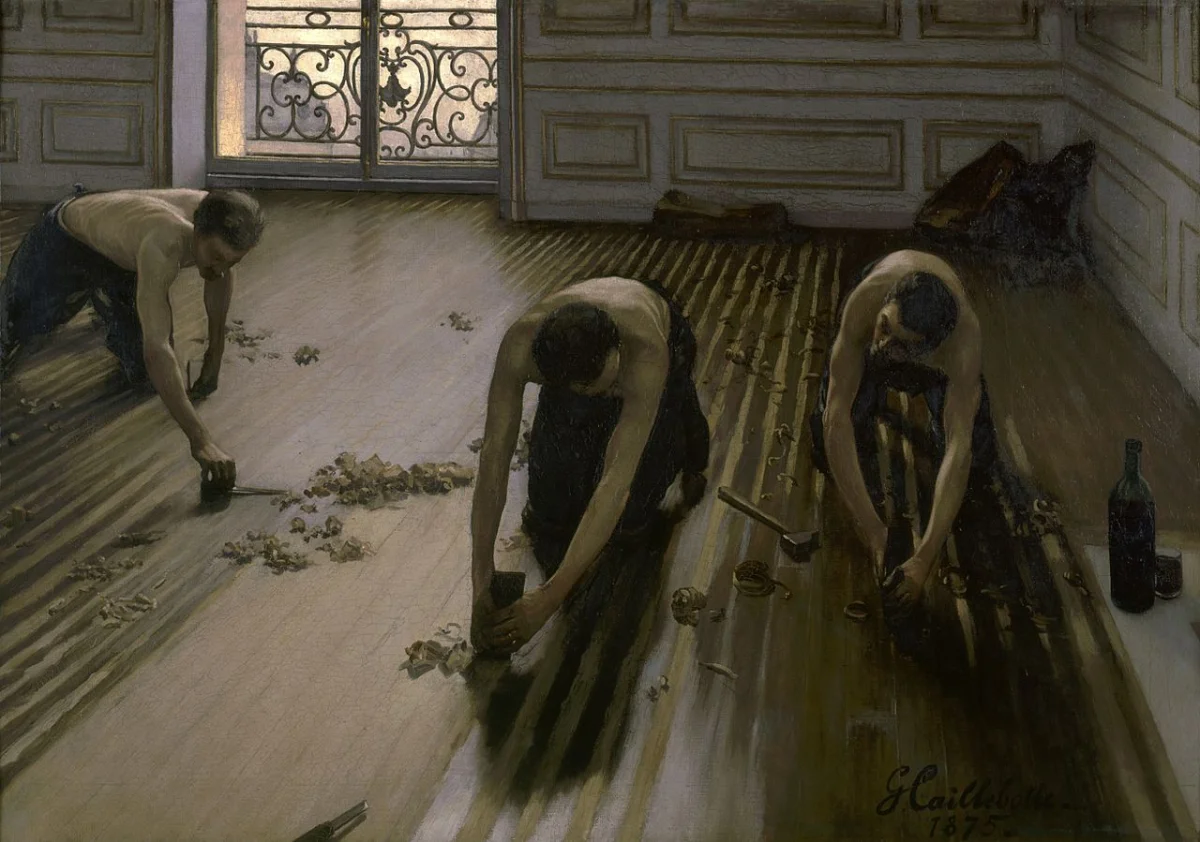
 100% Hand-Painted: Finished in 3-6 Weeks

.png)
















_(1).webp)