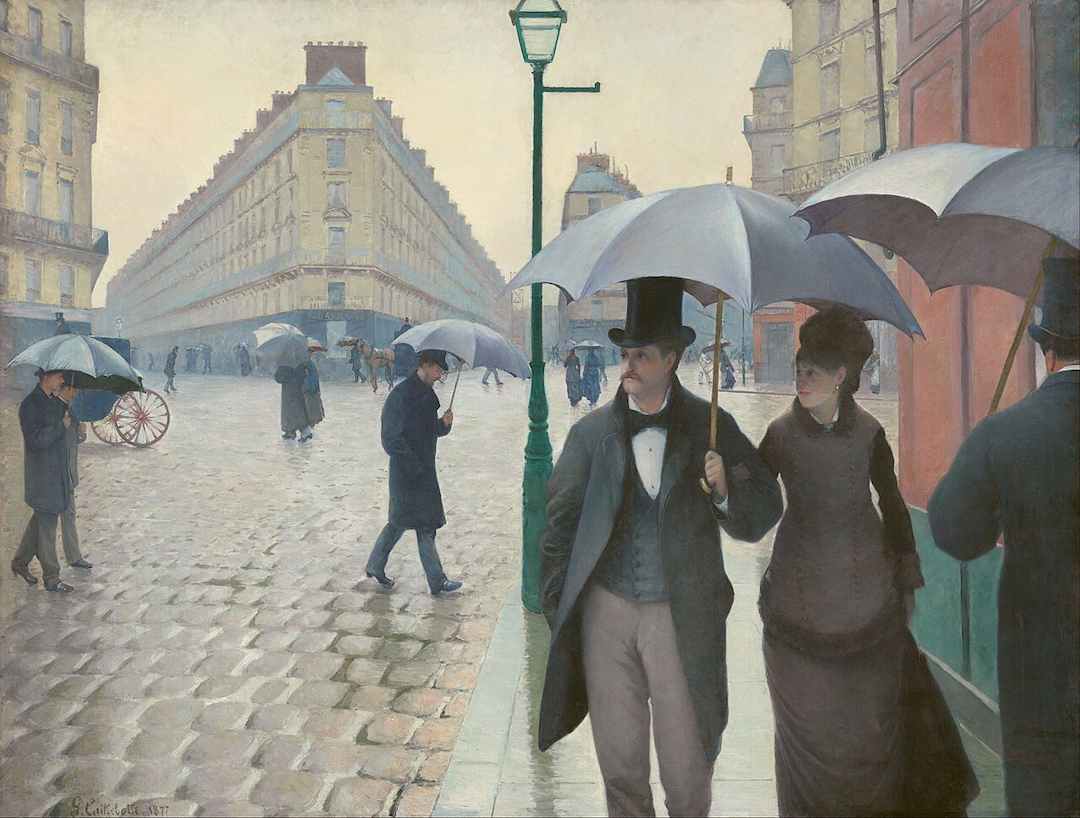
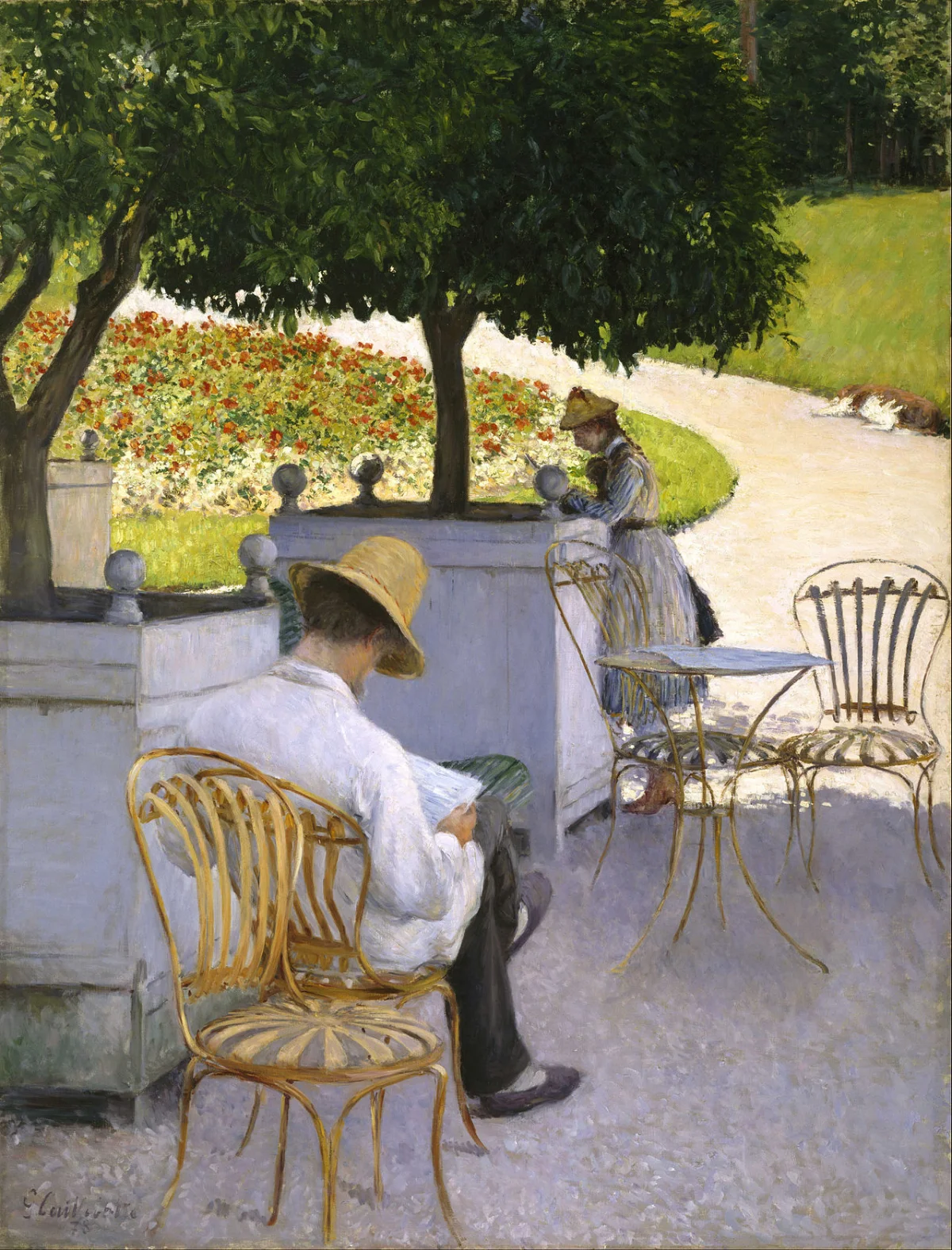
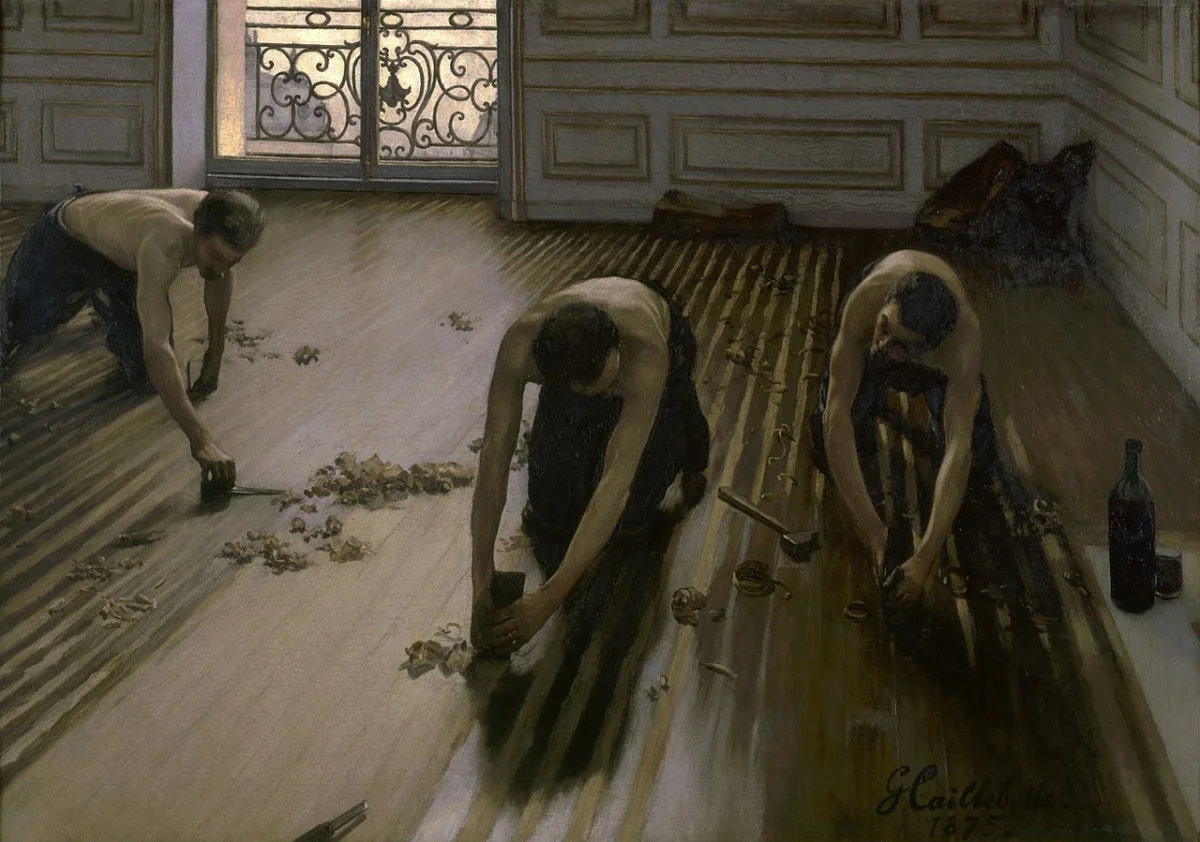
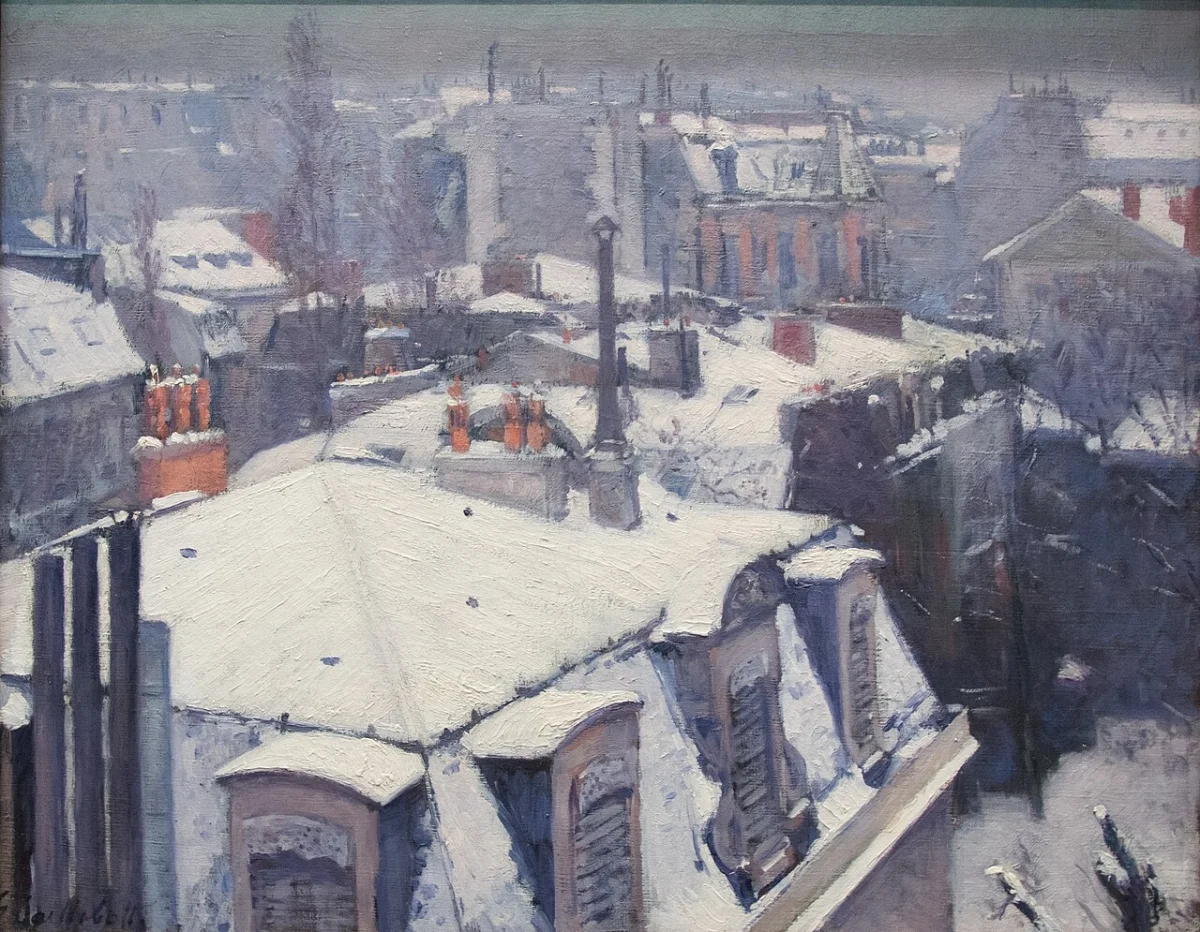
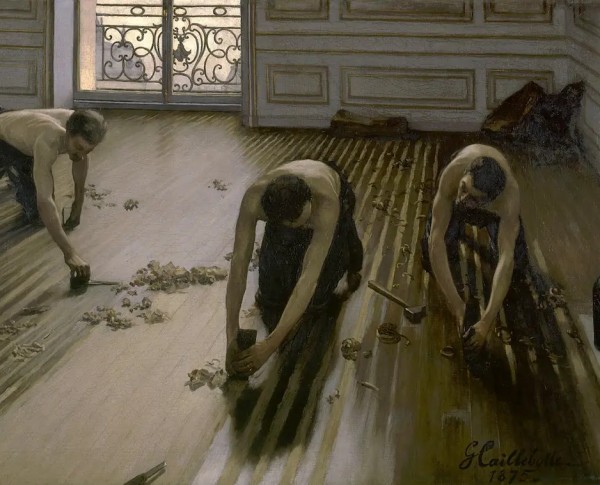
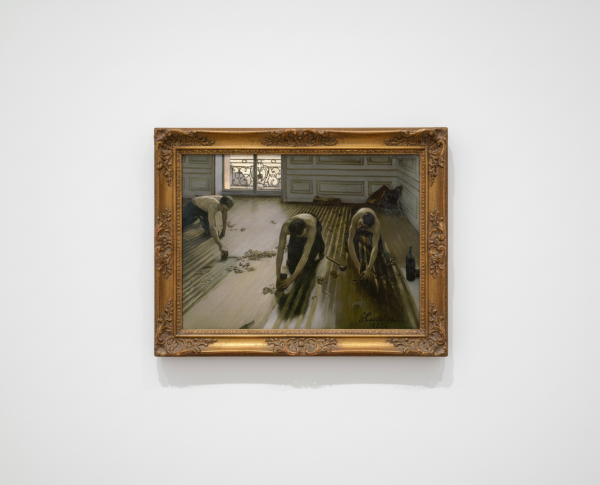
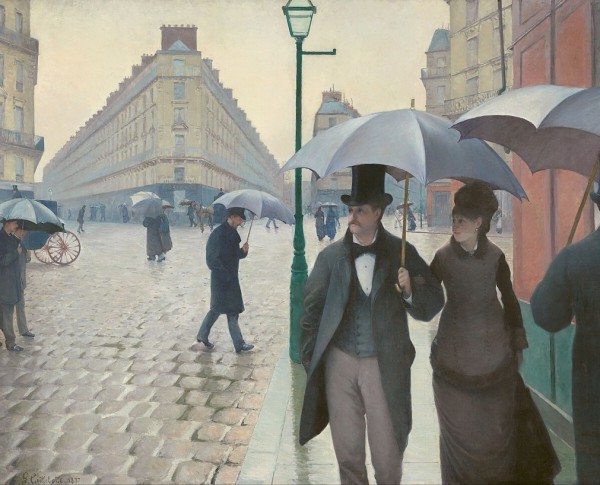
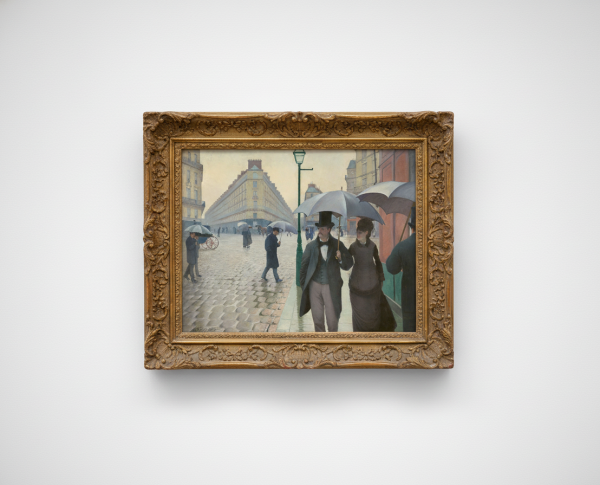
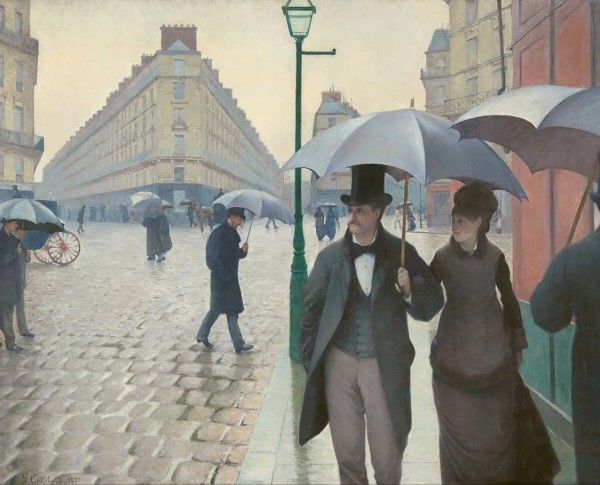
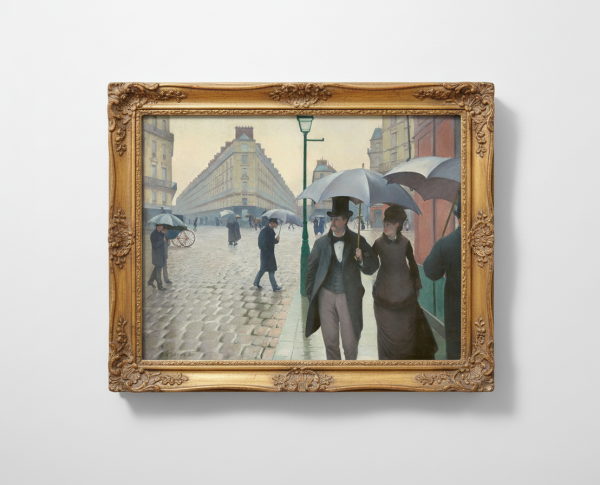
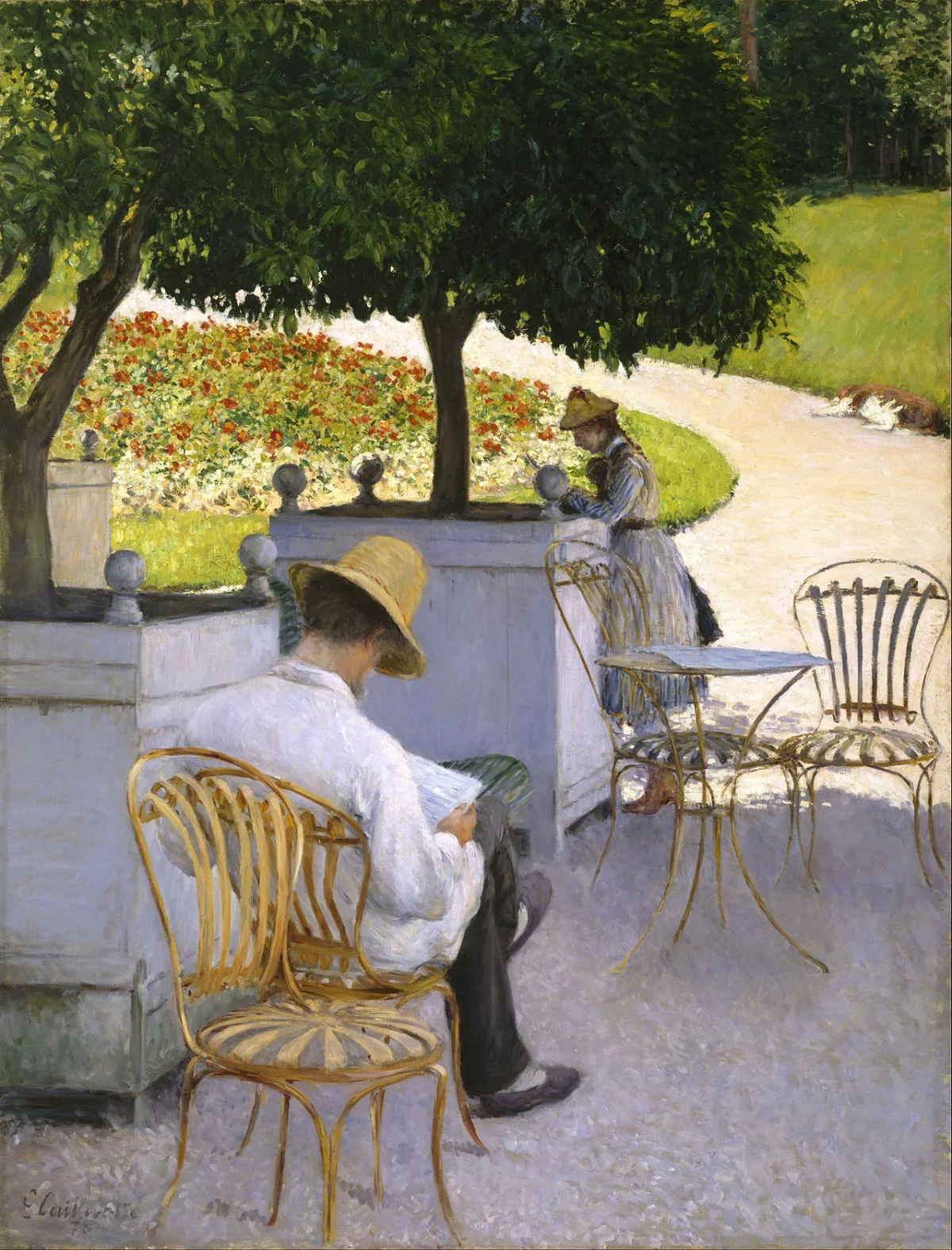
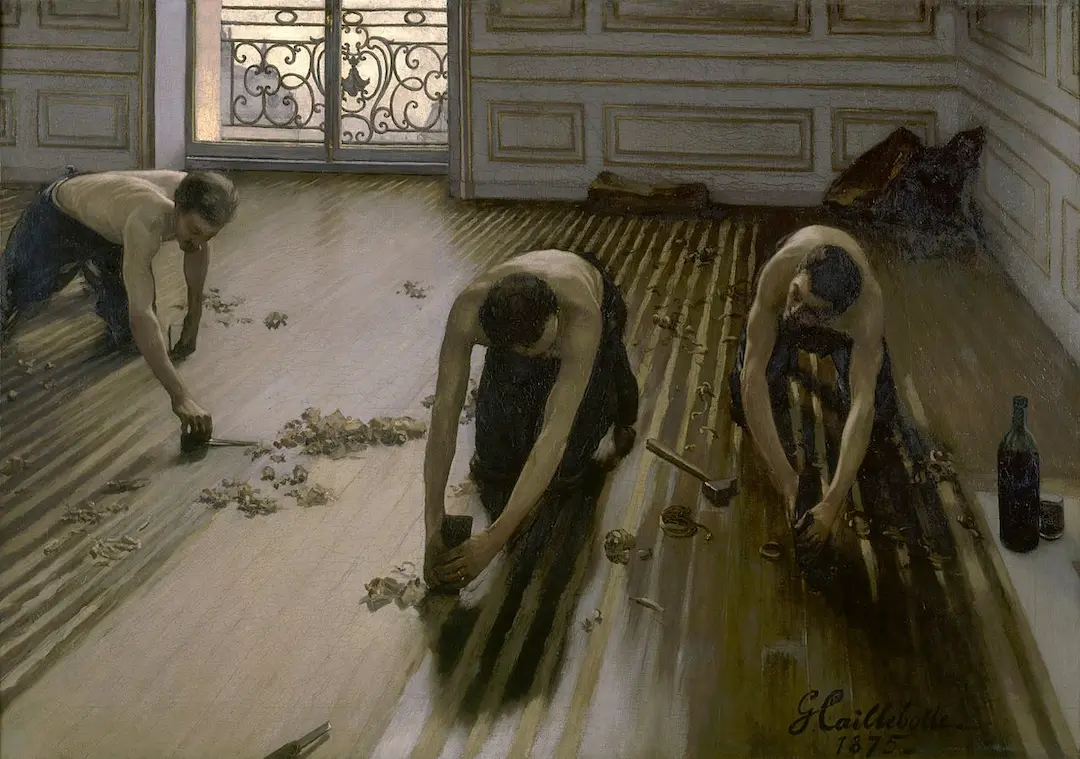
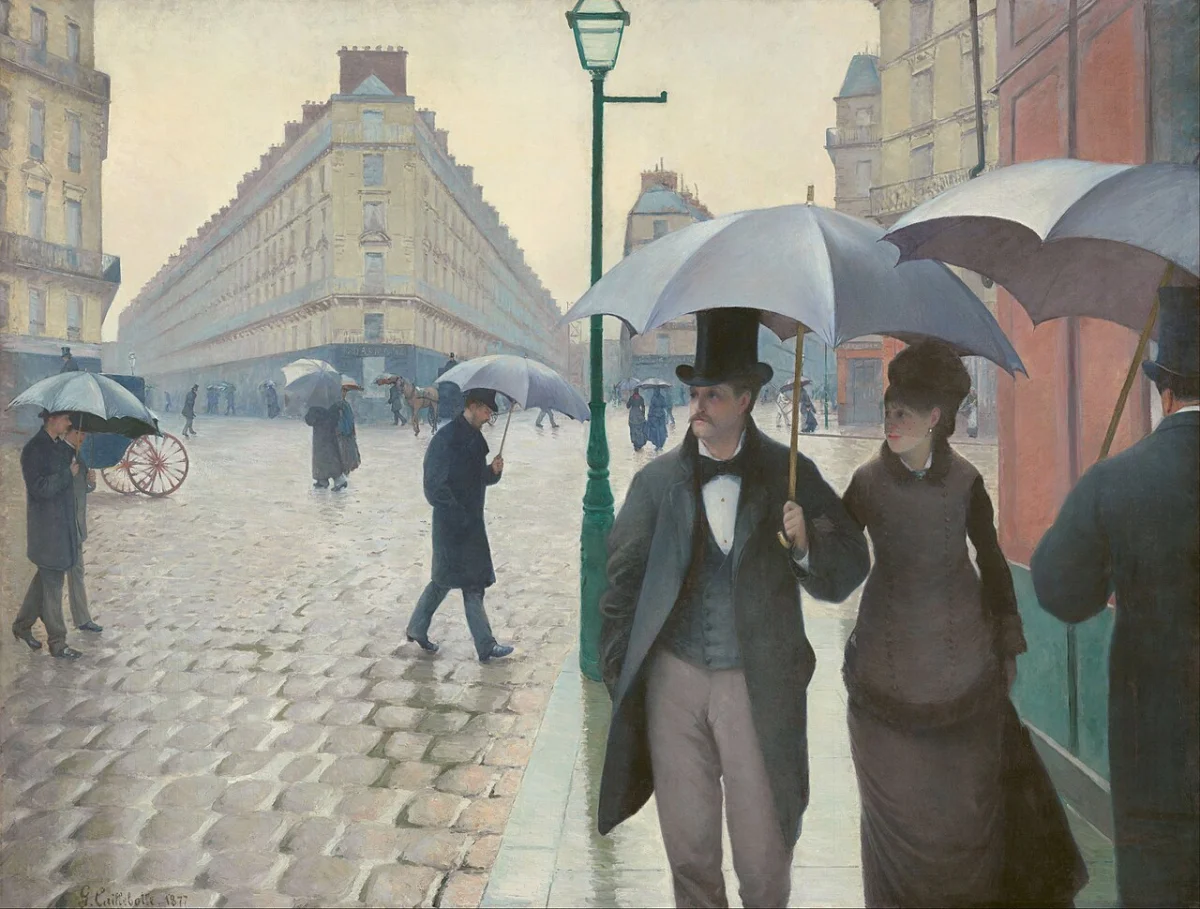
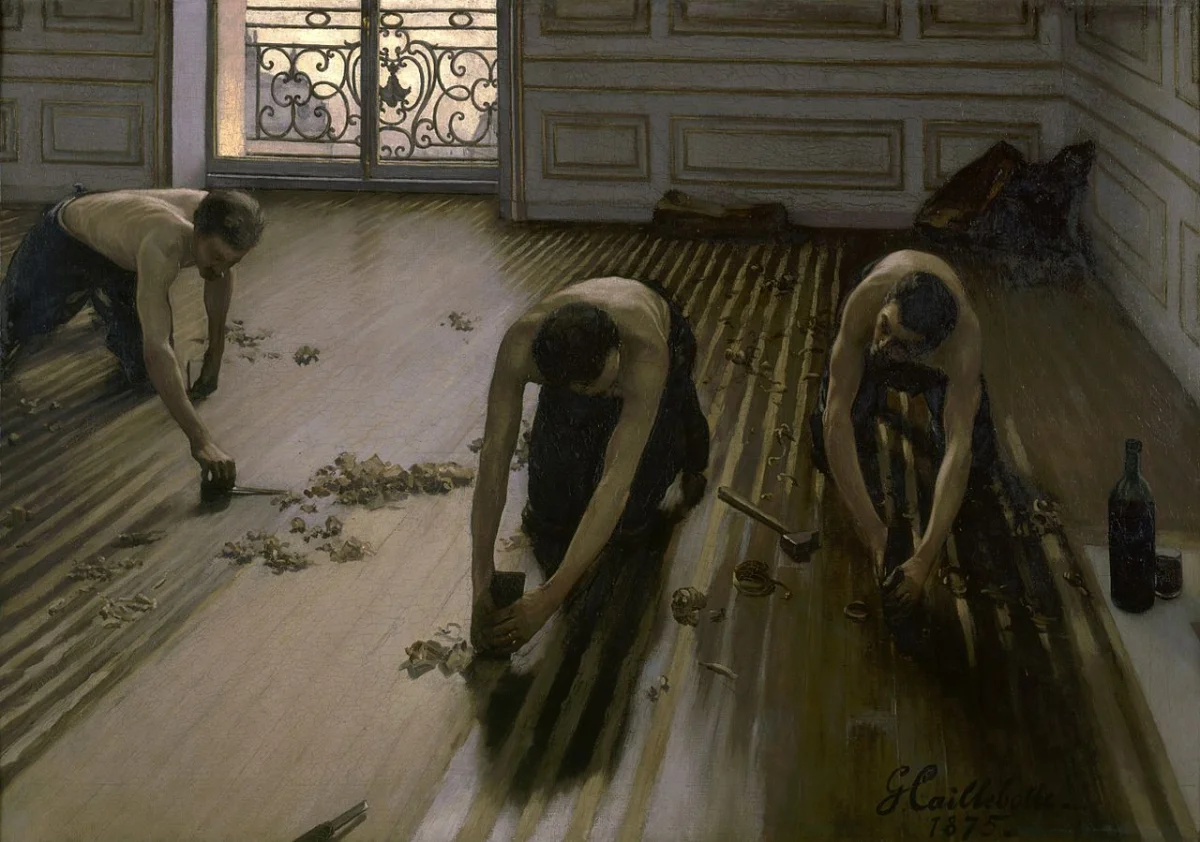
Gustave Caillebotte’s "Les orangers" demonstrates his technical prowess and innovative vision within Impressionism. The oil on canvas medium allows for vibrant colors and delicate textures, making each brushstroke a testament to Caillebotte’s mastery. This approach is similarly evident in his renowned works such as "The Floor Scrapers 1875" and "Paris Street - Rainy Weather 1877," showcasing the artist’s consistent excellence in oil on canvas compositions that continue to inspire modern artists and collectors.
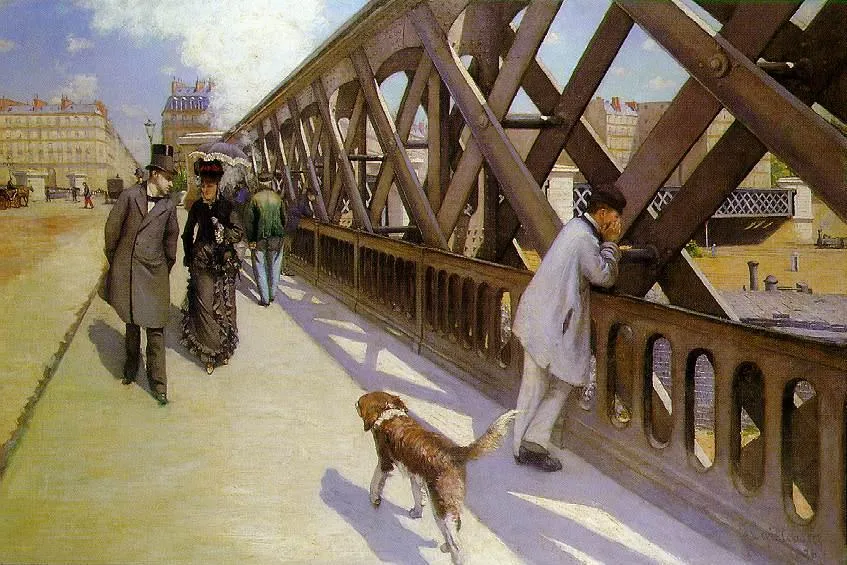
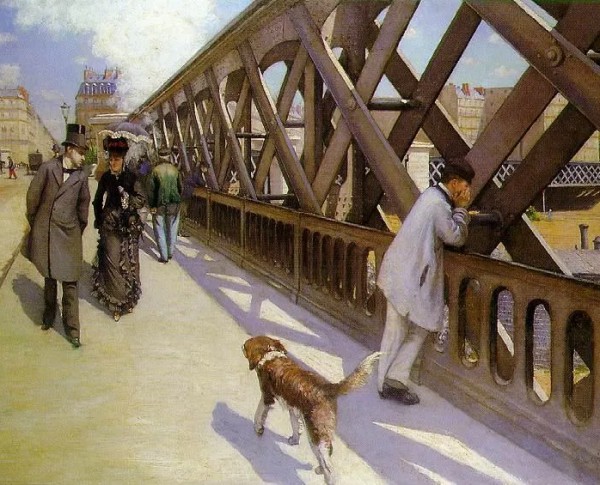
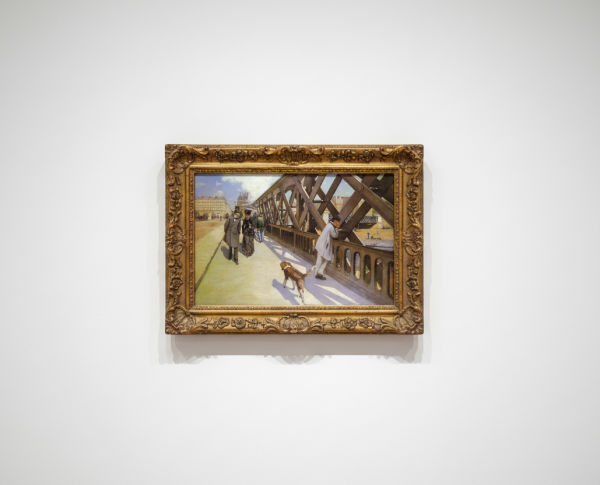
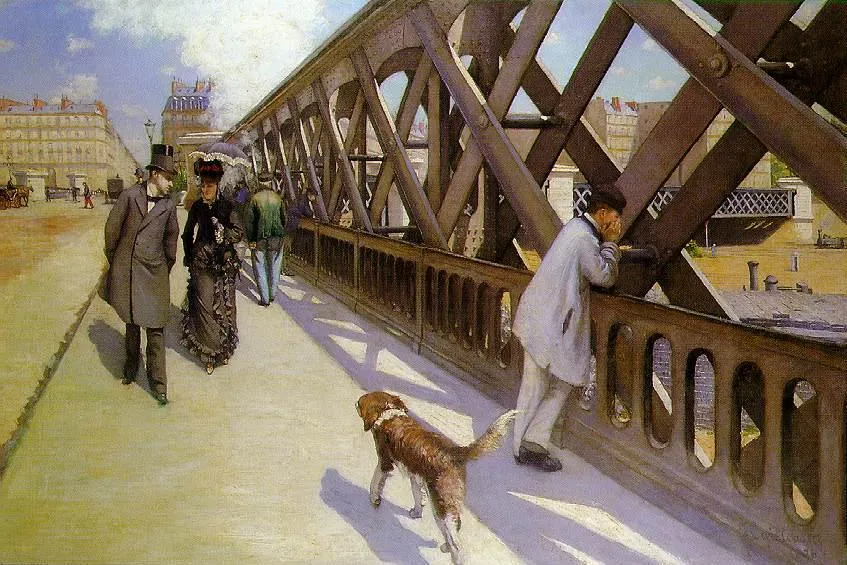
Within "Les orangers," viewers discover subtle narratives and symbolic elements that reflect Caillebotte’s fascination with everyday life. The hand-painted oil painting brings to life the lushness of a garden, symbolizing growth and tranquility. Like his other Impressionist masterpieces, including "Le Pont de l'Europe," Caillebotte’s work encourages reflection on the passage of time. Such themes make these fine art painting for sale especially meaningful for those seeking both beauty and depth in their collections.
For art collectors, owning "Les orangers" by Gustave Caillebotte represents acquiring a piece of Impressionist history. This oil on canvas masterpiece is highly sought after, much like his other celebrated works: "Paris Street; Rainy Day," "The Floor Scrapers 1875," and "Paris Street - Rainy Weather 1877." Each painting not only enhances a collection but also offers a window into the vibrant world of late 19th-century Paris, making every fine art painting for sale a true treasure.
When Art Meets History
"Les orangers" by Gustave Caillebotte stands as a testament to the Impressionism movement, capturing a unique moment in time. Painted during an era of artistic innovation, this hand-painted oil painting reflects both the societal changes and the personal experiences of its creator. Caillebotte, alongside contemporaries like Monet, contributed to a legacy that includes masterpieces such as "Terrace at the Seaside, Sainte-Adresse" and "The Luncheon (Monet's Garden At Argenteuil)."
Techniques That Speak
Caillebotte's mastery of oil on canvas is evident in "Les orangers," where delicate brushwork and vibrant color palettes create a lively atmosphere. The Impressionist technique is visible in the play of light and shadow, reminiscent of works like Monet's "Rouen Cathedral Series." Through these methods, the artist invites viewers to experience the fleeting beauty of a sunlit garden, much like in his other fine art painting for sale, "White slave trade."
Emotions on Display
"Les orangers" evokes a sense of tranquility and contemplative joy, hallmarks of Impressionism. Caillebotte skillfully uses his hand-painted oil painting to convey the serenity of everyday life, drawing parallels to the emotional resonance found in Renoir's "Umbrellas." The scene's gentle ambiance and nuanced light encourage viewers to pause and appreciate the subtle emotions woven into the fabric of the painting.
Coveted by Collectors
As a fine art painting for sale, "Les orangers" is highly sought after by collectors who value the legacy of Gustave Caillebotte and the Impressionist movement. Its connection to other renowned works, such as "Rouen Cathedral Series" and "The Luncheon (Monet's Garden At Argenteuil)," enhances its desirability. The oil on canvas technique ensures the painting's lasting appeal, making it a prized addition to any distinguished collection.
Related Impressionism Hand-Painted Oil Paintings by Other Artists
Other Famous Impressionism Artists:
Frequently Asked Questions About Les orangers
What is the historical context of "Les orangers"?
"Les orangers," painted by Gustave Caillebotte in 1878, reflects the transition in French art during the late 19th century, showcasing the Impressionist movement's influence while maintaining a unique realism characteristic of Caillebotte's style.
What artistic techniques did Caillebotte employ in "Les orangers"?
Caillebotte utilized a combination of precise perspective and vibrant color palettes, employing loose brushwork to convey light and atmosphere, which are hallmarks of Impressionism.
What themes are explored in "Les orangers"?
The painting explores themes of nature, domesticity, and the harmony between human life and the environment, emphasizing the beauty of everyday moments through the depiction of an orange grove.
How does "Les orangers" reflect Caillebotte's artistic philosophy?
Caillebotte believed in capturing modern life and its fleeting moments. "Les orangers" exemplifies this philosophy by portraying a serene yet vibrant scene that invites viewers to appreciate the subtleties of nature.
What is the significance of the oranges in the painting?
The oranges symbolize abundance and the richness of life, serving as a metaphor for the pleasures of nature and the simple joys that can be found in everyday experiences.
In what ways does "Les orangers" differ from traditional landscape paintings?
Unlike traditional landscapes that often idealize nature, "Les orangers" presents a more intimate and personal view, focusing on a specific moment in time and the interplay of light, shadow, and color.
What role does perspective play in "Les orangers"?
The use of perspective in "Les orangers" creates depth and invites the viewer into the scene, enhancing the immersive quality of the painting and allowing for a more engaging experience.
How did Caillebotte's background influence "Les orangers"?
Coming from a wealthy family, Caillebotte had the opportunity to travel and study art extensively, which influenced his approach to capturing both the beauty of nature and the nuances of urban life in his work.
What impact did "Les orangers" have on the Impressionist movement?
"Les orangers" contributed to the Impressionist movement by showcasing a blend of realism and impressionistic techniques, influencing contemporaries to explore similar themes of modernity and nature in their works.
Where can I view "Les orangers" today?
"Les orangers" is part of the collection at the Musée d'Orsay in Paris, where it continues to be appreciated for its artistic and historical significance within the Impressionist canon.






















_GFM_Painting_(1).webp)


 100% Hand-Painted: Finished in 3-6 Weeks

.png)
















_(1).webp)