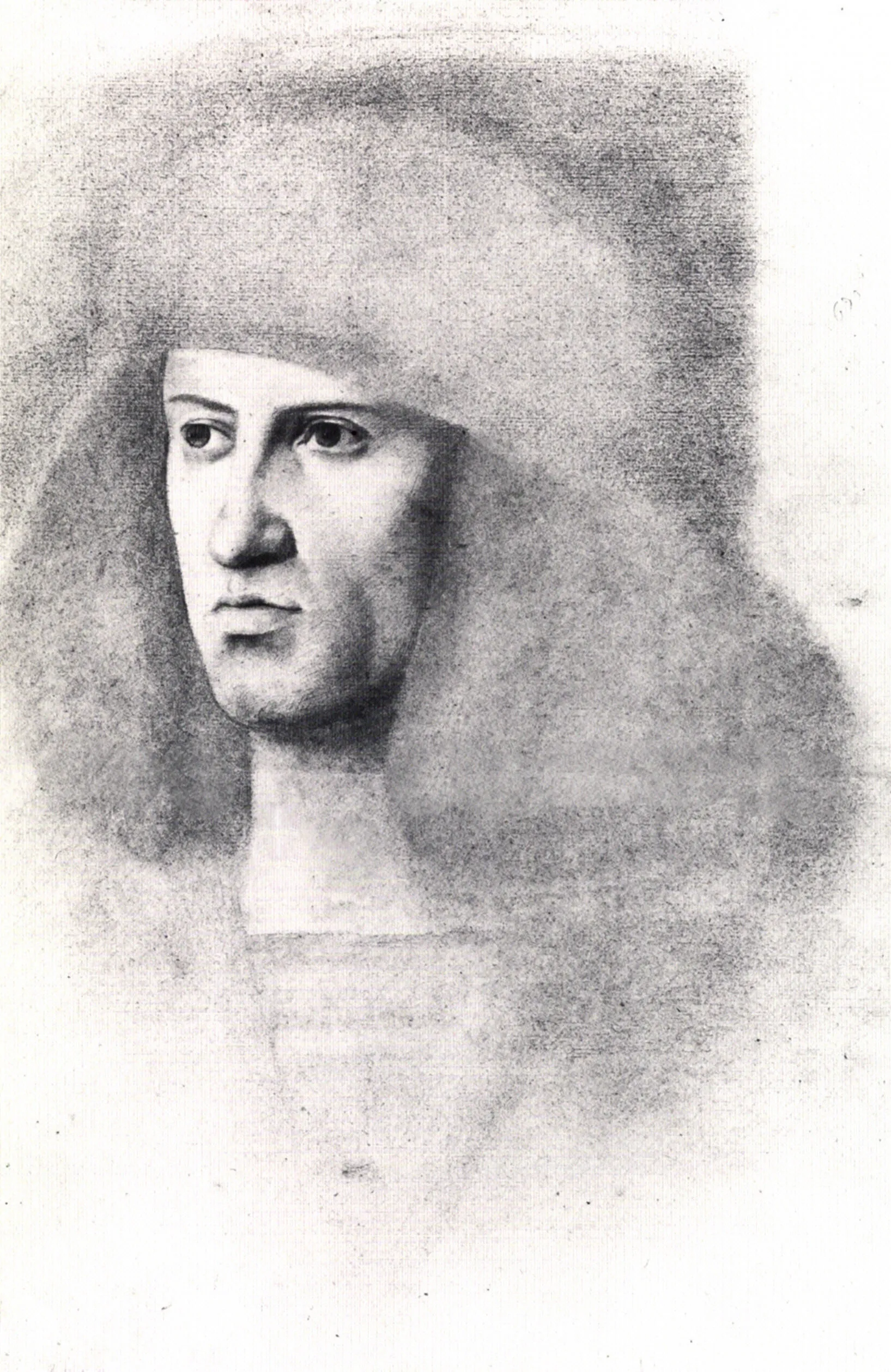
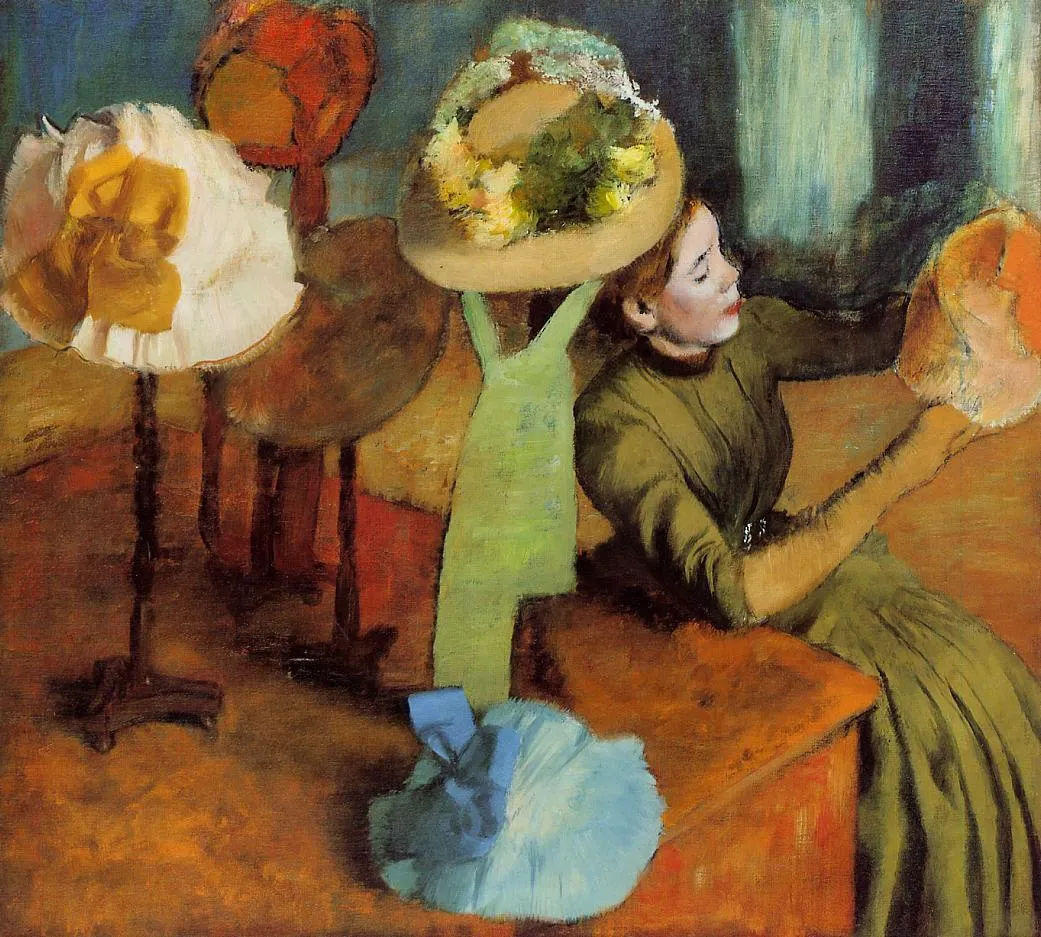
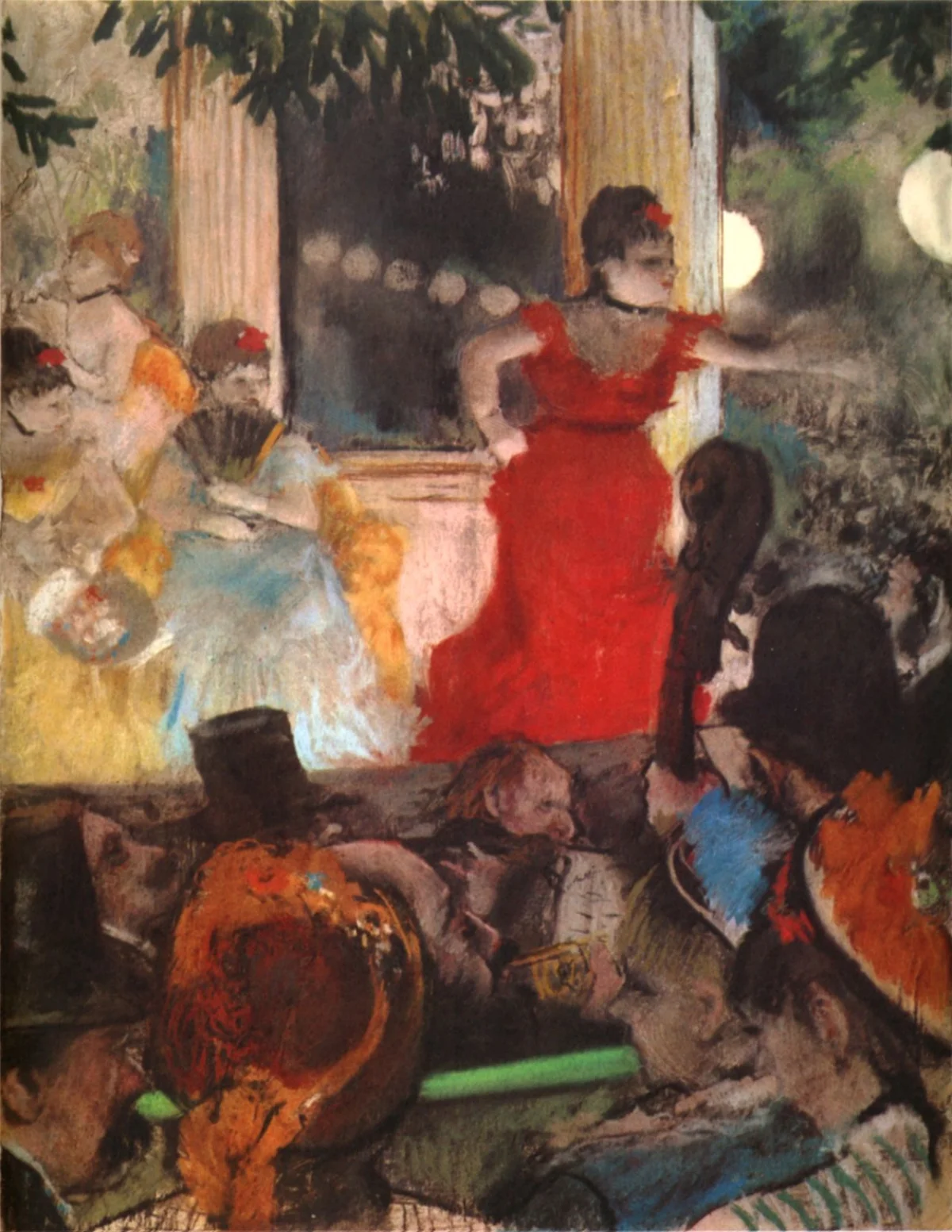
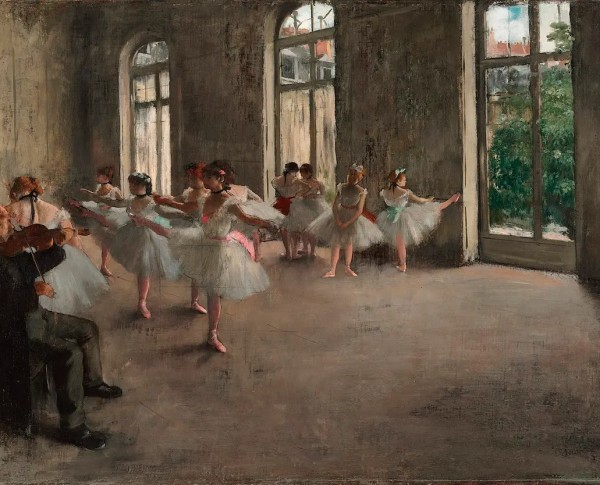
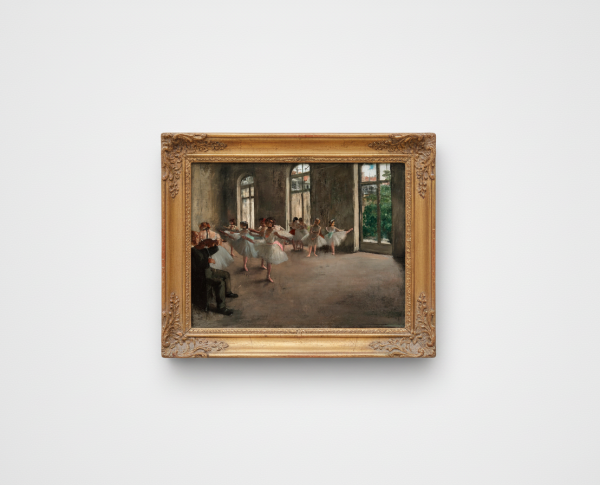
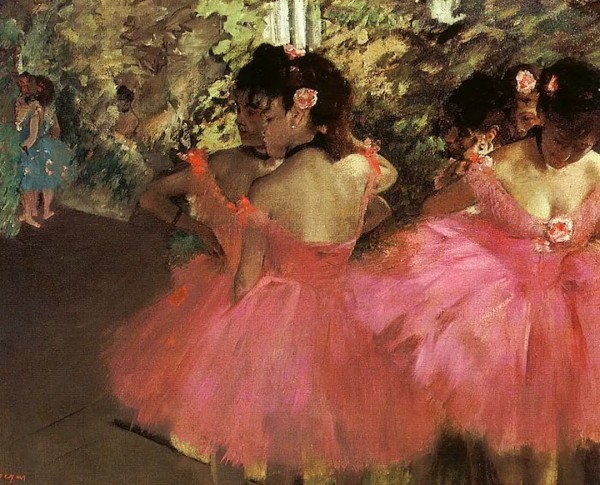
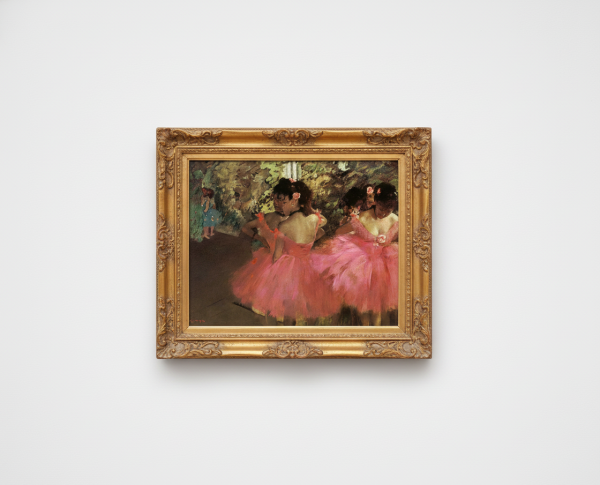
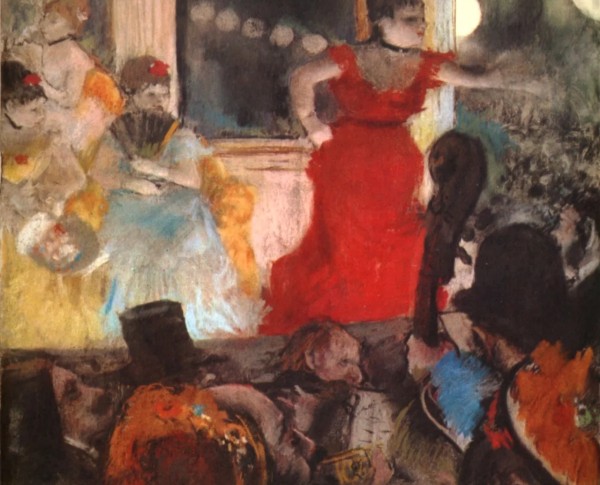
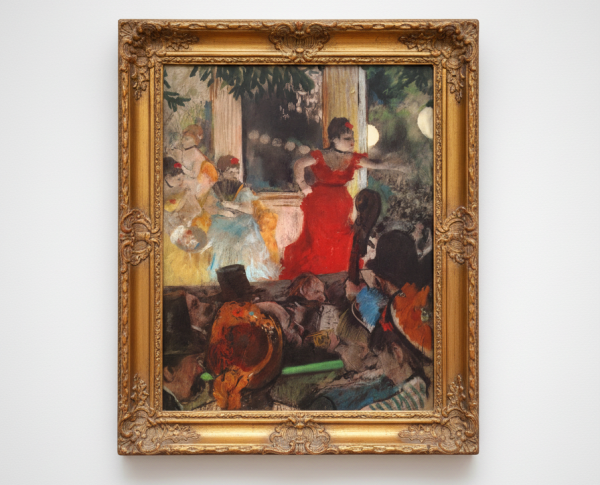
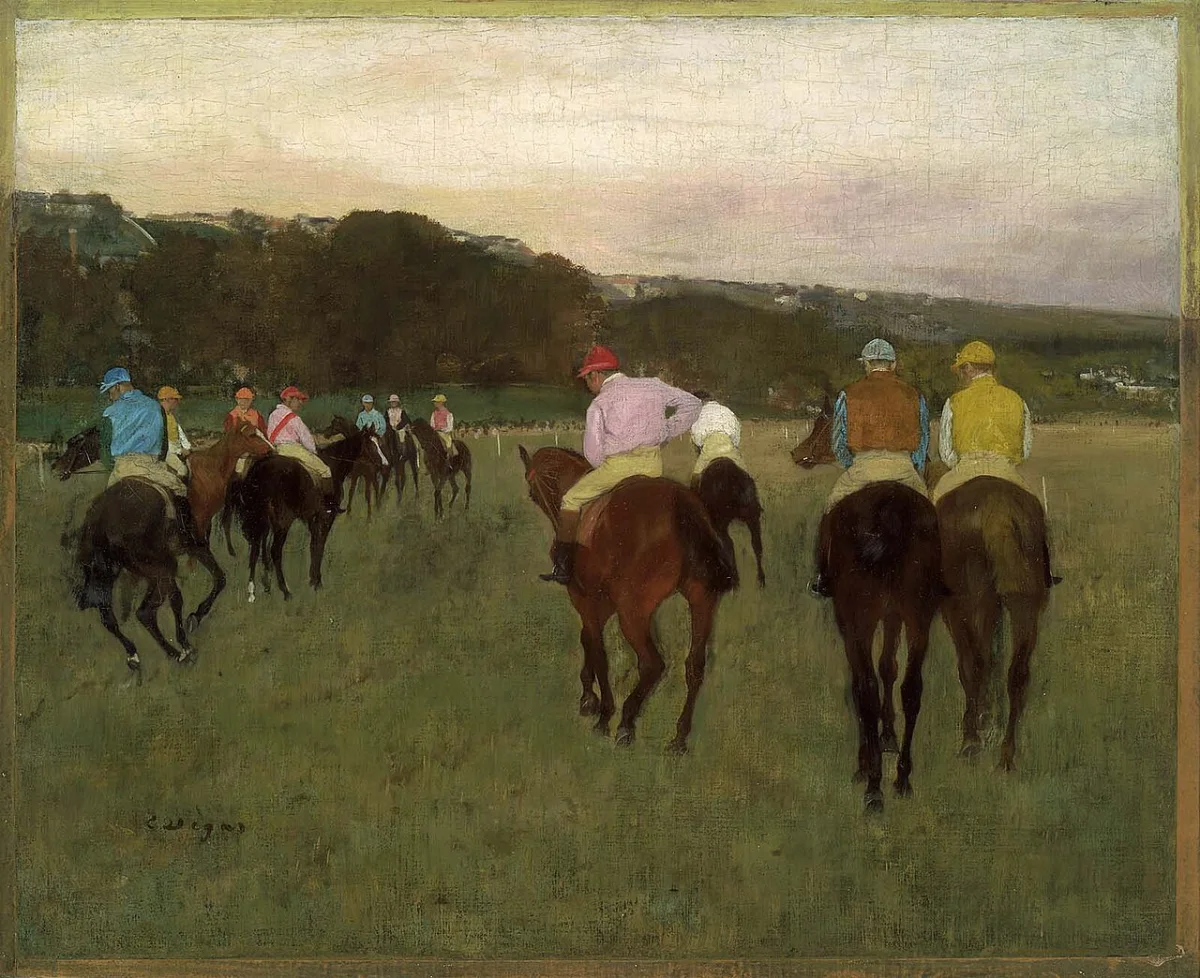
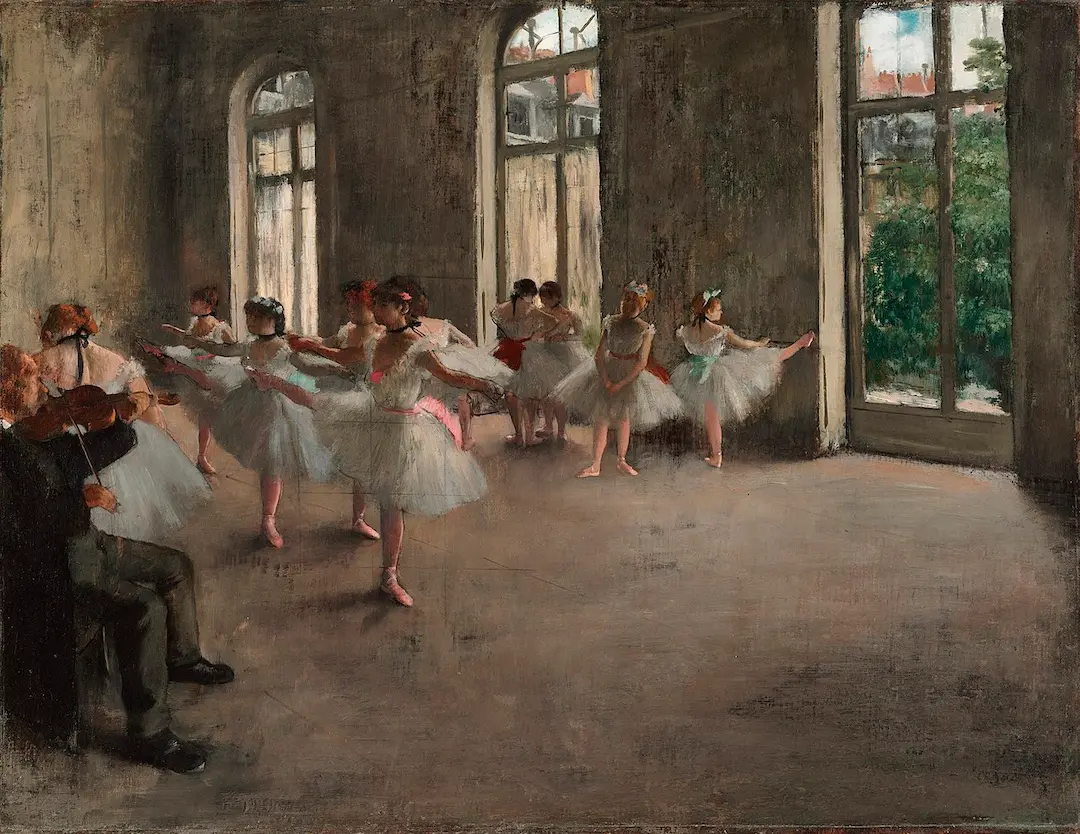
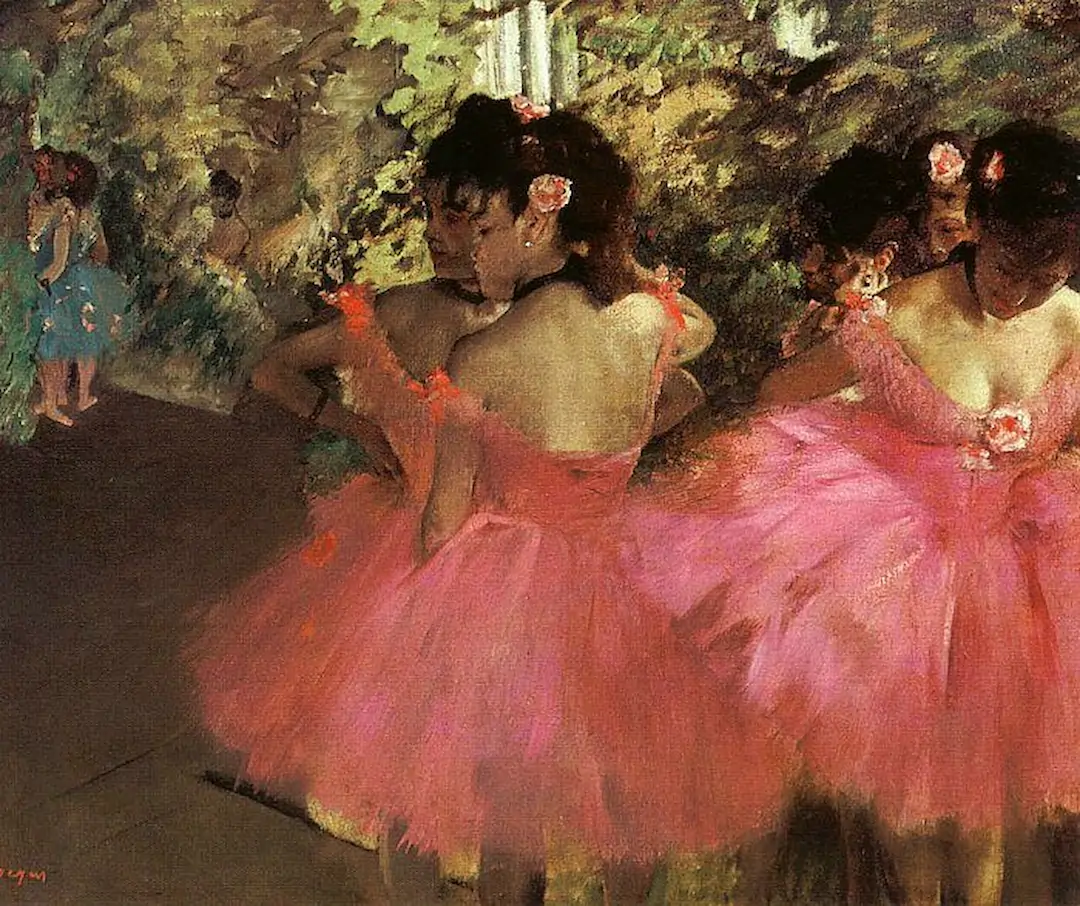
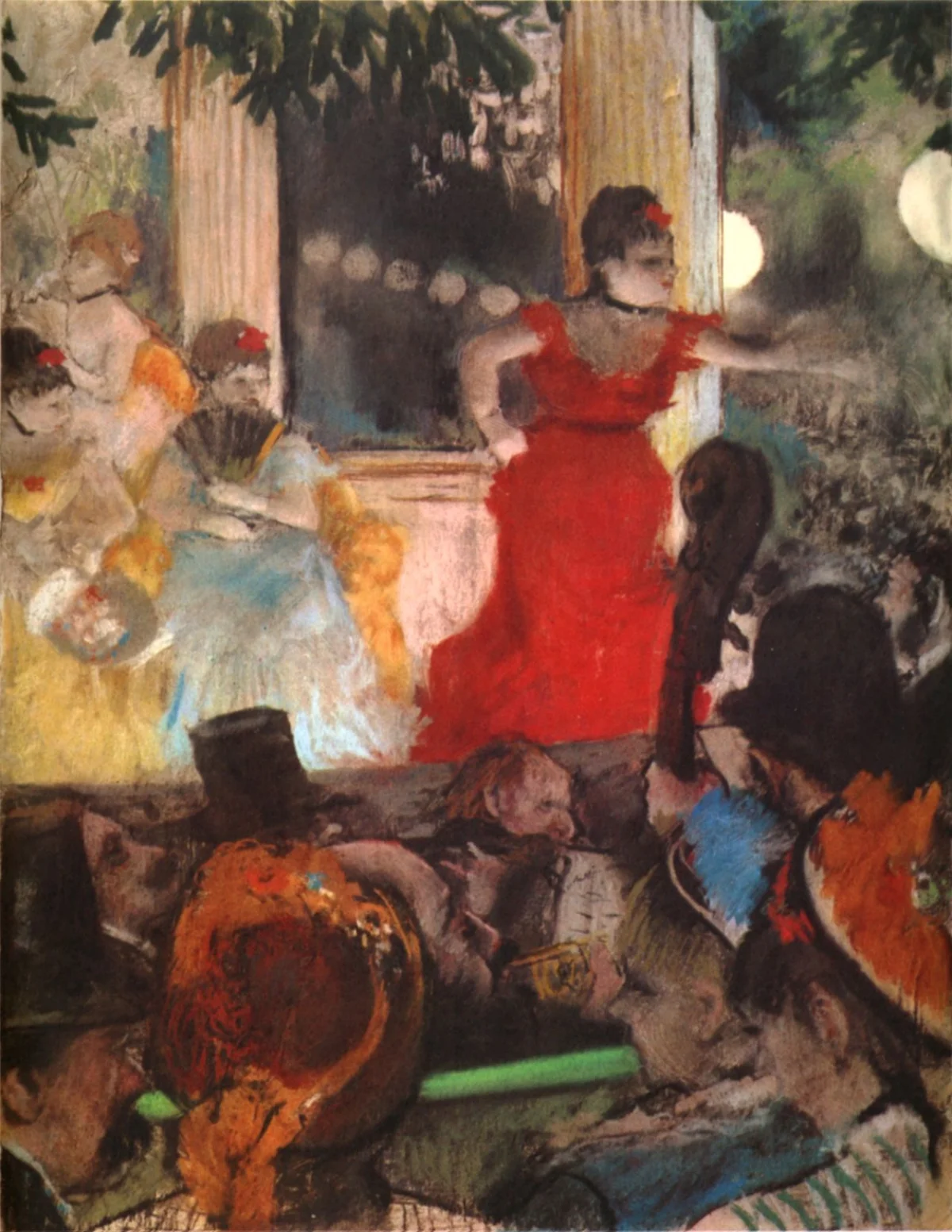
Edgar Degas’s "Racehorses at Longchamp" showcases his extraordinary skill with oil on canvas. Each brushstroke conveys the dynamic motion of the horses and riders, a hallmark of Impressionism. Degas’s attention to detail is also evident in related works such as "Le Café-concert aux ambassadeurs" and "Ballet Rehearsal, 1873." Collectors and art enthusiasts appreciate how Degas’s technique elevates the ordinary to the extraordinary, capturing fleeting moments with remarkable artistry.
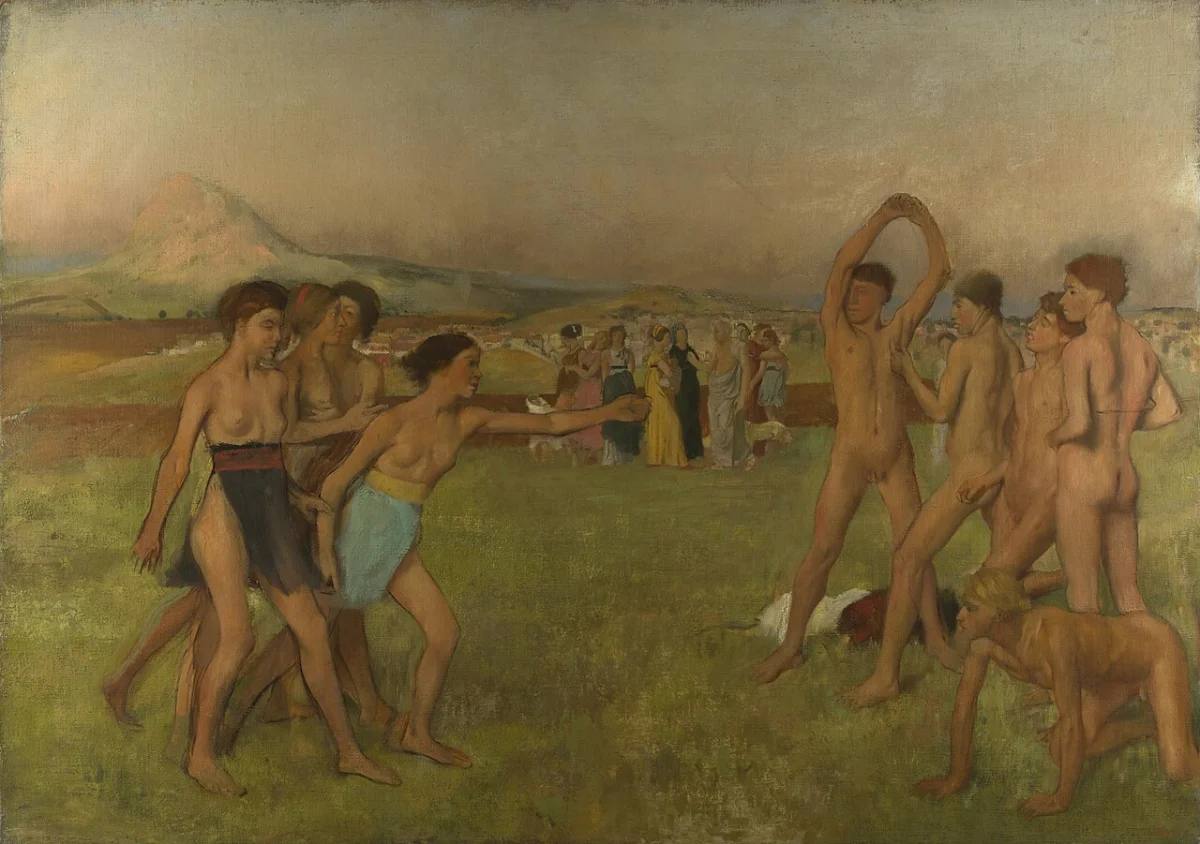
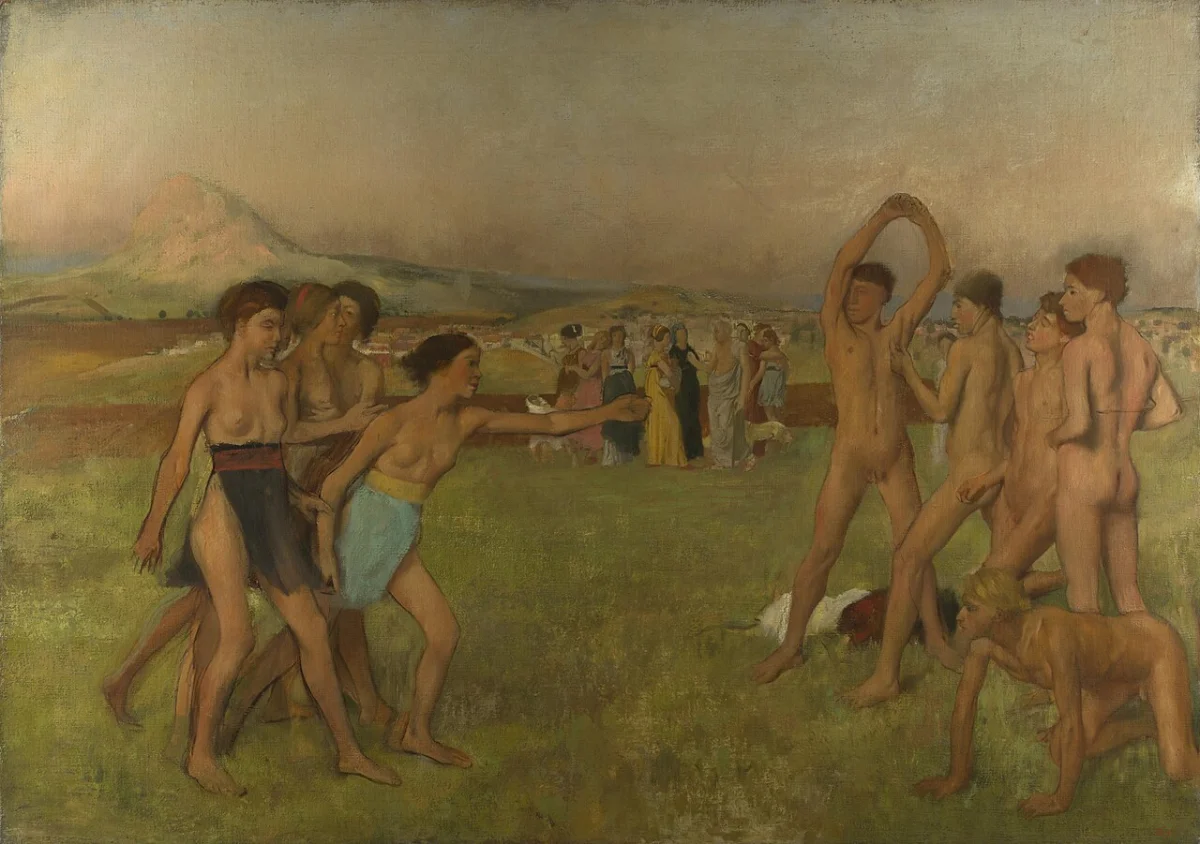
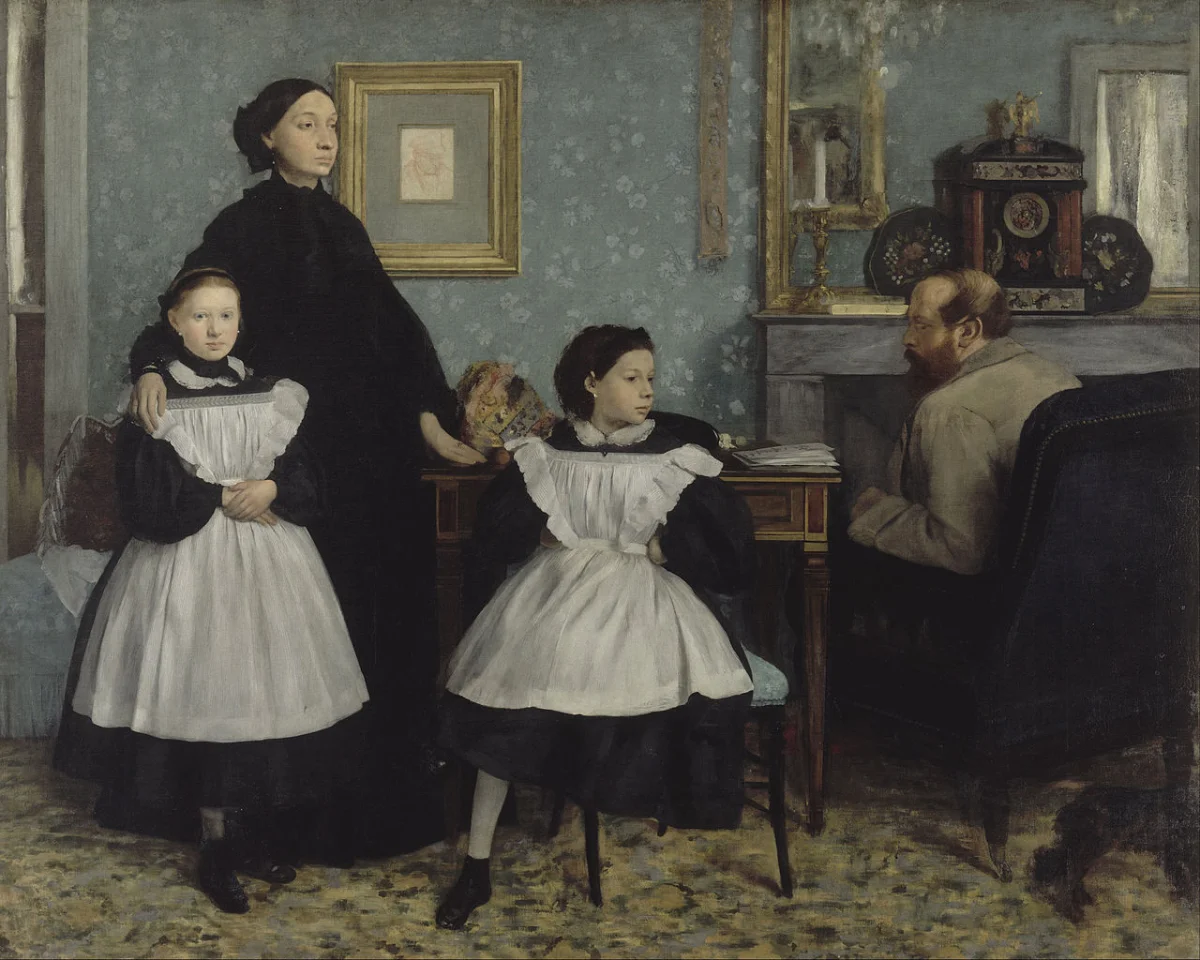
Within "Racehorses at Longchamp," viewers find layers of meaning and social commentary. This fine art painting for sale not only depicts a popular Parisian pastime but also explores themes of competition and modernity. Degas’s fascination with movement, evident in "Young Spartans Exercising" and "The Bellelli Family," is reflected here as well. The painting’s composition and lively palette invite viewers to experience the thrill and spectacle of 19th-century horse racing.
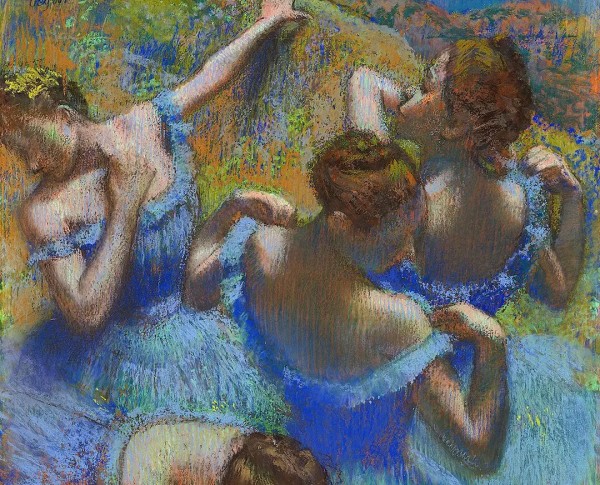
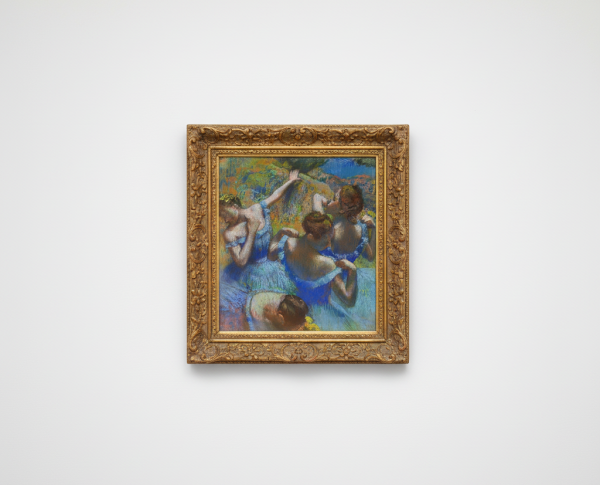
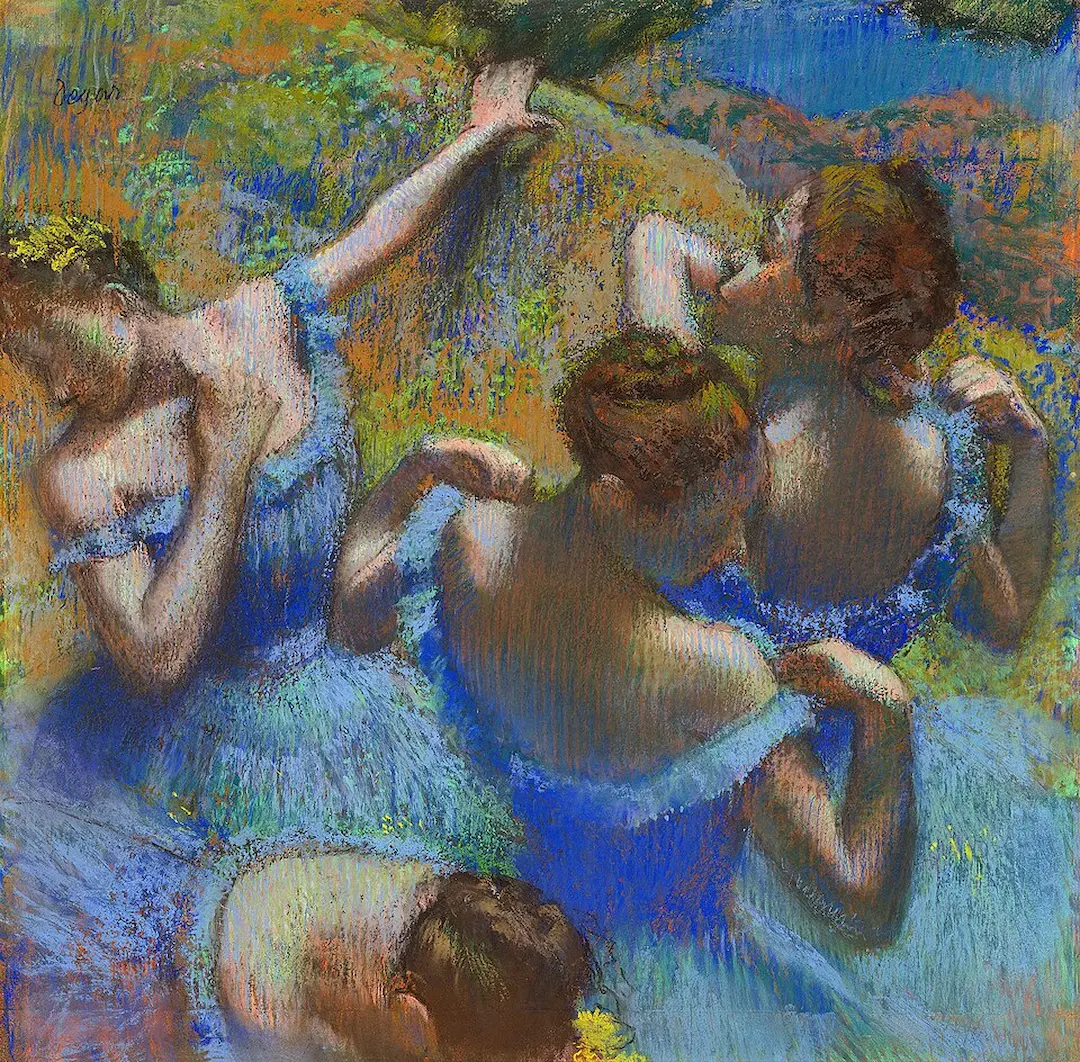
For those seeking a distinguished piece of Impressionist art, "Racehorses at Longchamp" by Edgar Degas is a prized acquisition. Its hand-painted oil painting technique and historical significance make it highly desirable among collectors. As with Degas’s other masterpieces, such as "Ballet Rehearsal, 1873" and "Blue Dancers, c.1899," this work represents the pinnacle of Impressionist creativity and is a fine art painting for sale that enriches any collection.
When Art Meets History
Edgar Degas, a master of the Impressionism movement, created the iconic "Racehorses at Longchamp" during a time when Parisian society was captivated by equestrian sports. This hand-painted oil painting captures a pivotal moment in art history, reflecting both the energy of the racetrack and the innovative techniques of the era. Like related paintings such as "The Cliff Walk at Pourville" and "Haystacks," Degas’s work bridges the worlds of tradition and modernity through vibrant, expressive scenes.
Techniques That Speak
Degas utilized oil on canvas to bring "Racehorses at Longchamp" to life, employing swift brushstrokes and a keen eye for movement. The Impressionist approach is evident in the loose, dynamic rendering of horses and jockeys, echoing the spontaneity found in "Children in the Sea, 1909" and "The Fisherman." This technique not only defines the painting’s aesthetic but also sets it apart as a remarkable example of oil on canvas mastery within the Impressionism movement.
Emotions on Display
"Racehorses at Longchamp" radiates the excitement and anticipation of a race day, with Degas expertly capturing the tension and energy of the moment. The emotional depth of this fine art painting for sale is reminiscent of the camaraderie seen in "Luncheon Of The Boating Party." Through expressive color and light, Degas invites viewers to experience the thrill and atmosphere of Longchamp, embodying the spirit of Impressionist painting at its finest.
Coveted by Collectors
This hand-painted oil painting by Edgar Degas remains highly sought after by collectors and art enthusiasts alike. As with related works from the Impressionism period, "Racehorses at Longchamp" represents a unique blend of artistic innovation and historical significance. Collectors value this masterpiece alongside notable paintings such as "Haystacks" and "The Fisherman," making it a prized addition to any fine art collection, especially for those seeking fine art painting for sale from the Impressionist era.
Related Impressionism Hand-Painted Oil Paintings by Other Artists
Other Famous Impressionism Artists:
Frequently Asked Questions About Racehorses at Longchamp
What is the historical context of "Racehorses at Longchamp"?
"Racehorses at Longchamp" was painted in the late 19th century, a period marked by the rise of Impressionism. This artwork reflects the social and cultural significance of horse racing in Parisian society during that time.
Who was Edgar Degas and what was his role in the Impressionist movement?
Edgar Degas was a prominent French artist known for his contributions to the Impressionist movement. He is celebrated for his innovative compositions and mastery of capturing movement, particularly in scenes of ballet and horse racing.
What techniques did Degas use in "Racehorses at Longchamp"?
Degas employed a variety of techniques, including loose brushwork and a unique perspective that captures the dynamism of the race. His use of color and light enhances the vibrancy of the scene, typical of his Impressionist style.
What is the significance of the subject matter in this painting?
The depiction of horse racing symbolizes the excitement and social status associated with the sport in 19th-century France. It also reflects Degas's fascination with movement and the human experience, particularly in relation to animals.
How does "Racehorses at Longchamp" exemplify Impressionist principles?
The painting exemplifies Impressionist principles through its focus on capturing a moment in time, the use of vibrant colors, and the emphasis on light and atmosphere over precise detail. Degas's approach to composition also reflects the spontaneity characteristic of Impressionism.
What role does color play in "Racehorses at Longchamp"?
Color plays a crucial role in conveying the energy and excitement of the race. Degas uses a palette of bold and contrasting colors to create a sense of movement and to highlight the vibrancy of the scene.
What are the key themes explored in "Racehorses at Longchamp"?
The key themes include the thrill of competition, the relationship between humans and animals, and the social dynamics of Parisian society. The painting captures both the elegance and the raw energy of the horse racing experience.
How does the composition of the painting affect its interpretation?
The composition, with its dynamic angles and overlapping figures, creates a sense of immediacy and chaos, reflecting the fast-paced nature of horse racing. This arrangement invites viewers to engage with the action and experience the thrill of the event.
In what ways has "Racehorses at Longchamp" influenced modern art?
The painting has influenced modern art by showcasing the importance of movement and spontaneity in capturing everyday life. Degas's innovative approach to composition and perspective has inspired countless artists in various genres.
What can we learn about 19th-century Parisian culture from this painting?
This painting offers insights into the leisure activities of the upper class in 19th-century Paris, highlighting the social significance of horse racing as a popular pastime. It also reflects broader themes of modernity and the changing dynamics of urban life during that era.






















_GFM_Painting_(1).webp)


 100% Hand-Painted: Finished in 3-6 Weeks

.png)















_(1).webp)