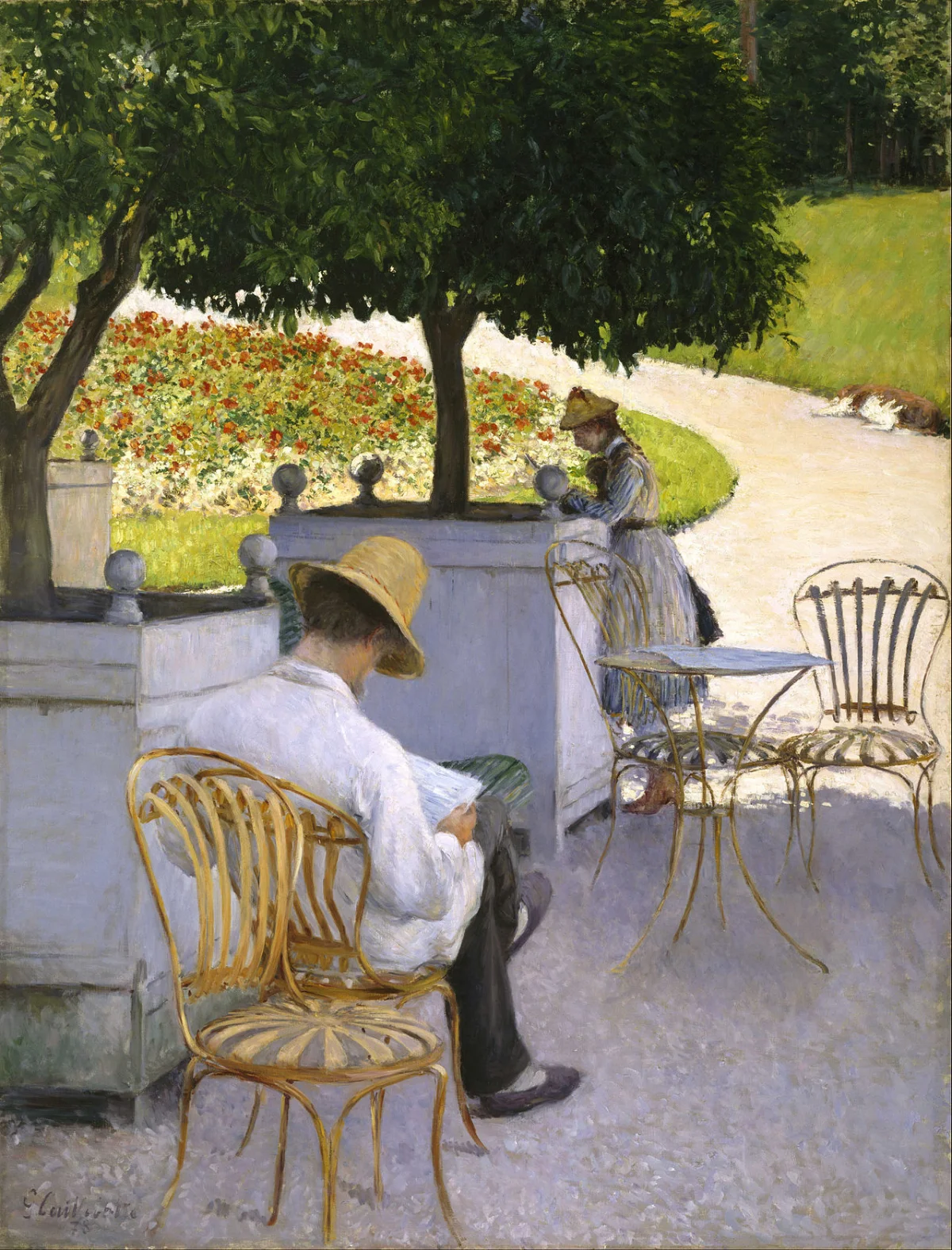
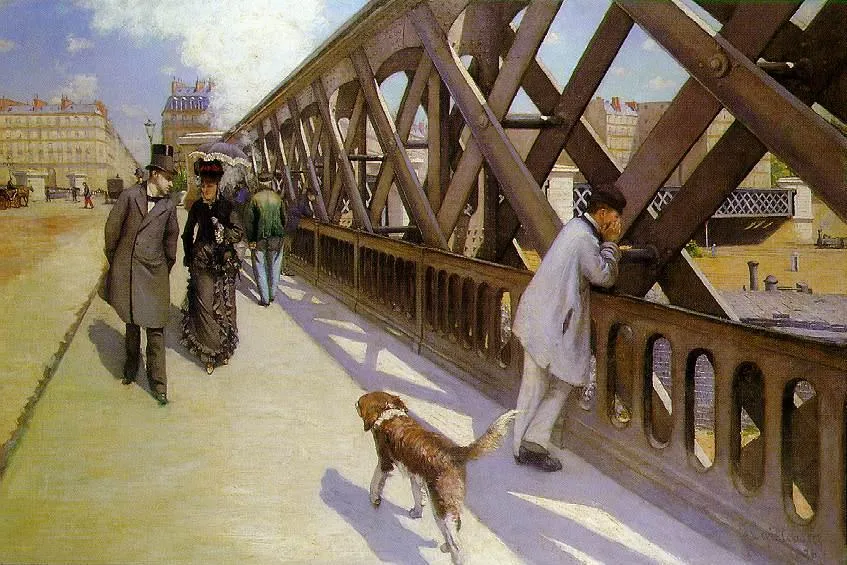
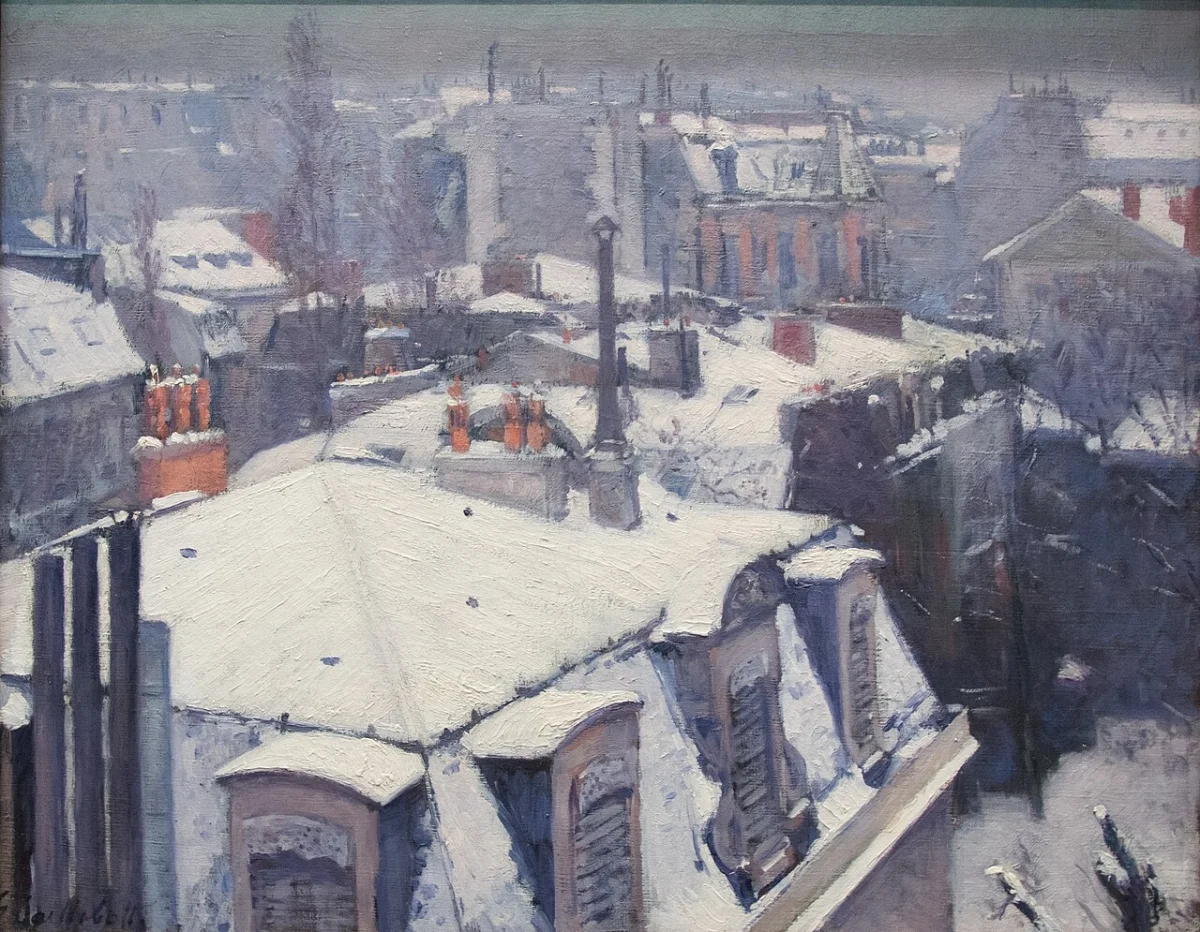
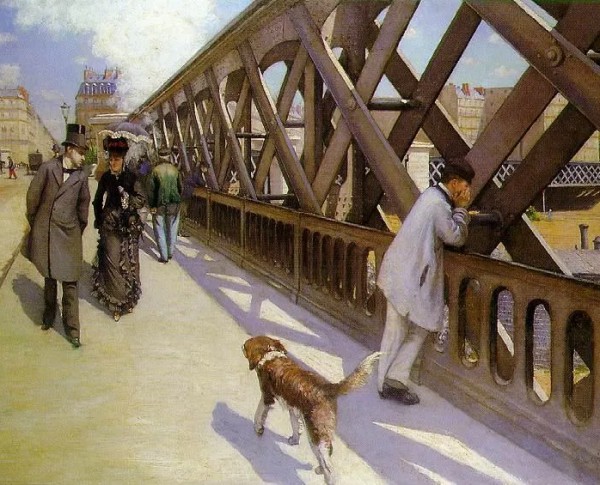
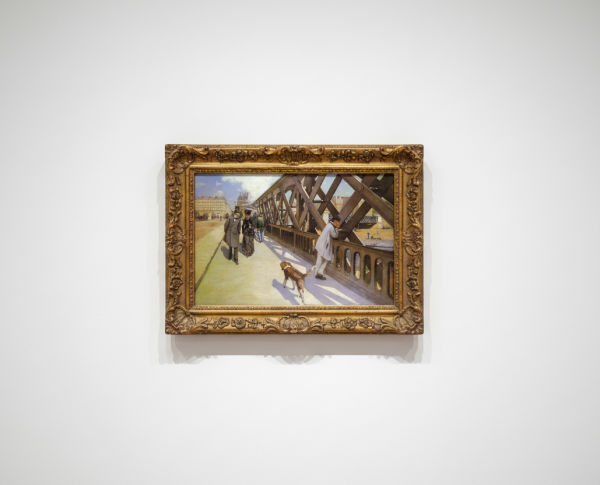
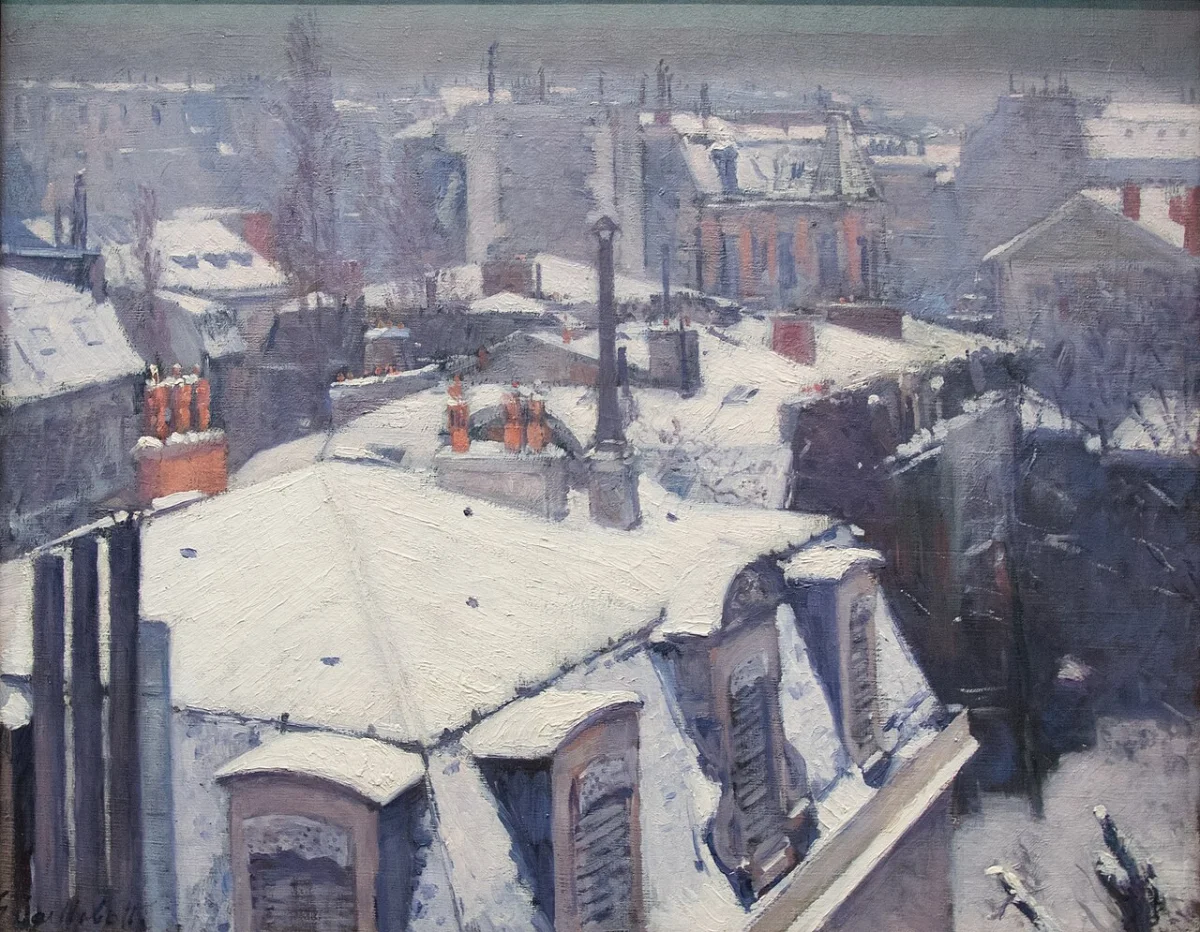
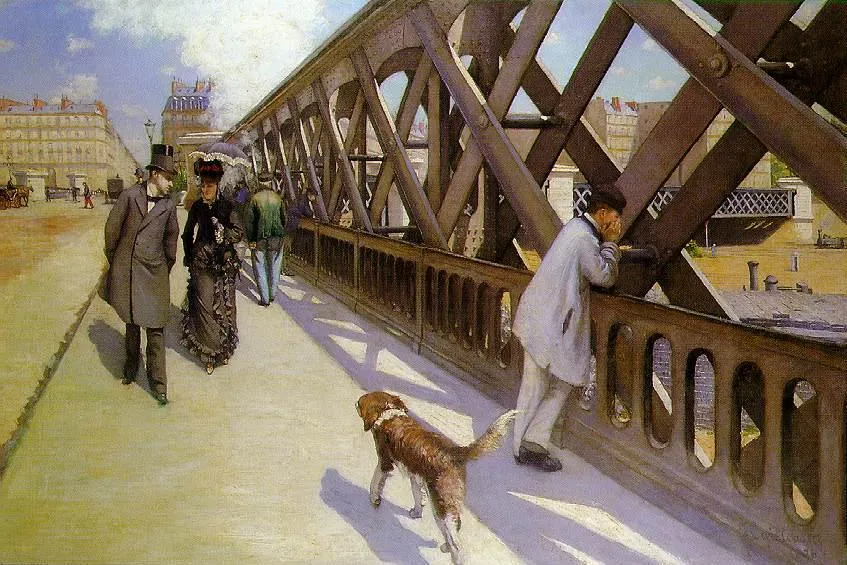
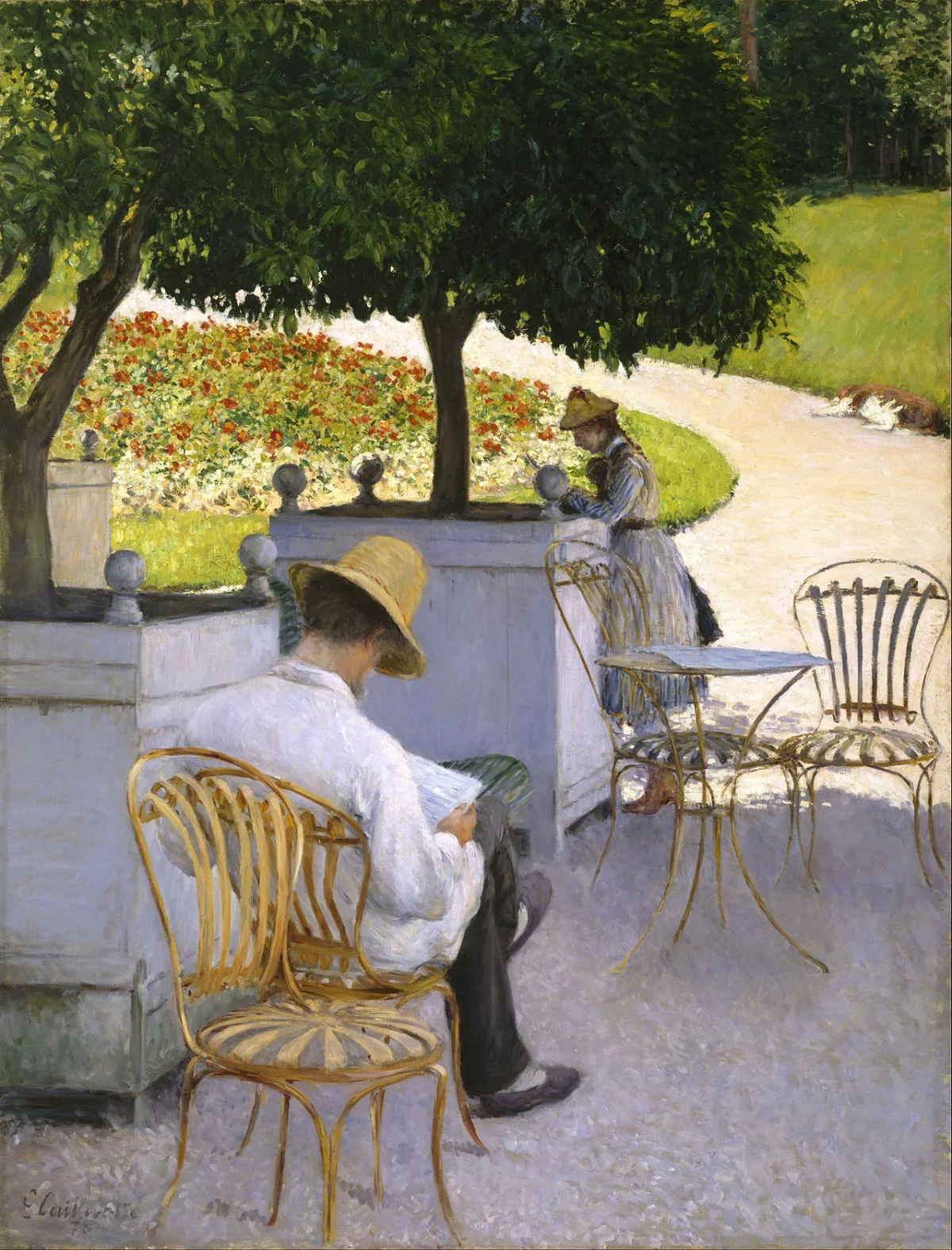
Gustave Caillebotte’s "Vue de toits" demonstrates his exceptional skill with oil on canvas, blending detailed architectural forms with impressionistic brushwork. The painting’s dynamic composition and subtle color palette evoke the atmosphere of Paris rooftops under shifting light. As seen in related works like "Le Pont de l'Europe" and "Les orangers," Caillebotte’s technique brings urban scenes to life, making each oil on canvas piece a testament to his mastery within the Impressionism movement.
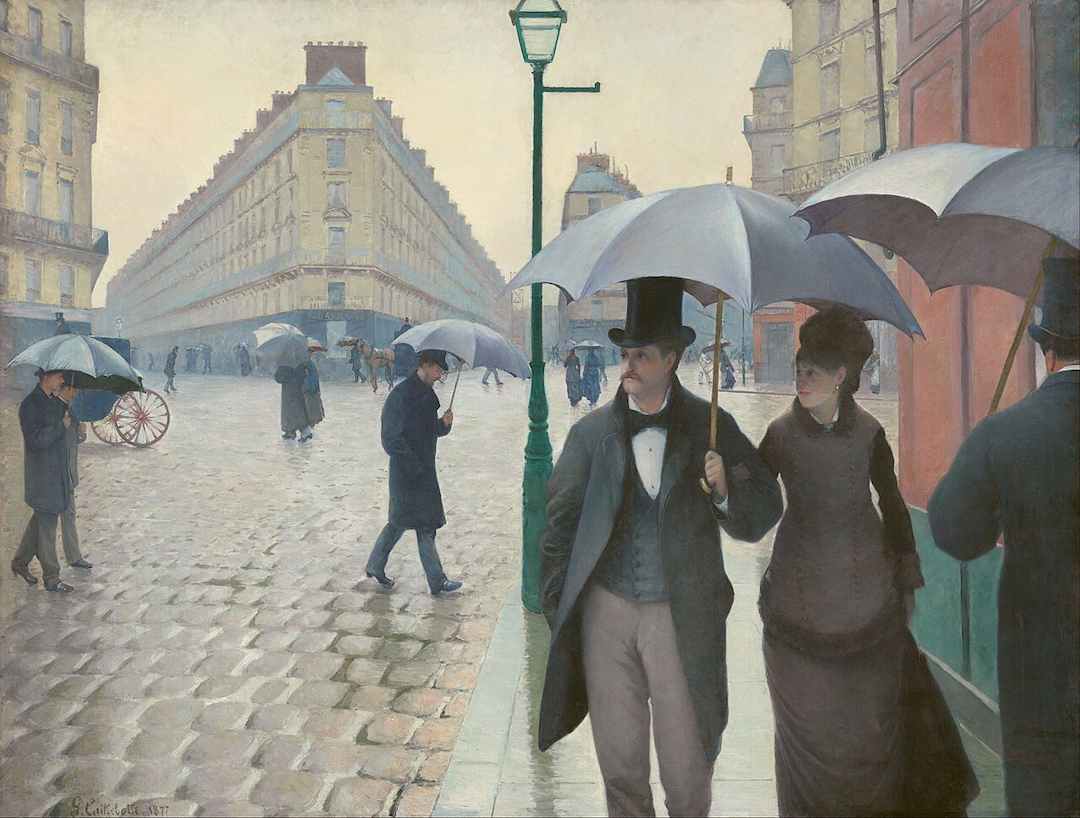
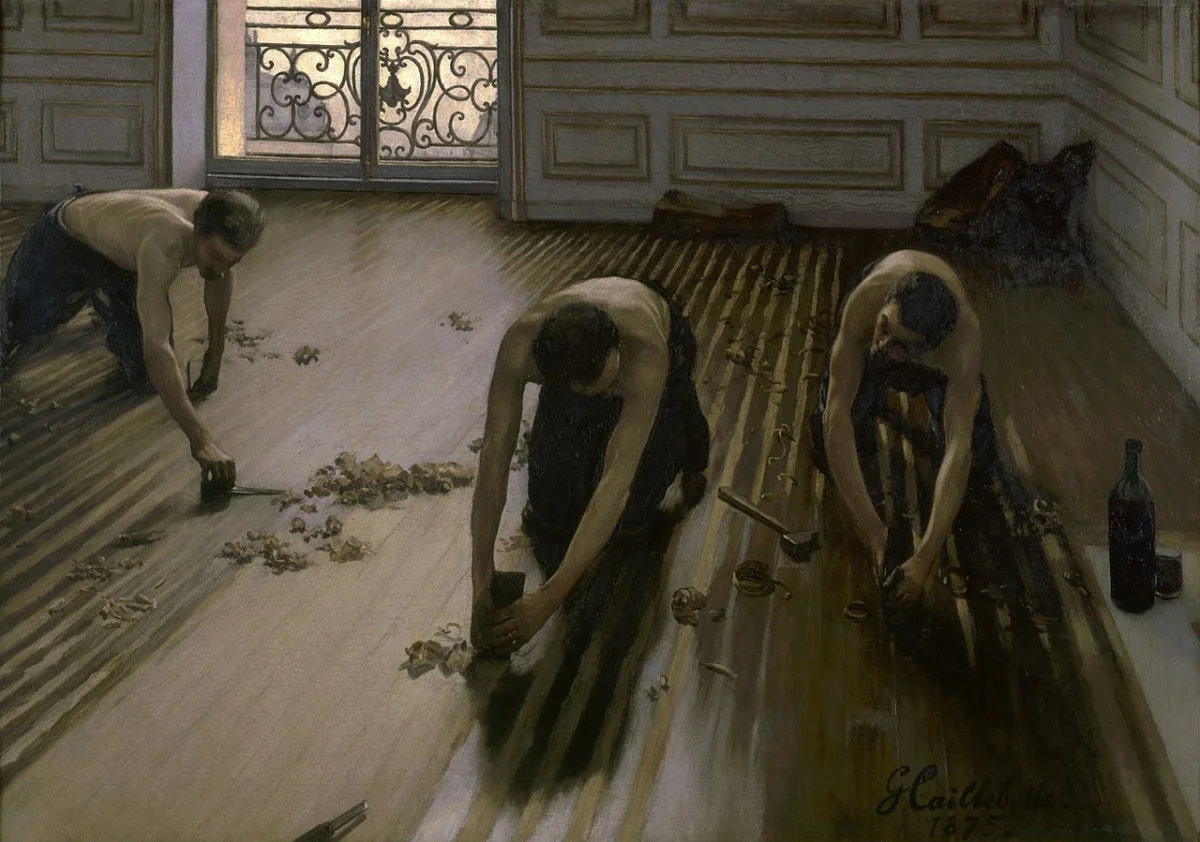
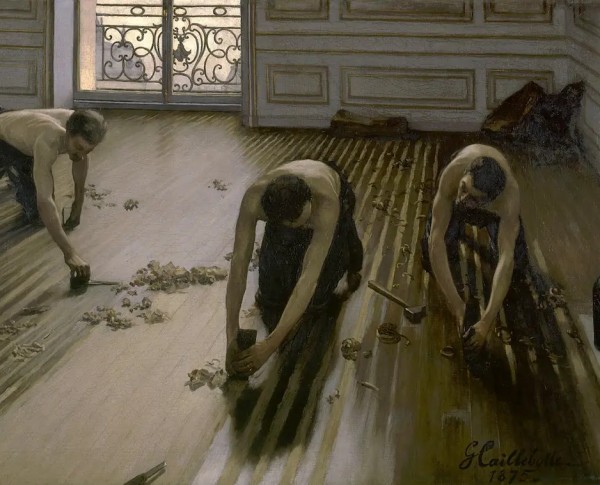
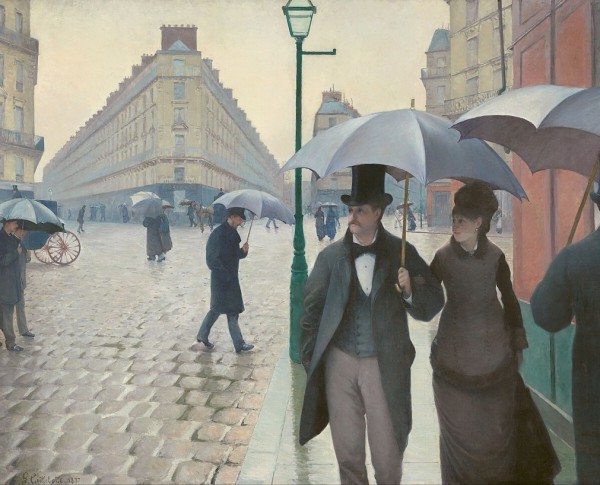
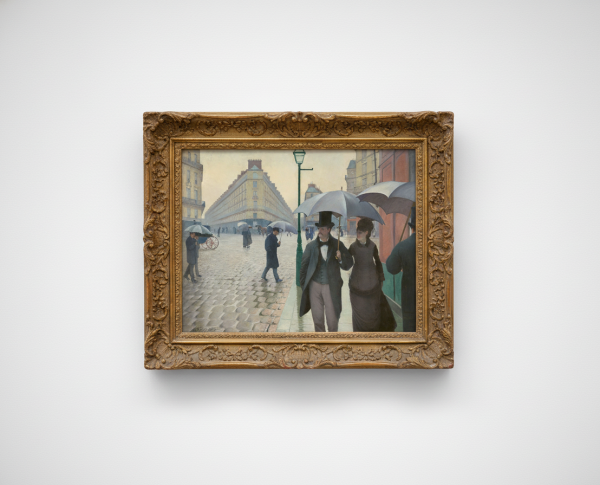
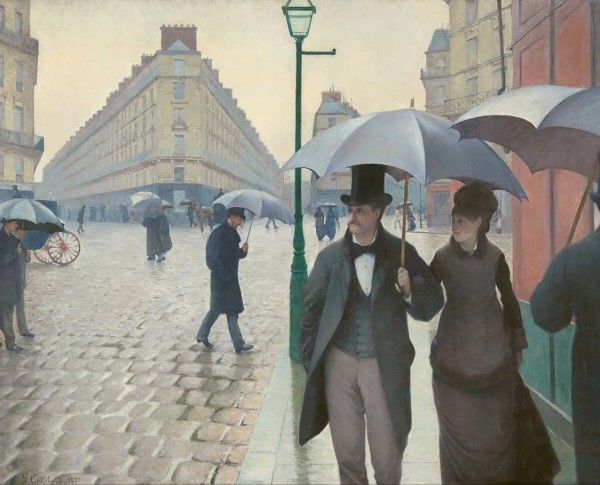
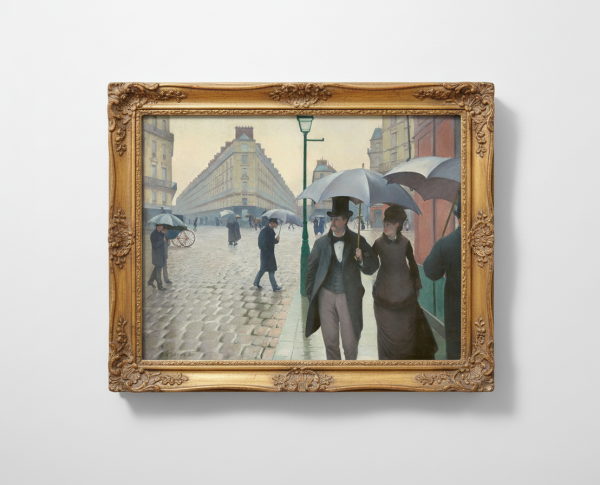
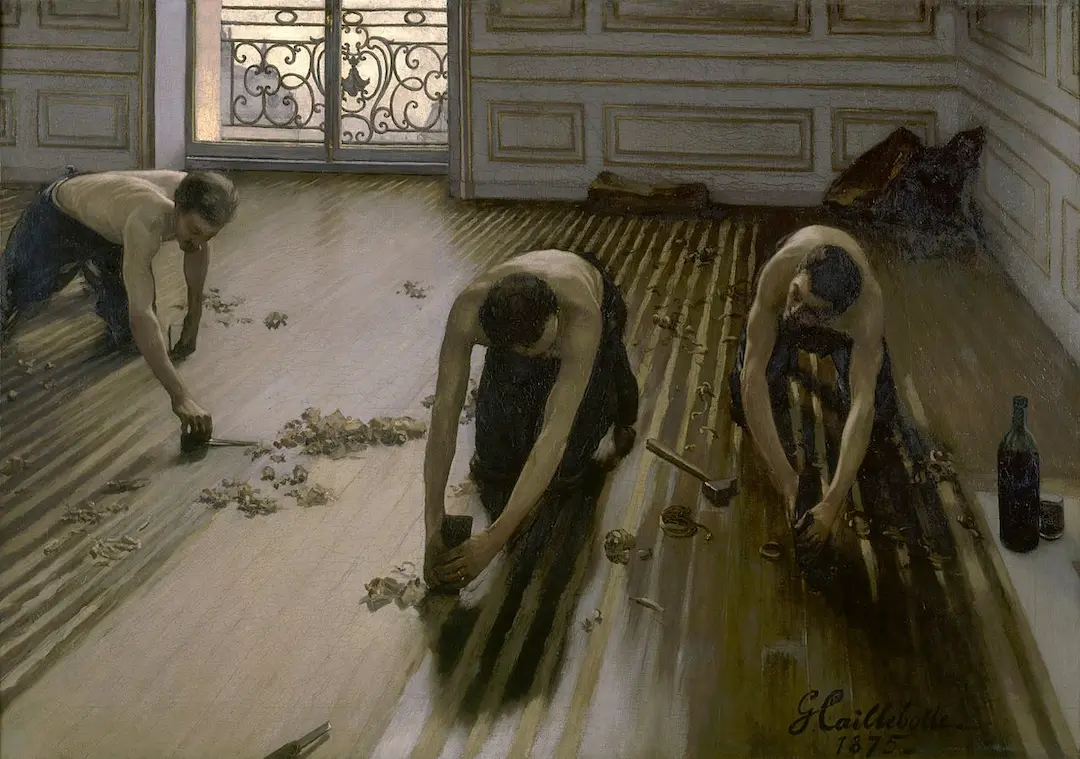
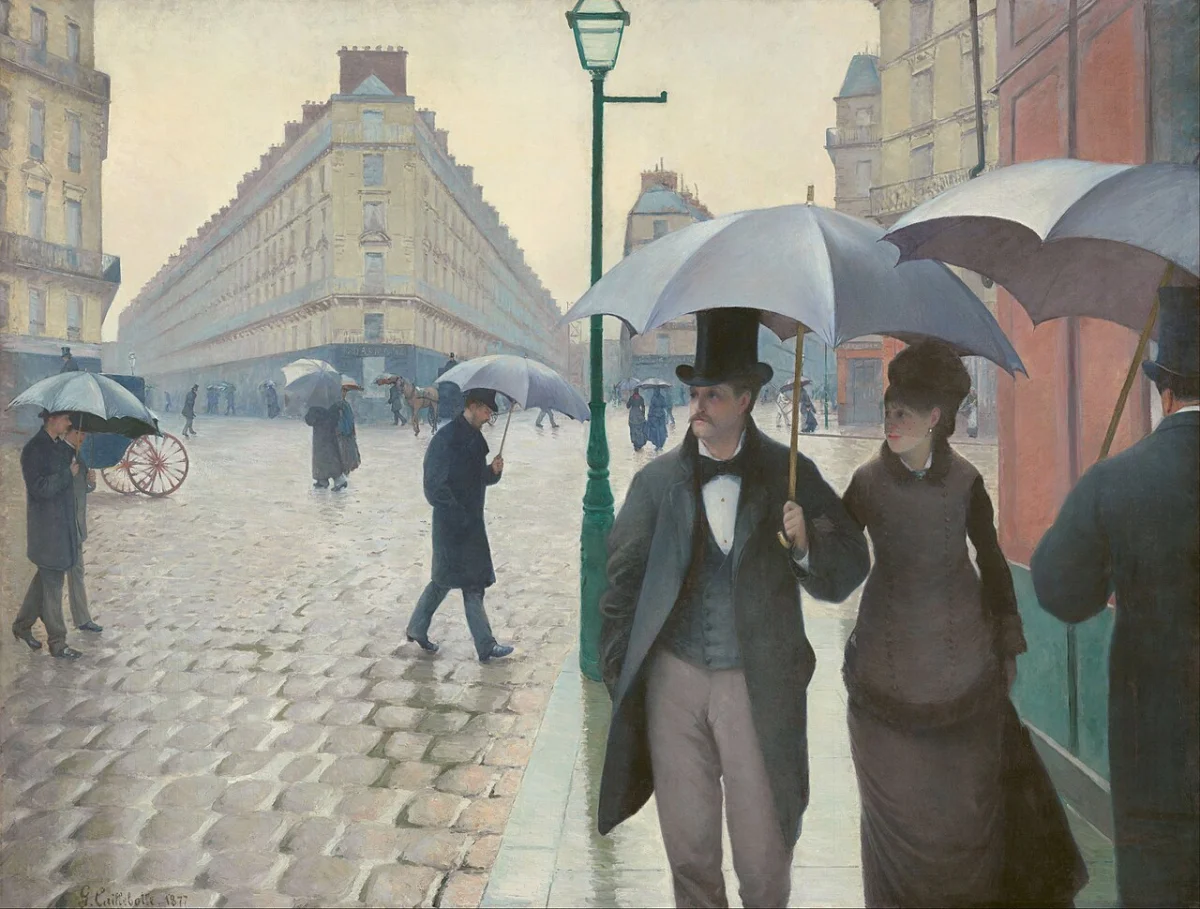
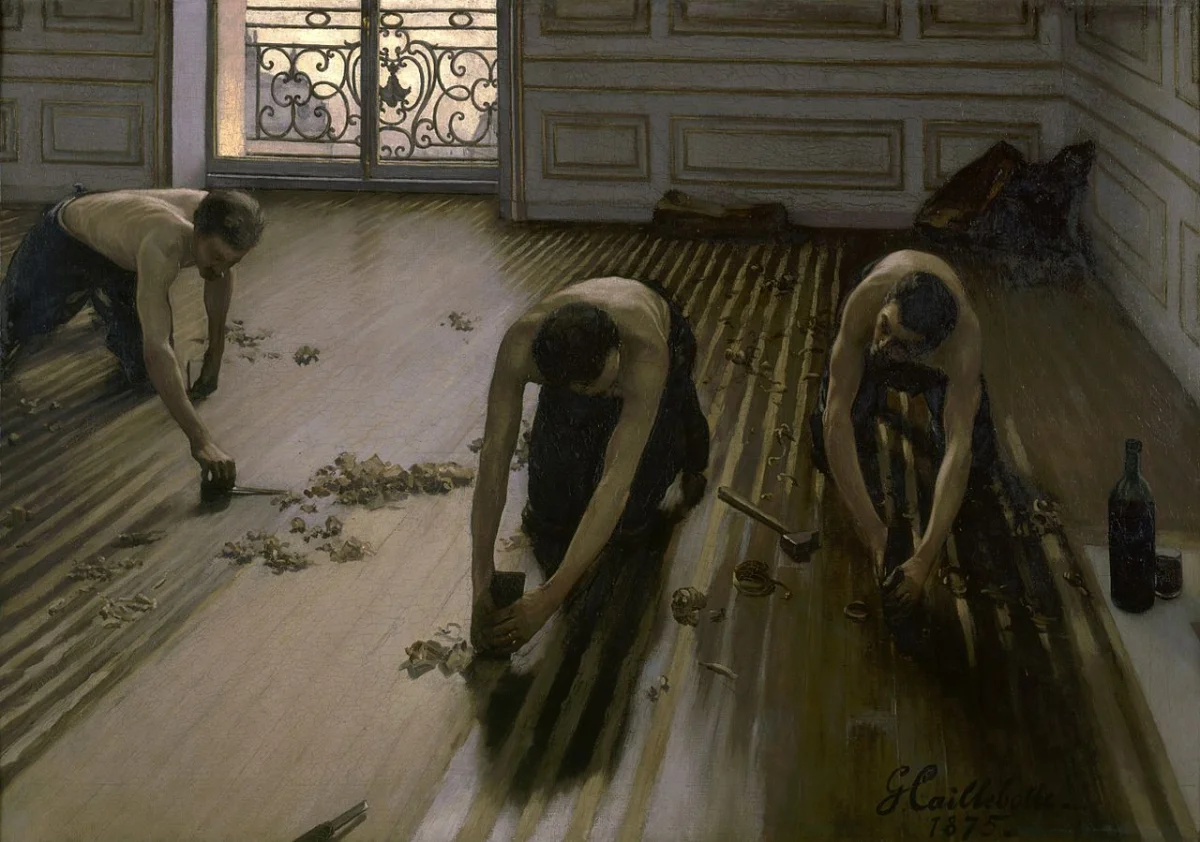
Every element in "Vue de toits" tells a story, from the intricate rooftops to the interplay of light and shadow. Caillebotte invites viewers to glimpse the hidden narratives of city life, a hallmark of Impressionism. Much like "Paris Street - Rainy Weather 1877" and "The Floor Scrapers 1875," this fine art painting for sale captures fleeting moments and urban transformation, making it a symbolic addition to any collection inspired by 19th-century Parisian life.
For art enthusiasts, "Vue de toits" is a collector’s treasure, offering a unique window into Gustave Caillebotte’s impressionist vision. This hand-painted oil painting stands alongside other celebrated works like "Les orangers" and "Le Pont de l'Europe," making it a prized choice for those seeking a fine art painting for sale. Its historical significance and artistic brilliance ensure it remains a sought-after masterpiece within the Impressionism movement and beyond.
When Art Meets History
"Vue de toits" by Gustave Caillebotte is a striking example of Impressionism, capturing the essence of Parisian rooftops in the late 19th century. This hand-painted oil painting not only immortalizes urban life but also reflects the historical transformation of the city. Caillebotte, often associated with works like "Umbrellas" and "Garden at Sainte-Adresse," skillfully connects art with the evolving urban landscape, making each brushstroke a testament to the era's cultural and architectural shifts.
Techniques That Speak
Gustave Caillebotte’s technique in "Vue de toits" highlights his mastery of oil on canvas, using loose brushstrokes and vibrant colors typical of the Impressionism movement. His attention to light and atmospheric conditions brings the Parisian skyline to life, echoing similar finesse seen in "Racehorses at Longchamp" and "After a Bath. Woman Drying the Back of her Neck." The artist’s unique perspective and technical prowess make this painting a captivating study in both form and texture.
Emotions on Display
"Vue de toits" evokes a sense of quiet contemplation, inviting viewers to experience the serenity and subtle drama of Paris from above. Caillebotte captures the mood of the city with a delicate touch, imbuing the scene with emotional depth. Like his other works, such as "White slave trade," this piece is a fine art painting for sale that resonates with collectors and art lovers seeking a window into the soul of Impressionist Paris.
Coveted by Collectors
As with other masterpieces from Gustave Caillebotte, "Vue de toits" remains highly sought after by art enthusiasts. The painting’s rich history, connection to the Impressionism movement, and association with renowned works like "Umbrellas" and "Garden at Sainte-Adresse" enhance its desirability. Its status as a hand-painted oil painting ensures that it stands out in any collection, making it a prized acquisition for those passionate about fine art and cultural heritage.
Related Impressionism Hand-Painted Oil Paintings by Other Artists
Other Famous Impressionism Artists:
Frequently Asked Questions About Vue de toits
What is the historical context of "Vue de toits"?
"Vue de toits," painted by Gustave Caillebotte in 1878, reflects the changing urban landscape of Paris during the late 19th century, a time marked by industrialization and modernization.
What artistic movement is "Vue de toits" associated with?
The painting is associated with Impressionism, characterized by its focus on light, perspective, and everyday scenes, although Caillebotte's style incorporates more realism than some of his contemporaries.
What techniques did Caillebotte use in "Vue de toits"?
Caillebotte employed a unique perspective and a meticulous attention to detail, utilizing techniques such as chiaroscuro and a limited color palette to create depth and atmosphere.
What is the significance of the rooftops depicted in "Vue de toits"?
The rooftops symbolize the urban experience of Paris, capturing the essence of the city’s architecture and the lives of its inhabitants, while also serving as a metaphor for the social changes occurring during that era.
How does "Vue de toits" reflect the artist's personal style?
Caillebotte's personal style is evident in his use of perspective and composition, often focusing on unconventional viewpoints that challenge traditional representations of urban life.
What themes are explored in "Vue de toits"?
The painting explores themes of modernity, urbanization, and the passage of time, illustrating the transformation of Paris and the impact of industrial progress on daily life.
How does "Vue de toits" compare to other works by Caillebotte?
Compared to other works by Caillebotte, "Vue de toits" emphasizes architectural elements and urban landscapes, while his other paintings often depict social interactions and leisure activities among the bourgeoisie.
What role did Caillebotte play in the Impressionist movement?
Caillebotte was not only a prominent painter but also a key supporter of the Impressionist movement, contributing financially and organizing exhibitions that showcased the works of his fellow artists.
What impact did "Vue de toits" have on later artists?
The painting influenced later artists by showcasing the potential of urban landscapes as subjects, encouraging subsequent generations to explore the relationship between architecture and human experience in their work.
Where can "Vue de toits" be viewed today?
"Vue de toits" is part of the collection at the Musée d'Orsay in Paris, where it continues to be appreciated for its artistic significance and historical relevance.






















_GFM_Painting_(1).webp)


 100% Hand-Painted: Finished in 3-6 Weeks

.png)
















_(1).webp)