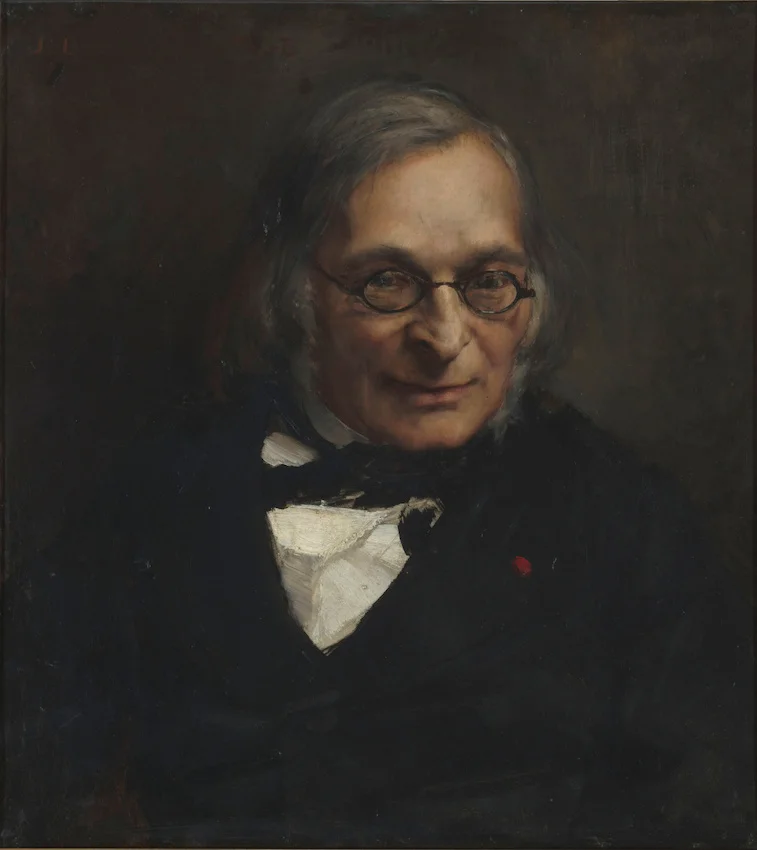
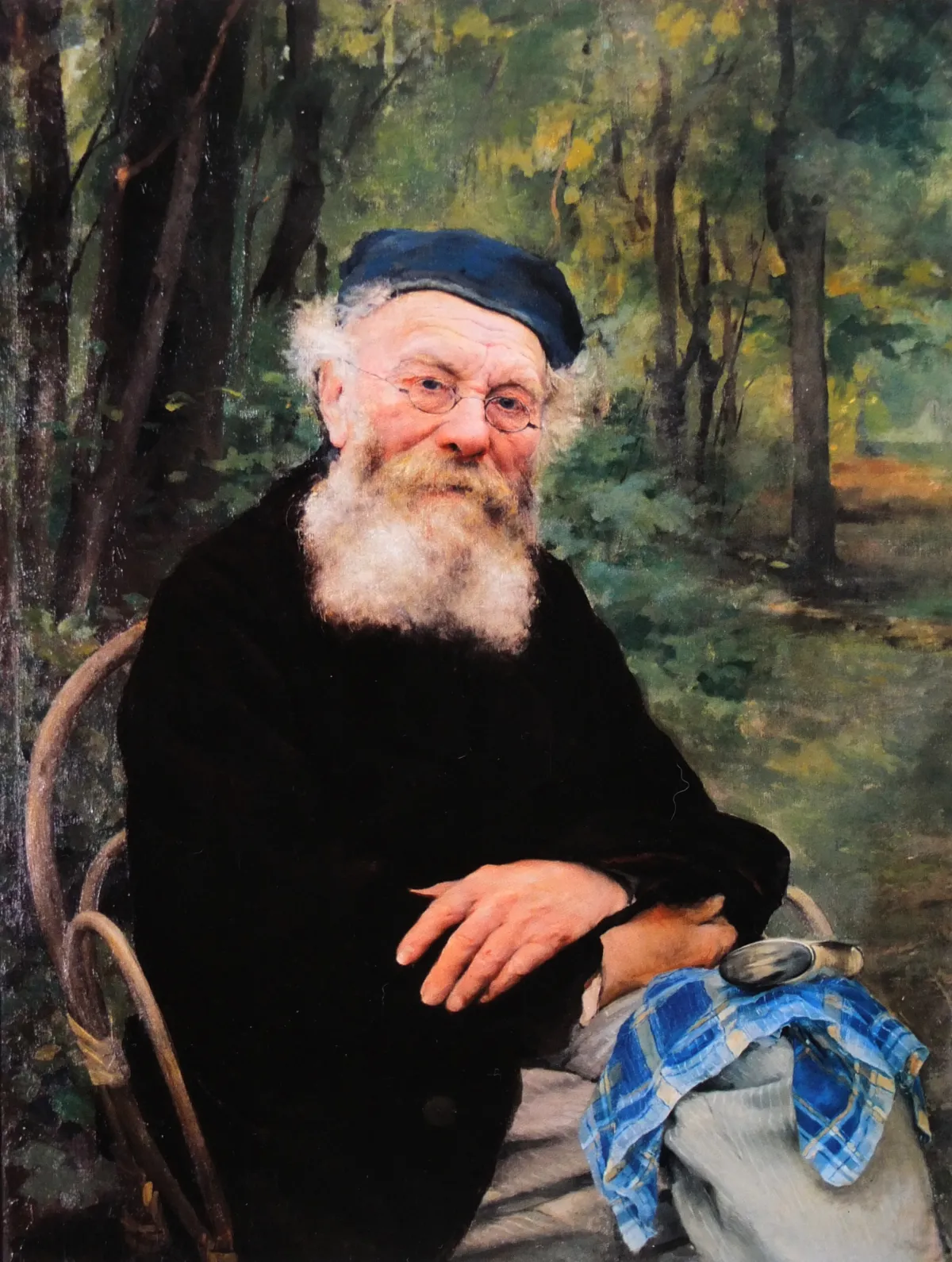
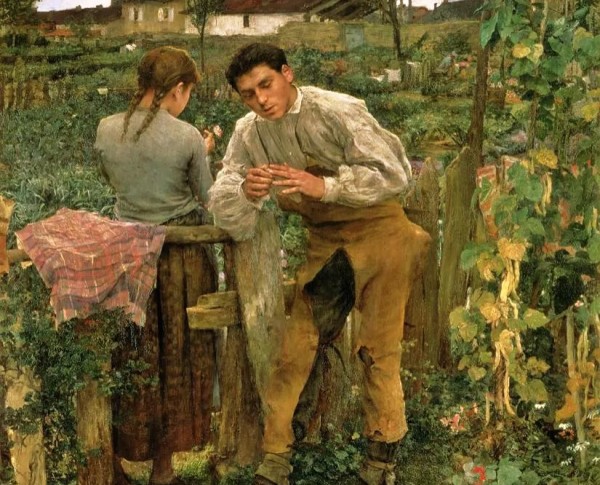
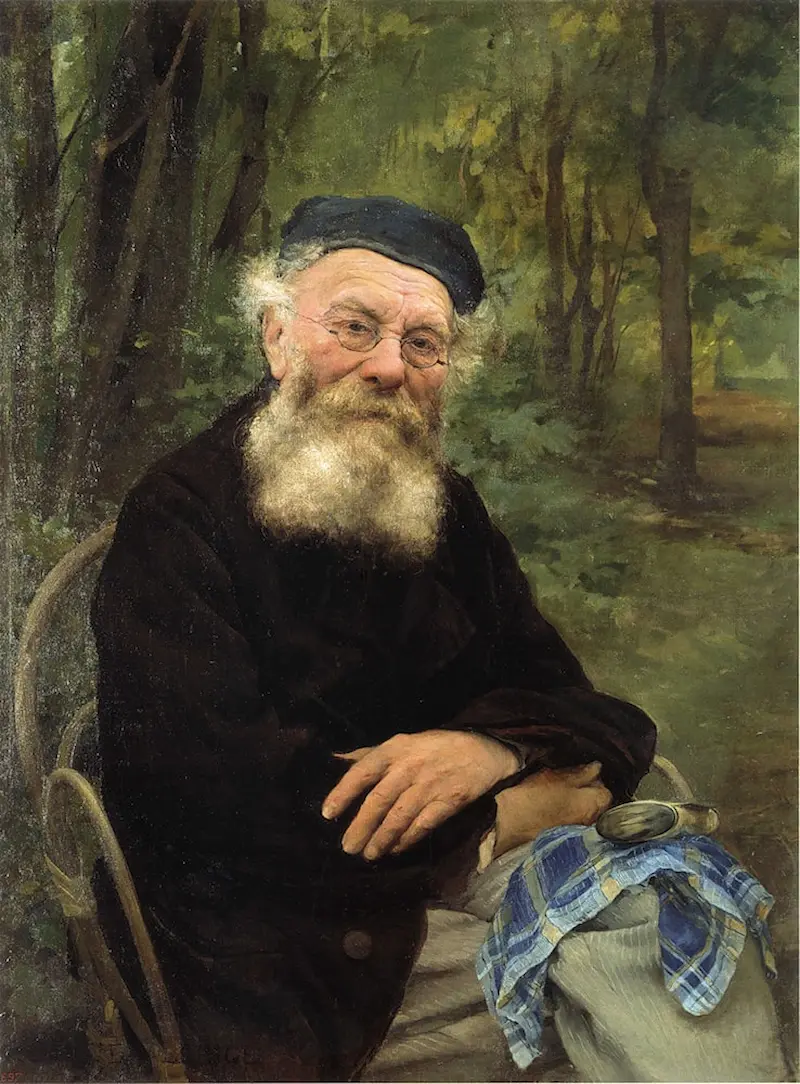
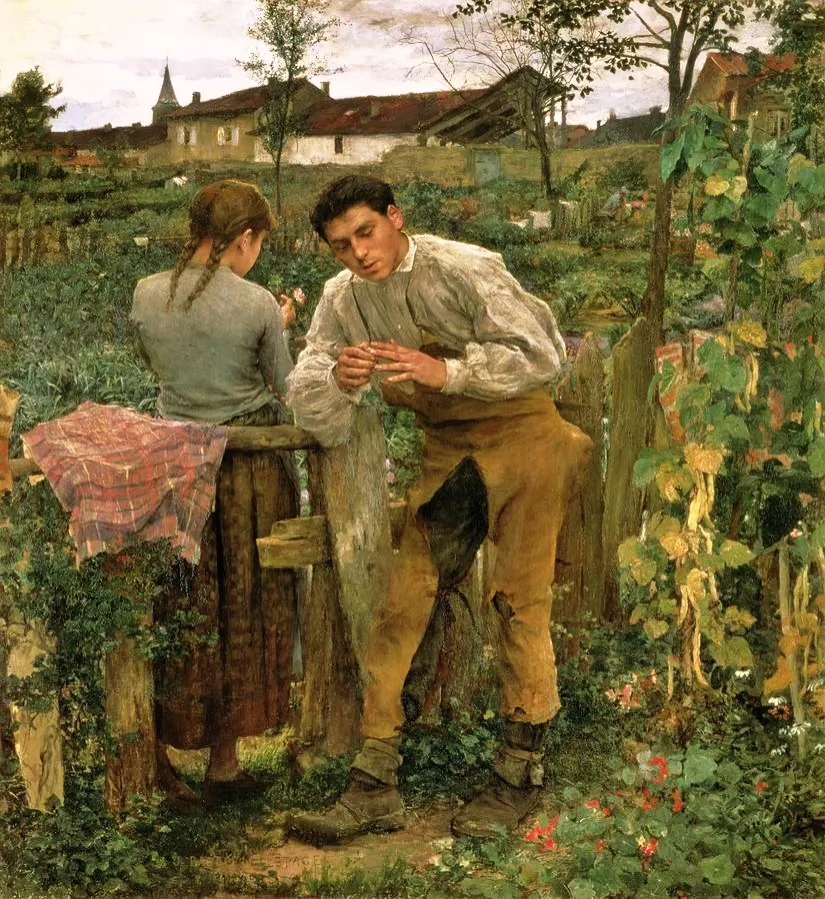
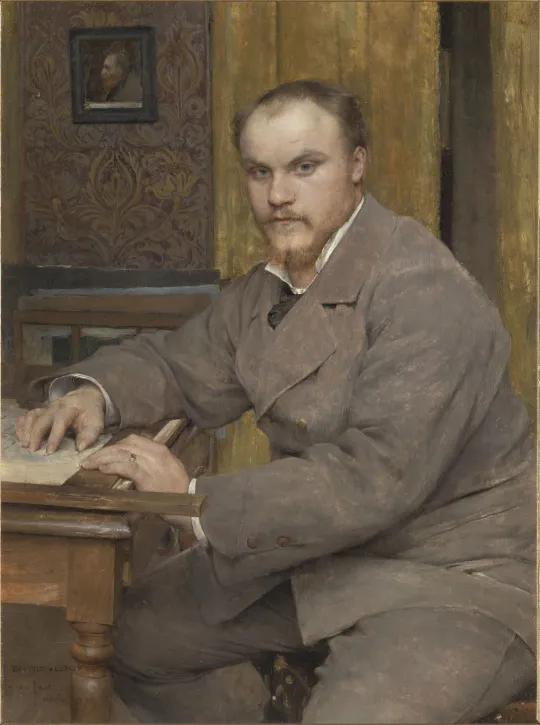
The technical prowess in “Piet-Lataudrie, collector” by Bastien Lepage is evident in every brushstroke, showcasing his mastery with oil on canvas. The delicate rendering of textures, from fabrics to facial expressions, exemplifies the Naturalism movement’s focus on lifelike representation. Collectors who appreciate works such as “Simon Hayem” or “Village Love” will recognize Lepage’s meticulous attention to detail, making this oil on canvas a prized addition to any discerning collection.
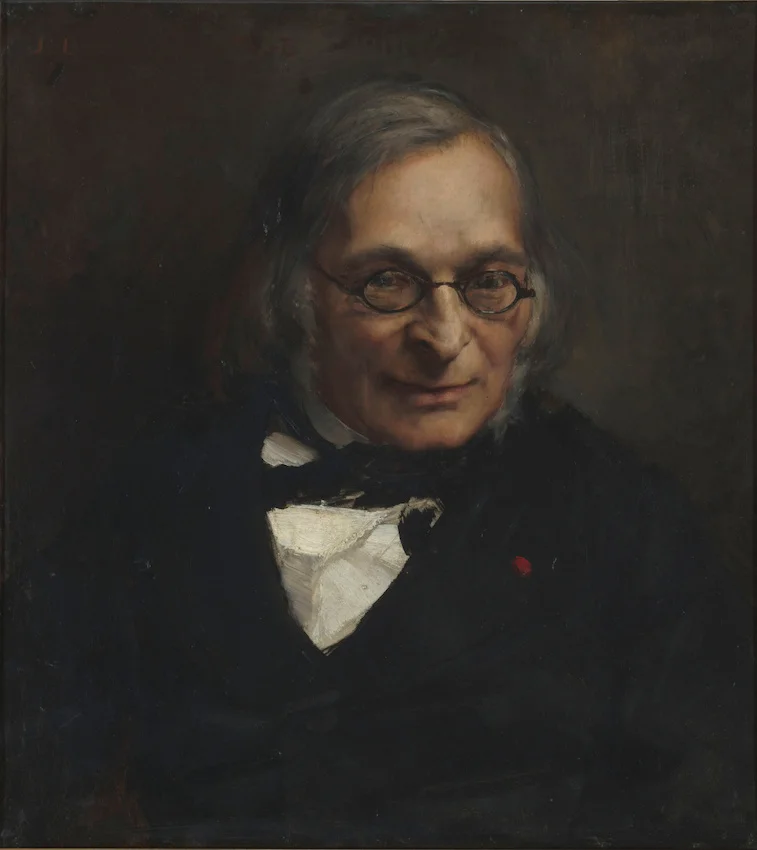
Within the composition of “Piet-Lataudrie, collector,” Bastien Lepage weaves subtle narratives through objects and gestures, inviting viewers to explore deeper meanings. As with “Madame Godillot” and “Alexandre Wallon, historian and politician,” symbolic elements enrich this hand-painted oil painting, reflecting the era’s intellectual and cultural currents. The painting’s realism and storytelling align with the Naturalism movement, engaging those seeking a fine art painting for sale with historical and emotional resonance.
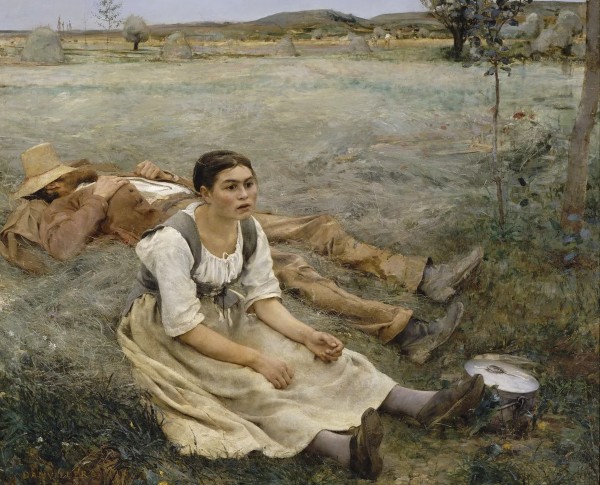
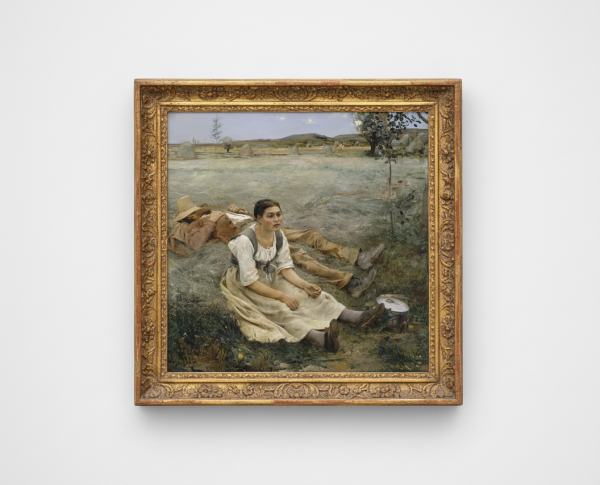
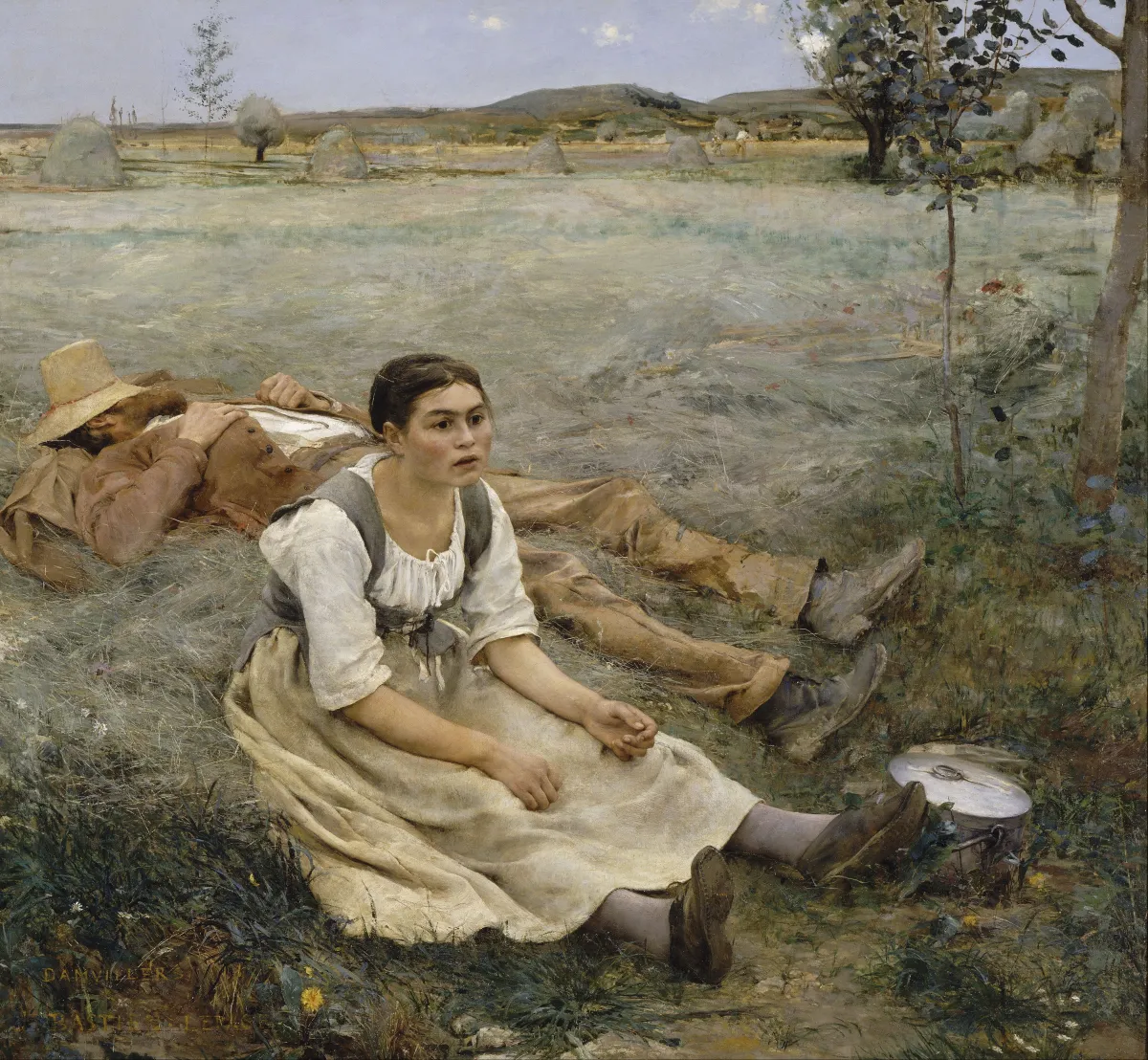
Owning “Piet-Lataudrie, collector” by Bastien Lepage is akin to possessing a piece of art history, embodying the spirit of the Naturalism movement. This fine art painting for sale appeals to admirers of lifelike portraiture and meaningful narrative, much like the related masterpieces “Hay Making” and “Village Love.” Lepage’s oil on canvas technique ensures that every detail is preserved, making it a collector’s treasure and a focal point in any curated art collection.
When Art Meets History
"Piet-Lataudrie, collector" by Bastien Lepage stands as a remarkable example of the Naturalism movement, capturing a moment where art intertwines with the historical context of its era. This hand-painted oil painting reflects the artist's dedication to realism, much like his related works "Pair of Golden Eagles" and "Cock and hen pheasant in the undergrowth." Lepage's keen eye for detail and lifelike representation ensures the painting remains a significant piece in art history.
Techniques That Speak
Bastien Lepage employs masterful oil on canvas techniques in "Piet-Lataudrie, collector," allowing for a depth and richness that characterizes the Naturalism movement. His brushwork brings out textures and subtle variations in light, similar to works like "Pheasants." and "Peacock and Peacock Butterfly." The result is a vivid and immersive scene, demonstrating why oil on canvas remains a preferred medium for capturing the essence of fine art painting.
Emotions on Display
In "Piet-Lataudrie, collector," Bastien Lepage conveys a profound connection between the subject and their surroundings, a hallmark of the Naturalism movement. The painting’s atmospheric quality and expressive details evoke empathy and curiosity, inviting the viewer into the collector's world. Comparable to "Danger aloft – Ptarmigan," this fine art painting for sale captures the emotional depth and subtle storytelling that make Lepage’s works so compelling.
Coveted by Collectors
As a celebrated piece from the Naturalism movement, "Piet-Lataudrie, collector" by Bastien Lepage is highly sought after by art enthusiasts and collectors alike. This hand-painted oil painting, along with related masterpieces such as "Peacock and Peacock Butterfly" and "Pheasants.," continues to inspire admiration and demand. Its authenticity and craftsmanship make it a fine art painting for sale that adds prestige and historical value to any collection.
Related Naturalism Hand-Painted Oil Paintings by Other Artists
Other Famous Naturalism Artists:
Frequently Asked Questions About Piet-Lataudrie, collector
What is the historical context of "Piet-Lataudrie, collector"?
"Piet-Lataudrie, collector" was painted during the late 19th century, a time when realism was gaining prominence in the art world. This period saw artists striving to depict everyday life and ordinary subjects with accuracy and detail, reflecting the social and cultural changes of the time.
Who is the artist behind "Piet-Lataudrie, collector"?
The painting was created by Bastien-Lepage, a French artist known for his realistic portrayal of subjects and his ability to capture the essence of rural life. He was influential in the transition from Romanticism to Realism in art.
What artistic techniques are employed in this painting?
Bastien-Lepage utilized a combination of naturalism and impressionistic techniques in "Piet-Lataudrie, collector." The use of light and shadow, along with vibrant colors, enhances the three-dimensionality of the figures and the depth of the scene.
What is the significance of the subject matter in "Piet-Lataudrie, collector"?
The subject of the painting, Piet-Lataudrie, represents the archetype of the art collector during the 19th century. This portrayal highlights the growing importance of art collection as a status symbol and reflects the cultural appreciation for art during this period.
How does "Piet-Lataudrie, collector" reflect the values of its time?
The painting embodies the values of the 19th century, particularly the emphasis on individualism and the celebration of personal achievement. It showcases the collector's pride in his possessions, which signifies a broader societal shift towards the appreciation of art as a form of personal expression and investment.
What role does color play in "Piet-Lataudrie, collector"?
Color in "Piet-Lataudrie, collector" serves to evoke emotions and set the mood of the scene. Bastien-Lepage's careful selection of warm tones creates an inviting atmosphere, while contrasting shades highlight the intricacies of the collector's attire and the artworks surrounding him.
What symbols can be found in "Piet-Lataudrie, collector"?
The painting is rich with symbolism, particularly in the objects displayed within the collector's space. Each artwork and artifact represents not only personal taste but also the broader cultural movements of the time, suggesting a dialogue between the collector and the art world.
How does "Piet-Lataudrie, collector" compare to other works by Bastien-Lepage?
Compared to other works by Bastien-Lepage, "Piet-Lataudrie, collector" showcases his mastery of realism and his ability to convey character through portraiture. While many of his works focus on rural themes, this painting shifts to the urban art scene, reflecting his versatility as an artist.
What influence did "Piet-Lataudrie, collector" have on later artists?
The painting influenced later artists by exemplifying the importance of personal narrative in art. It encouraged subsequent generations to explore themes of identity and ownership within their work, paving the way for modern and contemporary explorations of art collection and appreciation.
What can viewers learn from "Piet-Lataudrie, collector" today?
Viewers can learn about the historical significance of art collection and its role in society. The painting serves as a reminder of how art reflects cultural values and personal identity, encouraging contemporary audiences to consider their own relationship with art and its impact on their lives.






















_GFM_Painting_(1).webp)


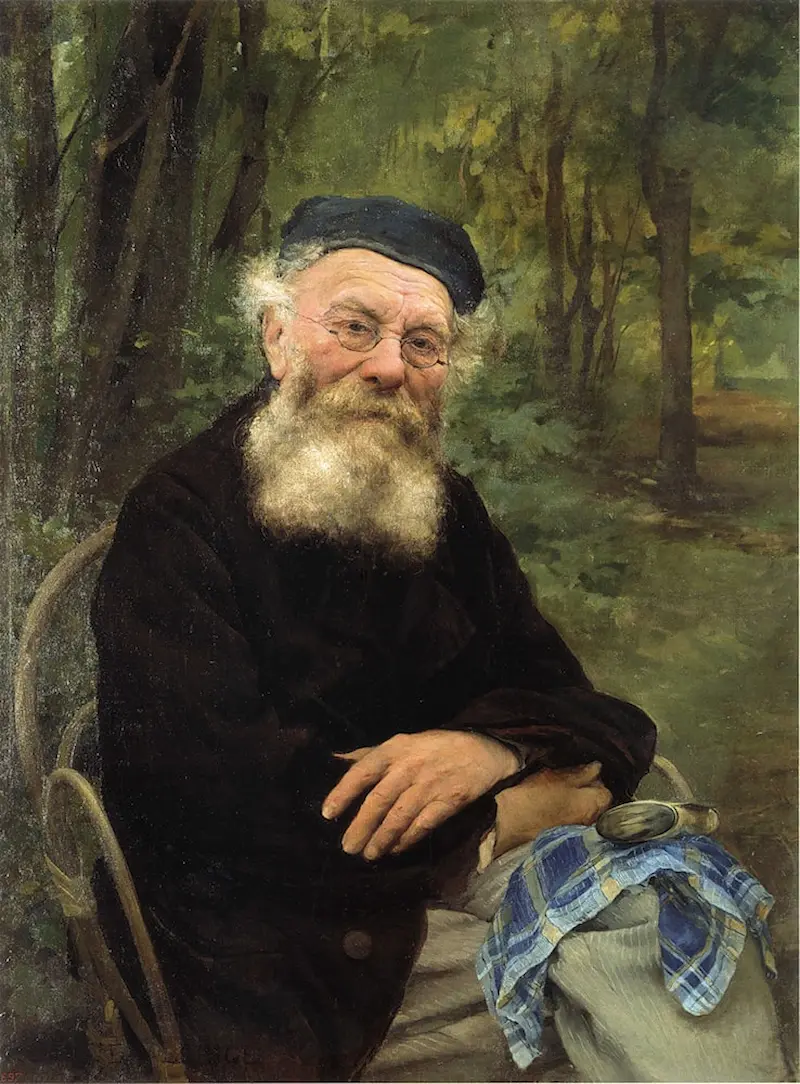
 100% Hand-Painted: Finished in 3-6 Weeks

.png)















_(1).webp)