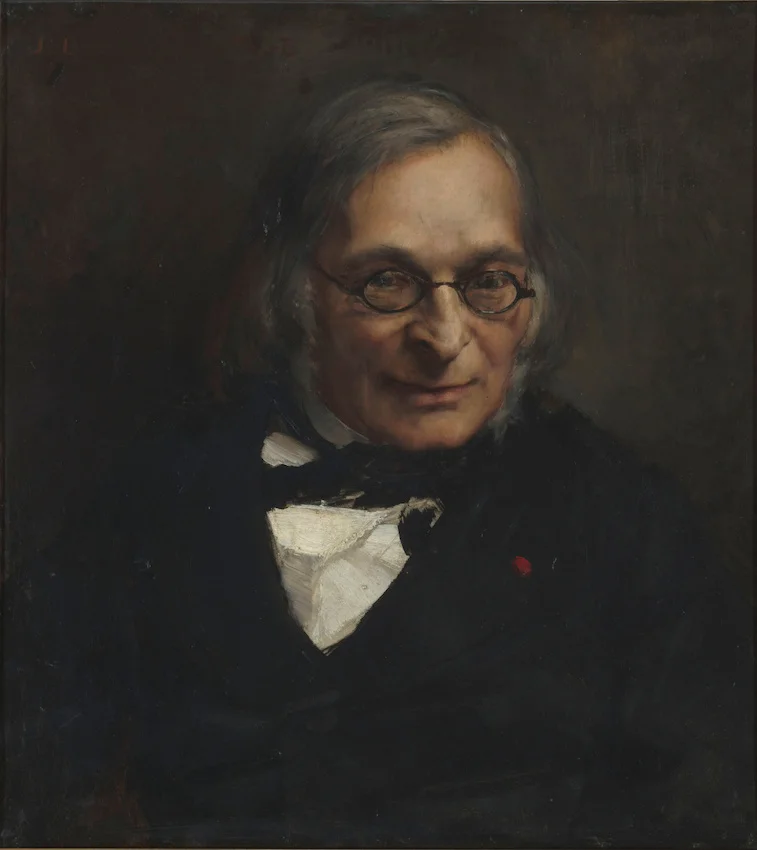
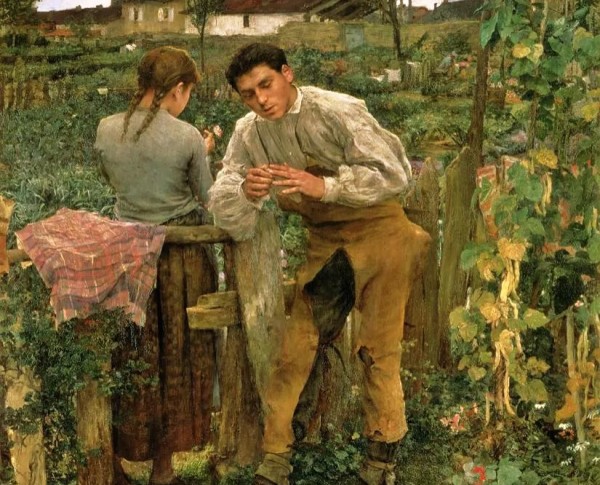
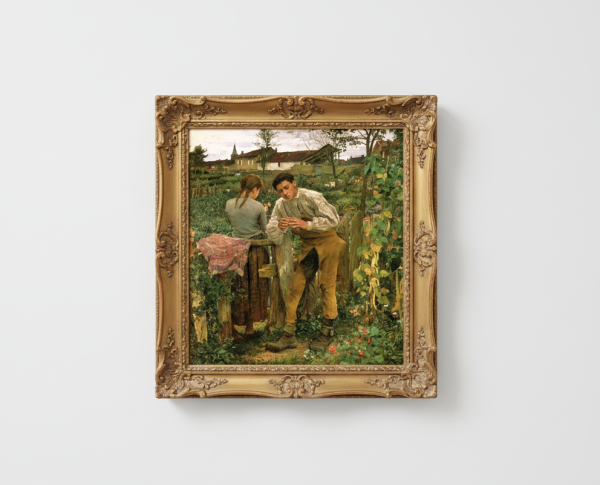
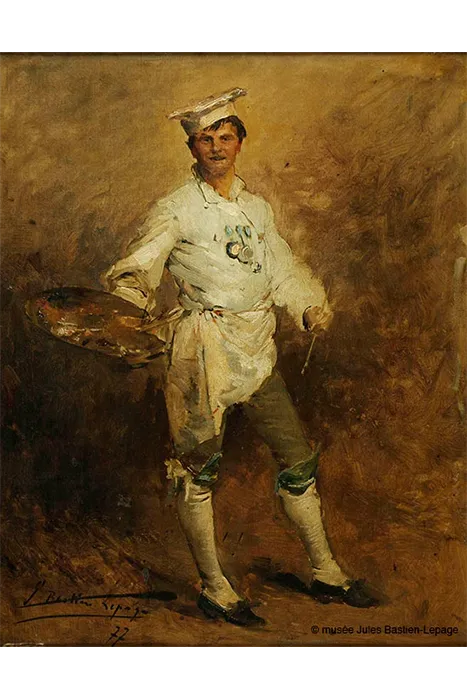
Jules Bastien Lepage’s technique shines through in "Pochade of the Pastry Painter," where each brushstroke demonstrates his expertise in oil on canvas. The subtle gradations of light and meticulous attention to detail evoke the tactile quality of the subject, a hallmark of the Naturalism movement. Similar to his works "October" and "Pas Mèche," this painting’s craftsmanship elevates it among the most respected fine art painting for sale today, attracting admirers of true artistic mastery.
In "Pochade of the Pastry Painter," Bastien Lepage weaves a narrative that celebrates the dignity of everyday labor, a recurring theme in Naturalism. The painting’s subject—a humble pastry painter—embodies the movement’s reverence for the working class. This hand-painted oil painting resonates with collectors interested in stories of ordinary life, much like "The Communicant" and works by Émile Bastien-Lepage, offering depth and symbolism to those who appreciate meaningful fine art.
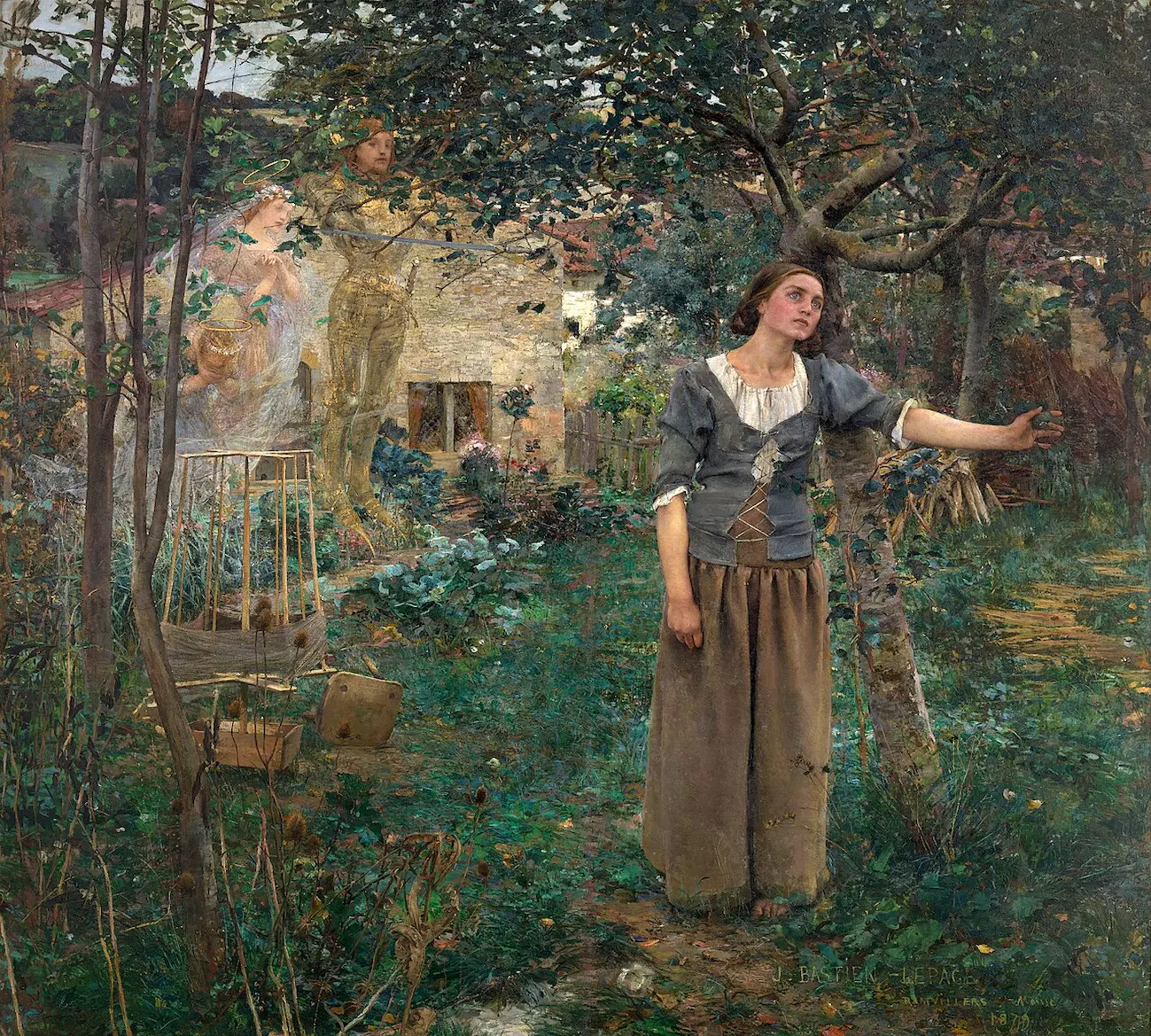
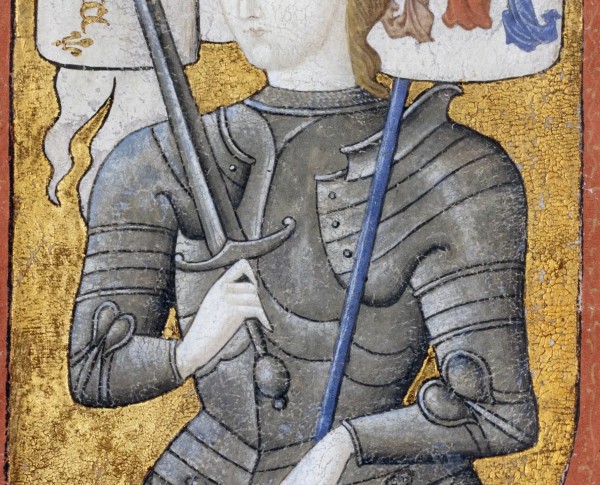
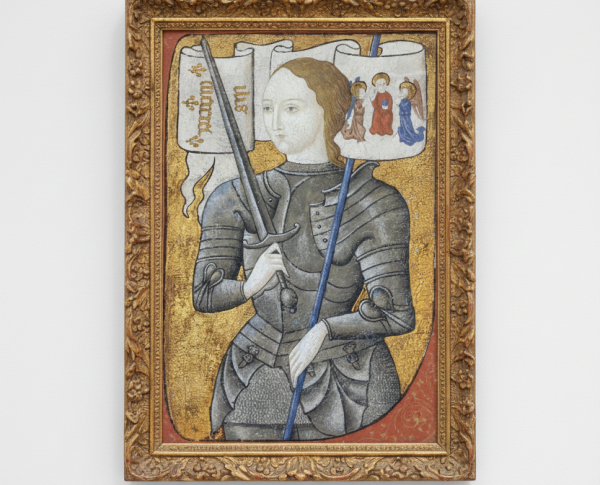
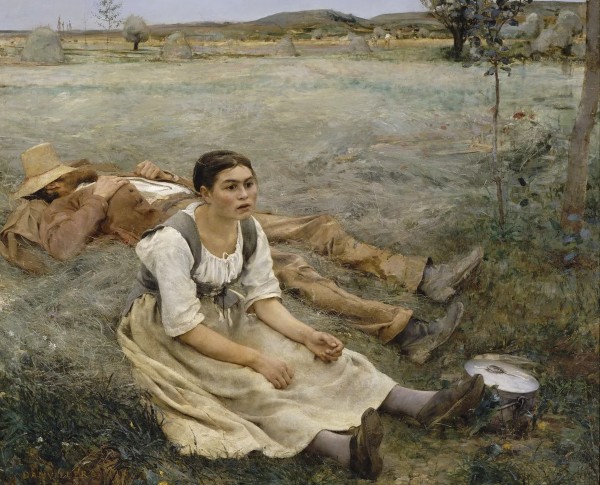
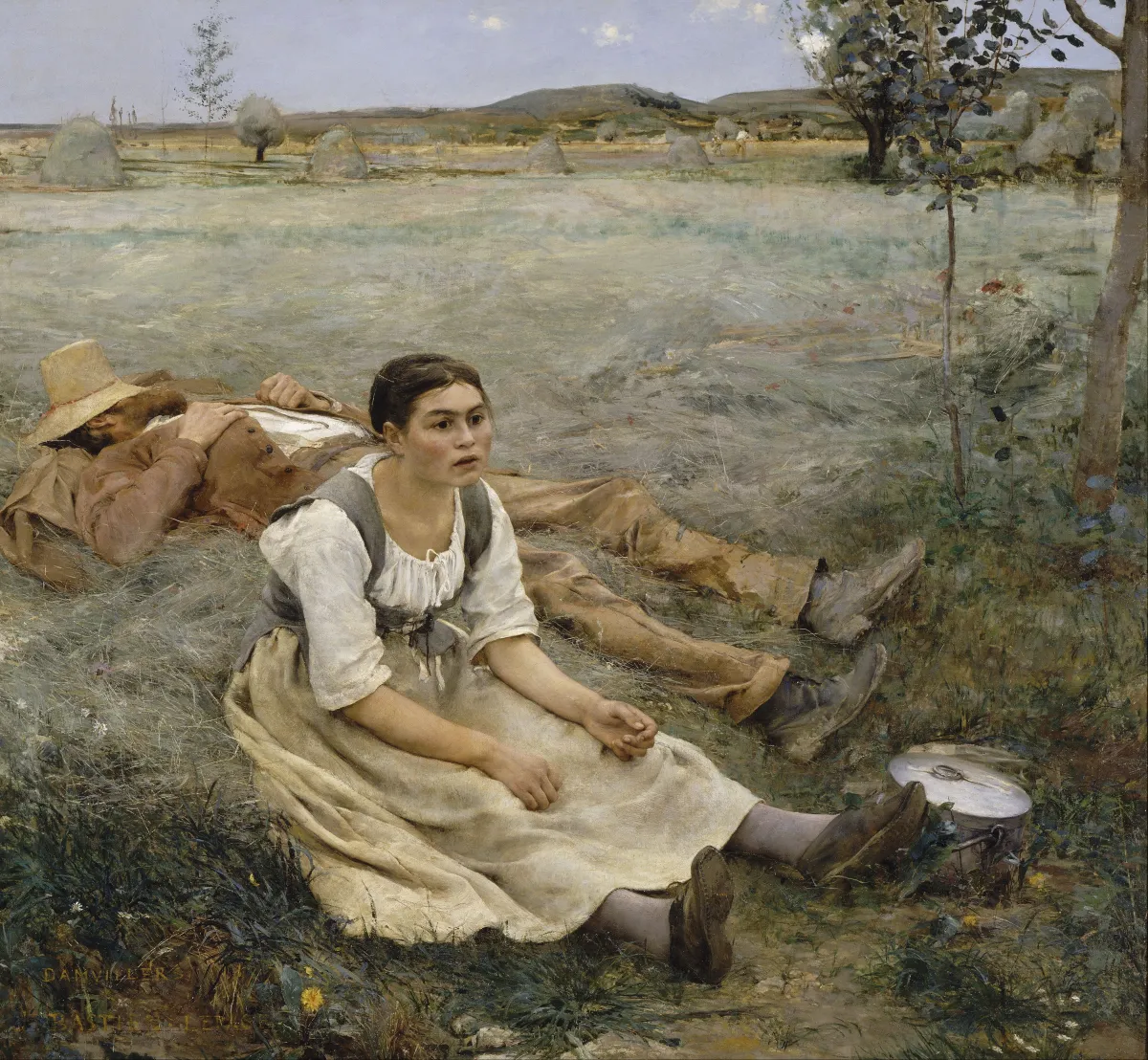
Owning "Pochade of the Pastry Painter" is an opportunity to possess a unique piece of the Naturalism movement’s history. This oil on canvas by Jules Bastien Lepage is not just art, but a legacy, making it a prized fine art painting for sale. Collectors often seek out Lepage’s works, along with related products such as "Joan Of Arc" and "Hay Making," to enrich their collections with genuine representations of nineteenth-century artistry.
When Art Meets History
Jules Bastien Lepage’s “Pochade of the Pastry Painter” exemplifies the Naturalism movement, capturing everyday moments with striking realism. As a hand-painted oil painting, it bridges the gap between history and artistry, much like Lepage’s renowned works such as “Woodcock in a sandy hollow.” This piece reflects the era’s fascination with ordinary life, showcasing the painter’s skill in immortalizing fleeting scenes that resonate with viewers and collectors alike, making history accessible through the artist’s brush.
Techniques That Speak
Utilizing the classic oil on canvas method, Lepage’s “Pochade of the Pastry Painter” demonstrates his meticulous brushwork and attention to detail. His approach, similar to that found in “King of the roost” and “Common Eider Ducks,” emphasizes texture and light, hallmarks of Naturalism. The layers of pigment and subtle gradations bring depth to the composition, highlighting the artist’s mastery of oil on canvas and reinforcing his status within the fine art community.
Emotions on Display
“Pochade of the Pastry Painter” is more than a fine art painting for sale; it’s a window into human emotion. Lepage captures the quiet concentration of his subject, evoking empathy and curiosity in the viewer. This emotional resonance is also apparent in related works like “Red Partridges” and “Woodcock Nesting On A Beach.” Through skillful depiction of mood, Lepage elevates the ordinary to the extraordinary, making every glance at the painting a deeply personal experience.
Coveted by Collectors
Collectors value “Pochade of the Pastry Painter” for its unique blend of historical context and technical prowess, characteristic of Jules Bastien Lepage’s Naturalism. As a hand-painted oil painting, it stands out among contemporaries and related pieces, attracting those who seek authenticity and narrative. The ongoing demand for such masterpieces speaks to the enduring appeal of Lepage’s work, ensuring that this painting remains a coveted treasure in the world of fine art painting for sale.
Related Naturalism Hand-Painted Oil Paintings by Other Artists
Other Famous Naturalism Artists:
Frequently Asked Questions About Pochade of the pastry painter
What is the historical significance of "Pochade of the pastry painter"?
"Pochade of the pastry painter," created by Jules Bastien-Lepage, reflects the artist's commitment to realism and his focus on everyday subjects, which was a departure from the grand historical themes prevalent in earlier art movements.
What artistic techniques did Jules Bastien-Lepage employ in this painting?
Bastien-Lepage utilized a technique known as plein air painting, capturing natural light and color with a loose brushwork style that enhances the vibrancy and immediacy of the scene.
What themes are explored in "Pochade of the pastry painter"?
The painting explores themes of labor and artistry, showcasing the dedication of the pastry chef while highlighting the beauty found in everyday professions.
How does "Pochade of the pastry painter" reflect the social context of its time?
The artwork reflects the changing social dynamics of the late 19th century, where the rise of the bourgeoisie and the appreciation for skilled trades became increasingly prominent in French society.
What symbolism can be found in the objects depicted in the painting?
The various pastry items symbolize creativity and craftsmanship, representing the intersection of culinary art and visual art, which was a significant theme in Bastien-Lepage's work.
In what ways does this painting exemplify the Realism movement?
This painting exemplifies the Realism movement by portraying a common subject with authenticity and attention to detail, steering away from idealized forms and instead celebrating the ordinary.
What is the significance of the color palette used in "Pochade of the pastry painter"?
The color palette is characterized by warm tones and natural hues, which evoke a sense of warmth and intimacy, drawing the viewer into the scene and emphasizing the artist's connection to his subject.
How does the composition of the painting contribute to its overall impact?
The composition is carefully balanced, with the pastry painter positioned centrally, allowing the viewer to focus on both the subject and the intricate details of the pastries, enhancing the narrative of the artwork.
What influence did Jules Bastien-Lepage have on future artists?
Bastien-Lepage's emphasis on realism and everyday life influenced subsequent generations of artists, particularly those involved in the Impressionist movement, who sought to capture fleeting moments in time.
Where can "Pochade of the pastry painter" be viewed today?
The painting is part of a private collection and may be exhibited in various art galleries or museums that focus on 19th-century French art; check local listings for current exhibitions.























_GFM_Painting_(1).webp)


 100% Hand-Painted: Finished in 3-6 Weeks

.png)















_(1).webp)