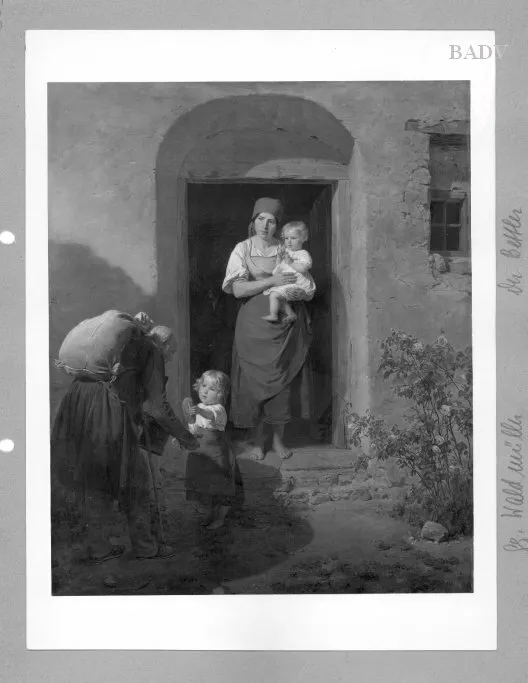
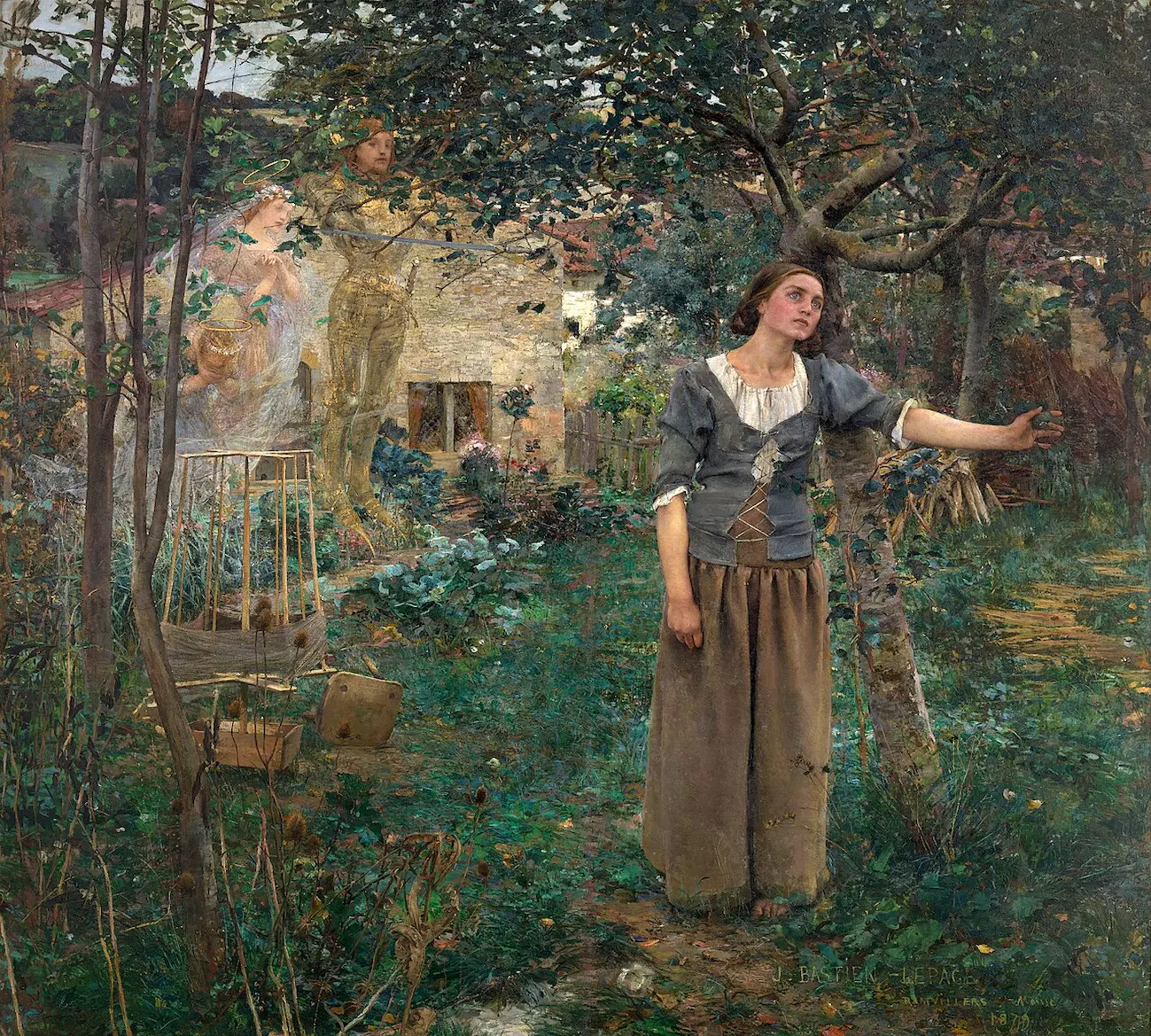
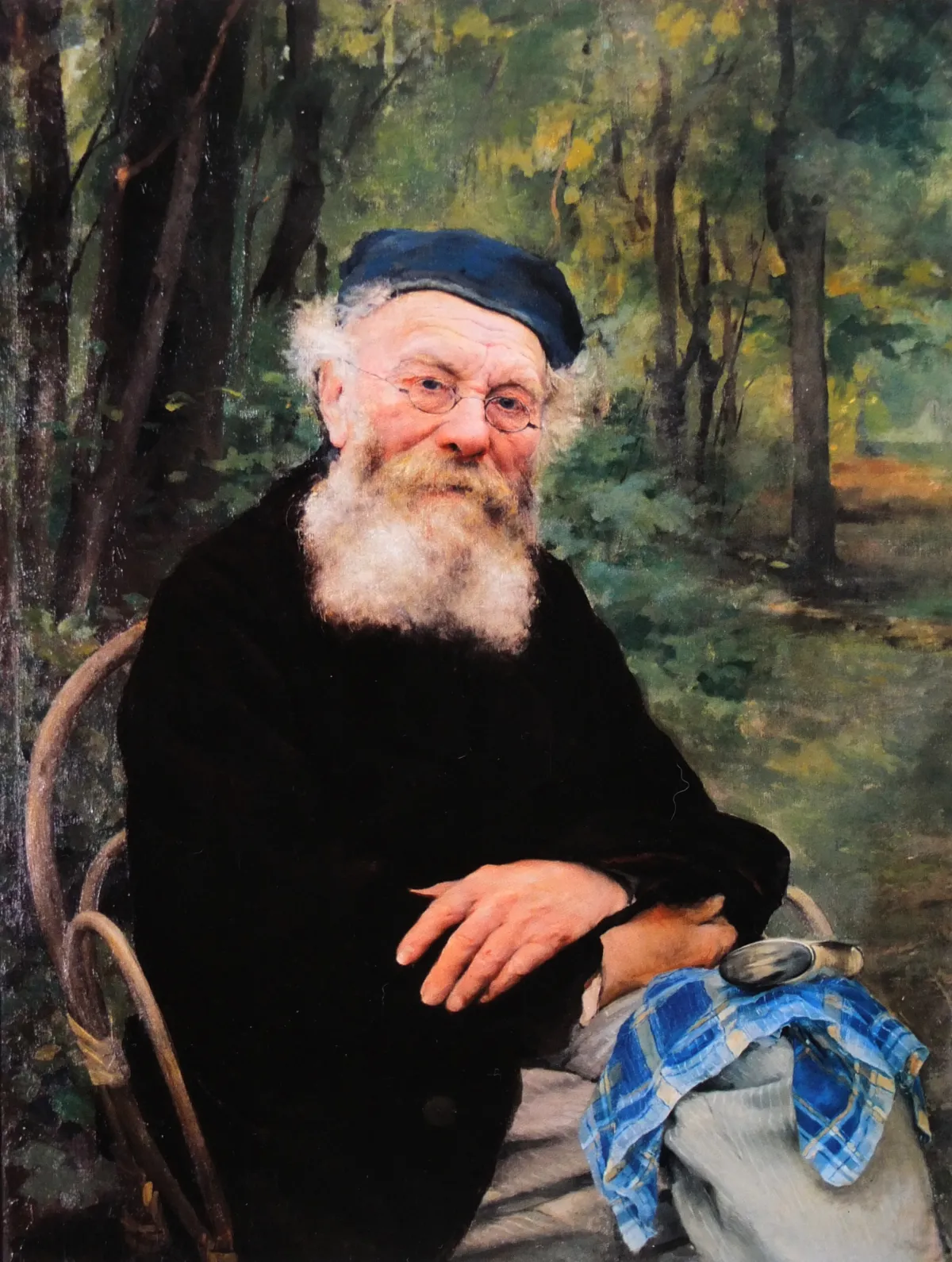
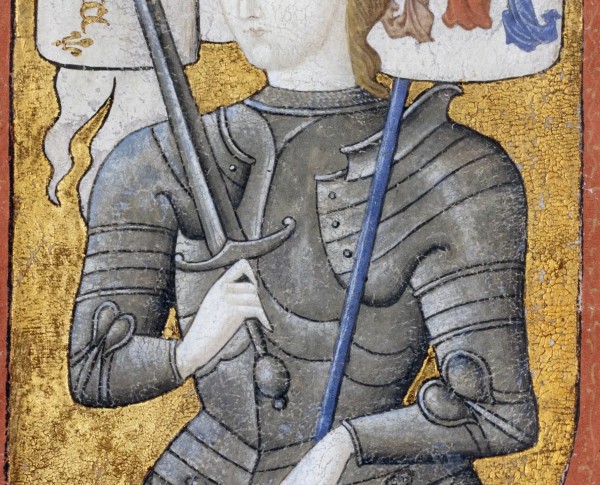
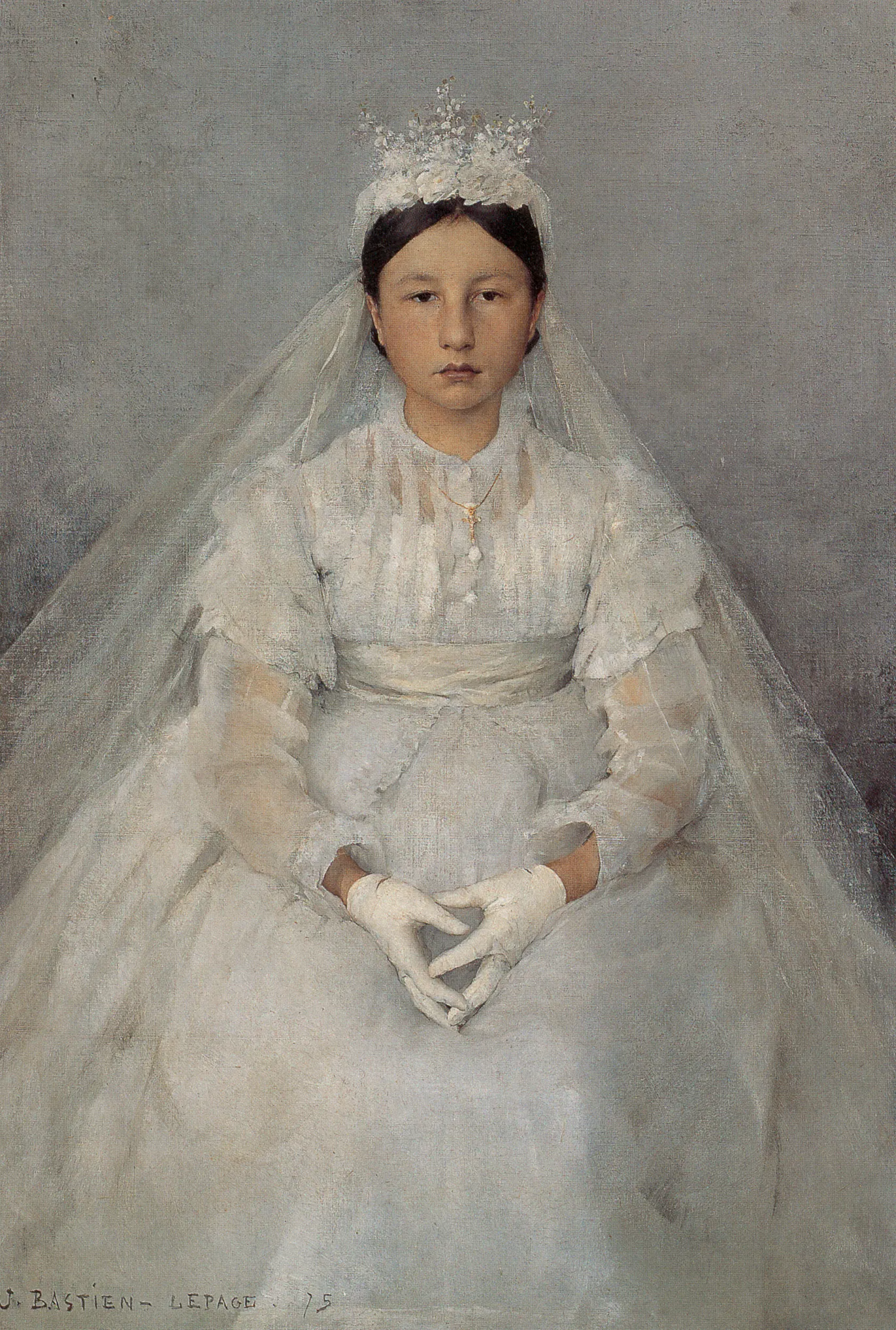
Jules Bastien Lepage’s technique in "The Communicant" showcases his profound mastery of oil on canvas. Each brushstroke conveys the delicate textures of fabric and the subtle expressions of the young subject, making the scene resonate with genuine emotion. The painting exemplifies the Naturalism movement’s focus on lifelike representation, much like Lepage’s other works such as "The beggar" and "Portrait of Sarah Bernhardt," which also highlight his exceptional skill and attention to detail.
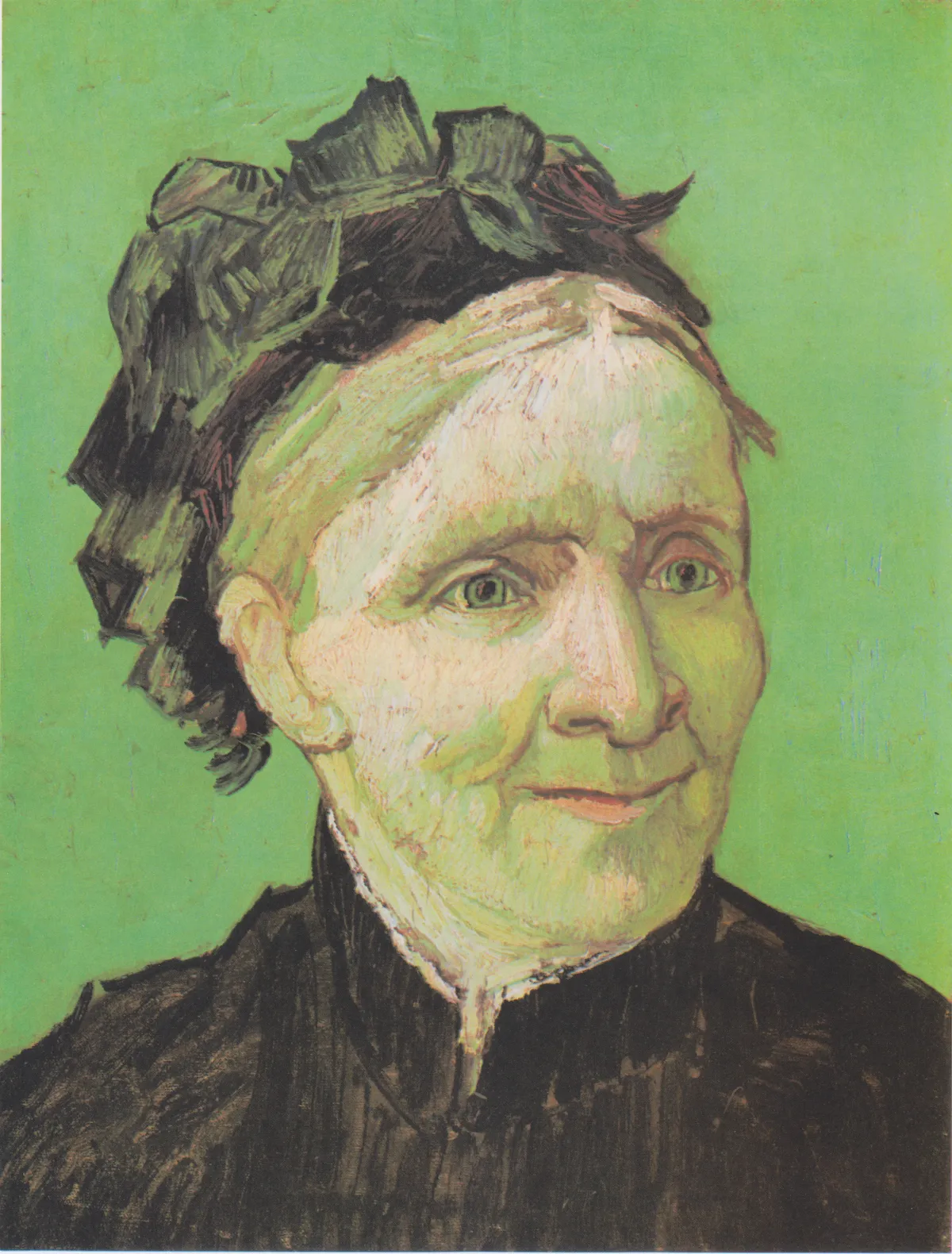
"The Communicant" is more than just a fine art painting for sale; it is a narrative rich with symbolism. Jules Bastien Lepage captures the pivotal moment of a young girl’s first communion, a rite of passage in many cultures. The Naturalism movement’s emphasis on real-life events is evident here, inviting viewers to reflect on themes of faith and innocence. This emotional resonance is also found in related pieces like "Snow Effect, Damvillers" and "Portrait of the artist's mother."
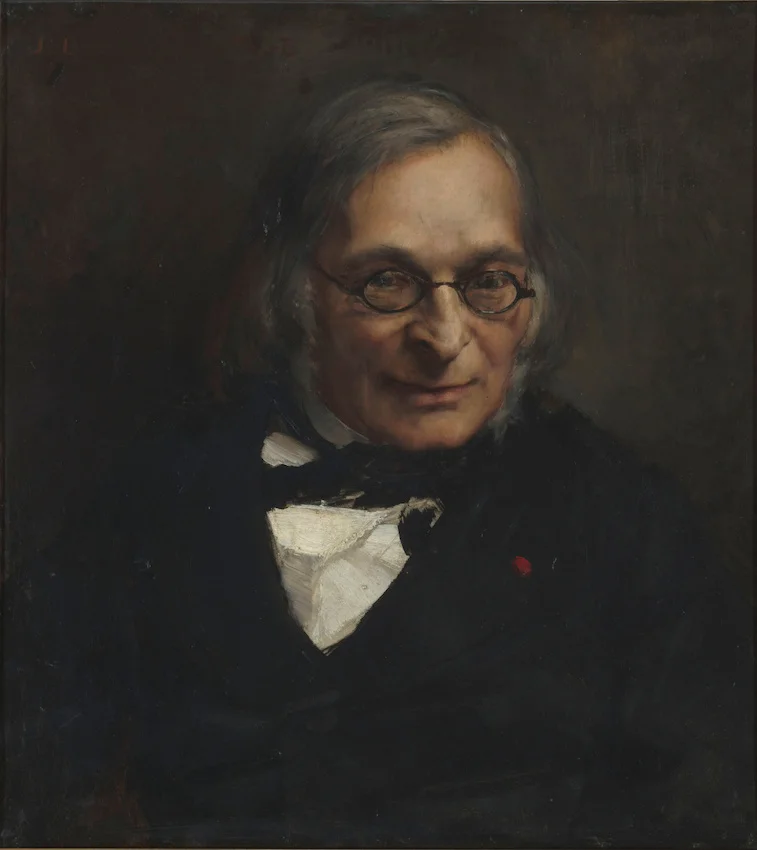
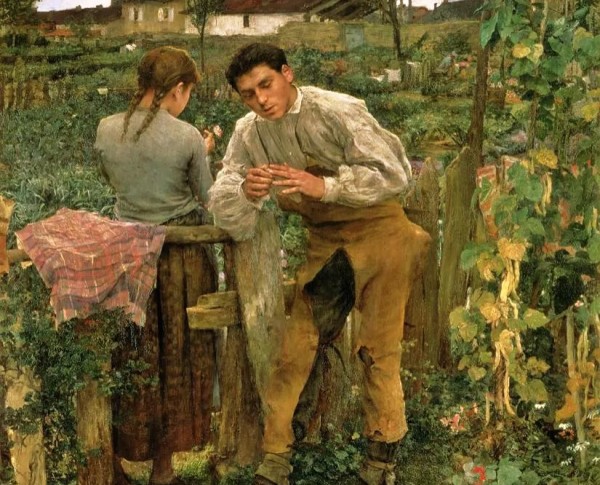
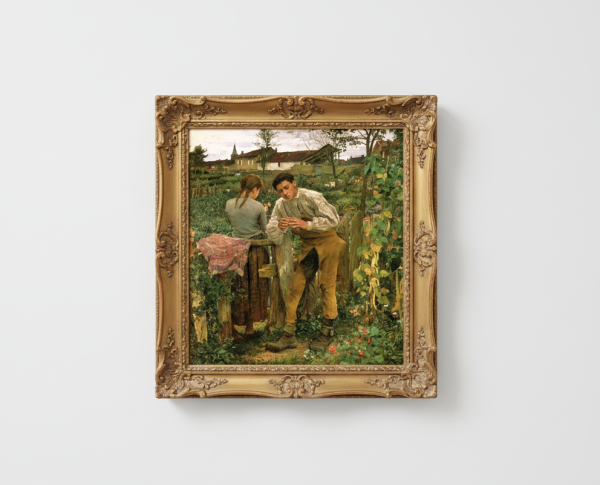
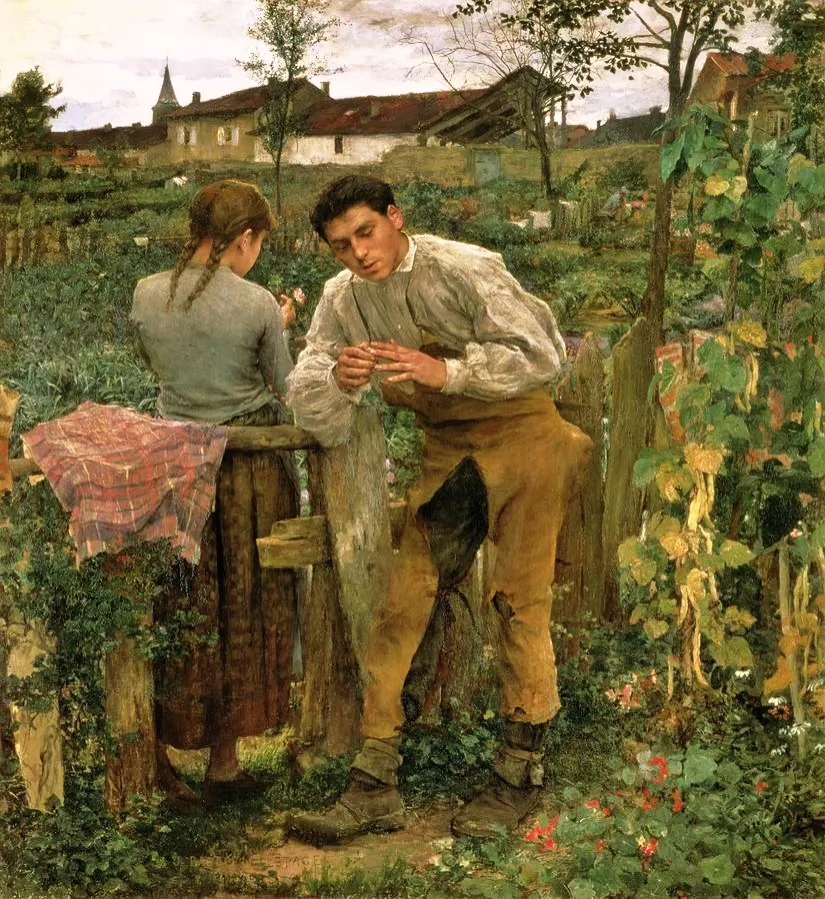
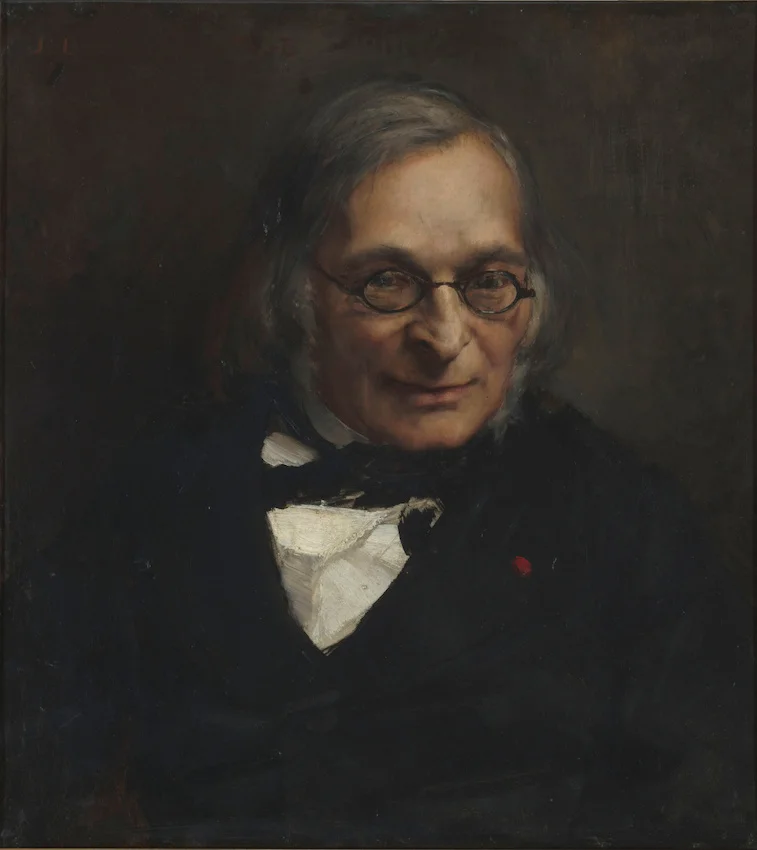
For collectors, "The Communicant" by Jules Bastien Lepage is a prized oil on canvas that embodies the spirit of the Naturalism movement. Its meticulous detail and heartfelt subject make it a standout among fine art painting for sale. Owning this work offers a connection to Lepage’s artistic vision and complements collections featuring related products such as "Village Love," "Simon Hayem," and "The beggar," enriching any gallery or personal display.
When Art Meets History
"The Communicant" by Jules Bastien Lepage stands as a remarkable example of the Naturalism movement, capturing a pivotal moment in both art and history. This hand-painted oil painting immerses viewers in the late 19th-century French countryside, reflecting the social and spiritual customs of the era. Lepage, renowned for his keen observation, also created works like "Ptarmigan Calling in the Snow" and "Danger aloft – Ptarmigan," further solidifying his legacy in Naturalist art.
Techniques That Speak
Jules Bastien Lepage masterfully utilizes oil on canvas to bring "The Communicant" to life, employing delicate brushwork and a naturalistic color palette. The artist’s technique emphasizes realism while maintaining a gentle luminosity, which became a hallmark of the Naturalism movement. Similar to his other paintings, such as "A Golden Eagle" and "Peacock and Peacock Butterfly," Lepage’s attention to detail and texture draws viewers into the scene, making each piece a true visual narrative.
Emotions on Display
"The Communicant" is a fine art painting for sale that is celebrated for its evocative portrayal of youthful innocence and solemn anticipation. Lepage’s sensitive rendering allows viewers to connect emotionally with the subject, a young girl experiencing a significant rite of passage. The painting’s mood resonates with similar emotional depth found in "European polecat defending a rabbit carcass from a least weasel," showcasing the artist’s ability to capture the human spirit within the Naturalism movement.
Coveted by Collectors
Collectors are drawn to "The Communicant" not only for its historical significance but also for its status as a signature hand-painted oil painting by Jules Bastien Lepage. As with his other works, this piece is highly sought after among those interested in Naturalist art and 19th-century oil on canvas masterpieces. Owning such a painting, alongside works like "Peacock and Peacock Butterfly," represents a prized addition to any fine art collection.
Related Naturalism Hand-Painted Oil Paintings by Other Artists
Other Famous Naturalism Artists:
Frequently Asked Questions About "The Communicant"
What is the historical context of "The Communicant"?
"The Communicant," painted by Jules Bastien Lepage in 1886, reflects the social and religious dynamics of late 19th-century France, particularly the importance of Catholic rituals in rural communities.
What artistic techniques did Jules Bastien Lepage employ in this painting?
Bastien Lepage utilized naturalism, emphasizing realistic details and textures, along with a careful play of light and shadow to enhance the three-dimensionality of the figures and their surroundings.
What is the significance of the subject matter in "The Communicant"?
The painting captures a young girl preparing for her first communion, symbolizing innocence, faith, and the transition from childhood to spiritual maturity within the Catholic tradition.
How does "The Communicant" reflect the values of its time?
The artwork embodies the values of piety and community, highlighting the central role of religious ceremonies in the lives of individuals and families during the period.
What role does light play in "The Communicant"?
Light serves as a symbolic element in the painting, illuminating the girl and her surroundings, which suggests divine presence and emphasizes the sacredness of the communion ritual.
What emotions does "The Communicant" evoke in viewers?
The painting evokes feelings of nostalgia, reverence, and tranquility, inviting viewers to reflect on their own experiences with faith and childhood innocence.
How does Bastien Lepage's style in "The Communicant" compare to other artists of his time?
Bastien Lepage's naturalistic approach distinguishes him from the Impressionists, as he focused on detailed realism and narrative depth, while still incorporating elements of light and color that resonate with contemporary movements.
What is the significance of the girl's attire in "The Communicant"?
The girl's white dress symbolizes purity and innocence, which are central themes in the context of first communion, reinforcing the painting's spiritual undertones.
In what ways does "The Communicant" reflect the influence of rural life?
The painting captures the simplicity and authenticity of rural life, emphasizing the connection between the individual and their community, as well as the importance of tradition in everyday life.
What impact did "The Communicant" have on the art world upon its release?
Upon its release, "The Communicant" was praised for its emotional depth and technical skill, contributing to Bastien Lepage's reputation as a leading figure in the naturalist movement and influencing future generations of artists.























_GFM_Painting_(1).webp)


 100% Hand-Painted: Finished in 3-6 Weeks

.png)















_(1).webp)