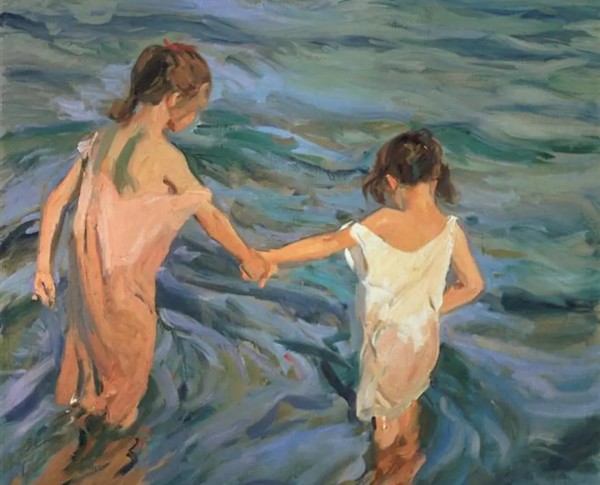
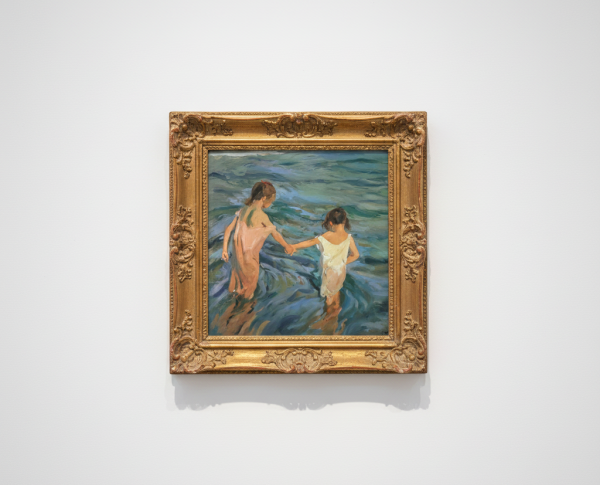
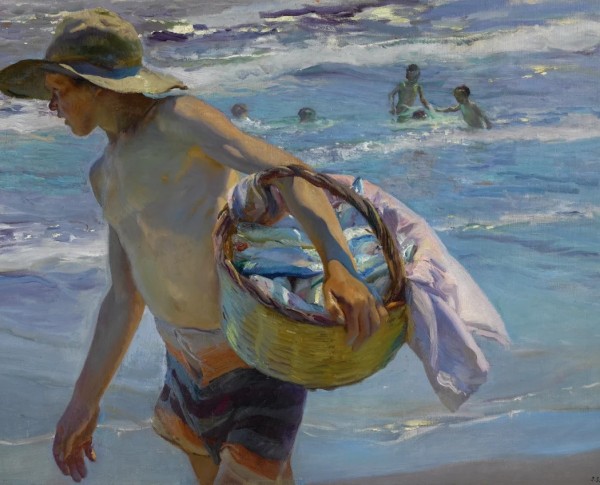
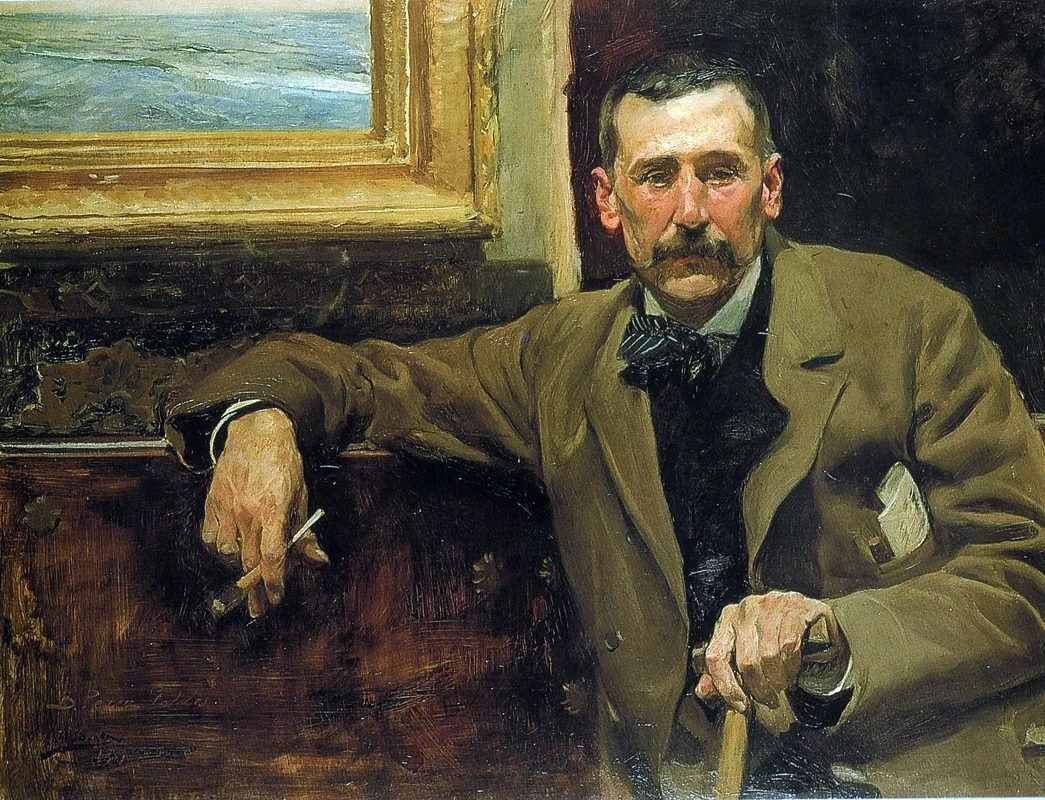
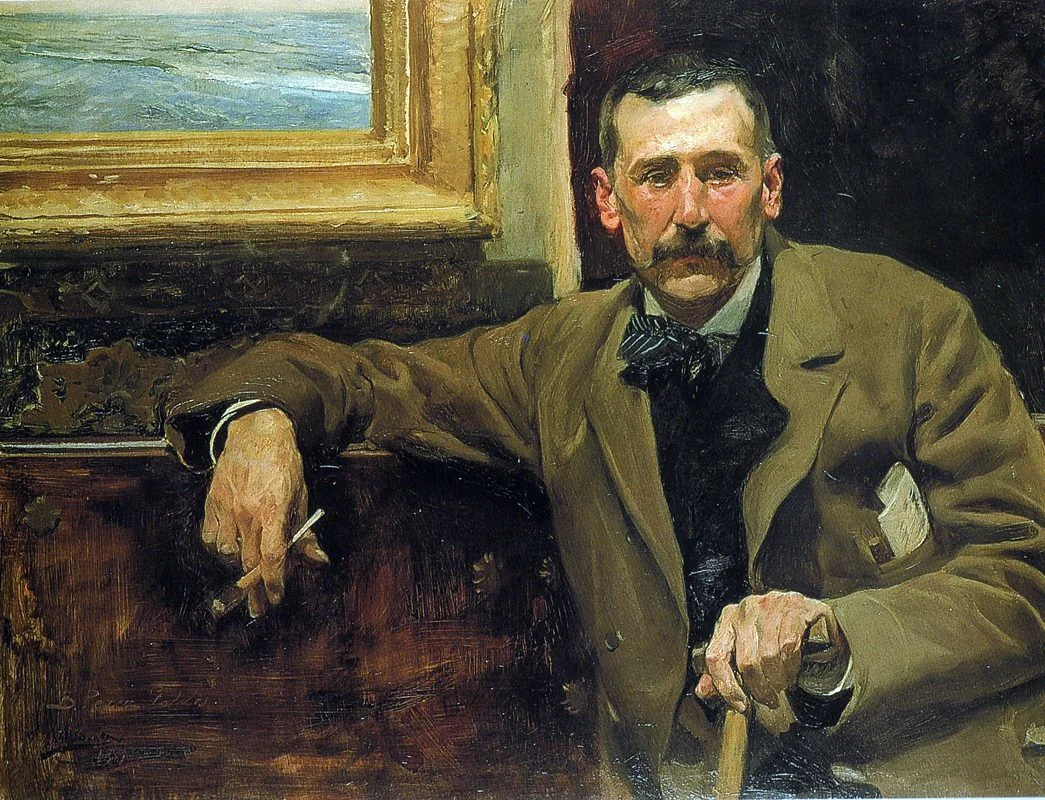
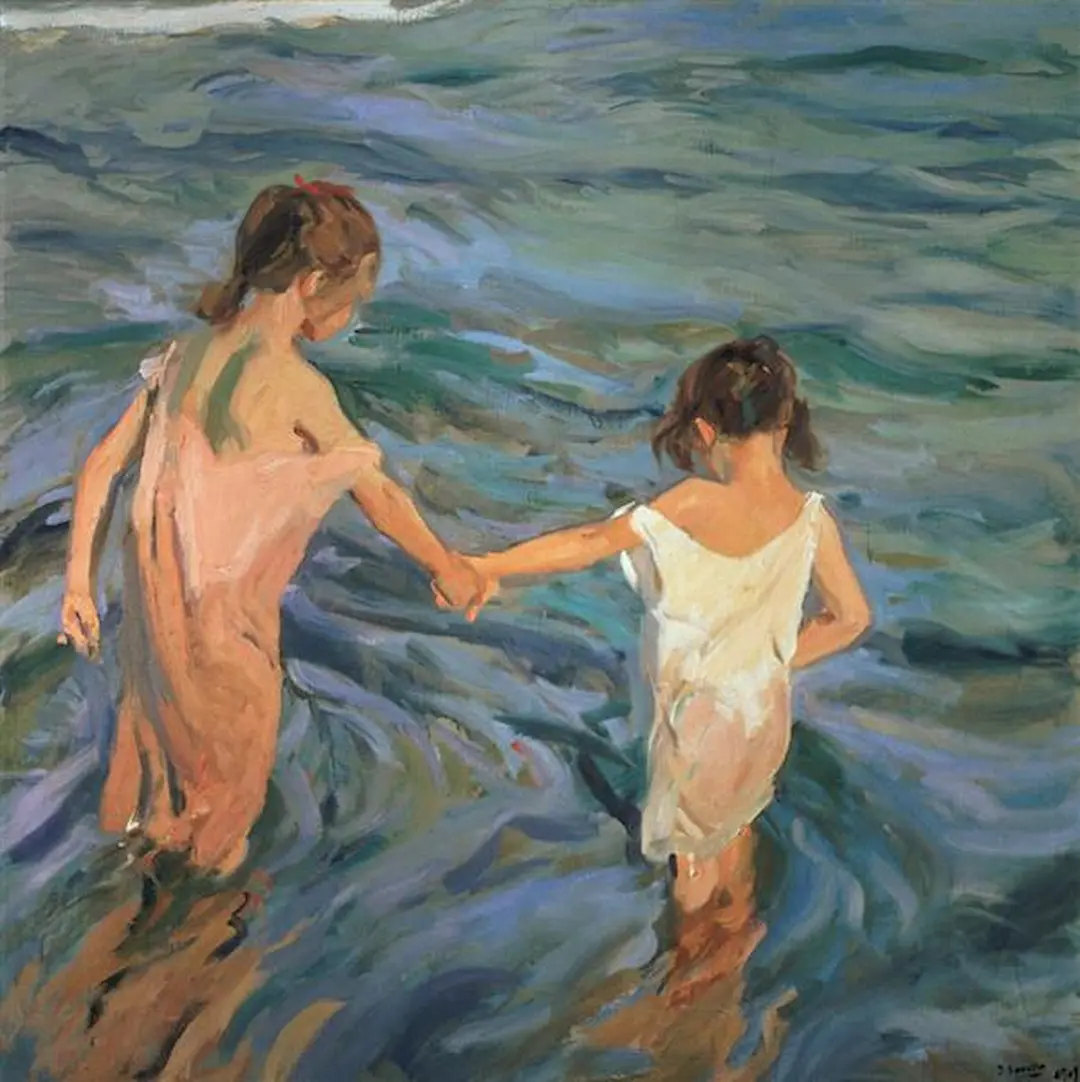
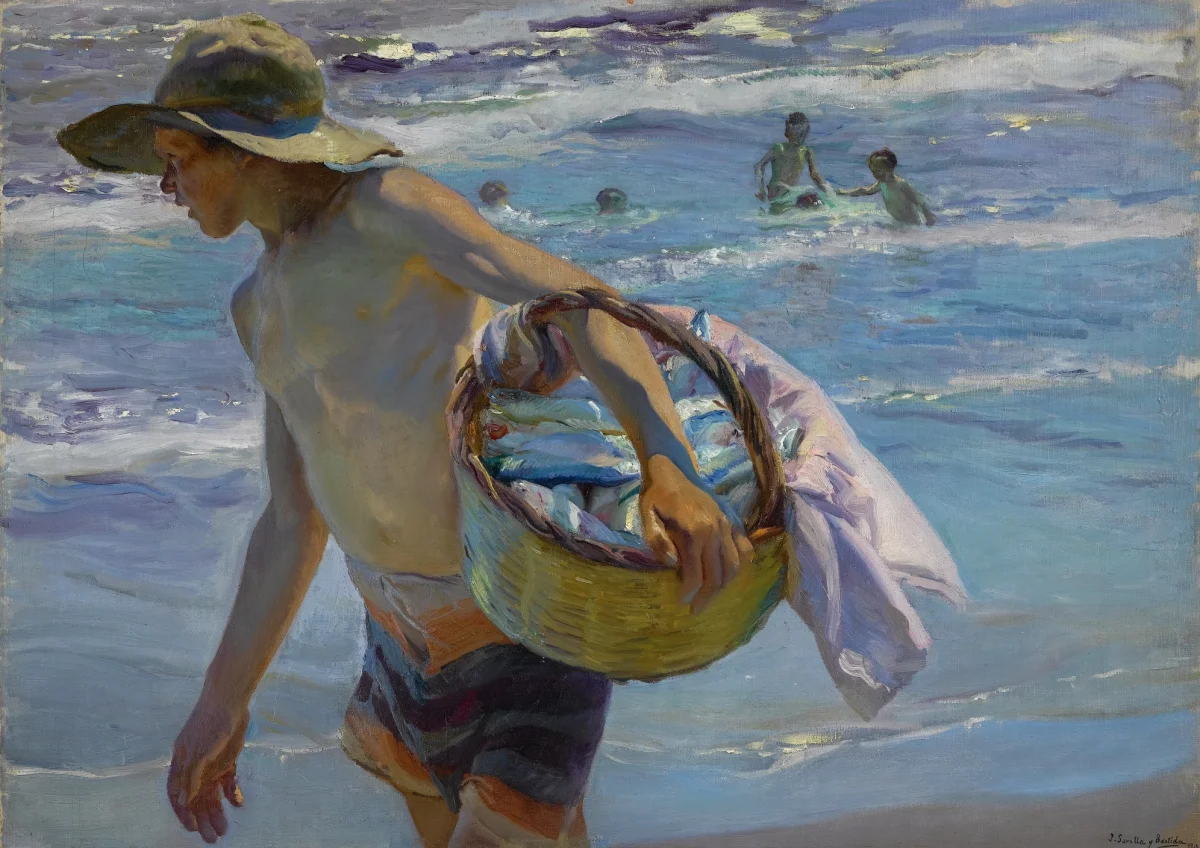
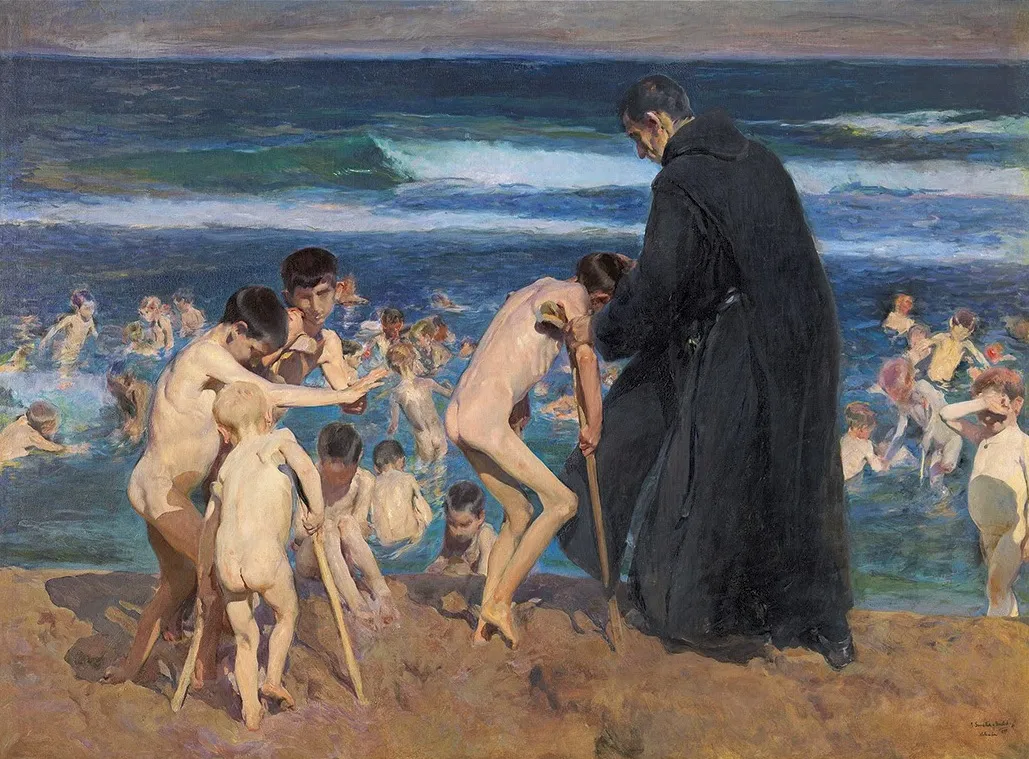
Joaquín Sorolla y Bastida’s expertise shines through in every brushstroke of this oil on canvas masterpiece. The delicate play of light and color, hallmarks of Impressionism, bring Benito Perez Galdos to life. Sorolla’s refined technique, also evident in works like "Children in the Sea, 1909" and "The Fisherman," showcases his dedication to realism and emotion, making this oil on canvas a prized addition to any art collection.
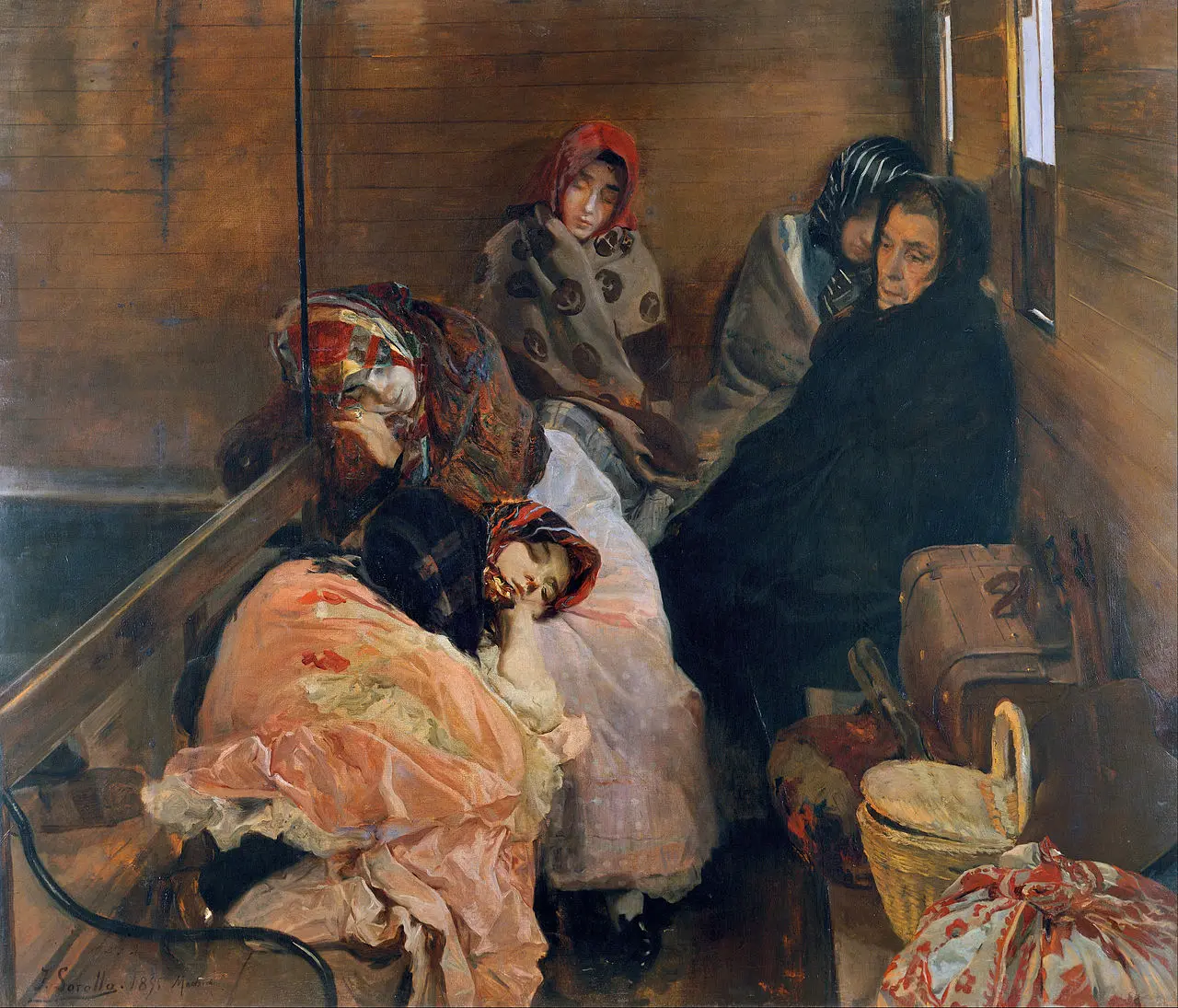
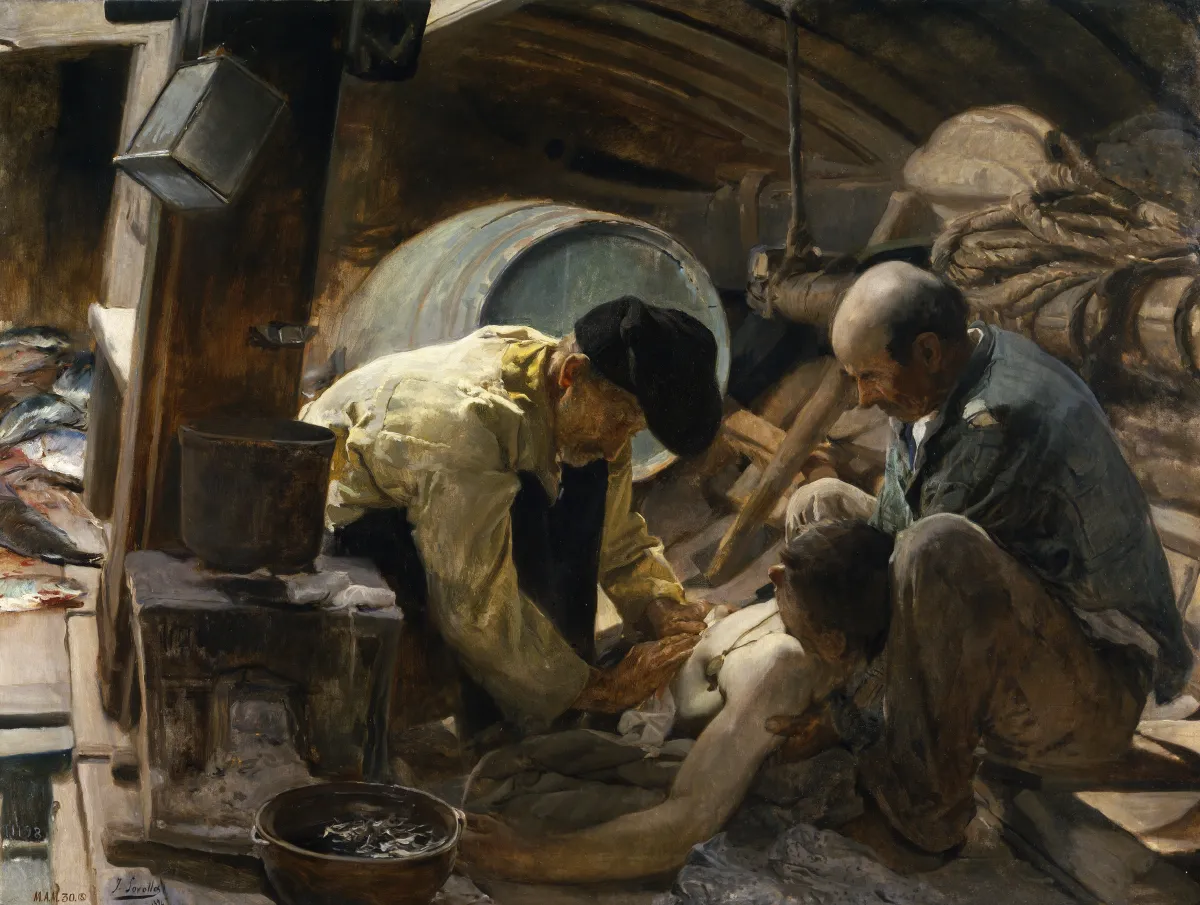
The portrait is more than just a depiction; it is a hand-painted oil painting imbued with subtle symbolism and narrative depth. Sorolla y Bastida, known for works such as "White Slave Trade" and "And They Still Say Fish is Expensive!", uses Impressionist techniques to reveal the intellect and humanity of Perez Galdos. Each detail in this fine art painting for sale tells a story, inviting viewers to explore the world behind the sitter’s gaze.
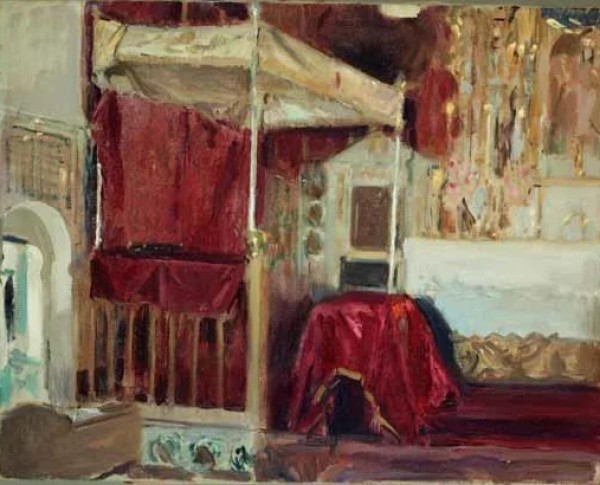
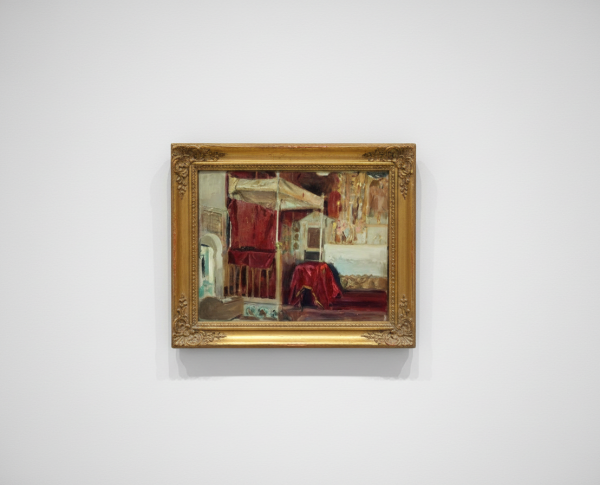
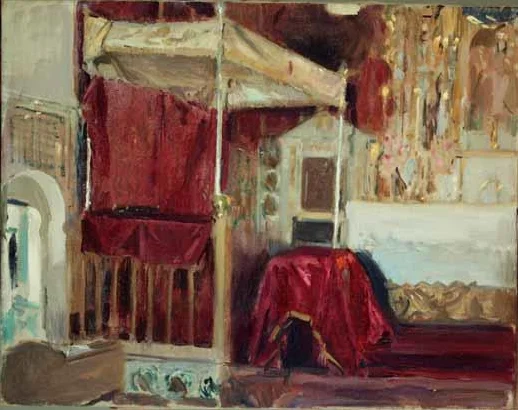
Owning the "Portrait of Benito Perez Galdos" is akin to possessing a piece of Impressionist history. As with Sorolla’s other celebrated works like "The Return from Fishing" and "Chapel on the Láchar estate," this oil on canvas is highly sought after by collectors. Its enduring beauty and connection to both artist and literary legend make it a truly exceptional fine art painting for sale in today’s market.
When Art Meets History
"Portrait of Benito Perez Galdos" by Joaquín Sorolla y Bastida stands as a remarkable example of how a hand-painted oil painting can capture not only a likeness but also the spirit of an era. Created during the Impressionism movement, this artwork immortalizes the renowned Spanish writer with expressive brushwork. Sorolla’s masterful portrait shares a historical context with related paintings like "Irises In Monets Garden" and "View At Rouelles Le Havre," celebrating influential figures and moments in time.
Techniques That Speak
Joaquín Sorolla y Bastida’s "Portrait of Benito Perez Galdos" is a testament to the luminous techniques characteristic of oil on canvas. The artist’s deft use of light and color showcases his Impressionist roots, similar to works such as "The Walk Woman With A Parasol" and "Les orangers." Sorolla’s brushwork creates texture and vitality, making each stroke a narrative element. This oil on canvas masterpiece demonstrates how technique can elevate portraiture into immersive storytelling.
Emotions on Display
In the "Portrait of Benito Perez Galdos," Sorolla y Bastida’s fine art painting for sale reveals the deep emotional resonance between artist and subject. The Impressionism movement’s emphasis on fleeting expressions and mood is evident, as the sitter’s thoughtful gaze and relaxed posture evoke empathy. Comparable to "Young Girls in Black," this portrait invites viewers to contemplate the inner world of its subject, making it a compelling addition to any collection of emotional masterpieces.
Coveted by Collectors
Collectors seek out the "Portrait of Benito Perez Galdos" by Joaquín Sorolla y Bastida for its exemplary status within the Impressionism movement and its connection to celebrated works like "Irises In Monets Garden." As a hand-painted oil painting, it represents both historical significance and artistic mastery. This fine art painting for sale continues to attract admirers who appreciate the convergence of cultural legacy and painterly brilliance, ensuring its lasting appeal in the art market.
Related Impressionism Hand-Painted Oil Paintings by Other Artists
Other Famous Impressionism Artists:
Frequently Asked Questions About Portrait of Benito Perez Galdos
Who is Benito Perez Galdos and why is he significant in Spanish literature?
Benito Perez Galdos was a prominent Spanish novelist and playwright, known for his detailed portrayal of 19th-century Spanish society. He is considered one of the greatest Spanish writers, often compared to Dickens and Tolstoy, and his works reflect the social and political issues of his time.
What artistic style is Joaquín Sorolla known for, and how is it reflected in this portrait?
Joaquín Sorolla is renowned for his Impressionistic style, characterized by vibrant colors and dynamic brushwork. In the "Portrait of Benito Perez Galdos," Sorolla captures the essence of Galdos's personality through light and color, emphasizing his intellectual presence.
What is the historical context of the painting?
The portrait was created during the early 20th century, a period marked by significant cultural and political changes in Spain. It reflects the growing recognition of intellectuals and artists in society, as well as the evolving role of literature in shaping national identity.
What techniques did Sorolla employ in this portrait?
Sorolla utilized a loose brushstroke technique and a bright color palette to convey the subject’s character and mood. The interplay of light and shadow adds depth, while the background remains subtly blurred to focus attention on Galdos.
What symbolism can be found in the portrait?
The portrait symbolizes the intellectual vigor of Galdos, with his thoughtful expression suggesting contemplation and creativity. The use of light may also symbolize enlightenment and knowledge, reflecting Galdos's contributions to literature and society.
How does this painting fit into Sorolla's body of work?
This portrait exemplifies Sorolla's ability to capture the essence of his subjects, a hallmark of his artistic practice. It stands alongside his other portraits, showcasing his skill in blending realism with impressionistic techniques to convey personality and emotion.
What was the relationship between Sorolla and Galdos?
Sorolla and Galdos shared a mutual respect and admiration for each other's work. Their friendship was rooted in their dedication to Spanish culture and the arts, making this portrait a personal tribute to Galdos's literary achievements.
In what ways does this portrait reflect the cultural climate of Spain during its creation?
The portrait reflects a cultural climate that valued intellectualism and artistic expression. It captures a moment when Spain was experiencing a renaissance in literature and the arts, with figures like Galdos at the forefront of this movement.
What can viewers learn about the era from this painting?
Viewers can gain insight into the intellectual pursuits of the time, as well as the societal appreciation for literature and art. The portrait serves as a visual representation of the era's cultural aspirations and the significance of literary figures in shaping public discourse.
How has the perception of this painting changed over time?
Initially celebrated for its artistic merit, the painting has gained recognition as a significant historical document that encapsulates the relationship between two influential figures in Spanish culture. Over time, it has come to symbolize the enduring legacy of both Sorolla and Galdos in the arts.























_GFM_Painting_(1).webp)


 100% Hand-Painted: Finished in 3-6 Weeks

.png)















_(1).webp)