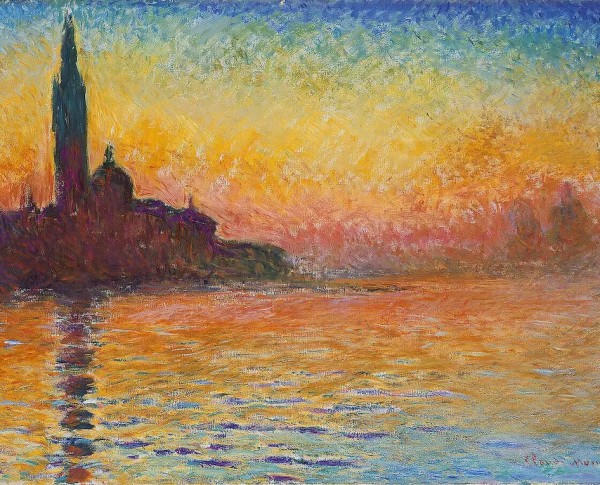
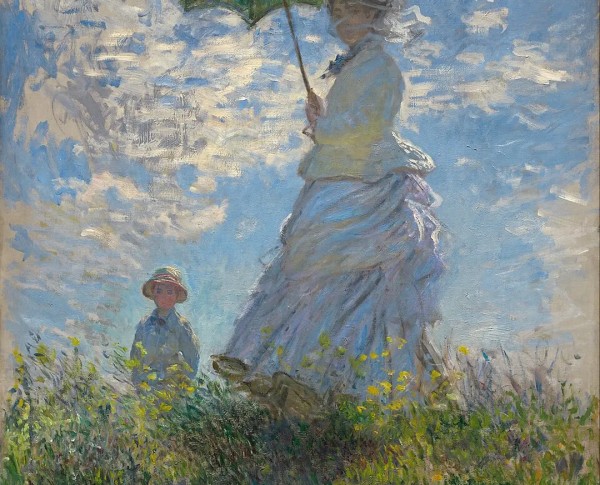
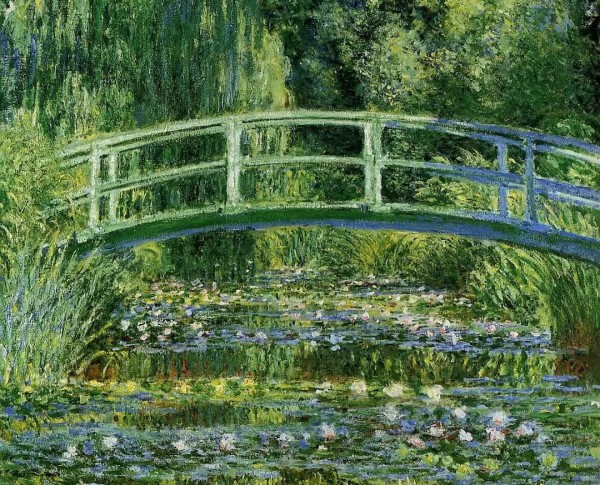
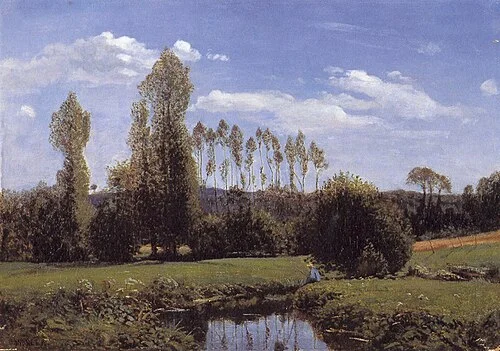
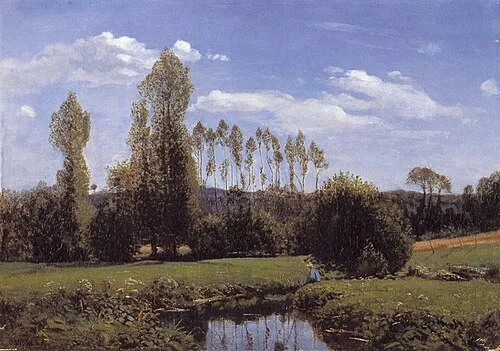
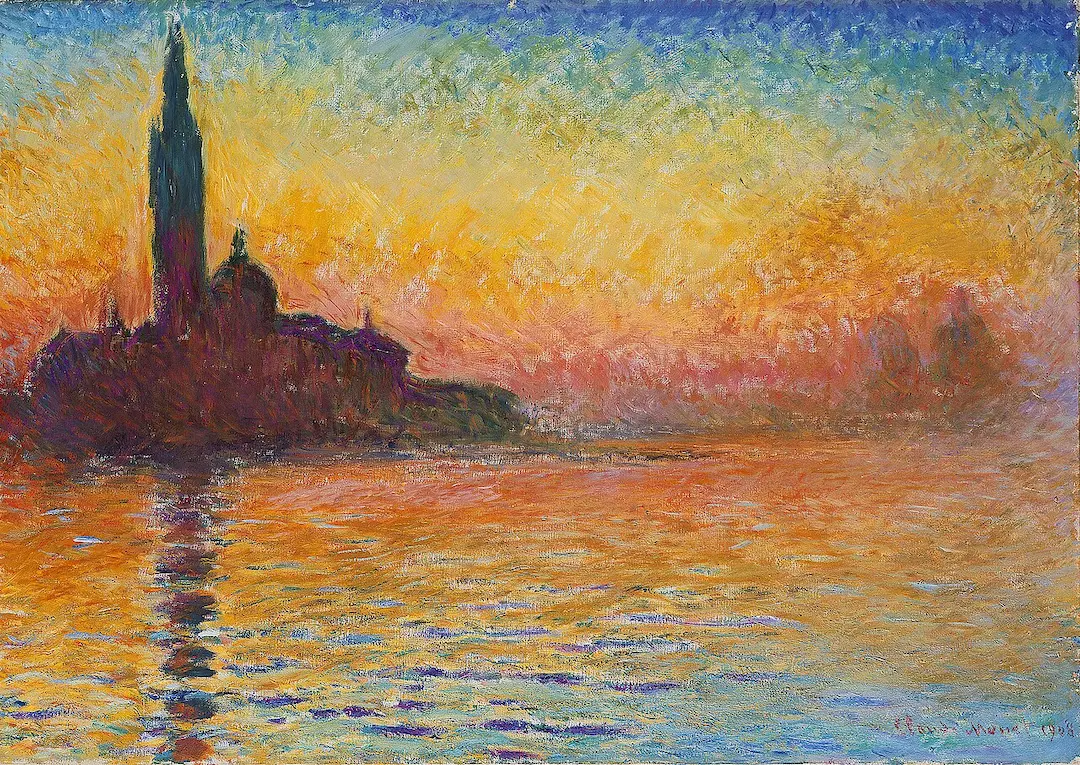
Monet’s remarkable technique in "View At Rouelles Le Havre" is evident in his delicate brushwork and attention to natural light, hallmarks of the Impressionist movement. Rendered in oil on canvas, this painting displays a lively interplay of colors and swift strokes, inviting viewers into the serene landscape. For those inspired by Monet’s mastery, exploring other works such as "San Giorgio Maggiore At Dusk" and "Terrace at the Seaside, Sainte-Adresse" is highly recommended.
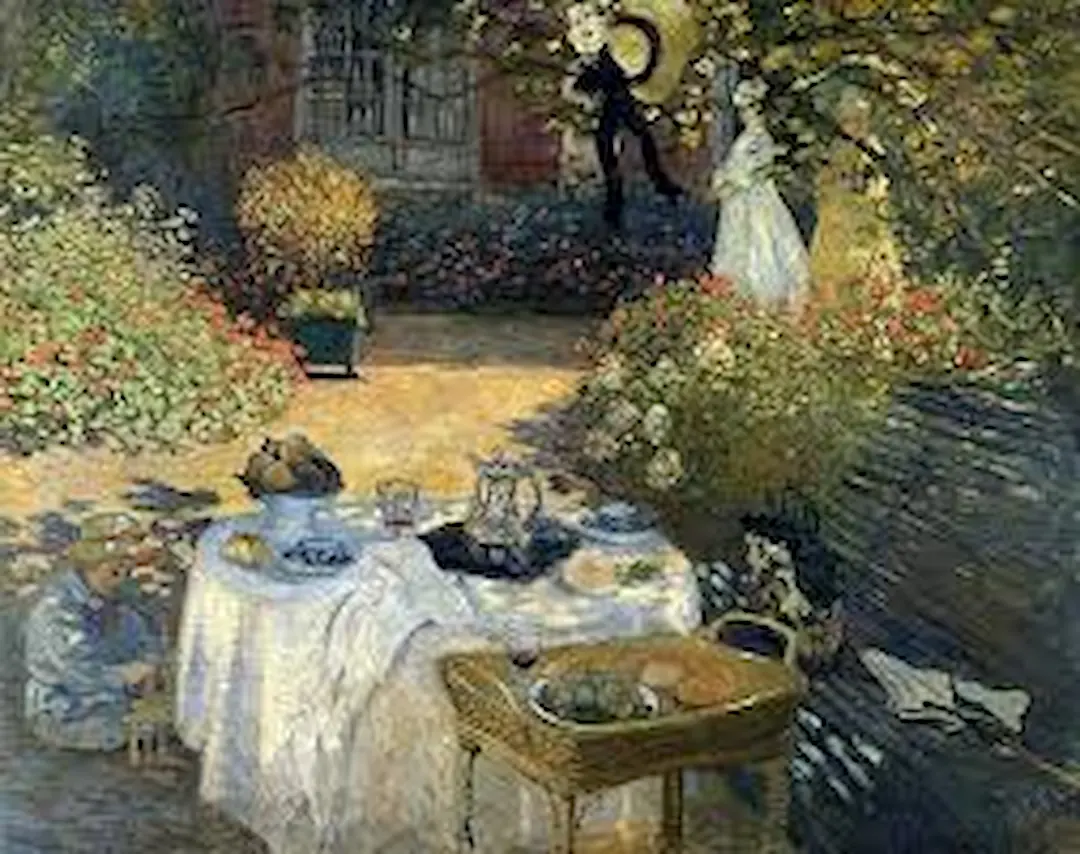
"View At Rouelles Le Havre" reflects Claude Monet’s deep connection with nature and his desire to capture fleeting moments. The painting’s pastoral setting and radiant skies symbolize tranquility and the beauty of everyday scenes, central themes in Impressionism. Collectors and admirers of fine art painting for sale will find this work harmonizes beautifully with pieces like "Road to the Saint-Simeon Farm" and "The Luncheon (Monet's Garden At Argenteuil)" for a rich narrative display.
Owning a reproduction of "View At Rouelles Le Havre" by Claude Monet allows art lovers to bring a piece of Impressionist history into their spaces. This exceptional oil on canvas painting is ideal for anyone seeking a fine art painting for sale that embodies both artistic innovation and timeless beauty. Pairing it with Monet’s other celebrated works, such as "Impression, Sunrise," enhances any collection with the master’s signature style and vision.
When Art Meets History
"View At Rouelles Le Havre" by Claude Monet stands as a testament to the transformative years of the Impressionism movement. Painted during a time when artists sought to capture fleeting moments, this hand-painted oil painting reflects Monet’s fascination with light and atmosphere. Similar to his other masterpieces like "Les orangers" and "A Girl with a Watering Can," Monet’s work at Rouelles showcases the evolution of modern art, bridging the gap between tradition and innovation in fine art history.
Techniques That Speak
Monet’s "View At Rouelles Le Havre" demonstrates his mastery of oil on canvas, using quick brushstrokes and vibrant color palettes characteristic of Impressionism. The artist’s ability to capture the play of sunlight over the landscape is echoed in related works such as "Ambroise Vollard" and "Ballet Rehearsal, 1873." This technique not only brings the scene to life but also exemplifies how Monet’s innovative approach transformed traditional landscape painting into a dynamic visual experience.
Emotions on Display
In "View At Rouelles Le Havre," Monet invites viewers to experience the tranquil beauty and fleeting emotions of a countryside scene. The painting’s atmospheric light and subtle movement evoke a sense of peace, reminiscent of his other fine art painting for sale, "The Daughters of Catulle Mendès." Monet’s Impressionist style encourages emotional engagement, allowing the audience to connect personally with the scenery and sense the artist’s own wonder at the world around him.
Coveted by Collectors
As a prime example of Impressionism, "View At Rouelles Le Havre" remains highly sought after by collectors and art enthusiasts. Its status as a hand-painted oil painting by Claude Monet increases its desirability, much like his celebrated works "Les orangers" and "A Girl with a Watering Can." The timeless appeal and historical significance of this masterpiece ensure its place among the most coveted fine art painting for sale in the global art market.
Related Impressionism Hand-Painted Oil Paintings by Other Artists
Other Famous Impressionism Artists:
Frequently Asked Questions About View At Rouelles Le Havre
What is the historical significance of "View At Rouelles Le Havre"?
"View At Rouelles Le Havre" is significant as it captures the essence of Impressionism, a movement that sought to depict the effects of light and atmosphere in a natural setting. Created in 1872, the painting reflects Monet's innovative approach to landscape painting during a transformative period in art history.
What artistic techniques did Monet employ in this painting?
Monet utilized loose brushwork and a vibrant color palette to convey the transient effects of light on the water and sky. His technique of layering colors and using short, quick strokes creates a sense of movement and immediacy, hallmark traits of Impressionist art.
What themes are explored in "View At Rouelles Le Havre"?
The painting explores themes of nature, tranquility, and the passage of time. It invites viewers to contemplate the beauty of the natural world and the fleeting moments of light that can be captured in art.
How does "View At Rouelles Le Havre" reflect Monet's artistic evolution?
This work exemplifies Monet's shift towards capturing the effects of light and atmosphere rather than focusing on detailed realism. It marks a pivotal moment in his career as he began to embrace the principles that would define his later masterpieces.
What is the significance of the location depicted in the painting?
The painting depicts Rouelles, a location near Le Havre, which was significant for Monet as it was a site where he frequently painted. The landscape reflects the industrial changes occurring in France during the late 19th century, juxtaposed with the natural beauty of the scene.
How does Monet's use of color contribute to the painting's mood?
Monet's use of a bright, varied color palette enhances the painting's serene and uplifting mood. The interplay of blues, greens, and soft whites evokes a sense of calm and invites viewers to immerse themselves in the tranquil landscape.
What role does light play in "View At Rouelles Le Havre"?
Light plays a central role in the painting, as Monet captures its changing qualities throughout the day. The reflections on the water and the soft illumination of the sky demonstrate his fascination with how light transforms the landscape.
In what ways does "View At Rouelles Le Havre" exemplify the Impressionist movement?
The painting exemplifies the Impressionist movement through its focus on capturing a moment in time, emphasis on light and color, and the use of loose brushwork. It reflects the movement's goal of portraying the artist's perception of the scene rather than a detailed representation.
What influence did "View At Rouelles Le Havre" have on future artists?
This painting influenced future generations of artists by demonstrating the importance of personal expression and the exploration of light and color. It paved the way for modern art movements that would further challenge traditional techniques and perspectives.
How does this painting fit into Monet's broader body of work?
"View At Rouelles Le Havre" fits into Monet's broader body of work as an early example of his exploration of landscapes and natural scenes. It foreshadows his later series, where he would continue to investigate the effects of light and atmosphere in various settings.






















_GFM_Painting_(1).webp)


 100% Hand-Painted: Finished in 3-6 Weeks

.png)















_(1).webp)