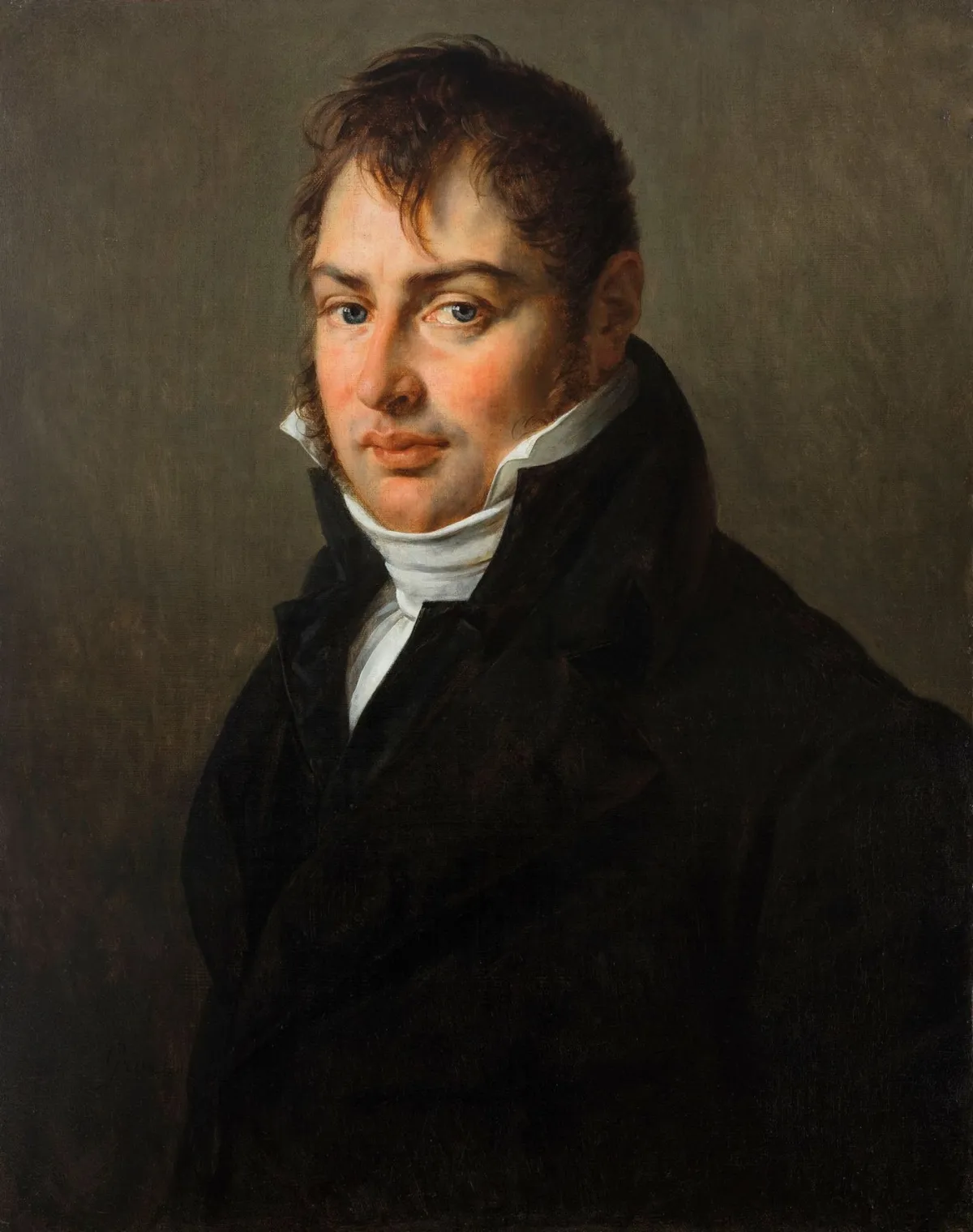
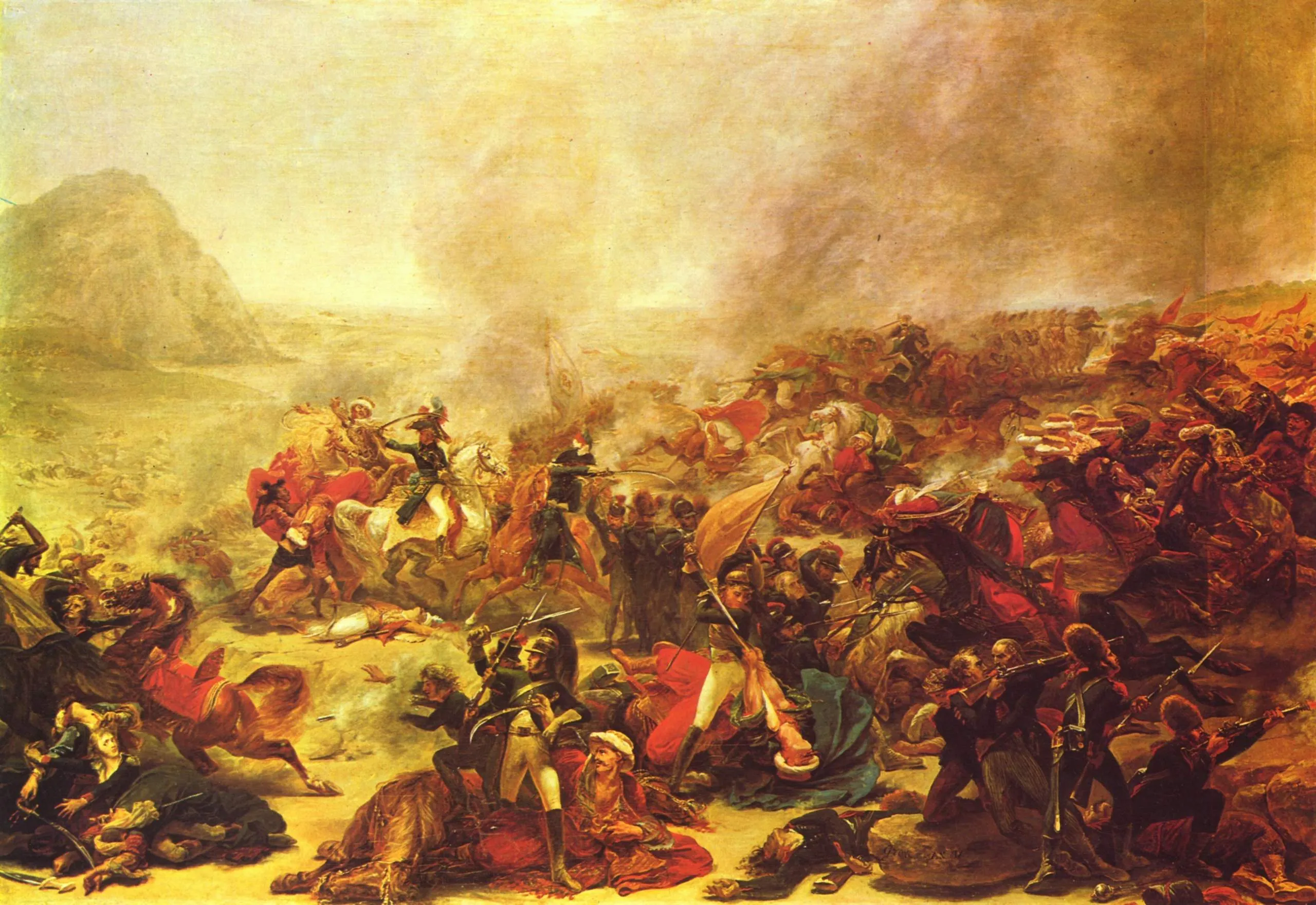
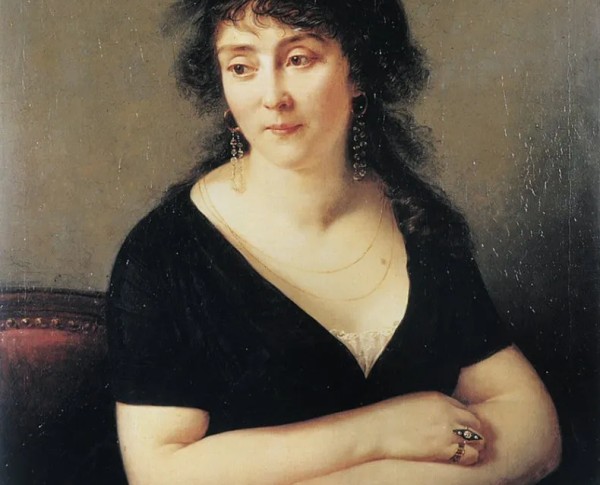
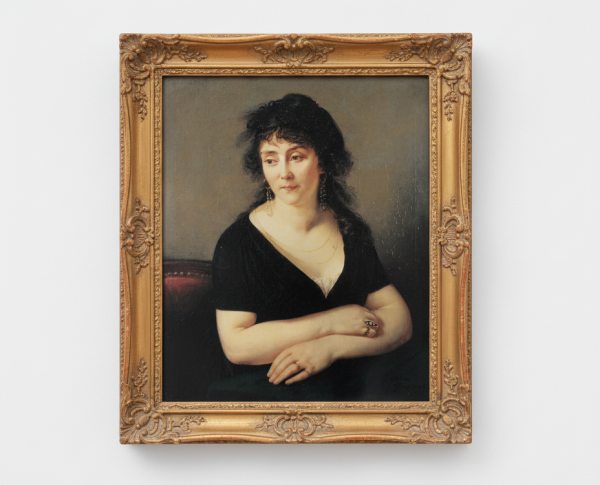
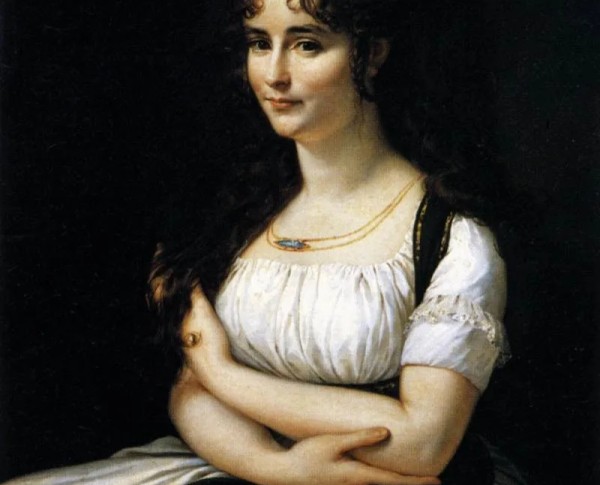
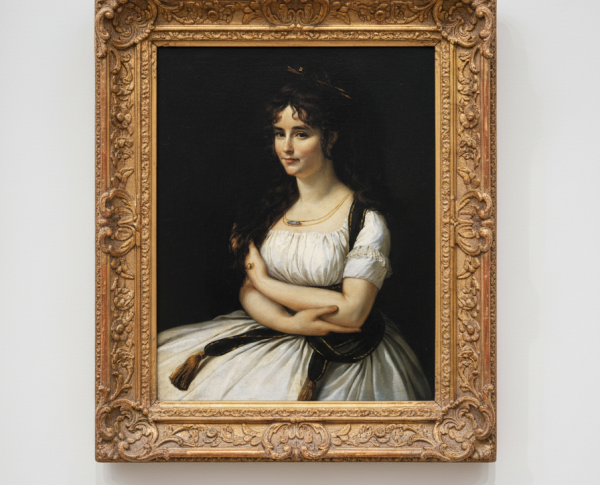
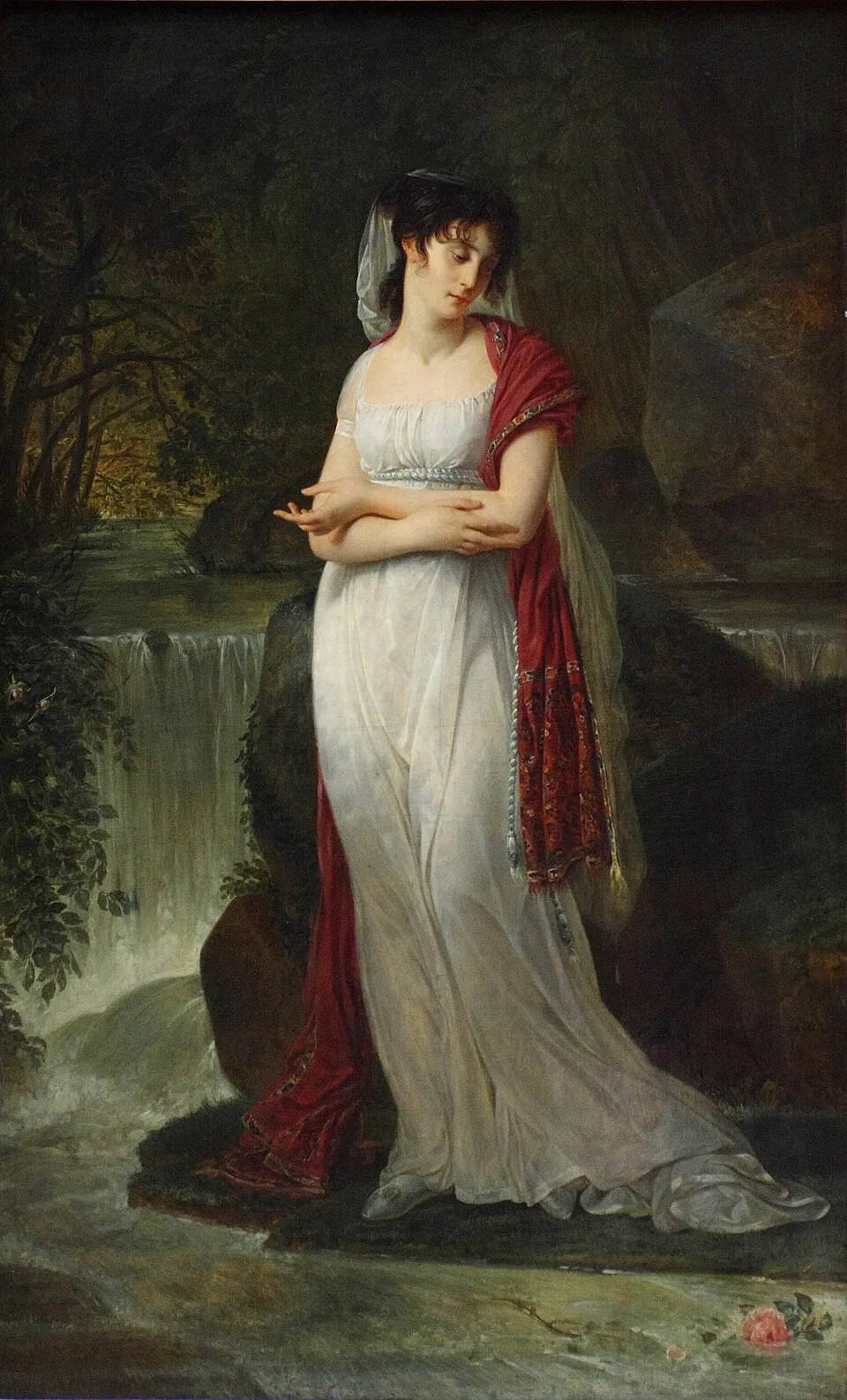
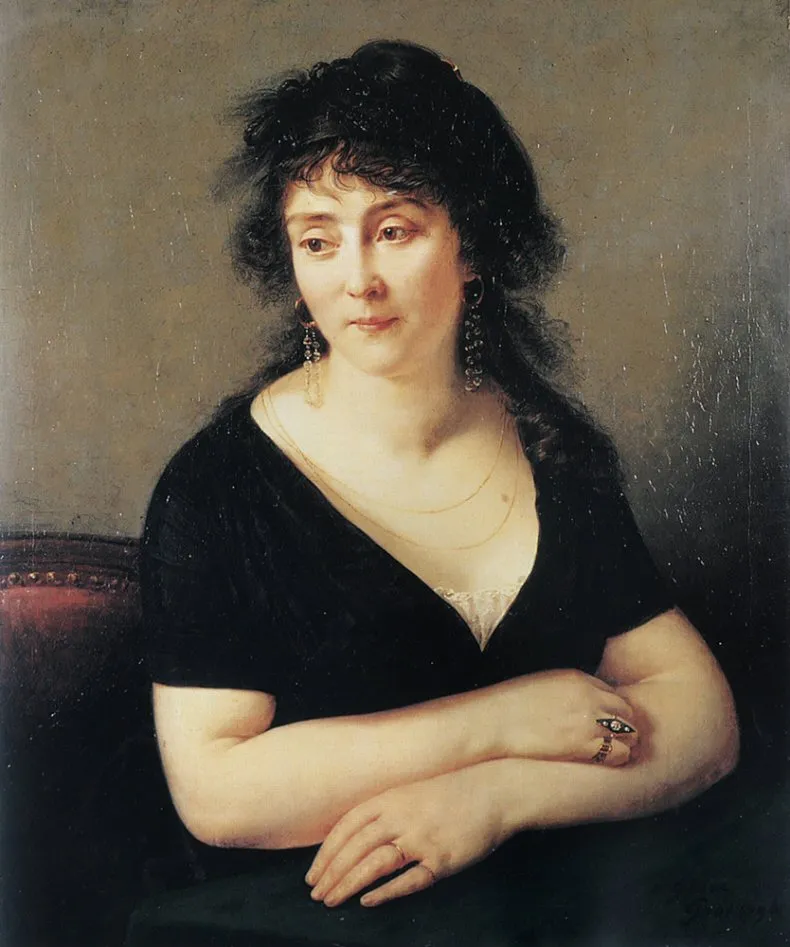
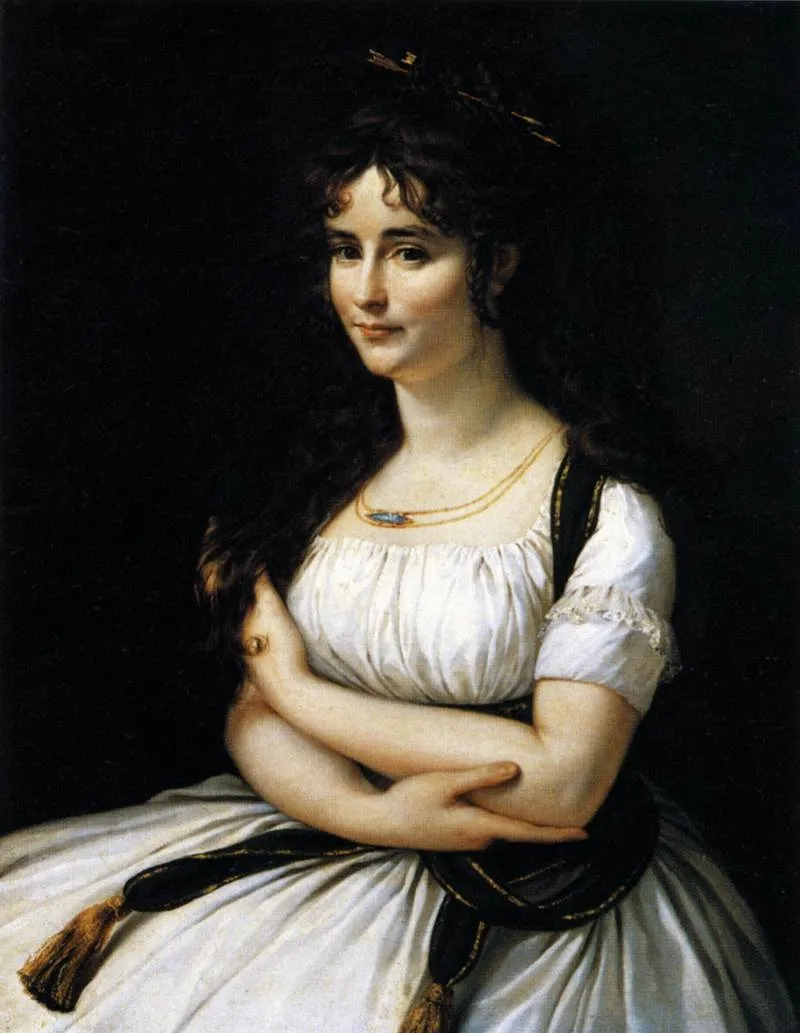
Antoine-Jean Gros’s technique in "Portrait of Christine Boyer" showcases his extraordinary skill with oil on canvas, a hallmark of Romanticism. Through subtle color transitions and delicate highlights, Gros conveys both the character and nobility of Christine Boyer. This oil on canvas painting demonstrates the artist’s command of light and shadow, a trait shared by his other works such as "Portrait of Madame Bruyere" and "Madame Pasteur," making each piece a study in technical brilliance.
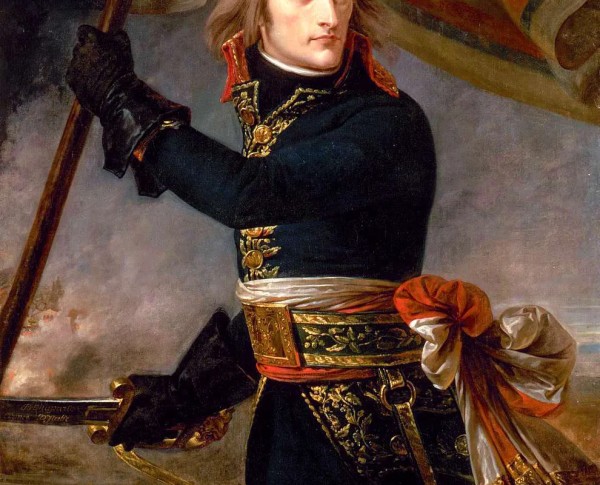
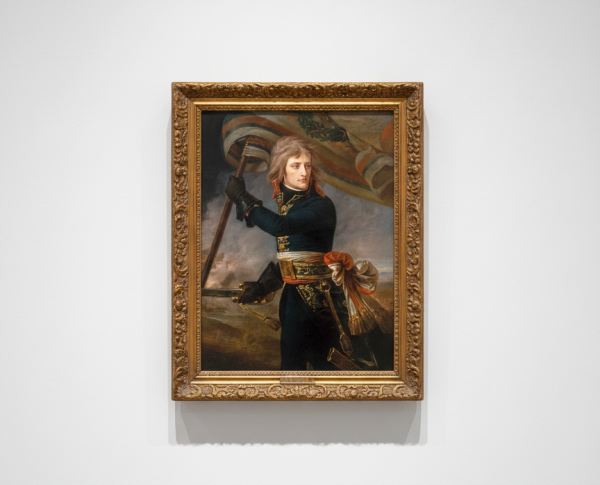
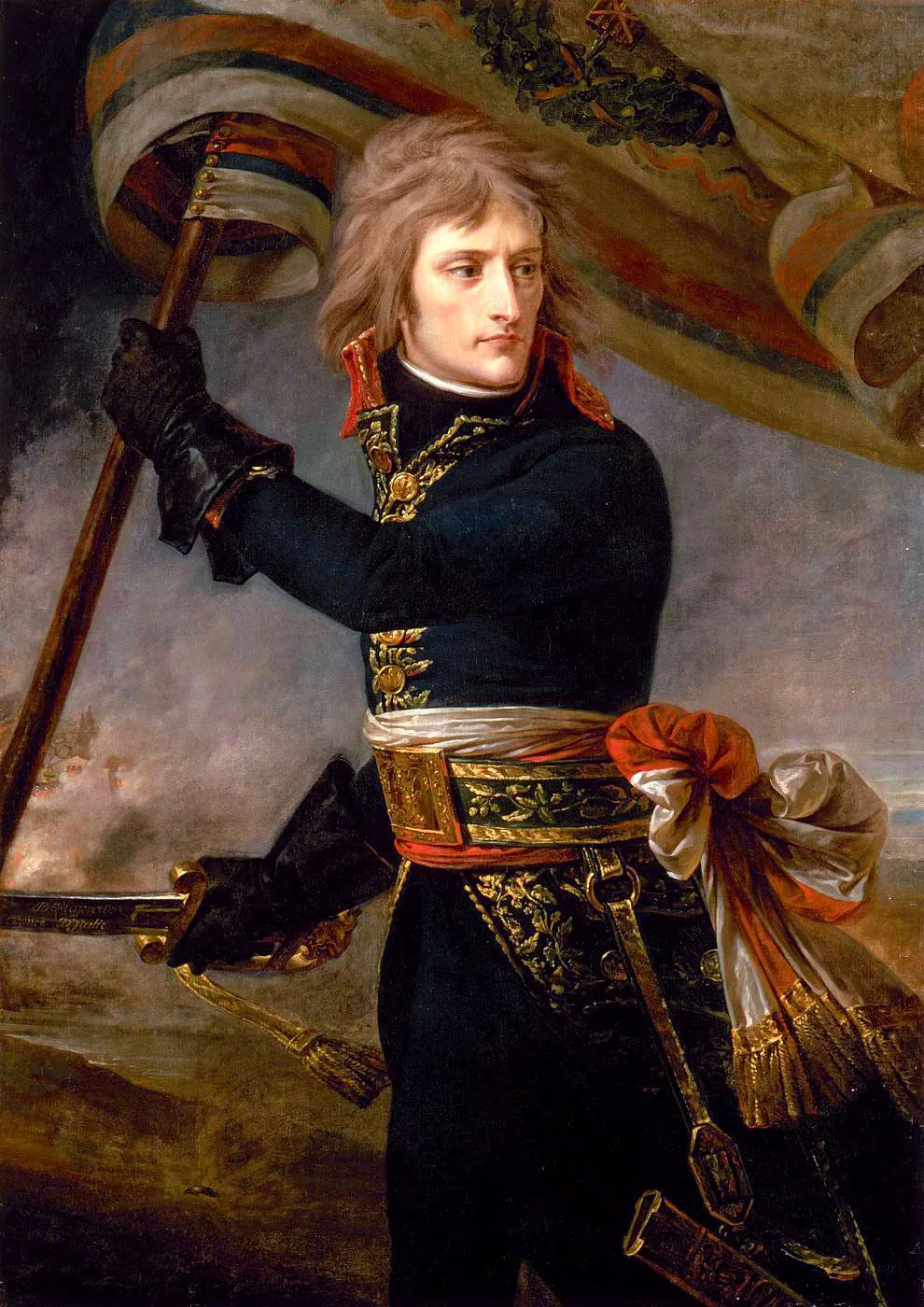
Every element in "Portrait of Christine Boyer" tells a story, crafted by Antoine-Jean Gros’s thoughtful approach to Romanticism. The gentle pose and refined attire symbolize grace and inner strength, echoing themes found in other fine art paintings for sale from the era. Gros’s attention to personal narrative imbues the portrait with meaning, inviting viewers to connect with Christine Boyer’s story as vividly as with his iconic "Bonaparte at the Pont D'Arcole."
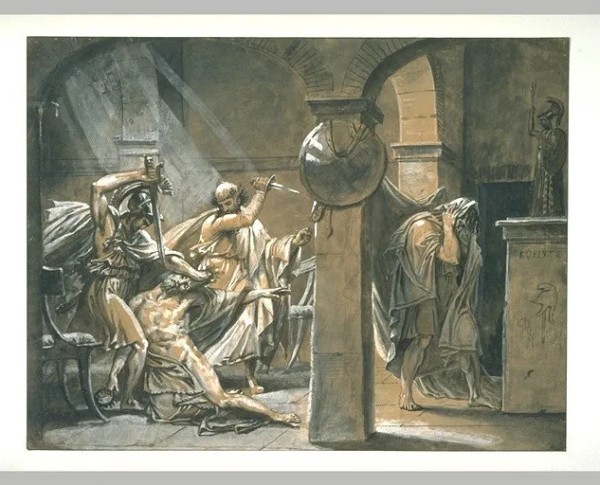
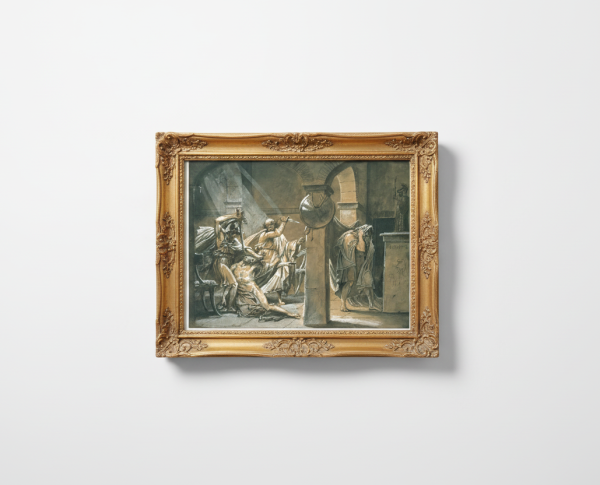
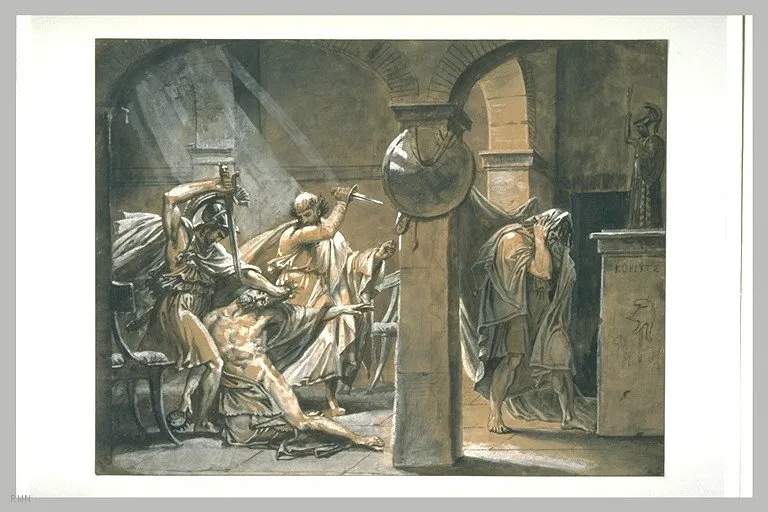
For art enthusiasts, "Portrait of Christine Boyer" by Antoine-Jean Gros represents a fine art painting for sale that embodies the spirit of Romanticism. Its provenance and emotional resonance make it a coveted addition to any collection, alongside masterpieces like "The Death of Timophanes" and "Portrait of Madame Bruyere." Owning such a painting offers a unique opportunity to appreciate the legacy of Gros and the enduring beauty of oil on canvas.
When Art Meets History
"Portrait of Christine Boyer" by Antoine-Jean Gros stands as a remarkable example of the Romanticism movement, capturing both the spirit of its era and the delicate subject. Created in a time when emotions and individuality were paramount, this hand-painted oil painting reflects not only Gros's mastery but also the broader artistic currents of the early 19th century. Comparable masterpieces include "Mountain Landscape with Rainbow" and "Snow Storm: Hannibal and his Army Crossing the Alps," which also embody Romantic ideals.
Techniques That Speak
Antoine-Jean Gros’s "Portrait of Christine Boyer" showcases his exceptional technique with oil on canvas, a medium favored by many Romantic artists. The artist’s use of soft brushwork and subtle color gradations brings Christine Boyer’s likeness to life, emphasizing texture and depth. This approach connects Gros’s work to other celebrated pieces such as "Bad der Nymphen" and "The Witches' Ride," highlighting the technical brilliance that defines the Romanticism movement.
Emotions on Display
In "Portrait of Christine Boyer," Gros masterfully conveys deep emotion, a hallmark of Romanticism. The sitter’s gentle expression and the painting’s evocative atmosphere invite viewers into a moment frozen in time. This fine art painting for sale captures the same intensity found in related works like "Self-Portrait in the Studio," immersing art lovers in the emotional world of the subject. Gros’s artistry ensures that every glance at the portrait reveals new layers of feeling.
Coveted by Collectors
Collectors and art enthusiasts highly prize "Portrait of Christine Boyer" for its historical significance and artistic excellence. As with other notable Romantic works, such as "Snow Storm: Hannibal and his Army Crossing the Alps," this hand-painted oil painting remains in demand for its unique blend of personal storytelling and technical skill. Antoine-Jean Gros’s creations, including this portrait, are continually sought after, making them enduring treasures in the world of fine art collecting.
Related Romanticism Hand-Painted Oil Paintings by Other Artists
Other Famous Romanticism Artists:
Frequently Asked Questions About Portrait of Christine Boyer
Who is Christine Boyer, and why is she significant in this portrait?
Christine Boyer was a prominent figure in the early 19th century, known for her social connections and influence in Parisian society. Her portrayal by Antoine-Jean Gros highlights her status and the cultural milieu of the time.
What artistic techniques did Antoine-Jean Gros employ in this painting?
Gros utilized a combination of chiaroscuro and vibrant color palettes to create depth and emotional resonance in the portrait. His attention to detail in textures, particularly in the fabric and skin tones, showcases his mastery of oil painting.
What is the historical context of the painting?
Created in the early 19th century, "Portrait of Christine Boyer" reflects the neoclassical style that was prevalent during the period. It captures the transition in art from the grandeur of the Baroque to the more intimate and personal approach of Romanticism.
What symbolism can be found in the portrait?
The portrait is rich in symbolism, with elements such as the choice of clothing and background that signify Christine Boyer's social standing and virtues. The use of light may also symbolize her inner qualities and character.
How does this painting reflect the characteristics of the Romantic movement?
This painting embodies the Romantic movement through its emphasis on individual emotion and the psychological depth of the subject. Gros's portrayal of Christine Boyer invites viewers to connect with her on a personal level, a hallmark of Romantic art.
What influences did Antoine-Jean Gros have in his artistic career?
Gros was influenced by earlier masters such as Jacques-Louis David and the emerging Romantic ideals. His exposure to both neoclassical and Romantic styles allowed him to develop a unique approach that combined historical themes with emotional expression.
What role did portraiture play in the 19th century?
Portraiture in the 19th century served not only as a means of capturing likeness but also as a way to convey social status, personal identity, and cultural values. It was a popular genre among the elite, who commissioned works to immortalize their image and legacy.
How has "Portrait of Christine Boyer" been received by critics and art historians?
The painting has been praised for its technical skill and emotional depth. Art historians often cite it as a significant example of Gros's ability to blend realism with romantic ideals, contributing to the understanding of portraiture in his era.
What materials and methods did Gros use in creating this portrait?
Antoine-Jean Gros primarily used oil on canvas for this portrait, a common medium of the time that allowed for rich color and detail. His layering technique contributed to the luminosity and depth of the painting.
What impact did "Portrait of Christine Boyer" have on later artists?
This portrait influenced subsequent generations of artists by demonstrating the power of personal narrative in portraiture. Gros's blend of emotional expression and technical skill set a standard that many later artists sought to emulate.






















_GFM_Painting_(1).webp)


 100% Hand-Painted: Finished in 3-6 Weeks

.png)















_(1).webp)