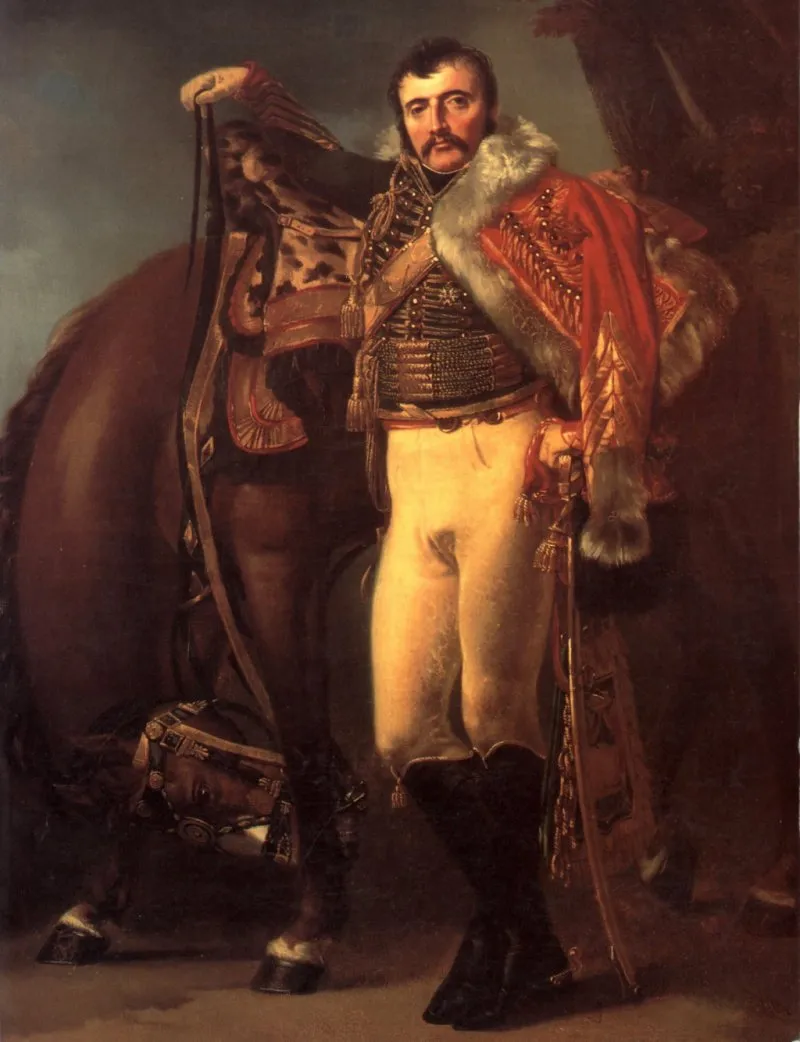
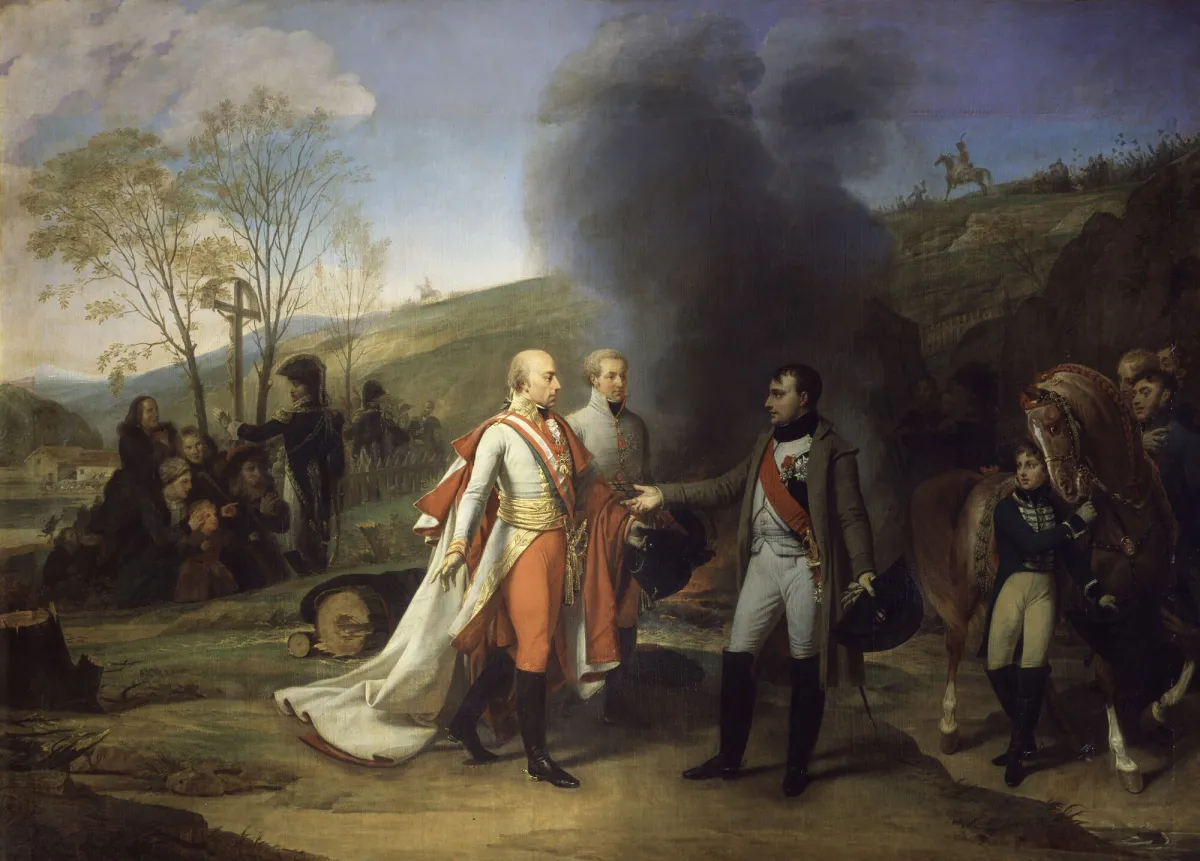
The meticulous detail and dynamic composition of this oil on canvas highlight Antoine-Jean Gros’s unparalleled technical skill. Through expressive brushwork and dramatic lighting, Gros brings the historic encounter to life, demonstrating why Romanticism remains influential in fine art. Collectors often compare this painting’s artistry to other notable works such as "Colonel Count Claude Etienne Guyot" both celebrated for their evocative style and rich narrative depth.
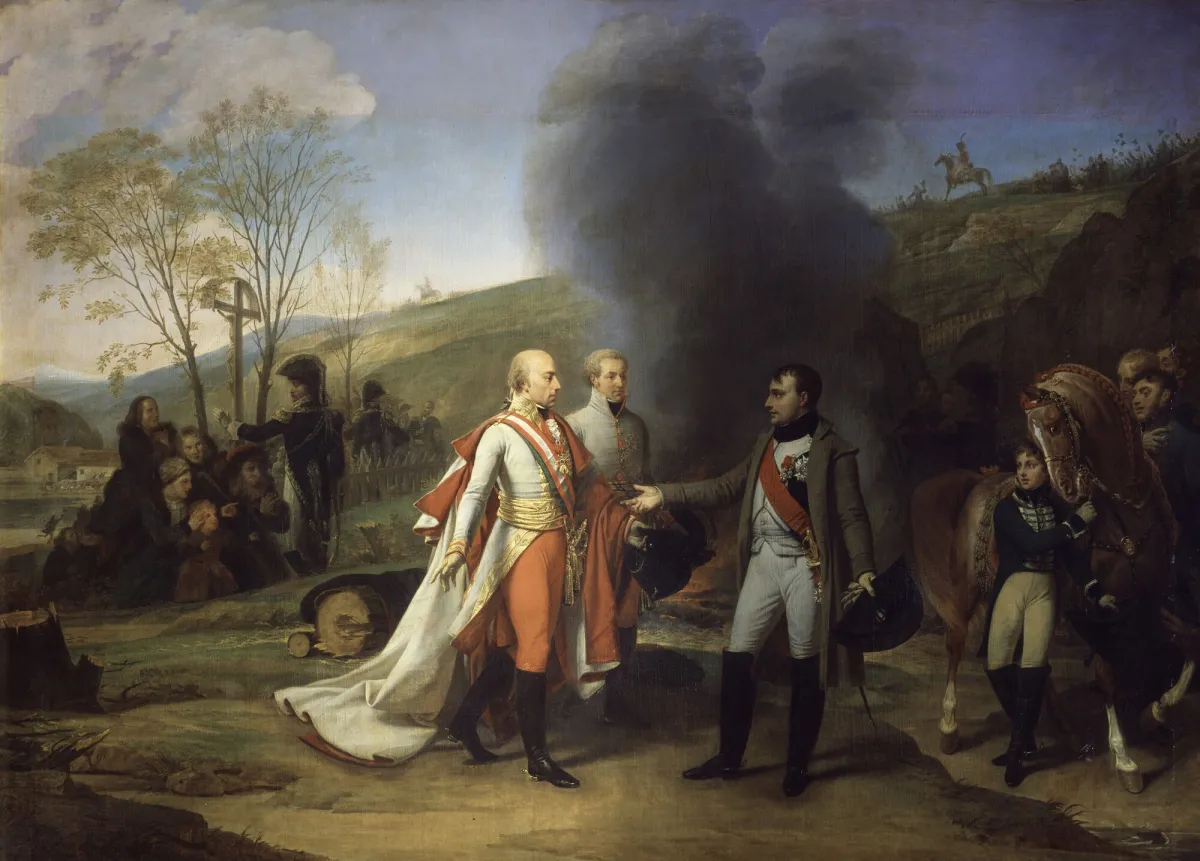
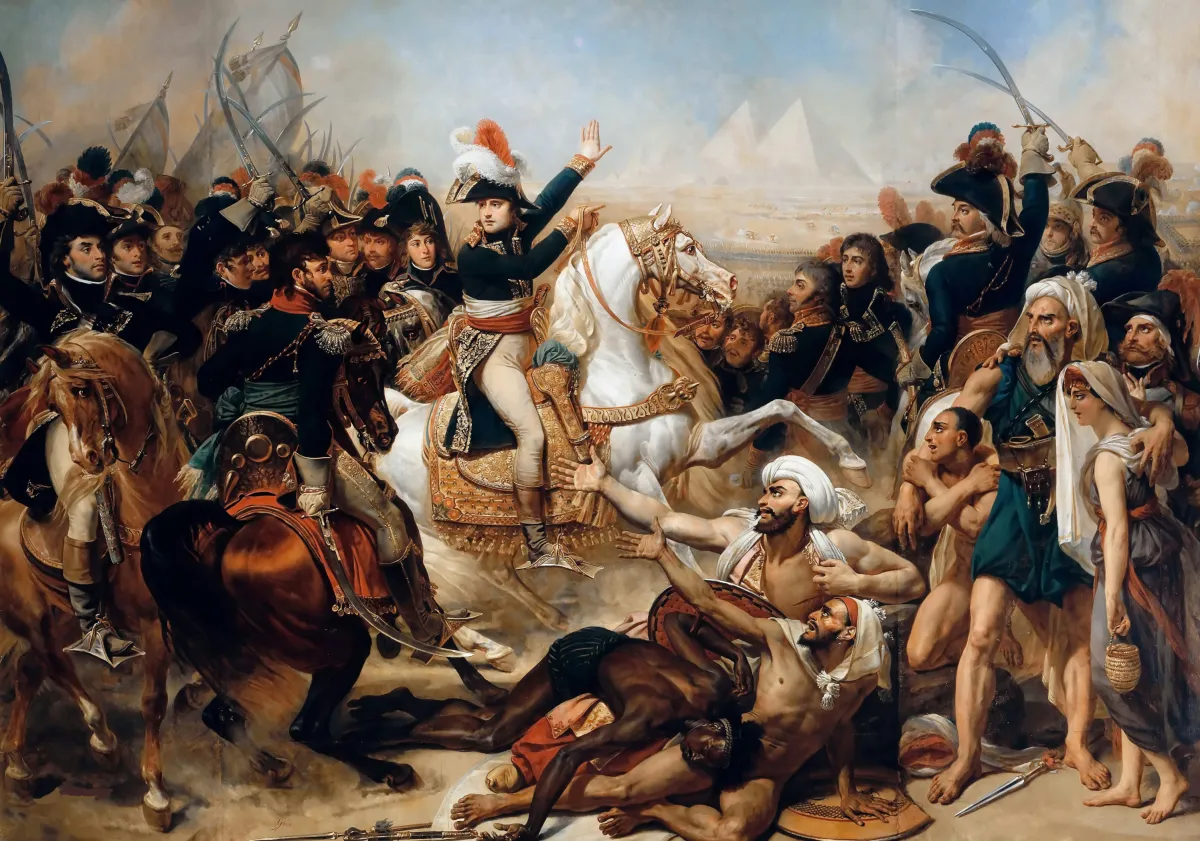
This fine art painting for sale is rich with symbolism, illustrating the complex relationship between Napoleon and Francis II following the Battle of Austerlitz. Antoine-Jean Gros uses visual cues—such as posture and setting—to convey themes of power, diplomacy, and human emotion, hallmarks of the Romanticism movement. Art lovers may also be drawn to related works like "Bonaparte Visiting the Plague Victims of Jaffa" which similarly blend historical storytelling with artistic innovation.
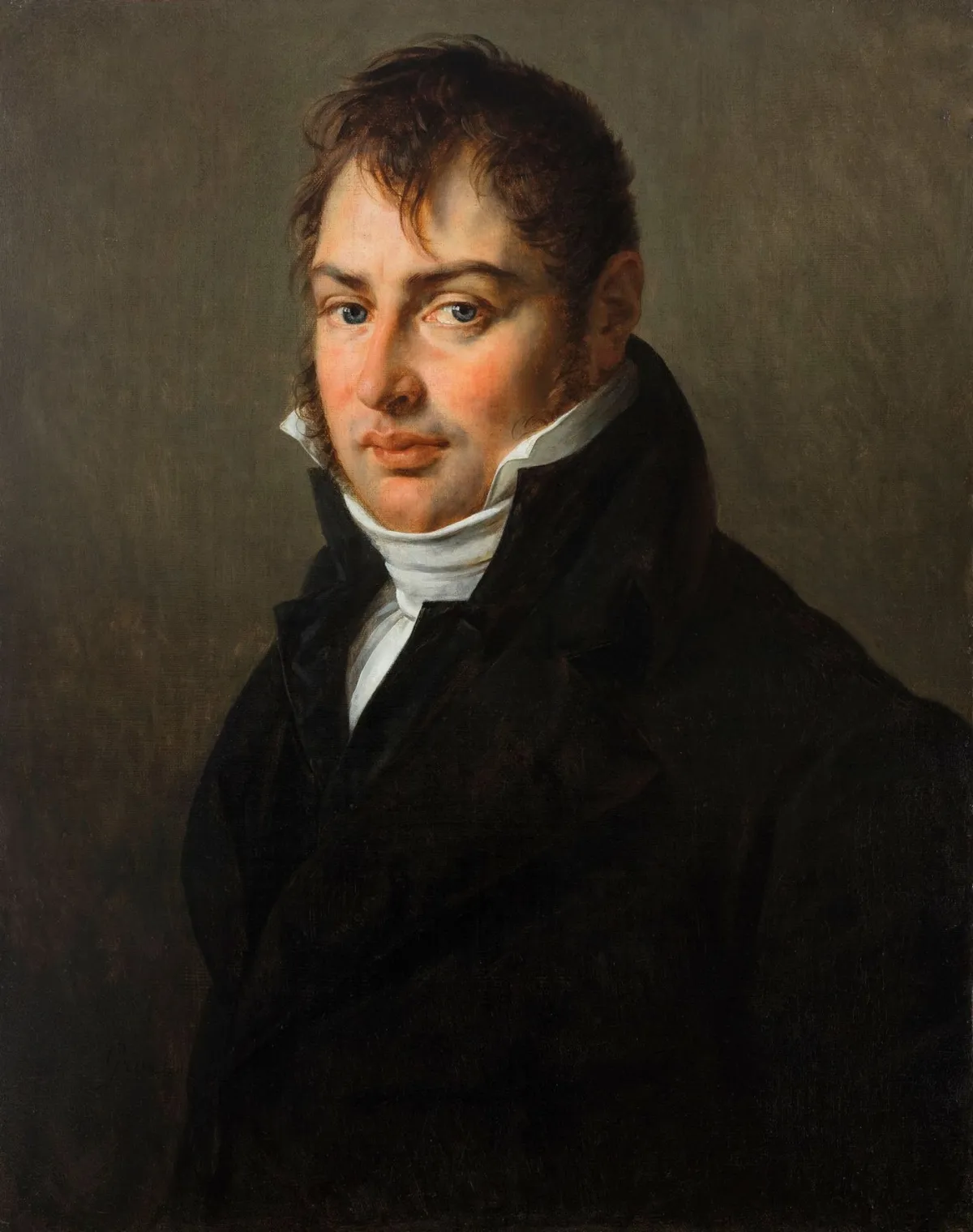
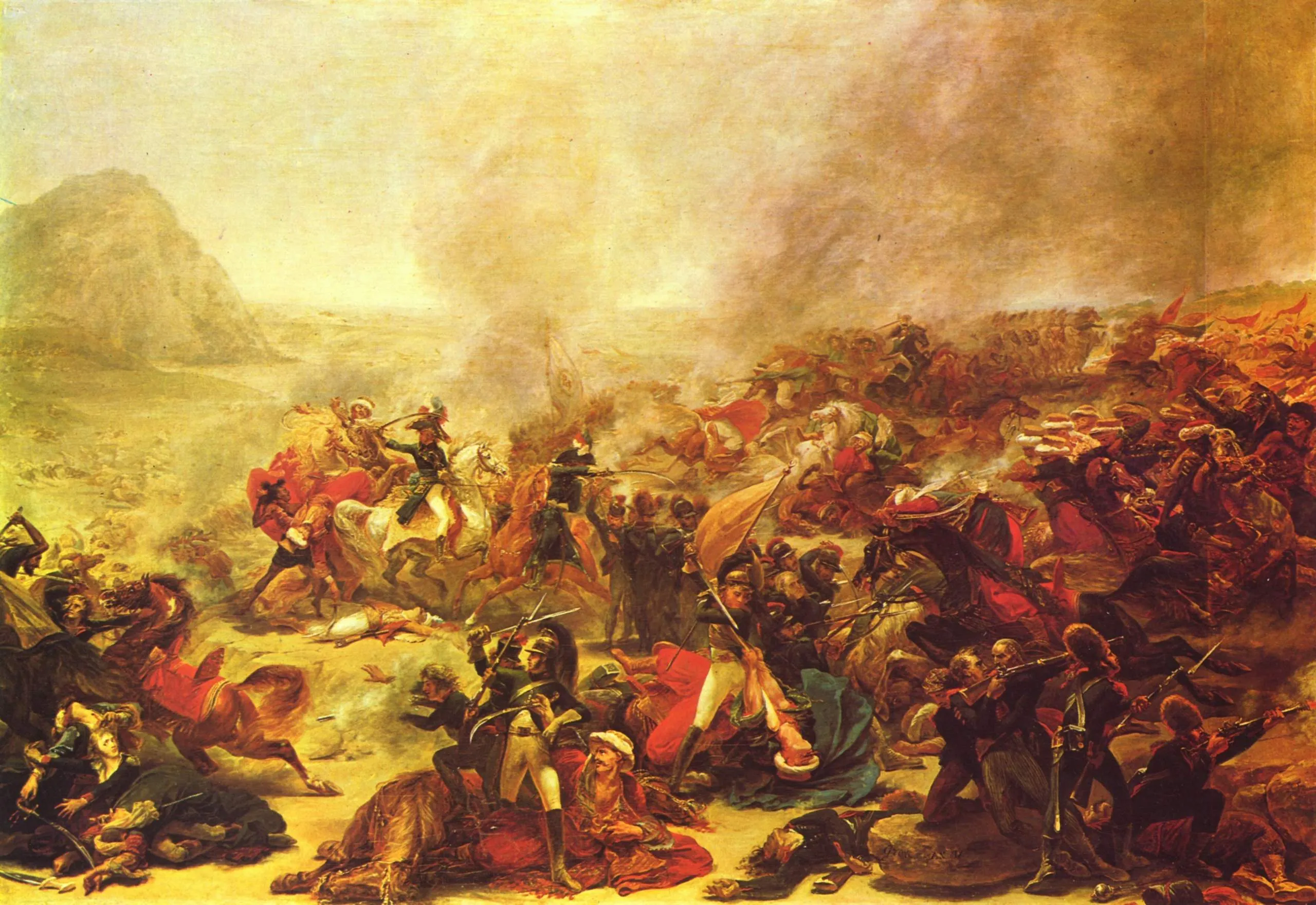
For collectors seeking a hand-painted oil painting that embodies both historical significance and artistic mastery, "Interview Between Napoleon and Francis II after the Battle of Austerlitz" by Antoine-Jean Gros is an exceptional choice. As an important piece within the Romanticism movement, it complements collections featuring related products such as "The Battle of Nazareth" and "Portrait of Antoine Roy, comte Roy." This artwork offers an enduring legacy and a striking focal point for any gallery or private collection.
When Art Meets History
"Interview Between Napoleon and Francis II after the Battle of Austerlitz" by Antoine-Jean Gros is a remarkable hand-painted oil painting that immortalizes a pivotal moment in European history. As a significant work in the Romanticism movement, it captures the aftermath of one of Napoleon’s most decisive victories. Gros, known for his dynamic scenes, connects this masterpiece to other historical works like "Domestic Squabble" and "Riding out a Gale," blending art and history seamlessly.
Techniques That Speak
Antoine-Jean Gros's mastery of oil on canvas is evident in the rich textures and dramatic lighting of "Interview Between Napoleon and Francis II after the Battle of Austerlitz." The Romanticism movement’s signature brushwork and color palette bring the historical figures to life. This technique is also visible in related paintings such as "George Washington Baines By" and "Bad der Nymphen," showcasing Gros's influence on his contemporaries and the enduring appeal of his style.
Emotions on Display
This fine art painting for sale radiates the emotional complexity of the moment when Napoleon and Francis II meet after the battle. Gros expertly captures the tension, respect, and underlying sorrow, hallmarks of Romanticism, making viewers feel like witnesses to history. Similar emotional depth can be found in works like "Portrait of a Gentleman," proving Antoine-Jean Gros’s ability to convey profound human experience through his evocative compositions.
Coveted by Collectors
"Interview Between Napoleon and Francis II after the Battle of Austerlitz" remains a highly sought-after hand-painted oil painting among collectors of historical and Romanticism art. Antoine-Jean Gros's reputation, along with the painting’s dramatic narrative, ensures its lasting value. Collectors often seek related paintings such as "Domestic Squabble" or "Bad der Nymphen," but this masterpiece stands out as a testament to both artistic skill and momentous history.
Related Romanticism Hand-Painted Oil Paintings by Other Artists
Other Famous Romanticism Artists:
Frequently Asked Questions About Interview Between Napoleon and Francis II after the Battle of Austerlitz
What historical event does this painting depict?
This painting portrays the meeting between Napoleon Bonaparte and Francis II of Austria following the decisive Battle of Austerlitz in 1805, which solidified Napoleon's dominance in Europe.
Who is the artist of this painting and what is his significance?
The painting was created by Antoine-Jean Gros, a prominent French painter known for his historical and military subjects, and he played a crucial role in shaping the visual representation of Napoleon's legacy.
What artistic techniques are employed in this artwork?
Gros utilizes dramatic lighting, vivid colors, and detailed facial expressions to convey the tension and significance of the meeting, enhancing the emotional impact of the scene.
What is the symbolic meaning of the figures in the painting?
The figures of Napoleon and Francis II symbolize the complex relationship between power and diplomacy, illustrating the aftermath of conflict and the necessity of negotiation in politics.
How does this painting reflect the Romantic style of the time?
The painting embodies Romanticism through its emphasis on emotion, individualism, and the heroic portrayal of historical figures, reflecting the turbulent political climate of early 19th-century Europe.
What role does the setting play in the composition of the painting?
The setting, characterized by a somber yet grand atmosphere, enhances the gravity of the meeting, suggesting the weight of the decisions being made and the historical significance of the moment.
In what ways does the painting convey the theme of power?
The positioning of Napoleon as the dominant figure, along with the attentive posture of Francis II, illustrates the power dynamics at play, highlighting Napoleon's military success and political influence.
What historical context is important to understand this painting?
Understanding the context of the Napoleonic Wars and the shifting alliances in Europe during the early 19th century is essential to grasp the significance of this meeting and its representation in art.
How does Gros' portrayal of Napoleon differ from other artists' representations?
Gros presents Napoleon in a more humanized and relatable manner compared to other artists, focusing on his emotional state and the burden of leadership, rather than solely his military prowess.
What impact did this painting have on the perception of Napoleon in art and history?
This painting contributed to the mythologization of Napoleon as a heroic figure, influencing public perception and historical narrative by emphasizing his role as a statesman and military leader.






















_GFM_Painting_(1).webp)


 100% Hand-Painted: Finished in 3-6 Weeks

.png)















_(1).webp)