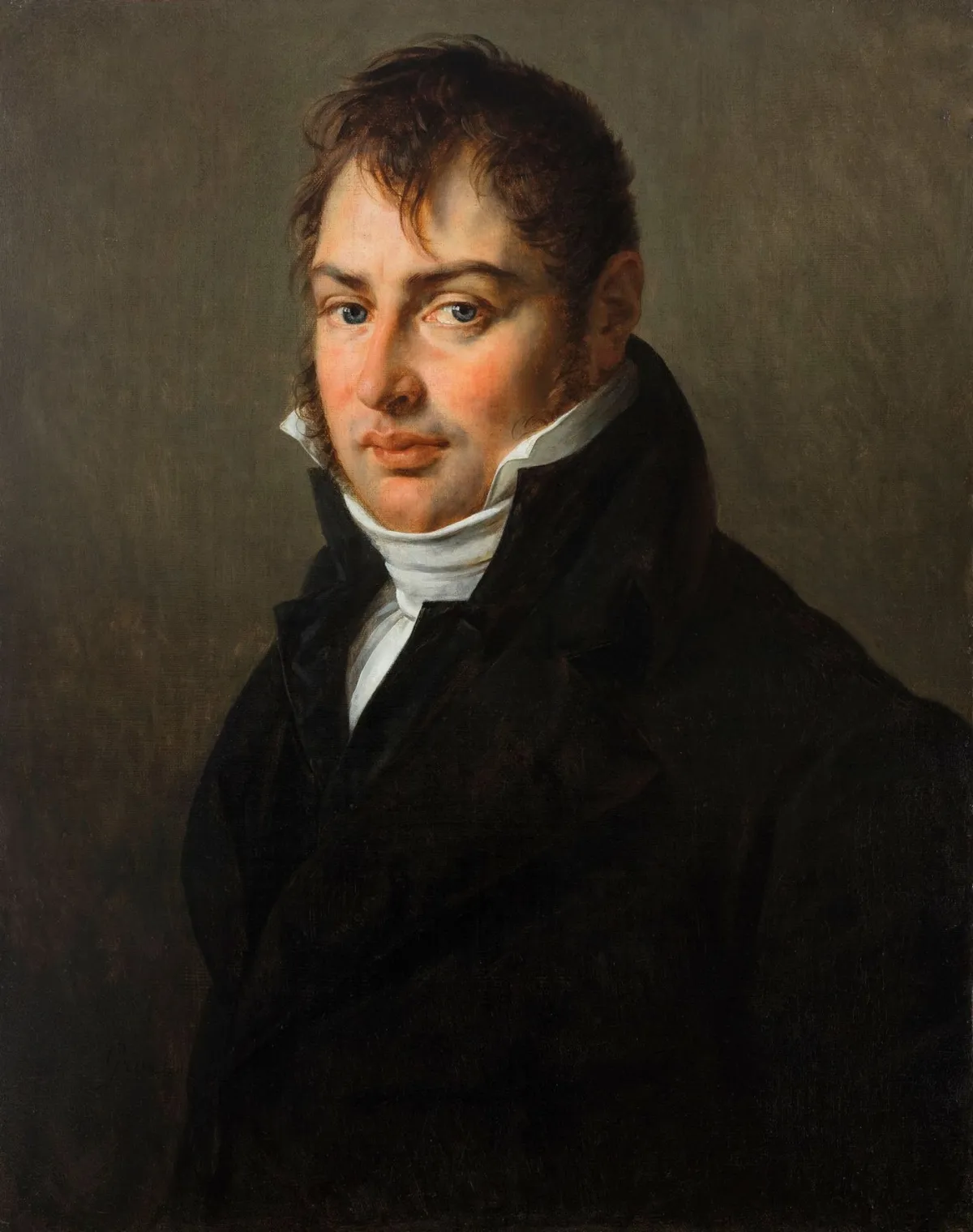
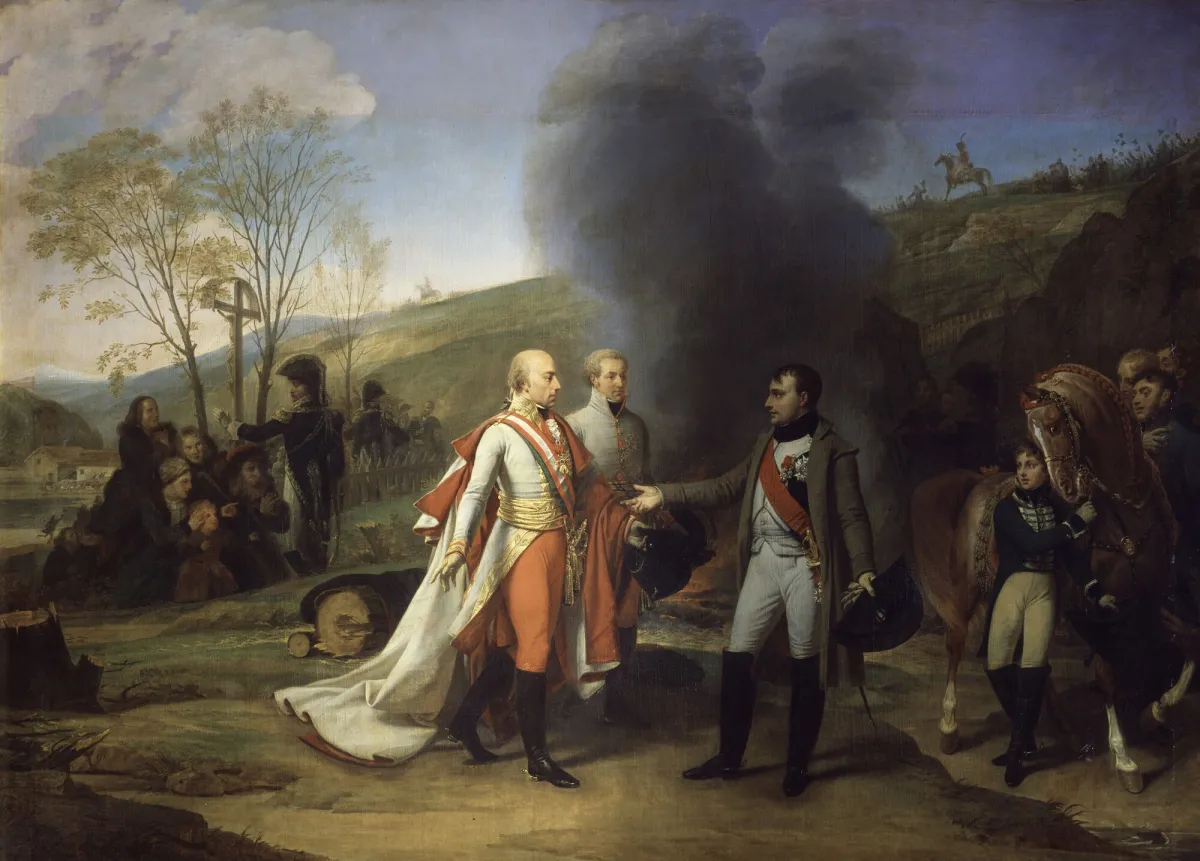
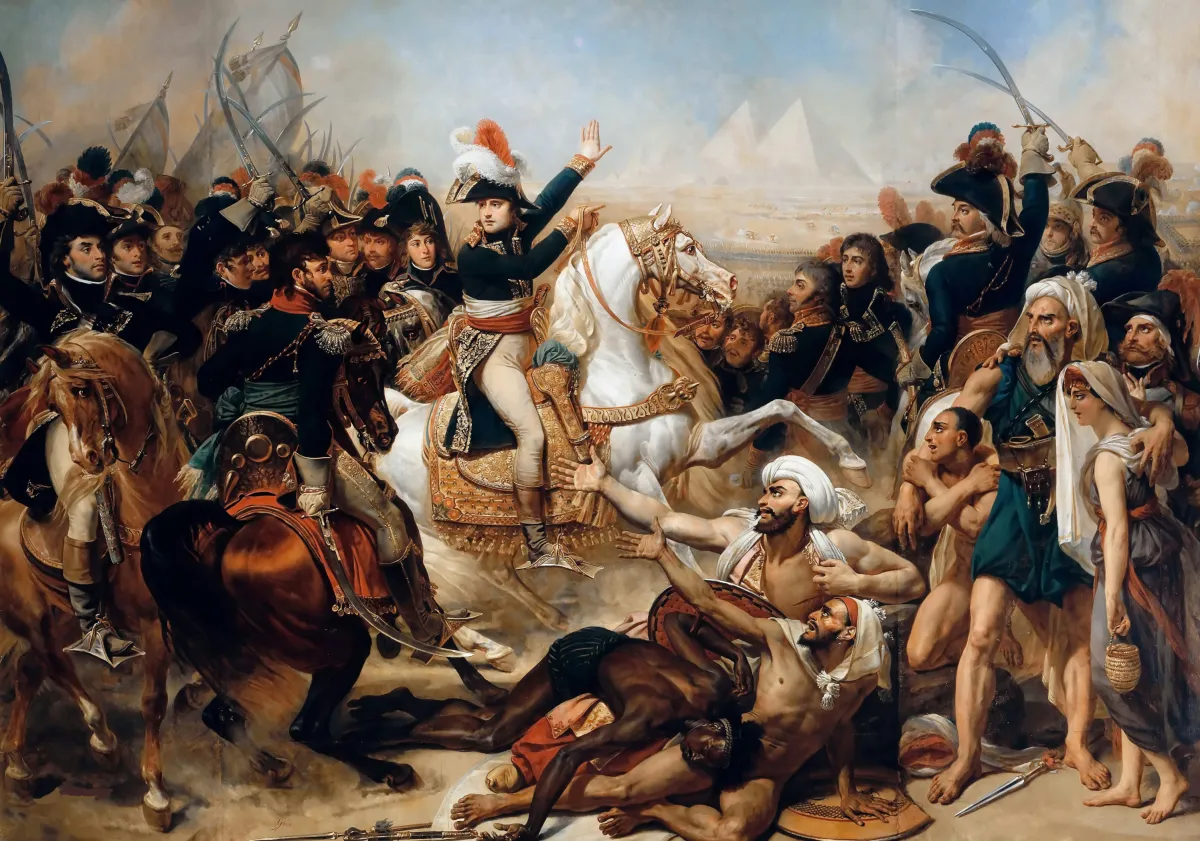
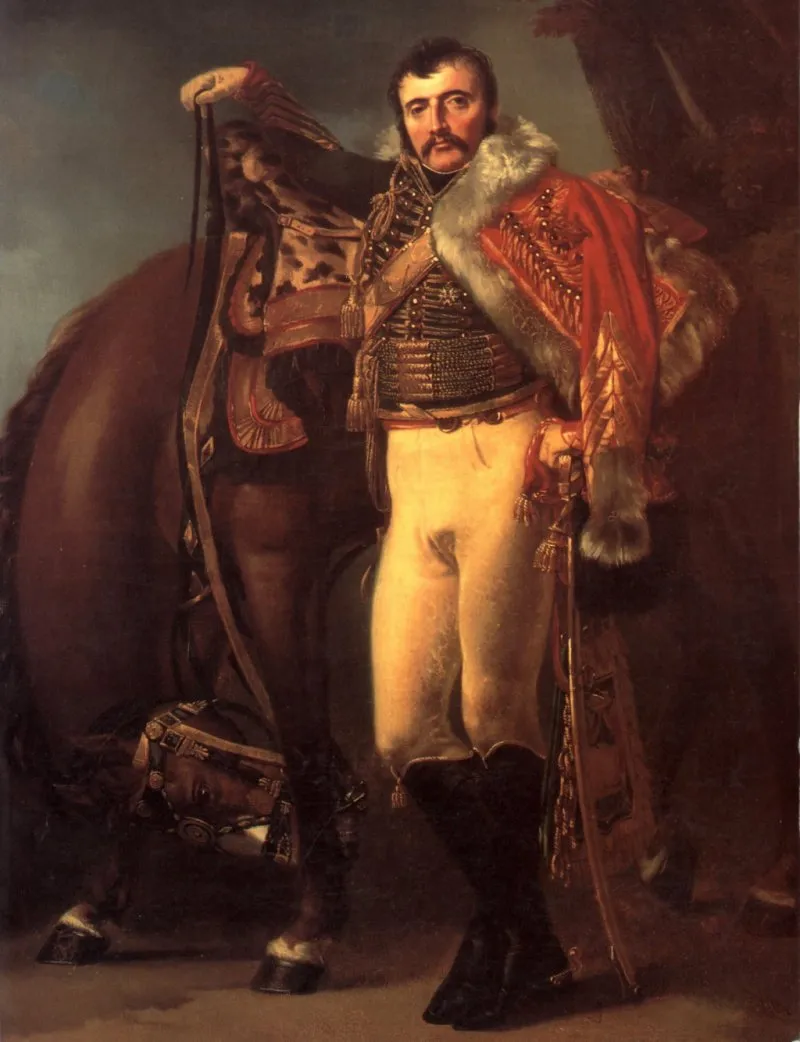
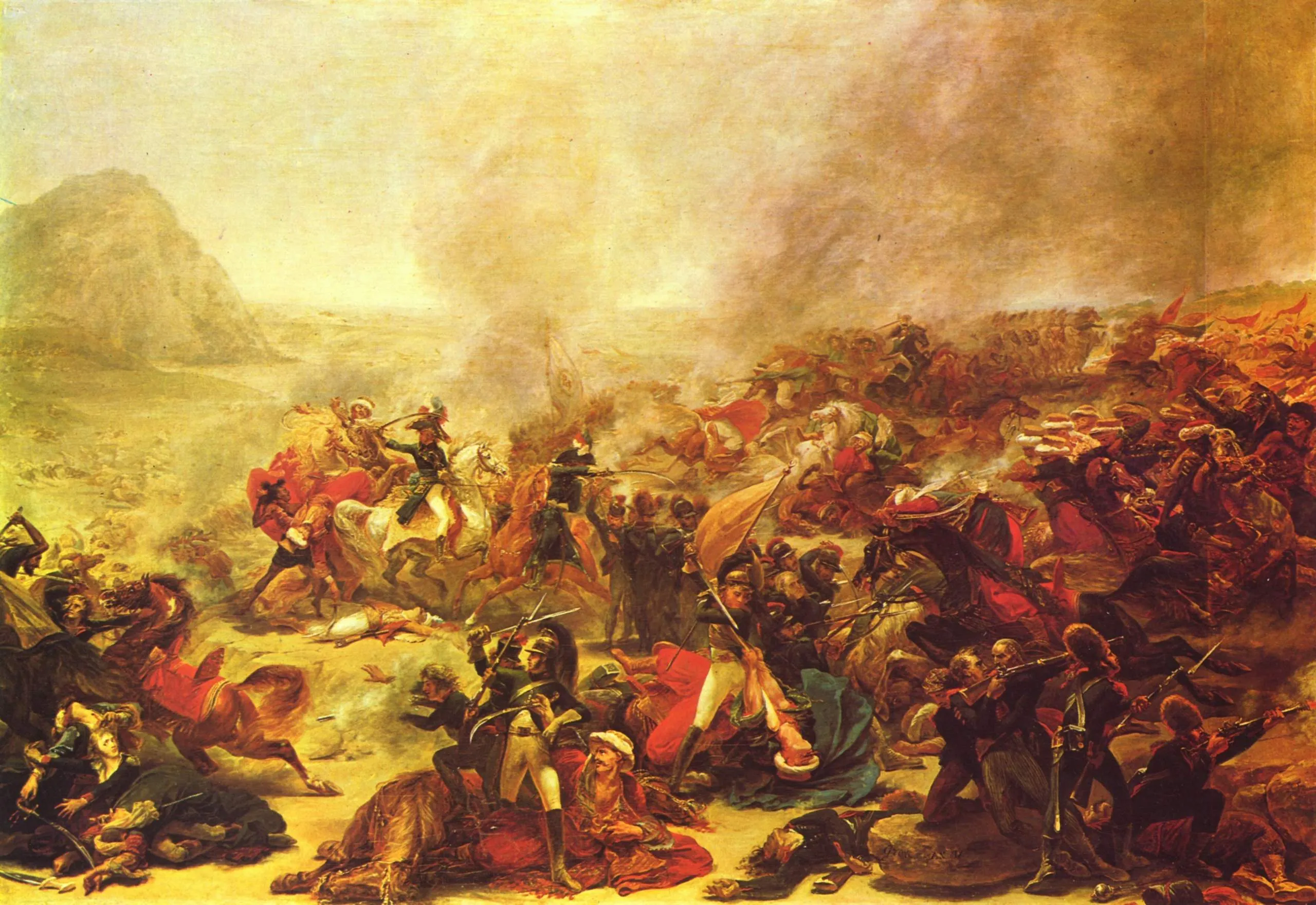
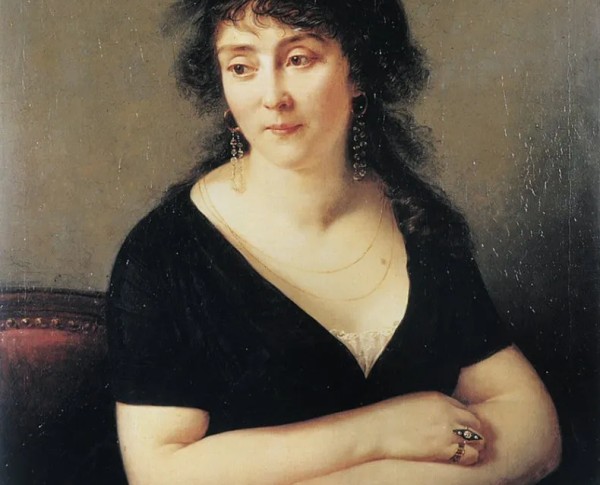
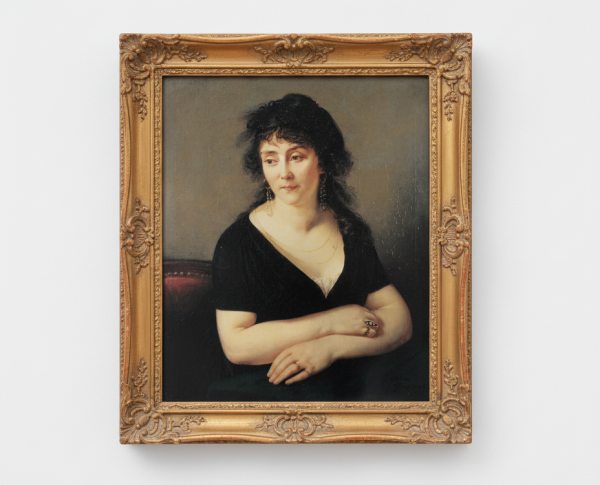
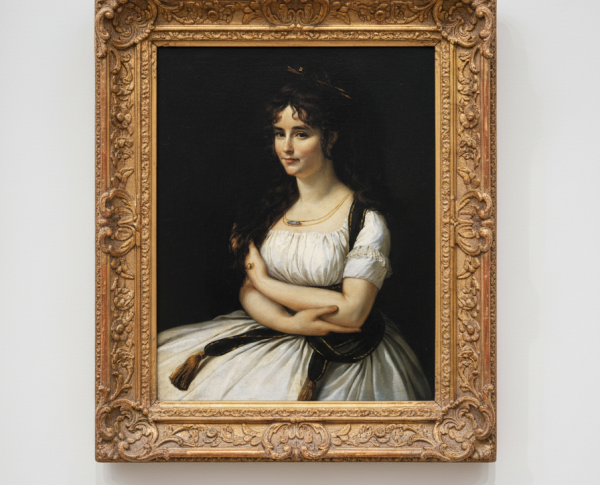
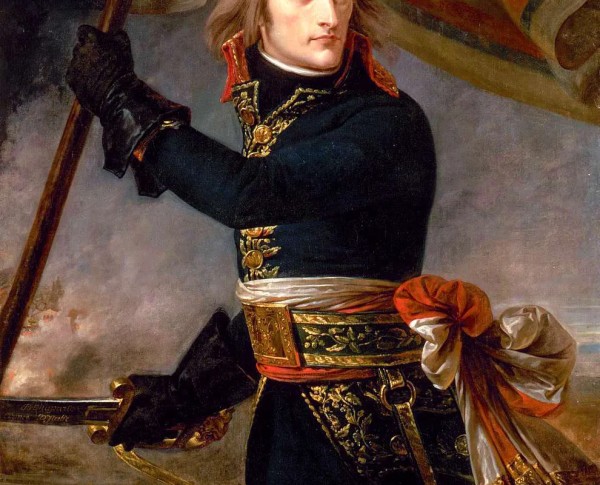
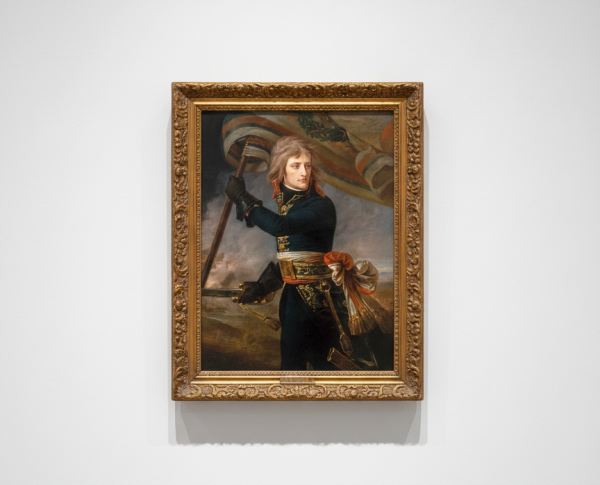
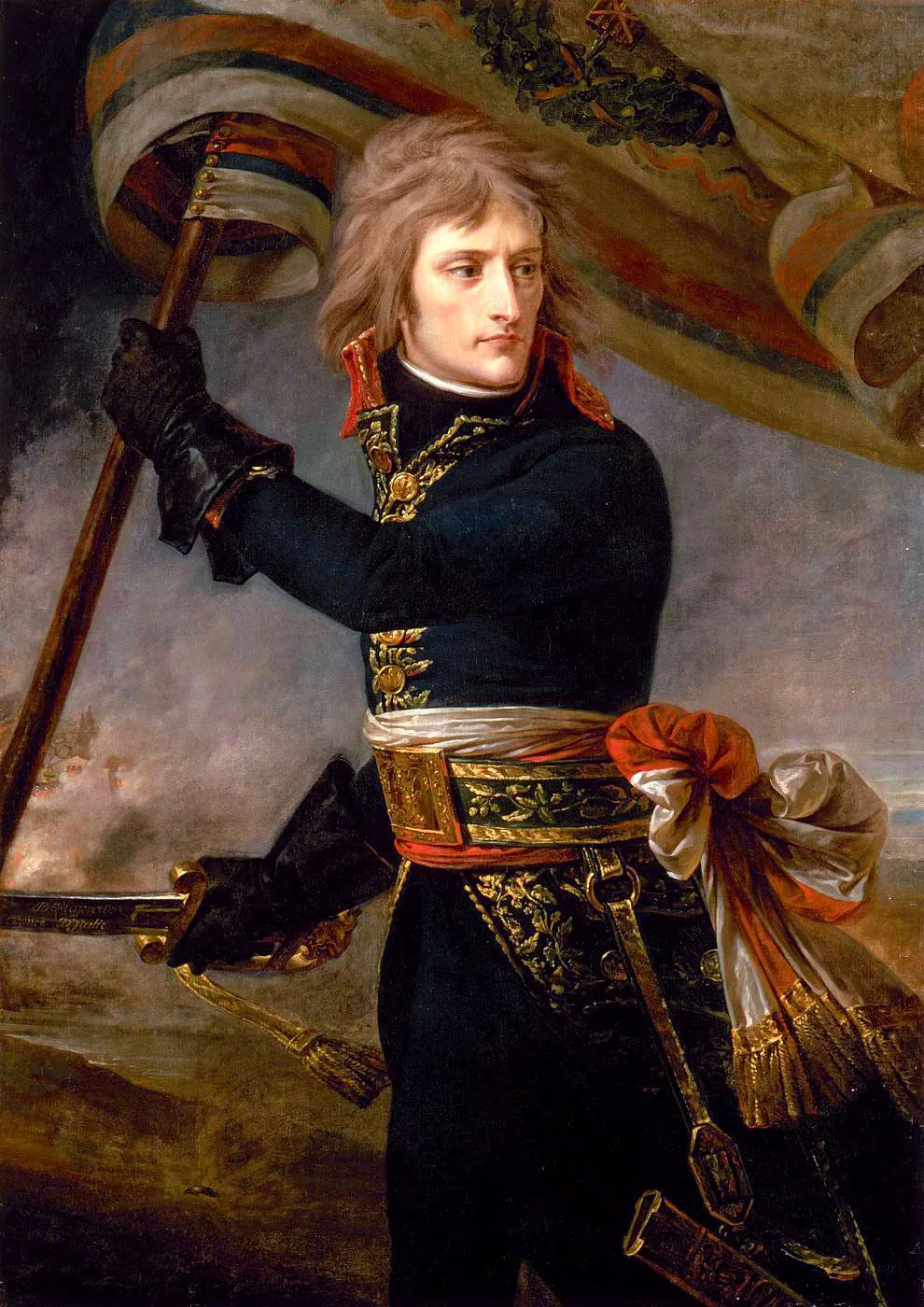
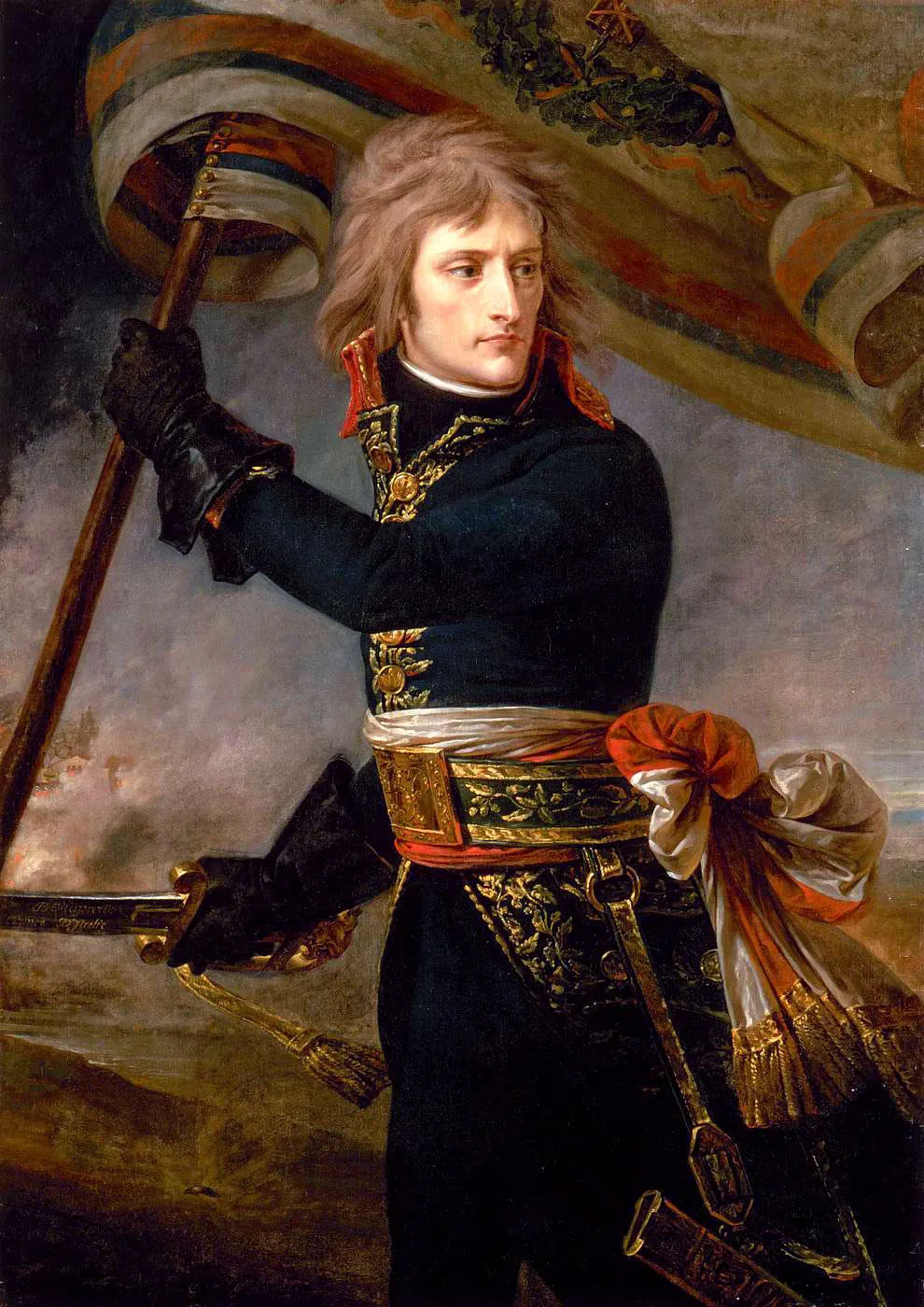
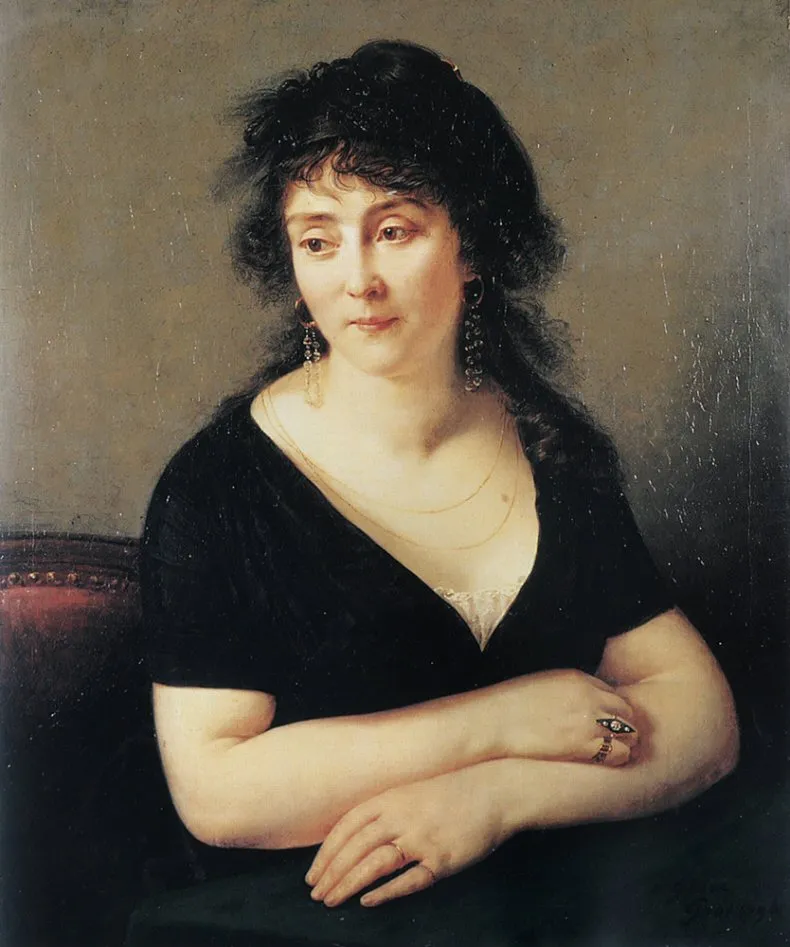
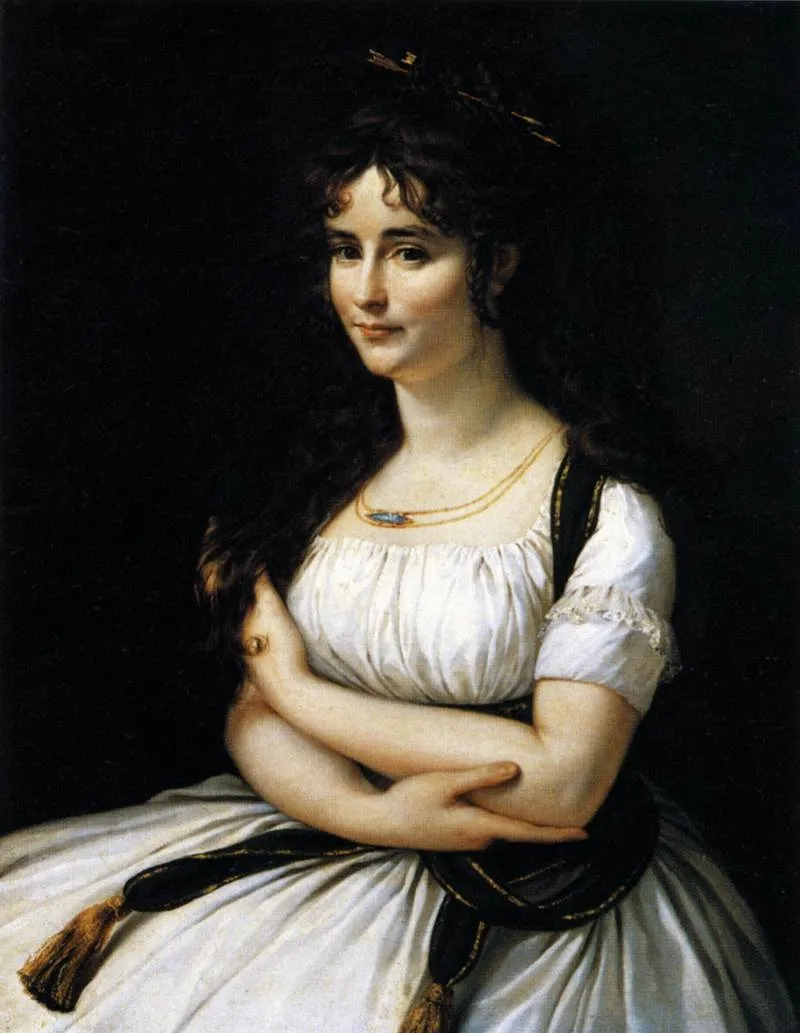
Antoine-Jean Gros’s technique in "Bonaparte at the Pont D'Arcole" elevates the standards of oil on canvas artistry. Each brushstroke conveys movement and emotion, immersing viewers in the chaos and heroism of battle. The Romanticism movement is renowned for its expressive power, and Gros’s painting exemplifies this with its dynamic composition. For those captivated by such mastery, "Madame Pasteur, Portrait of Madame Bruyere" is another oil on canvas worth exploring.
This fine art painting for sale tells more than a story of war; it symbolizes the ideals of heroism and leadership central to the Romanticism movement. Antoine-Jean Gros uses dramatic lighting and intense color contrasts to highlight Bonaparte’s resolve at the Pont D'Arcole. Collectors interested in historical narratives will also appreciate related products like "Madame Pasteur, Portrait of Madame Bruyere," which continues the tradition of storytelling through refined artistry.
Owning "Bonaparte at the Pont D'Arcole" as a hand-painted oil painting is an opportunity to possess a piece of Romanticism history. Antoine-Jean Gros’s legacy endures through timeless masterpieces that captivate collectors worldwide. This painting, along with related works such as "Madame Pasteur, Portrait of Madame Bruyere," represents the pinnacle of fine art painting for sale, making them valuable additions to any discerning collection.
When Art Meets History
Antoine-Jean Gros’s masterpiece, "Bonaparte at the Pont D'Arcole," is a vivid testament to the Romanticism movement, capturing a pivotal moment in history through a hand-painted oil painting. This artwork immortalizes Napoleon’s valor during the Battle of Arcole, blending historical accuracy with emotional depth. Gros’s approach is reminiscent of other celebrated works such as "The Slave Ship 1840" and "The Bear Dance," where dramatic storytelling plays a central role in the composition.
Techniques That Speak
The artist’s expert use of oil on canvas brings "Bonaparte at the Pont D'Arcole" to life, with bold brushstrokes and vibrant contrasts that define the Romanticism era. Gros employs dynamic lighting and rich colors to highlight Napoleon’s determination. Similar techniques can be observed in related paintings like "Salisbury Cathedral from the Bishop's Grounds" and "Portrait of a Gentleman," showcasing the expressive power of oil on canvas in capturing both detail and atmosphere.
Emotions on Display
"Bonaparte at the Pont D'Arcole" by Antoine-Jean Gros is renowned for its ability to convey intense emotion, a hallmark of the Romanticism movement. The fine art painting for sale depicts Napoleon leading his troops, his face alight with courage and resolve. This emotional resonance is also found in works such as "The Lost Balloon" and "The Bear Dance," where the artists channel raw feeling through expressive gestures and dramatic composition.
Coveted by Collectors
Collectors highly prize "Bonaparte at the Pont D'Arcole" as a significant hand-painted oil painting from the Romanticism movement. Antoine-Jean Gros’s masterpiece, alongside related pieces like "Portrait of a Gentleman" and "The Slave Ship 1840," attracts admiration from art enthusiasts worldwide. The historical significance and masterful execution make this fine art painting for sale a coveted addition to any collection, reflecting the enduring appeal of Romanticism in art history.
Related Romanticism Hand-Painted Oil Paintings by Other Artists
Other Famous Romanticism Artists:
Frequently Asked Questions About Bonaparte at the Pont D'Arcole
What historical event does "Bonaparte at the Pont D'Arcole" depict?
The painting illustrates the pivotal moment during the Battle of Arcole in 1796, where Napoleon Bonaparte led his troops across the Arcole Bridge in Italy, showcasing his strategic prowess and leadership during the Italian campaign.
Who is the artist of "Bonaparte at the Pont D'Arcole" and what is his significance?
Antoine-Jean Gros is the artist behind this work. He was a prominent French painter known for his historical and military scenes, and he played a crucial role in shaping the visual representation of Napoleon Bonaparte during and after his reign.
What artistic style is employed in "Bonaparte at the Pont D'Arcole"?
The painting is characterized by the Romantic style, which emphasizes dramatic emotion, heroic themes, and a focus on the individual, reflecting the turbulent times of the French Revolution and the rise of Napoleon.
What symbols are present in the painting and what do they represent?
Key symbols include the figure of Napoleon, who represents ambition and leadership, and the bridge itself, symbolizing the crossing of obstacles and the pursuit of victory. The soldiers in the background signify loyalty and the collective effort of the French army.
How does Gros portray Napoleon's character in this painting?
Gros portrays Napoleon as a dynamic and commanding figure, emphasizing his charisma and determination. The use of light and color highlights Napoleon's presence, suggesting his role as a visionary leader amidst the chaos of battle.
What techniques did Gros use to enhance the dramatic effect of the scene?
Gros employed techniques such as chiaroscuro to create strong contrasts between light and shadow, enhancing the drama of the scene. The dynamic composition and the use of vibrant colors also contribute to the painting's emotional intensity.
In what ways does the painting reflect the political climate of its time?
The painting reflects the fervent nationalism and revolutionary spirit of late 18th-century France. It captures the glorification of military success and the cult of personality surrounding Napoleon, who was seen as a symbol of French pride and ambition.
What impact did "Bonaparte at the Pont D'Arcole" have on the perception of Napoleon?
This painting played a significant role in shaping the public image of Napoleon as a heroic and larger-than-life figure, contributing to the mythos surrounding his leadership and military genius, which influenced both contemporary and future perceptions of him.
How does this painting compare to other works depicting Napoleon?
Compared to other works, "Bonaparte at the Pont D'Arcole" is notable for its focus on a specific moment of action and personal valor, whereas other paintings may depict broader scenes of battle or ceremonial events. Gros's work emphasizes individual heroism within the context of collective military action.
What is the significance of the location depicted in the painting?
The Pont D'Arcole is significant as it was a strategic point during the Battle of Arcole, symbolizing the turning point in the campaign. The bridge serves as a metaphor for overcoming challenges and the determination to achieve victory against formidable odds.






















_GFM_Painting_(1).webp)


 100% Hand-Painted: Finished in 3-6 Weeks

.png)















_(1).webp)