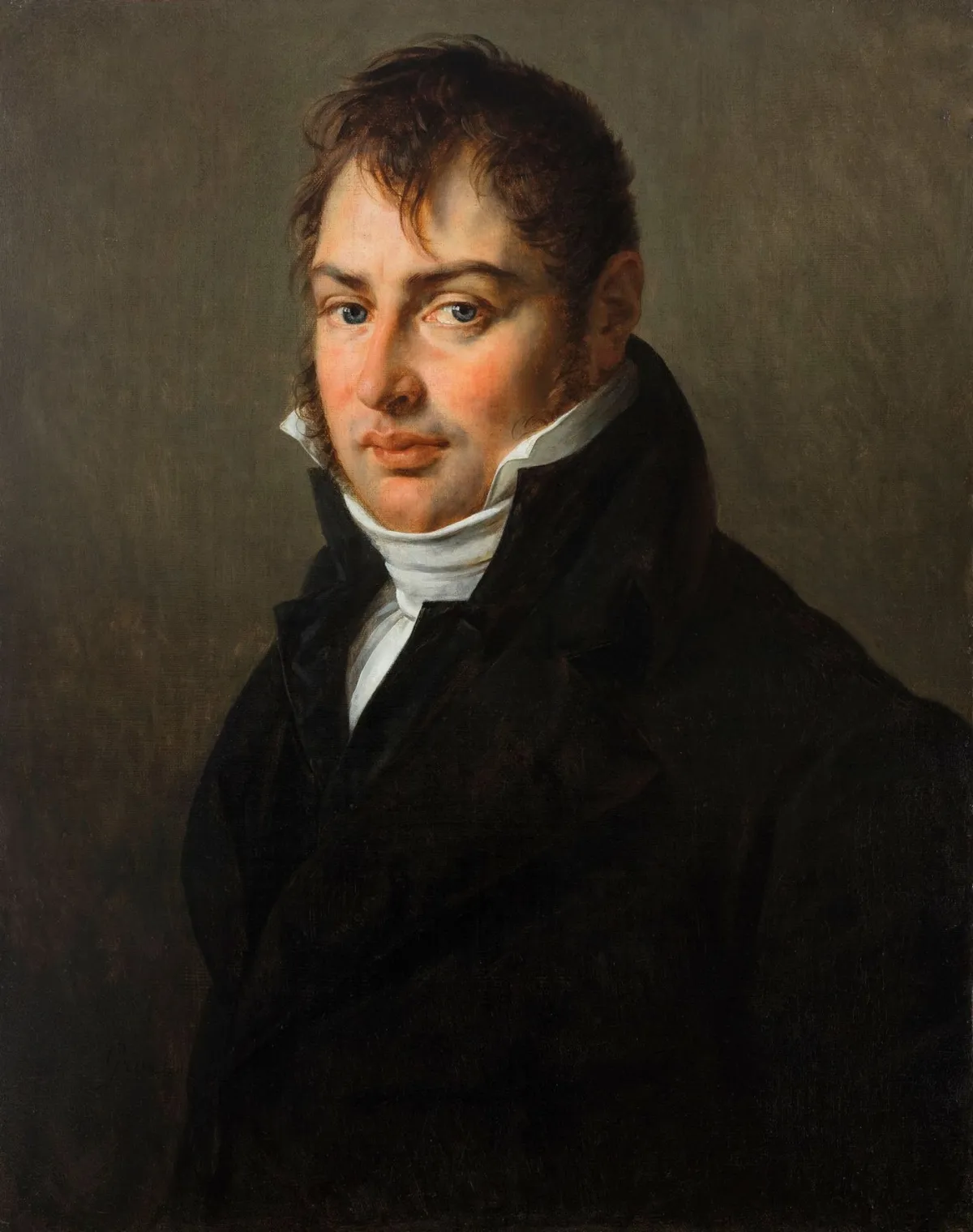
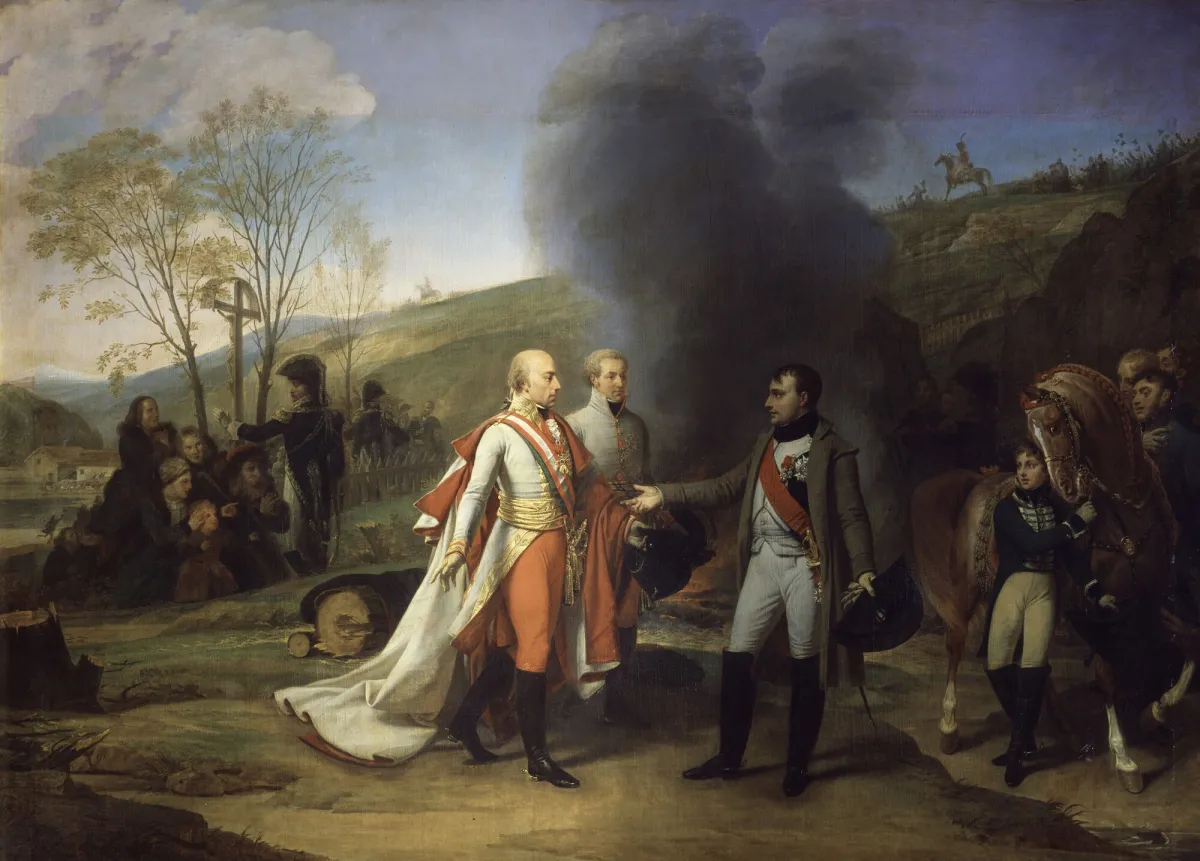
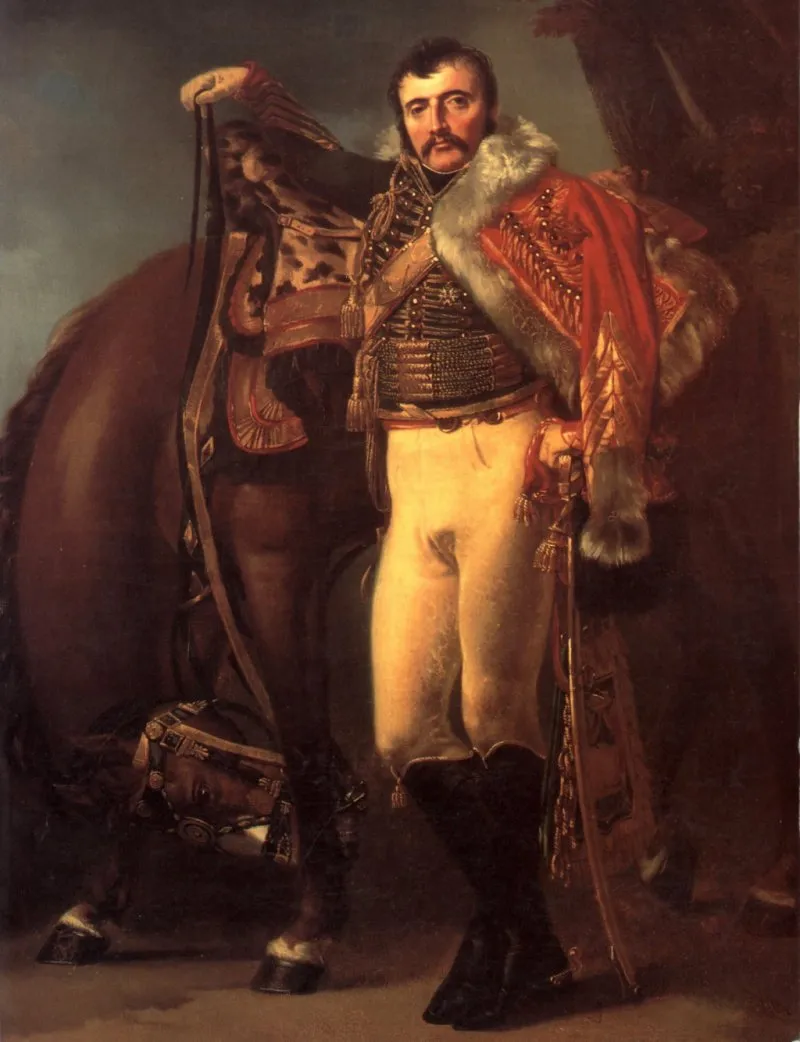
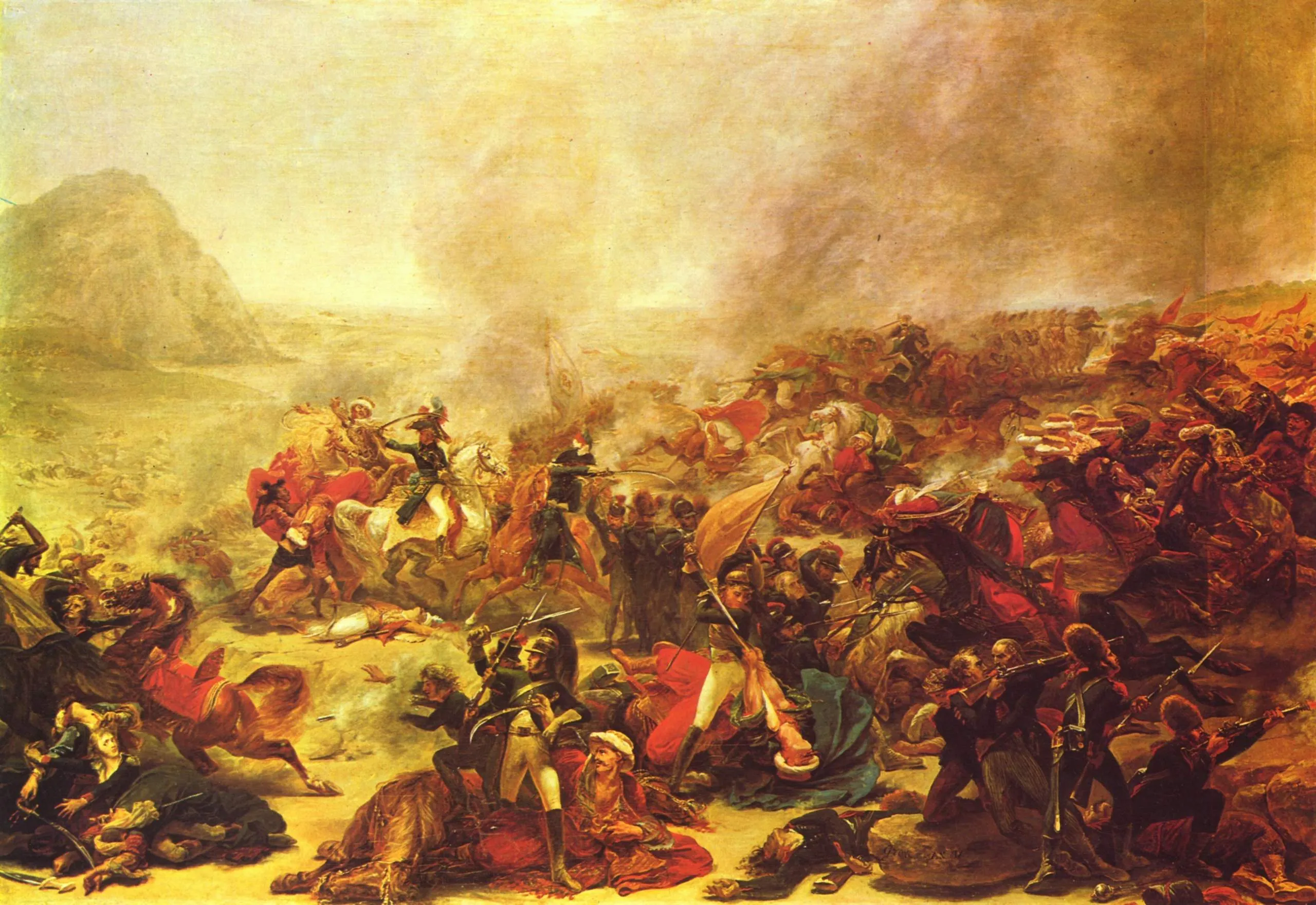
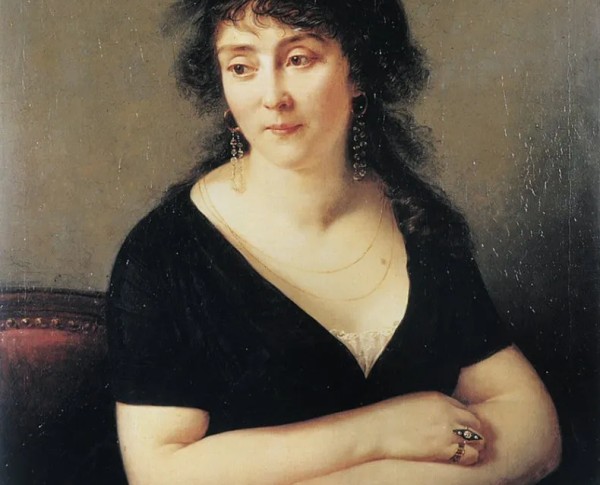
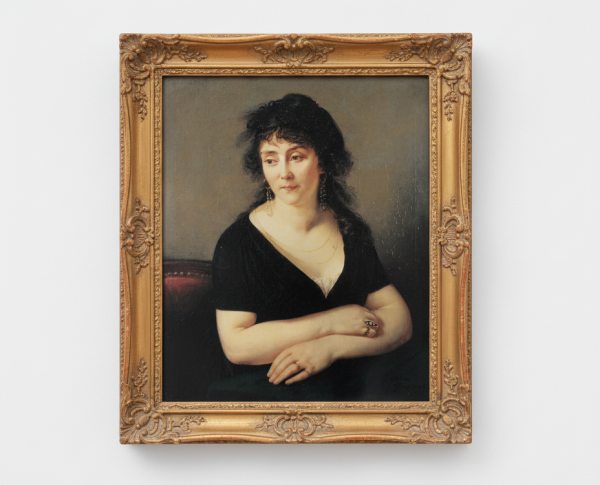
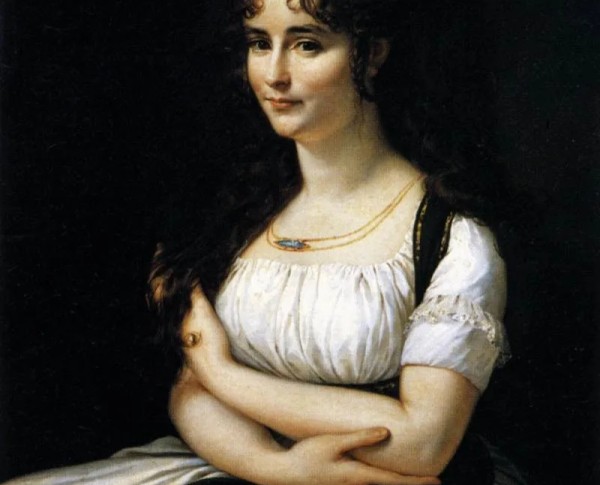
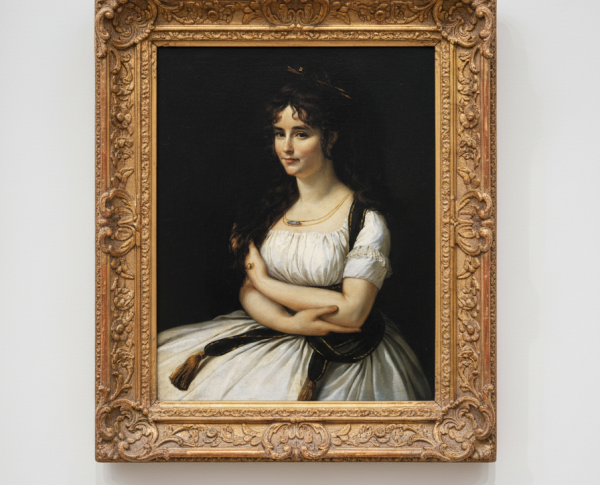
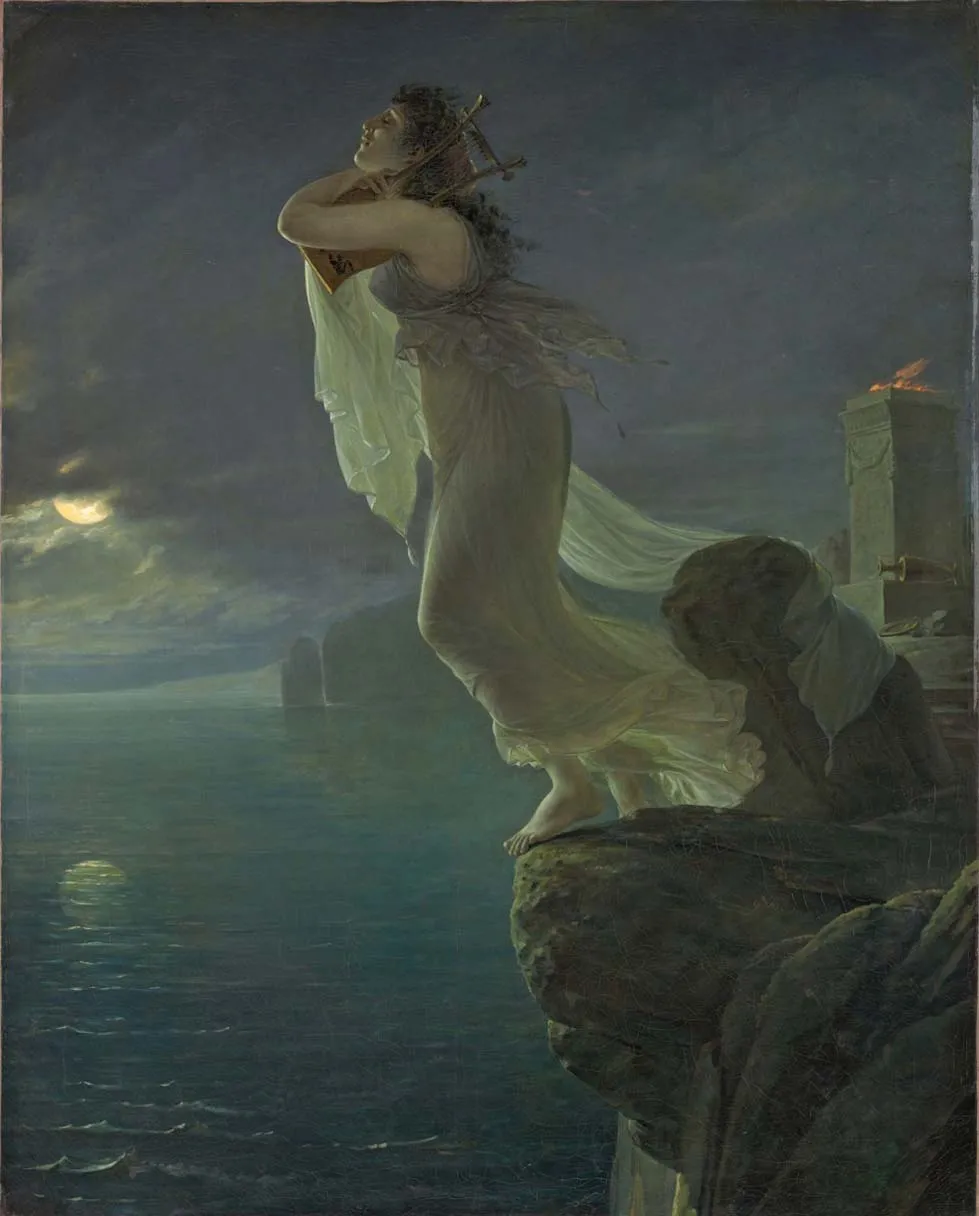
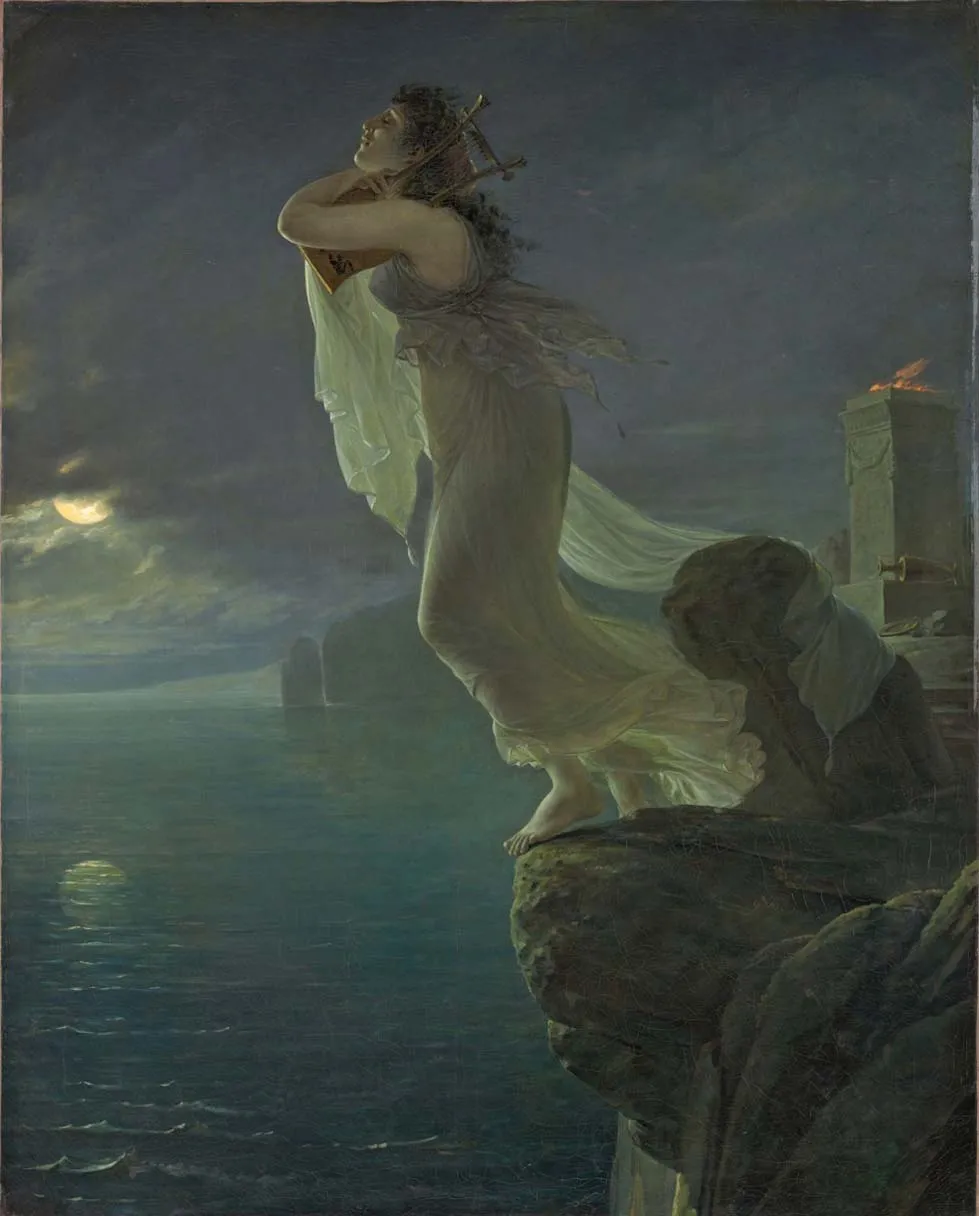
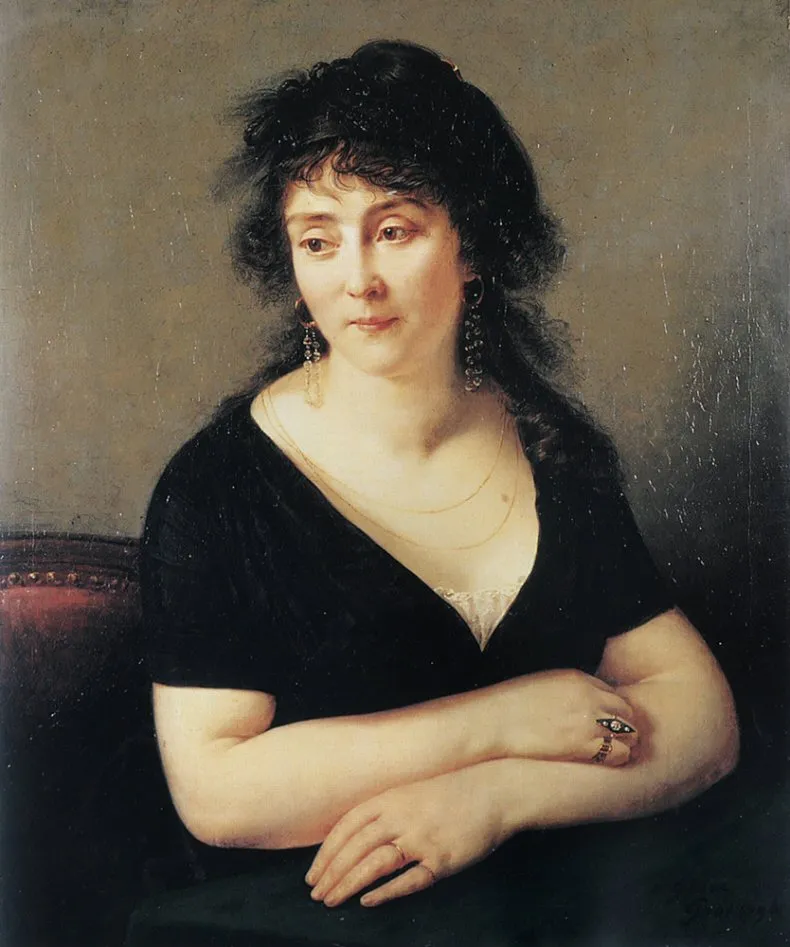
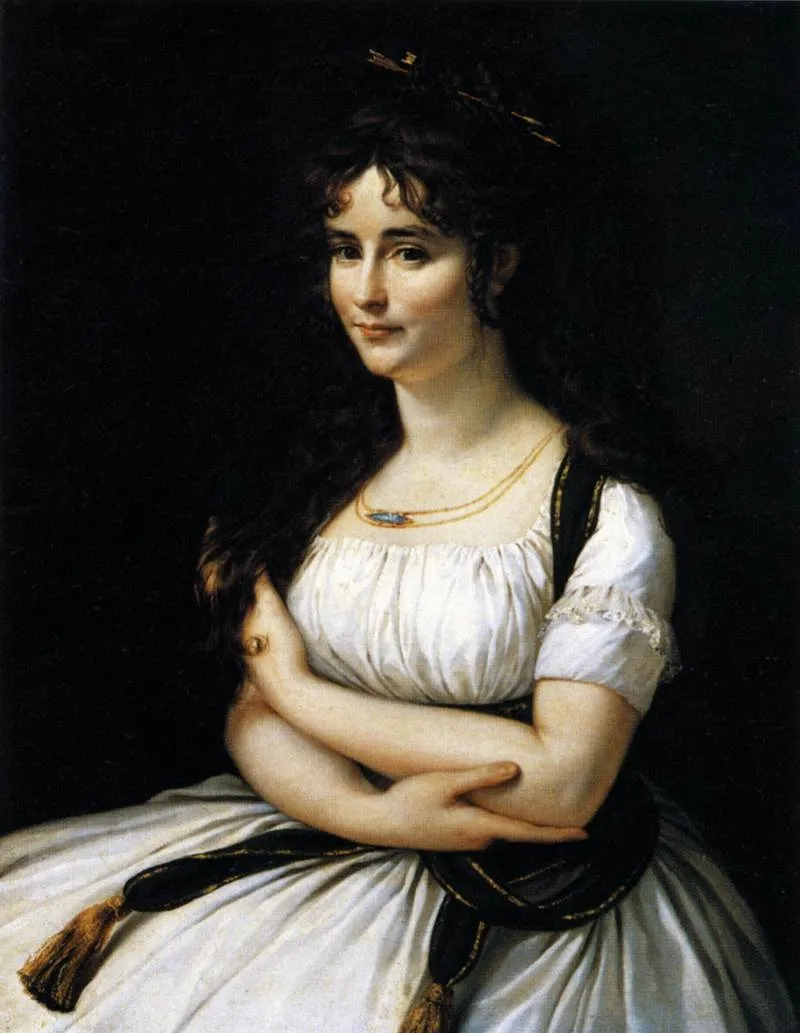
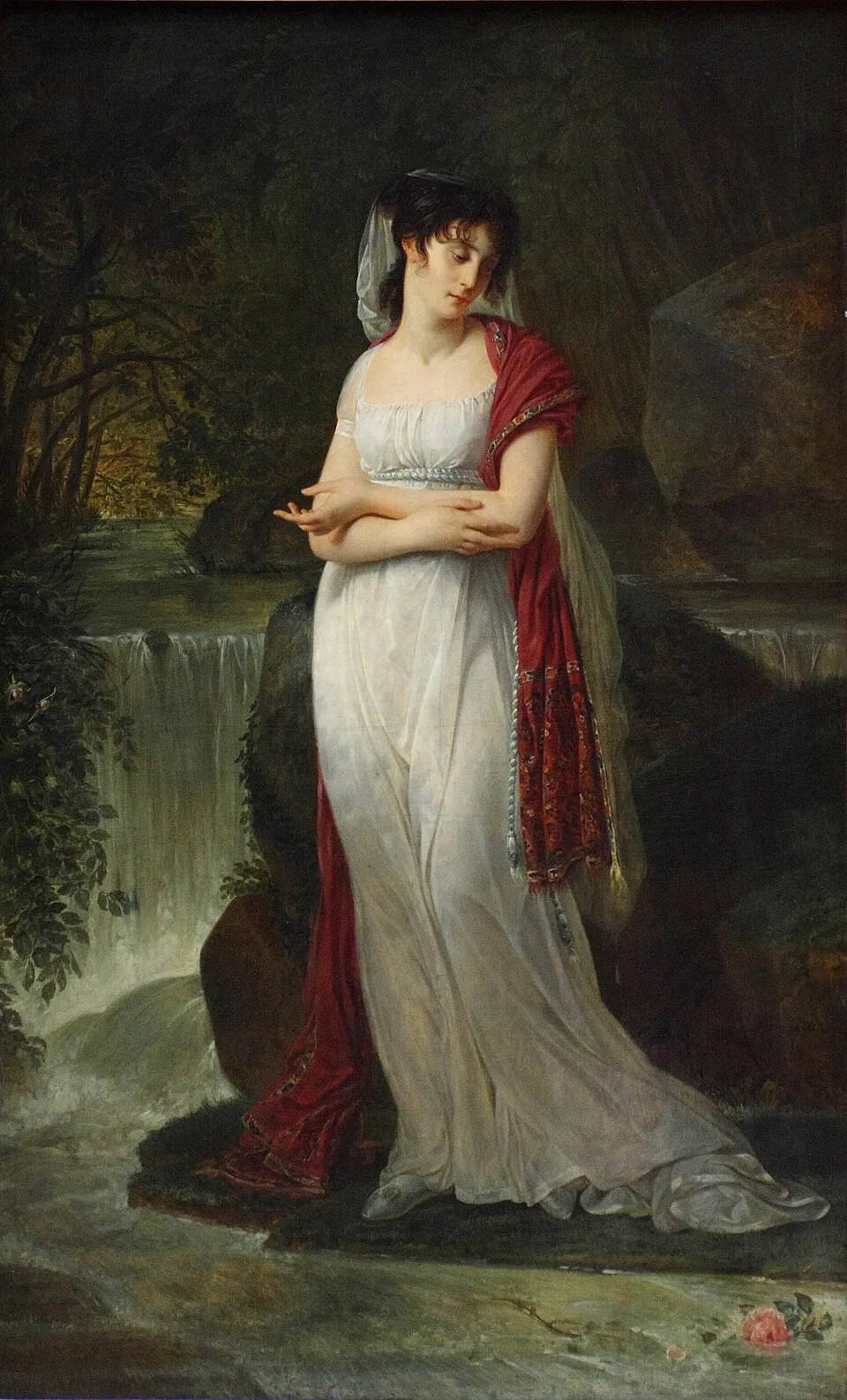
Rendered in exquisite oil on canvas, Antoine-Jean Gros’s "Sappho at Leucate" demonstrates his technical prowess and deep understanding of human emotion. The artist’s masterful brushwork and use of vibrant colors bring the tragic story of Sappho to life, creating a visually compelling scene. This painting, like his "Portrait of Madame Bruyere" and "Portrait of Christine Boyer," showcases Gros’s exceptional ability to convey sensitivity and drama, hallmarks of the Romanticism movement.
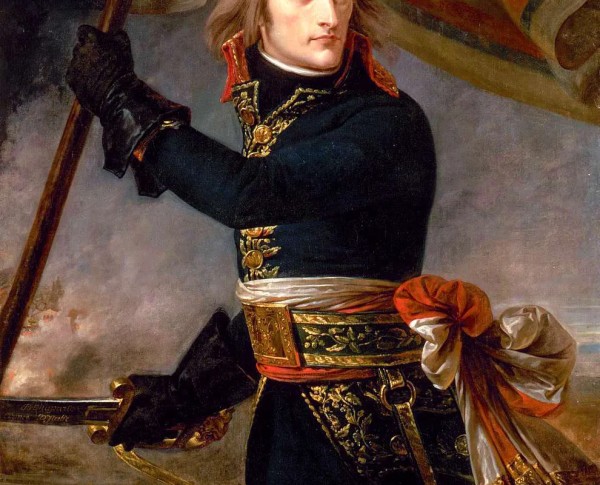
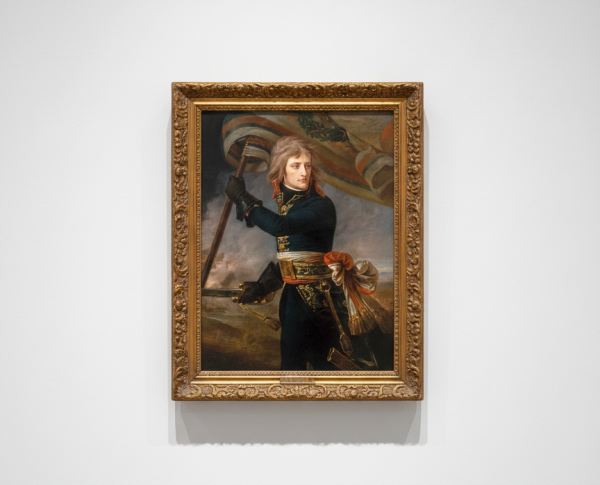
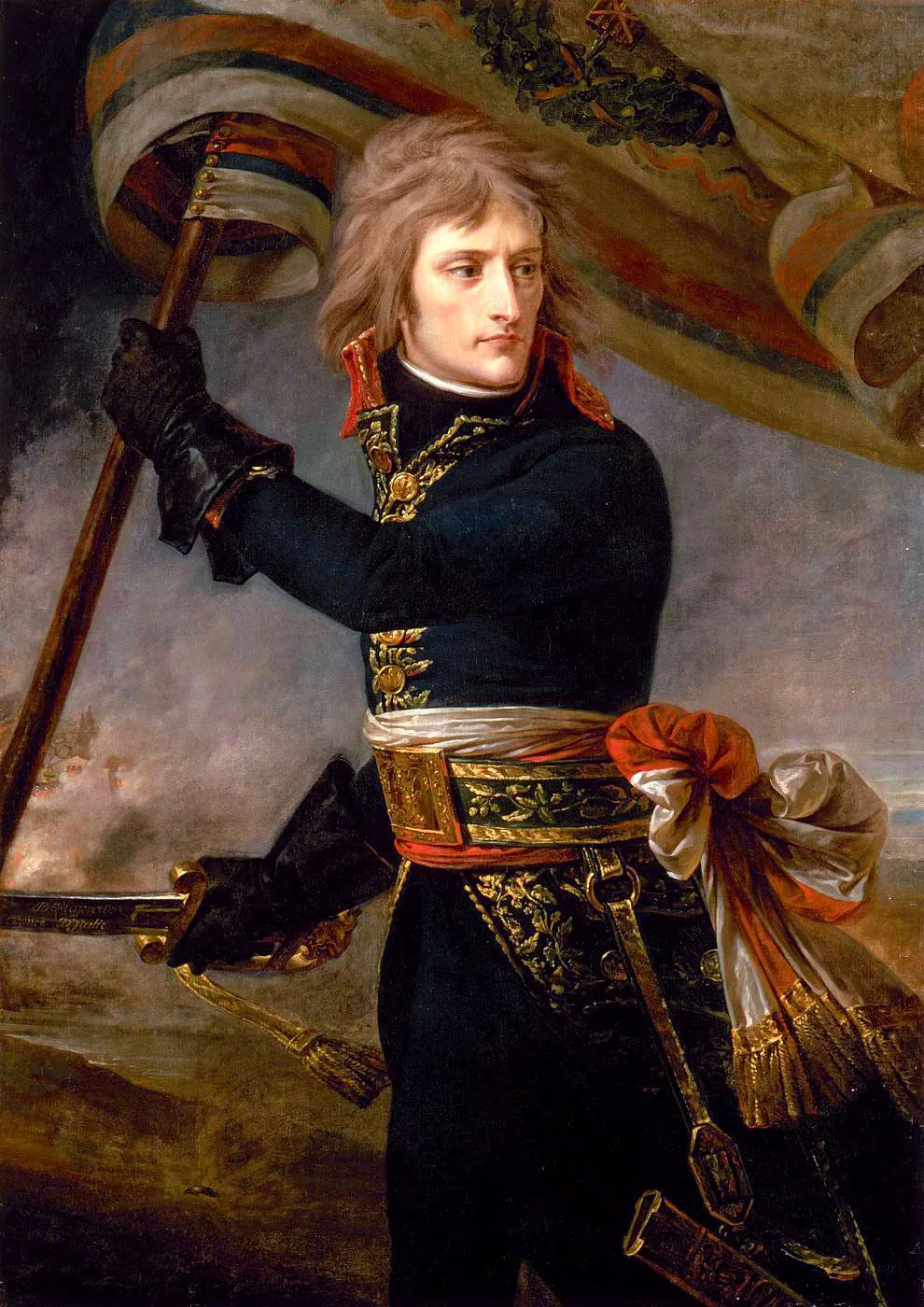
"Sappho at Leucate" by Antoine-Jean Gros delves into the poignant narrative of the legendary poet Sappho, reflecting the Romantic fascination with passion and despair. Through this fine art painting for sale, viewers are invited to explore themes of love, loss, and longing. Gros’s symbolic approach is evident in every detail, paralleling his other works such as "Madame Pasteur" and "Bonaparte at the Pont D'Arcole," making this oil painting a rich tapestry of meaning.
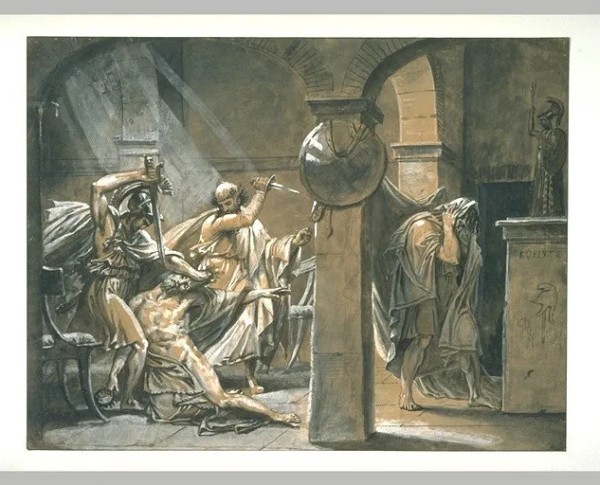
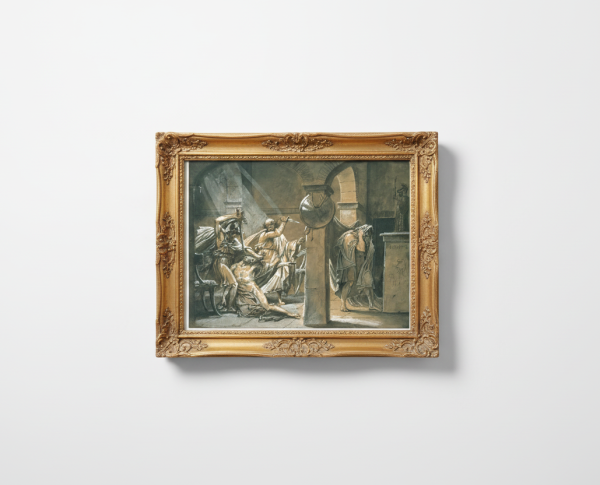
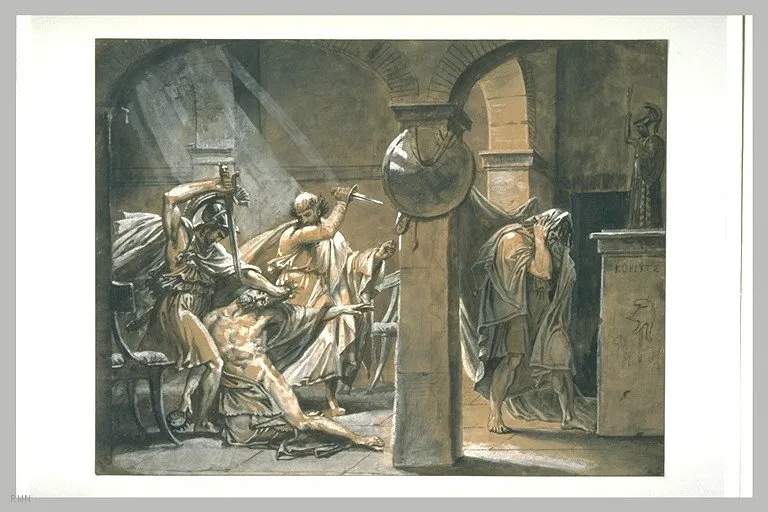
For collectors seeking a hand-painted oil painting that embodies the essence of Romanticism, "Sappho at Leucate" by Antoine-Jean Gros is an exceptional choice. Its historical significance and emotional depth make it a prized possession, especially when paired with related products like "The Death of Timophanes" or "Portrait of Madame Bruyere." This painting’s enduring appeal ensures it remains a standout piece among fine art painting for sale, treasured by connoisseurs and new admirers alike.
When Art Meets History
"Sappho at Leucate" by Antoine-Jean Gros stands as a remarkable example of Romanticism, capturing a poignant historical moment with artistic flair. This hand-painted oil painting vividly portrays the legendary poet Sappho at the precipice of Leucate, blending myth and emotion. Gros, known for his dramatic narrative style, delivers a work akin to other masterpieces of the era, such as "The Burning of the Houses of Lords and Commons" and "In the Forest."
Techniques That Speak
Antoine-Jean Gros’s mastery in "Sappho at Leucate" is evident in his use of oil on canvas, a medium favored by Romantic artists for its depth and versatility. The brushstrokes evoke movement and tension, while the interplay of shadow and light highlights Sappho’s emotional turmoil. This painting shares technical brilliance with works like "Carving The Turkey By" and "Weymouth Bay: Bowleaze Cove and Jordon Hill," showcasing the era’s fascination with expressive, dynamic compositions.
Emotions on Display
The emotional intensity in "Sappho at Leucate" is a testament to Antoine-Jean Gros’s skill in conveying human passion, a hallmark of the Romanticism movement. The subject’s despair and longing are palpable, inviting viewers to empathize with her fate. Like "Lightning Struck a Flock of Witches," this fine art painting for sale captures the raw, often turbulent feelings that defined Romantic art and continues to resonate with audiences today.
Coveted by Collectors
As a celebrated work of Romanticism, "Sappho at Leucate" by Antoine-Jean Gros remains highly sought after by art enthusiasts. Its historical significance and emotional depth make it a prized addition to any collection, much like "In the Forest" and "Weymouth Bay: Bowleaze Cove and Jordon Hill." Collectors value this hand-painted oil painting for its enduring appeal and the masterful way it embodies the spirit of its movement and era.
Related Romanticism Hand-Painted Oil Paintings by Other Artists
Other Famous Romanticism Artists:
Frequently Asked Questions About Sappho at Leucate
What is the historical context of "Sappho at Leucate"?
"Sappho at Leucate" was painted by Antoine-Jean Gros in the early 19th century, during a period marked by Romanticism, which emphasized emotion and individualism. The painting reflects the fascination with classical themes and figures prevalent in this era.
Who is Sappho and why is she significant in art history?
Sappho was an ancient Greek poet from the island of Lesbos, known for her lyric poetry, which often focused on love and passion. She is significant in art history as a symbol of female creativity and desire, inspiring numerous artists throughout the centuries.
What artistic techniques did Gros employ in this painting?
Antoine-Jean Gros utilized a combination of dramatic lighting and rich color palettes to enhance the emotional depth of the scene. His use of chiaroscuro effectively highlights the figures and creates a sense of movement and drama.
What is the symbolism behind the setting of Leucate?
Leucate, a location associated with Sappho, symbolizes both a physical and emotional landscape. It represents a place of longing and reflection, often interpreted as a metaphor for the poet's own struggles with love and loss.
How does Gros portray Sappho's emotions in the painting?
Gros captures Sappho's emotions through her expressive posture and facial expression. The melancholic gaze and the positioning of her hands suggest a deep sense of yearning and introspection, inviting viewers to connect with her inner turmoil.
What role does the figure of the young woman play in the composition?
The young woman accompanying Sappho serves as a representation of inspiration and companionship. Her presence emphasizes the themes of love and desire, reinforcing Sappho's emotional state and the intimate nature of her poetry.
How does "Sappho at Leucate" reflect Romantic ideals?
The painting embodies Romantic ideals by focusing on individual emotion, nature, and the sublime. Gros highlights the inner feelings of Sappho, showcasing the tension between personal experience and the beauty of the natural world surrounding her.
What influence did "Sappho at Leucate" have on later artists?
This work influenced later artists by reinforcing the portrayal of female figures in literature and art as complex and emotionally rich. It paved the way for subsequent representations of women in art, emphasizing their inner lives and struggles.
In what ways does this painting connect to the themes of love and loss?
The painting poignantly encapsulates themes of love and loss through Sappho's expression and the serene yet melancholic setting. It evokes the universal experience of longing, making it relatable across different cultures and eras.
What is the significance of the color palette used in "Sappho at Leucate"?
The color palette, characterized by deep blues and warm earth tones, enhances the emotional gravity of the scene. The contrasting colors evoke a sense of nostalgia and longing, aligning with the themes of Sappho's poetry and her emotional landscape.






















_GFM_Painting_(1).webp)


 100% Hand-Painted: Finished in 3-6 Weeks

.png)















_(1).webp)