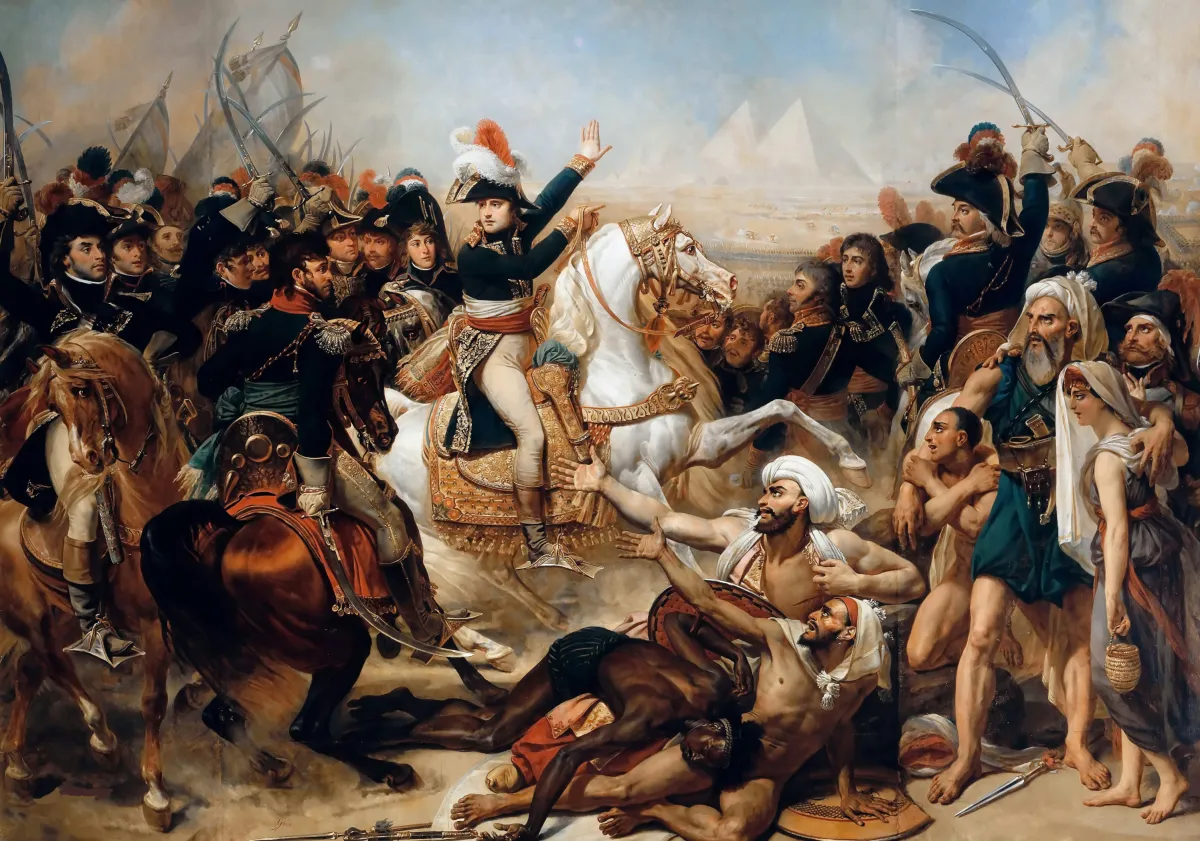
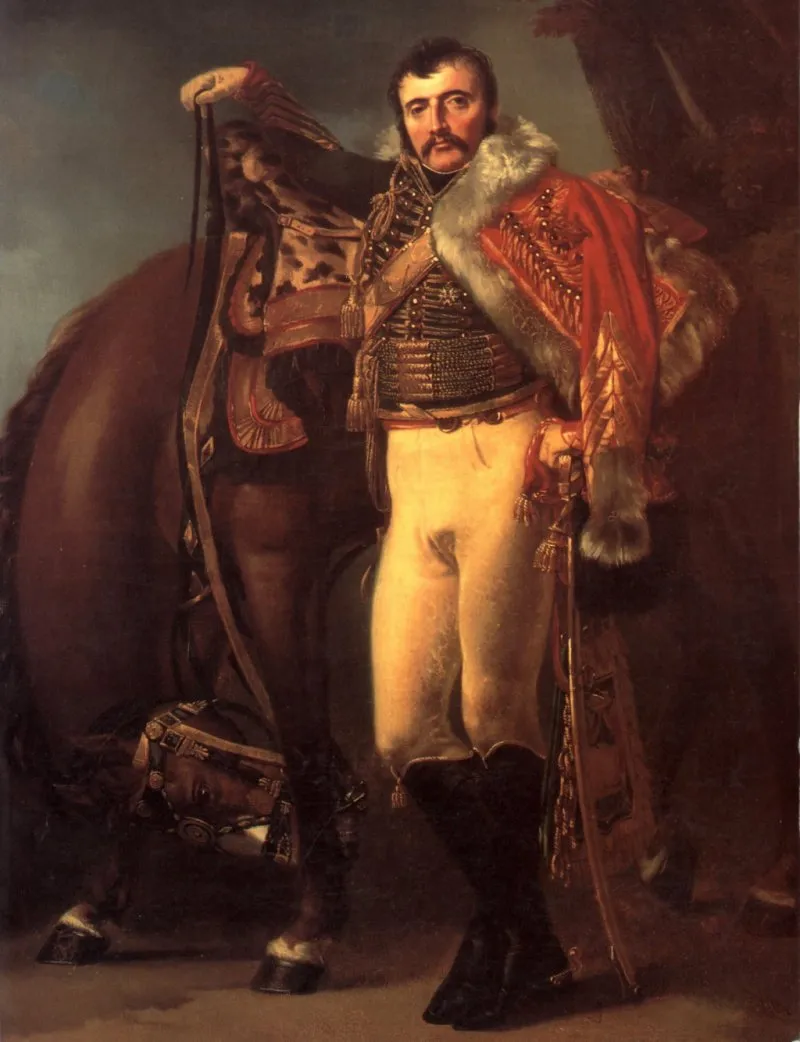
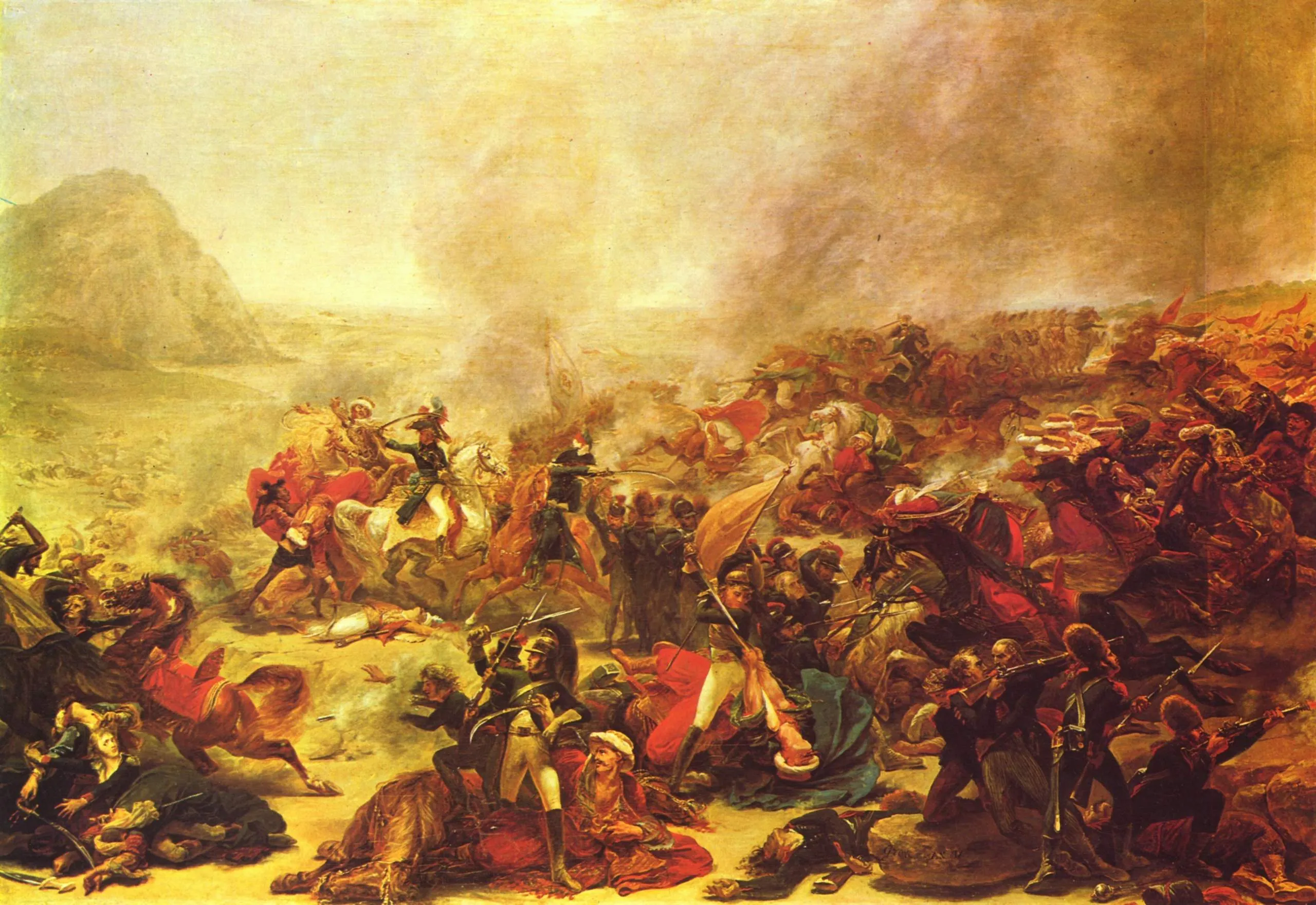
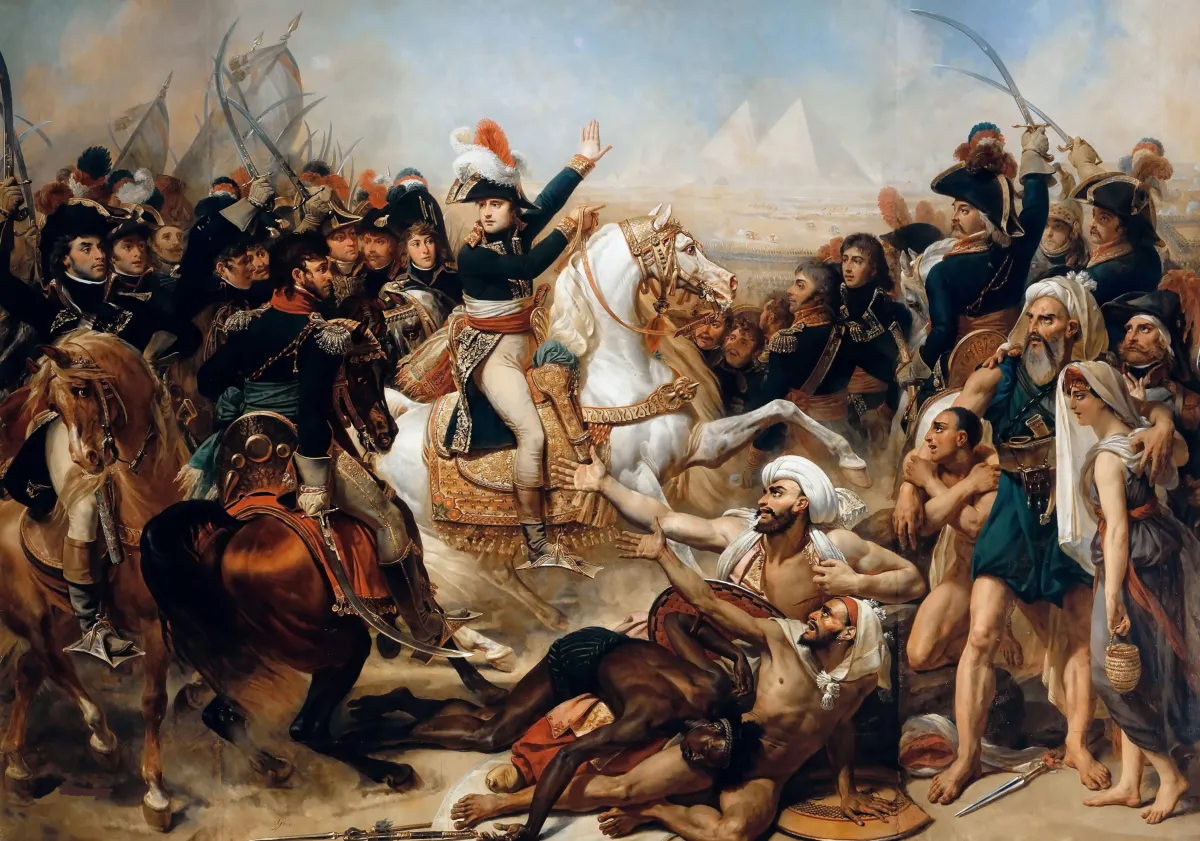
Gros’s technique in "The Battle of the Pyramids" exemplifies the mastery of oil on canvas that defined Romanticism. Each brushstroke conveys emotion, drama, and movement, transporting viewers to the heart of the conflict. The artist’s attention to detail and dynamic composition set this painting apart from others of its era. Collectors often seek works such as "Colonel Count Claude Etienne Guyot" and "General Lasalle at the Siege of Stettin" for their similar quality in oil on canvas artistry.
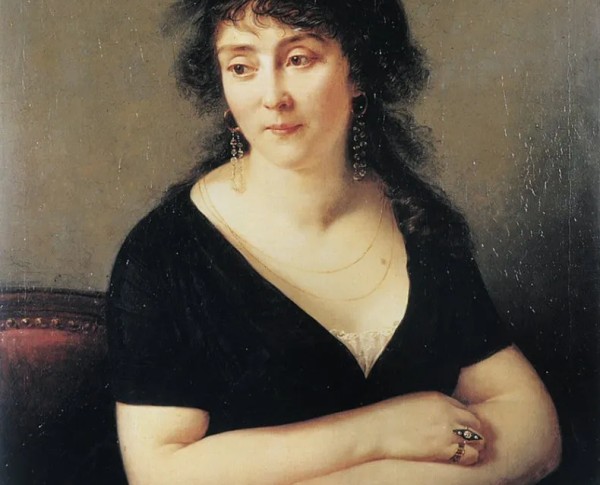
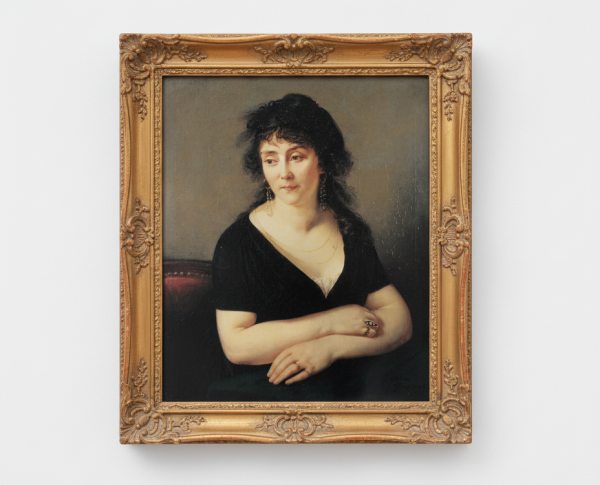
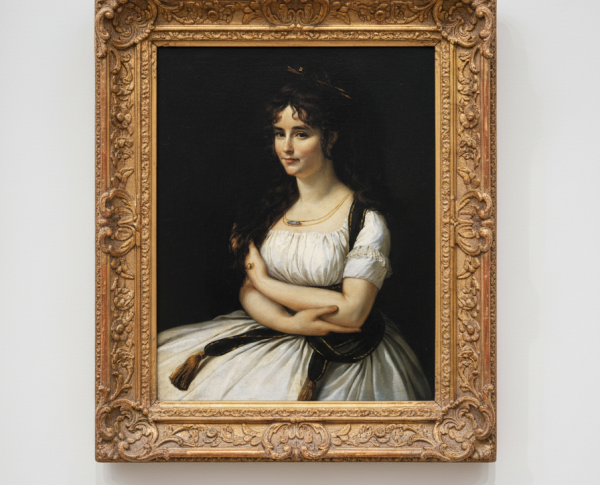
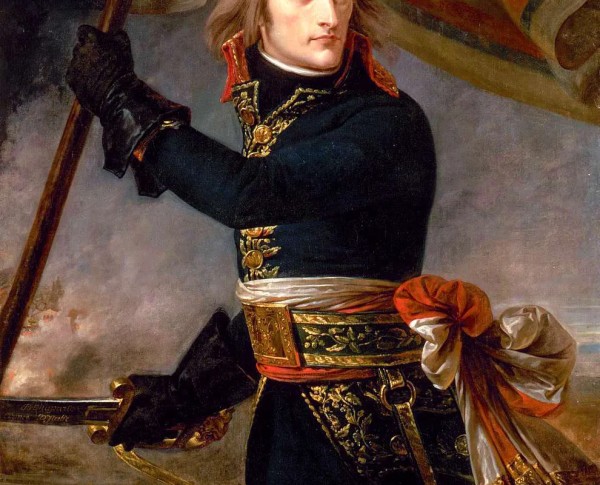
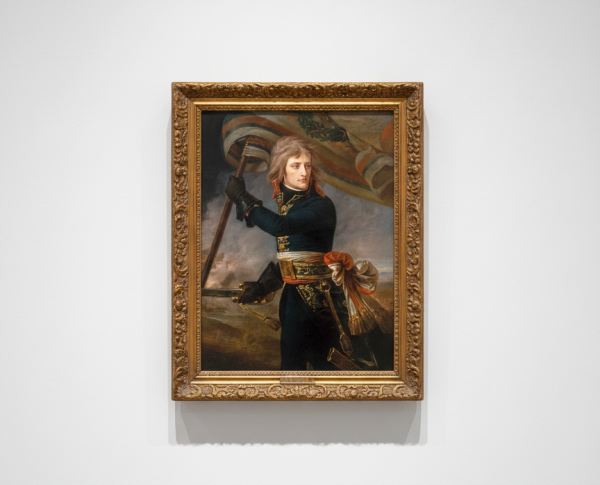
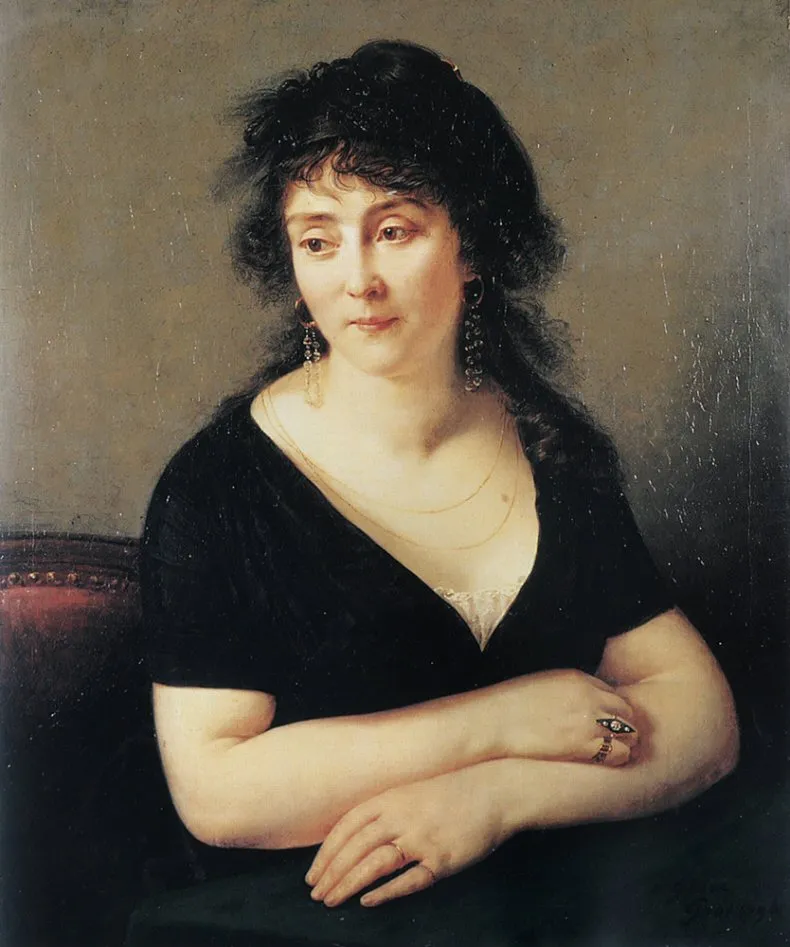
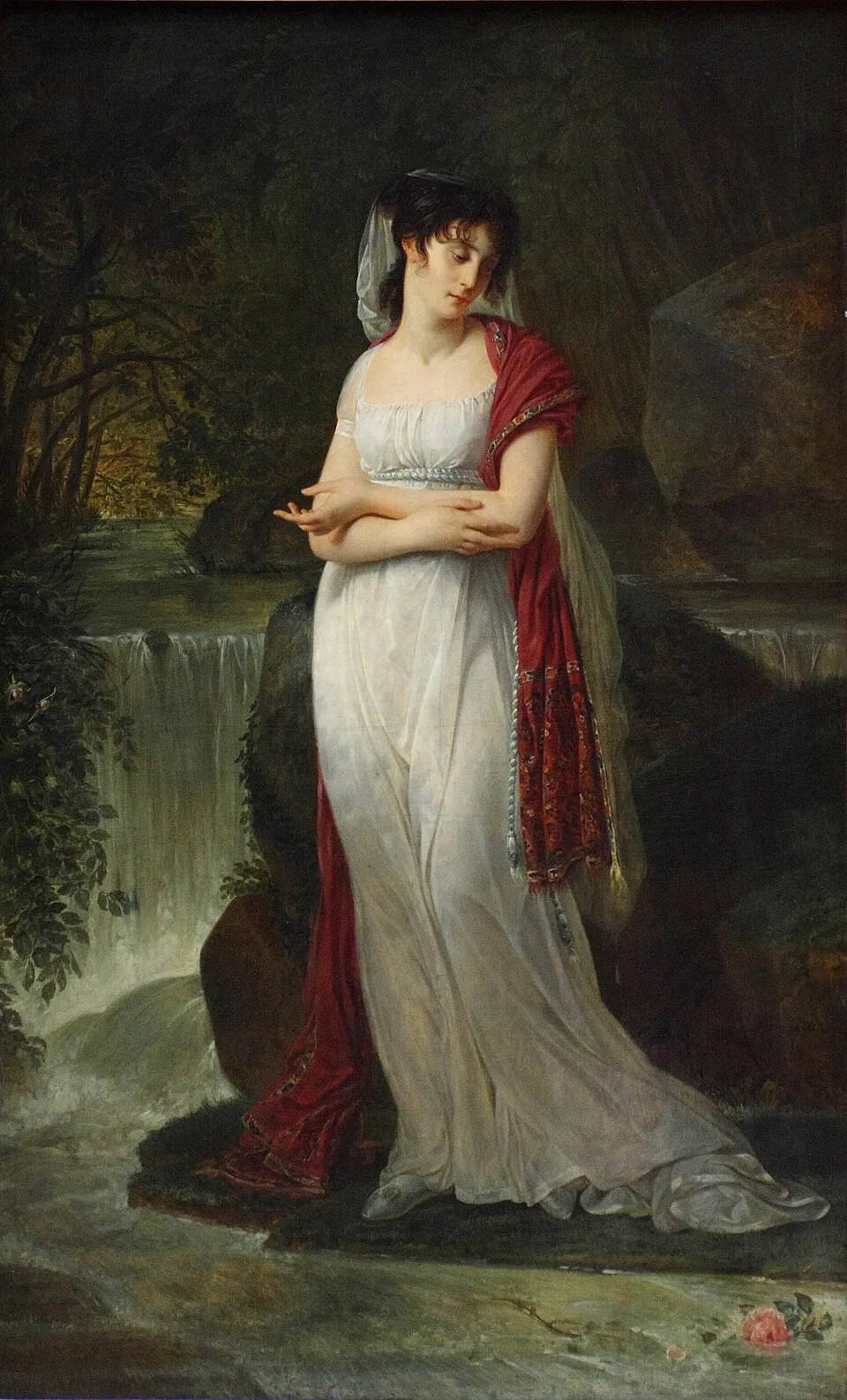
"The Battle of the Pyramids" by Antoine-Jean Gros is more than just a battlefield scene; it is a hand-painted oil painting rich with symbolism and narrative depth. The painting’s vivid imagery reflects both the heroism and tragedy of war, hallmarks of the Romanticism movement. Admirers of Gros’s work are often drawn to related pieces like "Portrait of Christine Boyer" and "First Consul Bonaparte," each telling its own compelling story through expressive art.
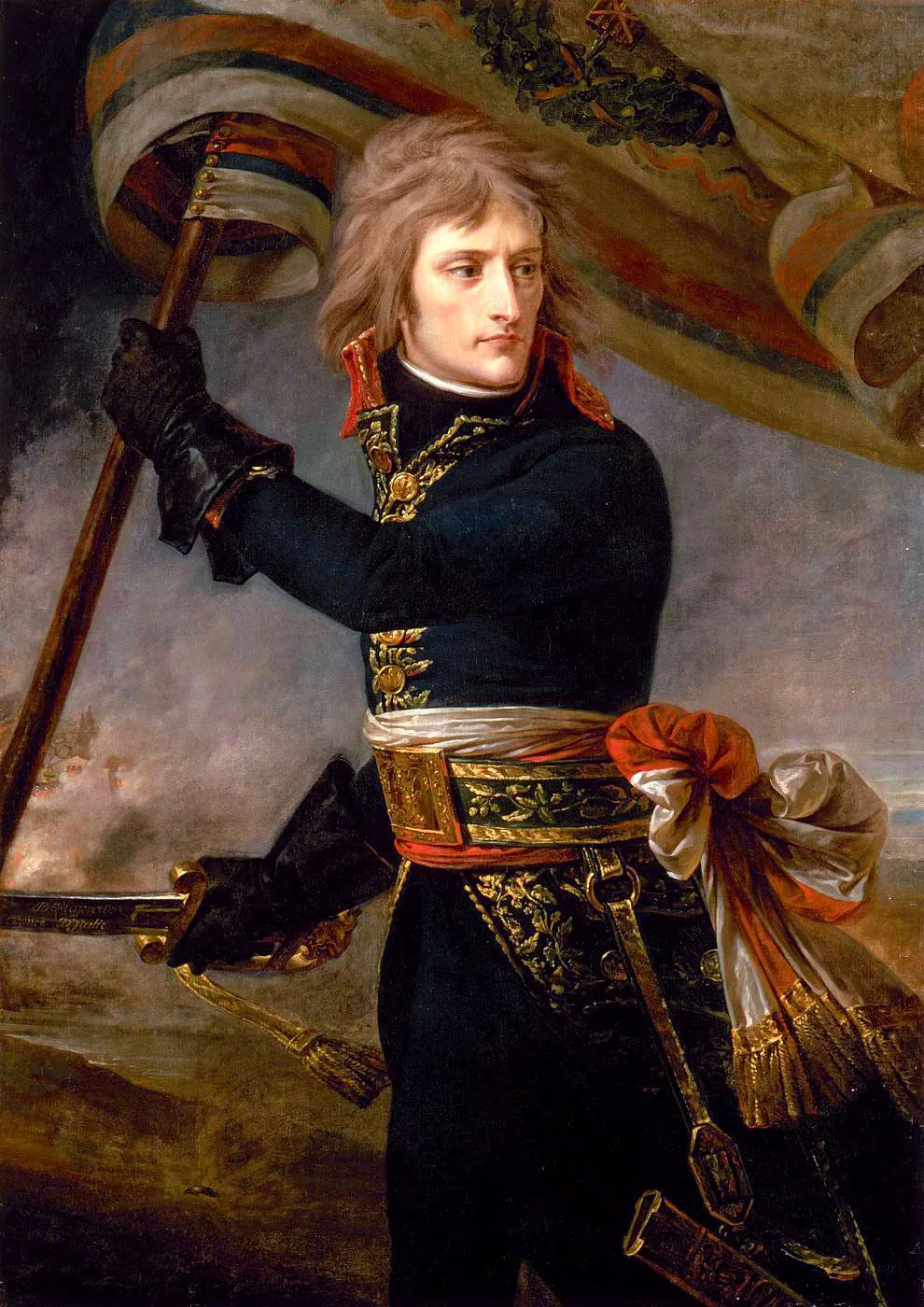
Owning "The Battle of the Pyramids" by Antoine-Jean Gros means acquiring a significant fine art painting for sale from the Romanticism period. This masterpiece’s historical importance and artistic brilliance make it highly sought after. Collectors also appreciate related works, such as "Bonaparte at the Pont D'Arcole" and "General Lasalle at the Siege of Stettin," which offer similar prestige and beauty. Gros’s legacy endures, captivating new generations of art enthusiasts and collectors alike.
When Art Meets History
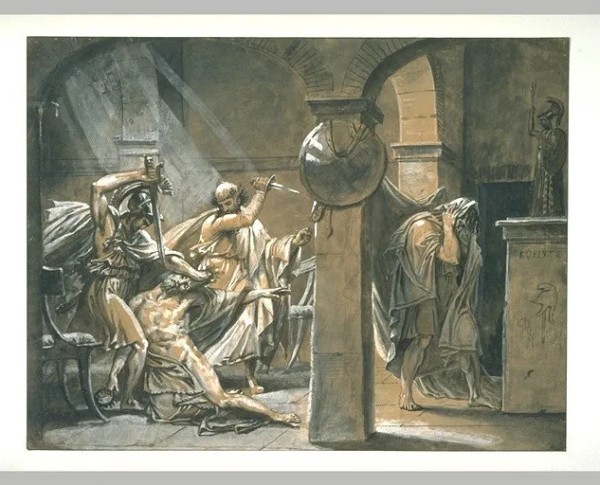
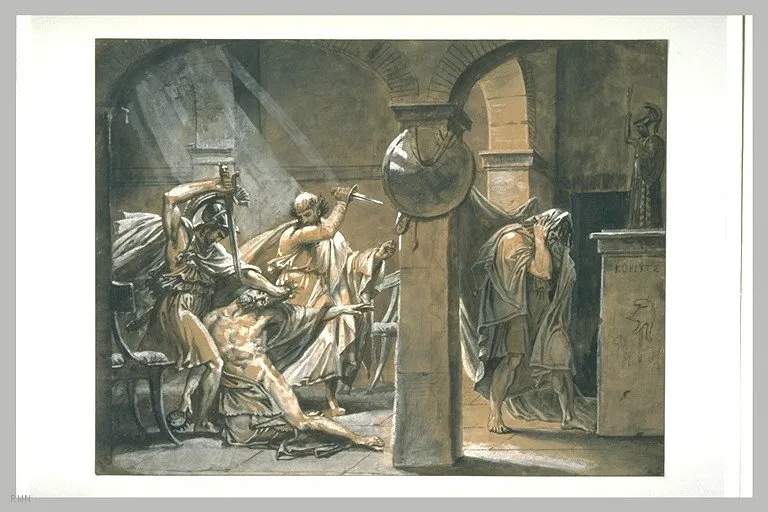
Antoine-Jean Gros’s “The Battle of the Pyramids” stands as a testament to the Romanticism movement, capturing a pivotal moment in history through a masterful hand-painted oil painting. Gros, renowned for his dramatic compositions, skillfully blends historical accuracy and artistic flair. This work not only chronicles Napoleon’s Egyptian campaign but also aligns with other masterpieces like “The Lampugnani Conspiracy” and “Christopher Columbus Before the Council of Salamanca,” which similarly blend narrative and artistry.
Techniques That Speak
Rendered in oil on canvas, Antoine-Jean Gros’s “The Battle of the Pyramids” showcases the dynamic brushwork and striking contrasts typical of Romanticism. Gros uses vivid colors and sweeping gestures to convey movement and tension, much like the techniques seen in “The Slave Ship 1840” and “Sunrise with Sea Monsters.” These methods heighten the drama and immerse viewers in the scene, embodying the technical prowess that makes this oil on canvas painting a true classic.
Emotions on Display
In this fine art painting for sale, Gros channels the raw emotion and grandeur characteristic of the Romanticism movement. “The Battle of the Pyramids” is infused with a sense of heroism and turmoil, drawing viewers into the chaos and valor of battle. Gros’s approach is reminiscent of the emotional intensity found in “The Witches’ Ride by” and his own “The Lampugnani Conspiracy,” making each brushstroke resonate with feeling and historical significance.
Coveted by Collectors
“The Battle of the Pyramids” by Antoine-Jean Gros is highly sought after by art enthusiasts and collectors alike, eager to own a piece of Romanticism history. As a hand-painted oil painting, it embodies the drama and technique that define this era. Works like “Sunrise with Sea Monsters” and “The Slave Ship 1840” are similarly prized, but Gros’s masterpiece stands out as a fine art painting for sale that captures both historical importance and artistic brilliance.
Related Romanticism Hand-Painted Oil Paintings by Other Artists
Other Famous Romanticism Artists:
Frequently Asked Questions About The Battle of the Pyramids
What historical event does "The Battle of the Pyramids" depict?
"The Battle of the Pyramids" portrays the significant battle fought on July 21, 1798, during Napoleon Bonaparte's campaign in Egypt, where French forces defeated the Mamluks.
Who was the artist behind "The Battle of the Pyramids"?
The painting was created by Antoine-Jean Gros, a prominent French painter known for his historical and military subjects, particularly those related to the Napoleonic era.
What artistic style is employed in "The Battle of the Pyramids"?
The painting exemplifies the Romantic style, characterized by its dramatic composition, emotional intensity, and emphasis on the heroic aspects of the battle.
What is the significance of the pyramids in the painting?
The pyramids serve as a powerful symbol of ancient civilization and the connection between the past and the present, emphasizing the grandeur of the setting for this historic confrontation.
How does Gros convey the chaos of battle in this artwork?
Gros employs dynamic movement, vivid colors, and expressive figures to create a sense of chaos and urgency, immersing the viewer in the tumultuous atmosphere of the battlefield.
What role does light play in "The Battle of the Pyramids"?
The use of light in the painting highlights key figures and moments, guiding the viewer's eye and enhancing the dramatic effect of the scene, particularly the contrast between light and shadow.
Are there any notable figures depicted in the painting?
Yes, the painting features Napoleon Bonaparte prominently, depicted as a heroic leader, alongside his troops, symbolizing the valor and determination of the French forces.
What emotions does "The Battle of the Pyramids" evoke?
The painting evokes a range of emotions, including pride, tension, and the tragic realities of war, reflecting both the glory of victory and the cost of conflict.
How does Gros' background influence this painting?
Gros' training under Jacques-Louis David, a leading figure of Neoclassicism, influenced his approach to historical narrative and dramatic expression, blending classical elements with Romantic sensibilities.
What is the legacy of "The Battle of the Pyramids" in art history?
The painting is regarded as a significant work in the genre of historical painting, influencing future representations of military events and contributing to the Romantic movement's focus on emotion and individual experience.






















_GFM_Painting_(1).webp)


 100% Hand-Painted: Finished in 3-6 Weeks

.png)















_(1).webp)