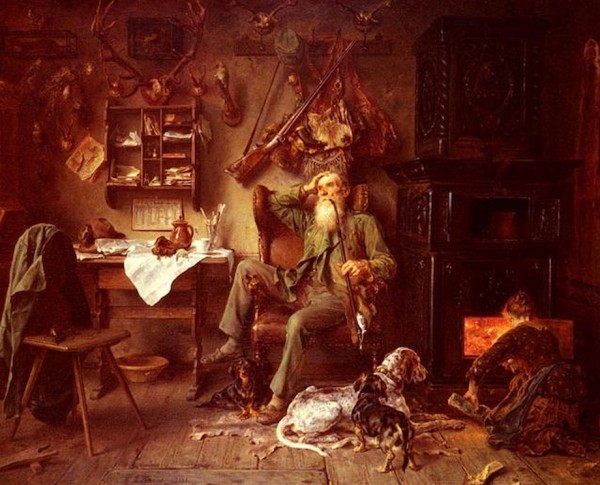
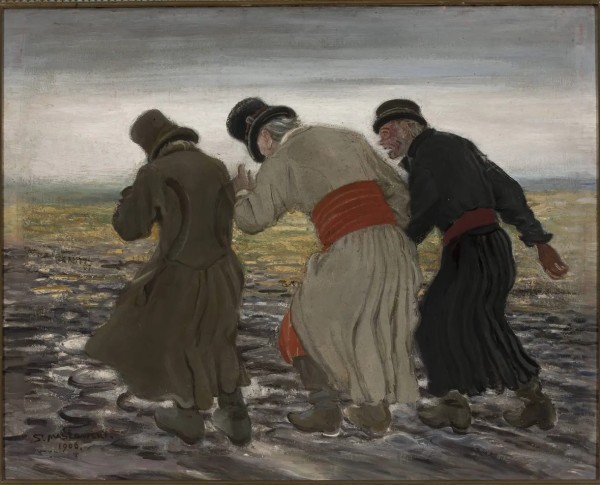
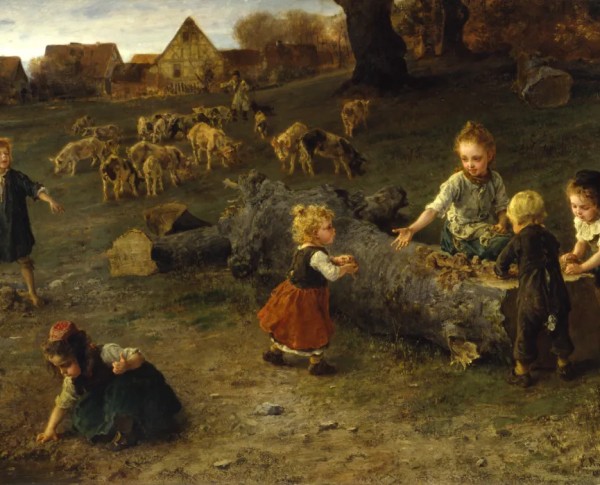
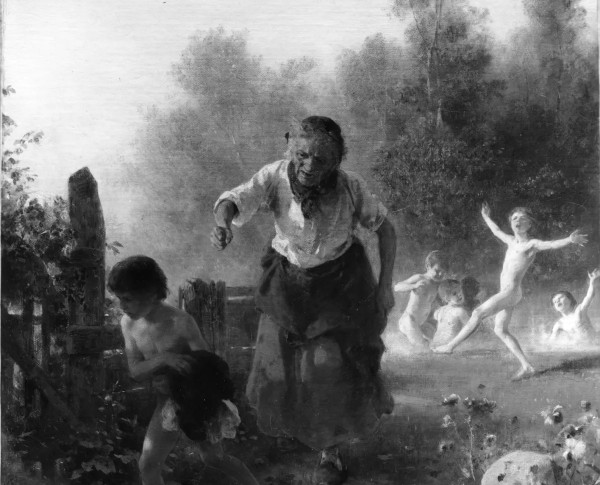
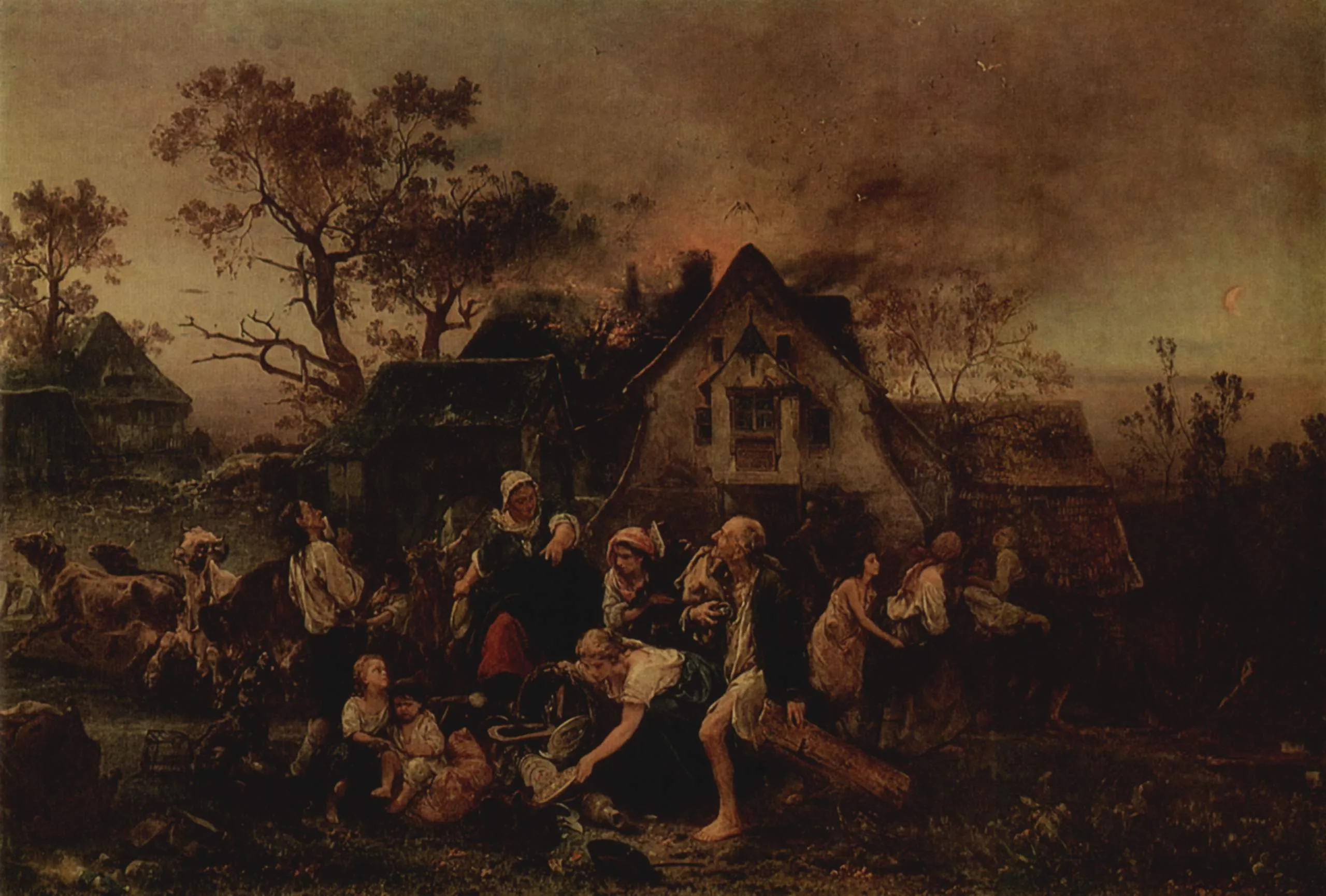
Ludwig Knaus’s "Fire in the village" exemplifies the technical brilliance of oil on canvas within the Academic Art movement. Every stroke reveals the artist’s meticulous attention to detail, creating a vivid and dramatic scene. The same mastery is evident in his other works, such as "Boy in Hessian costume from the Schwalm area near Ziegenhain" and "The cheater." Knaus’s technique elevates this painting, making it a true highlight among fine art connoisseurs and collectors.
In "Fire in the village," Ludwig Knaus weaves a compelling narrative through evocative imagery and symbolism, hallmarks of the Academic Art movement. This fine art painting for sale invites viewers to interpret the community’s response to disaster, reflecting resilience and unity. The storytelling approach is also present in related products like "On lake Brienz" and "The Truant." Each piece by Knaus offers a window into 19th-century life, making his art both meaningful and collectible.
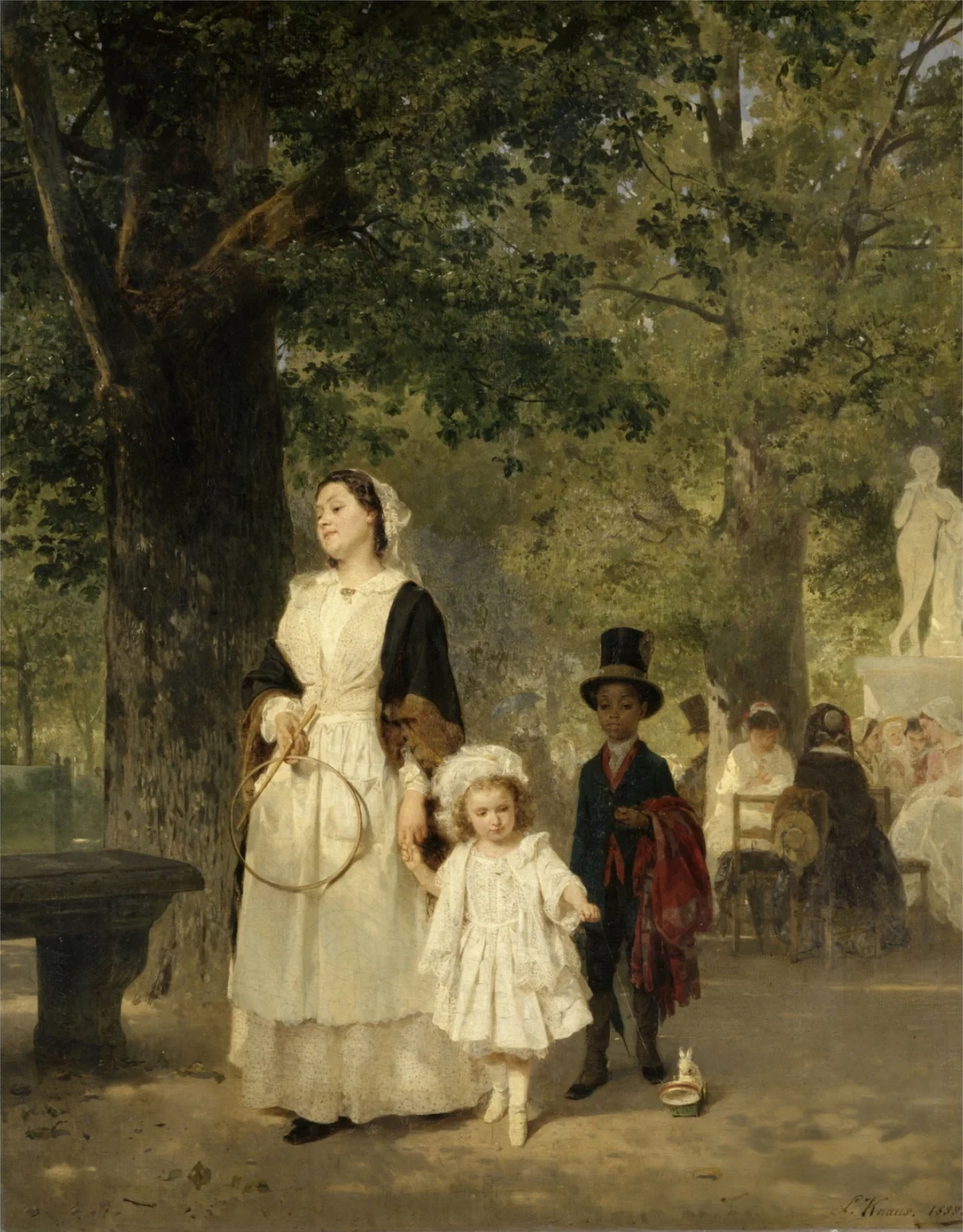
Owning "Fire in the village" by Ludwig Knaus means possessing a hand-painted oil painting that embodies the elegance and tradition of Academic Art. Collectors value its authenticity and historical relevance, much like other sought-after works including "Promenade" and "Interior with a green tiled stove." As a fine art painting for sale, it stands out for its artistry and provenance, making it an exceptional addition to any distinguished art collection.
When Art Meets History
"Fire in the Village" by Ludwig Knaus is a striking example of the Academic Art movement, capturing a dramatic moment anchored in historical realism. Like Knaus’s contemporaries, he uses his art to document and interpret pivotal events. This hand-painted oil painting not only reflects the artist’s technical mastery but also connects to related works such as "Psyche with Putti" and "Rest on the Flight into Egypt," offering viewers a window into the past through the lens of fine art.
Techniques That Speak
Ludwig Knaus’s "Fire in the Village" showcases his remarkable skill with oil on canvas, a hallmark of Academic Art. The artist’s deft brushwork and attention to detail bring the chaotic scene to life, illustrating the emotional and physical turmoil of the villagers. Knaus’s technique aligns with related paintings like "Still Life with Fruit and Venetian Glass on a Table," highlighting the movement’s dedication to lifelike representation and technical excellence in every stroke.
Emotions on Display
In "Fire in the Village," Ludwig Knaus masterfully conveys the intense emotions of fear, urgency, and solidarity among the villagers. The fine art painting for sale captures expressions and gestures with vivid realism, immersing viewers in the unfolding drama. This emotional depth is mirrored in related works such as "Jeune femme denudée sur canape (Young woman naked on a settee)," where human experience is central, embodying the core values of the Academic Art movement.
Coveted by Collectors
Ludwig Knaus’s "Fire in the Village" remains highly sought after by art enthusiasts and collectors looking for a distinguished hand-painted oil painting. Its connection to the Academic Art movement and its resonance with pieces like "STILL LIFE WITH EWER AND ACCOUTREMENTS ON GILT MOUNTED BUREAU PLAT" add to its desirability. As a fine art painting for sale, it stands as a testament to Knaus’s legacy and the enduring appeal of 19th-century Academic Art masterpieces.
Related Academic Art Hand-Painted Oil Paintings by Other Artists
Other Famous Academic Art Artists:
Frequently Asked Questions About Fire in the village
What historical context influenced Ludwig Knaus in creating "Fire in the village"?
"Fire in the village" reflects the socio-political climate of 19th-century Germany, particularly the anxieties surrounding rural life and the impact of industrialization. Knaus aimed to capture the emotional and physical turmoil faced by communities during this transformative period.
What artistic techniques did Ludwig Knaus employ in "Fire in the village"?
Knaus utilized a combination of realism and romanticism in "Fire in the village." His meticulous attention to detail, particularly in the depiction of light and shadow, enhances the dramatic effect of the scene, while the emotional expressions of the figures convey a sense of urgency and despair.
What symbolism is present in "Fire in the village"?
The fire in the painting symbolizes destruction and chaos, representing the fragility of rural life. It also serves as a metaphor for the broader societal changes occurring during Knaus's time, reflecting the tension between tradition and modernity.
How does "Fire in the village" reflect the themes of community and disaster?
The painting illustrates the collective experience of a community facing disaster. The figures in the artwork are depicted in various states of panic and determination, highlighting the human spirit's resilience in the face of adversity and the importance of solidarity during crises.
In what ways does "Fire in the village" showcase Ludwig Knaus's artistic style?
Knaus's style is characterized by a vivid portrayal of human emotion and a keen observation of everyday life. In "Fire in the village," he combines these elements with a dramatic narrative, creating a compelling visual story that draws the viewer into the scene.
What role does color play in "Fire in the village"?
The use of color in "Fire in the village" is pivotal in conveying the painting's emotional weight. The warm tones of the fire contrast sharply with the cooler hues of the surrounding environment, emphasizing the chaos and drawing attention to the central action of the scene.
How does "Fire in the village" compare to other works by Ludwig Knaus?
What impact did "Fire in the village" have on contemporary audiences?
Upon its release, "Fire in the village" resonated deeply with contemporary audiences, who were grappling with the rapid changes brought about by industrialization. The painting served as a poignant reminder of the vulnerabilities faced by rural communities, prompting discussions about social responsibility and community support.
What can be inferred about the figures in "Fire in the village"?
The figures in the painting represent a cross-section of the village community, each embodying different responses to the crisis. Their varied expressions and postures convey a range of emotions, from fear to determination, reflecting the human condition in times of distress.
What legacy did "Fire in the village" leave in the art world?
"Fire in the village" is considered a significant work in the genre of narrative painting, influencing future artists to explore themes of social commentary and emotional depth in their work. Knaus's ability to capture the essence of human experience continues to inspire discussions about the role of art in society.























_GFM_Painting_(1).webp)


 100% Hand-Painted: Finished in 3-6 Weeks

.png)















_(1).webp)