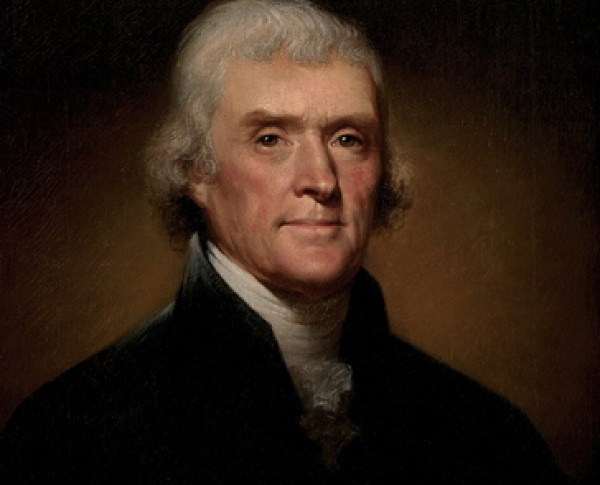
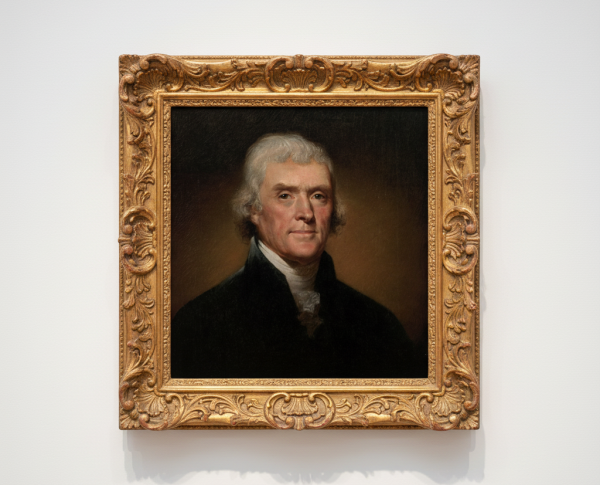
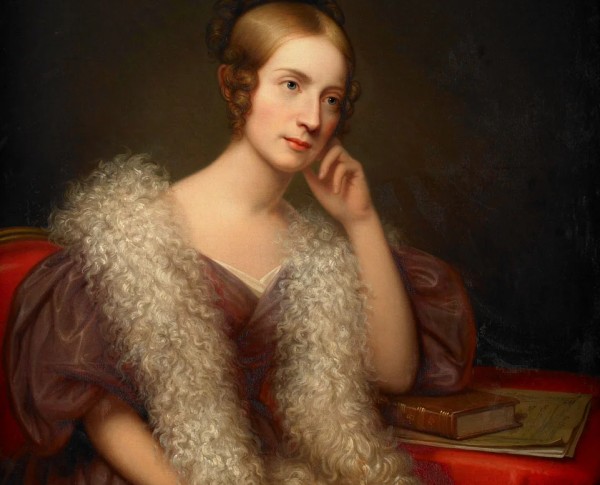
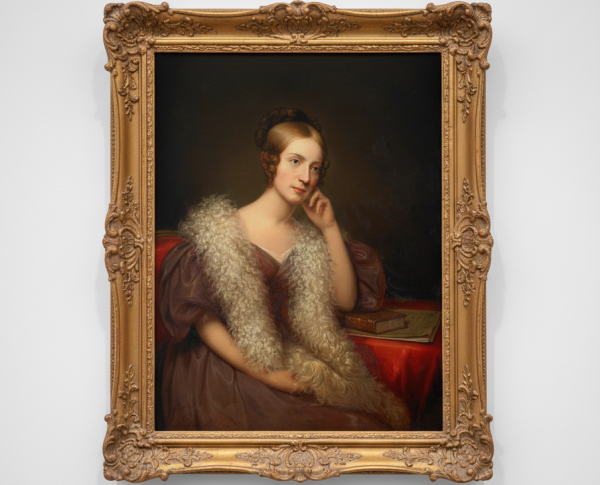
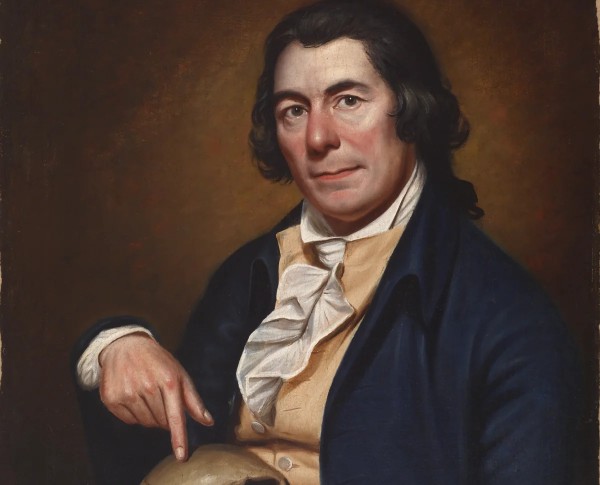
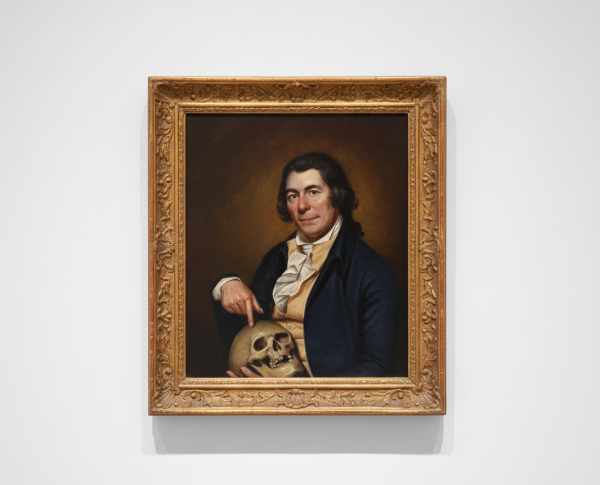
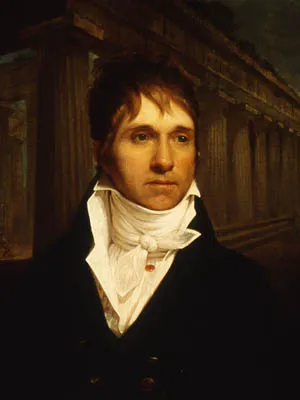
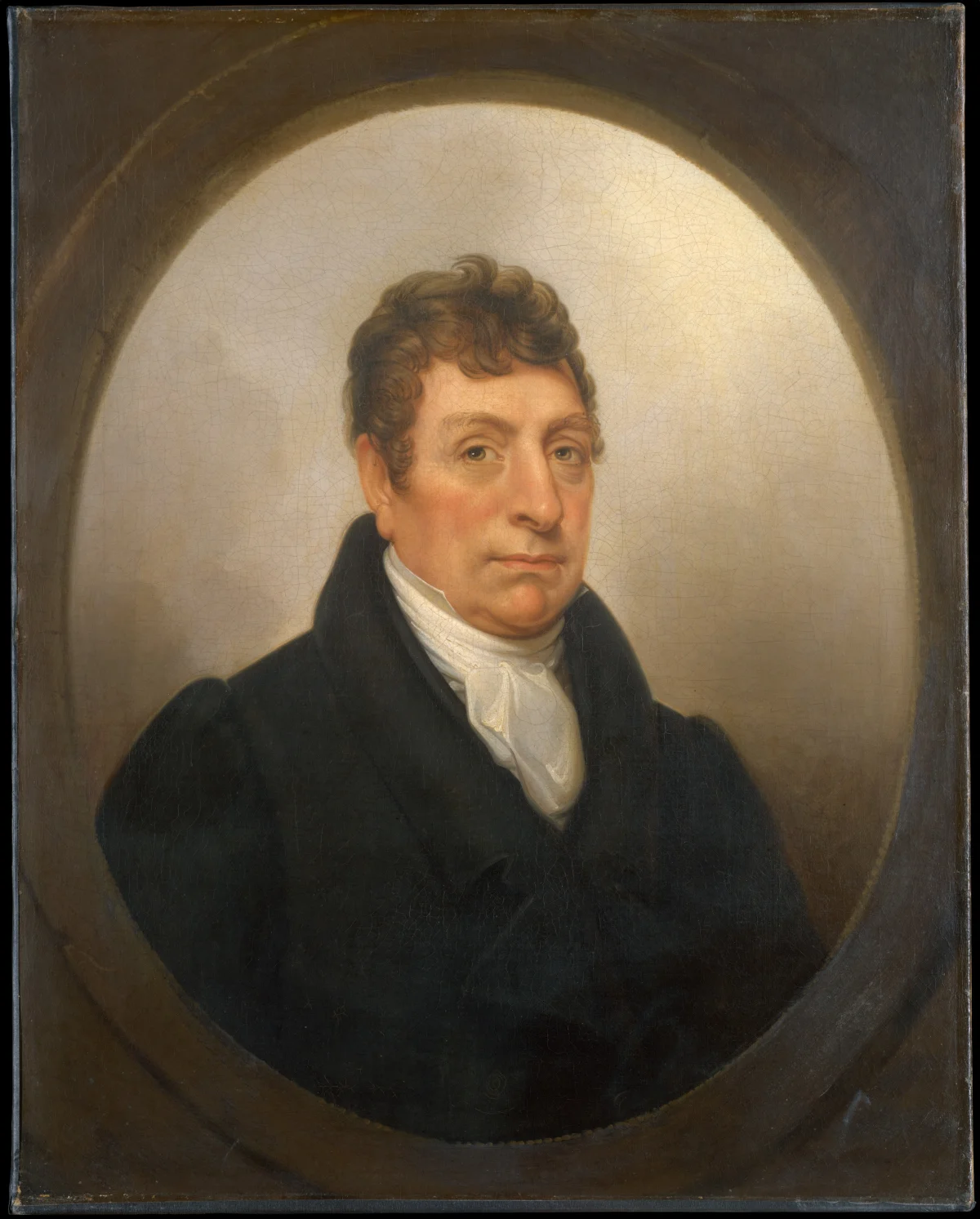
Rembrandt Peale’s "Portrait of William Short" exemplifies the meticulous technique characteristic of oil on canvas masterpieces from the Neo-Classical era. Each brushstroke reveals Peale’s attention to detail and precision, qualities that place him among the leading portraitists of his time. Collectors drawn to similar works—such as "Rubens Peale with a Geranium" or "Dr. Noble Wimberly Jones"—recognize the enduring value and refined artistry that define Peale’s celebrated oil on canvas portraits.
Within "Portrait of William Short," Rembrandt Peale weaves subtle symbols and narrative cues emblematic of the Neo-Classical movement. The sitter’s composed expression and dignified posture reflect Enlightenment ideals, while the painting’s background hints at Short’s diplomatic legacy. Art lovers exploring related products like "Portrait of Dr. Meer" or "John Johnston" will appreciate how Peale’s hand-painted oil painting style elevates personal histories into enduring visual stories.
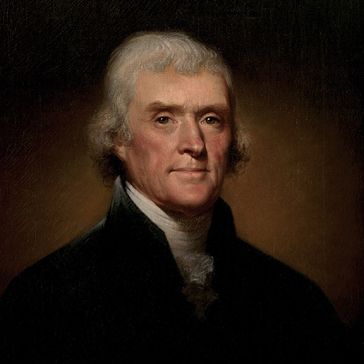
For collectors seeking a fine art painting for sale, Rembrandt Peale’s "Portrait of William Short" offers a unique opportunity to own a piece of Neo-Classical heritage. The painting’s timeless elegance and historical significance make it a prized addition to any collection. Alongside masterpieces such as "Portrait of Thomas Jefferson" and "Rubens Peale with a Geranium," this work exemplifies the enduring appeal of Peale’s artistry and the rich legacy of oil on canvas portraiture.
When Art Meets History
"Portrait of William Short" by Rembrandt Peale is a remarkable example of the Neo-Classical movement, capturing both the essence of its era and the personality of its subject. This hand-painted oil painting stands alongside masterpieces like "The Park at Mortefontaine" and "The Declaration of Independence," reflecting a time when art and history were intimately intertwined. Peale’s work allows us to glimpse the cultural and political atmosphere that shaped early American society through the lens of fine art.
Techniques That Speak
Rembrandt Peale’s mastery is evident in his use of oil on canvas, a medium favored by Neo-Classical artists for its depth and richness. In "Portrait of William Short," the precise brushwork and subtle gradations of light showcase Peale’s technical prowess. The painting’s refined composition can be compared to other works from the movement, such as "Surrender of General Burgoyne" and "Paysage Avec Pan Jouant De La Flûte Pour Une Nymphe," each demonstrating the enduring appeal of classical techniques.
Emotions on Display
The emotional depth in "Portrait of William Short" sets it apart as a fine art painting for sale that resonates with viewers. Rembrandt Peale skillfully conveys the sitter’s intellect and dignity, hallmarks of the Neo-Classical style. Like "Lake Fucino and the Abruzzi Mountains," this portrait invites contemplation, capturing not just a likeness but the inner world of its subject. The painting’s subtle expressions and poised demeanor evoke timeless human emotions.
Coveted by Collectors
Collectors seeking a distinguished hand-painted oil painting often turn to works like Peale’s "Portrait of William Short." As a standout piece in the Neo-Classical movement, it holds a place of honor alongside related paintings such as "The Declaration of Independence." The enduring allure of oil on canvas, combined with the painting’s historical significance, makes it a prized acquisition for art enthusiasts and collectors who appreciate the legacy of Rembrandt Peale and his contemporaries.
Related Neo-Classical Hand-Painted Oil Paintings by Other Artists
Other Famous Neo-Classical Artists:
Frequently Asked Questions About Portrait of William Short
Who is William Short and why is he significant in history?
William Short was an American diplomat and a close associate of Thomas Jefferson. His significance lies in his role in early American diplomacy and his contributions to the establishment of the United States' foreign relations.
What is the historical context of the painting?
The "Portrait of William Short" was painted in the early 19th century, during a time when portraiture was a popular means of commemorating influential figures in American society. This period reflects the growing importance of individual identity and personal legacy in the post-Revolutionary United States.
What artistic techniques did Rembrandt Peale employ in this portrait?
Rembrandt Peale utilized a combination of chiaroscuro to create depth and dimension, along with meticulous attention to detail in the textures of fabric and skin. His use of light and shadow enhances the three-dimensionality of the figure, drawing the viewer's eye to Short's facial expression.
What symbolism can be found in the painting?
The painting symbolizes the ideals of the Enlightenment, reflecting the values of reason, individualism, and civic responsibility that were prevalent during Short's lifetime. The choice of attire and pose also conveys a sense of dignity and authority, reinforcing Short's status as a prominent figure.
How does this portrait compare to other works by Rembrandt Peale?
This portrait exemplifies Peale's signature style, characterized by lifelike representation and psychological depth. Compared to his other works, it showcases his ability to capture the essence of his subjects while also reflecting the broader cultural and historical narratives of the time.
What materials were used in the creation of this painting?
Rembrandt Peale typically used oil paints on canvas for his portraits, allowing for rich color saturation and fine detail. The specific materials used in "Portrait of William Short" contribute to its longevity and the vibrancy of the colors still visible today.
What is the significance of the background in the painting?
The background of the portrait is intentionally subdued, allowing the figure of William Short to take center stage. This choice emphasizes his importance and draws the viewer's focus to his expression and attire, reinforcing his role as a distinguished individual.
How did Rembrandt Peale's style influence American portraiture?
Peale's approach to portraiture, particularly his emphasis on realism and psychological depth, had a lasting impact on American art. His techniques paved the way for future generations of portrait artists, who sought to capture not just likeness but also the character of their subjects.
What is the current condition of the painting?
The "Portrait of William Short" has been well-preserved and is maintained under optimal conditions to ensure its longevity. Regular conservation efforts are undertaken to address any deterioration and to protect the artwork from environmental factors.
Where can I view the "Portrait of William Short"?
The "Portrait of William Short" is part of the permanent collection at our gallery. Visitors are encouraged to view this remarkable work in person to appreciate its artistic and historical significance fully.























_GFM_Painting_(1).webp)


 100% Hand-Painted: Finished in 3-6 Weeks

.png)















_(1).webp)