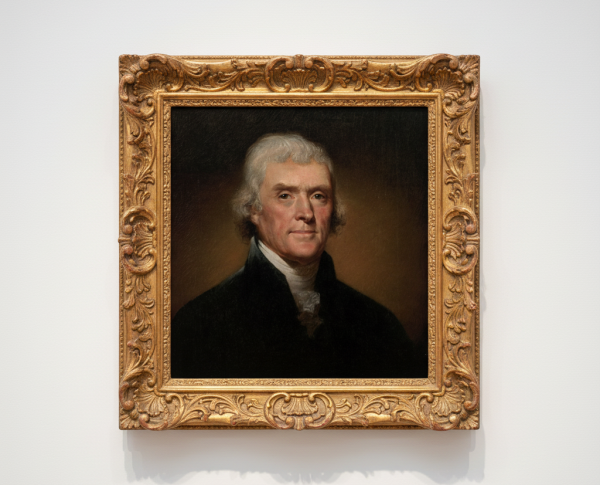
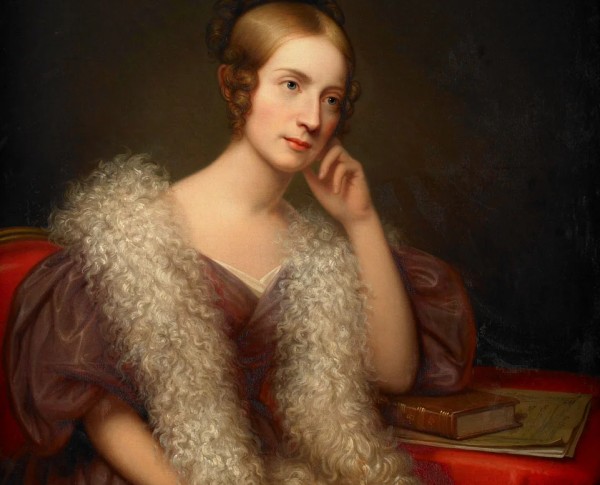
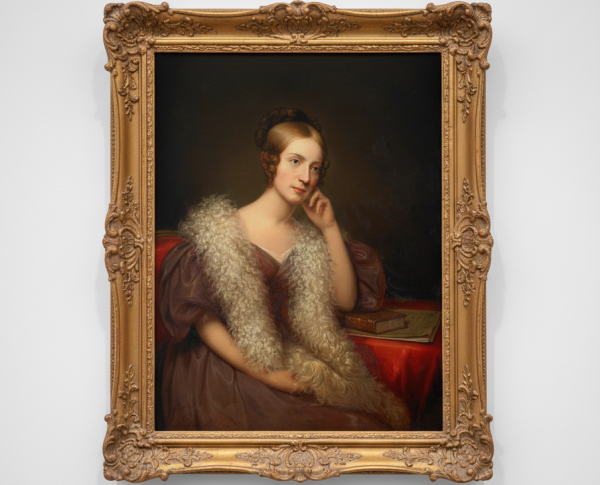
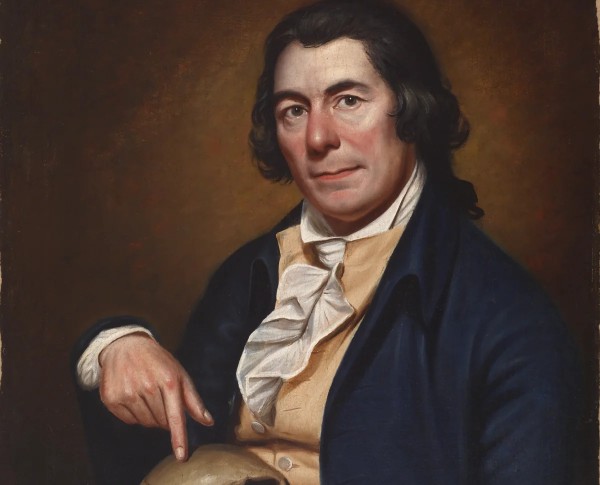
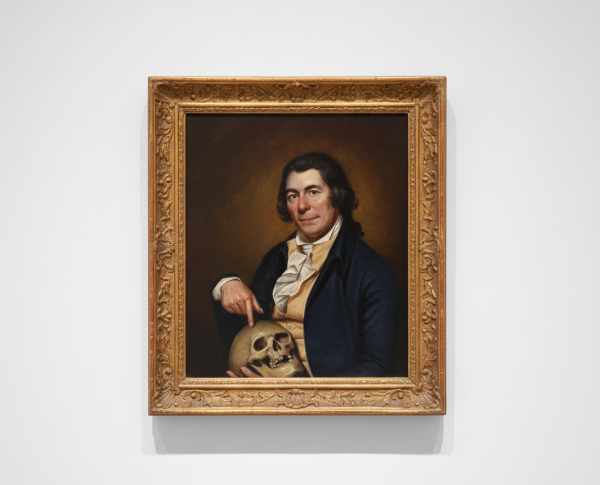
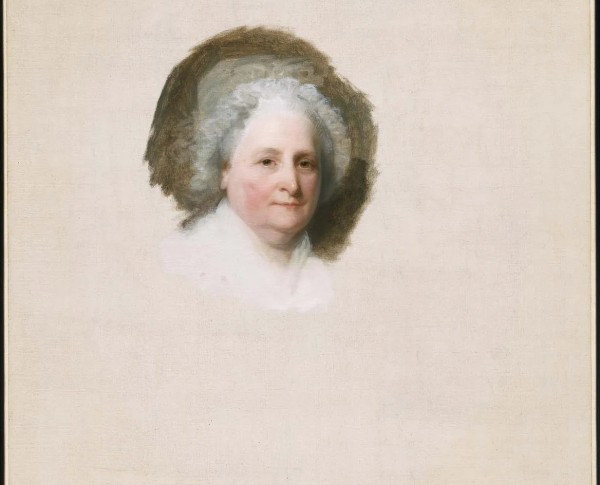
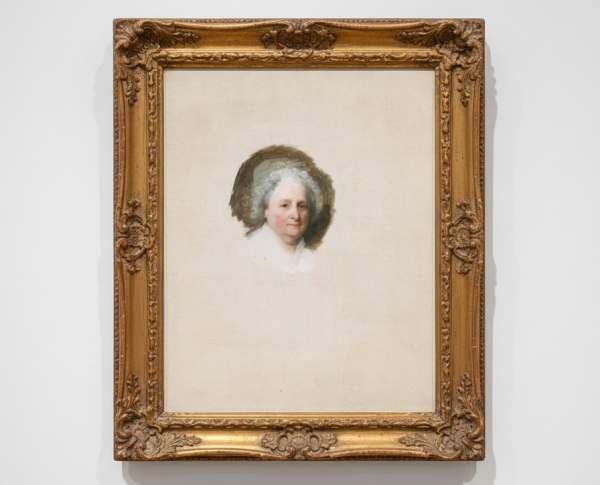
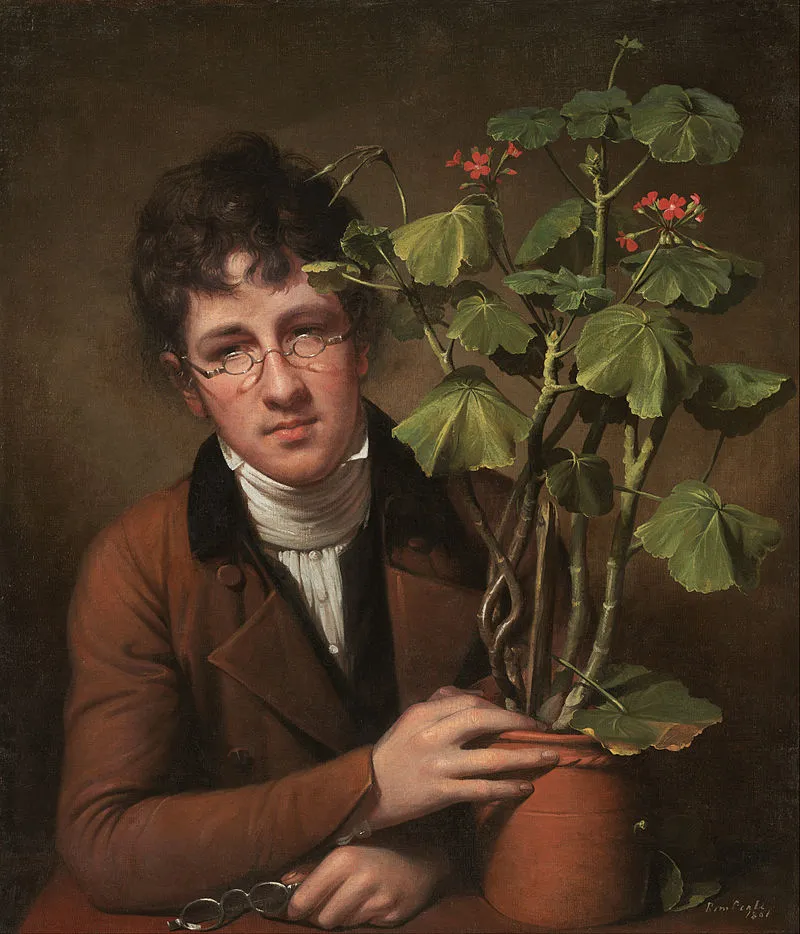
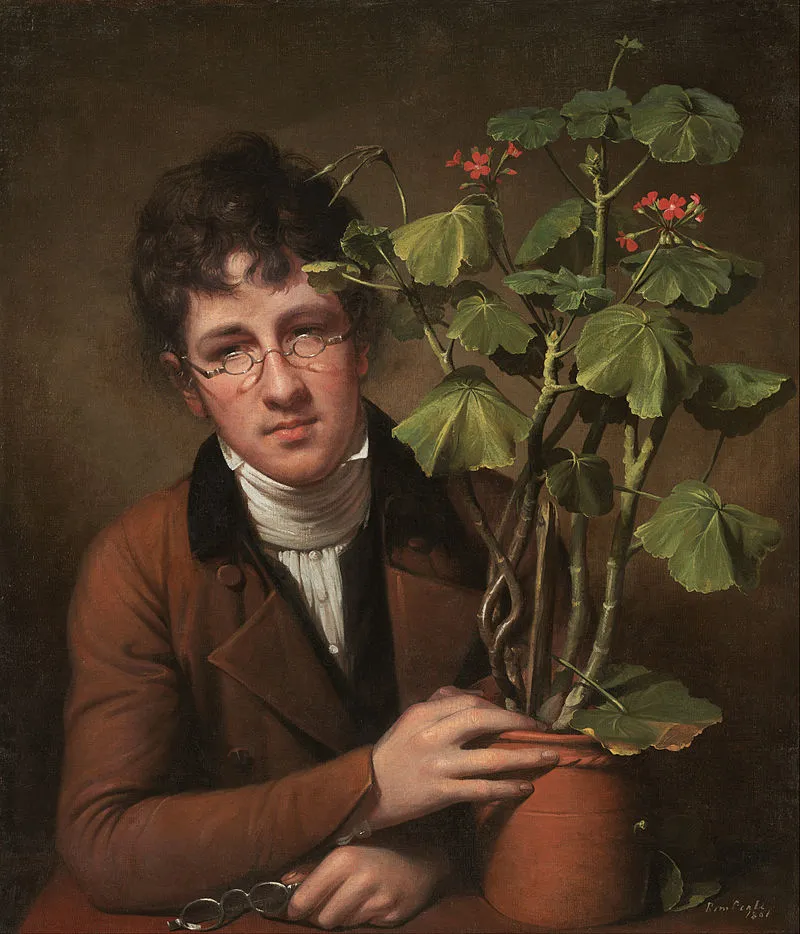
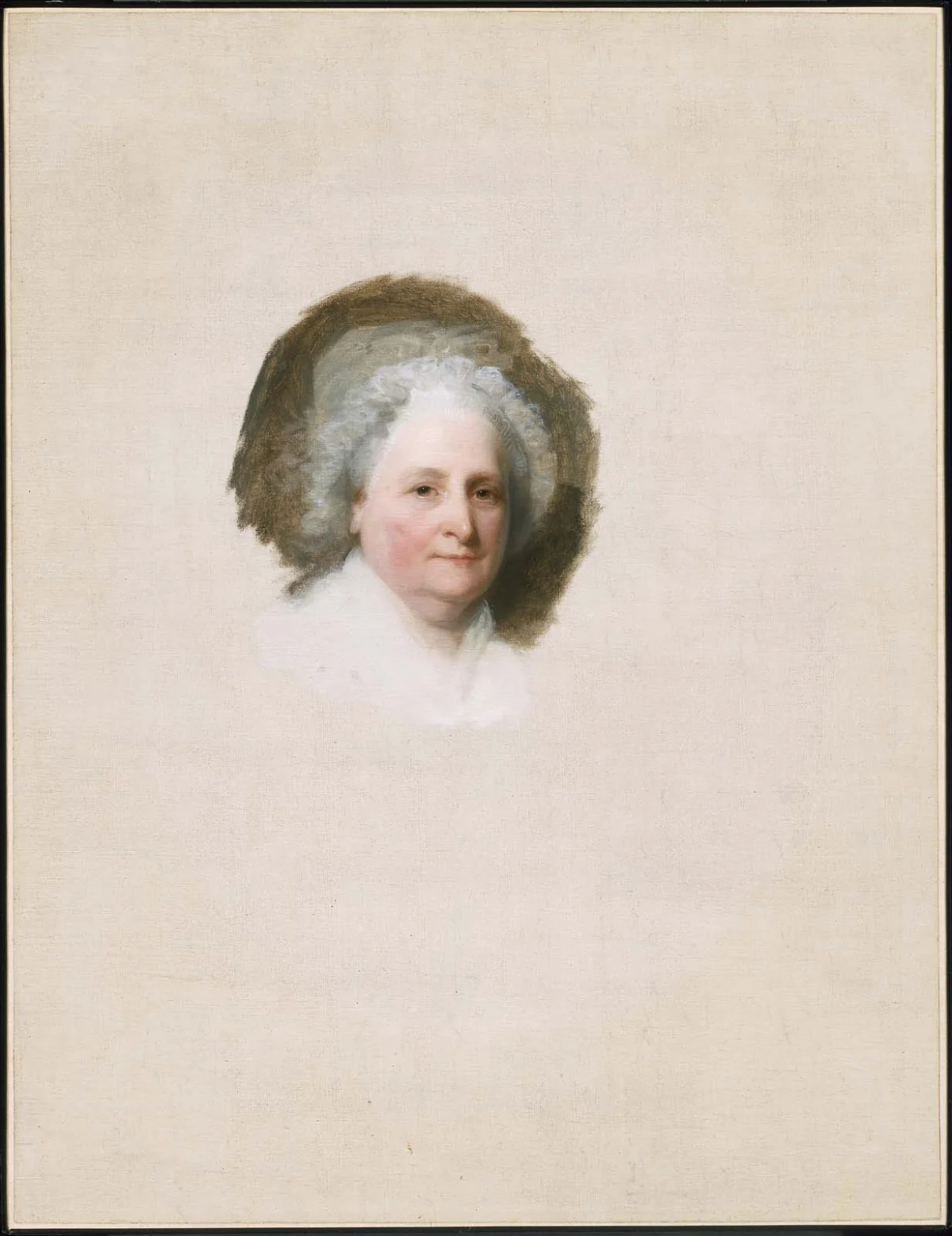
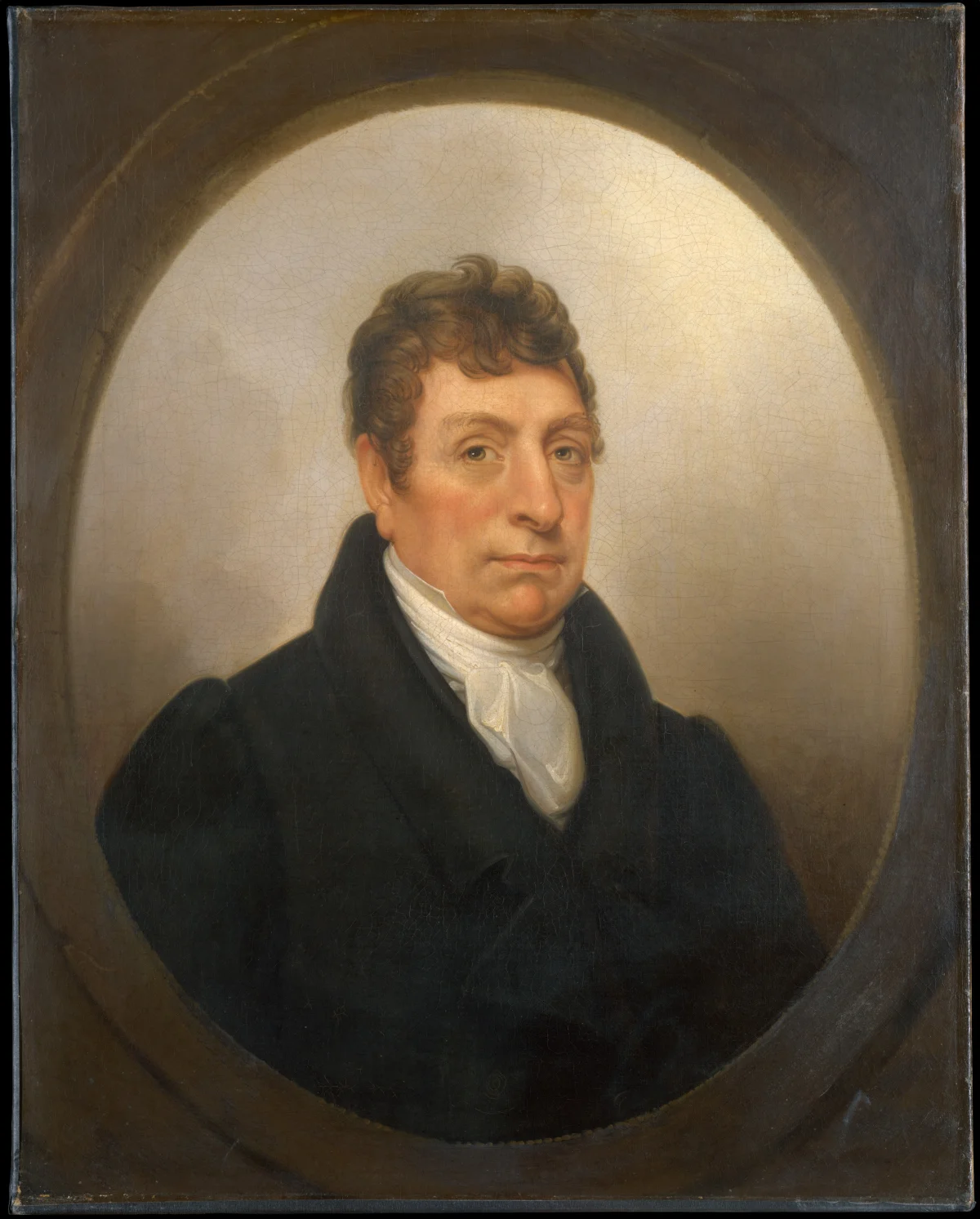
Rembrandt Peale’s "Rubens Peale with a Geranium" demonstrates exceptional technique in oil on canvas, with meticulous attention to detail and lifelike realism. The Neo-Classical style is evident in the elegant composition and harmonious colors. Collectors and enthusiasts searching for oil on canvas masterpieces will appreciate how Peale’s brushwork compares to related works like "Martha Washington" and "Portrait of Thomas Jefferson," both of which exemplify the movement’s refined aesthetic.
This fine art painting for sale is rich with symbolism, featuring Rubens Peale, a noted botanist, holding a geranium—an emblem of scientific discovery and personal growth. Rembrandt Peale’s Neo-Classical approach imbues the portrait with dignity and depth, inviting viewers to explore the sitter’s intellectual pursuits. Collectors often pair this masterpiece with related products such as "Portrait of Dr. Meer" and "The Marquis de Lafayette" for a cohesive gallery.
Owning "Rubens Peale with a Geranium" means possessing a hand-painted oil painting that bridges art history and botanical study. Rembrandt Peale’s contribution to the Neo-Classical movement is evident in this work, which appeals to discerning collectors and enthusiasts. Those seeking a fine art painting for sale will also find value in related products like "John Johnston" and "The Marquis de Lafayette," making them perfect companions for any curated collection.
When Art Meets History
"Rubens Peale with a Geranium" by Rembrandt Peale stands as a remarkable example of the Neo-Classical movement, capturing a pivotal moment in both art and personal history. This hand-painted oil painting not only portrays the artist’s brother with scientific curiosity but also reflects the intellectual spirit of the era. Rembrandt Peale’s work is often discussed alongside related paintings like "Ulysses and the Sirens" and "Prince Vasili Vasiljevits Dolgoruki" for its historic resonance and artistic depth.
Techniques That Speak
Rembrandt Peale’s mastery of oil on canvas is evident in the lifelike textures and subtle play of light in "Rubens Peale with a Geranium." The Neo-Classical artist’s attention to detail and refined brushwork set this piece apart, echoing the technical prowess seen in "Divina Comedia" and "Clyties of the Mist." The careful rendering of both subject and botanical elements demonstrates Peale’s commitment to realism and the enduring appeal of oil on canvas portraits.
Emotions on Display
In "Rubens Peale with a Geranium," Rembrandt Peale conveys a quiet introspection, capturing his brother’s contemplative mood. The emotional resonance of this fine art painting for sale draws viewers into the sitter’s world, much like Peale’s "Portrait of Prince Albert of Saxony as a boy." Through subtle expression and poised composition, Peale’s Neo-Classical style invites us to experience the personal and emotional depth of his subject.
Coveted by Collectors
Collectors and art enthusiasts prize "Rubens Peale with a Geranium" as a quintessential Neo-Classical masterpiece. This hand-painted oil painting is highly sought after, sharing its prestige with related works such as "Ulysses and the Sirens" and "Divina Comedia." Rembrandt Peale’s legacy endures in the art market, with this and similar pieces often featured in galleries and fine art painting for sale exhibitions, attracting those who value historic artistry and timeless beauty.
Related Neo-Classical Hand-Painted Oil Paintings by Other Artists
Other Famous Neo-Classical Artists:
Frequently Asked Questions About Rubens Peale with a Geranium
Who is the artist of "Rubens Peale with a Geranium"?
The painting was created by Rembrandt Peale, an American artist known for his portraits and still lifes.
What is the historical context of "Rubens Peale with a Geranium"?
This painting, completed in 1801, reflects the early American interest in naturalism and the emerging identity of American art during the post-colonial period.
What is the significance of the geranium in the painting?
The geranium symbolizes both beauty and domesticity, representing the connection between nature and the personal space of the individual.
How does Rembrandt Peale's style influence this work?
Peale's style is characterized by a meticulous attention to detail and a focus on realism, which is evident in the lifelike representation of both Rubens Peale and the geranium.
What techniques did Peale use in this painting?
Peale employed oil on canvas, utilizing chiaroscuro to create depth and dimension, enhancing the three-dimensional quality of the subjects.
What does the portrait reveal about Rubens Peale's character?
The portrait captures Rubens Peale's contemplative demeanor, suggesting an introspective personality and a deep appreciation for nature and art.
In what ways does this painting reflect American Romanticism?
"Rubens Peale with a Geranium" embodies American Romanticism through its emphasis on individual expression, the beauty of nature, and the celebration of personal identity.
What role did portraiture play in early American art?
Portraiture was a significant genre in early American art, serving to establish social status and personal legacy, as well as to document the emerging American identity.
How does this painting compare to Peale's other works?
This work is notable for its intimate scale and personal subject matter, contrasting with Peale's larger historical and allegorical compositions.
What is the current status of "Rubens Peale with a Geranium" in art history?
The painting is recognized as a significant example of early American portraiture and continues to be studied for its artistic and historical relevance.























_GFM_Painting_(1).webp)


 100% Hand-Painted: Finished in 3-6 Weeks

.png)
















_(1).webp)