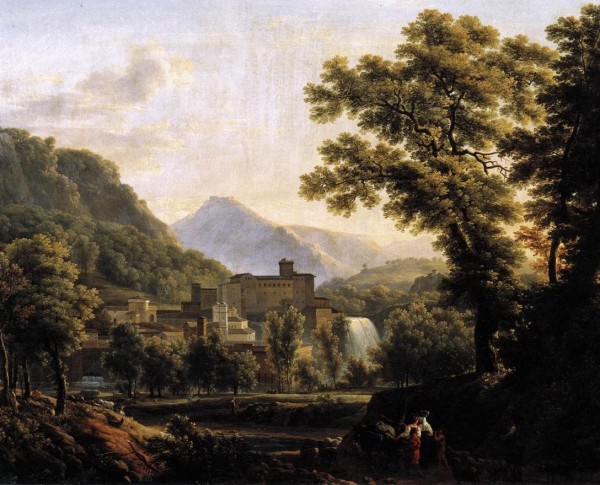
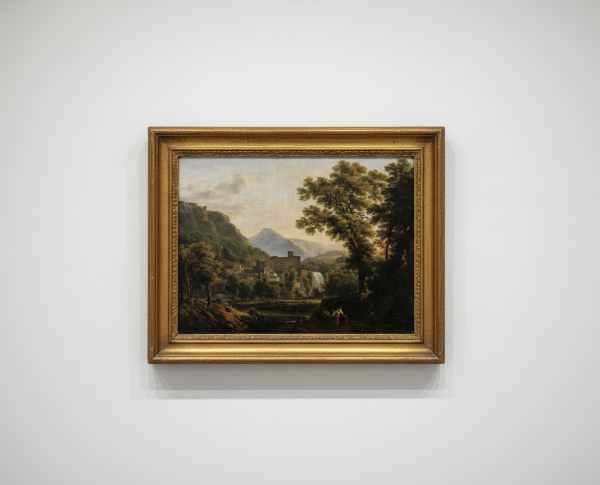
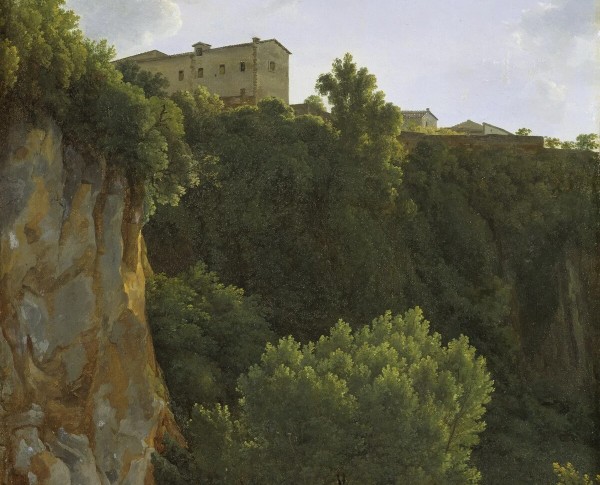
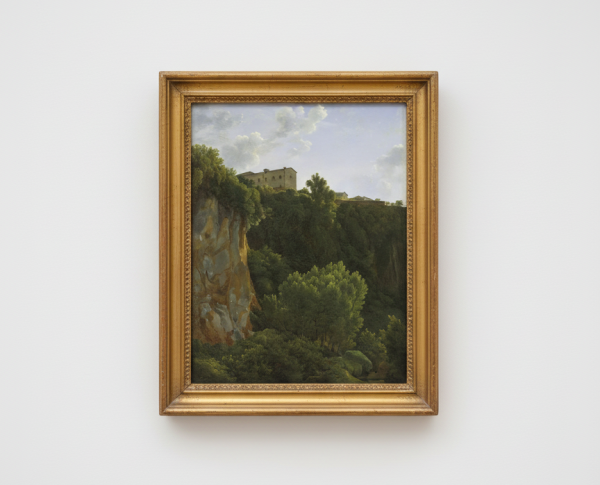
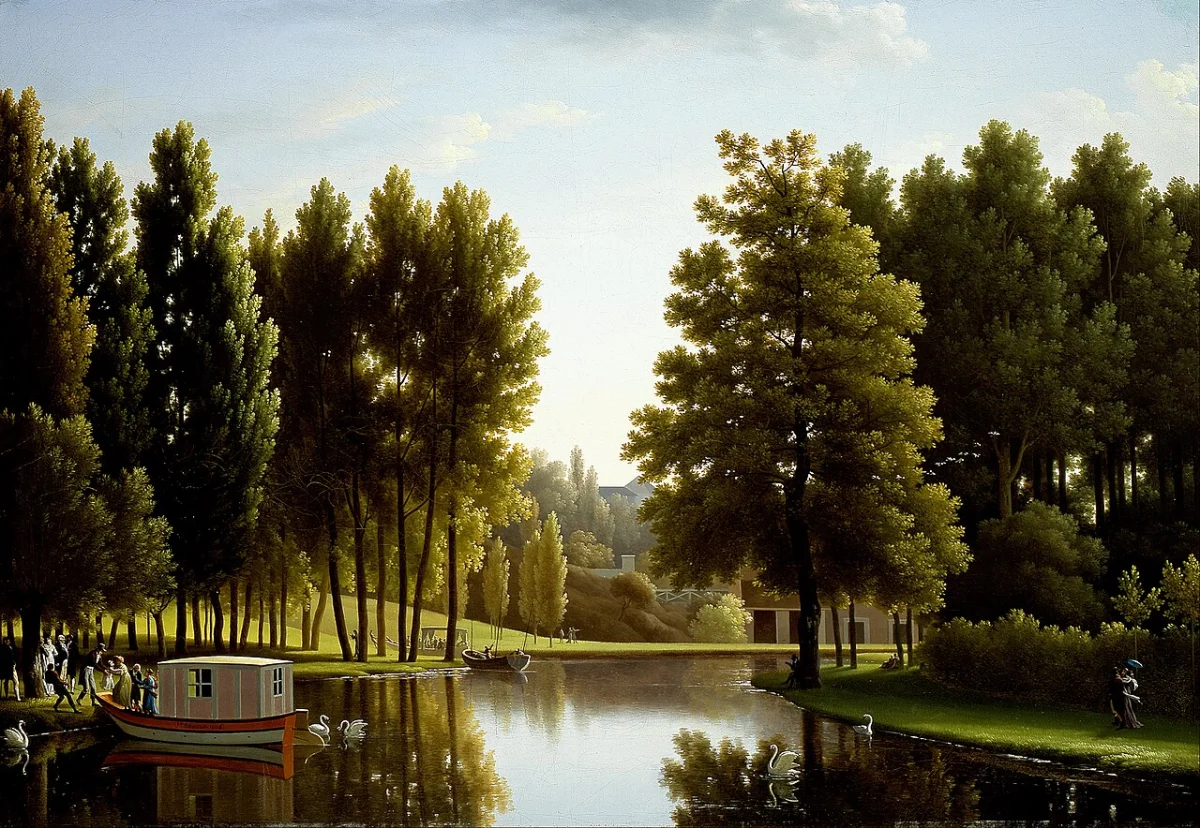
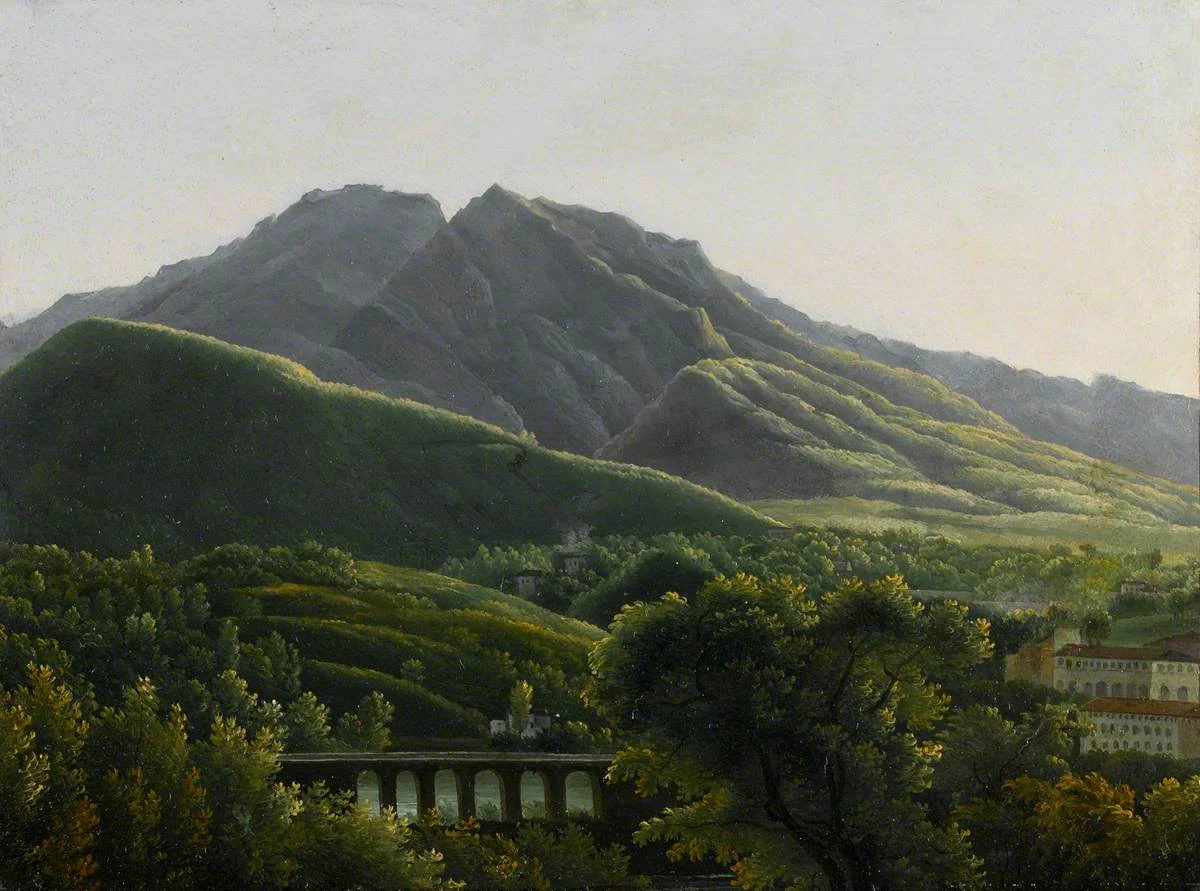
Bidauld’s technique in “The Park at Mortefontaine” demonstrates his mastery with oil on canvas, a medium celebrated for its depth and richness. Each brushstroke reveals his commitment to detail and composition, echoing the refined style of the Neo-Classical movement. Like “View of the Cascade of the Gorge near Allevard” and “The Bridge at La Cava,” this painting showcases Bidauld’s exceptional talent in rendering natural landscapes with clarity and elegance, making it a prized piece among collectors.
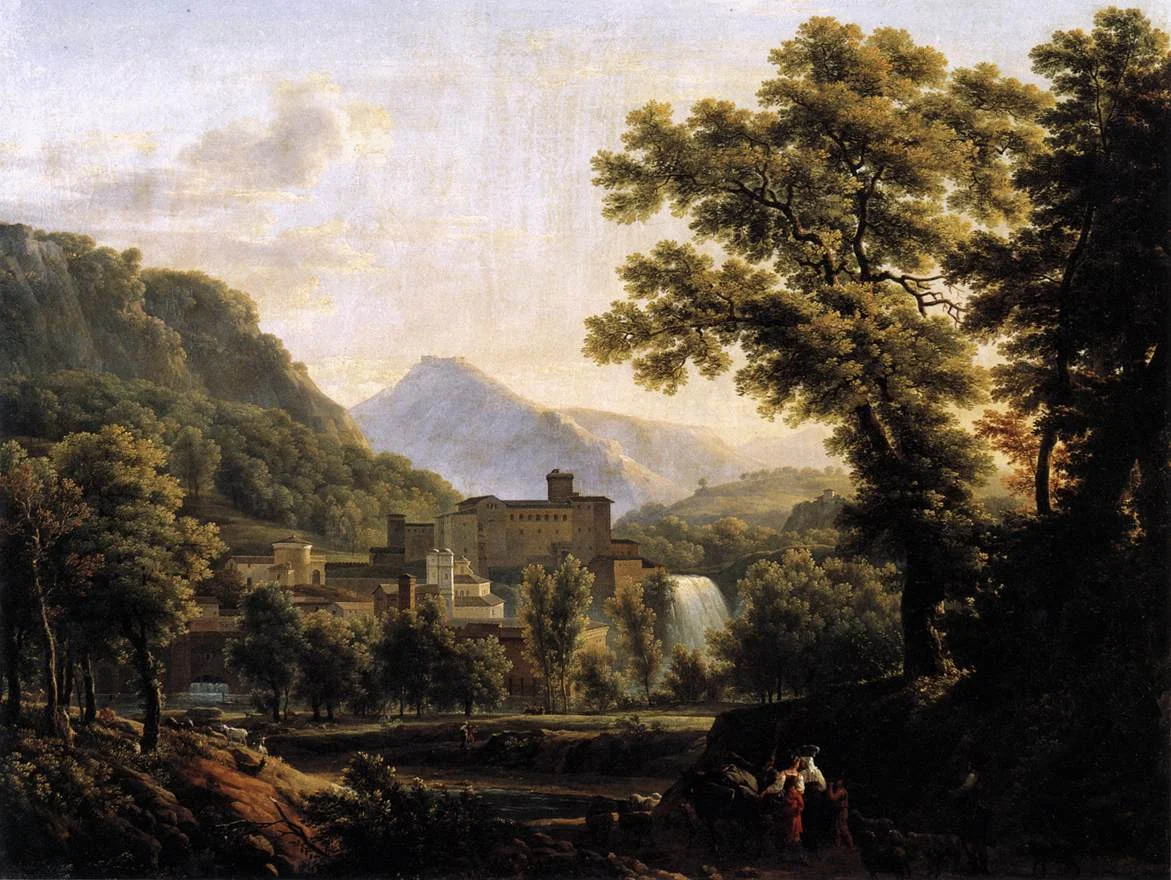
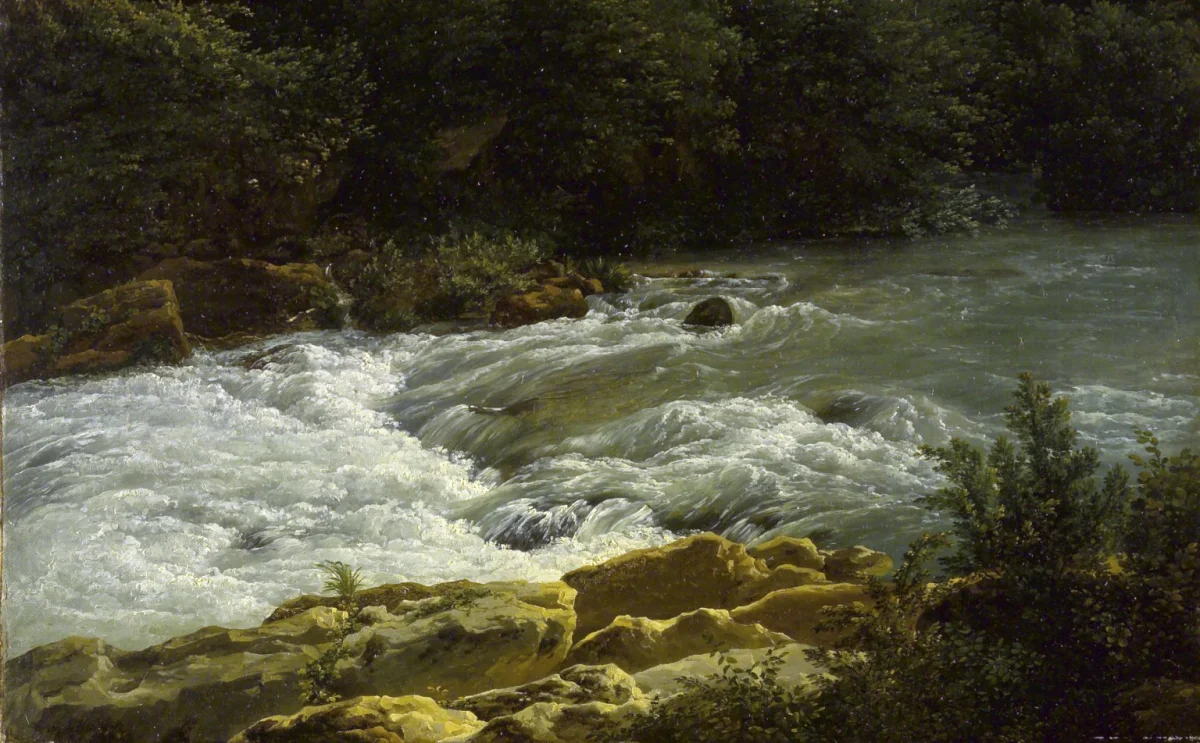
Within “The Park at Mortefontaine,” Jean-Joseph-Xavier Bidauld weaves subtle narratives and symbolism, typical of Neo-Classical art. The serene park scene invites viewers to contemplate the harmony between humanity and nature, a recurring theme in his work. This hand-painted oil painting, much like “Kingdom of Naples” or “Running Stream at San Cosimato,” offers layers of meaning, rewarding careful observation and enriching any collection with its thoughtful composition and evocative imagery.
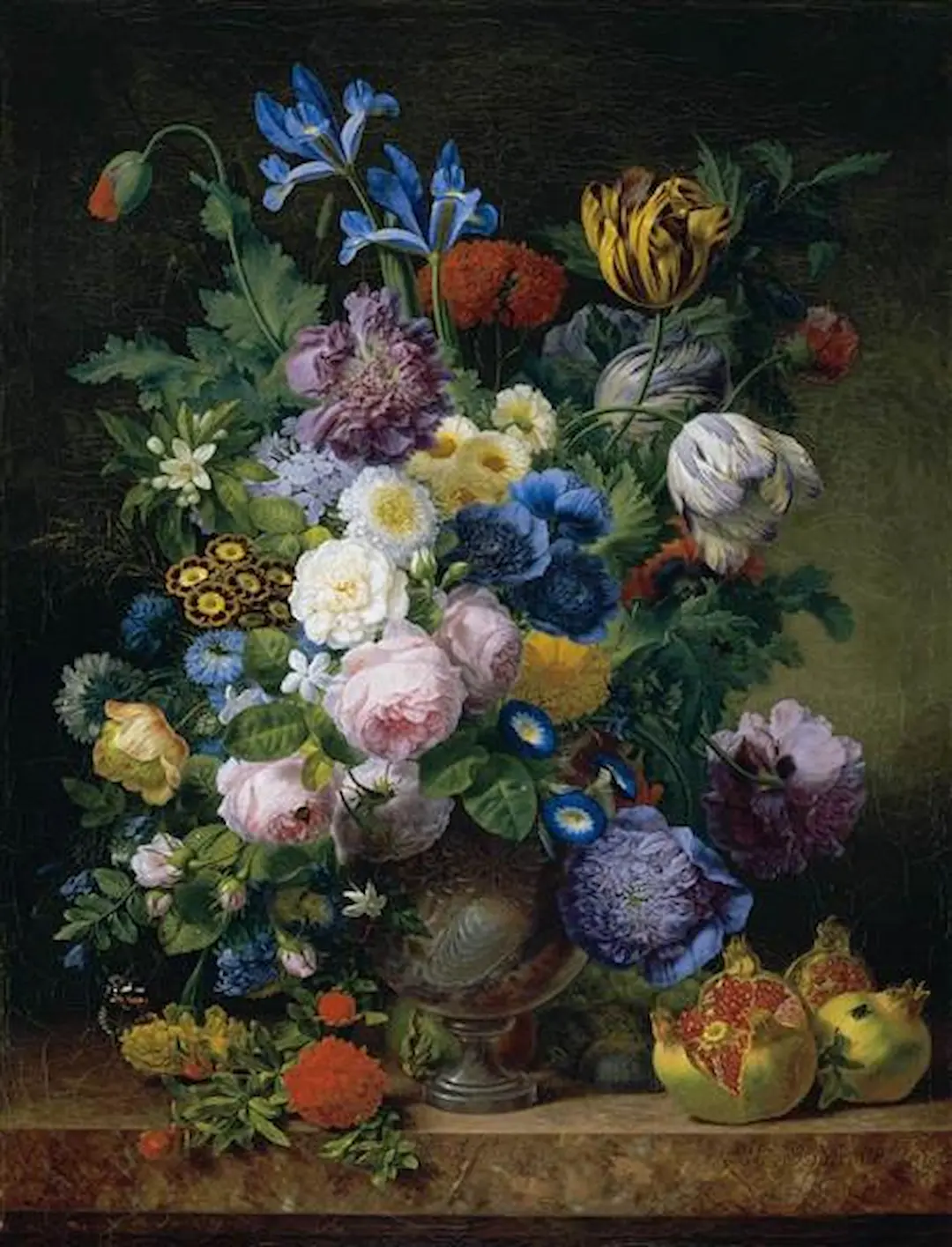
For connoisseurs seeking a distinguished addition, “The Park at Mortefontaine” by Jean-Joseph-Xavier Bidauld is an exceptional choice. As a fine art painting for sale, it embodies the ideals of the Neo-Classical movement, marrying technical excellence with poetic tranquility. Its connections to related works, such as “Still-Life 1810” and “Grenoble,” enhance its appeal. This oil on canvas masterpiece remains a coveted treasure, promising both aesthetic pleasure and historical significance for discerning collectors.
When Art Meets History
Jean-Joseph-Xavier Bidauld’s masterpiece, "The Park at Mortefontaine," stands as a testament to the Neo-Classical movement’s reverence for nature and history. Painted during a period when landscapes became celebrated subjects, this hand-painted oil painting captures the tranquil beauty of a French park. Bidauld’s work echoes the significance of historical context, much like related paintings such as "Caroline Louisa Pratt Bartlett" and "Portrait of Thomas Jefferson," which also reflect their era’s artistic priorities.
Techniques That Speak
Utilizing oil on canvas, Jean-Joseph-Xavier Bidauld achieved remarkable depth and clarity in "The Park at Mortefontaine." The artist’s meticulous brushwork and subtle gradations of color are characteristic of the Neo-Classical movement’s emphasis on precision. Like "Anton, König von Sachsen" and "Calypso's Isle," this landscape demonstrates Bidauld’s mastery of light and composition, transforming a simple park view into an evocative scene that invites viewers to linger and appreciate its technical brilliance.
Emotions on Display
"The Park at Mortefontaine" by Jean-Joseph-Xavier Bidauld evokes a serene and contemplative mood, inviting viewers into the peaceful embrace of nature—a hallmark of Neo-Classical sensibility. The painting’s gentle light and harmonious composition elicit feelings of calm and reflection. Much like "Basilius Von Ramdohr" and other works of the era, this fine art painting for sale resonates with those seeking an emotional connection to the past through the timeless beauty of landscape art.
Coveted by Collectors
Collectors highly value "The Park at Mortefontaine" for its exquisite representation of Neo-Classical ideals and Jean-Joseph-Xavier Bidauld’s renowned artistry. The demand for such oil on canvas masterpieces remains strong, especially among enthusiasts who appreciate the connection between technique and historical significance. Alongside related paintings like "Caroline Louisa Pratt Bartlett" and "Calypso's Isle," this work continues to be a prized acquisition, appealing to those seeking distinguished pieces in the fine art market.
Related Neo-Classical Hand-Painted Oil Paintings by Other Artists
Other Famous Neo-Classical Artists:
Frequently Asked Questions About The Park at Mortefontaine
What is the historical context of "The Park at Mortefontaine"?
"The Park at Mortefontaine" was painted by Jean-Joseph-Xavier Bidauld in the early 19th century, during a period marked by the Romantic movement in France. This era emphasized emotion and nature, reflecting a shift from the neoclassical ideals of the previous century.
What artistic techniques did Bidauld employ in this painting?
Bidauld utilized a combination of soft brushwork and a harmonious color palette to create a serene atmosphere. His attention to detail in the depiction of foliage and figures demonstrates his mastery of landscape painting.
What themes are explored in "The Park at Mortefontaine"?
The painting explores themes of tranquility and the beauty of nature, emphasizing the relationship between humanity and the natural world. It invites viewers to reflect on the peace found in outdoor settings.
What is the significance of the park setting in the painting?
The park setting symbolizes a retreat from urban life, representing an idealized version of nature that was highly valued during the Romantic period. It serves as a backdrop for contemplation and leisure.
How does "The Park at Mortefontaine" reflect the Romantic movement?
The painting embodies the Romantic movement through its emphasis on emotion, individual experience, and the sublime beauty of nature. Bidauld captures the essence of the Romantic ideal of finding solace in natural landscapes.
Who were the patrons or audience for Bidauld's work during his time?
Bidauld's works were primarily commissioned by the French aristocracy and affluent collectors who appreciated the beauty of nature and sought to decorate their homes with landscapes that reflected their taste and status.
What influences can be seen in Bidauld's style in this painting?
Bidauld was influenced by the works of earlier landscape painters, such as Claude Lorrain and Nicolas Poussin. His style incorporates elements of classical composition while embracing the Romantic ideals of emotional expression and natural beauty.
What role does light play in "The Park at Mortefontaine"?
Light plays a crucial role in the painting, enhancing the sense of depth and atmosphere. Bidauld skillfully captures the interplay of sunlight filtering through the trees, creating a warm and inviting scene that draws the viewer in.
Are there any symbolic elements present in the painting?
Yes, the figures in the painting can be interpreted as symbols of harmony and leisure, representing the ideal relationship between humanity and nature. The lush greenery and serene setting further symbolize peace and tranquility.
How does "The Park at Mortefontaine" compare to other works by Bidauld?
This painting is notable for its serene composition and emphasis on light and color, distinguishing it from some of Bidauld's more dramatic works. It reflects his versatility as an artist and his ability to evoke emotion through landscape.























_GFM_Painting_(1).webp)


 100% Hand-Painted: Finished in 3-6 Weeks

.png)















_(1).webp)