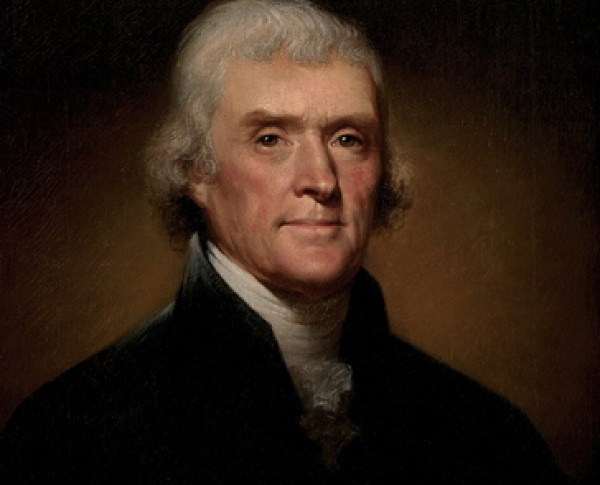
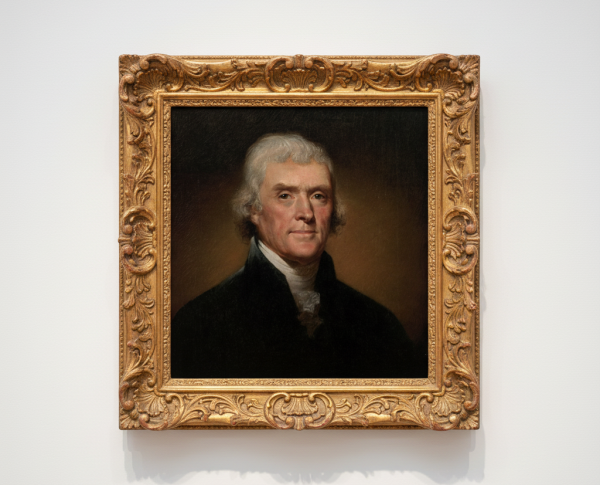
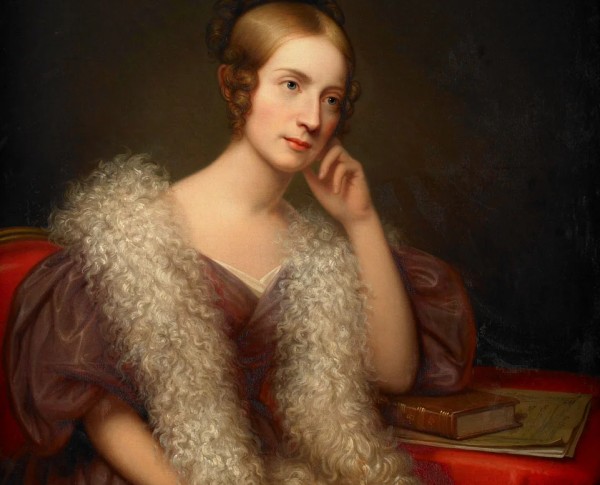
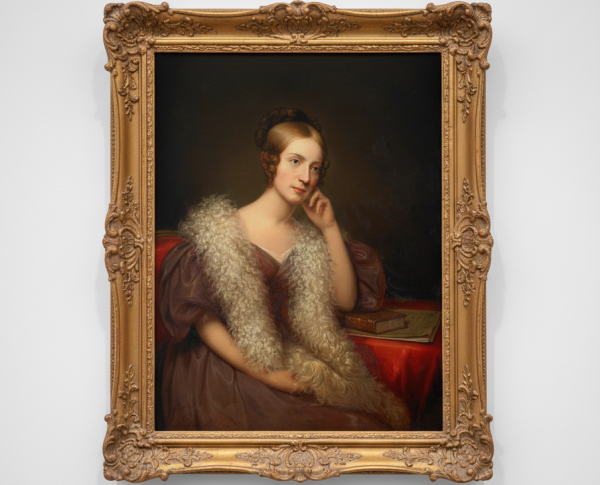
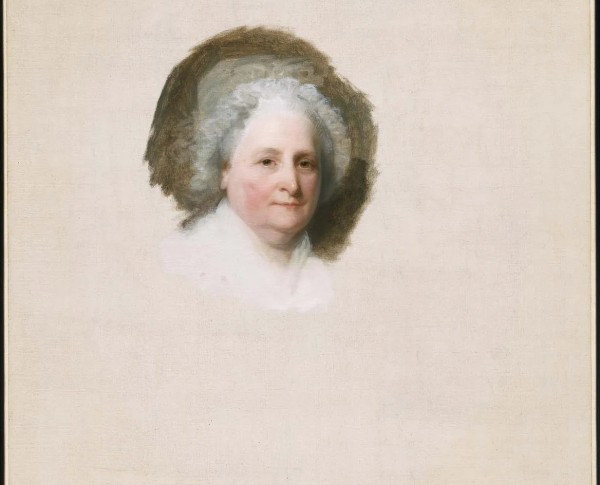
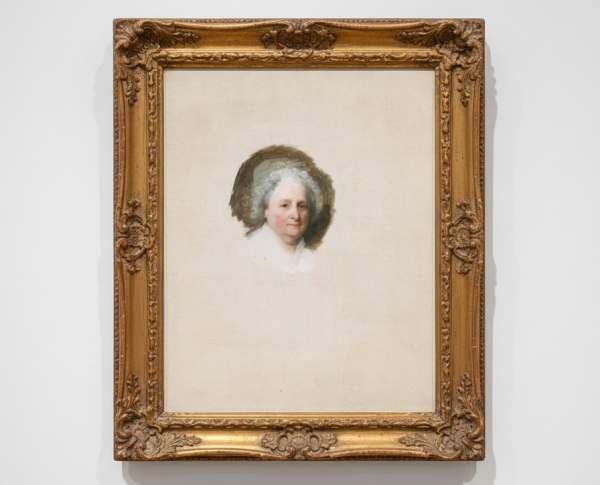
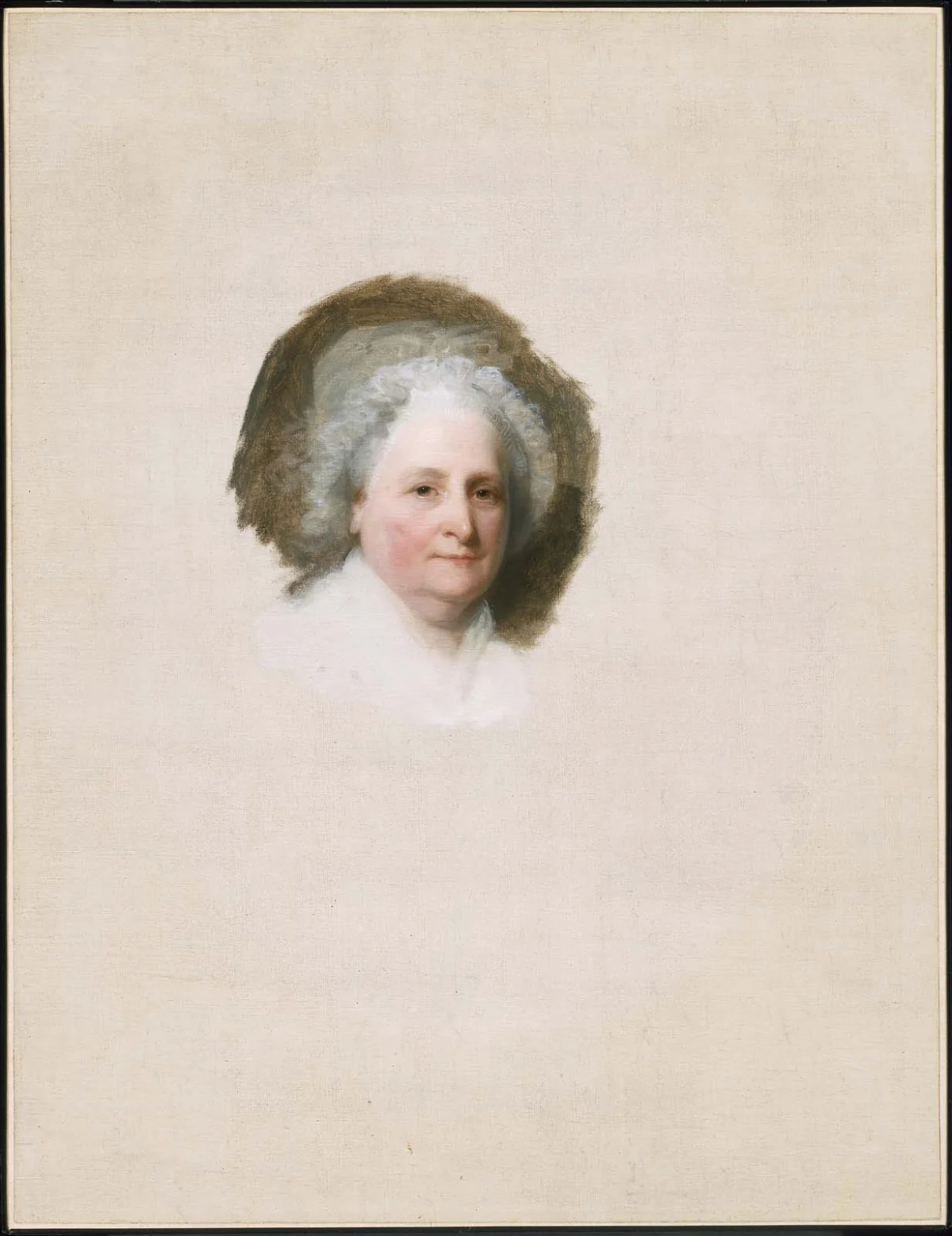
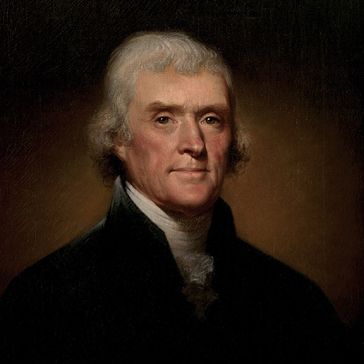
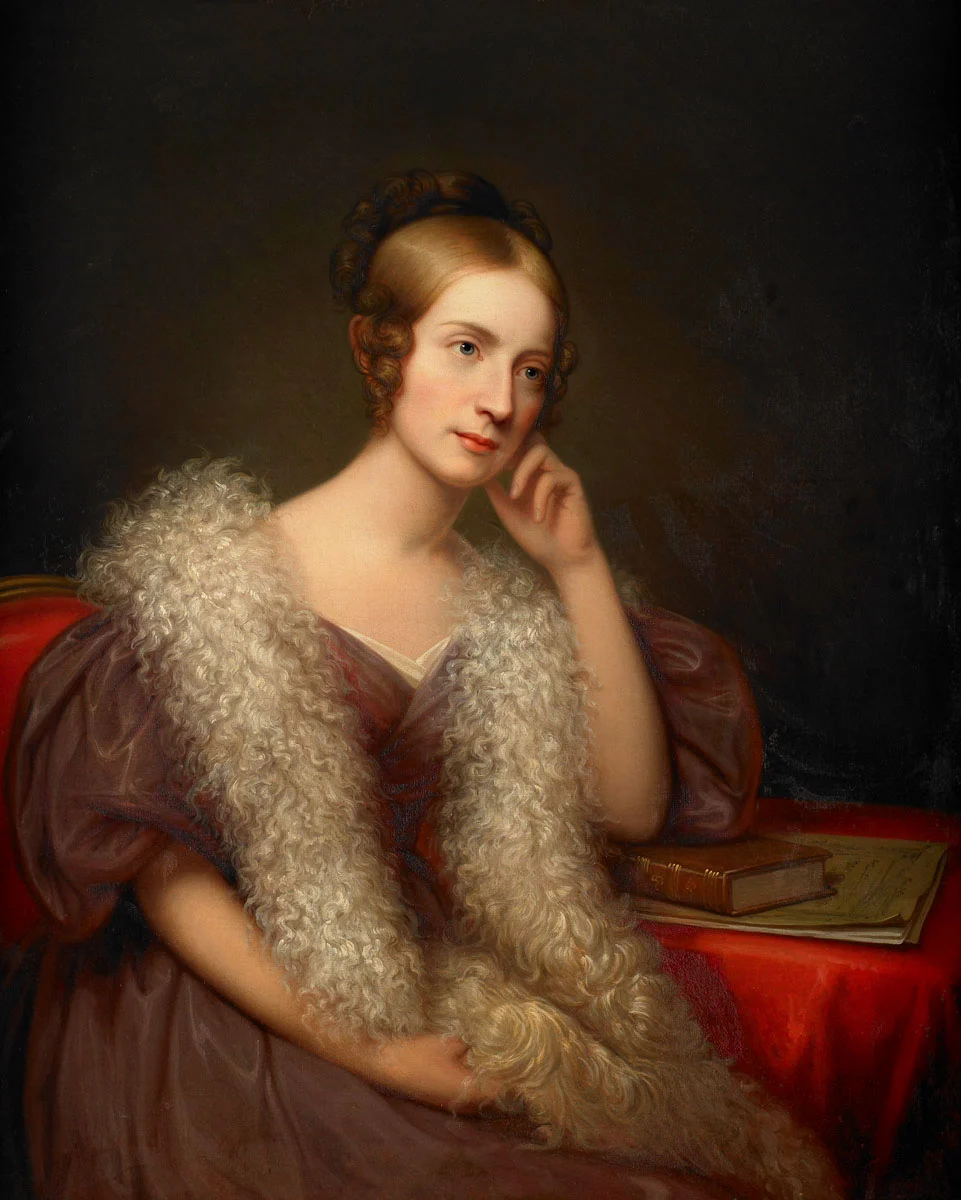
The "Martha Washington" portrait by Rembrandt Peale exemplifies the artist’s technical brilliance and attention to detail, hallmarks of the Neo-Classical style. Executed in oil on canvas, every brushstroke accentuates Martha’s gentle features, revealing Peale’s deep respect for his subject. Collectors seeking oil on canvas masterpieces may also appreciate related pieces such as Portrait of Thomas Jefferson and Caroline Louisa Pratt Bartlett, which showcase similar finesse and historical depth.
In "Martha Washington," Rembrandt Peale weaves subtle symbols and historical context into the composition, making the portrait more than just a likeness. As a fine art painting for sale, it invites viewers to explore the narratives behind Martha’s serene expression and dignified attire, emblematic of her era. Enthusiasts may also find connections to works like Portrait of Dr. Meer and the artistry of Timothy Matlack when delving into Neo-Classical portraiture.
For collectors, Rembrandt Peale’s "Martha Washington" is a prized acquisition, representing both artistic mastery and a pivotal moment in American history. The hand-painted oil painting’s provenance and technique make it a standout among Neo-Classical works. Those interested in expanding their collections may consider related products such as Caroline Louisa Pratt Bartlett and Portrait of Thomas Jefferson, all of which offer unique perspectives on historical portraiture and enduring elegance.
When Art Meets History
Rembrandt Peale’s "Martha Washington" stands as a testament to the intersection of art and American heritage. As a hand-painted oil painting, it captures the elegance and dignity of the first First Lady, reflecting the Neo-Classical movement's reverence for historical figures. Peale, renowned for his portraits, brings Martha Washington to life with the same mastery seen in related works such as "The Bridge at La Cava" and "View of the Isle of Sora," making this piece a cultural treasure.
Techniques That Speak
Utilizing oil on canvas, Rembrandt Peale skillfully employs refined brushwork and subtle color palettes in "Martha Washington." These techniques, hallmarks of the Neo-Classical movement, are evident in the lifelike textures and harmonious composition. Peale’s approach mirrors the meticulous craftsmanship found in his other paintings like "Running Stream at San Cosimato" and "Lake Fucino and the Abruzzi Mountains," showcasing his dedication to portraying both character and context authentically.
Emotions on Display
"Martha Washington" conveys a sense of calm resilience and quiet strength, qualities embodied by its distinguished subject. Rembrandt Peale’s hand-painted oil painting technique allows viewers to connect emotionally with Martha’s poised expression. The Neo-Classical style amplifies these sentiments, as seen in similar works such as "View of the Isle of Sora." Each brushstroke invites reflection on the enduring influence of foundational American figures.
Coveted by Collectors
As a fine art painting for sale, "Martha Washington" by Rembrandt Peale is highly sought after among collectors and enthusiasts of the Neo-Classical movement. Its historical significance and exquisite execution make it a prized addition to any collection, much like Peale’s "The Bridge at La Cava" or "Lake Fucino and the Abruzzi Mountains." The painting’s legacy continues to inspire those who appreciate the timeless beauty of oil on canvas masterpieces.
Related Neo-Classical Hand-Painted Oil Paintings by Other Artists
Other Famous Neo-Classical Artists:
Frequently Asked Questions About Martha Washington
Who is the artist of "Martha Washington"?
The painting "Martha Washington" was created by the American artist Rembrandt Peale, known for his portraits and contributions to American art in the early 19th century.
What is the historical significance of "Martha Washington"?
This portrait holds historical significance as it depicts Martha Washington, the first First Lady of the United States, symbolizing the role of women in early American society and the nation's founding era.
When was "Martha Washington" painted?
Rembrandt Peale painted "Martha Washington" in 1853, during a time when there was a resurgence of interest in the founding figures of the United States.
What artistic techniques did Rembrandt Peale use in this painting?
Peale employed techniques such as chiaroscuro to create depth and dimension, as well as a careful attention to detail in the rendering of Martha Washington's attire and facial features.
What is the symbolism behind the depiction of Martha Washington?
Martha Washington is often portrayed as a symbol of virtue, resilience, and the domestic ideal, reflecting the values of the early American republic and the importance of women in shaping the nation.
How does "Martha Washington" compare to other portraits of her?
This portrait is notable for its intimate portrayal, differing from more formal representations, as it captures her personality and the warmth associated with her role as a supportive spouse to George Washington.
What materials were used in the creation of "Martha Washington"?
Rembrandt Peale used oil on canvas for this painting, a common medium for portraiture during the 19th century, allowing for rich color and texture.
Where is "Martha Washington" currently displayed?
The painting is part of the collection at the [insert gallery or museum name], where it is preserved and exhibited for public viewing.
What influence did Rembrandt Peale have on American portraiture?
Peale was a significant figure in American art, influencing the genre of portraiture through his innovative techniques and emphasis on capturing the likeness and character of his subjects.
What is the legacy of Martha Washington as depicted in art?
Martha Washington's legacy in art reflects her role as a foundational figure in American history, inspiring future generations and contributing to the narrative of women's influence in the early republic.






















_GFM_Painting_(1).webp)


 100% Hand-Painted: Finished in 3-6 Weeks

.png)















_(1).webp)