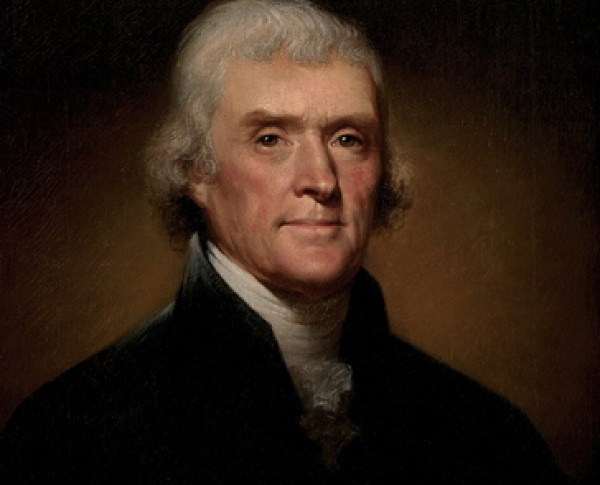
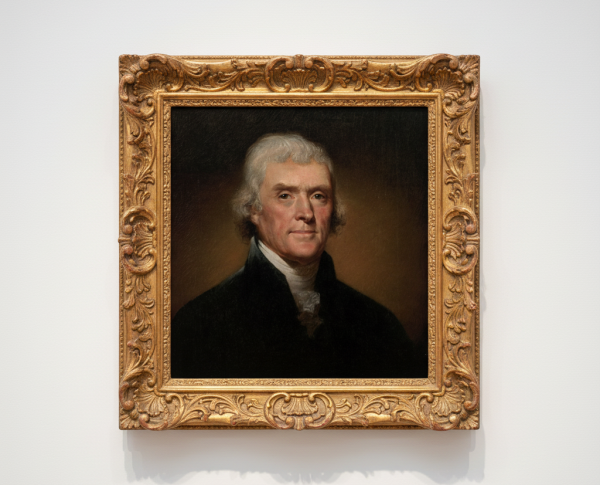
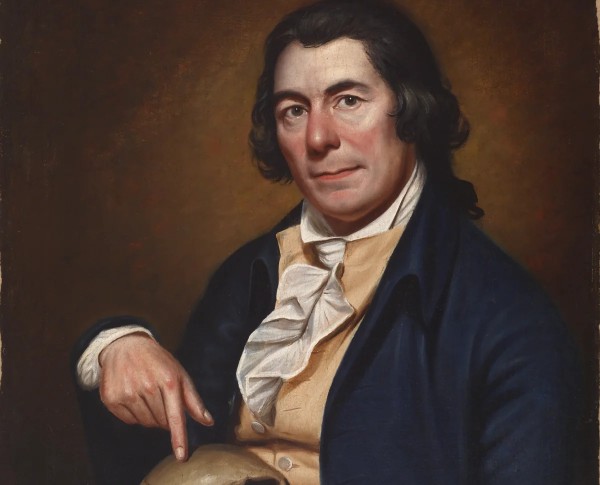
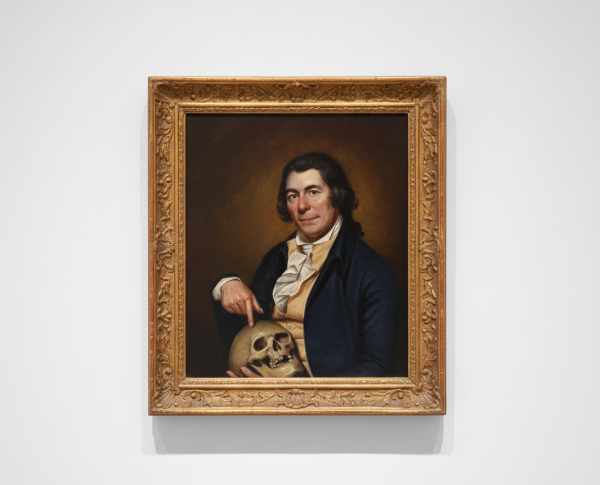
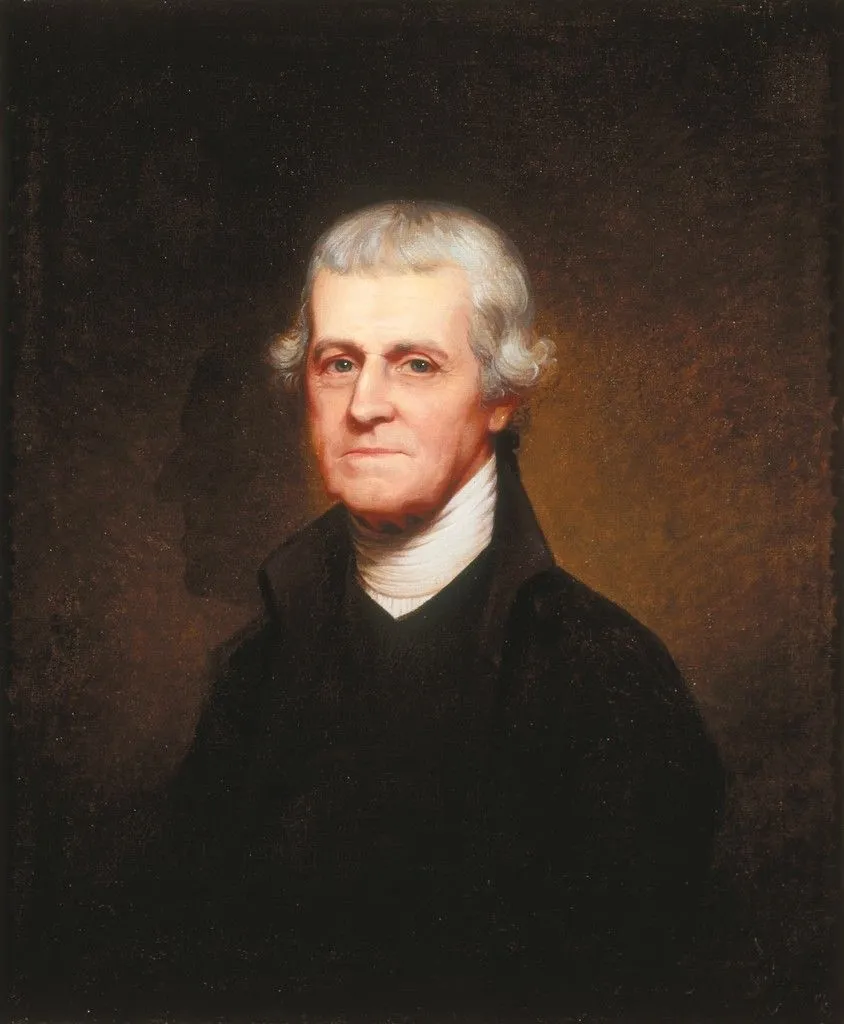
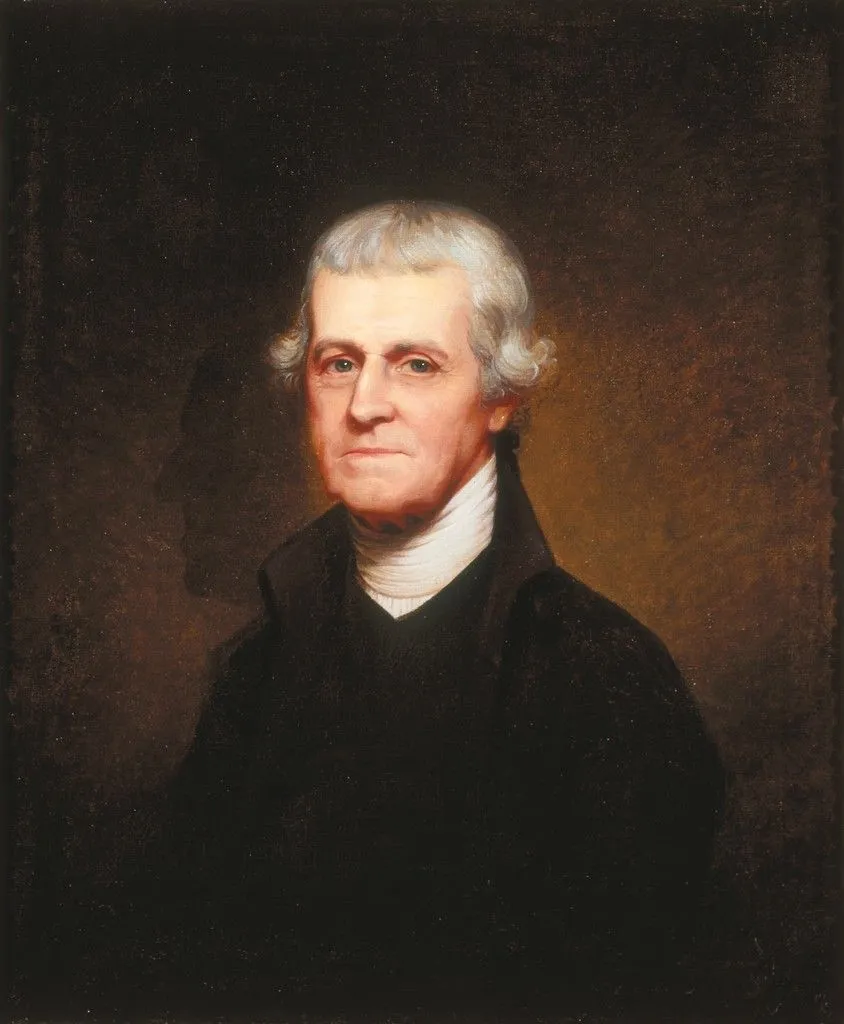
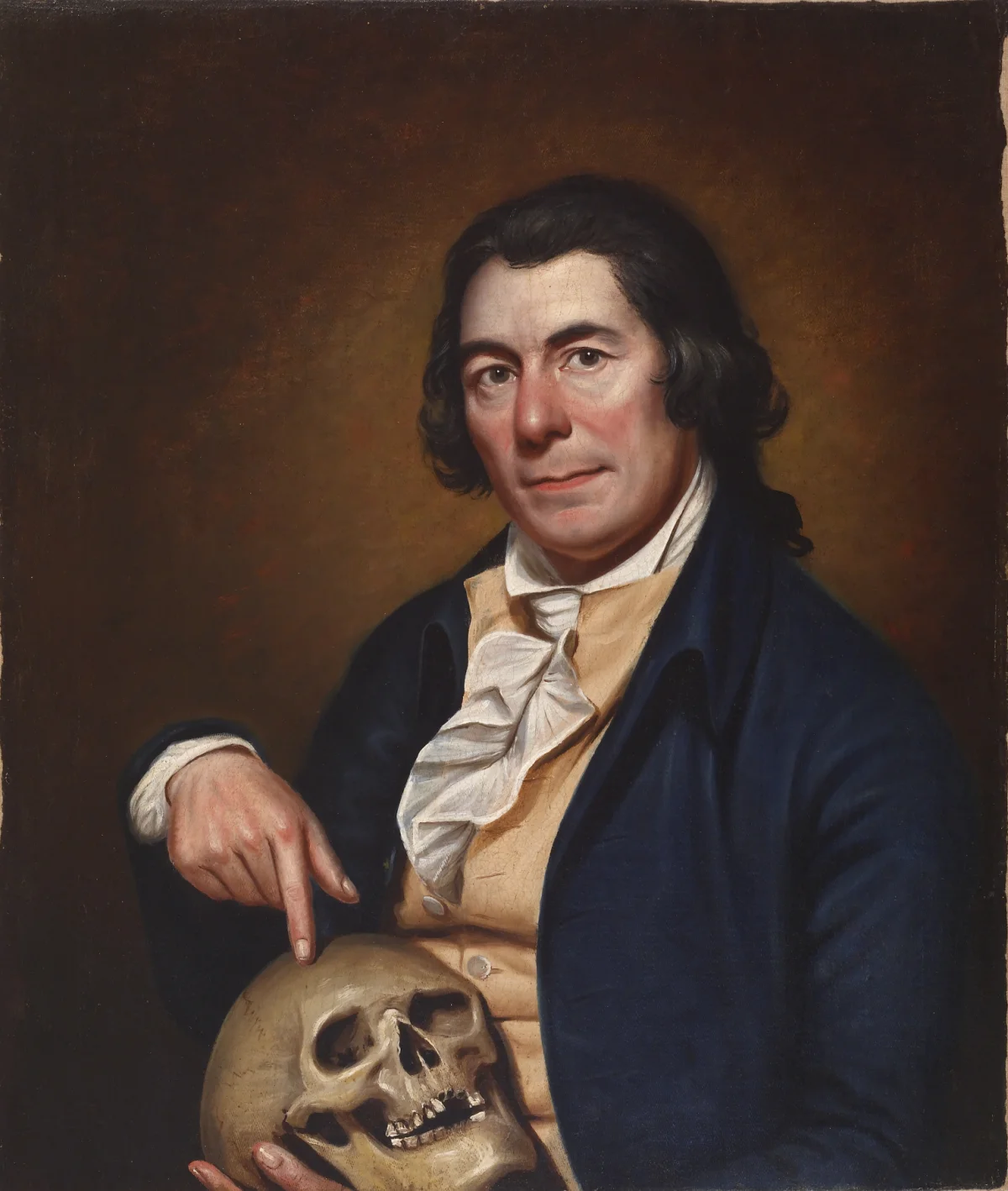
The "Dr. Noble Wimberly Jones" portrait exemplifies Peale’s technical prowess with oil on canvas, a medium favored in Neo-Classical fine art. Every brushstroke reveals meticulous attention to detail, especially in the rendering of facial expressions and attire. Peale, known for similar works like "Rubens Peale with a Geranium," elevates the subject with refined lighting and composition, embodying the movement’s emphasis on clarity and realism. This piece remains a benchmark in oil on canvas portraiture.
Within this fine art painting for sale, Rembrandt Peale weaves narrative and symbolism, characteristic of the Neo-Classical style. The pose and background subtly reference Dr. Jones’s contributions to history, much like Peale’s portrayals of "The Marquis de Lafayette" and "Portrait of Dr. Meer." Each element in the painting is thoughtfully chosen to reflect intellect, virtue, and legacy, inviting viewers to explore layers of meaning and historical significance embedded in the composition.
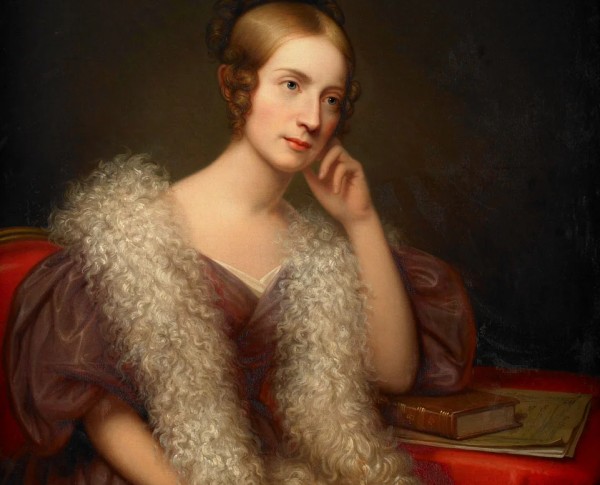
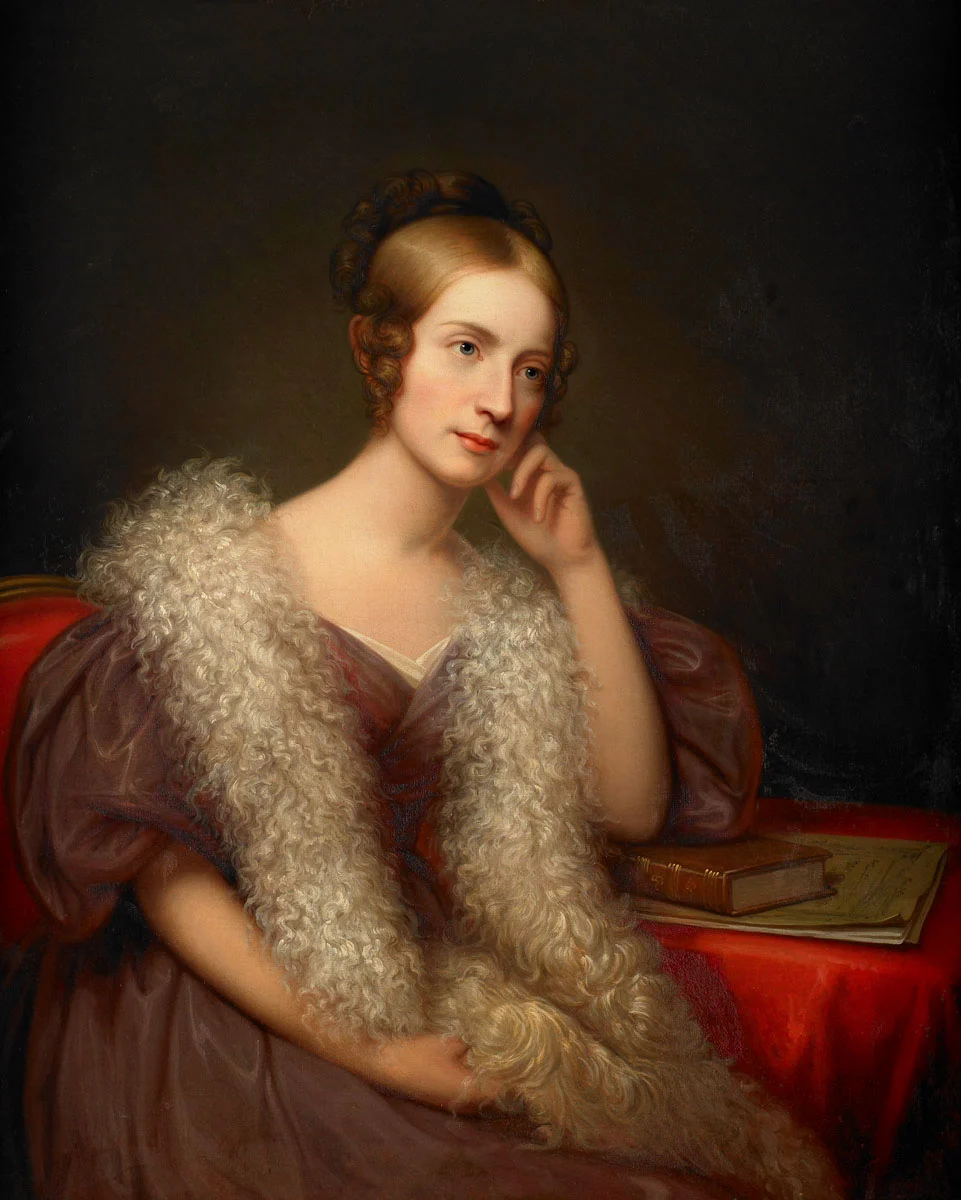
Owning "Dr. Noble Wimberly Jones" by Rembrandt Peale means possessing a remarkable hand-painted oil painting from the Neo-Classical movement. Collectors value this work alongside related masterpieces like "Caroline Louisa Pratt Bartlett" for its artistry and historical resonance. As a fine art painting for sale, it not only enriches any collection but also offers a direct connection to an era defined by elegance, intellect, and artistic excellence, making it a timeless treasure for art lovers.
When Art Meets History
Rembrandt Peale’s "Dr. Noble Wimberly Jones" stands as a remarkable example of Neo-Classical art, presenting a vivid intersection of artistry and historical narrative. This hand-painted oil painting not only immortalizes a significant figure but also reflects the era’s ideals of intellectual pursuit and civic virtue. Peale’s mastery is evident in this work and in related paintings like "Portrait of Prince Albert of Saxony as a boy" and "The park in Mortefontaine," which also capture historical essence.
Techniques That Speak
Utilizing the refined techniques characteristic of the Neo-Classical movement, Rembrandt Peale’s "Dr. Noble Wimberly Jones" demonstrates skilled brushwork and balanced composition. The oil on canvas medium brings depth and realism to the portrait, echoing Peale’s attention to anatomical precision and controlled lighting. These qualities are similarly found in works such as "Monte Cavo Du Lac D'albano" and "Klippa Vid Cività Castellana," showcasing the artist’s consistency and technical prowess across his oeuvre.
Emotions on Display
In "Dr. Noble Wimberly Jones," Rembrandt Peale expertly conveys the subject’s dignity and intellect, hallmarks of Neo-Classical portraiture. The sitter’s poised expression and thoughtful gaze evoke a sense of calm authority, inviting viewers to contemplate his legacy. This emotional depth, a hallmark of Peale’s style, is also evident in related works like "Adventurer" and "Robert Watson, 1746 - ." Collectors and admirers alike are drawn to such fine art painting for sale for its evocative storytelling.
Coveted by Collectors
Rembrandt Peale’s "Dr. Noble Wimberly Jones" remains highly sought after in the art world, celebrated as a fine example of Neo-Classical portraiture. The painting’s historical significance and exquisite technique make it a prized oil on canvas for collectors. Its connection to other notable works, such as "The park in Mortefontaine" and "Portrait of Prince Albert of Saxony as a boy," further increases its desirability as a fine art painting for sale among enthusiasts of this artistic movement.
Related Neo-Classical Hand-Painted Oil Paintings by Other Artists
Other Famous Neo-Classical Artists:
Frequently Asked Questions About Dr. Noble Wimberly Jones
Who was Dr. Noble Wimberly Jones?
Dr. Noble Wimberly Jones was a prominent physician and a significant figure in the early 19th century American medical community, known for his contributions to medicine and public health in Georgia.
What is the significance of the portrait painted by Rembrandt Peale?
This portrait is significant as it captures not only the likeness of Dr. Jones but also reflects the values of the Enlightenment, emphasizing reason, science, and the importance of the individual in society.
What artistic techniques did Rembrandt Peale employ in this painting?
Peale utilized chiaroscuro to create depth and dimension, along with a realistic portrayal of textures in the skin and clothing, showcasing his skill in oil painting and attention to detail.
What does the composition of the painting convey?
The composition, with Dr. Jones positioned prominently and gazing directly at the viewer, conveys confidence and authority, reinforcing his status as a respected medical professional.
How does the background of the painting contribute to its meaning?
The neutral background serves to highlight Dr. Jones, focusing the viewer's attention on his figure and expression, which enhances the portrait's psychological impact and significance.
What symbols are present in the painting?
While the painting primarily focuses on Dr. Jones himself, elements such as his attire and the props he may hold symbolize his profession and the respect afforded to medical practitioners of the time.
What is the historical context of the painting?
This portrait was created during a time when portraiture was a popular means of commemorating influential figures, reflecting the societal values of the early 1800s in America, particularly in the realm of medicine and science.
How does this painting reflect the artistic style of Rembrandt Peale?
Rembrandt Peale's style is characterized by a blend of realism and idealism, and this painting exemplifies his approach through its lifelike representation and the dignified portrayal of Dr. Jones.
What impact did this painting have on the perception of medical professionals?
The dignified representation of Dr. Jones in this portrait contributed to the elevated status of physicians in society, reinforcing the notion of medical professionals as respected and knowledgeable figures.
Where can I view the painting today?
The painting "Dr. Noble Wimberly Jones" by Rembrandt Peale is part of the collection at [Art Gallery Name], where it is displayed to educate and inspire visitors about the intersection of art and history.























_GFM_Painting_(1).webp)


 100% Hand-Painted: Finished in 3-6 Weeks

.png)















_(1).webp)