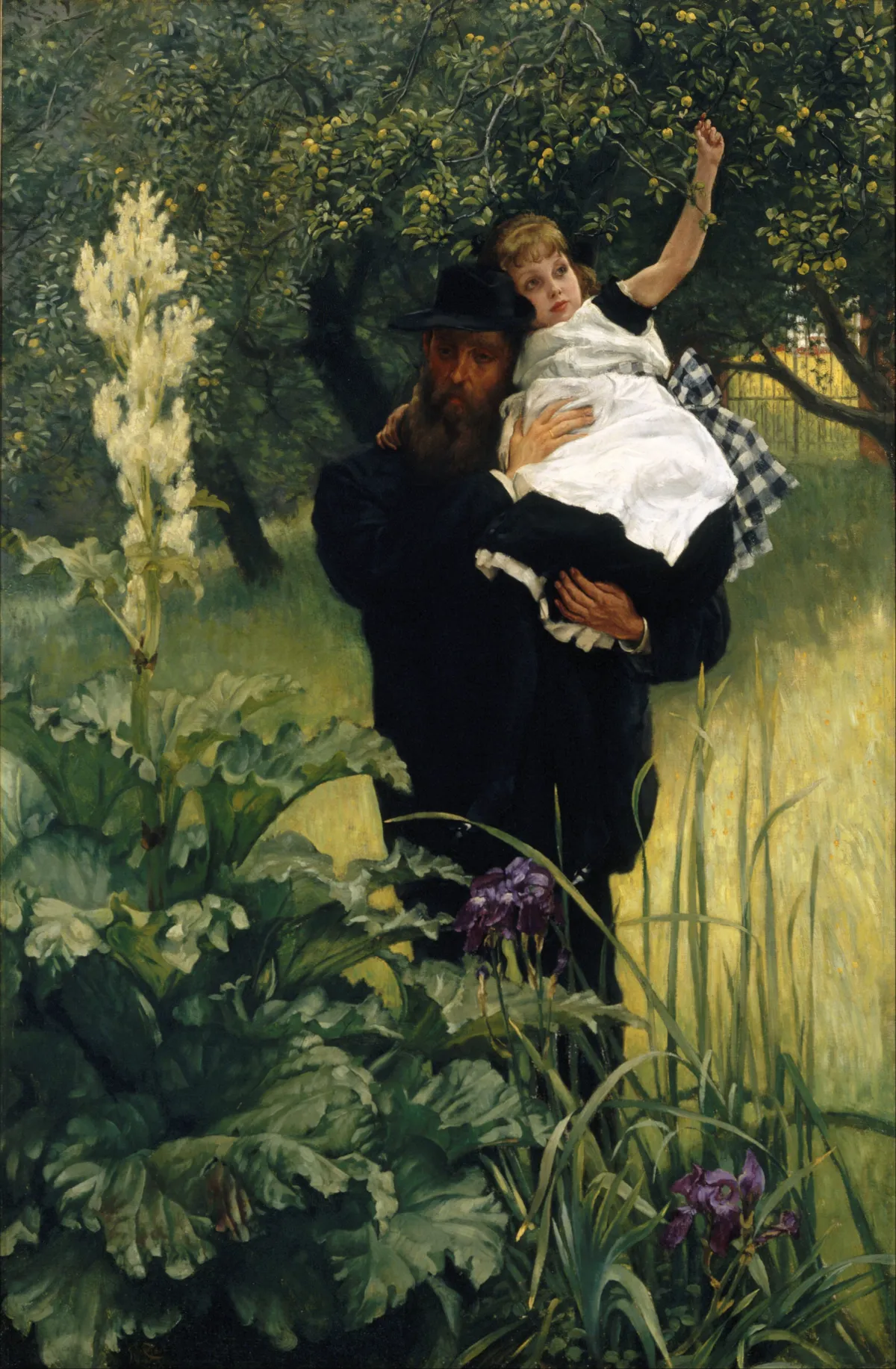
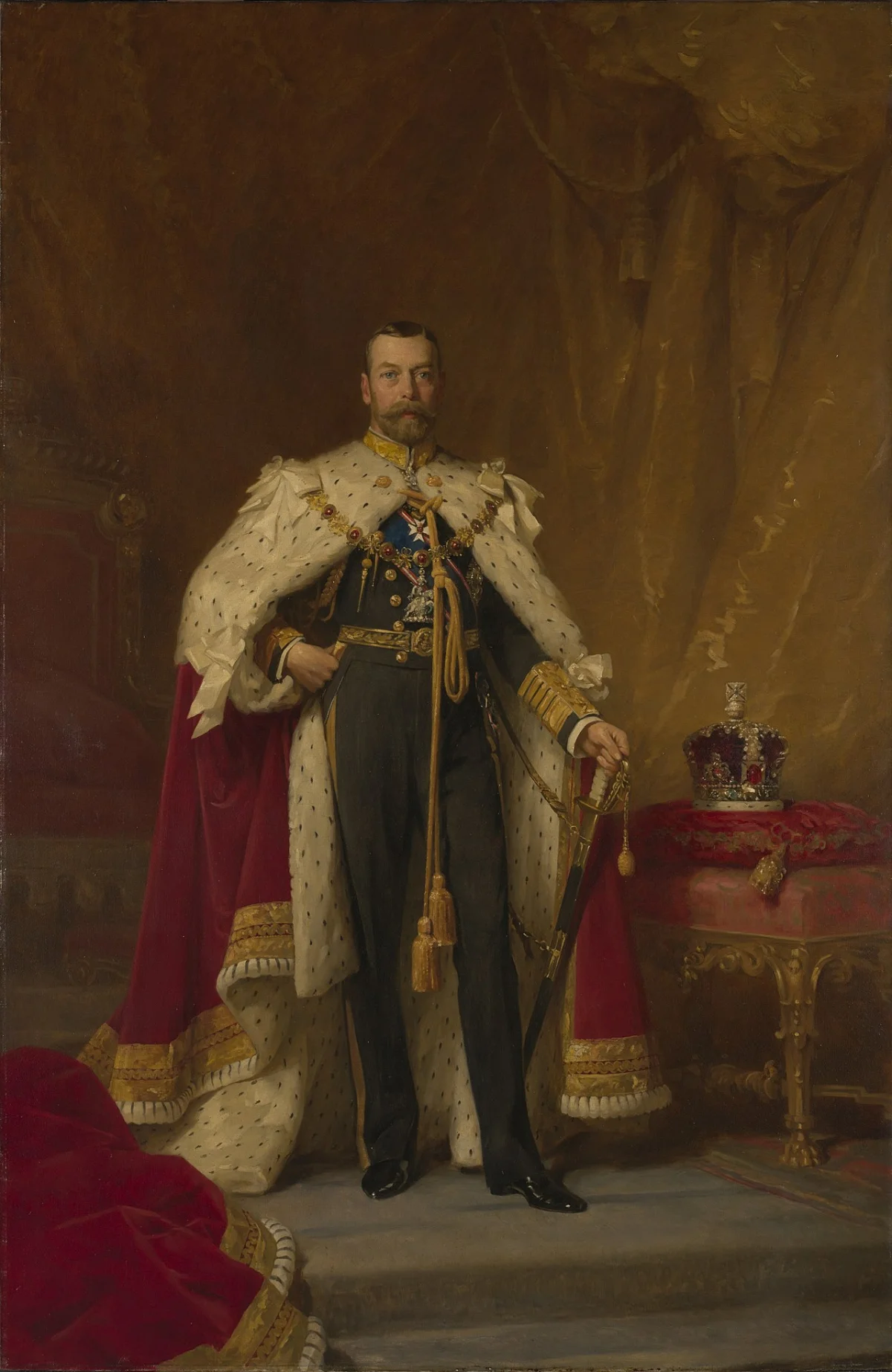
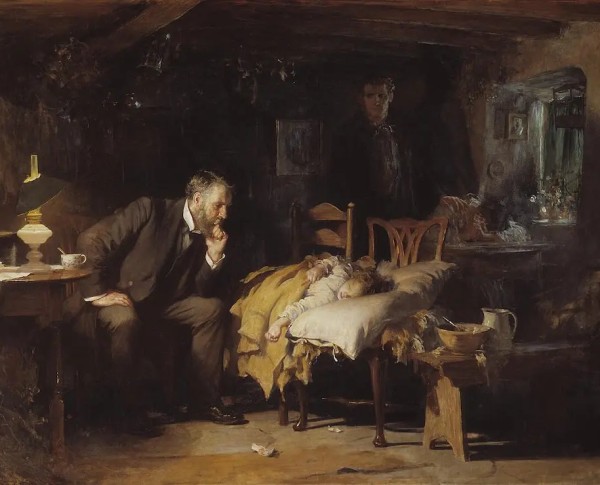
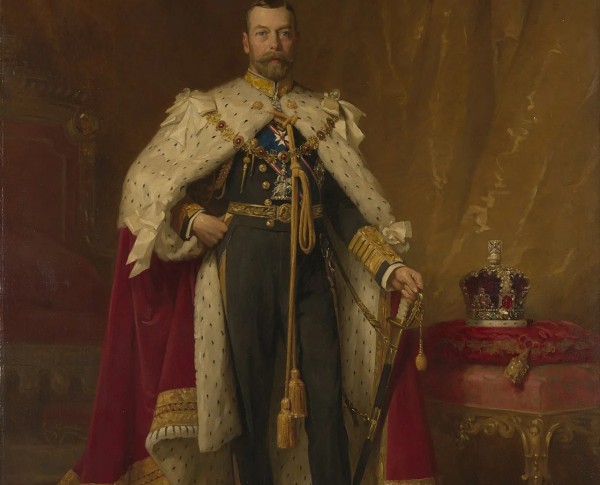
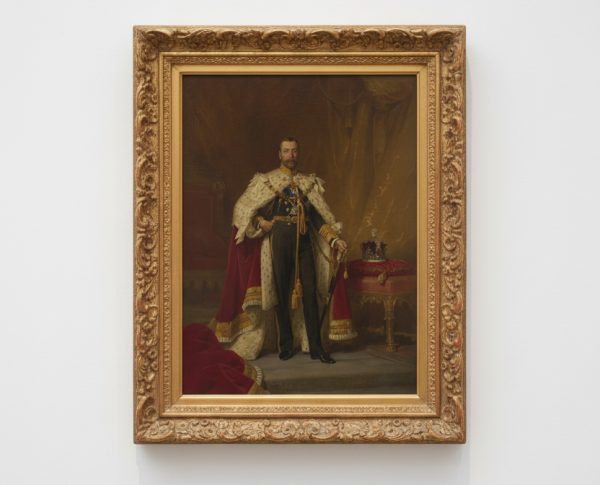
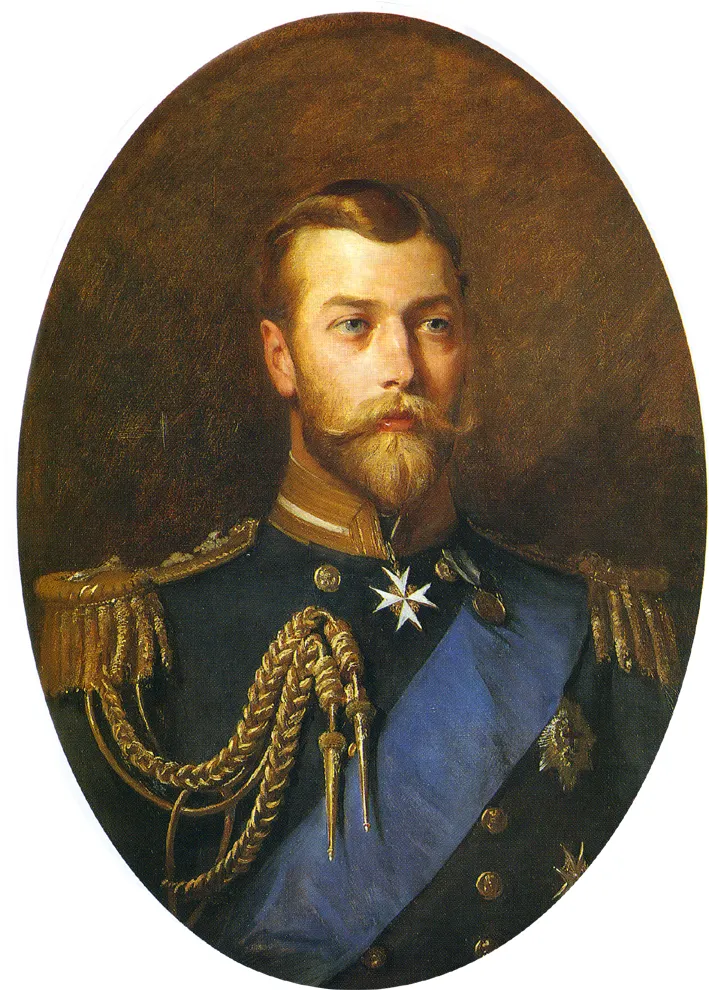
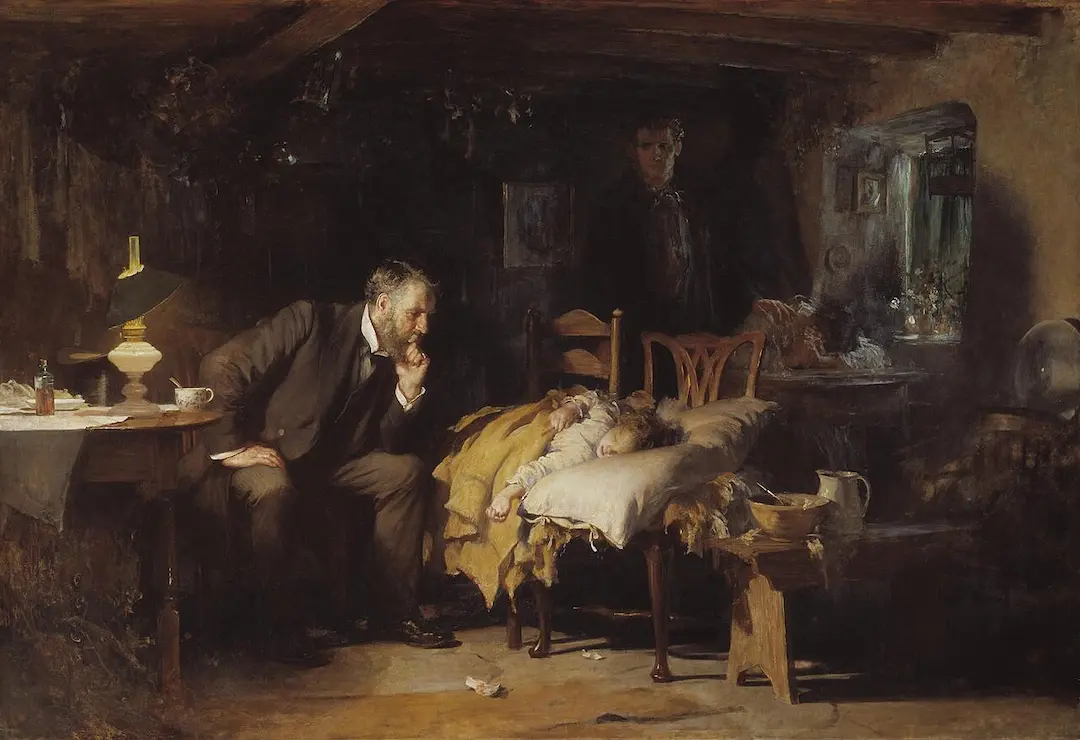
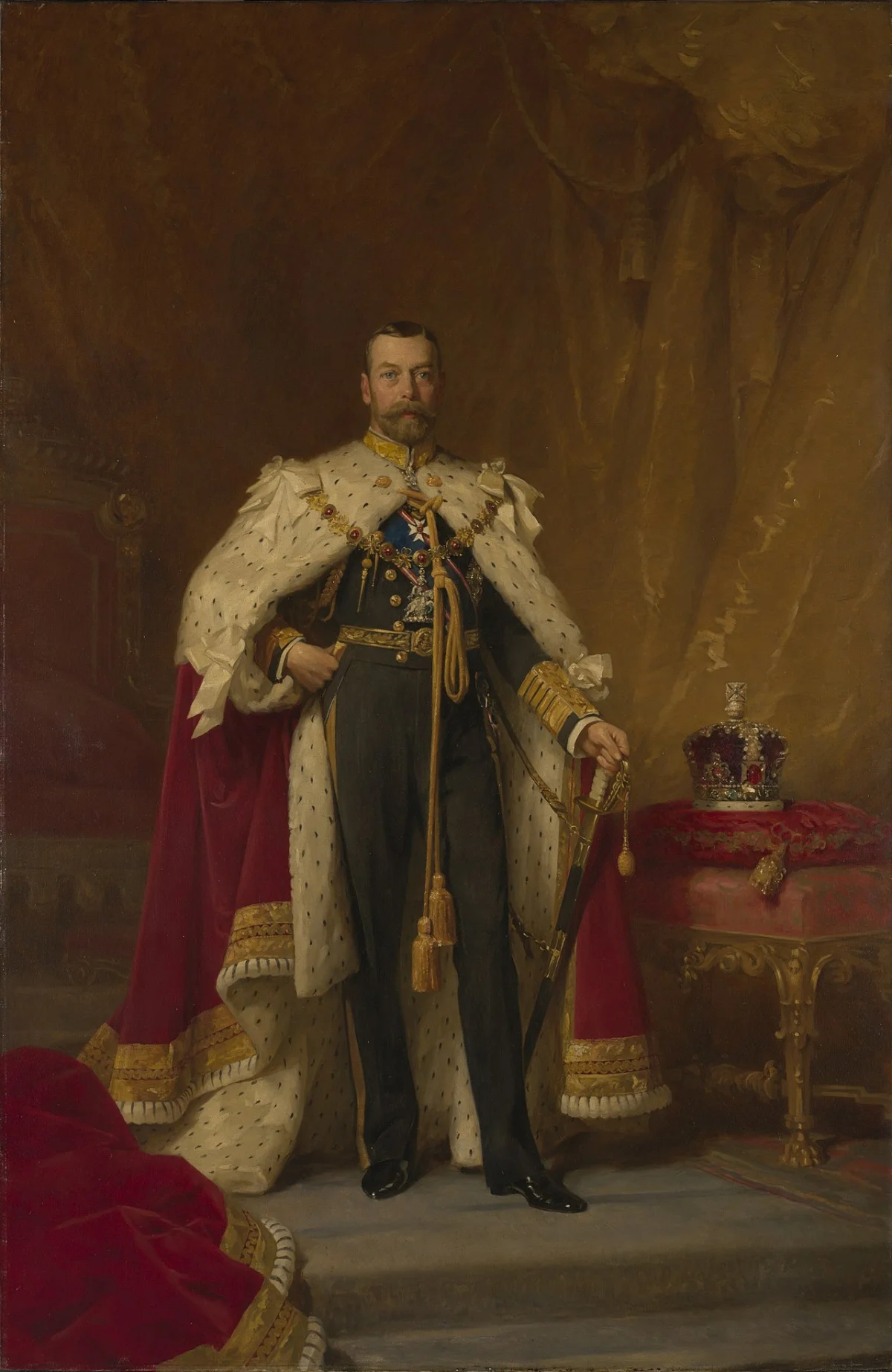
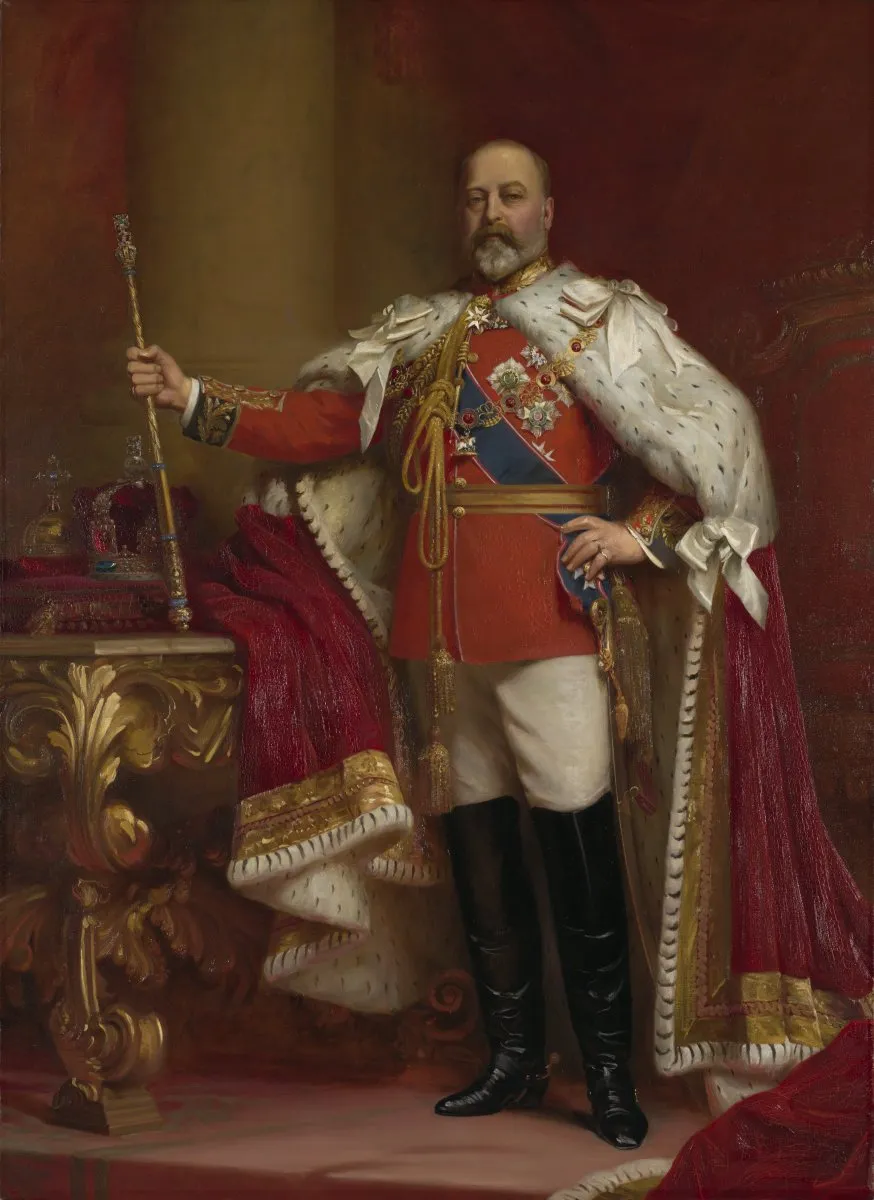
Fildes demonstrates exceptional technique in this oil on canvas, blending realism with subtle emotion. His attention to detail and masterful brushwork showcase the prince’s dignified poise, making the artwork a standout among fine art painting for sale. The Social Realism movement’s ethos is evident in the lifelike representation and depth of character, paralleling Fildes’ other notable works like "The return of the penitent" and "The Doctor."
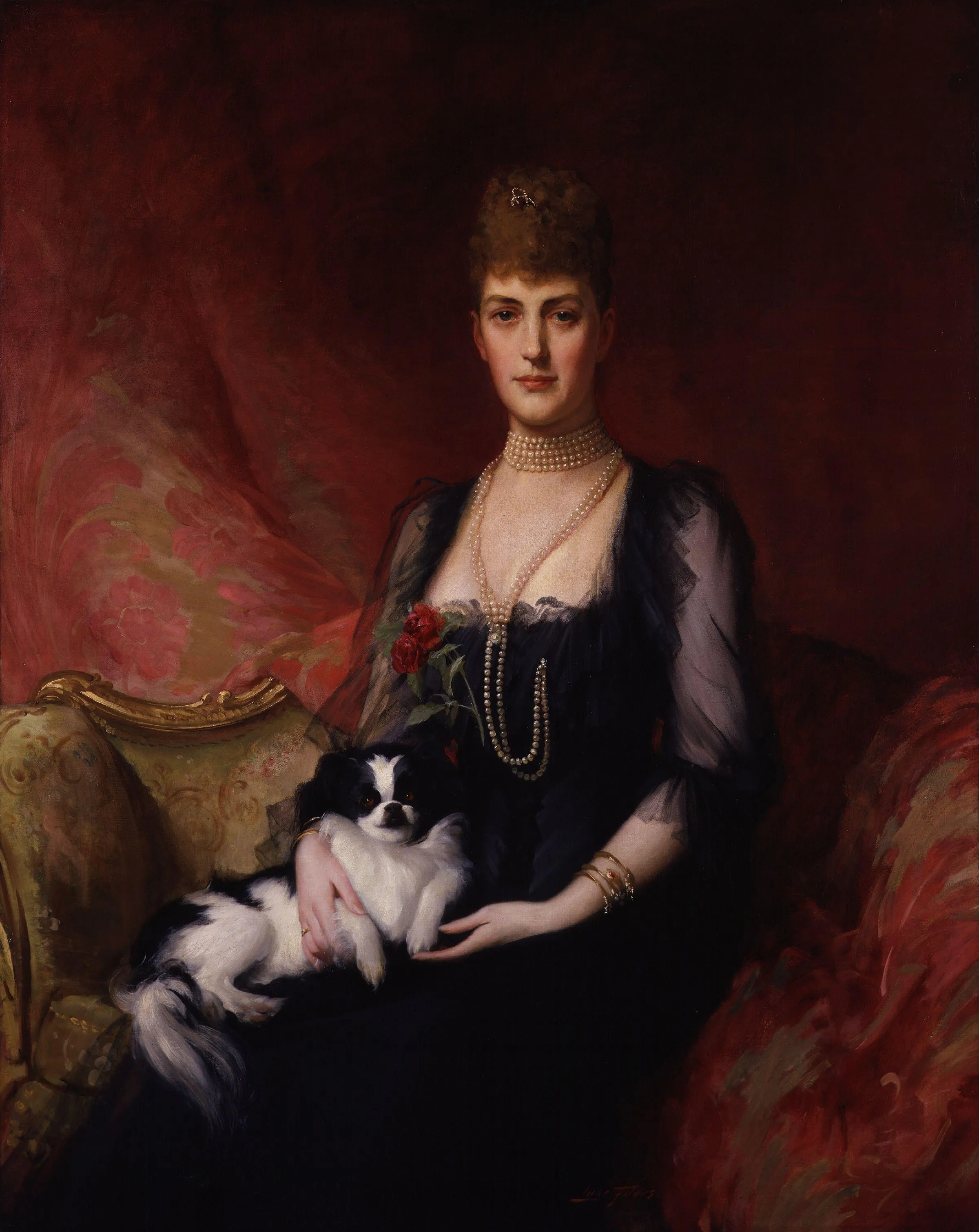
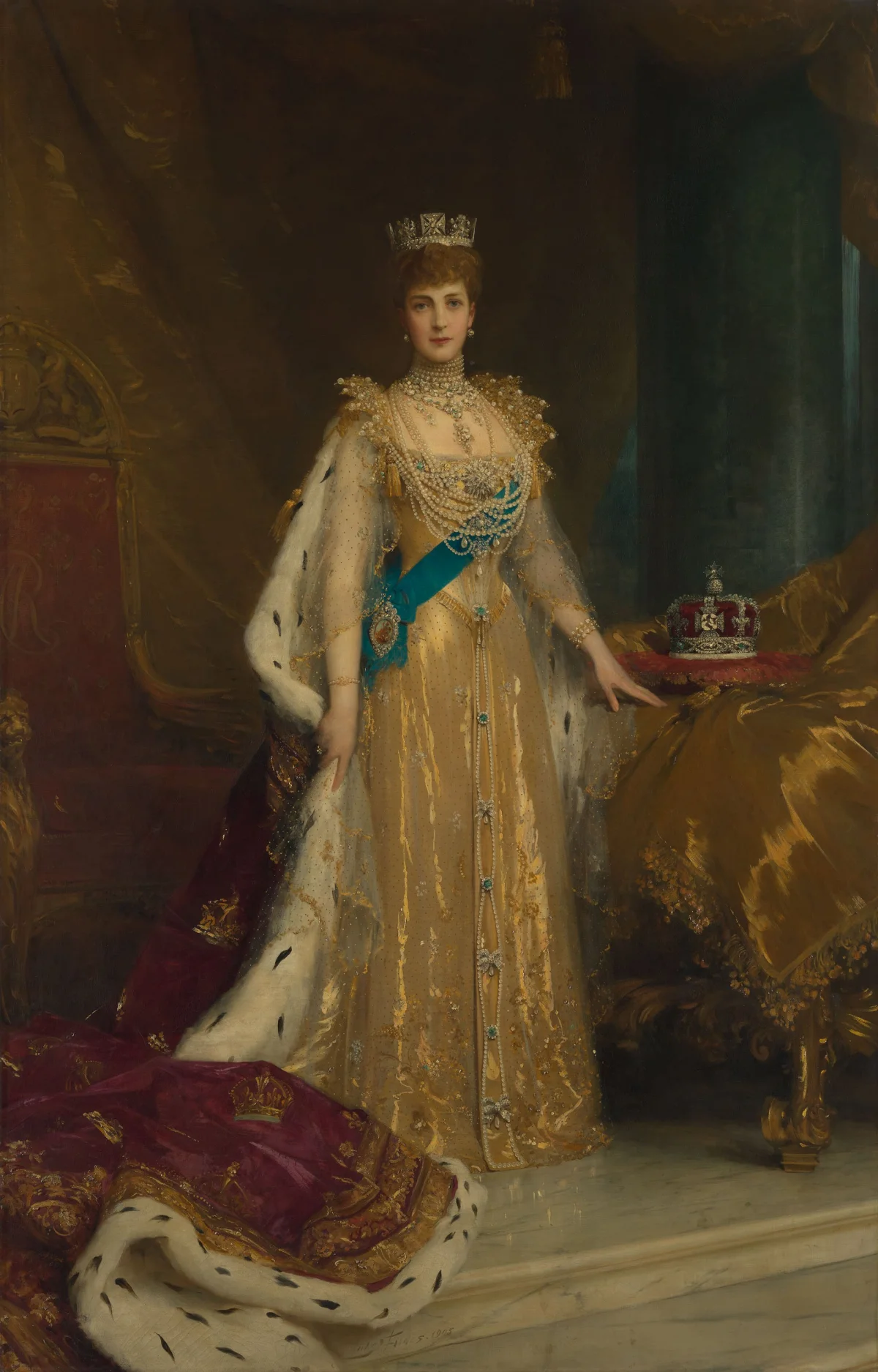
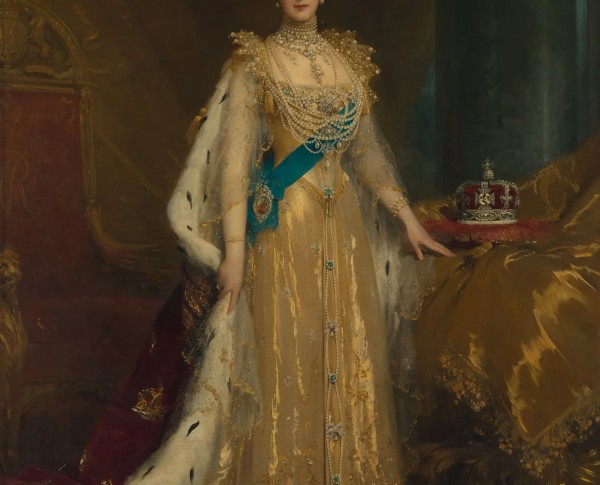
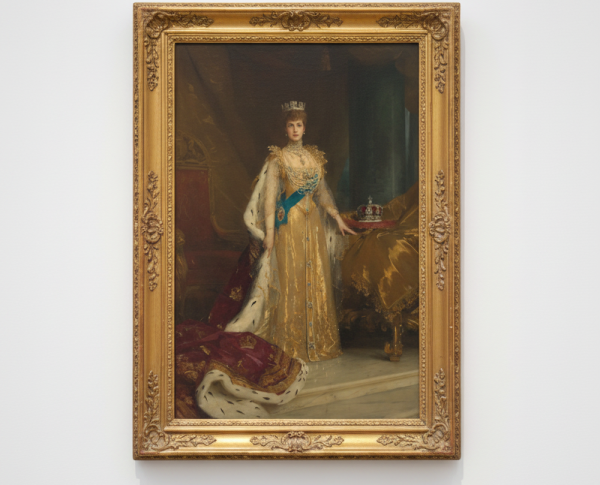
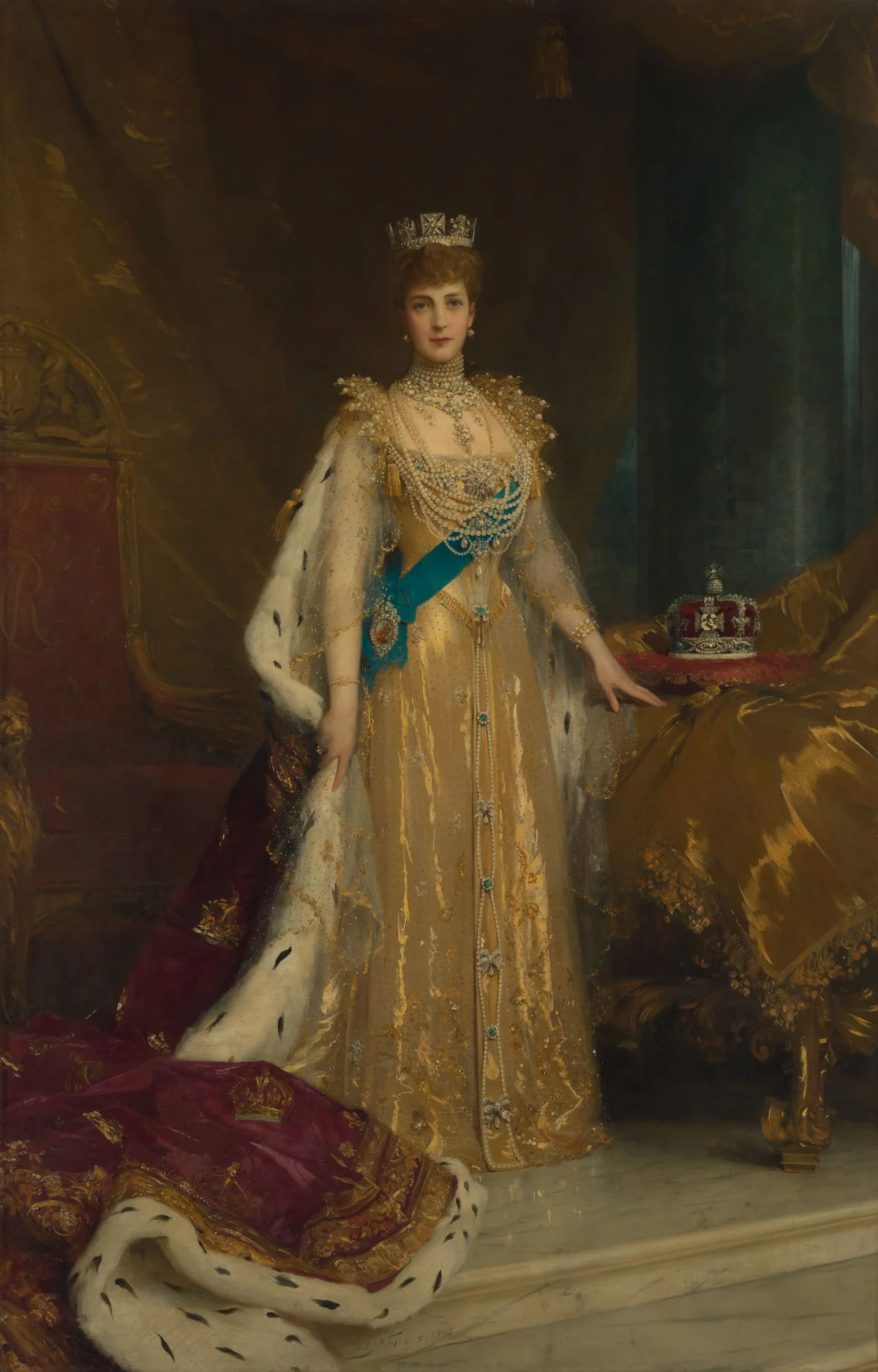
Every element in "Prince George of Wales, later King George V" tells a story, from the regal attire to the composed expression. Samuel Luke Fildes weaves subtle symbolism throughout, a hallmark of Social Realism, inviting viewers to consider the responsibilities and heritage of the future king. For those seeking a hand-painted oil painting with rich narrative, this piece pairs beautifully with portraits like "Queen Alexandra" and "King George V (1865-1936)."
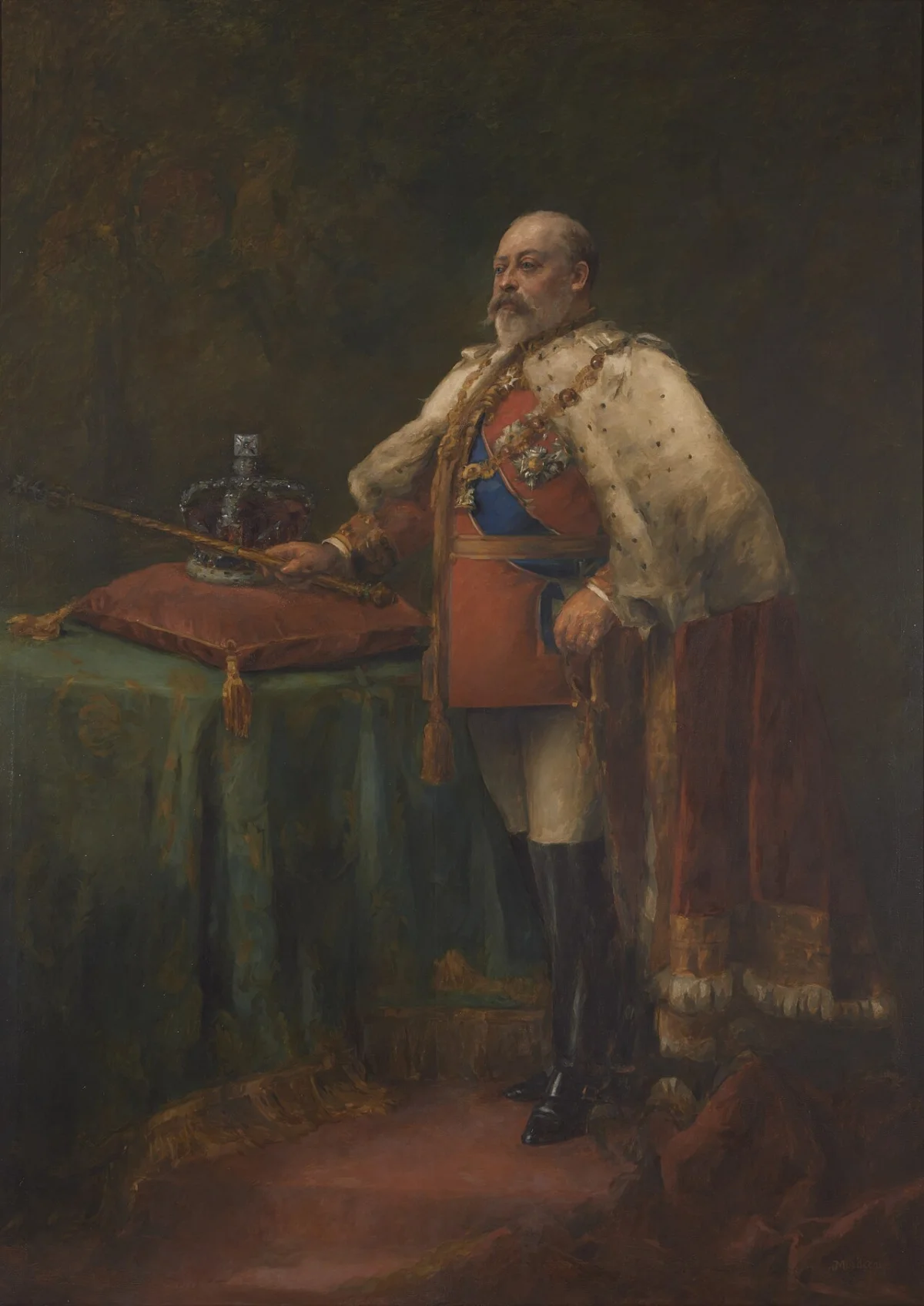
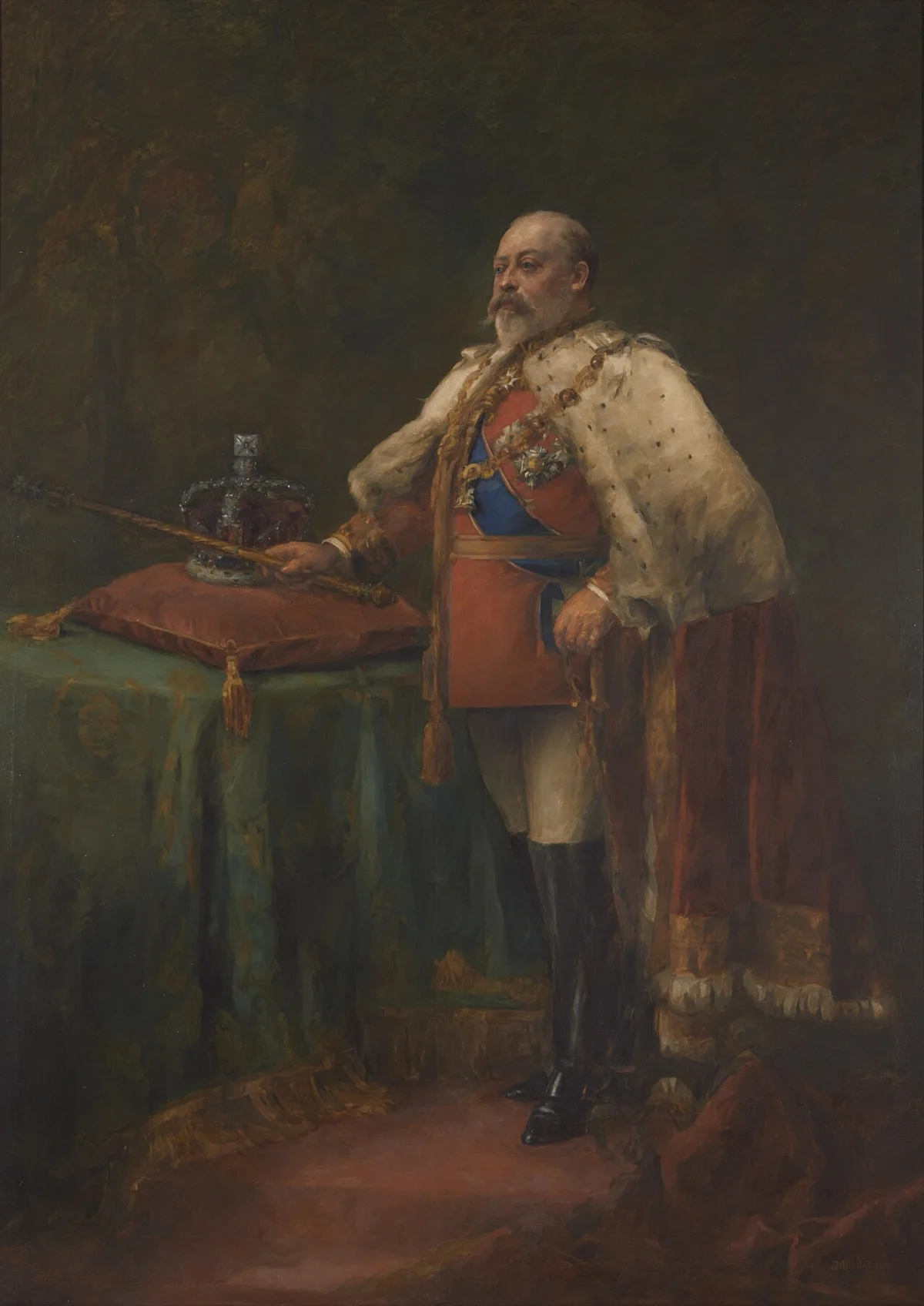
This fine art painting for sale stands as a testament to Fildes’ enduring legacy and the Social Realism movement’s impact on British portraiture. "Prince George of Wales, later King George V" is prized among collectors for its historical significance and artistic excellence. Complementing collections featuring works like "The Doctor" or "King Edward Vii," this painting elevates any gallery or private display with its timeless appeal and masterful execution.
When Art Meets History
Samuel Luke Fildes’ “Prince George of Wales, later King George V” stands as a remarkable example of Social Realism. This hand-painted oil painting not only captures the royal figure but also immortalizes a significant moment in British history. Fildes, known for his detailed and evocative portraits, brings the future monarch to life, similar to his approach in other royal commissions. The artwork bridges the gap between historical documentation and expressive fine art, making it a treasured piece for art enthusiasts.
Techniques That Speak
Fildes utilized meticulous brushwork and a rich oil on canvas technique to create depth and realism in “Prince George of Wales, later King George V.” The artist’s mastery of the Social Realism movement is evident in the lifelike rendering of fabrics and subtle play of light. His careful attention to detail allows viewers to appreciate the textures and regal presence within the portrait, much like his other celebrated works in the same genre, solidifying his place in art history.
Emotions on Display
This fine art painting for sale conveys a sense of dignity and introspection, highlighting the emotional depth often found in Samuel Luke Fildes’ portraits. Through his skillful use of color and composition, Fildes portrays the young Prince George with an air of solemnity that hints at his future responsibilities. The Social Realism movement’s focus on genuine human emotion is powerfully expressed here, drawing viewers into the personal world of the royal subject.
Coveted by Collectors
Collectors worldwide seek works like “Prince George of Wales, later King George V” for their historical and artistic value. This hand-painted oil painting not only showcases Fildes’ technical prowess but also serves as a testament to the enduring appeal of Social Realism. As with other significant portraits by Samuel Luke Fildes, this piece remains a highly desirable fine art painting for sale, attracting those who value both artistry and royal heritage in their collections.
Frequently Asked Questions About Prince George of Wales, later King George V
What is the historical significance of the painting "Prince George of Wales, later King George V"?
This painting captures Prince George during his youth, a pivotal period before he ascended to the throne as King George V. It reflects the royal lineage and the expectations placed upon him as a future monarch, representing the continuity of the British monarchy.
Who was the artist Samuel Luke Fildes, and what is his relevance to this painting?
Samuel Luke Fildes was a prominent British painter known for his portraits and genre scenes. His ability to convey emotion and character through his subjects makes him a significant figure in Victorian art, and this painting exemplifies his skill in capturing the essence of royal subjects.
What artistic techniques did Fildes employ in this portrait?
Fildes utilized a combination of realism and impressionistic techniques, focusing on detailed facial expressions and textures of clothing. His use of light and shadow enhances the three-dimensionality of the figure, drawing the viewer's attention to the subject's dignified demeanor.
What symbolism can be found in the depiction of Prince George?
The painting symbolizes the weight of royal duty and the transition from childhood to adulthood. The prince's attire, posture, and expression convey a sense of responsibility and the expectations of leadership that he would eventually embody as king.
What was the public's reaction to this painting when it was first exhibited?
Upon its exhibition, the painting was met with admiration for its lifelike representation and emotional depth. Viewers appreciated Fildes' ability to portray the young prince not just as a royal figure, but as a relatable human being, which endeared him to the public.
How does this painting reflect the cultural values of the time?
This portrait reflects the Victorian values of duty, honor, and the importance of lineage. It emphasizes the role of the monarchy in British society and the expectations placed on royal figures to embody these ideals, resonating with the public's view of monarchy during that era.
What materials and techniques were used in the creation of this painting?
Fildes likely used oil paints on canvas, a common medium for portraiture during the late 19th century. This technique allows for rich color depth and fine detail, which are evident in the textures of the prince's clothing and the subtlety of his expression.
In what ways does this painting contribute to our understanding of royal portraiture?
This painting contributes to our understanding of royal portraiture by showcasing a shift towards more personal and relatable representations of royal figures. It moves away from the strictly formal depictions of earlier periods, allowing for a glimpse into the personality and character of the subject.
What influence did this painting have on subsequent royal portraits?
The intimate and humanizing approach of this portrait influenced later royal portraits by encouraging artists to focus on the individuality of their subjects. This trend paved the way for more modern interpretations of royal imagery, where personality and relatability became key elements.
Where can I view the painting "Prince George of Wales, later King George V"?
The painting is part of the collection at our art gallery, where it is displayed alongside other significant works from the same period. Visitors are encouraged to explore the context and history surrounding this iconic piece.























_GFM_Painting_(1).webp)


 100% Hand-Painted: Finished in 3-6 Weeks

.png)















_(1).webp)