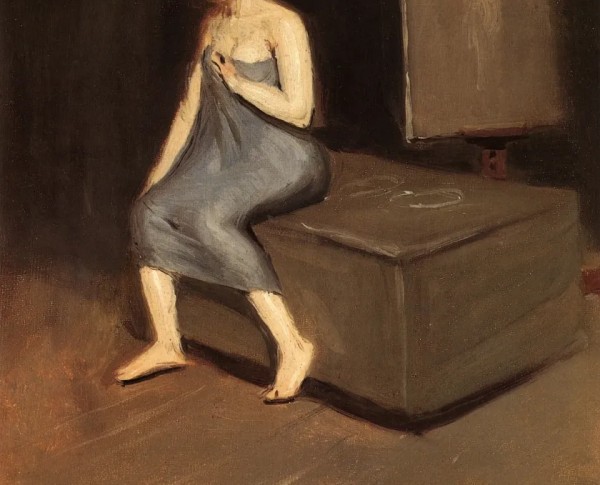
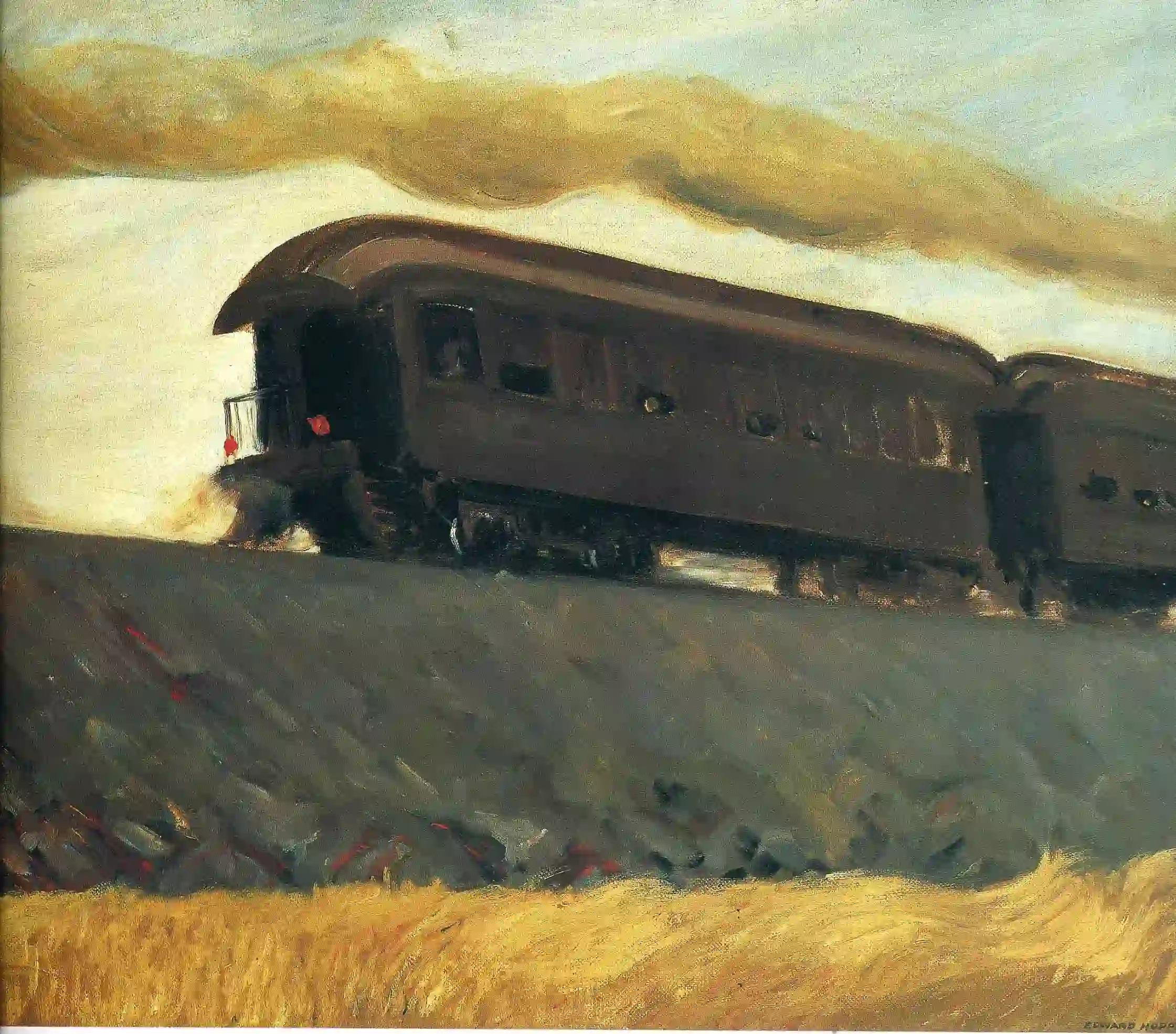
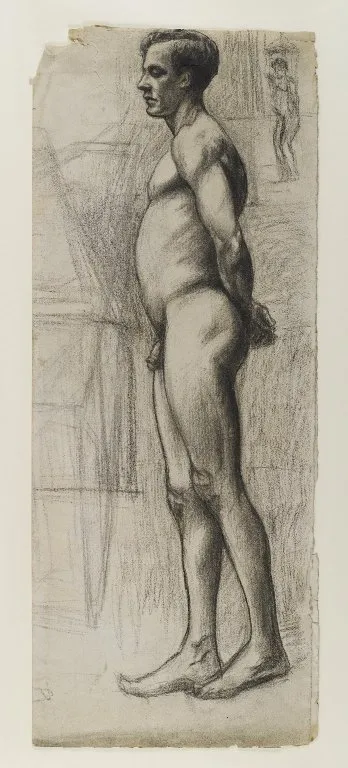
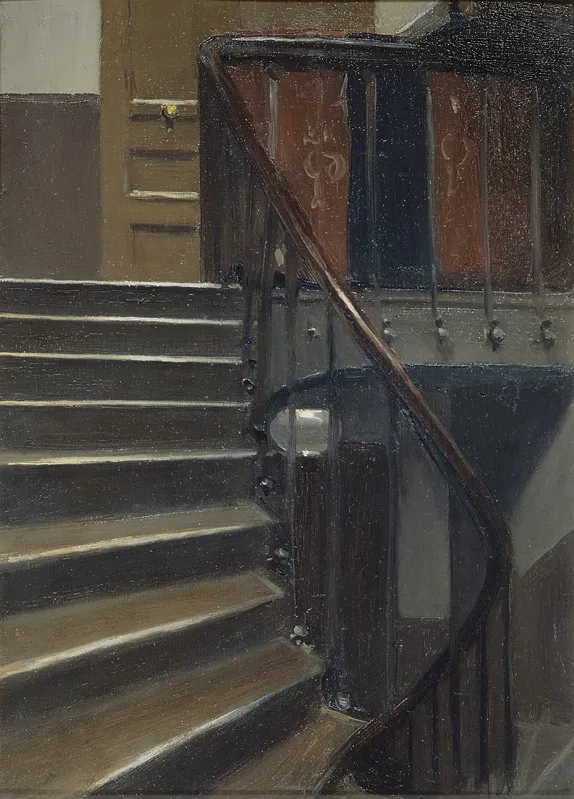
Hopper’s technique in "Railroad Train" exemplifies the mastery of oil on canvas, where each brushstroke contributes to the painting’s sense of atmosphere and narrative depth. The carefully rendered forms and subtle interplay of light and shadow evoke the movement’s dedication to realism. Fans of American Realism will appreciate how Hopper’s skillful use of oil on canvas links this work to other masterpieces, including "Male Nude" and "Le Pont des Arts," celebrated for their technical excellence.
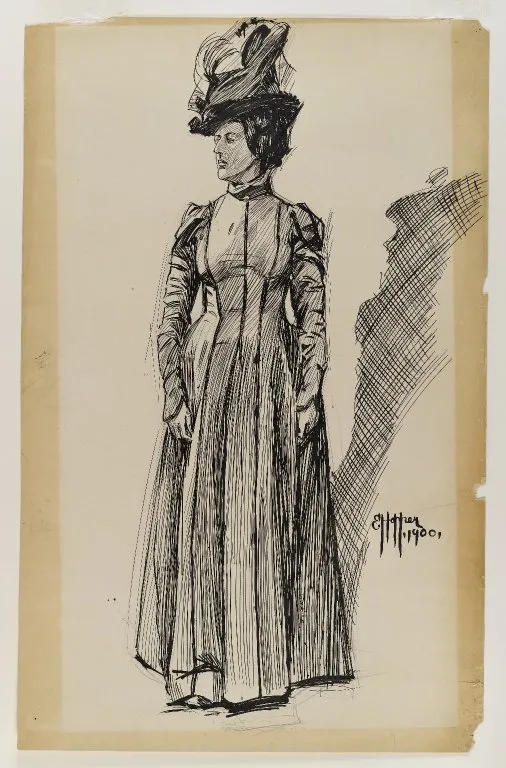
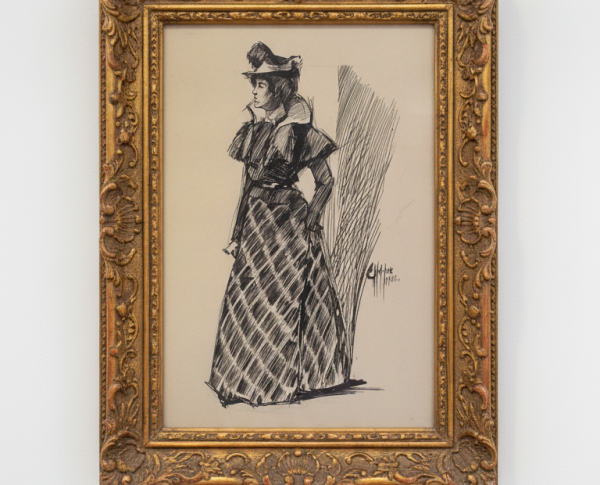
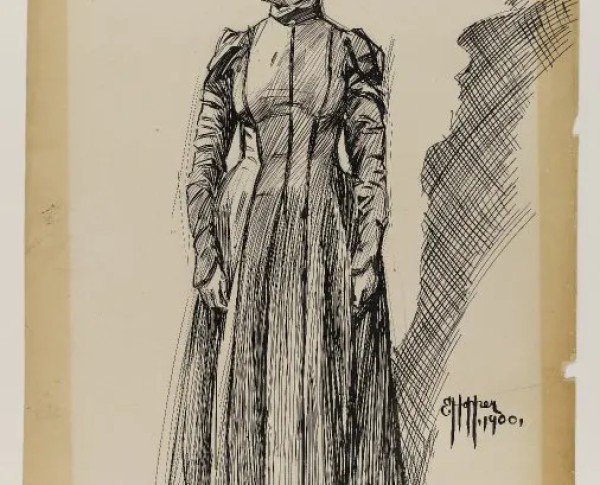
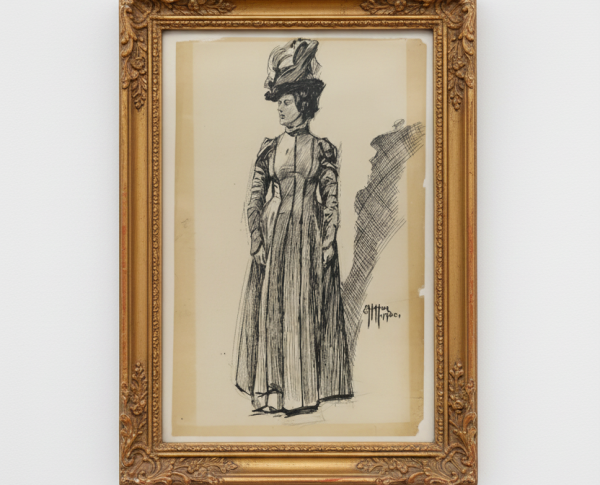
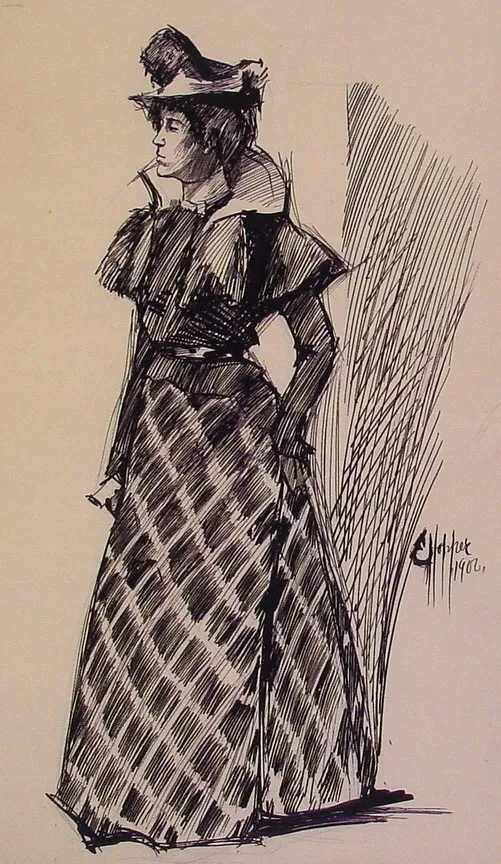
"Railroad Train" tells a nuanced story through its composition, symbolic of transition and the passage of time—hallmarks of American Realism. Hopper’s ability to imbue a scene with narrative tension is evident in this fine art painting for sale, just as it is in his "Standing Female Figure" and "Study of a Standing Woman." The painting’s subtle symbolism and evocative mood inspire viewers to contemplate their own journeys, making it a thought-provoking addition to any art collection.
For collectors, "Railroad Train" by Edward Hopper represents more than just a beautiful artwork—it is a hand-painted oil painting that encapsulates the spirit of American Realism. With its timeless appeal and historical significance, it stands alongside related works like "Ground Swell" and "Le Pont des Arts" as a must-have for discerning buyers. This fine art painting for sale continues to captivate collectors, ensuring its place as a prized possession for generations to come.
When Art Meets History
Edward Hopper’s "Railroad Train" stands as a remarkable example of American Realism, capturing a fleeting moment in the nation’s industrial journey. This hand-painted oil painting not only reflects Hopper’s keen observation of American life but also immortalizes a time when railroads symbolized progress and movement. Alongside related works like "Injured Innocence" and "The Accommodating Money Lender," Hopper’s masterpieces serve as a window into the complexities of 20th-century America and its evolving landscape.
Techniques That Speak
Hopper’s mastery in "Railroad Train" is evident in his use of oil on canvas, creating depth through careful layering and subtle color gradations. His technique brings to life the stark contrasts and quiet tension characteristic of American Realism. The painting’s brushwork, much like in "Scene Vi - Evenings down Town Man at Bar," invites viewers to linger over every detail, appreciating the technical prowess that defines each element of this celebrated oil on canvas.
Emotions on Display
"Railroad Train" evokes a profound sense of solitude and anticipation, hallmarks of Hopper’s emotional storytelling. The train’s presence against a vast landscape reflects the isolation and yearning found in much of his work, paralleling feelings seen in "Smitten Man Looking at Woman." This fine art painting for sale allows collectors and admirers alike to experience the quiet drama and introspective mood that make Hopper’s contributions to American Realism so enduring.
Coveted by Collectors
Collectors worldwide seek out "Railroad Train" as a quintessential Hopper piece, prized for its authenticity and evocative narrative. As with other sought-after works like "Dream of the Fisherman’s Wife" and "Scene I - Smitten Man Looking at Woman," this hand-painted oil painting commands attention in galleries and private collections. Its status as a fine art painting for sale underscores Hopper’s lasting influence on the art market and the continued fascination with American Realism.
Related American Realism Hand-Painted Oil Paintings by Other Artists
Other Famous American Realism Artists:
Frequently Asked Questions About Railroad Train
What is the historical context of Edward Hopper's "Railroad Train"?
"Railroad Train" was painted in 1929, a period marked by significant changes in American society, including urbanization and the expansion of the railroad system, which played a crucial role in shaping the modern landscape.
What artistic techniques did Edward Hopper employ in "Railroad Train"?
Hopper utilized a combination of realism and impressionism, characterized by his use of light and shadow to create mood and atmosphere, as well as his attention to architectural details and the interplay of color.
What themes are explored in "Railroad Train"?
The painting explores themes of isolation and the passage of time, reflecting the transient nature of life and the impact of industrialization on the American landscape.
How does "Railroad Train" reflect Edward Hopper's artistic style?
The work exemplifies Hopper's signature style, which often features stark contrasts, a sense of solitude, and a focus on the relationship between people and their environments.
What is the significance of the train in the painting?
The train symbolizes progress and movement, representing the rapid changes in American society during the early 20th century, while also evoking feelings of nostalgia and longing.
How does the composition of "Railroad Train" contribute to its meaning?
The composition, with its strong diagonal lines and the positioning of the train against a vast, open background, creates a sense of dynamism and emphasizes the theme of journey and transition.
What role does light play in "Railroad Train"?
Light is a crucial element in Hopper's work, and in "Railroad Train," it enhances the emotional depth of the scene, casting shadows that evoke a sense of solitude and contemplation.
How does "Railroad Train" fit into the broader context of American art?
The painting is an important example of American realism, capturing the essence of 20th-century life while also influencing future generations of artists who explore similar themes of isolation and urban experience.
What emotions does "Railroad Train" evoke in viewers?
Viewers often experience a sense of nostalgia and introspection when observing the painting, as it prompts reflections on the passage of time and the complexities of modern life.
In what ways has "Railroad Train" been interpreted by art critics?
Art critics have interpreted "Railroad Train" as a commentary on the alienation brought about by modernity, highlighting Hopper's ability to convey profound emotional narratives through seemingly simple scenes.























_GFM_Painting_(1).webp)


 100% Hand-Painted: Finished in 3-6 Weeks

.png)















_(1).webp)