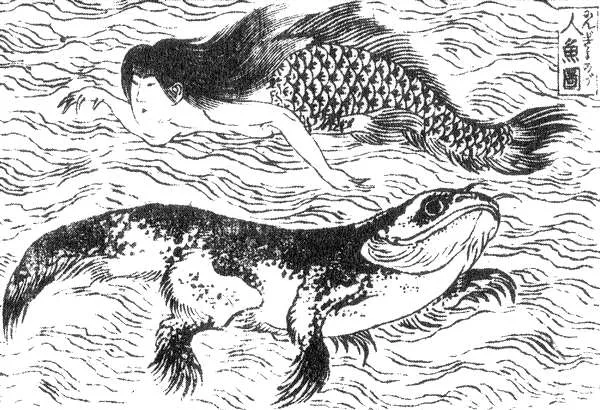
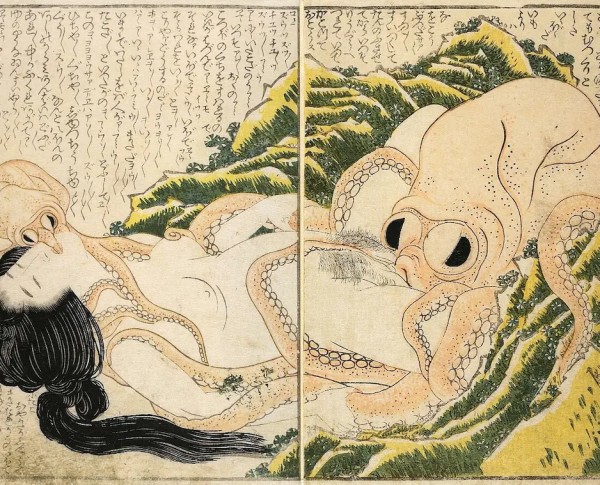
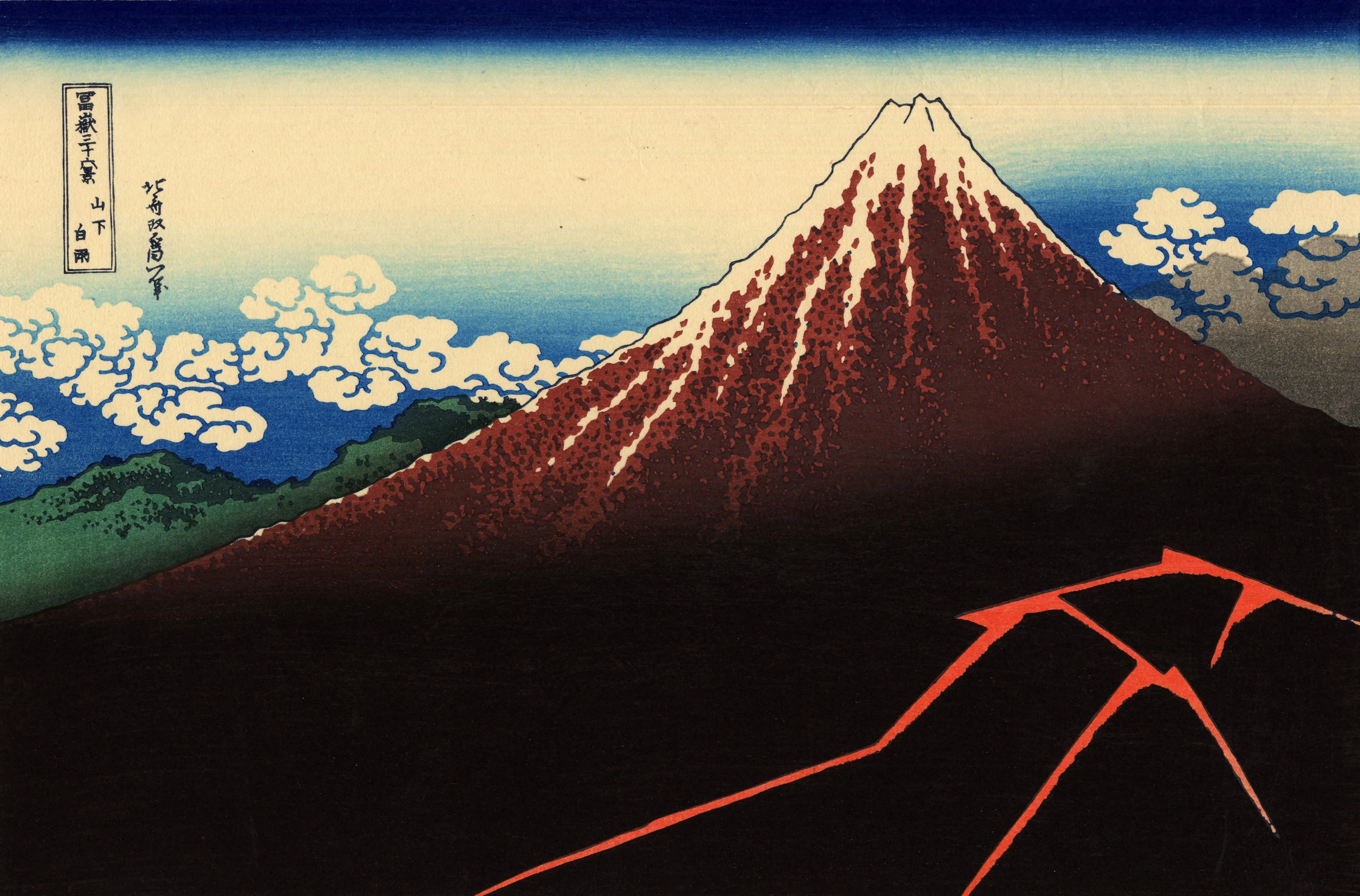
Katsushika Hokusai’s "Rainstorm beneath the Summit" showcases his exceptional skill with oil on canvas, blending vibrant colors and bold lines to evoke movement and emotion. As a leading figure in the Ukiyo-e movement, Hokusai’s attention to detail is evident in every brushstroke, capturing the fleeting beauty of nature. Collectors seeking fine art painting for sale often turn to pieces like this, alongside related works such as "The Dream of the Fisherman's Wife" and "Ningyo."
"Rainstorm beneath the Summit" tells a captivating story through symbolic imagery, with Mount Fuji representing endurance and the storm signifying life's unpredictable challenges. This fine art painting for sale is a prime example of the storytelling power inherent in the Ukiyo-e movement. Hokusai’s artistry invites viewers to interpret deeper meanings, creating a lasting connection. Consider related products like "Woman Looking at Herself in a Mirror" and "Women walking in a garden" for an expanded narrative collection.
Collectors value "Rainstorm beneath the Summit" by Katsushika Hokusai for its historical significance and exquisite craftsmanship. As a hand-painted oil painting, it embodies the essence of the Ukiyo-e movement while appealing to modern sensibilities. This masterpiece, along with related products such as "View of Honmoku" and "Women walking in a garden," makes an exceptional addition to any art collection, offering both aesthetic beauty and investment value for fine art enthusiasts.
When Art Meets History
"Rainstorm beneath the Summit" by Katsushika Hokusai stands as a testament to the enduring legacy of the Ukiyo-e movement. Created during the Edo period, this masterpiece captures the dynamic relationship between nature and humanity. Hokusai, renowned for his series "Thirty-Six Views of Mount Fuji," used this work to explore changing weather and emotion. Today, art lovers seek hand-painted oil painting reproductions of this iconic image, bringing historical Japanese artistry into contemporary collections.
Techniques That Speak
Katsushika Hokusai’s "Rainstorm beneath the Summit" exemplifies the intricate techniques characteristic of Ukiyo-e prints. The artist’s skillful layering of color and dramatic contrasts evoke the storm’s intensity over Mount Fuji. While originally a woodblock print, modern interpretations often use oil on canvas to capture the depth and vibrancy of the original. These adaptations pay homage to Hokusai’s innovation, ensuring that his vision continues to inspire artists and collectors around the globe.
Emotions on Display
The swirling clouds and cascading rain in "Rainstorm beneath the Summit" evoke a sense of awe and reverence for nature’s power. Hokusai masterfully conveys the emotional tension between serenity and chaos, a hallmark of the Ukiyo-e movement. This fine art painting for sale invites viewers to immerse themselves in the dramatic atmosphere, much like Hokusai’s other celebrated landscapes. Each element reflects the artist’s profound connection to the world around him.
Coveted by Collectors
Collectors worldwide prize "Rainstorm beneath the Summit" for its historical significance and visual impact. Katsushika Hokusai’s works, including this striking piece from the Ukiyo-e movement, remain highly sought after in the art market. Whether as an authentic print or a hand-painted oil painting reproduction, this fine art painting for sale embodies the timeless appeal of Japanese art. Its enduring popularity ensures that Hokusai’s legacy continues to thrive among discerning enthusiasts.
Frequently Asked Questions About Rainstorm beneath the Summit
What is the historical context of "Rainstorm beneath the Summit"?
"Rainstorm beneath the Summit" was created during the Edo period in Japan, a time characterized by peace, stability, and economic growth. This period allowed artists like Hokusai to flourish and explore new themes in their work, particularly those that celebrated nature and the changing seasons.
What artistic techniques did Hokusai use in this painting?
Hokusai employed a technique known as ukiyo-e, which involves woodblock printing. In "Rainstorm beneath the Summit," he skillfully layered colors and used fine lines to depict the dramatic interplay between the stormy sky and the serene mountain, creating a sense of depth and movement.
What is the significance of Mount Fuji in this artwork?
Mount Fuji is not only a symbol of Japan but also represents strength and resilience. In "Rainstorm beneath the Summit," it serves as a backdrop to the tumultuous weather, highlighting the contrast between nature's power and the tranquility associated with the mountain.
How does Hokusai convey emotion in "Rainstorm beneath the Summit"?
The painting evokes a sense of awe and contemplation through its dramatic depiction of a storm. The swirling clouds and heavy rain create a dynamic tension that invites viewers to reflect on the beauty and unpredictability of nature.
What role does color play in this artwork?
Color in "Rainstorm beneath the Summit" is used to enhance the mood of the scene. The dark, brooding hues of the storm contrast with the lighter tones of Mount Fuji, emphasizing the mountain's majesty while also capturing the intensity of the rainstorm.
What themes are explored in "Rainstorm beneath the Summit"?
The painting explores themes of nature's beauty and power, the transient nature of life, and the relationship between humanity and the environment. Hokusai often depicted nature as both awe-inspiring and formidable, reflecting the duality of existence.
How does this painting fit into Hokusai's body of work?
"Rainstorm beneath the Summit" is part of Hokusai's larger series that focuses on landscapes and the natural world. It exemplifies his innovative approach to capturing the essence of Japan's scenery and his ability to evoke emotion through visual storytelling.
What influence did Hokusai have on later artists?
Hokusai's work, including "Rainstorm beneath the Summit," had a profound influence on Impressionist and Post-Impressionist artists in the West. His unique perspective on nature and innovative use of color and composition inspired artists like Vincent van Gogh and Claude Monet.
What is the symbolism of the storm in the painting?
The storm in "Rainstorm beneath the Summit" symbolizes the challenges and unpredictability of life. It serves as a reminder of nature's power and the transient nature of human existence, encouraging viewers to find beauty even in tumultuous circumstances.
How has "Rainstorm beneath the Summit" been received by art critics and historians?
Art critics and historians have praised "Rainstorm beneath the Summit" for its masterful depiction of nature and its emotional depth. It is often cited as one of Hokusai's most significant works, showcasing his ability to blend traditional Japanese art with innovative techniques that resonate across cultures.























_GFM_Painting_(1).webp)


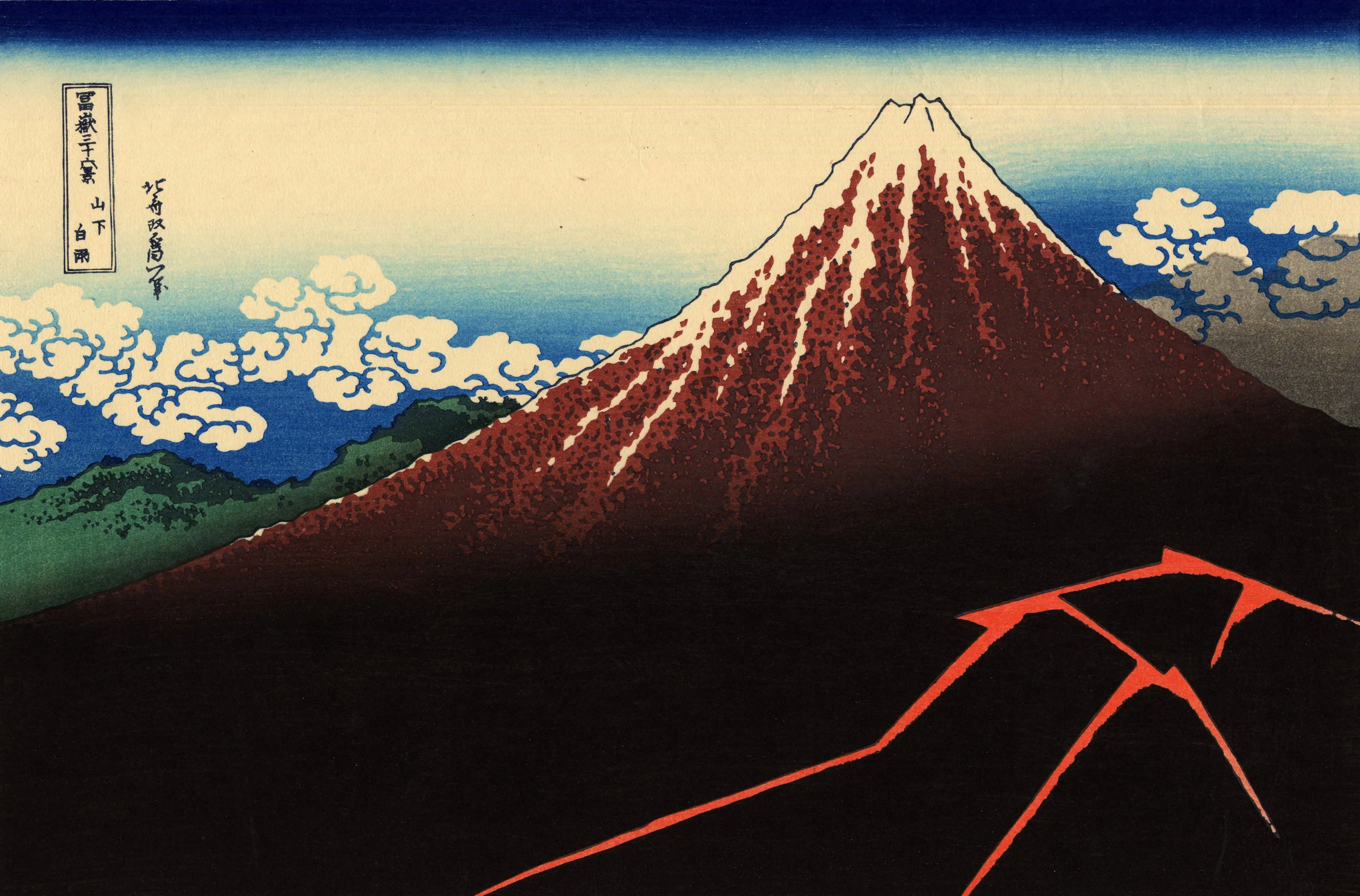
 100% Hand-Painted: Finished in 3-6 Weeks

.png)















_(1).webp)