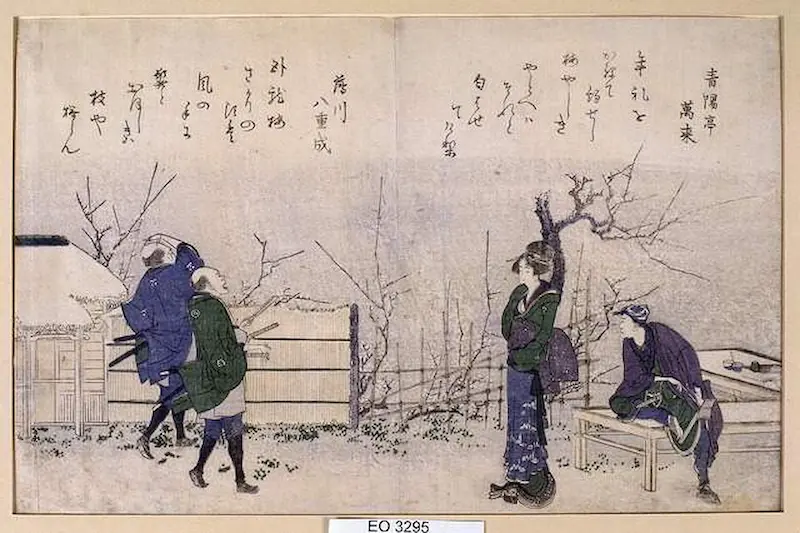
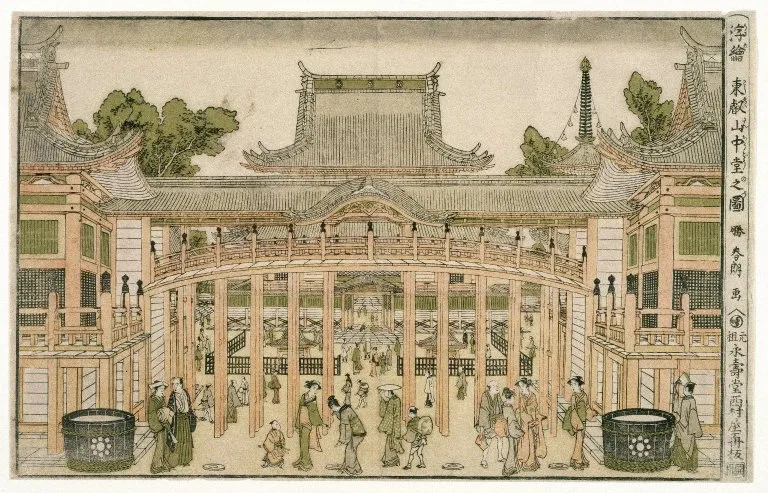
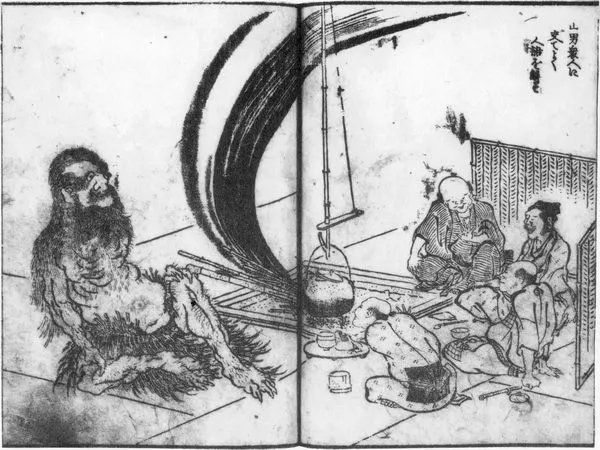
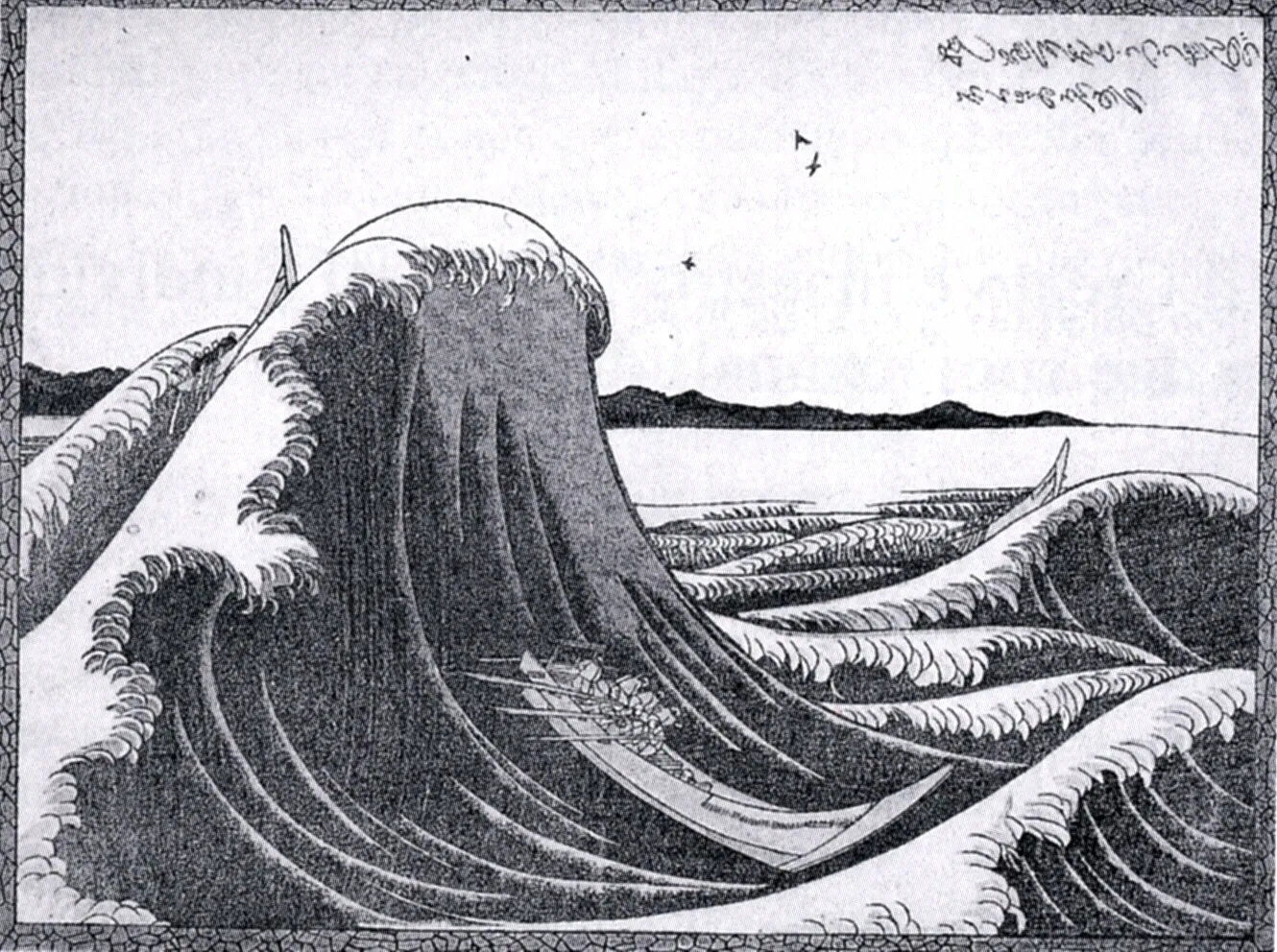
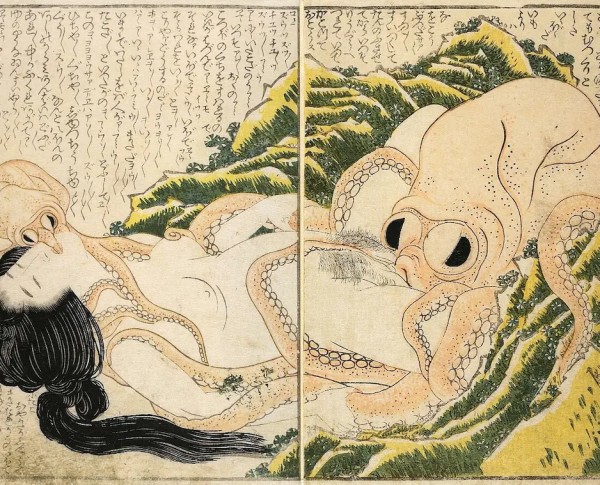
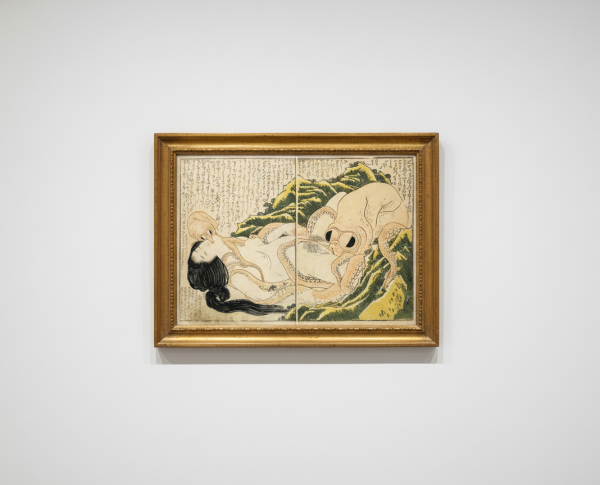
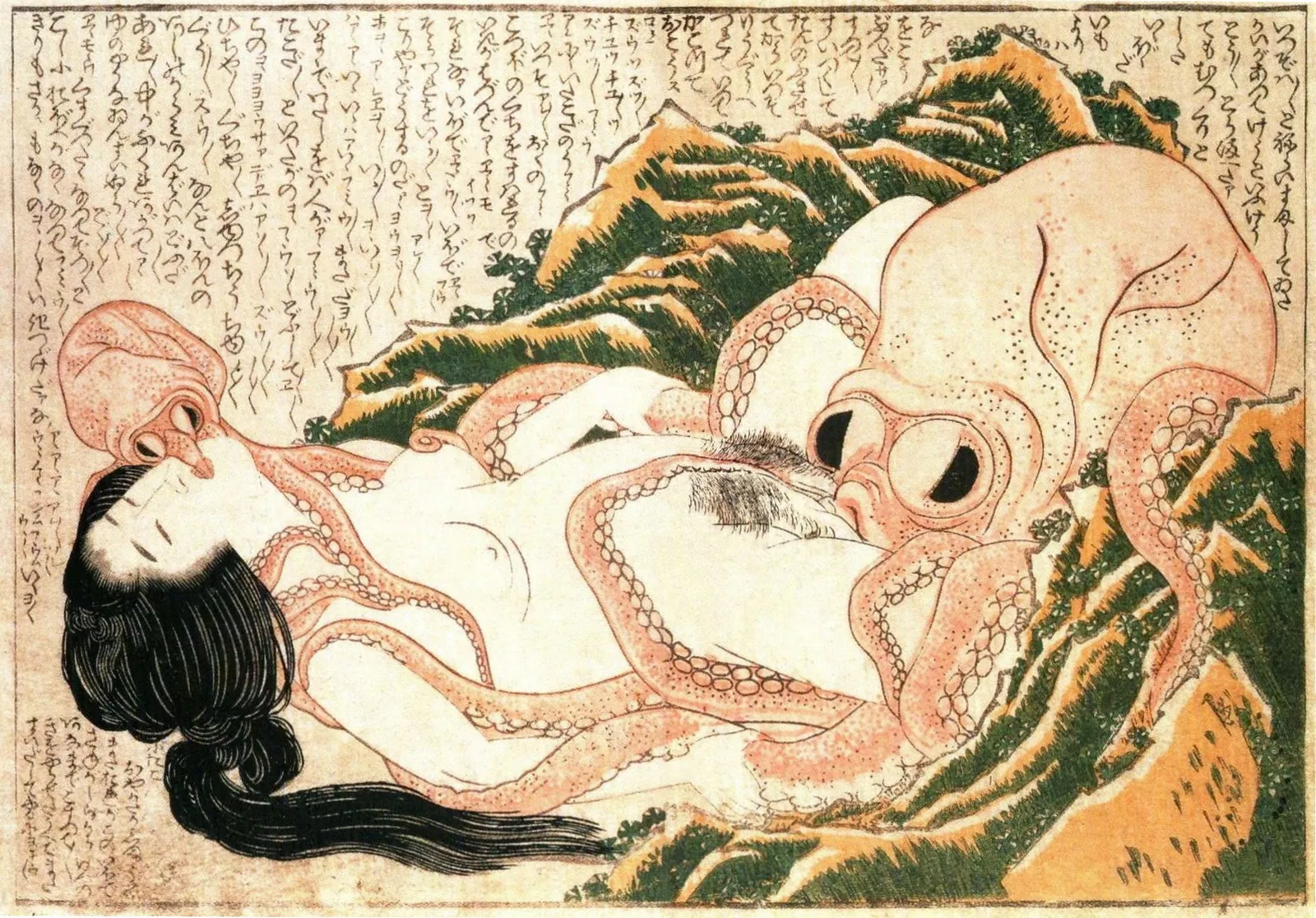
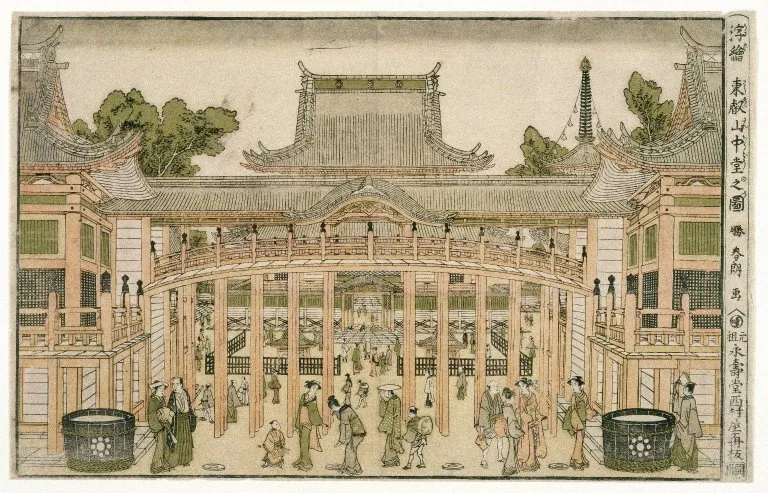
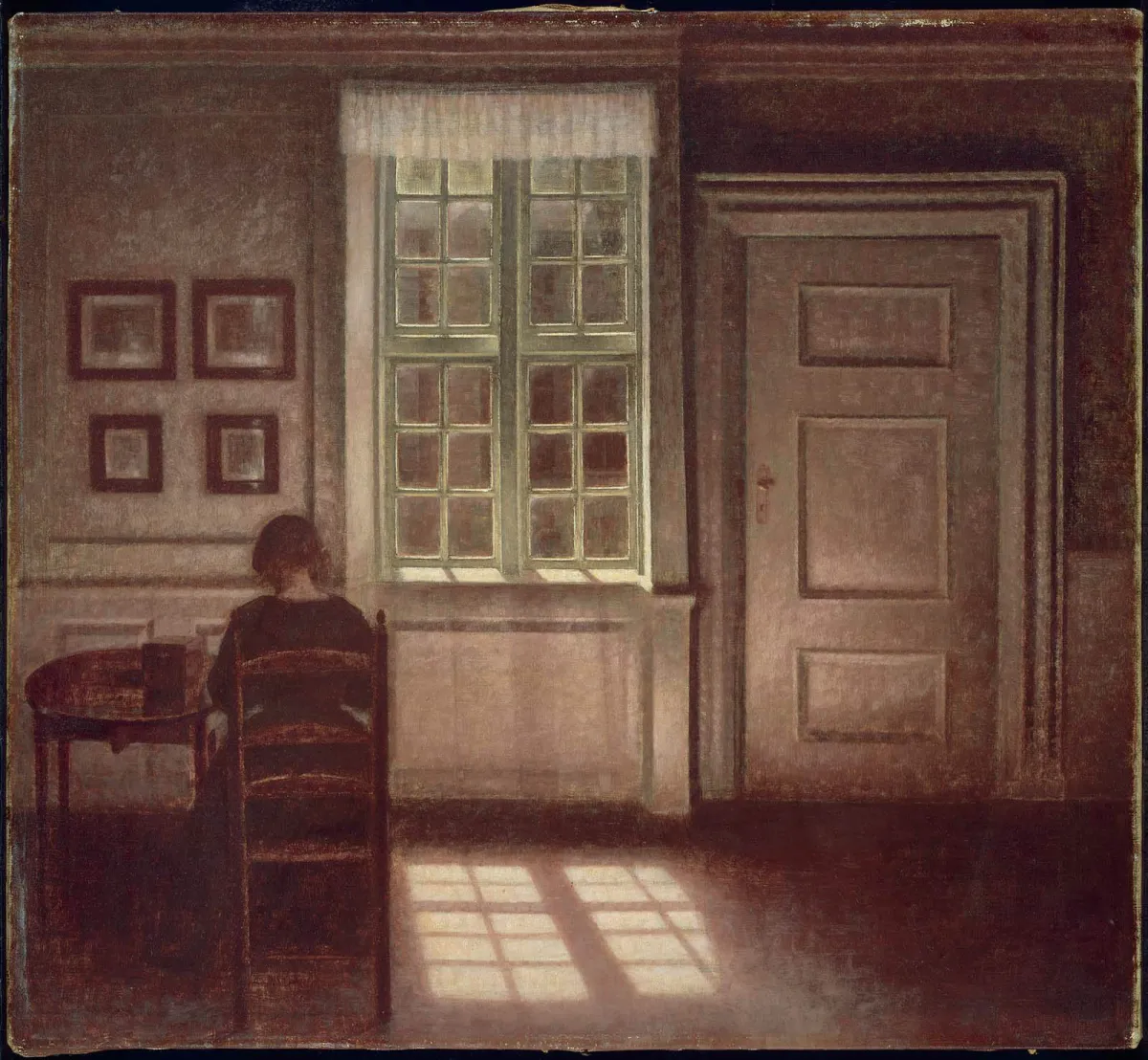
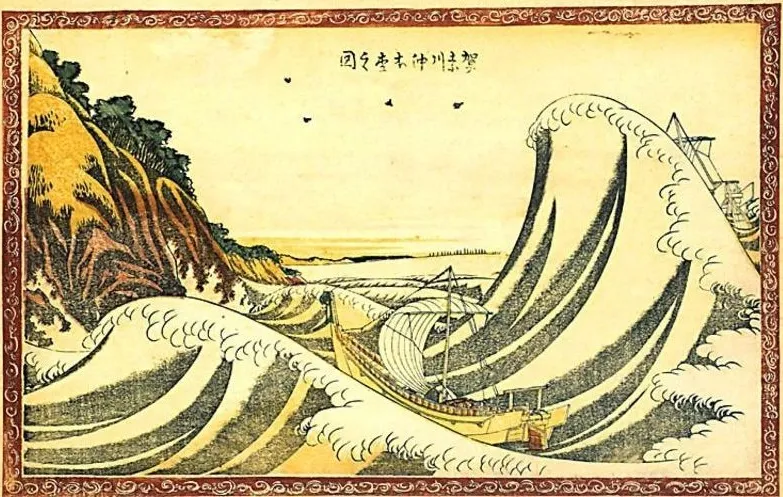
Hokusai’s technique in "The Dream of the Fisherman's Wife" reveals exceptional mastery, capturing intricate details with remarkable precision. While the original is a woodblock print, many seek hand-painted oil painting renditions to appreciate the depth and texture of oil on canvas. The Ukiyo-e movement’s emphasis on line and composition is evident, paralleling the elegance seen in related works like "Woman in an Interior" and "Inside the Courtyard of the Toeizan Temple at Ueno."
"The Dream of the Fisherman's Wife" by Katsushika Hokusai weaves a narrative rich in symbolism, embodying themes of fantasy and desire central to Ukiyo-e. The oil on canvas versions highlight the vibrant storytelling tradition, much like "Onmyo Imoseyama" and "Primer Book of Treasury loyal vassals." Each element within this painting invites viewers to explore deeper meanings, making it a conversation piece for collectors and lovers of Japanese fine art.
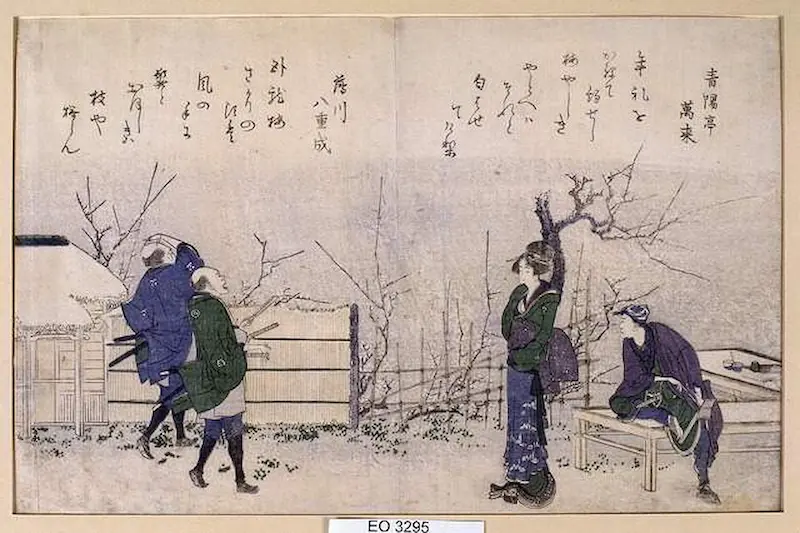
This iconic work by Hokusai is a sought-after collector’s item, especially in hand-painted oil painting forms. As a centerpiece of the Ukiyo-e movement, "The Dream of the Fisherman's Wife" complements collections featuring "Woman Looking at Herself in a Mirror" and "Teahouse Umeyashiki." Owning this fine art painting for sale brings a piece of art history—and the genius of Katsushika Hokusai—into any refined space.
When Art Meets History
"The Dream of the Fisherman's Wife" by Katsushika Hokusai stands as a bold testament within the Ukiyo-e movement, reflecting Edo-period Japan’s fascination with the fantastical. This renowned hand-painted oil painting captures an imaginative scene, blending folklore and sensuality in a way that challenged conventions. Hokusai’s innovative vision in this work and others like it shaped the evolution of Japanese art, inviting viewers to explore themes rarely depicted in traditional fine art painting for sale during his era.
Techniques That Speak
Katsushika Hokusai’s mastery shines in "The Dream of the Fisherman's Wife," where his use of oil on canvas—though more commonly associated with Western art—demonstrates a unique fusion of Eastern and Western techniques. The Ukiyo-e movement’s distinctive linework and vibrant colors come alive, showcasing Hokusai’s unparalleled attention to detail. His approach in this and related paintings highlights the evolving nature of fine art painting for sale, captivating contemporary collectors and art historians alike.
Emotions on Display
Immersed in deep symbolism, "The Dream of the Fisherman's Wife" evokes a range of emotions, from curiosity to astonishment. Hokusai’s depiction of intimacy and fantasy, typical of the Ukiyo-e movement, draws viewers into a narrative that challenges societal norms. This hand-painted oil painting invites personal interpretation, making it a provocative conversation piece. Like many fine art paintings for sale from this era, it continues to inspire dialogue about the boundaries of art and emotion.
Coveted by Collectors
Today, "The Dream of the Fisherman's Wife" is highly sought after by collectors who value its historical significance and artistic innovation. As an iconic oil on canvas work from the Ukiyo-e movement, it exemplifies Katsushika Hokusai’s enduring influence on both Eastern and Western art markets. The scarcity and uniqueness of such fine art painting for sale make it a prized addition to any discerning collection, solidifying Hokusai’s legacy among art enthusiasts worldwide.
Frequently Asked Questions About The Dream of the Fisherman's Wife
What is the historical context of "The Dream of the Fisherman's Wife"?
"The Dream of the Fisherman's Wife" was created by Katsushika Hokusai during the Edo period in Japan, a time characterized by isolation from the outside world and a flourishing of arts and culture. This period allowed for the exploration of themes related to nature, sexuality, and the supernatural, which are prominent in this artwork.
What artistic techniques did Hokusai employ in this painting?
Hokusai utilized ukiyo-e techniques, which involve woodblock printing and vibrant color palettes. His mastery of line work and composition is evident in the dynamic poses of the figures and the intricate details of the natural elements surrounding them.
What themes are explored in "The Dream of the Fisherman's Wife"?
The painting explores themes of desire, fantasy, and the relationship between humans and nature. It juxtaposes eroticism with the serene beauty of the ocean, reflecting the complexities of human emotion and the allure of the natural world.
Who are the figures depicted in the artwork?
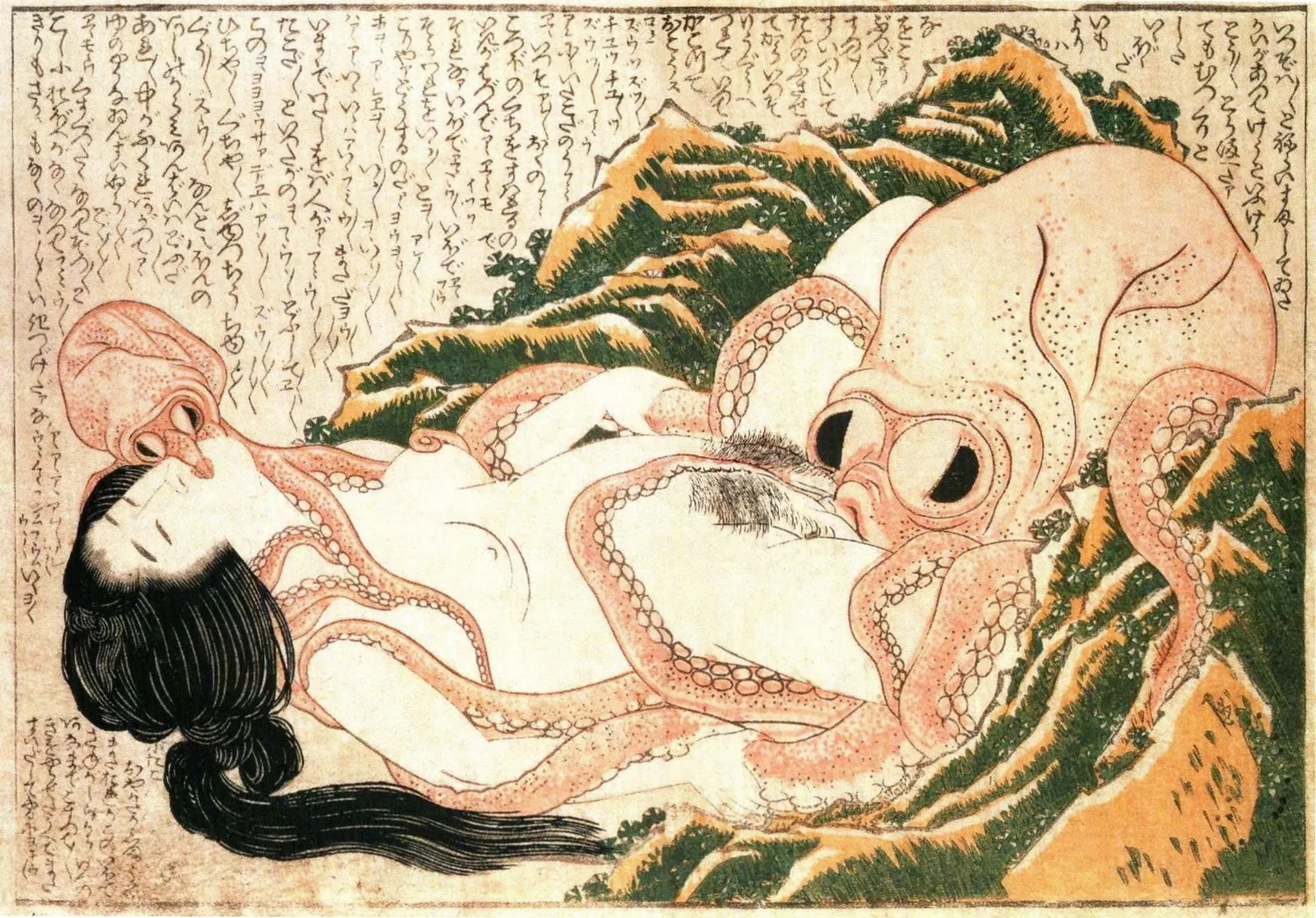
The artwork features a woman, often interpreted as the fisherman's wife, and two octopuses. The interaction between the woman and the octopuses serves as a metaphor for the intertwining of human desires and the mysteries of the natural world.
What is the significance of the octopus in this painting?
The octopus is a symbol of both seduction and the unknown. In Japanese folklore, it often represents transformation and the fluidity of desire, making it a fitting companion to the themes of eroticism and fantasy depicted in the artwork.
How does Hokusai's work reflect the cultural attitudes of his time?
Hokusai's work reflects the Edo period's fascination with erotic art, known as shunga. This genre was not only accepted but celebrated, as it explored themes of intimacy and pleasure, challenging contemporary notions of morality and propriety.
What role does nature play in "The Dream of the Fisherman's Wife"?
Nature is depicted as both a backdrop and an active participant in the narrative of the painting. The ocean and its creatures symbolize the depths of human emotion and desire, illustrating the interconnectedness of humanity and the natural world.
How has "The Dream of the Fisherman's Wife" influenced modern art?
This painting has had a lasting impact on contemporary art, inspiring artists to explore themes of sexuality and nature. Its bold imagery and innovative use of color and form continue to resonate in modern artistic expressions.
What is the significance of the title, "The Dream of the Fisherman's Wife"?
The title suggests a blend of reality and fantasy, inviting viewers to ponder the dreams and desires of the fisherman's wife. It reflects the duality of human experience, where dreams can be both beautiful and unsettling.
Where can I view "The Dream of the Fisherman's Wife" today?
The painting is part of various collections and exhibitions around the world. It is advisable to check with local museums or galleries for current displays, as well as online collections that may feature Hokusai's work.























_GFM_Painting_(1).webp)


 100% Hand-Painted: Finished in 3-6 Weeks

.png)















_(1).webp)