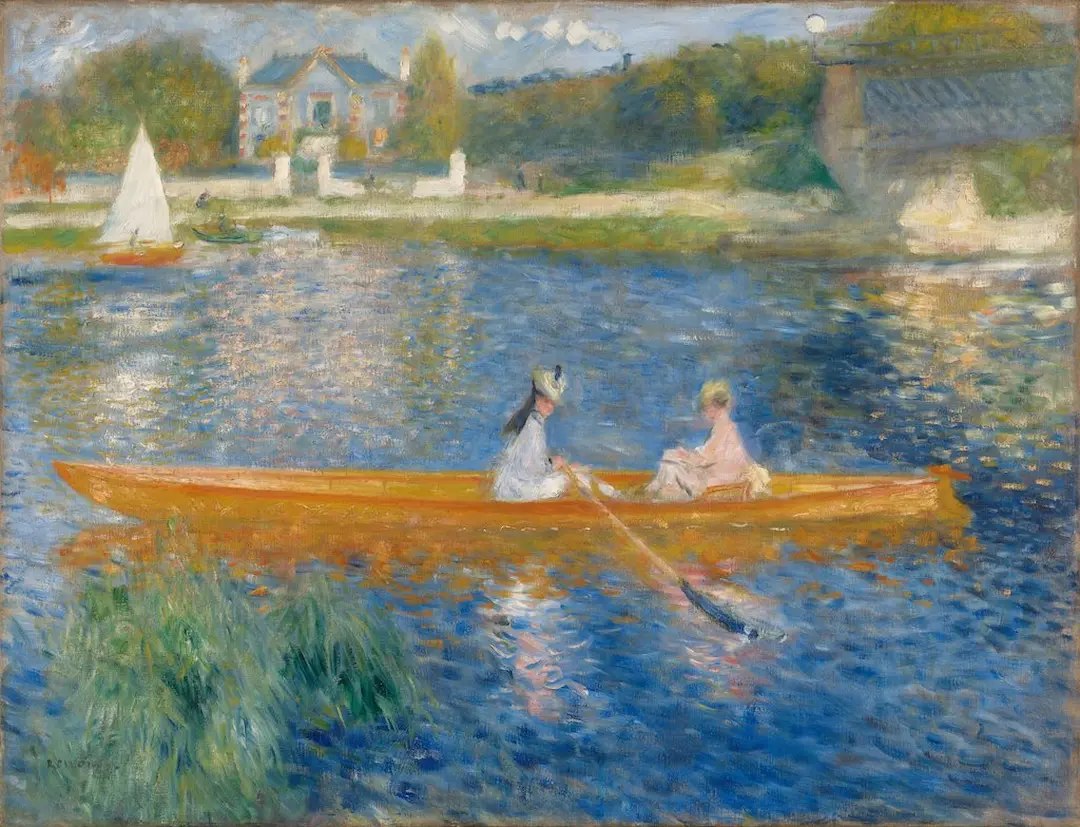
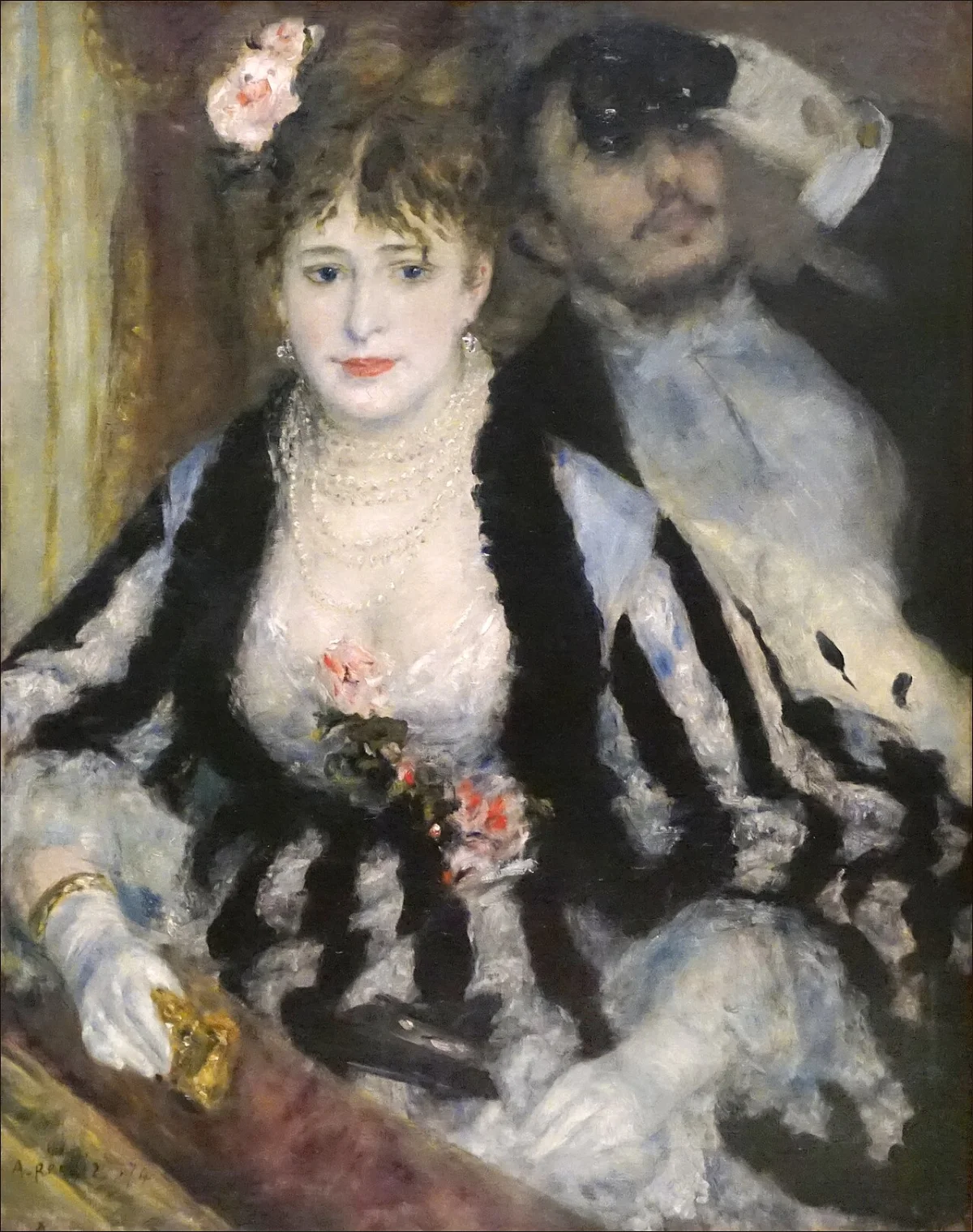
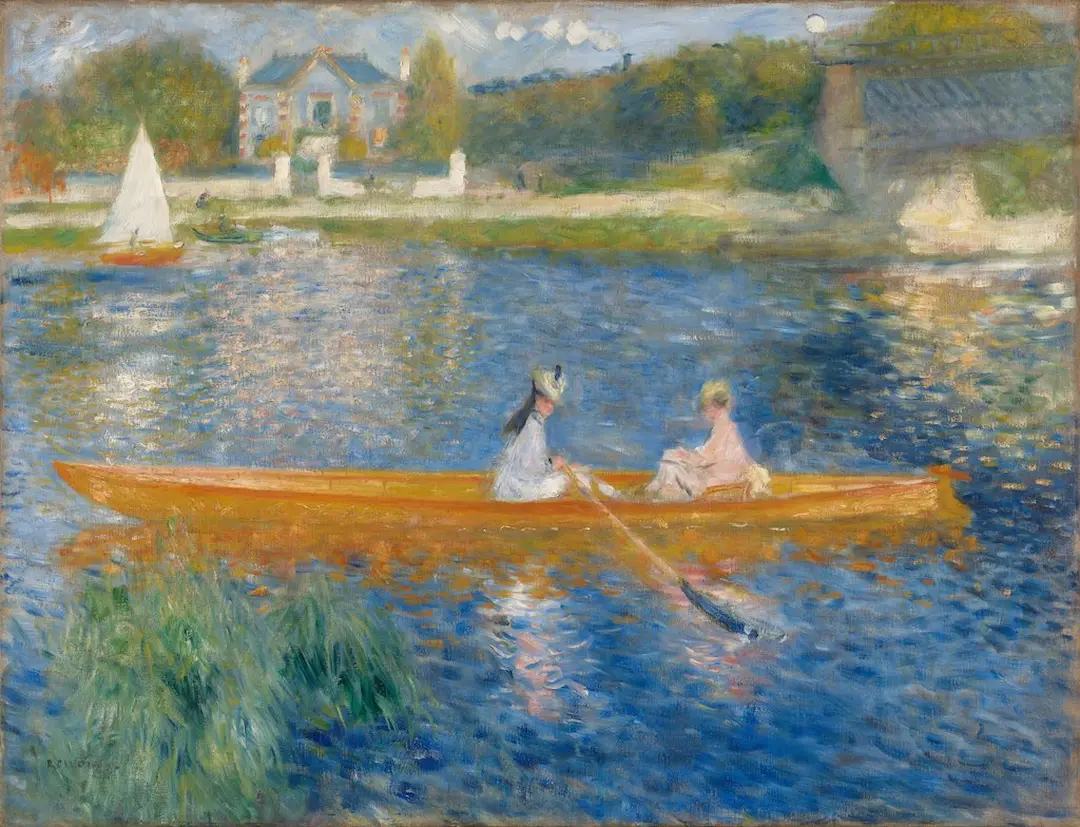
Renoir’s technique in “La loge” demonstrates his exceptional skill with oil on canvas, blending delicate brushwork and luminous colors to evoke atmosphere and emotion. The painting’s detailed rendering of fabric, skin, and light is characteristic of Impressionism’s focus on fleeting moments. Art lovers seeking a fine art painting for sale can explore related works like “The Seine At Asnieres Aka The Skiff” and “The Daughters of Catulle Mendès” to experience Renoir’s mastery firsthand.
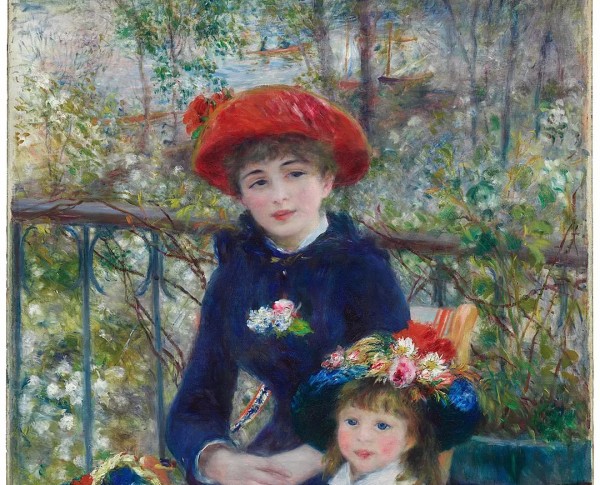
Within “La loge,” Pierre Auguste Renoir weaves subtle narratives using expressive poses and nuanced glances, inviting viewers to interpret the social dynamics of the era. This hand-painted oil painting is rich with symbolism, from the fashionable attire to the interplay of gaze between the figures. Collectors often pair it with pieces like “Woman in Black” and “Two Sisters Aka On The Terrace” to delve deeper into the social stories Renoir captured.
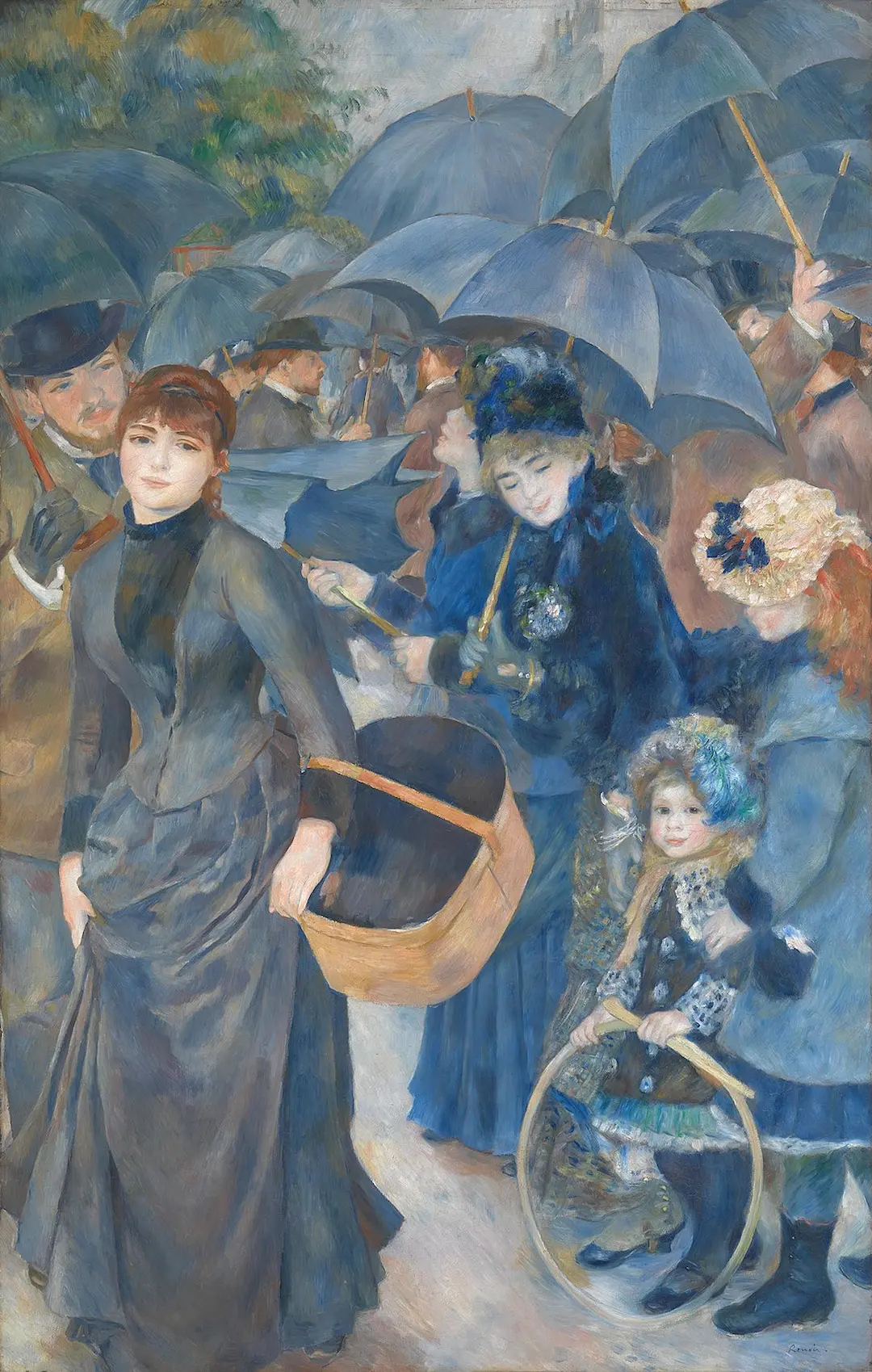
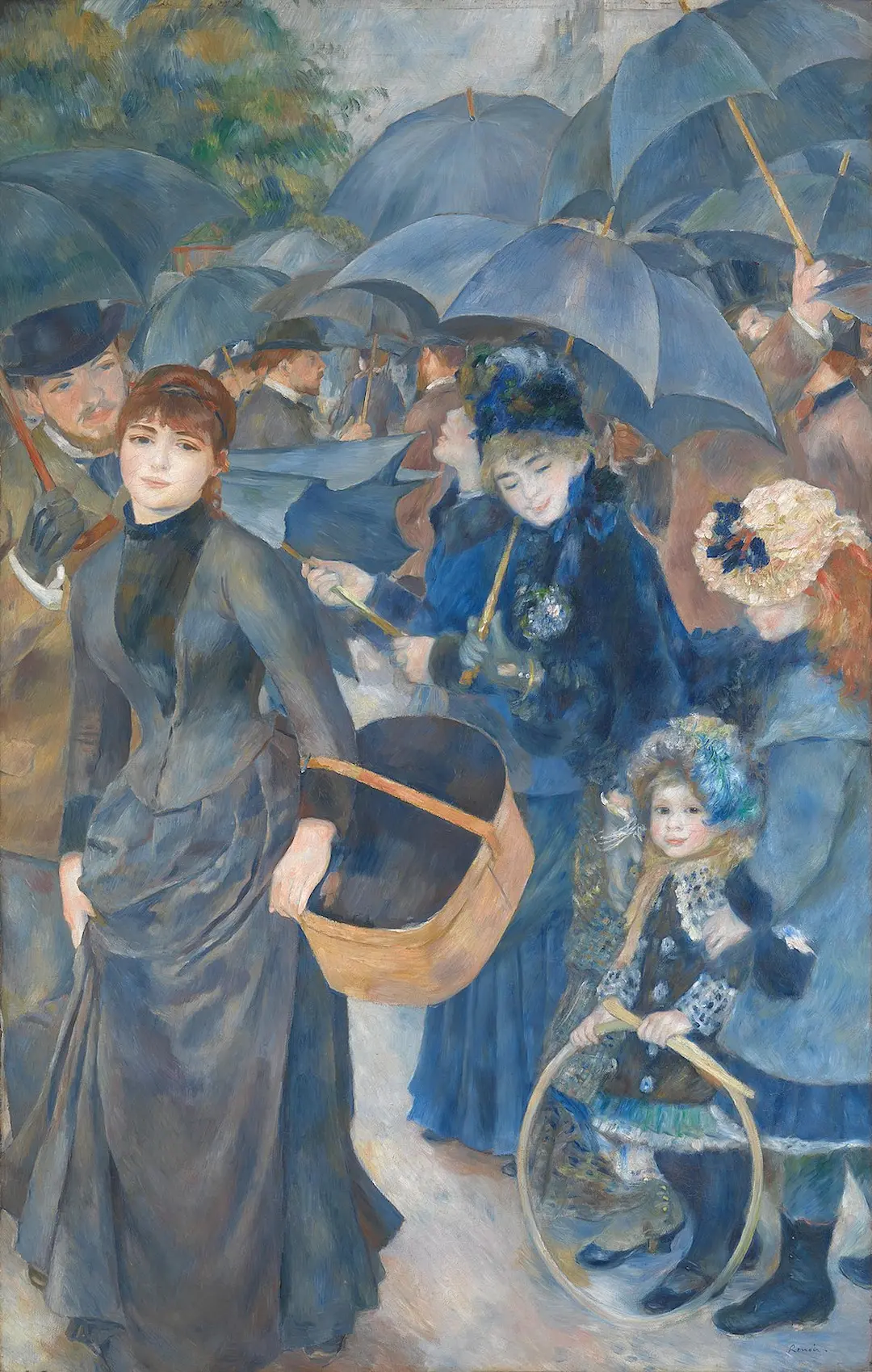
As a celebrated oil on canvas from the Impressionism movement, “La loge” remains a coveted piece among art collectors. Its enduring appeal lies in Renoir’s ability to blend sophistication and intimacy, making it a centerpiece in any collection. For those seeking a fine art painting for sale, exploring related products such as “Umbrellas” or “Girls At The Piano2” offers a chance to own a piece of Renoir’s artistic legacy.
When Art Meets History
Pierre Auguste Renoir’s masterpiece, "La loge," stands as a testament to the Impressionism movement, capturing the vibrancy of Parisian society in the late 19th century. This hand-painted oil painting mirrors the era’s fascination with modernity and social scenes, much like "Paris Street - Rainy Weather 1877" and "Sad Inheritance." Through "La loge," Renoir invites viewers to experience history and culture, solidifying his place among the great Impressionist artists.
Techniques That Speak
Renoir’s "La loge" showcases his signature use of oil on canvas, a medium he masterfully manipulated to create soft textures and luminous skin tones. The painting’s loose brushwork and delicate palette reflect the core techniques of Impressionism, also visible in works like "Water Lily Pond" and the "Houses of Parliament series." Renoir’s approach brings a sense of immediacy and realism, making "La loge" a celebrated example of oil on canvas artistry.
Emotions on Display
"La loge" is a fine art painting for sale that resonates with emotion, capturing the subtle interplay between the figures’ expressions and their luxurious surroundings. Renoir’s attention to detail conveys a sense of anticipation and curiosity, similar to the emotional depth found in "Children in the Sea, 1909." Through this Impressionist work, viewers are drawn into the characters’ world, experiencing the intrigue and elegance of Parisian theater life.
Coveted by Collectors
As one of Renoir’s most iconic pieces, "La loge" remains highly sought after by collectors of Impressionism. The painting’s historical significance and exquisite execution place it alongside masterpieces like "Sad Inheritance" and "Water Lily Pond." Whether displayed in a gallery or offered as a fine art painting for sale, "La loge" continues to captivate art lovers, affirming Renoir’s enduring influence in the world of hand-painted oil painting.
Related Impressionism Hand-Painted Oil Paintings by Other Artists
Other Famous Impressionism Artists:
Frequently Asked Questions About La loge
What is the historical context of La loge?
La loge was painted in 1874, during the Impressionist movement in France, a time when artists were exploring new techniques and subjects, moving away from traditional academic painting.
Who is the artist behind La loge?
The painting was created by Pierre Auguste Renoir, a prominent French painter known for his contributions to Impressionism and his focus on capturing light and human emotion.
What are the main themes represented in La loge?
The painting explores themes of social interaction, the role of women in society, and the dynamics of observation and performance within the context of a theater setting.
What artistic techniques did Renoir use in La loge?
Renoir employed loose brushwork and vibrant colors to convey the play of light and shadow, creating a sense of immediacy and intimacy in the scene.
What is the significance of the woman in La loge?
The woman in the painting symbolizes the modern woman of the late 19th century, embodying both elegance and independence as she engages with her surroundings.
How does La loge reflect Impressionist ideals?
La loge reflects Impressionist ideals through its emphasis on capturing a moment in time, the use of natural light, and the focus on everyday social experiences rather than historical or mythological themes.
What is the composition of La loge?
The composition features a woman seated in a theater box, with a male figure partially visible, creating a dynamic interplay between the subjects and the viewer's perspective.
How does the painting address the concept of viewing and being viewed?
La loge plays with the concept of viewing and being viewed, as the woman appears both as an observer of the performance and as an object of observation for the audience, highlighting social dynamics.
What role does color play in La loge?
Color in La loge is used to evoke mood and emotion, with warm tones enhancing the intimacy of the scene and contrasting with cooler shades to create depth and dimension.
What influence did La loge have on future art movements?
La loge influenced future art movements by paving the way for modern portrayals of social interactions and the exploration of individual identity within the context of public spaces.






















_GFM_Painting_(1).webp)


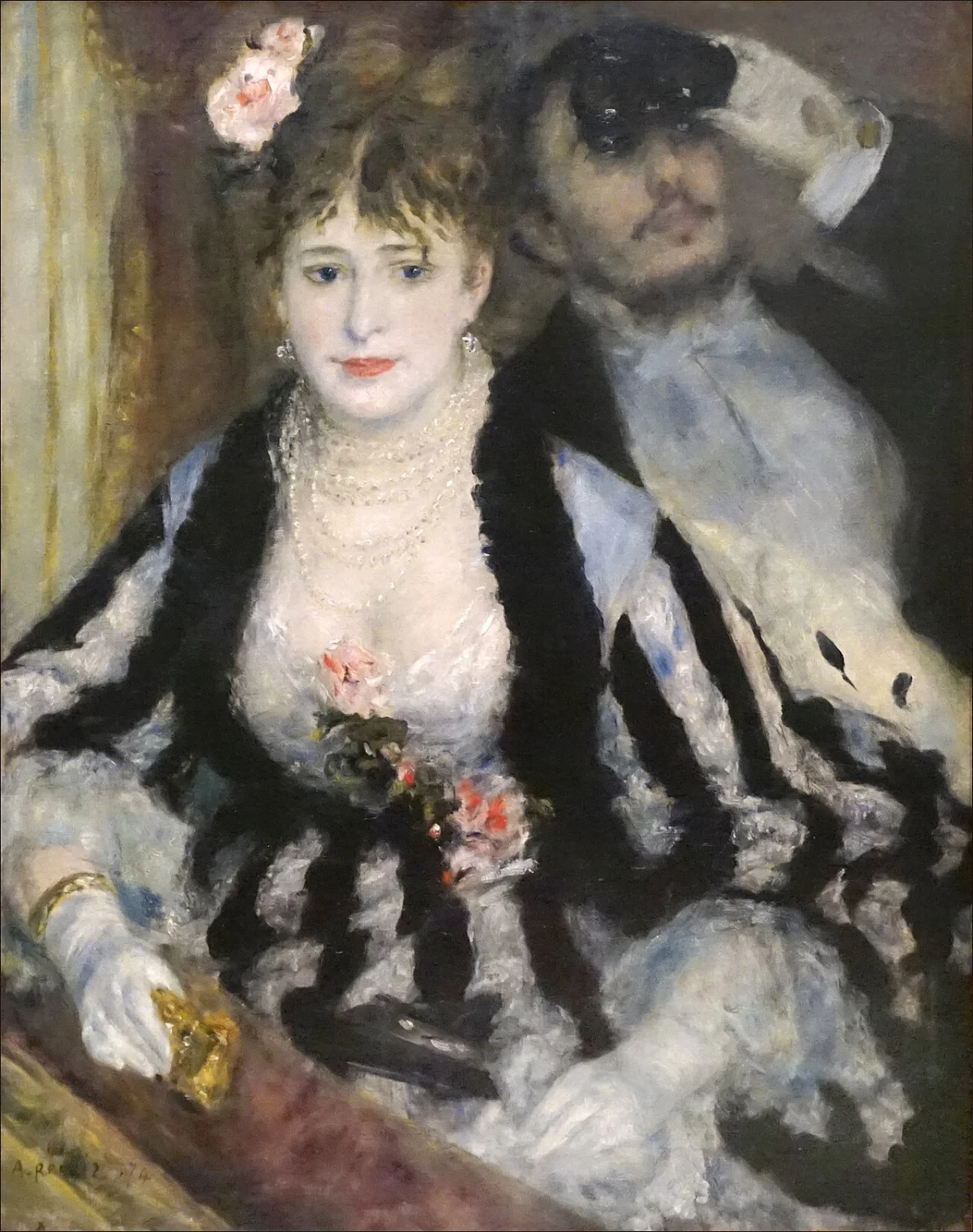
 100% Hand-Painted: Finished in 3-6 Weeks

.png)

















_(1).webp)