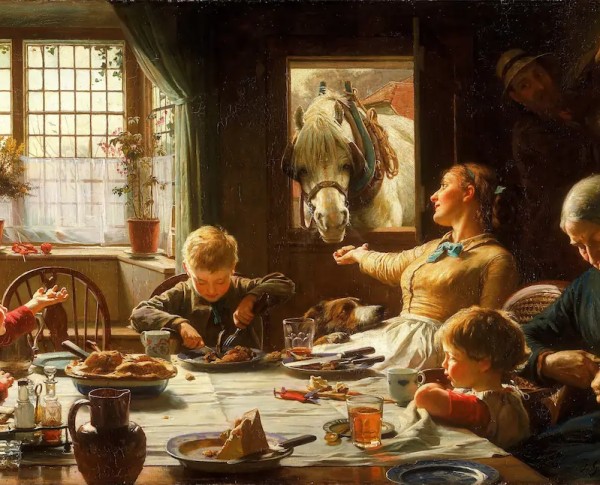
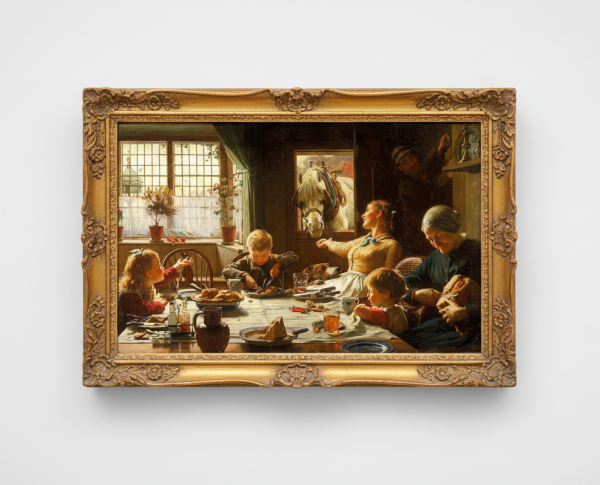
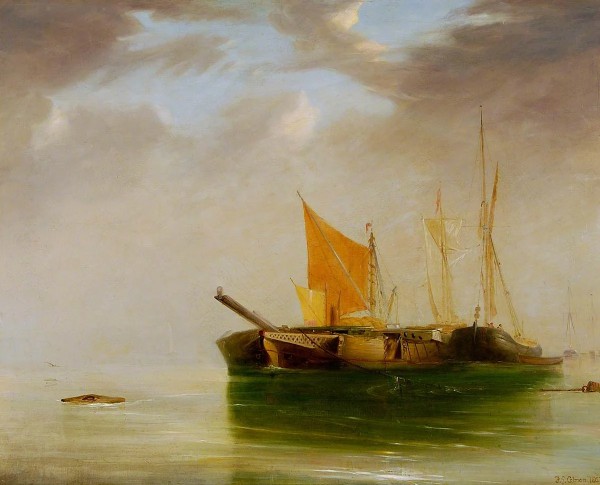
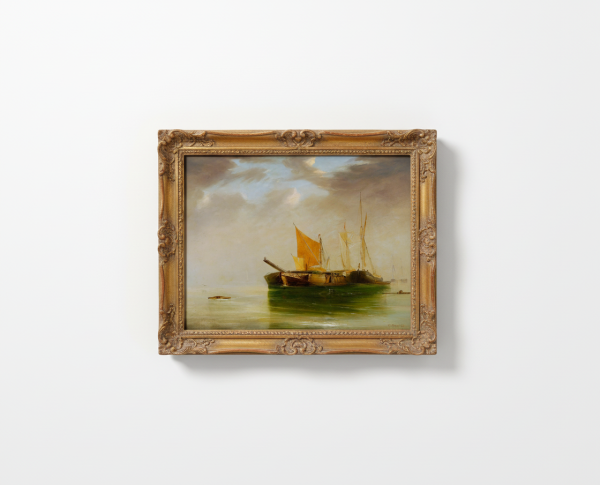
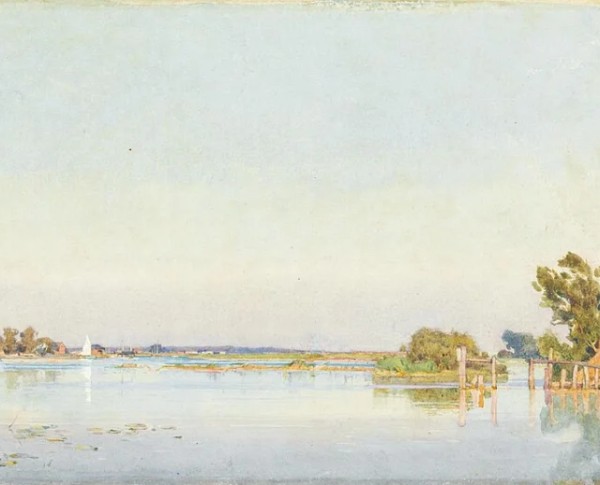
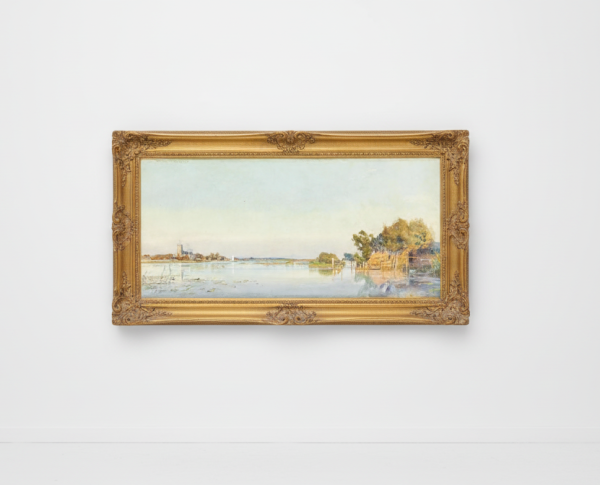
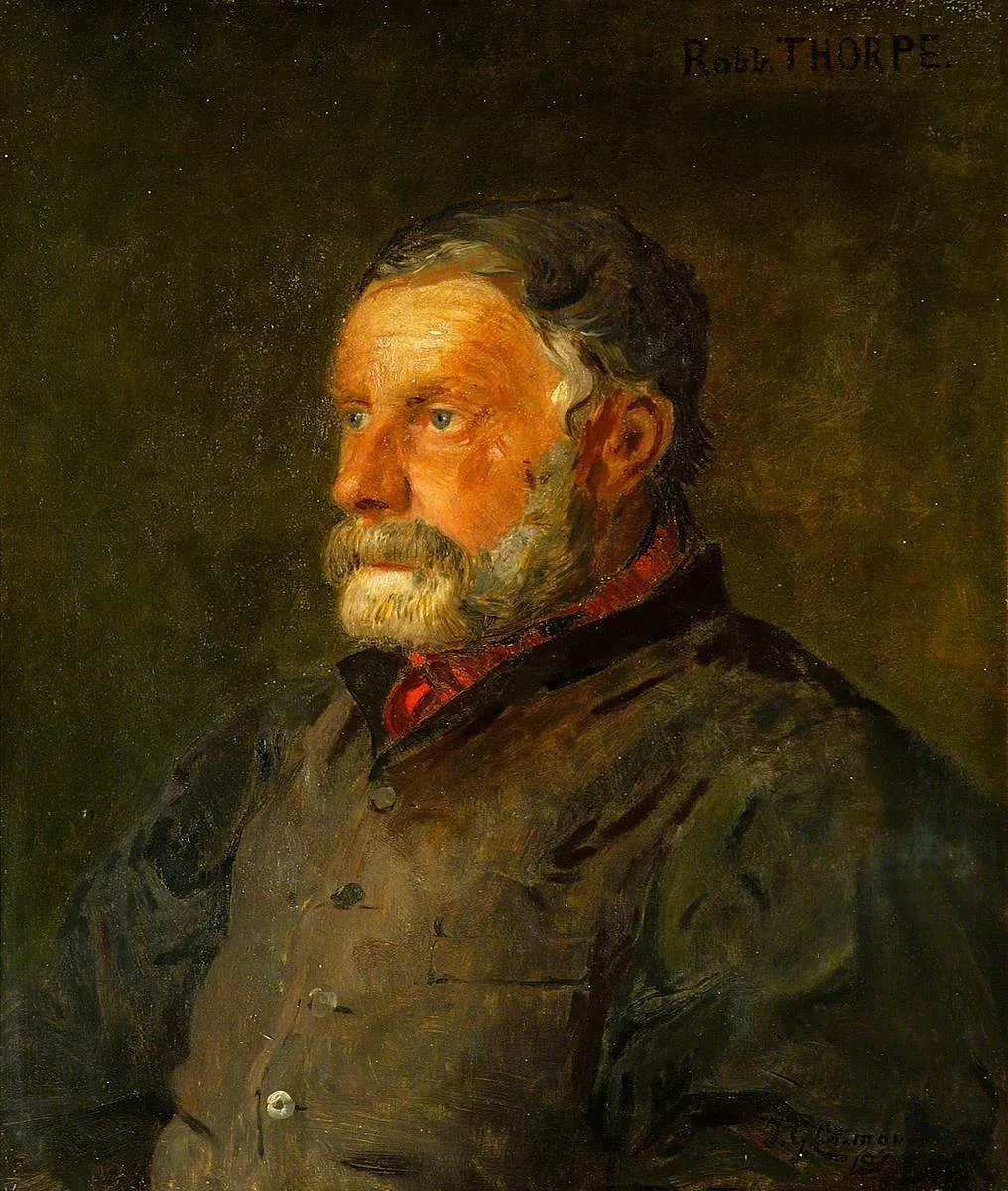
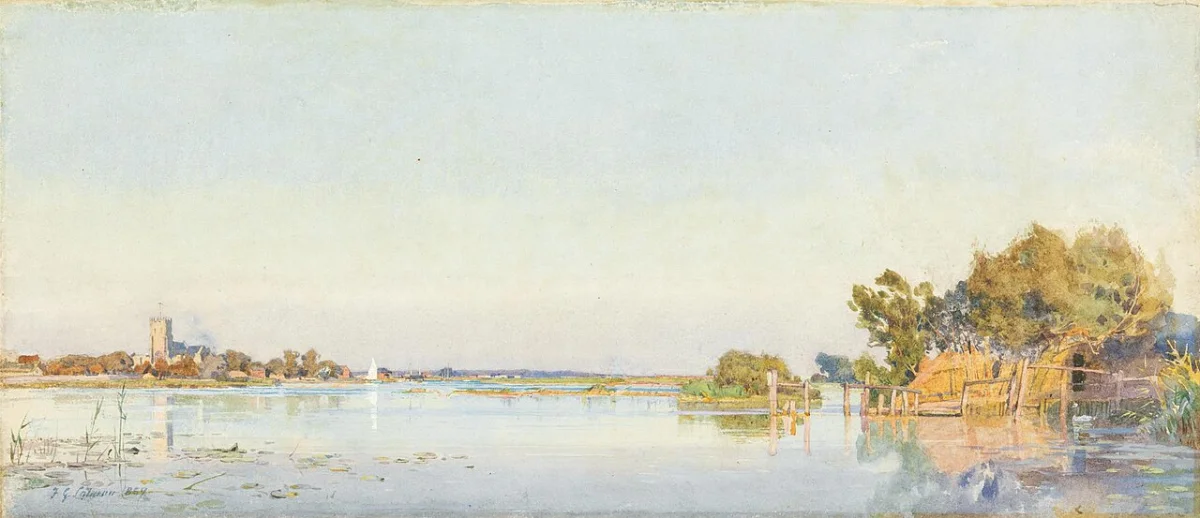
Frederick George Cotman’s mastery is evident in every brushstroke of "Robert Thorpe," an exquisite oil on canvas that exemplifies the technical prowess of Post-Impressionist artists. The meticulous attention to detail and vibrant palette breathe life into the portrait, demonstrating Cotman’s unique approach to capturing human character. Collectors seeking similar artistry often explore related works like "Morning Mist on the Orwell" and "A Flood Tide at Cley next the Sea" for their collections.
Every fine art painting for sale tells a unique story, and "Robert Thorpe" is no exception. Frederick George Cotman weaves subtle symbolism into his Post-Impressionist portraits, inviting viewers to interpret the narrative behind each gaze and gesture. This painting, along with related pieces such as "Norfolk" and "Fisherman at His Nets," offers a glimpse into the social and cultural fabric of its time, making it a compelling choice for art lovers.
For collectors seeking a distinguished addition, "Robert Thorpe" by Frederick George Cotman stands out as a fine art painting for sale that embodies the essence of Post-Impressionism. The painting’s provenance and connection to related works like "Spinning Thatch Bands" enhance its desirability. As with all hand-painted oil paintings from this period, it promises to elevate any collection with its historical significance and timeless beauty.
When Art Meets History
"Robert Thorpe" by Frederick George Cotman stands as a remarkable example of the Post-Impressionism movement, blending historical portraiture with innovative artistic styles. This hand-painted oil painting captures not only the essence of its subject but also the spirit of its era. Cotman’s work can be compared to related paintings like "The Potato Eaters" and "Boy Cutting Grass with a Sickle," which also reflect the profound connection between everyday life and artistic expression during this influential period.
Techniques That Speak
Frederick George Cotman’s masterful use of oil on canvas in "Robert Thorpe" showcases the vivid brushwork and color experimentation typical of Post-Impressionism. The artist’s technique brings depth and texture to the portrait, allowing viewers to appreciate the interplay of light and shadow. Similar to "Cail Factories and Quai of Grenelle" and "The Green Christ," this painting exemplifies how the medium of oil on canvas was used to push artistic boundaries and evoke a unique visual experience.
Emotions on Display
In "Robert Thorpe," Cotman conveys a profound sense of character and emotion, inviting viewers to connect with the subject on a personal level. The intensity and subtlety in the sitter’s expression reflect the Post-Impressionist focus on individual experience. This emotional depth is also found in works like "At Eternity’s Gate" and "The Potato Eaters," where artists use hand-painted oil painting techniques to reveal the complexities of human life and feeling.
Coveted by Collectors
As a striking example of Post-Impressionism, "Robert Thorpe" by Frederick George Cotman is a fine art painting for sale that draws the attention of discerning collectors. Its historical significance and technical mastery make it highly sought after, much like related works such as "The Green Christ" and "Boy Cutting Grass with a Sickle." Collectors value these paintings for their artistry and the way they encapsulate the spirit of their time within the broader art movement.
Related Post-Impressionism Hand-Painted Oil Paintings by Other Artists
Other Famous Post-Impressionism Artists:
Frequently Asked Questions About Robert Thorpe
Who is the artist of "Robert Thorpe"?
The painting "Robert Thorpe" was created by the artist Frederick George Cotman, a notable figure in the British art scene during the 19th century.
What is the historical context of "Robert Thorpe"?
What artistic techniques did Frederick George Cotman employ in this painting?
Cotman utilized a combination of oil painting techniques, including layering and glazing, to achieve depth and realism in the portrayal of Robert Thorpe.
What are the key themes represented in "Robert Thorpe"?
The painting explores themes of identity, social status, and the personal narrative of the subject, Robert Thorpe, highlighting the importance of individual stories in art.
How does "Robert Thorpe" reflect the characteristics of its time?
The painting exemplifies the Victorian fascination with realism and detail, as well as the era's emphasis on capturing the essence of the individual through portraiture.
What symbolism can be found in "Robert Thorpe"?
Symbolism in "Robert Thorpe" may include elements that represent the subject's profession or personal interests, which were often included in portraits to provide deeper insight into the individual.
What materials were used in the creation of "Robert Thorpe"?
Frederick George Cotman primarily used oil paints on canvas, a common medium for portraiture during the 19th century, allowing for rich colors and fine detail.
How does "Robert Thorpe" compare to other works by Cotman?
"Robert Thorpe" shares similarities with other portraits by Cotman in its attention to detail and psychological depth, while also showcasing his unique style and approach to character representation.
What influence did Cotman have on later artists?
Frederick George Cotman influenced later artists through his innovative techniques in portraiture and his ability to convey emotion and personality, paving the way for future developments in the genre.
Is there any notable history regarding the subject of the painting, Robert Thorpe?
Robert Thorpe was a prominent figure in his community, and his portrayal by Cotman reflects the significance of his contributions, as well as the artist's intent to immortalize his legacy through art.























_GFM_Painting_(1).webp)


 100% Hand-Painted: Finished in 3-6 Weeks

.png)















_(1).webp)