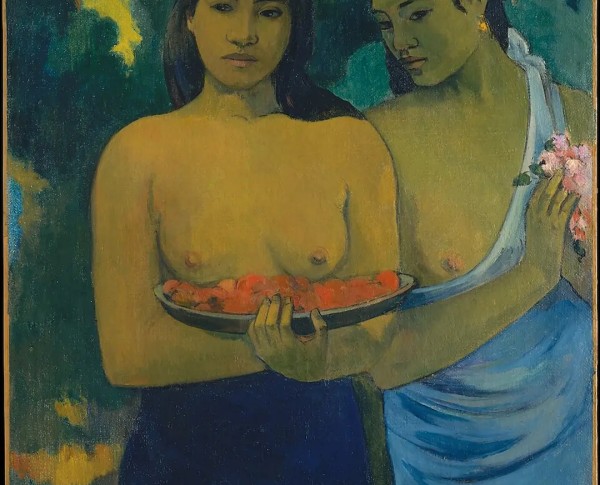
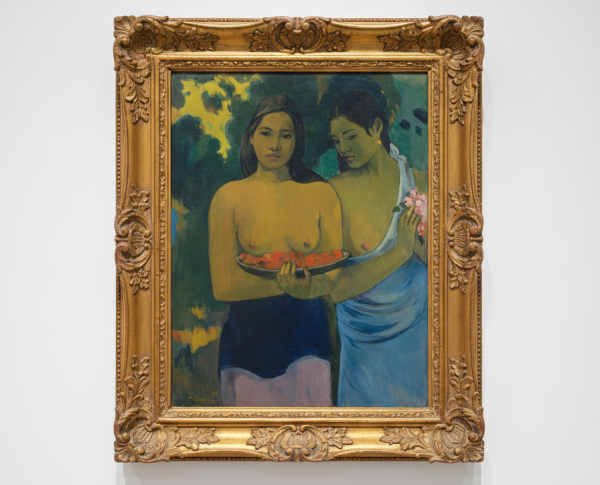
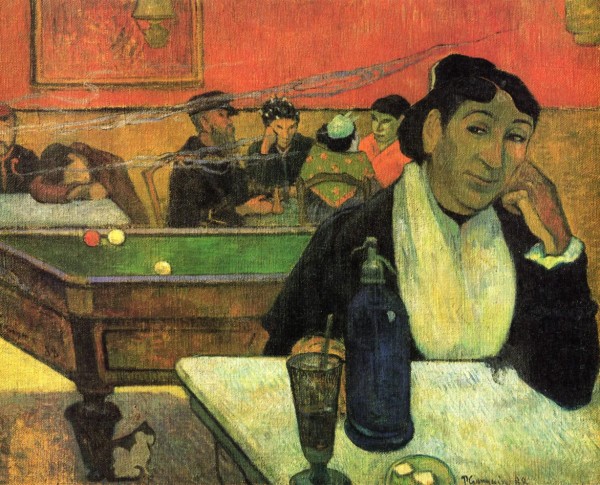
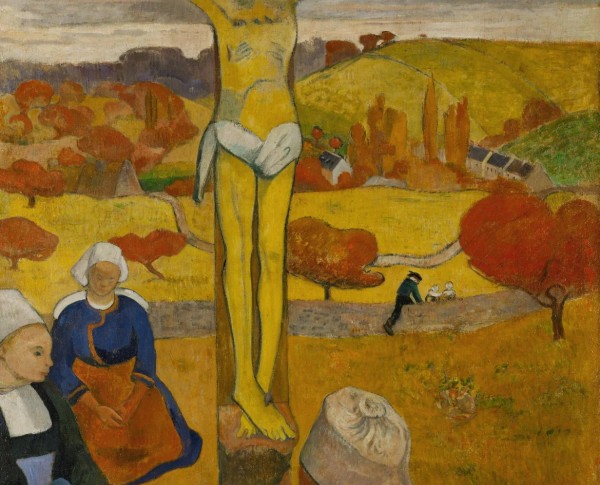
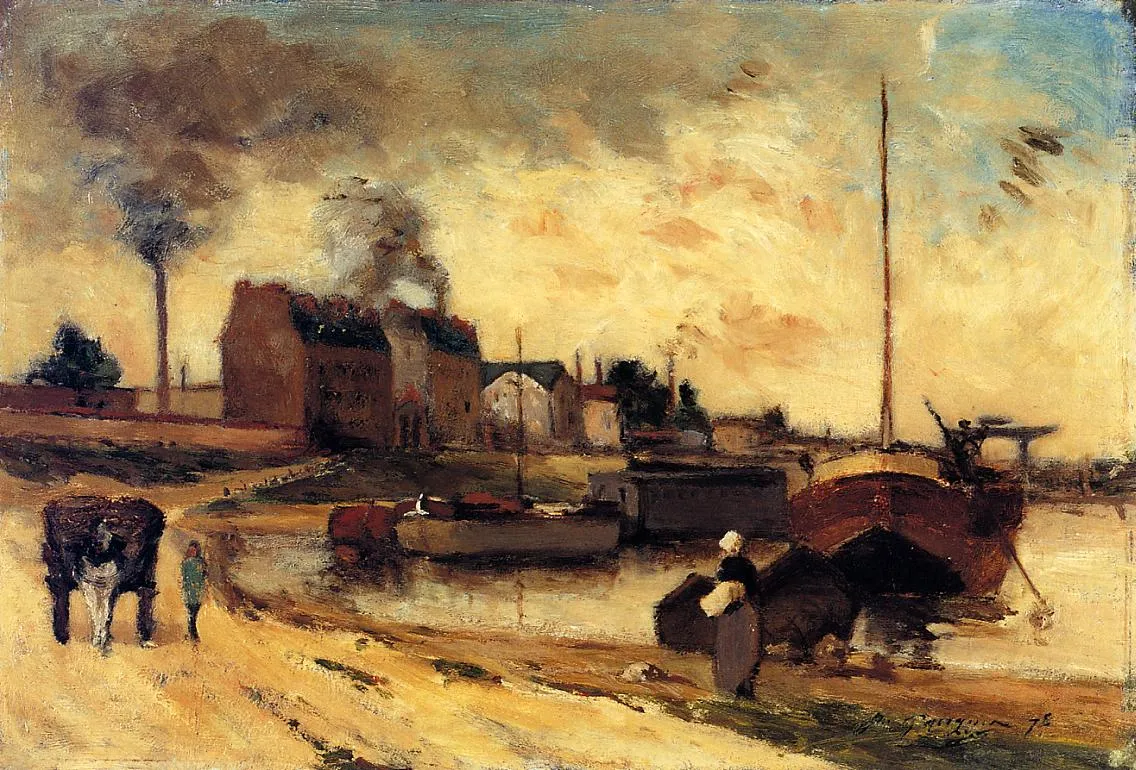
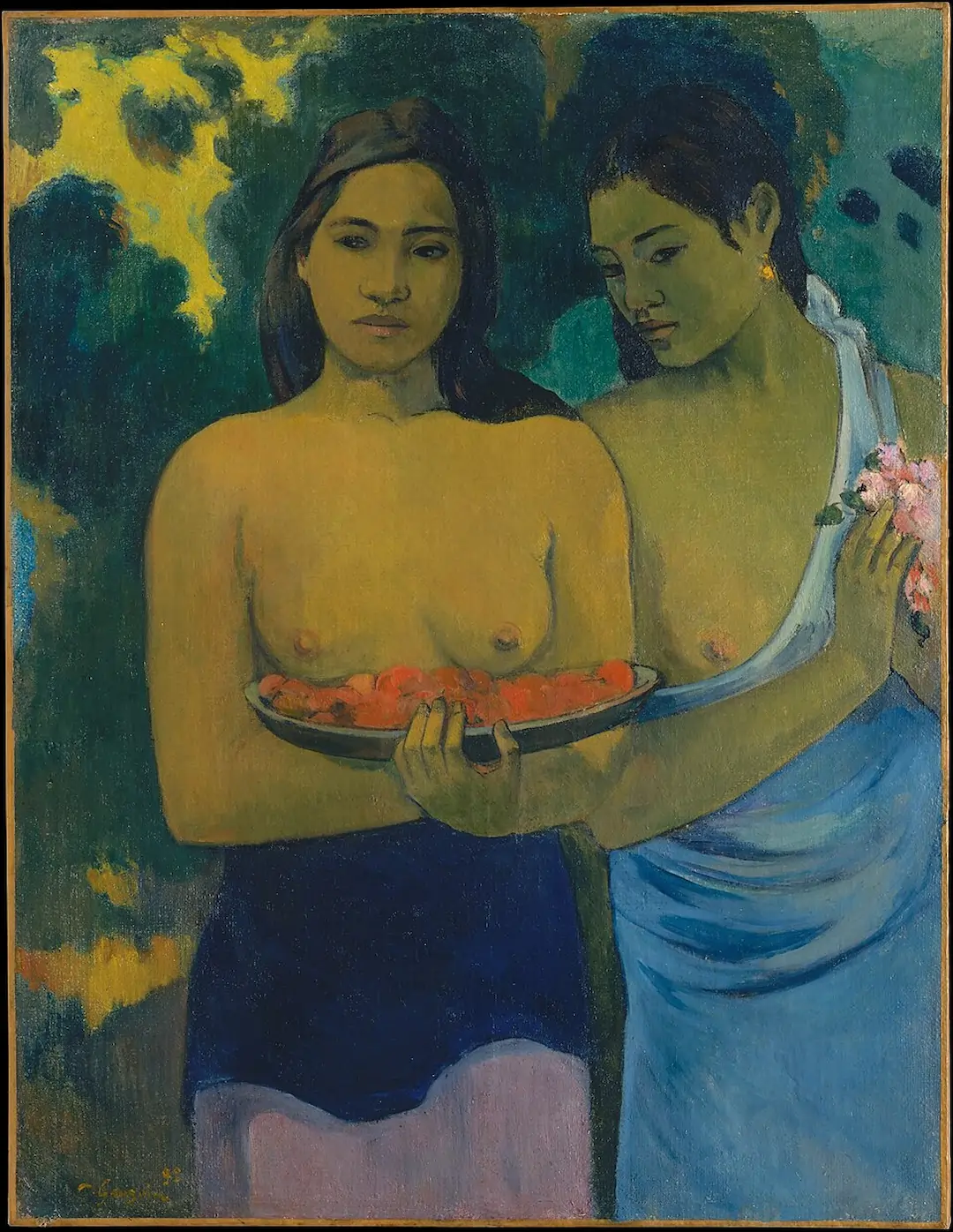
Gauguin’s mastery shines through in every brushstroke of this oil on canvas, where he skillfully balances structure and spontaneity. The painting’s vibrant palette and dynamic composition exemplify the Post-Impressionism ethos, demonstrating Gauguin’s ability to infuse industrial scenes with emotional depth. Collectors and enthusiasts of oil on canvas works frequently pair this piece with related products such as "Two Tahitian Women" and "In the forest Saint Cloud II" to enrich their collections.
"Cail Factories and Quai of Grenelle" is more than just a depiction of Parisian industry; it weaves stories and symbols into the urban landscape. Gauguin’s hand-painted oil painting captures the tension between progress and tradition, a theme central to Post-Impressionism. This narrative depth resonates with admirers of "Day of the God" and "Breton Landscape," making these fine art painting for sale options highly sought after by discerning collectors.
For collectors, owning "Cail Factories and Quai of Grenelle" by Paul Gauguin is a rare privilege. As a quintessential oil on canvas from the Post-Impressionism era, it commands admiration and value. This fine art painting for sale not only enhances any collection but also complements related products like "The Forest Path" and "Day of the God," offering a cohesive glimpse into Gauguin’s transformative artistic journey and the enduring allure of his masterpieces.
When Art Meets History
"Cail Factories and Quai of Grenelle" by Paul Gauguin is a remarkable example of the Post-Impressionism movement, capturing the industrial spirit of late 19th-century Paris. This hand-painted oil painting transports viewers to a pivotal time when art and urban development intersected. Like "Austin Friars Church, London" and "Morning Mist on the Orwell," Gauguin’s work documents historical landscapes, allowing us to witness both the beauty and transformation of the city through his unique artistic vision.
Techniques That Speak
Paul Gauguin’s mastery in "Cail Factories and Quai of Grenelle" is evident through his expressive brushwork and bold color palette, hallmarks of oil on canvas. As seen in related works such as "Cafe Terrace on the Place du Forum," Gauguin’s Post-Impressionist techniques break from traditional realism, emphasizing mood over detail. This painting’s texture and depth draw the viewer in, offering a tactile sense of the scene that only oil on canvas can provide.
Emotions on Display
The emotional resonance in "Cail Factories and Quai of Grenelle" is palpable, as Paul Gauguin uses color and composition to evoke both the vibrancy and isolation of industrial Paris. This fine art painting for sale, like "On Deeside" and "Town d'Avray: L'Etang au Batelier," captures a fleeting moment in time, inviting viewers to reflect on the human experience amid progress. Gauguin’s Post-Impressionist style ensures each brushstroke conveys a depth of feeling.
Coveted by Collectors
As a significant Post-Impressionist work, "Cail Factories and Quai of Grenelle" by Paul Gauguin is highly sought after by art enthusiasts. Its status as a hand-painted oil painting adds to its allure, much like the appeal found in related masterpieces. Collectors value Gauguin’s ability to merge historical context with artistic innovation, making this fine art painting for sale an essential addition to any serious collection of 19th-century art.
Related Post-Impressionism Hand-Painted Oil Paintings by Other Artists
Other Famous Post-Impressionism Artists:
Frequently Asked Questions About Cail Factories and Quai of Grenelle
What is the historical context of "Cail Factories and Quai of Grenelle"?
"Cail Factories and Quai of Grenelle" was painted by Paul Gauguin in 1886, during a time when industrialization was rapidly transforming Paris. The painting reflects the juxtaposition of urban development and the natural landscape, capturing the essence of a changing society.
What artistic techniques did Gauguin employ in this painting?
Gauguin utilized bold colors and strong brushstrokes to convey emotion and movement. His use of simplified forms and a flattened perspective is characteristic of his post-impressionist style, which sought to express deeper meanings beyond mere representation.
What themes are explored in "Cail Factories and Quai of Grenelle"?
The painting explores themes of industrialization versus nature, the impact of modernity on traditional life, and the tension between human progress and environmental preservation. It invites viewers to reflect on the consequences of industrial growth.
How does the painting reflect Gauguin's artistic philosophy?
Gauguin believed in the importance of subjective experience and emotional expression in art. "Cail Factories and Quai of Grenelle" embodies this philosophy by prioritizing emotional resonance over realistic representation, showcasing his desire to capture the essence of a moment.
What symbolism can be found in the painting?
The factories in the background symbolize the encroachment of industrialization, while the river and natural elements represent the enduring beauty of nature. This contrast serves as a commentary on the balance between progress and preservation.
In what way does this painting relate to Gauguin's other works?
This painting can be seen as a precursor to Gauguin's later works, where he increasingly focused on exotic themes and symbolism. It marks a transition in his artistic journey, reflecting his growing discontent with modern life and his search for deeper meaning.
What is the significance of the location depicted in the painting?
The Quai of Grenelle was a prominent area in Paris, known for its industrial activities. By choosing this location, Gauguin highlights the stark realities of urban life and the transformation of the city, which was a significant theme in 19th-century art.
How did contemporary audiences react to "Cail Factories and Quai of Grenelle"?
Contemporary audiences had mixed reactions to Gauguin's work. While some appreciated his innovative use of color and form, others were critical of his departure from traditional artistic conventions. The painting was part of the broader dialogue about modernity in art.
What role does color play in "Cail Factories and Quai of Grenelle"?
Color plays a crucial role in conveying emotion and atmosphere in the painting. Gauguin's use of vibrant hues contrasts the industrial elements with the natural surroundings, enhancing the thematic tension between man-made and natural environments.
How does "Cail Factories and Quai of Grenelle" fit into the broader movement of Post-Impressionism?
This painting exemplifies Post-Impressionism through its emphasis on personal expression, abstraction, and the exploration of symbolic content. Gauguin's work paved the way for future movements, influencing artists to prioritize emotional depth and subjective interpretation over realism.






















_GFM_Painting_(1).webp)


 100% Hand-Painted: Finished in 3-6 Weeks

.png)















_(1).webp)