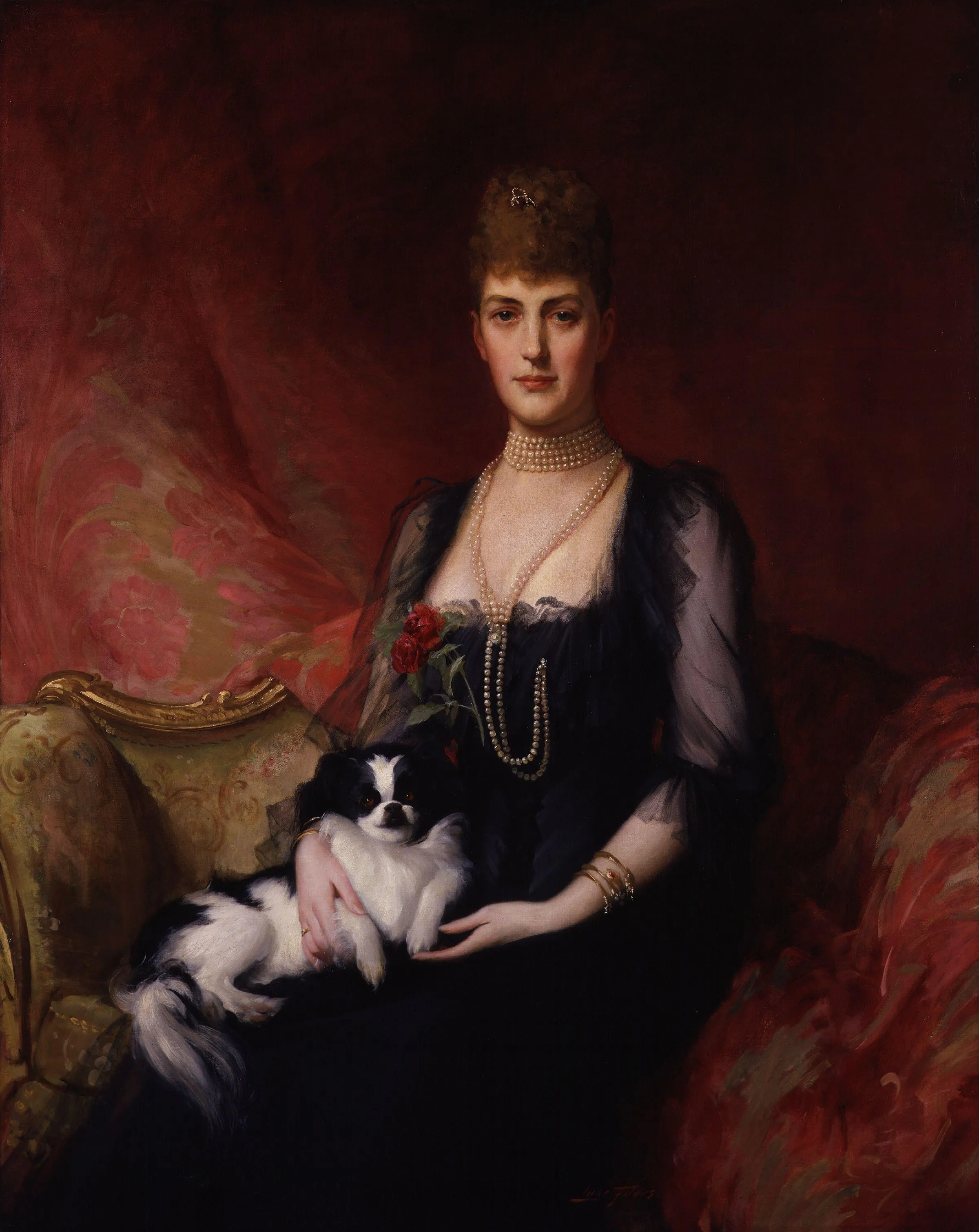
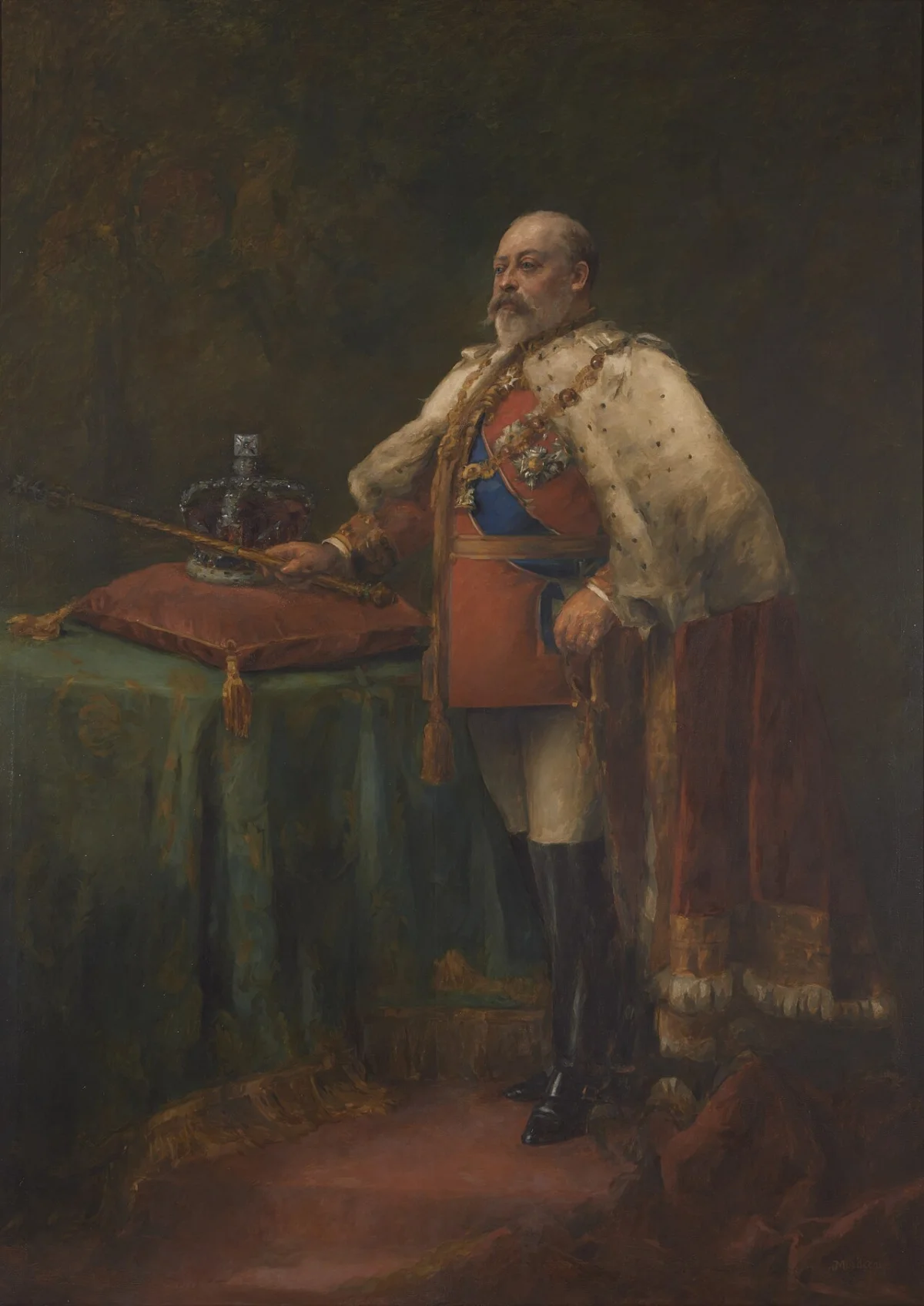
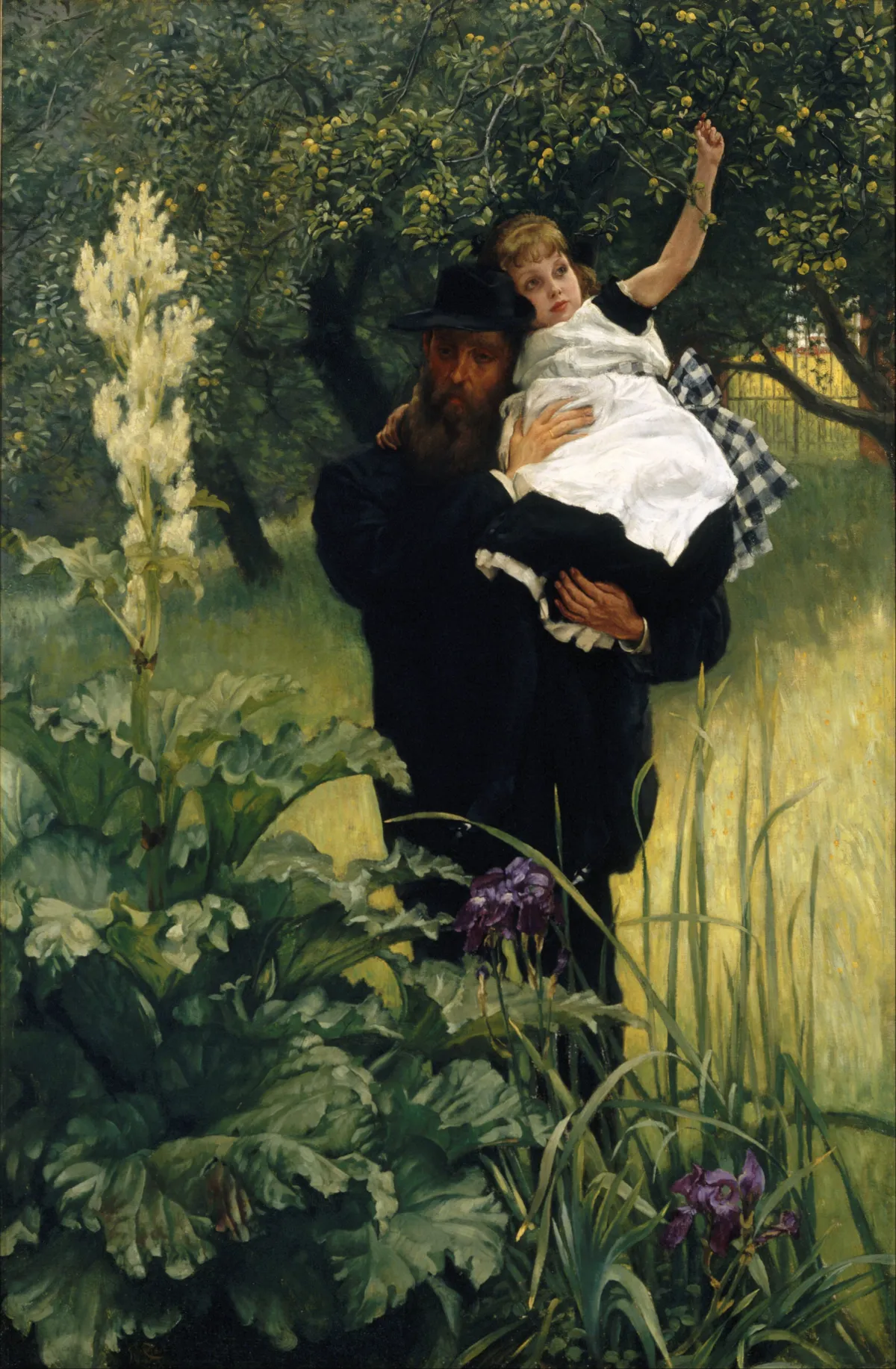
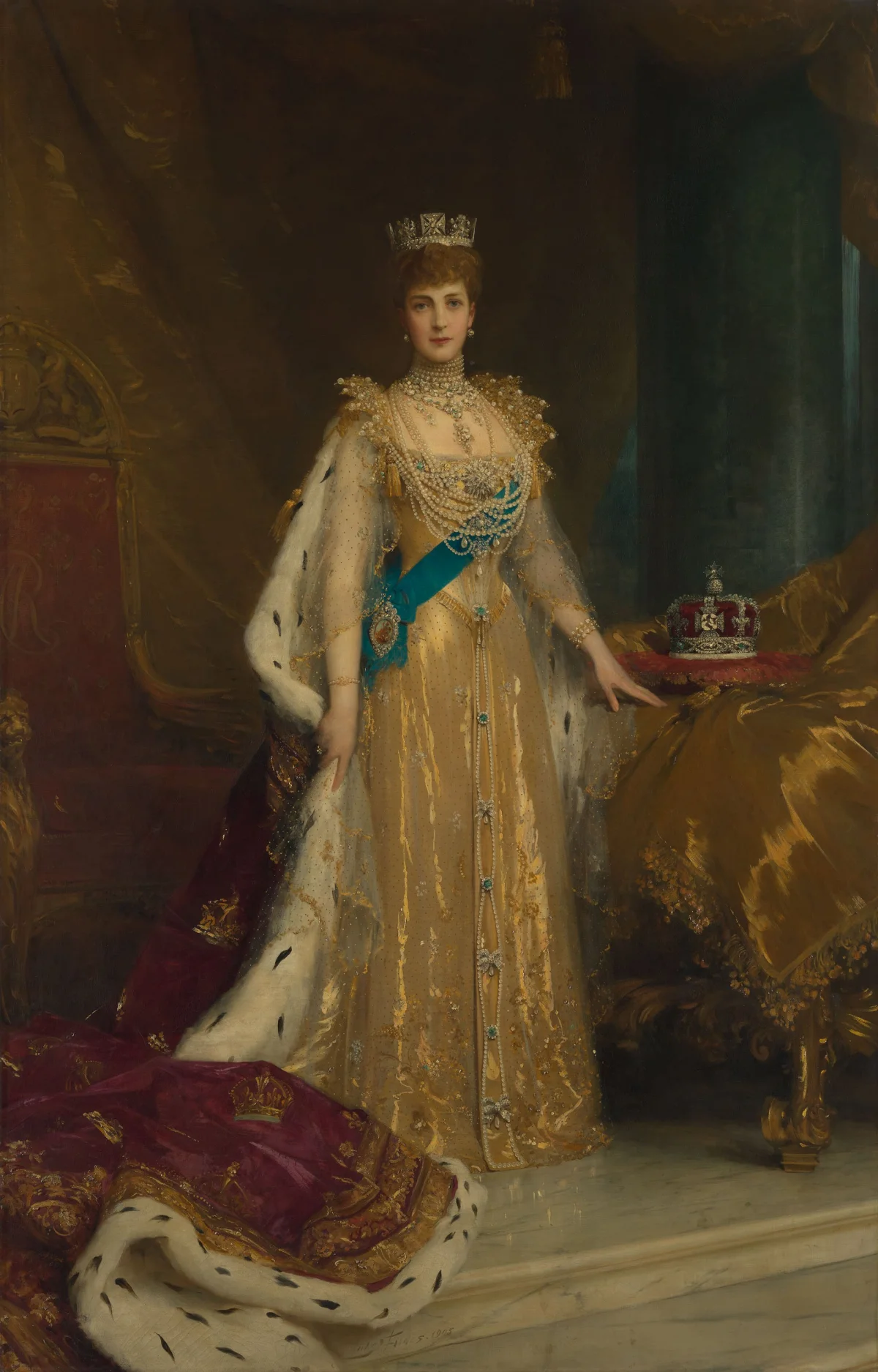
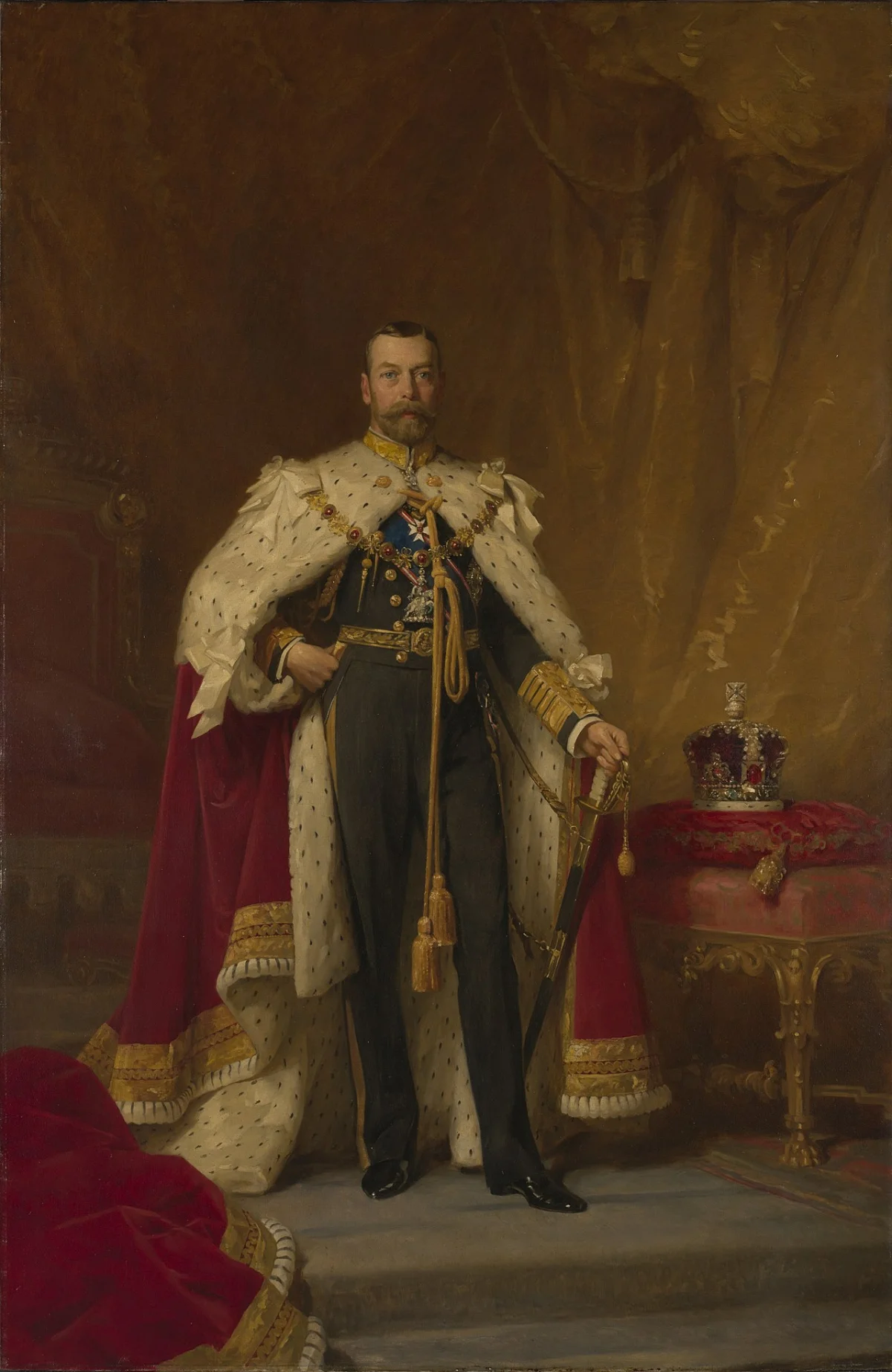
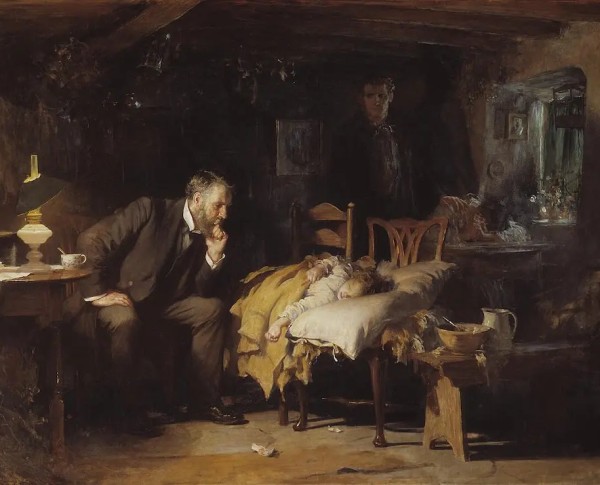
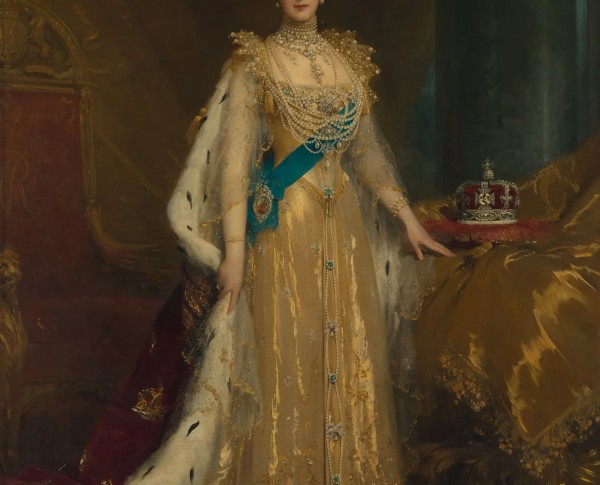
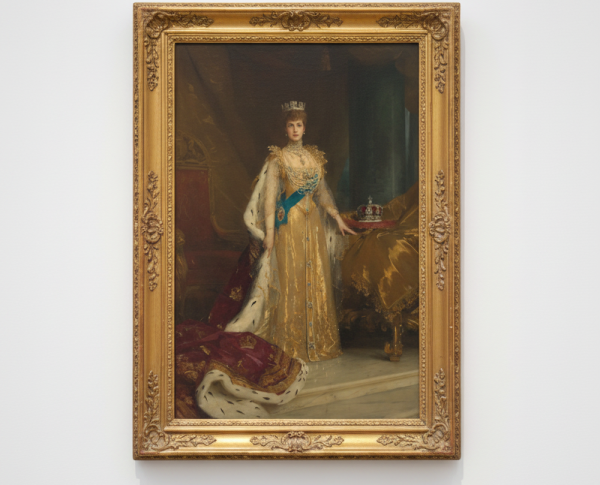
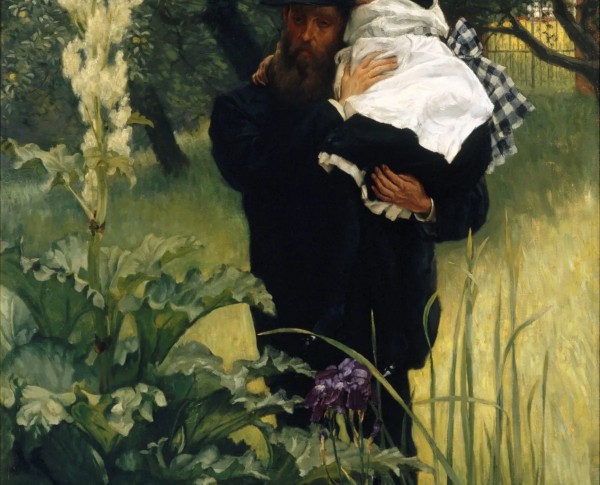
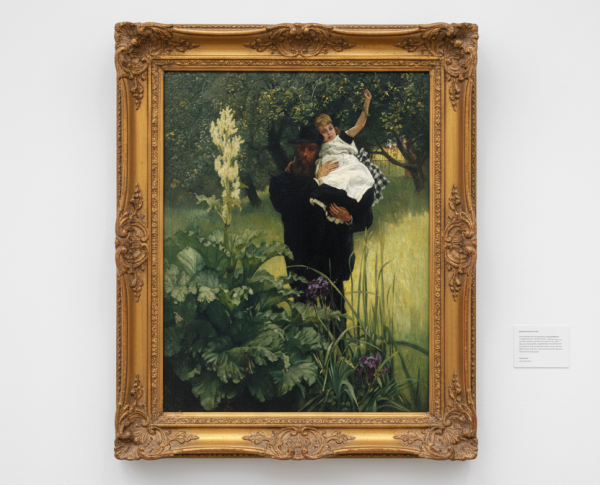
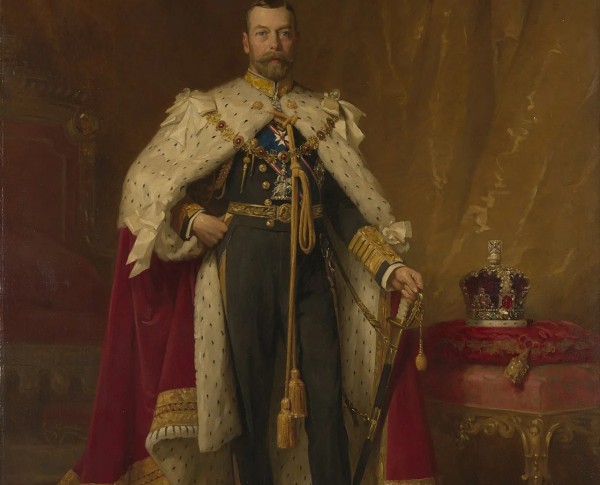
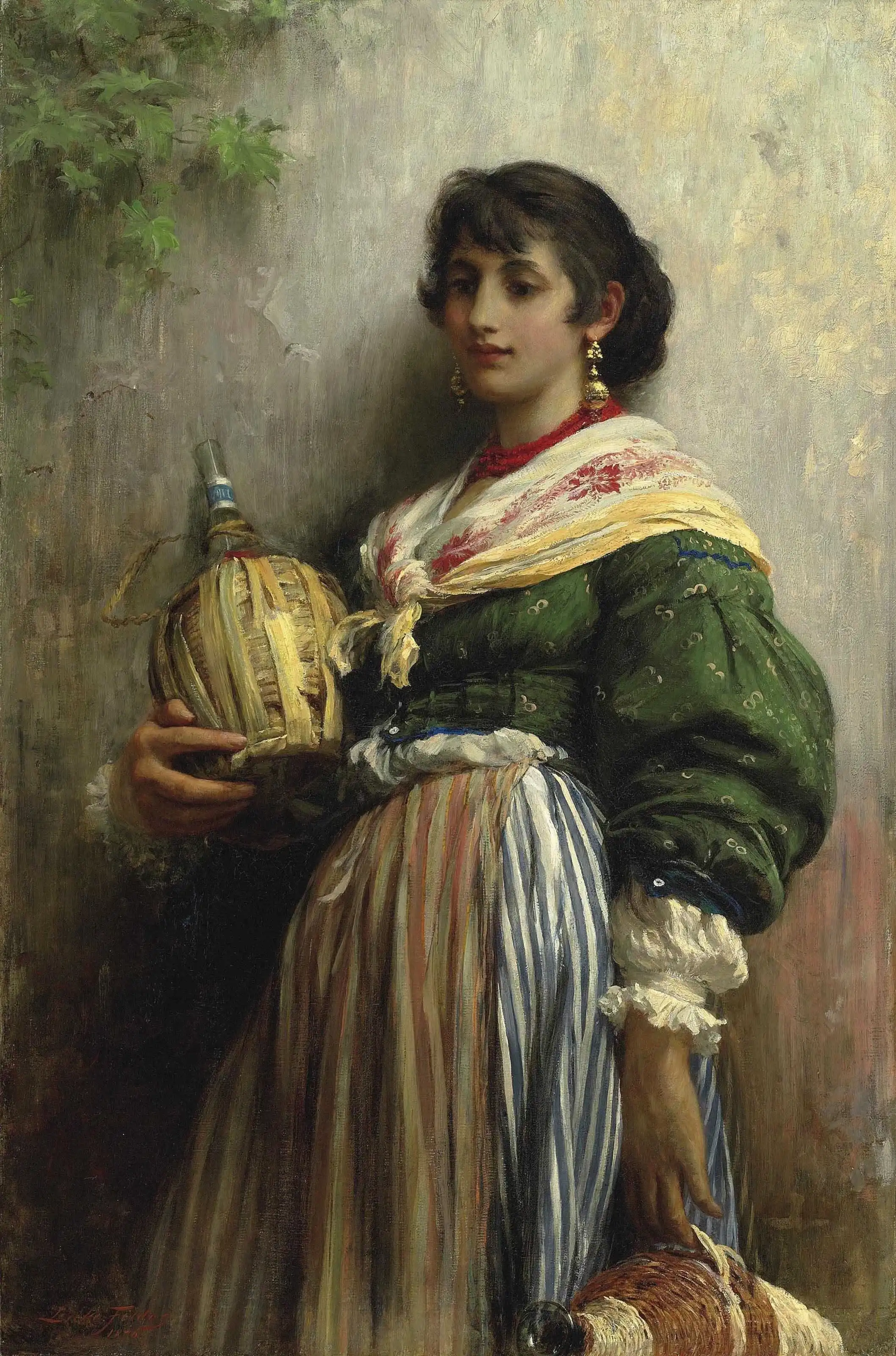
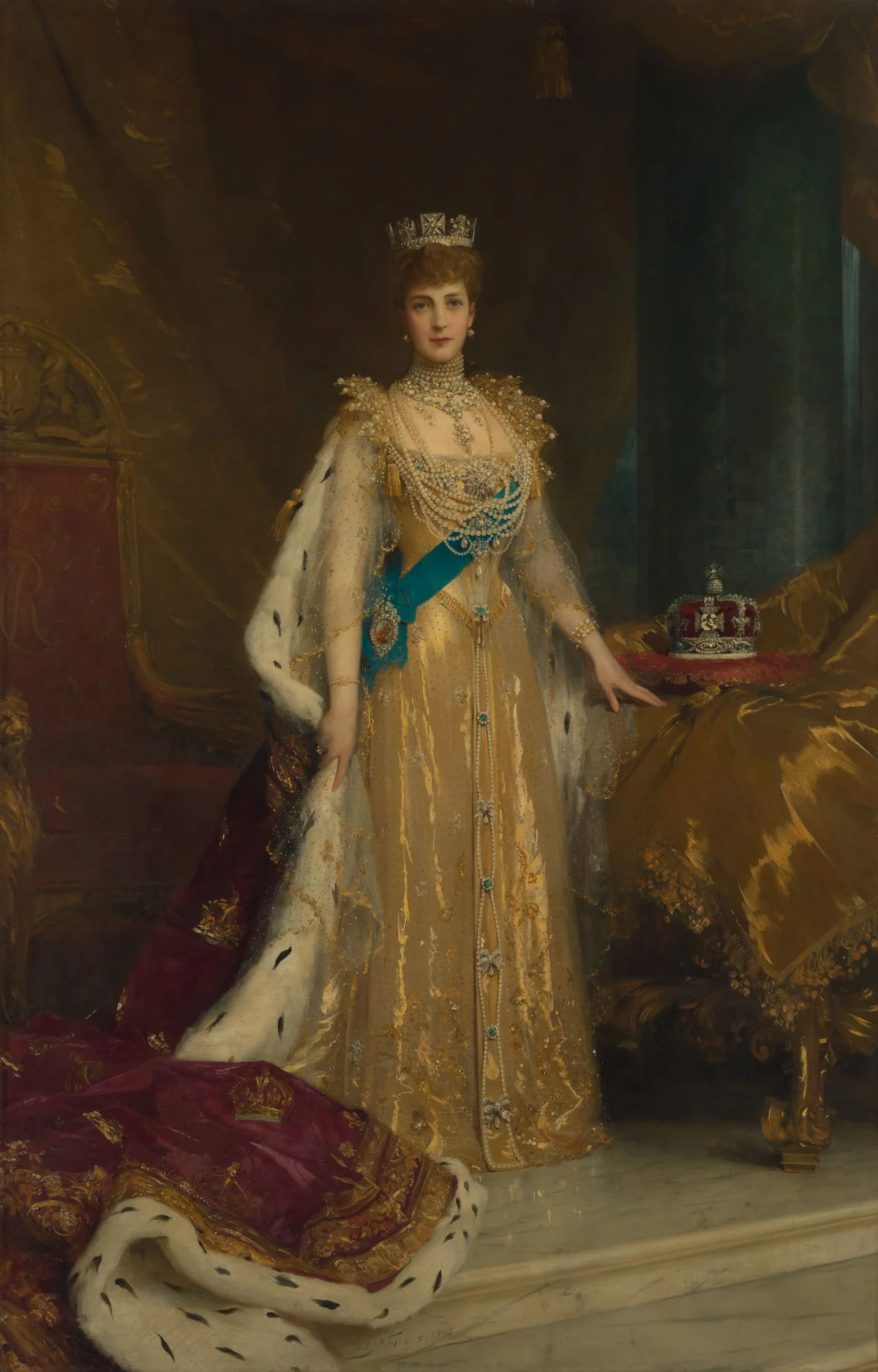
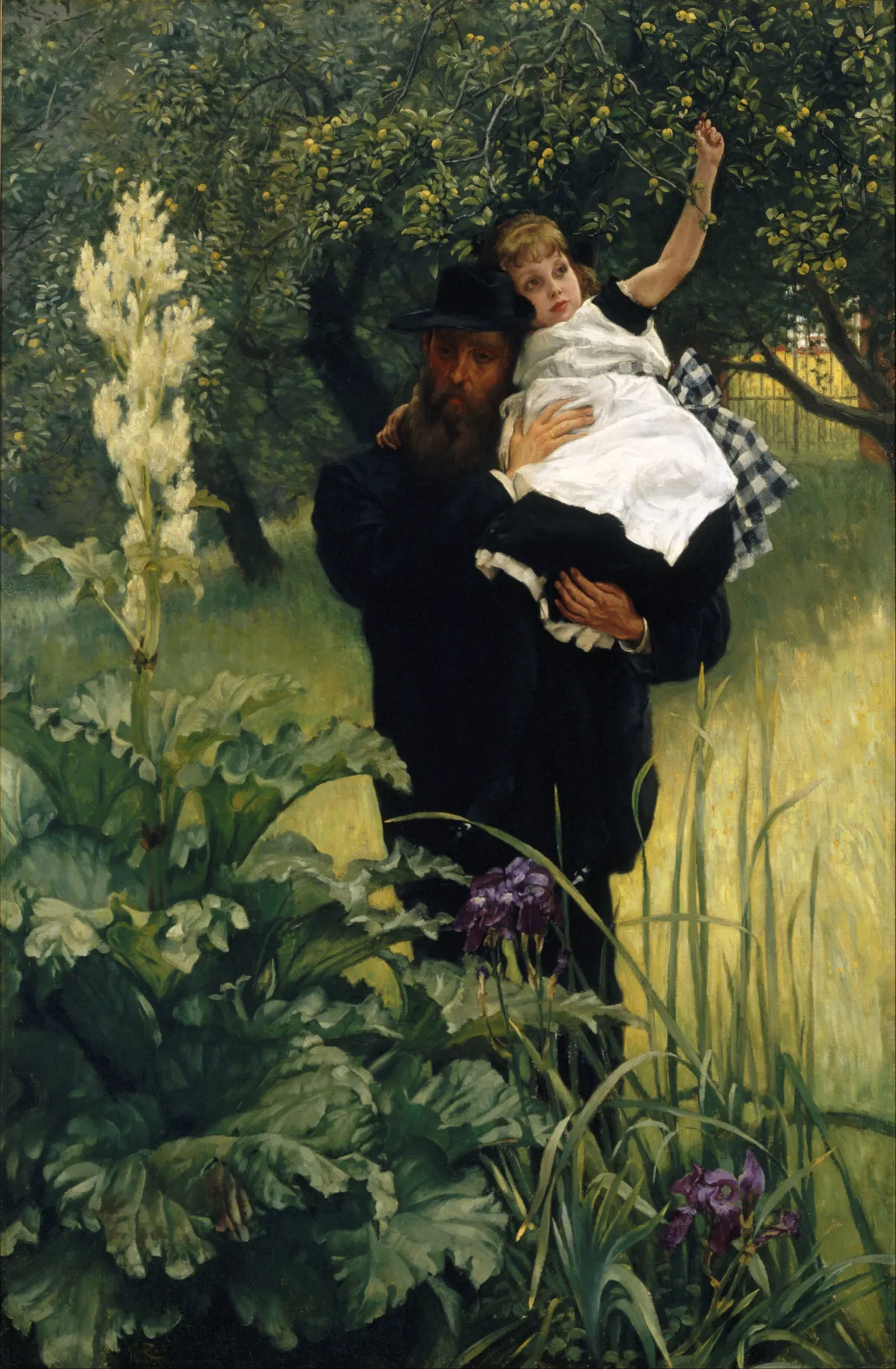
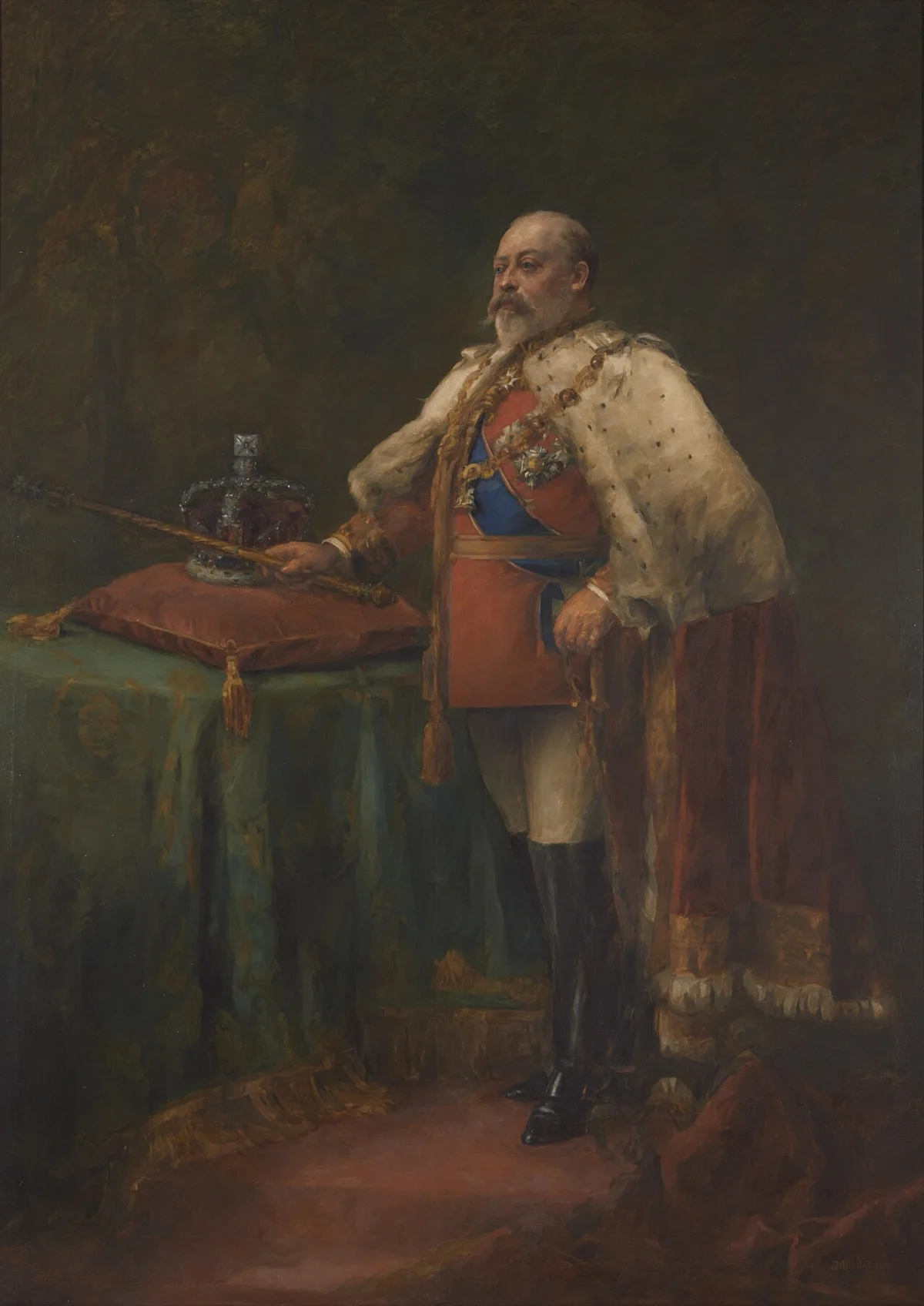
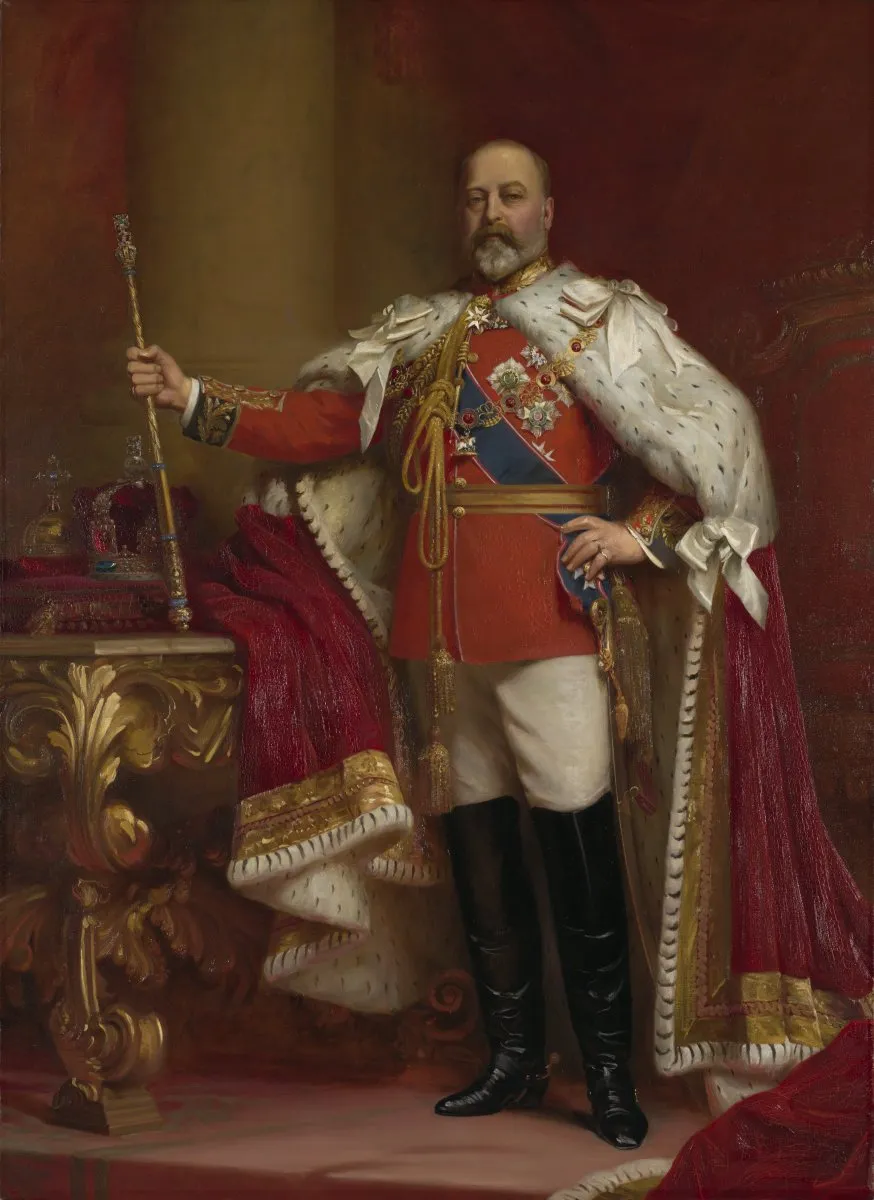
Samuel Luke Fildes’ "Rosa Siega" demonstrates exceptional technique, with each brushstroke bringing life and depth to the scene. The oil on canvas medium allows for rich textures and subtle gradations of color, hallmarks of the Social Realism movement. Fildes’ meticulous attention to detail is also present in his other works, such as "King Edward VII" and "Protector Of The Craft", making his paintings highly desirable among collectors of historical art.
"Rosa Siega" is more than a fine art painting for sale; it is a narrative woven with social commentary and human emotion. Samuel Luke Fildes masterfully uses symbolism to reflect the realities of his time, a defining feature of Social Realism. Comparable pieces like "HM King Edward VII" and "King Edward VII, Reigned 10" also reveal layers of meaning, inviting viewers to explore the deeper stories behind each composition.
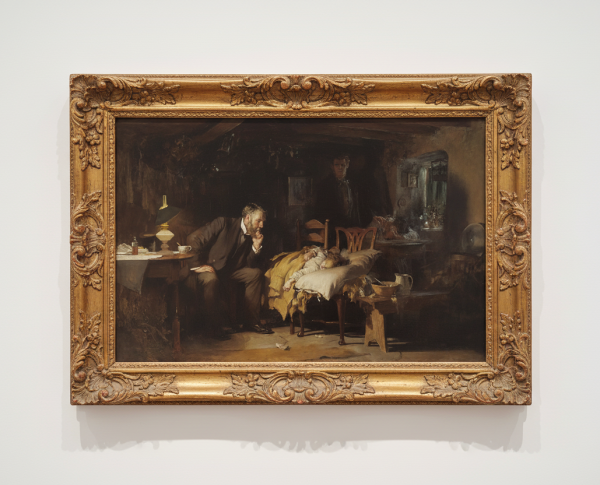
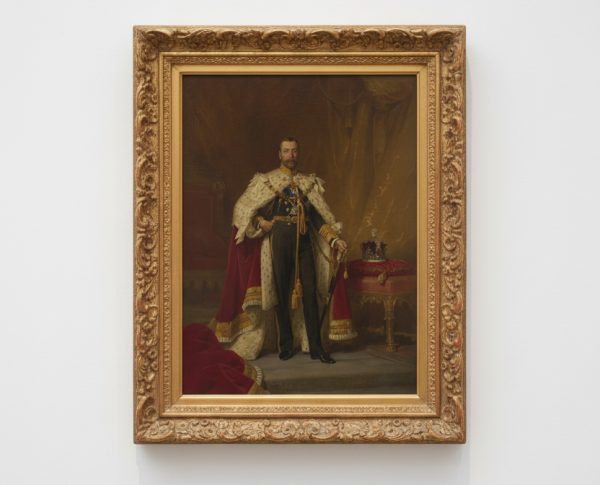
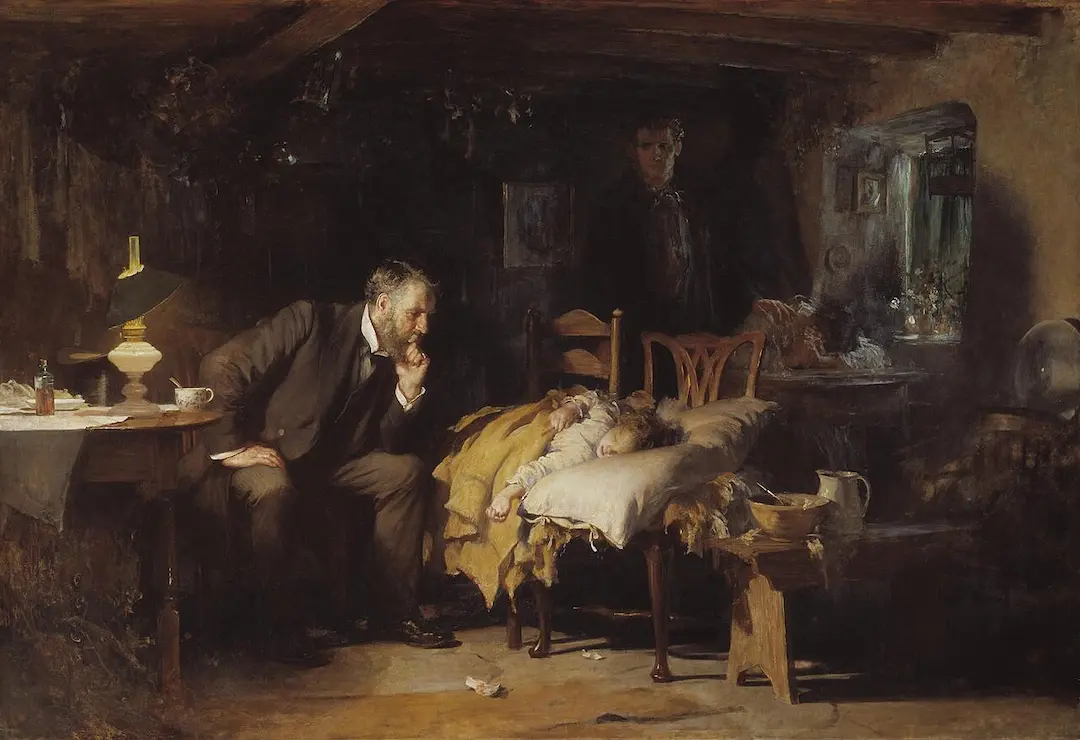
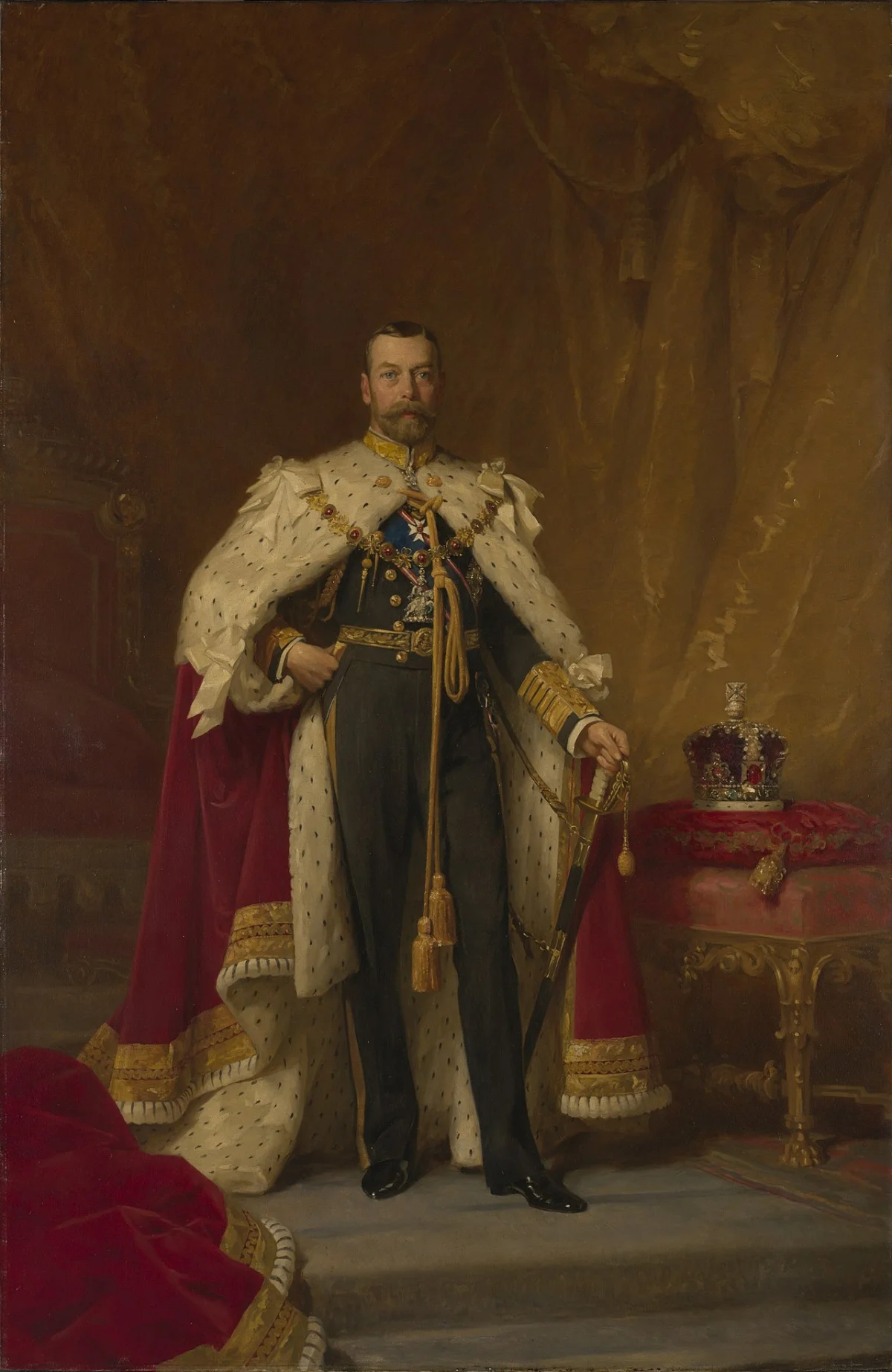
Owning "Rosa Siega" by Samuel Luke Fildes means acquiring a piece of art history rooted in the Social Realism movement. This hand-painted oil painting not only exemplifies Fildes’ skill but also enhances any collection with its cultural significance. Collectors often pair this masterpiece with related works such as "The Doctor" or "King George V (1865-1936)" for a comprehensive display of Fildes’ impact on fine art and society.
When Art Meets History
Samuel Luke Fildes, a prominent figure in the Social Realism movement, created "Rosa Siega" as a testament to the everyday struggles and triumphs of ordinary people. This hand-painted oil painting captures the essence of life in the late 19th century, offering viewers a window into the historical context of its time. Fildes’ mastery in portraying social issues aligns "Rosa Siega" with other impactful works, making it a significant piece in the evolution of fine art.
Techniques That Speak
Using the traditional method of oil on canvas, Samuel Luke Fildes brings "Rosa Siega" to life with intricate brushwork and careful attention to detail. The texture and depth achieved in this fine art painting showcase Fildes’ technical prowess, which is characteristic of the Social Realism movement. His ability to manipulate light and shadow not only highlights the subject but also enhances the overall narrative, making this artwork a true masterpiece among oil paintings.
Emotions on Display
In "Rosa Siega," Samuel Luke Fildes channels deep emotion through expressive faces and evocative body language, hallmarks of Social Realism. The viewer is invited to empathize with the subject’s quiet dignity and strength, themes often explored in Fildes’ portfolio. This hand-painted oil painting resonates with authenticity, drawing connections to the human experience and making it a compelling choice for those seeking a meaningful fine art painting for sale.
Coveted by Collectors
"Rosa Siega" by Samuel Luke Fildes remains a sought-after piece among connoisseurs of Social Realism. The painting’s masterful execution and historical significance elevate its status in the art market. Collectors value the unique narrative and technical excellence found in this oil on canvas, as well as its connection to the broader movement. For anyone searching for a fine art painting for sale, "Rosa Siega" represents both artistic and cultural investment.
Frequently Asked Questions About Rosa Siega
What is the historical context of "Rosa Siega"?
"Rosa Siega" was created during the late 19th century, a time characterized by significant social and artistic changes in Europe. The painting reflects the transition from Romanticism to Realism, showcasing the artist's engagement with contemporary themes and everyday life.
Who is the artist behind "Rosa Siega"?
The painting "Rosa Siega" was created by Samuel Luke Fildes, a prominent British painter known for his depictions of social realism and his ability to convey deep emotional narratives through his work.
What artistic techniques are employed in "Rosa Siega"?
Fildes utilizes a combination of chiaroscuro and detailed realism in "Rosa Siega," which enhances the emotional depth of the subject. The careful attention to light and shadow creates a three-dimensional effect, drawing the viewer into the scene.
What themes are explored in "Rosa Siega"?
The painting explores themes of innocence, vulnerability, and the passage of time. It captures a moment of reflection, inviting viewers to contemplate the emotional states of the figures depicted.
What is the significance of the title "Rosa Siega"?
The title "Rosa Siega" translates to "Rose Harvest" in English, symbolizing the fleeting nature of beauty and life. The rose serves as a metaphor for both the fragility and the richness of human experience.
How does "Rosa Siega" reflect the social issues of its time?
The painting reflects the social issues of the late 19th century, particularly the struggles of the working class. Fildes often focused on the lives of ordinary people, and "Rosa Siega" serves as a poignant commentary on their experiences.
What influences can be seen in Fildes' style in "Rosa Siega"?
Fildes' style in "Rosa Siega" shows influences from both the Pre-Raphaelite movement and the emerging Realist movement. His attention to detail and emotional expression aligns with the ideals of these artistic movements.
In what ways does "Rosa Siega" convey emotion?
The emotional impact of "Rosa Siega" is conveyed through the expressions and postures of the figures, as well as the use of color and light. The intimate composition invites viewers to connect with the subjects on a personal level.
What role does color play in "Rosa Siega"?
Color in "Rosa Siega" plays a crucial role in setting the mood and highlighting the emotional undertones of the painting. The warm tones evoke a sense of nostalgia, while cooler shades create contrast and depth.
How has "Rosa Siega" been received by critics and art historians?
"Rosa Siega" has been praised for its technical skill and emotional resonance. Critics and art historians often highlight Fildes' ability to blend realism with a poetic sensibility, making the painting a significant work in his oeuvre.























_GFM_Painting_(1).webp)


 100% Hand-Painted: Finished in 3-6 Weeks

.png)















_(1).webp)