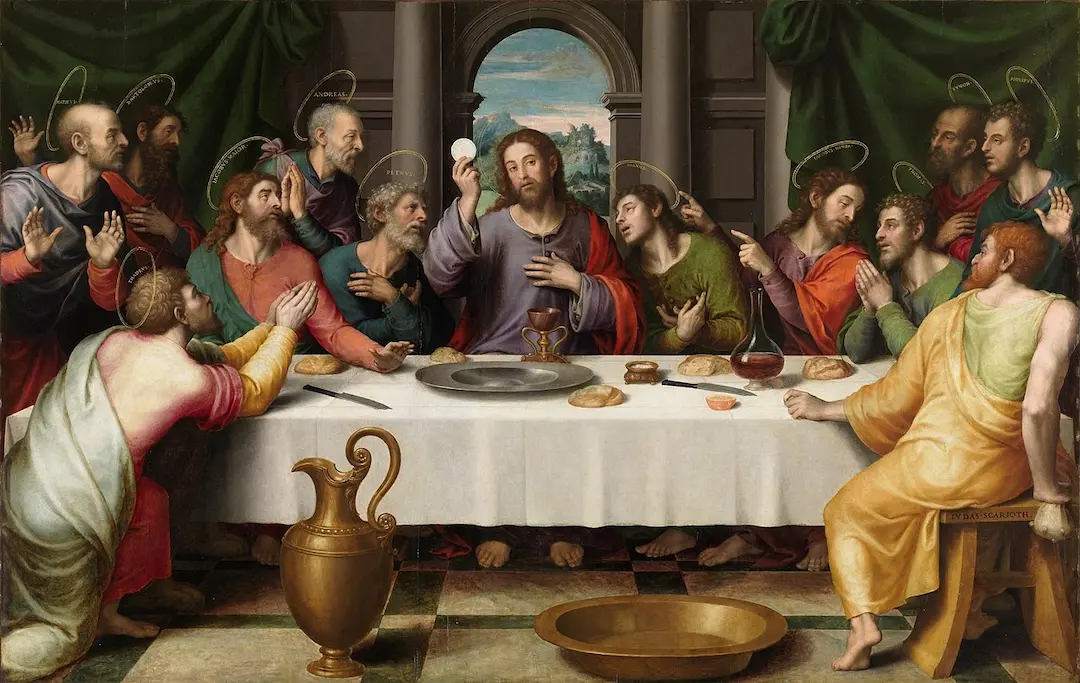
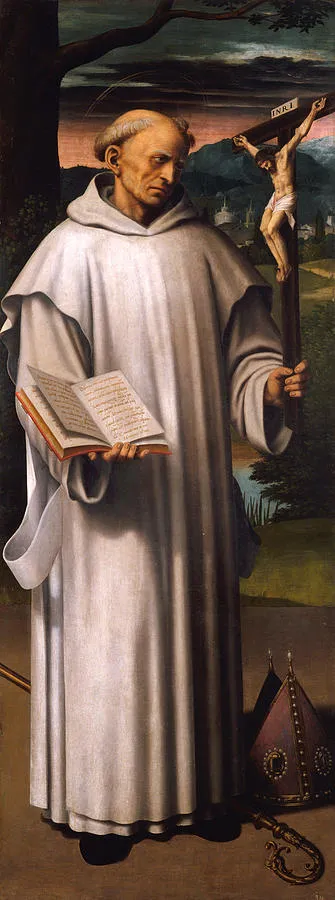
"Saint Bruno" by Vicente Juan Juan de Juanes, also known as Macip, stands as a testament to the Spanish Renaissance movement. This remarkable hand-painted oil painting captures the spiritual depth and artistic mastery that defined the era. The work shares its cultural legacy with related masterpieces such as "San Esteban Conducido Al Martirio" and "San Esteban Acusado De Blasfemo," offering art enthusiasts a glimpse into the profound religious themes that shaped Spanish art history.
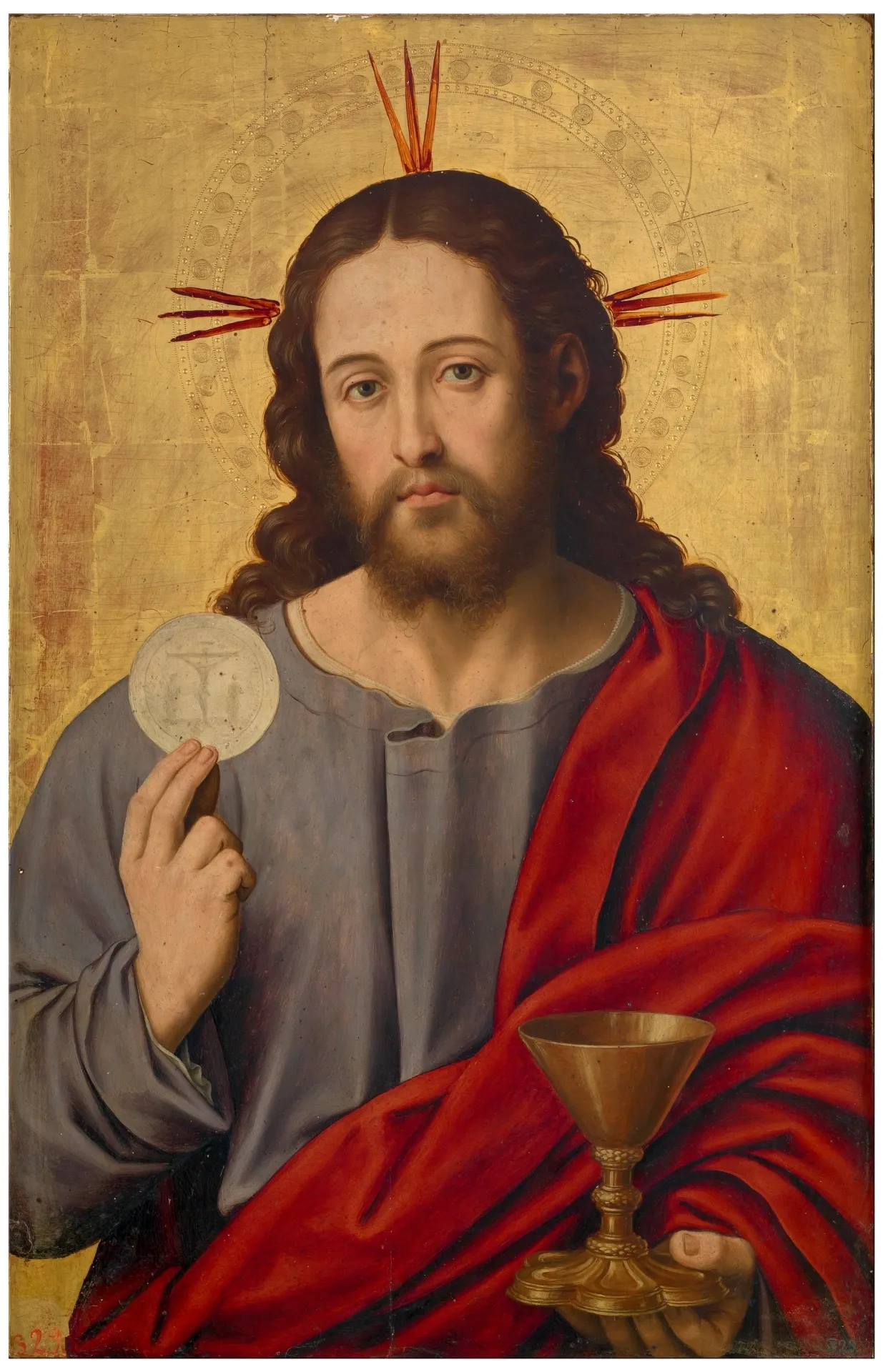
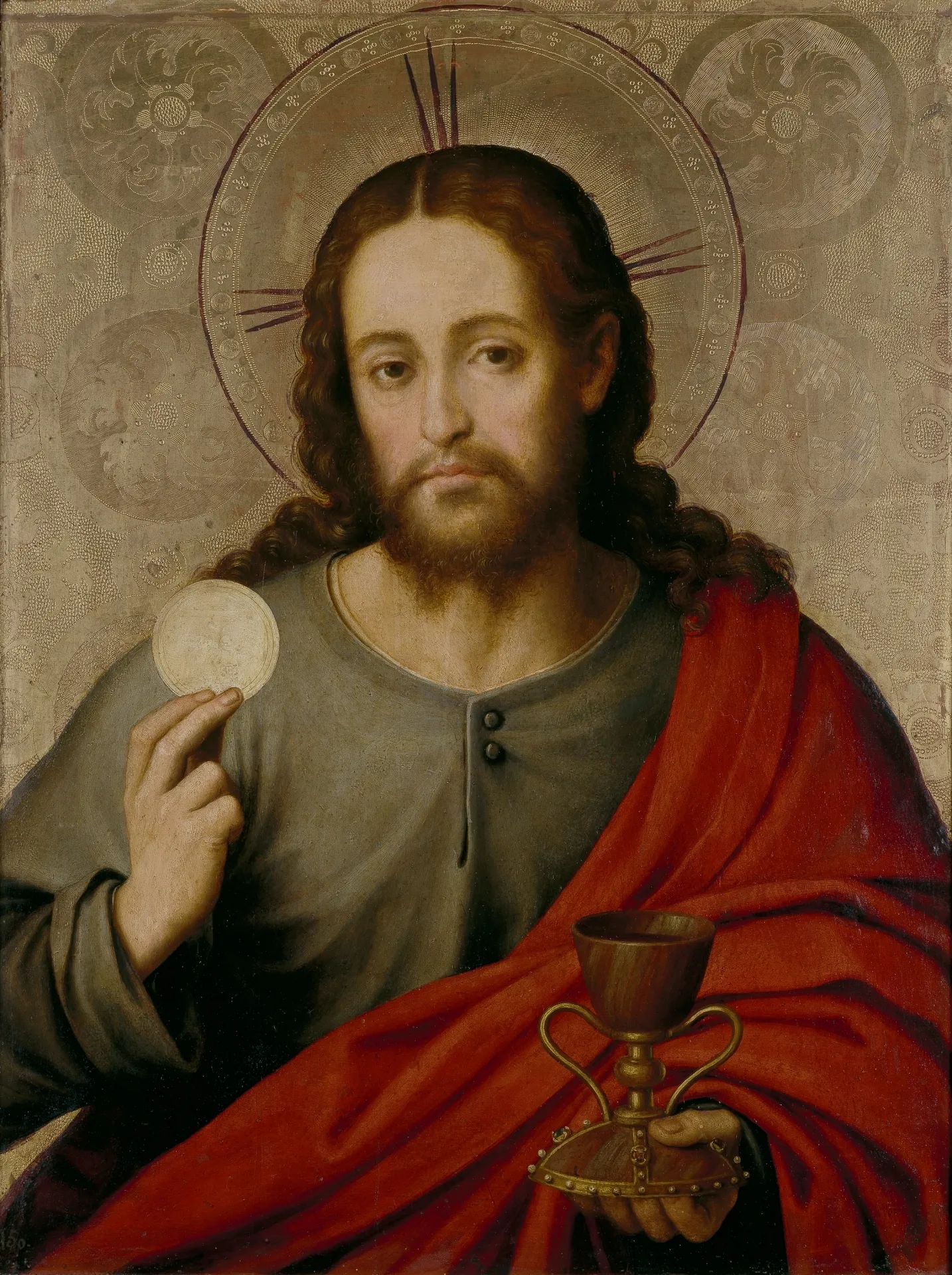
Vicente Juan Juan de Juanes demonstrates unparalleled technique in "Saint Bruno," skillfully rendering the figure with lifelike detail and luminous color. The artist’s use of oil on canvas allows for a rich interplay of light and shadow, lending the painting a sense of depth and realism. This celebrated piece stands alongside other fine works like "Saint Stephen in the synagogue" and "El Salvador Con La Eucaristia," showcasing the technical brilliance of the Spanish Renaissance.
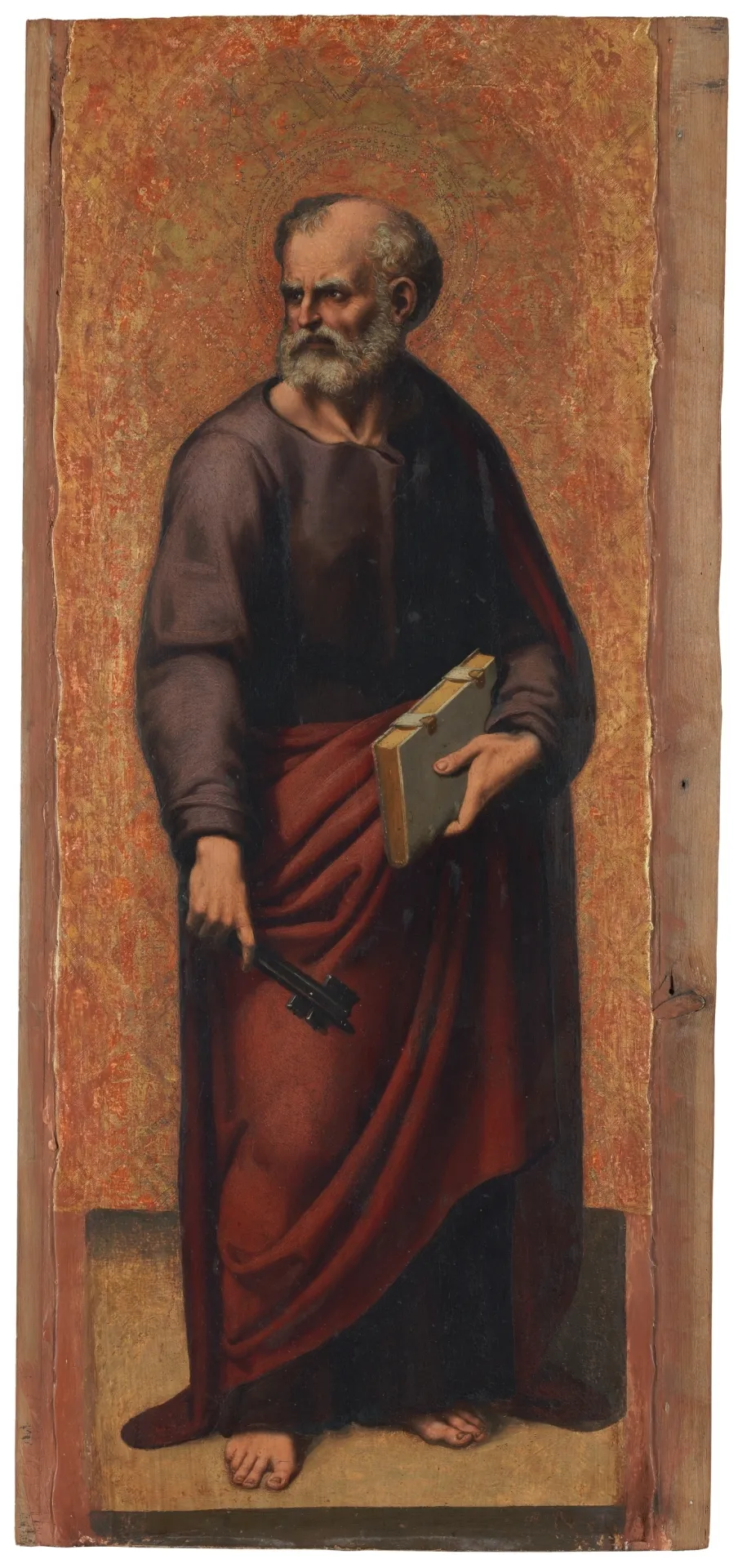
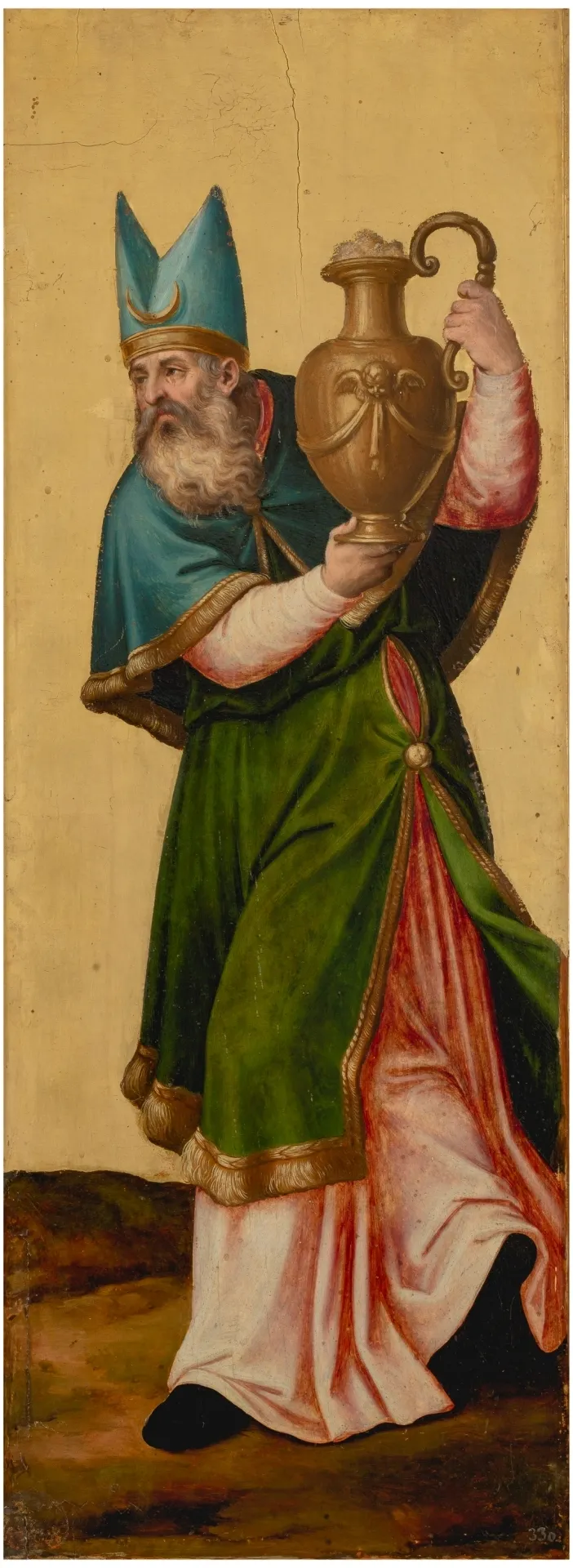
Within "Saint Bruno," every element tells a story, reflecting the deep symbolism of the Spanish Renaissance. Vicente Juan Juan de Juanes imbues the painting with spiritual motifs, inviting viewers to contemplate the saint’s piety and devotion. Art lovers exploring this fine art painting for sale will also appreciate the thematic connections to "El Sumo Sacerdote Aaron" and "San Pedro," both rich in iconography and narrative depth that define this artistic period.
For collectors seeking a unique addition, "Saint Bruno" by Vicente Juan Juan de Juanes is a prized hand-painted oil painting that embodies the essence of the Spanish Renaissance. Its distinguished provenance and exquisite artistry make it a sought-after piece, especially when considered alongside related works like "San Esteban Acusado De Blasfemo" and "El Salvador Con La Eucaristia." This masterpiece is not just art—it’s an enduring treasure for any serious collection.
When Art Meets History
"Saint Bruno" by Vicente Juan Juan de Juanes, also known as Masip (Macip), stands as a testament to the Spanish Renaissance, a period rich in religious devotion and artistic innovation. This hand-painted oil painting captures the spiritual fervor of its time, aligning with masterpieces by contemporaries like El Greco. The work reflects not only the artist’s mastery but also the broader cultural and historical context that influenced Spanish Renaissance painters and their celebrated subjects.
Techniques That Speak
Vicente Juan Juan de Juanes employed meticulous brushwork and vibrant coloration in this oil on canvas, hallmarks of the Spanish Renaissance movement. His attention to detail, especially in rendering the textures of Saint Bruno’s garments and the subtle play of light, demonstrates his technical prowess. Similar to his other devotional works, the painting’s composition and depth highlight the artist’s ability to breathe life into religious figures, elevating the traditional oil on canvas medium to new heights.
Emotions on Display
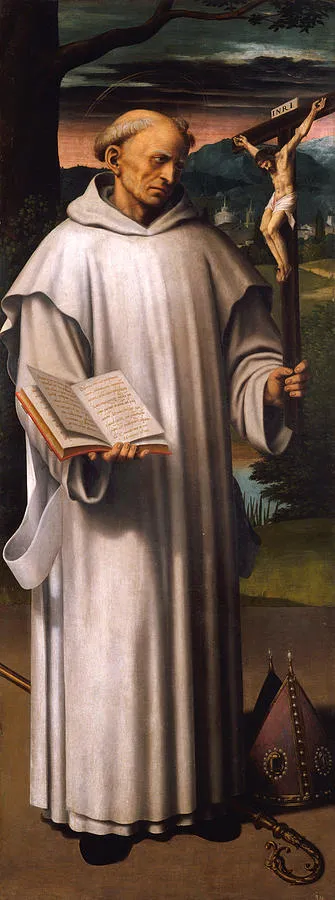
The serene expression and contemplative pose of Saint Bruno in this fine art painting for sale evoke a deep sense of reverence and introspection. Vicente Juan Juan de Juanes channels the spiritual intensity characteristic of the Spanish Renaissance, inviting viewers to connect emotionally with the saint’s devotion. Through delicate brushstrokes and luminous colors, the artist captures the inner sanctity of his subject, making this painting resonate powerfully with admirers of sacred art.
Coveted by Collectors
Collectors around the world seek works like "Saint Bruno" by Vicente Juan Juan de Juanes for their historical significance and exquisite artistry. This hand-painted oil painting exemplifies the skill and spiritual depth of the Spanish Renaissance, making it a prized addition to any collection. With its exceptional provenance and connection to other revered religious artworks of the era, "Saint Bruno" remains a highly desirable piece among connoisseurs of Renaissance fine art painting for sale.
Frequently Asked Questions About Saint Bruno
Who is the artist of "Saint Bruno"?
The painting "Saint Bruno" was created by Vicente Juan Juan de Juanes, also known as Masip or Macip, a prominent Spanish painter of the Renaissance period.
What is the historical context of "Saint Bruno"?
What themes are depicted in "Saint Bruno"?
The painting explores themes of devotion, solitude, and the pursuit of spiritual enlightenment, as it portrays Saint Bruno, the founder of the Carthusian Order, in a moment of contemplation and prayer.
What artistic techniques did Juanes employ in "Saint Bruno"?
Vicente Juan Juan de Juanes utilized techniques such as chiaroscuro to create depth and dimension, as well as a rich color palette that enhances the emotional impact of the scene.
What symbolism is present in "Saint Bruno"?
The painting features various symbols, including the crucifix and the book, which represent faith and knowledge, respectively. These elements underscore Saint Bruno's commitment to a life of prayer and study.
How does "Saint Bruno" reflect the characteristics of Spanish Renaissance art?
"Saint Bruno" embodies the Spanish Renaissance style through its emphasis on religious themes, meticulous attention to detail, and the use of vibrant colors, which are hallmarks of the period.
What is the significance of Saint Bruno in Catholicism?
Saint Bruno is revered as the founder of the Carthusian Order, known for its strict adherence to monastic life and contemplative practices. His legacy emphasizes the importance of solitude and prayer in the pursuit of holiness.
Where can "Saint Bruno" be viewed today?
The painting is housed in various collections, and its current location may vary. It is advisable to check with local galleries or museums for its exhibition status.
What influences can be seen in Juanes' style in "Saint Bruno"?
Juanes' style in "Saint Bruno" shows influences from both Italian Renaissance art and the Spanish tradition, combining realistic human figures with a deep spiritual narrative, characteristic of his works.
What impact did "Saint Bruno" have on later artists?
The painting has influenced subsequent generations of artists by exemplifying the integration of religious themes with emotional depth, inspiring works that explore similar spiritual narratives in art.























_GFM_Painting_(1).webp)


 100% Hand-Painted: Finished in 3-6 Weeks

.png)












_1560s.webp)



_(1).webp)