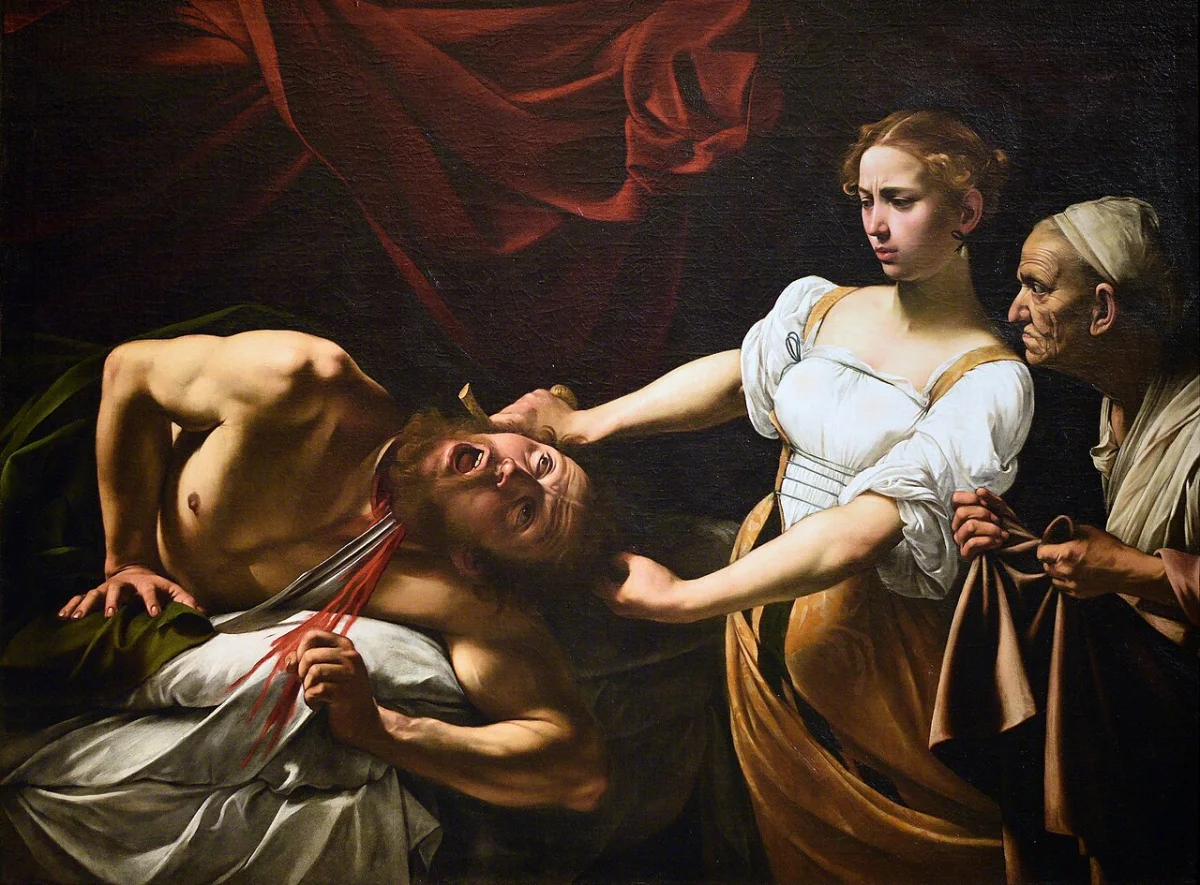
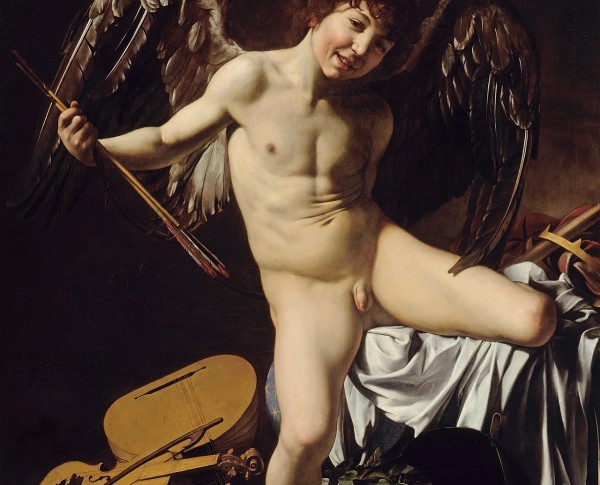
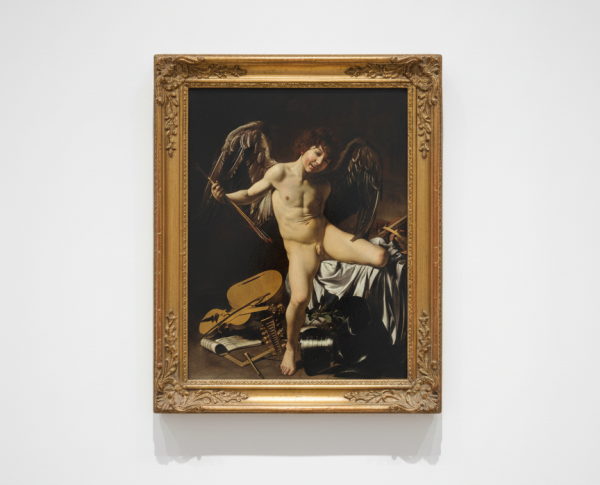
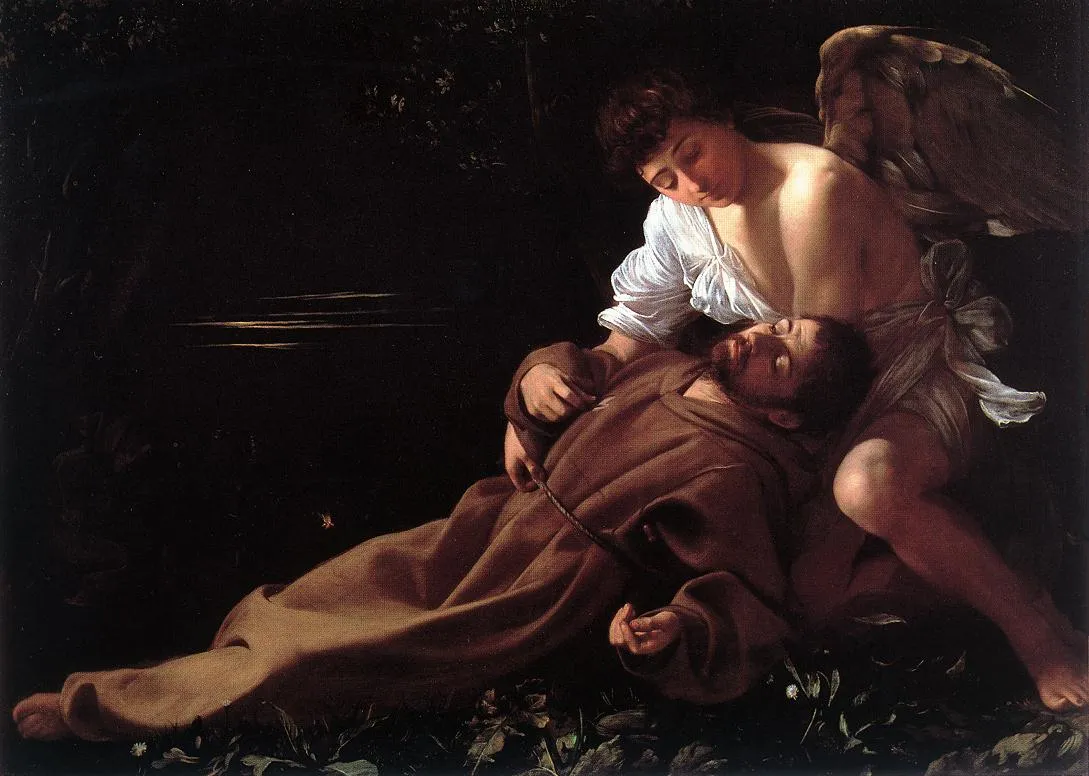
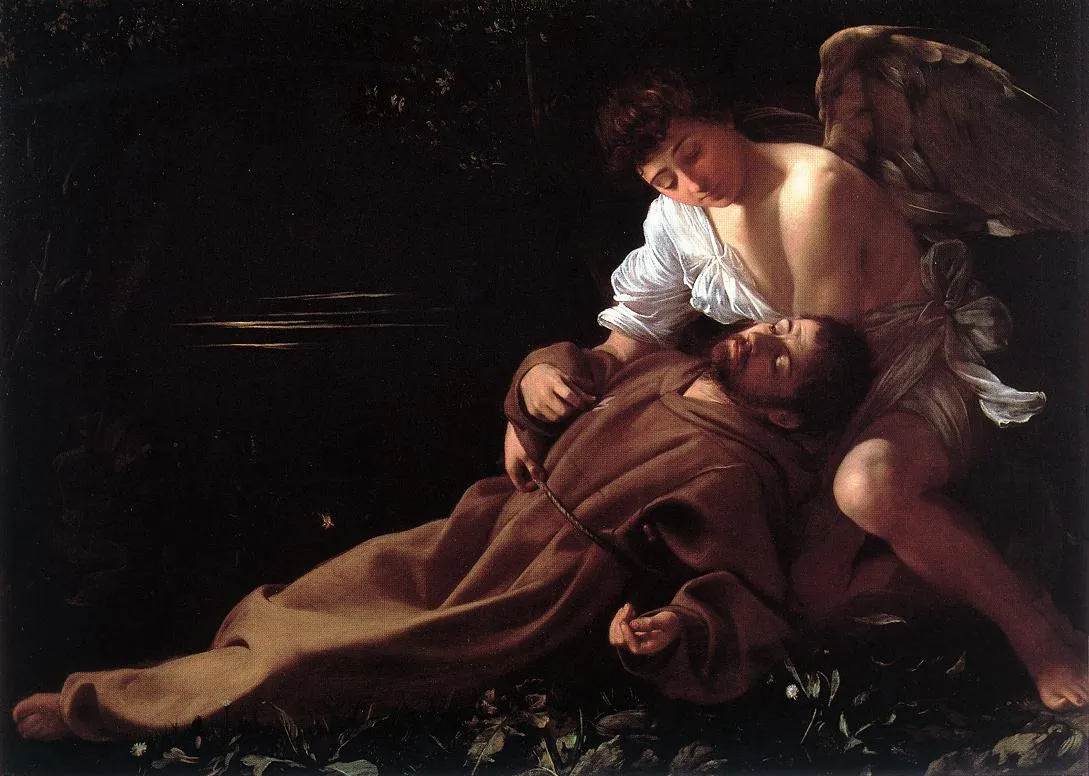
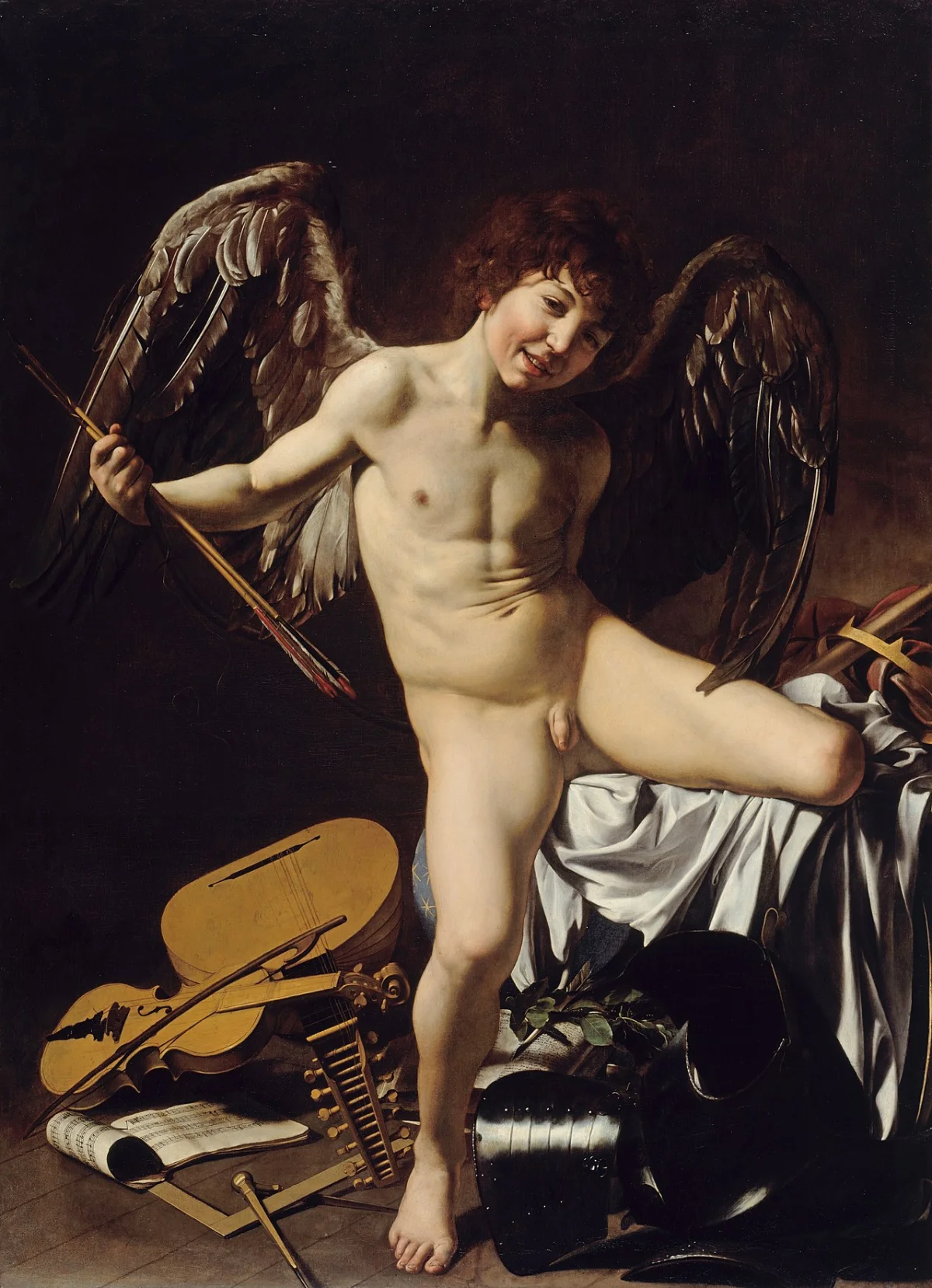
Caravaggio’s "Saint Francis of Assisi in Ecstasy" showcases his unparalleled technique in oil on canvas, blending light and shadow to evoke deep emotion. The Baroque artist’s attention to detail is evident in every brushstroke, much like in "Amor Vincit Omnia" and "Judith Beheading Holofernes." This fine art painting for sale brings the grandeur of 17th-century artistry into contemporary spaces, making it a prized addition to any collection.
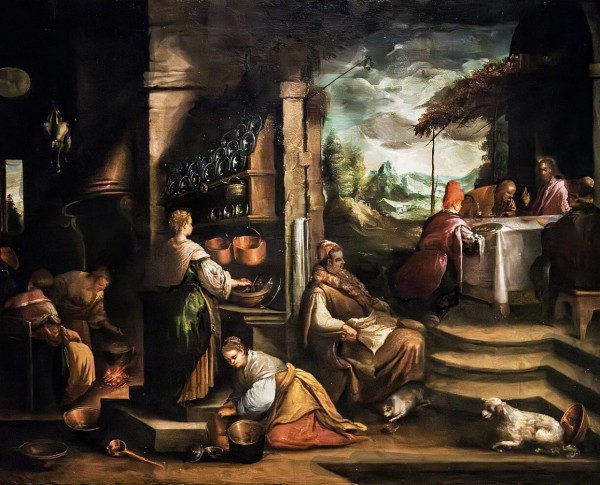
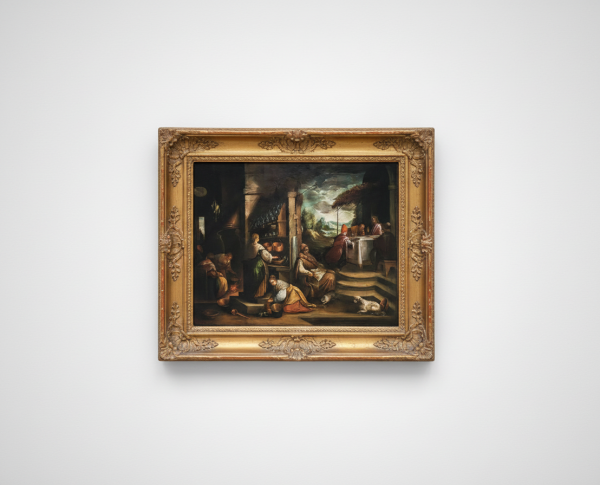
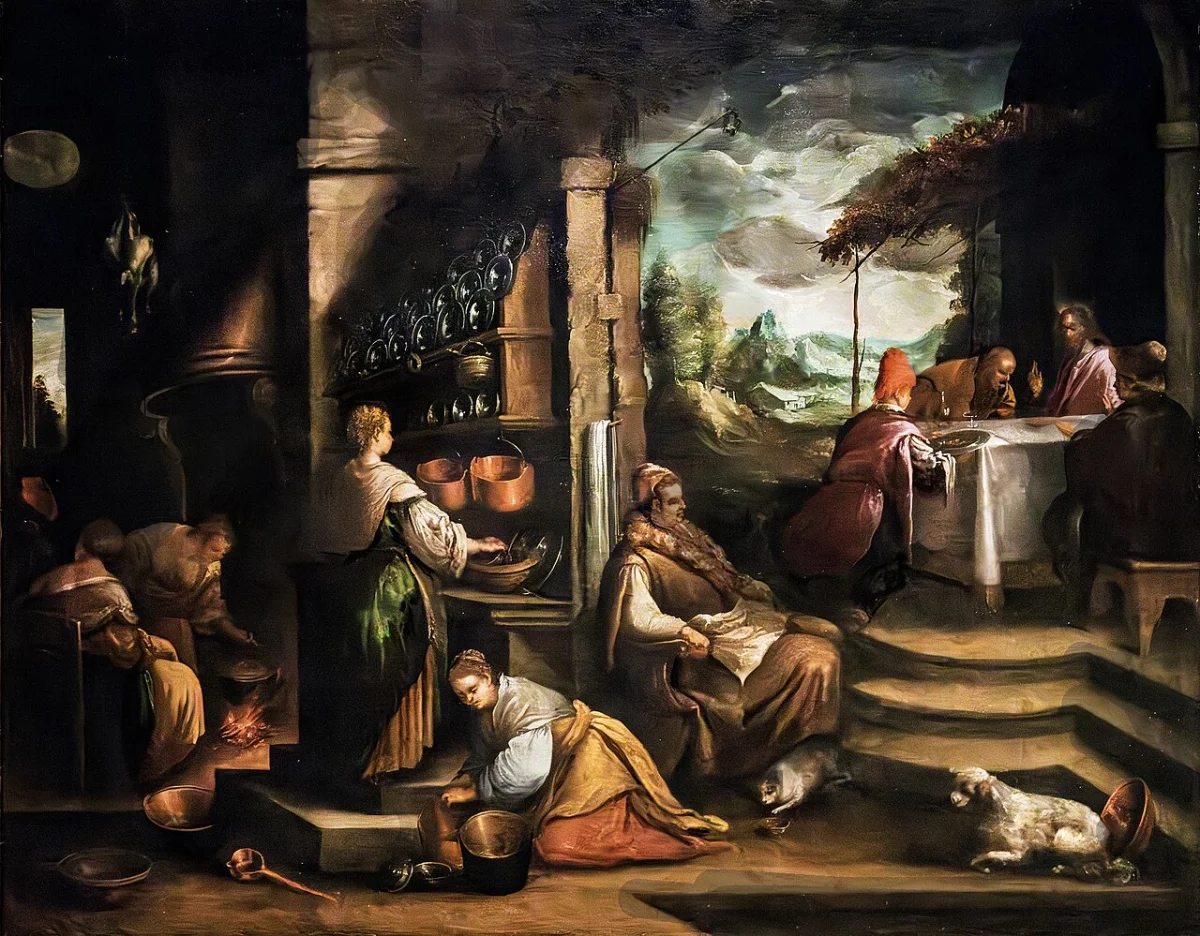
This oil on canvas masterpiece is rich with symbolism, portraying Saint Francis in a moment of divine revelation. Caravaggio’s dramatic use of chiaroscuro heightens the spiritual experience, echoing the narrative depth found in "Young Sick Bacchus" and "Supper at Emmaus." As a hand-painted oil painting, it invites viewers to reflect on themes of faith, sacrifice, and the transformative power of spiritual ecstasy within the Baroque movement.
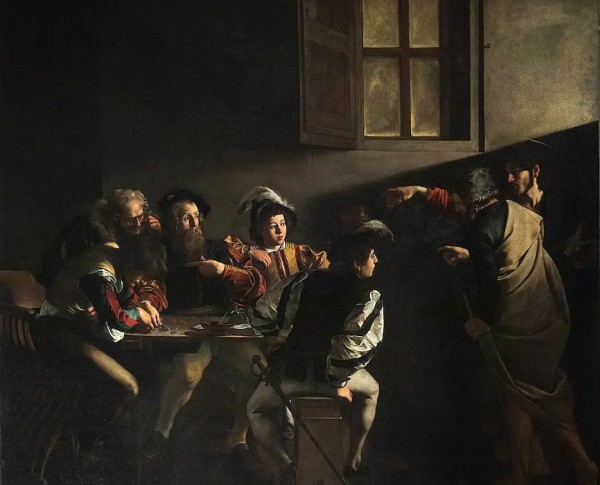
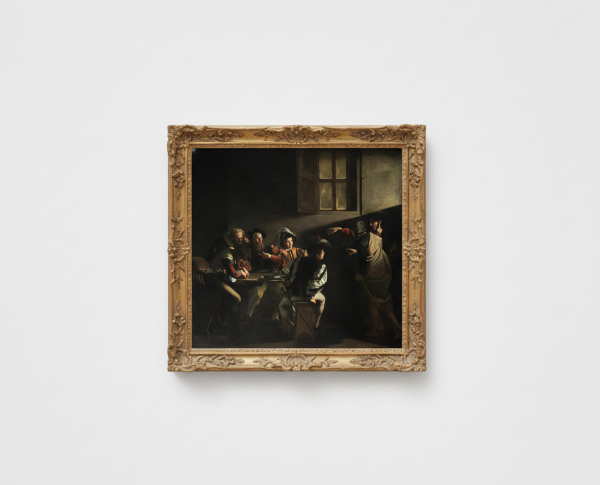
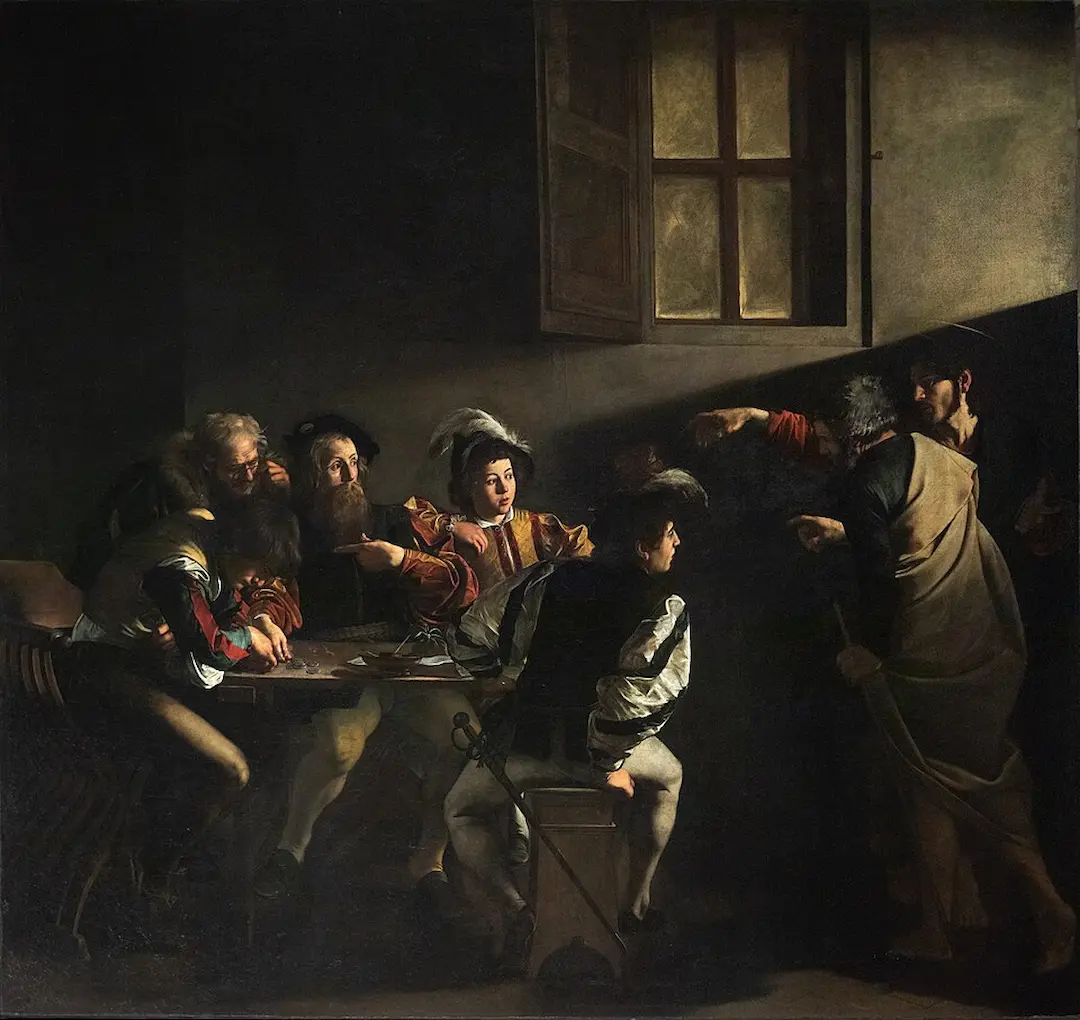
For those seeking a fine art painting for sale, "Saint Francis of Assisi in Ecstasy" by Caravaggio is an exceptional choice. Its historical significance, coupled with masterful oil on canvas technique, makes it highly sought after among collectors. Complement your collection with related Baroque masterpieces like "The Calling of Saint Matthew" or "The Taking of Christ" to celebrate the enduring legacy of Caravaggio’s genius.
When Art Meets History
"Saint Francis of Assisi in Ecstasy" by Caravaggio stands as a landmark in the Baroque movement, blending spirituality with dramatic realism. This hand-painted oil painting captures a pivotal moment in religious history, reflecting Caravaggio's mastery in depicting transformative experiences. The painting, alongside related works such as "Girl carrying Water," "The Angel and Hagar," and "Holy Family," exemplifies the era’s fascination with divine encounters and human emotion, making it a significant addition to any fine art collection.
Techniques That Speak
Caravaggio’s "Saint Francis of Assisi in Ecstasy" showcases his impeccable use of oil on canvas, a technique that accentuates the play of light and shadow, known as chiaroscuro. This approach, typical of the Baroque movement, brings out the tactile textures and lifelike details in the saint's expression and garments. Similar technical brilliance can be seen in related paintings like "Portrait of Charles II" and "Teresa Francisca Mudarra y Herrera," underlining Caravaggio’s enduring influence.
Emotions on Display
In this fine art painting for sale, Caravaggio conveys intense emotion through Saint Francis’s rapturous expression and delicate gesture. The viewer is drawn into the saint’s spiritual ecstasy, a hallmark of Baroque artistry. Like "The Angel and Hagar" and "Holy Family," this masterpiece evokes a profound sense of empathy, inviting contemplation and awe. The emotional resonance of "Saint Francis of Assisi in Ecstasy" continues to captivate audiences centuries after its creation.
Coveted by Collectors
Collectors and art enthusiasts value "Saint Francis of Assisi in Ecstasy" for its historical significance and exquisite hand-painted oil painting technique. The artwork’s provenance, alongside related works such as "Girl carrying Water" and "Portrait of Charles II," enhances its desirability in the art market. Caravaggio’s contribution to the Baroque movement ensures that his paintings remain highly sought after, making this piece a prized acquisition for those seeking a remarkable fine art painting for sale.
Related Baroque Hand-Painted Oil Paintings by Other Artists
Other Famous Baroque Artists:
Frequently Asked Questions About Saint Francis of Assisi in Ecstasy
What is the historical context of "Saint Francis of Assisi in Ecstasy"?
"Saint Francis of Assisi in Ecstasy" was painted by Caravaggio in the early 17th century, during the Baroque period. This era was characterized by dramatic expression and a focus on realism, which Caravaggio exemplified in his work.
Who was Saint Francis of Assisi and why is he significant?
Saint Francis of Assisi was a 13th-century Italian friar and preacher known for his deep connection to nature and his commitment to poverty. He is the patron saint of animals and the environment, and his life and teachings have had a lasting impact on Christianity.
What artistic techniques did Caravaggio use in this painting?
Caravaggio employed chiaroscuro, a technique that contrasts light and shadow to create a dramatic effect. This is evident in the way light illuminates Saint Francis, highlighting his emotional state and the spiritual experience he is undergoing.
What symbolism is present in "Saint Francis of Assisi in Ecstasy"?
The painting symbolizes spiritual enlightenment and divine connection. The presence of the stigmata, the wounds of Christ, signifies Saint Francis's deep faith and his identification with the suffering of Jesus.
How does Caravaggio's style reflect the themes of the painting?
Caravaggio's realistic portrayal of Saint Francis, combined with his use of dramatic lighting, emphasizes the emotional intensity of the moment. This approach aligns with the Baroque theme of capturing human emotion and the divine experience.
What is the significance of the setting in the painting?
The setting is minimalistic, focusing the viewer's attention on Saint Francis. This simplicity enhances the spiritual atmosphere, allowing the viewer to contemplate the profound experience of ecstasy and divine revelation.
How does this painting compare to other works by Caravaggio?
This painting is notable for its introspective quality, contrasting with Caravaggio's more dramatic compositions. It showcases his ability to convey deep emotional and spiritual themes through a more subdued and contemplative approach.
What influence did "Saint Francis of Assisi in Ecstasy" have on later artists?
The painting influenced many Baroque artists who sought to capture emotional depth and realism in their works. Its exploration of spirituality and human experience paved the way for future representations of religious themes in art.
What materials and techniques did Caravaggio use for this painting?
Caravaggio typically used oil on canvas, allowing for rich color and texture. His technique involved layering paint to create depth and realism, which is evident in the intricate details of Saint Francis's expression and surroundings.
Where can I view "Saint Francis of Assisi in Ecstasy" today?
The painting is housed in the Ospedale di Santo Spirito in Sassia in Rome, Italy. It is part of a collection that highlights Caravaggio's contributions to art and his exploration of religious themes.























_GFM_Painting_(1).webp)


 100% Hand-Painted: Finished in 3-6 Weeks

.png)















_(1).webp)