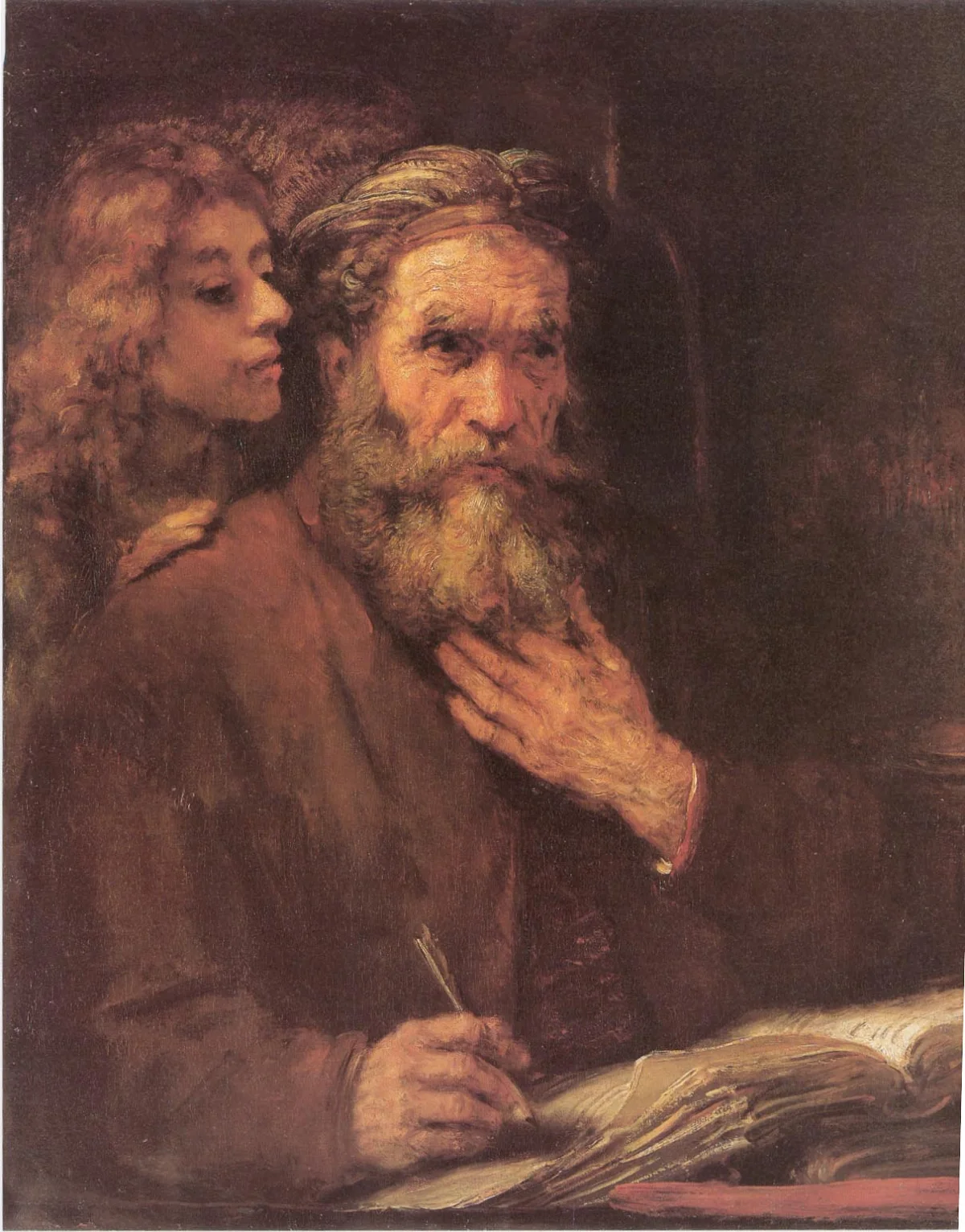
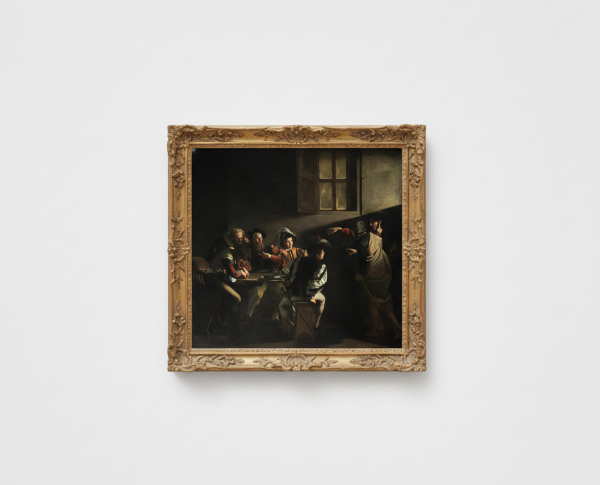
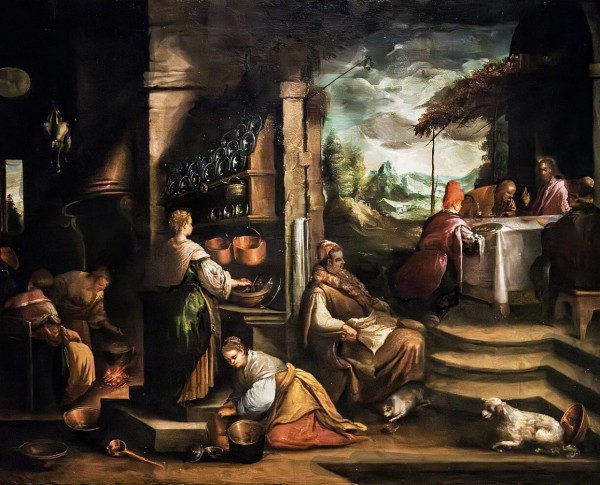
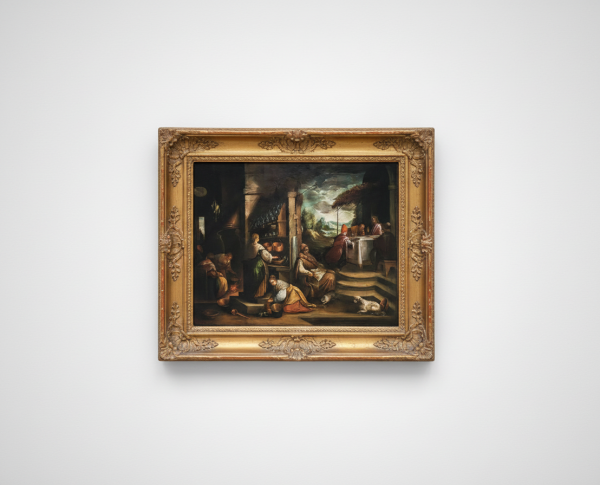
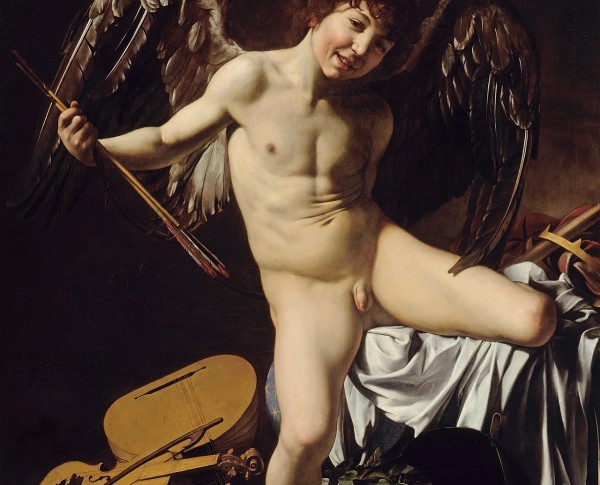
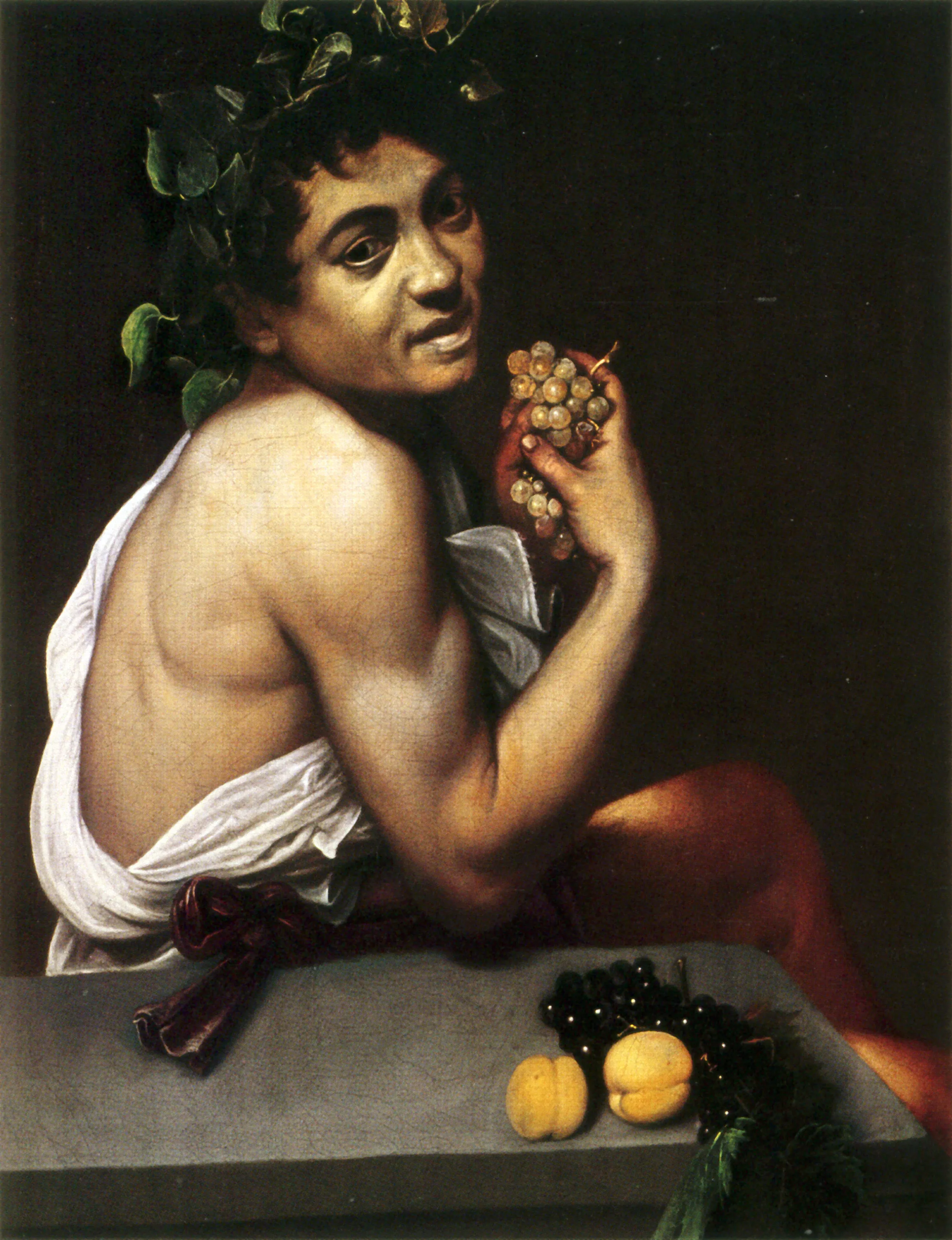
Rendered in oil on canvas, "Young Sick Bacchus" captures Caravaggio’s exceptional skill in portraying lifelike textures and dramatic lighting. The artist’s meticulous technique brings out the pallor and vulnerability of the subject, a hallmark of Baroque artistry. Those interested in oil on canvas works by Caravaggio may also explore related products such as "Boy Peeling Fruit" and "Saint Matthew and the Angel," reflecting his mastery in this medium.
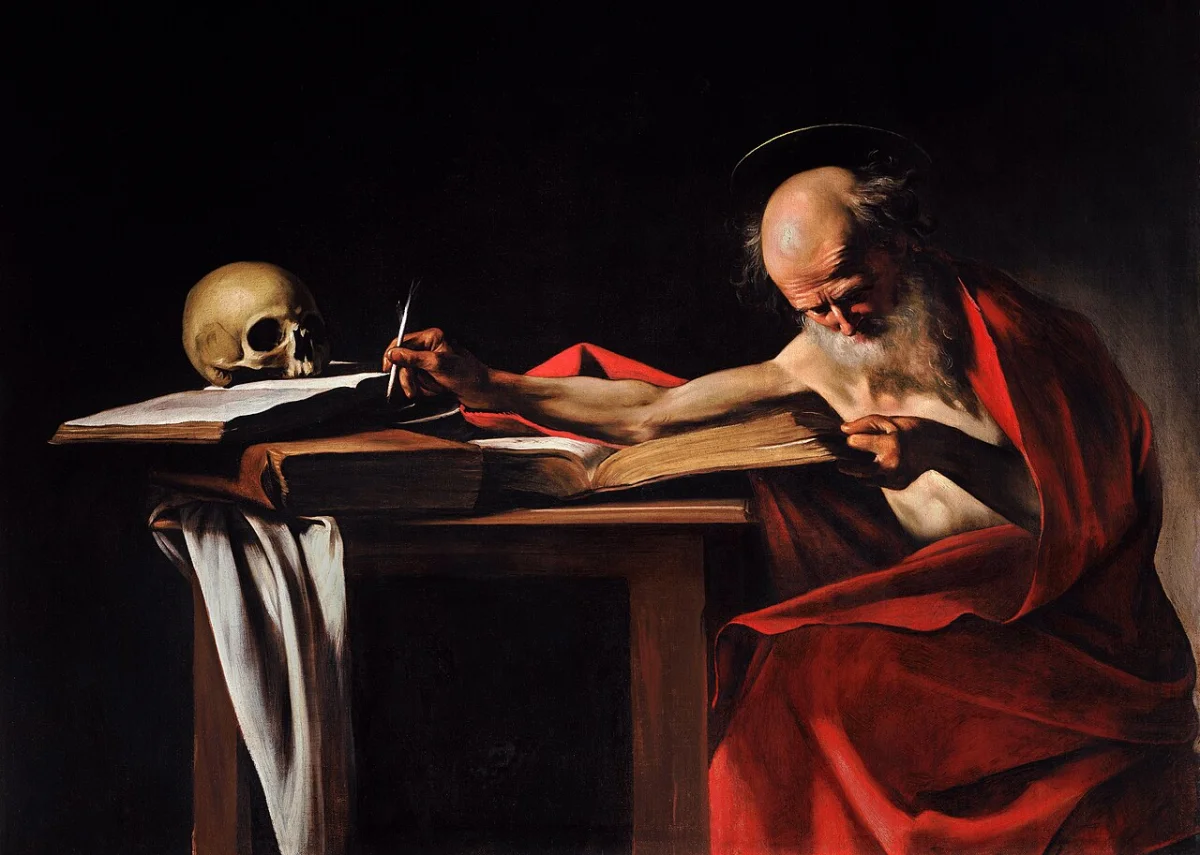
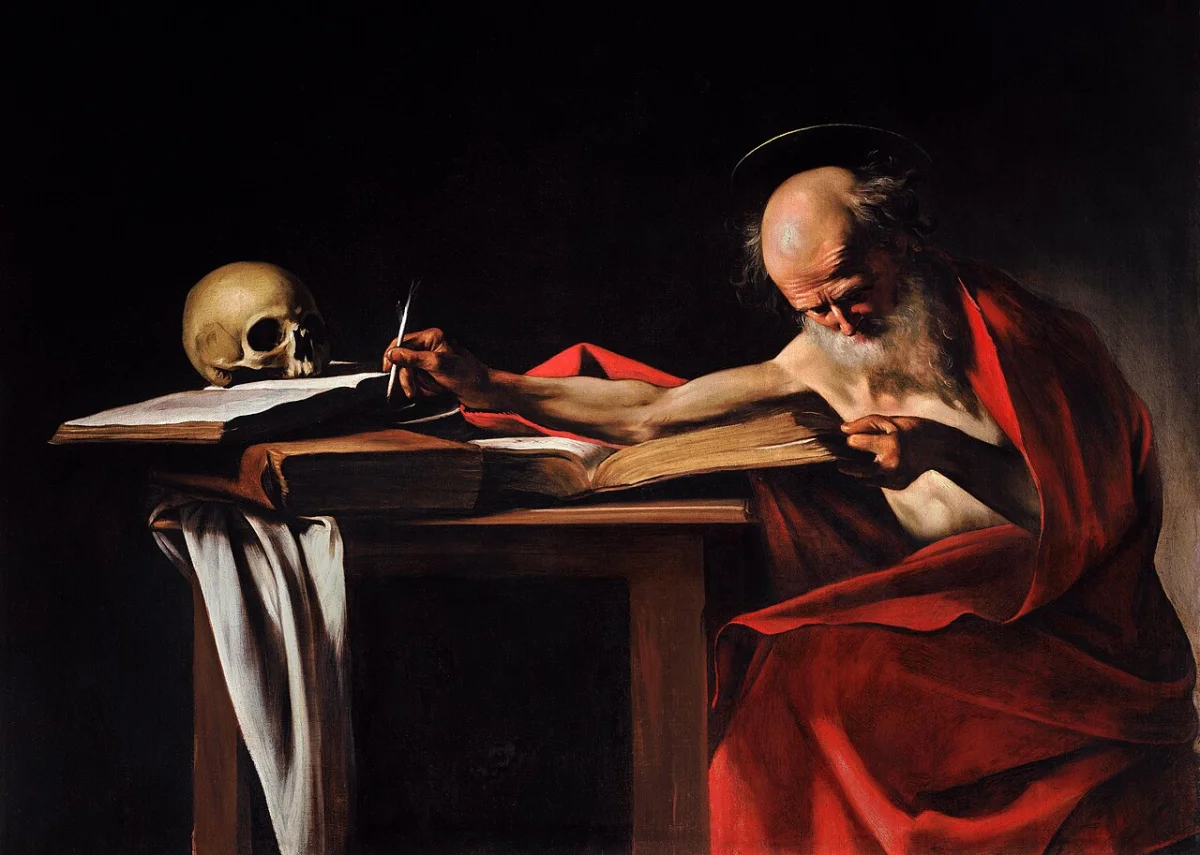
"Youth Sick Bacchus" by Caravaggio is more than just a portrait; it is a narrative-laden fine art painting for sale, filled with symbolism and personal history. The work is believed to be a self-portrait painted during the artist’s own illness, adding layers of meaning to the Baroque masterpiece. For collectors, pieces like "Saint Jerome Writing" and "Boy with a Basket of Fruit" offer additional insight into the rich storytelling of Caravaggio’s era.
Owning a reproduction of "Young Sick Bacchus" is a unique opportunity for those seeking a fine art painting for sale that epitomizes the Baroque movement. Caravaggio’s influence endures, making his works highly sought after by collectors. Complement your collection with related products such as "Saint Matthew and the Angel" or "Boy Peeling Fruit," each reflecting the timeless allure and remarkable technique of one of history’s greatest artists.
When Art Meets History
Created around 1593 by Caravaggio, "Young Sick Bacchus" stands as one of the earliest masterpieces of the Baroque movement. This hand-painted oil painting captures the spirit of a transformative era in art, where dramatic realism and emotional depth reigned. As Caravaggio’s self-portrait, it bridges personal experience and historical context, much like his other works such as "Repentant Mary Magdalene" and "Holy Family," which also reflect the innovative energy of Baroque artistry.
Techniques That Speak
Caravaggio's "Young Sick Bacchus" showcases his signature use of chiaroscuro, a hallmark of the Baroque movement. The artist’s mastery of oil on canvas is evident in the lifelike rendering of skin tones and the subtle play of light and shadow. This technique, also seen in "The Angel and Hagar," brings a compelling realism to the piece, highlighting Caravaggio’s influence on later generations of artists and reinforcing the enduring allure of oil on canvas artworks.
Emotions on Display
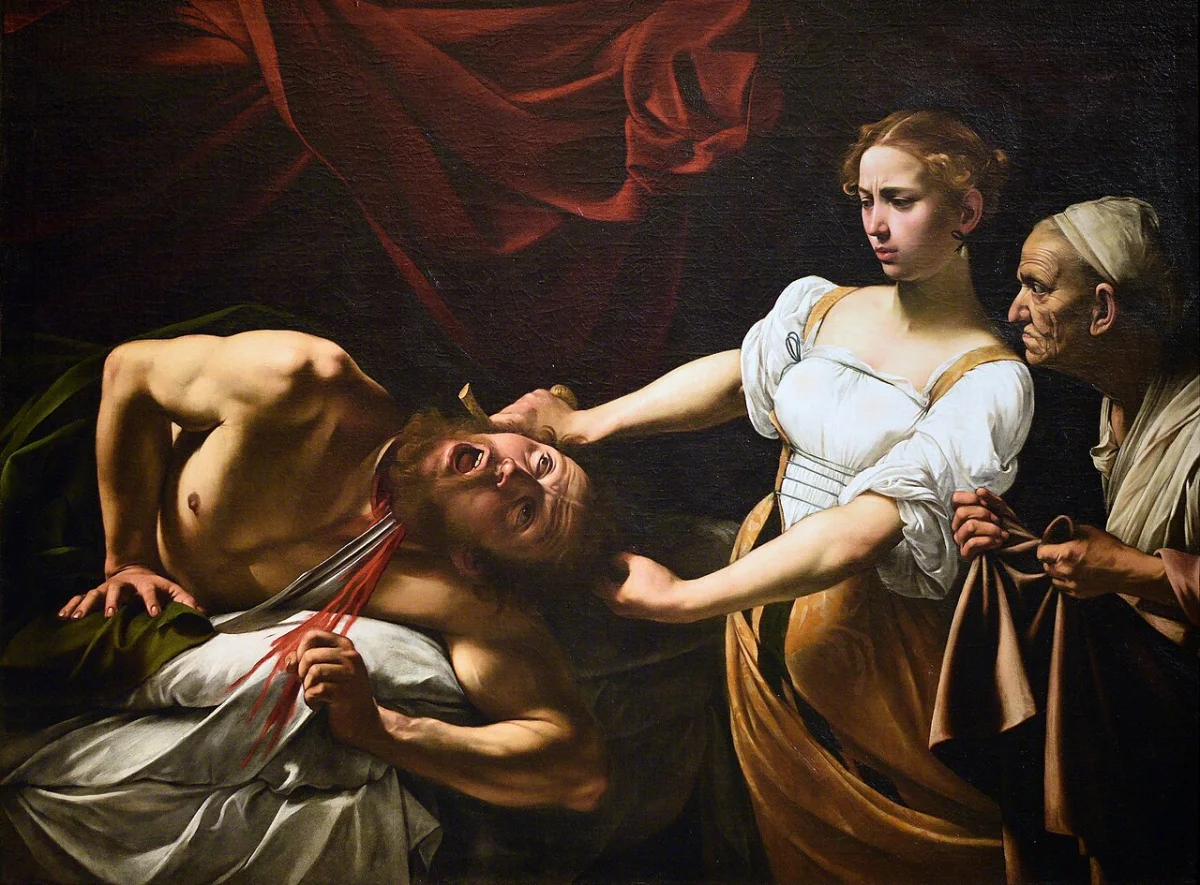
Through "Young Sick Bacchus," Caravaggio invites viewers into a deeply personal and emotive world, a defining trait of Baroque fine art painting for sale today. The subject’s pallor and languid expression evoke themes of vulnerability and human frailty. Similar emotional intensity can be found in related paintings like "Arcadian Landscape" and "Repentant Mary Magdalene," where Caravaggio’s unique ability to capture raw feeling is unmistakable and continues to resonate with art lovers and collectors alike.
Coveted by Collectors
"Young Sick Bacchus" remains a highly sought-after fine art painting for sale, prized for its historical significance and Caravaggio’s revolutionary approach. Collectors and museums value this piece alongside works like "Mountain landscape with lightning" and "Holy Family." As a cornerstone of Baroque art, its presence in a collection is a testament to the enduring impact of Caravaggio’s vision and the continued appreciation for masterpieces created during this influential artistic movement.
Related Baroque Hand-Painted Oil Paintings by Other Artists
Other Famous Baroque Artists:
Frequently Asked Questions About Young Sick Bacchus
What is the historical context of "Young Sick Bacchus"?
"Young Sick Bacchus" was painted by Caravaggio around 1593-1594, during the Baroque period, a time characterized by dramatic expression and a focus on realism. This painting reflects the artist's exploration of human emotion and physicality, as well as the cultural fascination with mythology and the human condition during the late Renaissance.
What does the figure of Bacchus represent in this painting?
Bacchus, the Roman god of wine, fertility, and revelry, symbolizes indulgence and the duality of pleasure and suffering. In "Young Sick Bacchus," the god is depicted in a vulnerable state, highlighting the fragility of life and the consequences of excess.
How does Caravaggio's use of light and shadow contribute to the painting?
Caravaggio is renowned for his use of chiaroscuro, the contrast between light and dark. In "Young Sick Bacchus," this technique emphasizes the physicality of the figure and creates a dramatic focal point, drawing the viewer's attention to Bacchus's expression and condition.
What is the significance of the grapes in the painting?
The grapes in "Young Sick Bacchus" serve as a symbol of wine and, by extension, the intoxication and ecstasy associated with Bacchus. They also represent the cycle of life and death, as grapes can signify both the joys of life and the potential for excess leading to downfall.
Why is Bacchus portrayed as a young man rather than an adult god?
Caravaggio's depiction of Bacchus as a young man emphasizes the theme of youth and vulnerability. This choice highlights the transient nature of beauty and life, suggesting that even gods are not immune to the effects of illness and mortality.
What artistic techniques did Caravaggio employ in "Young Sick Bacchus"?
Caravaggio utilized a realistic approach, employing naturalistic details and an intimate composition. His brushwork is characterized by a smooth finish, and he often painted directly from live models, which adds to the authenticity of the figure's expression and posture.
How does "Young Sick Bacchus" reflect Caravaggio's personal life?
Some art historians suggest that "Young Sick Bacchus" may reflect Caravaggio's own struggles with illness and personal demons. The painting's themes of vulnerability and the duality of pleasure and pain resonate with his tumultuous life and experiences.
What role does symbolism play in "Young Sick Bacchus"?
Symbolism is central to "Young Sick Bacchus," with elements like the sickly appearance of Bacchus, the grapes, and the overall composition conveying deeper meanings about the nature of indulgence, the human condition, and the interplay between life and death.
How has "Young Sick Bacchus" influenced later artists?
The painting has had a significant impact on subsequent generations of artists, particularly in the Baroque and Romantic periods. Caravaggio's dramatic use of light, realism, and emotional depth inspired many artists to explore similar themes in their own work.
Where can I view "Young Sick Bacchus" today?
"Young Sick Bacchus" is part of the collection at the National Gallery in London. Visitors can view the painting in person, allowing for an appreciation of Caravaggio's masterful technique and the painting's rich historical context.























_GFM_Painting_(1).webp)


 100% Hand-Painted: Finished in 3-6 Weeks

.png)















_(1).webp)