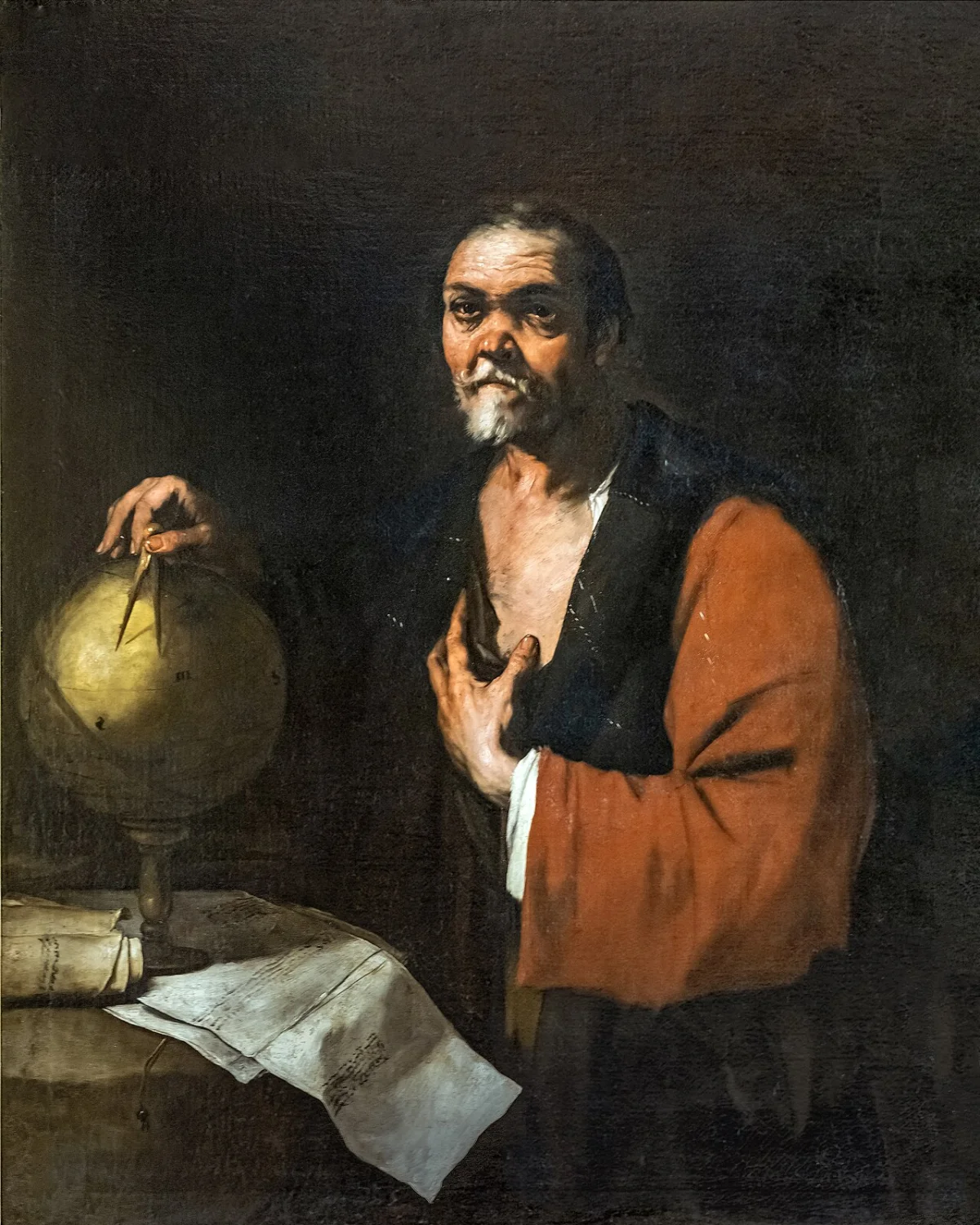
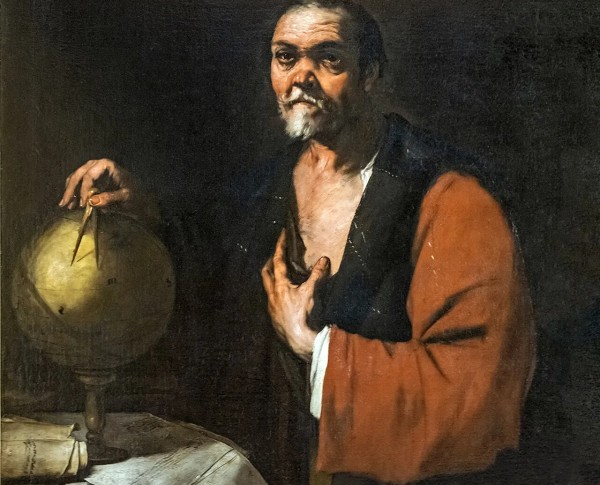
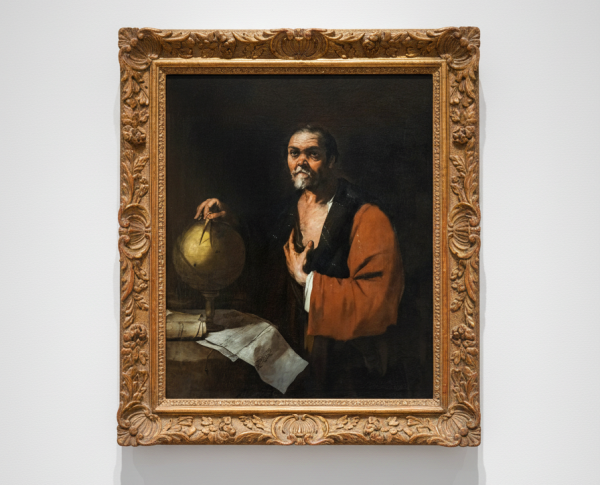
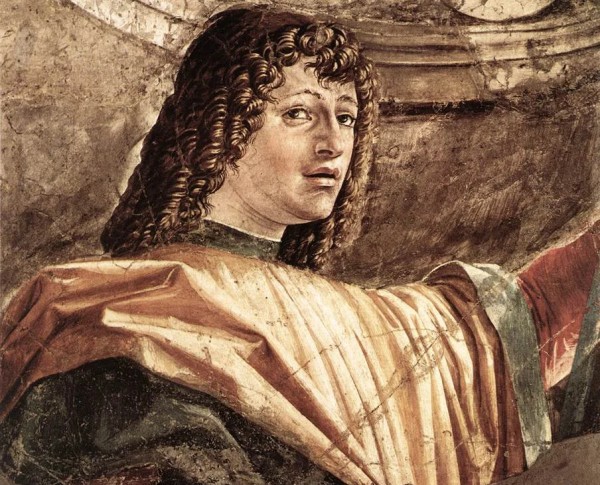
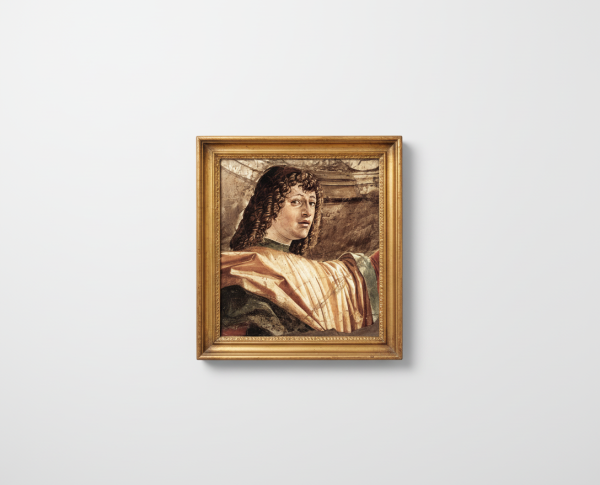
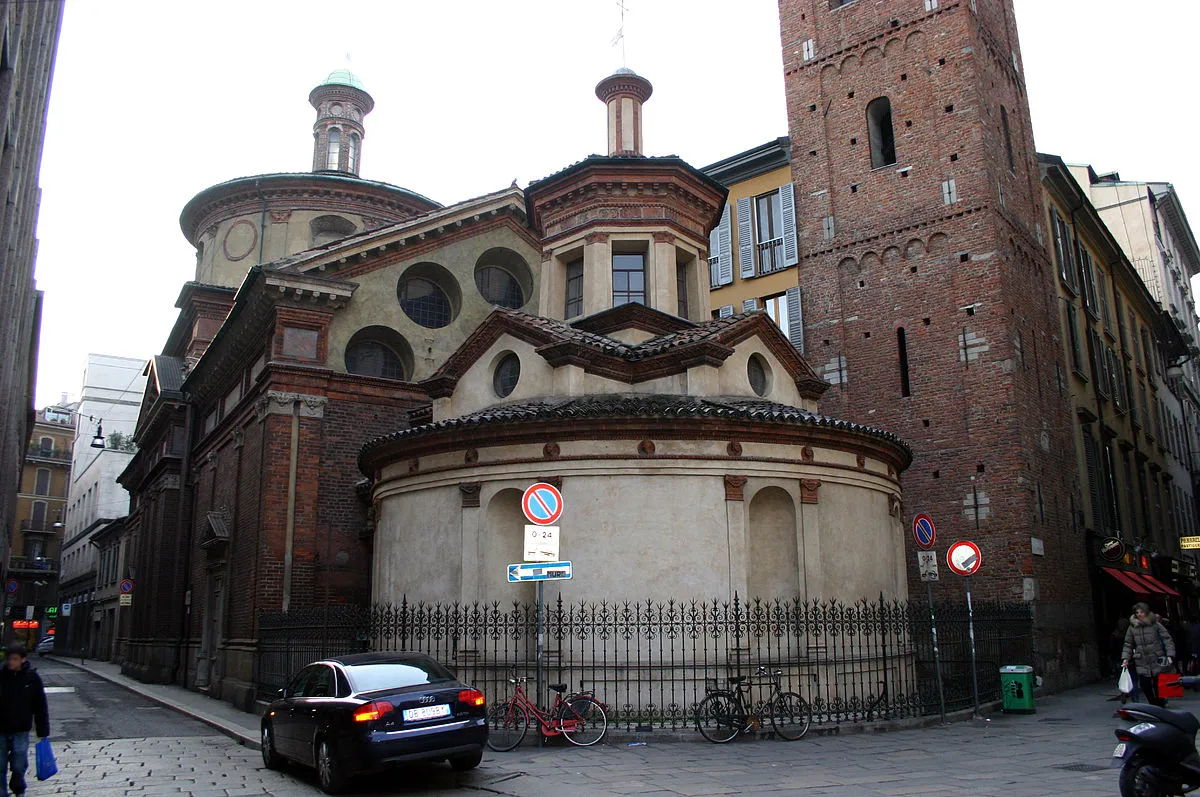
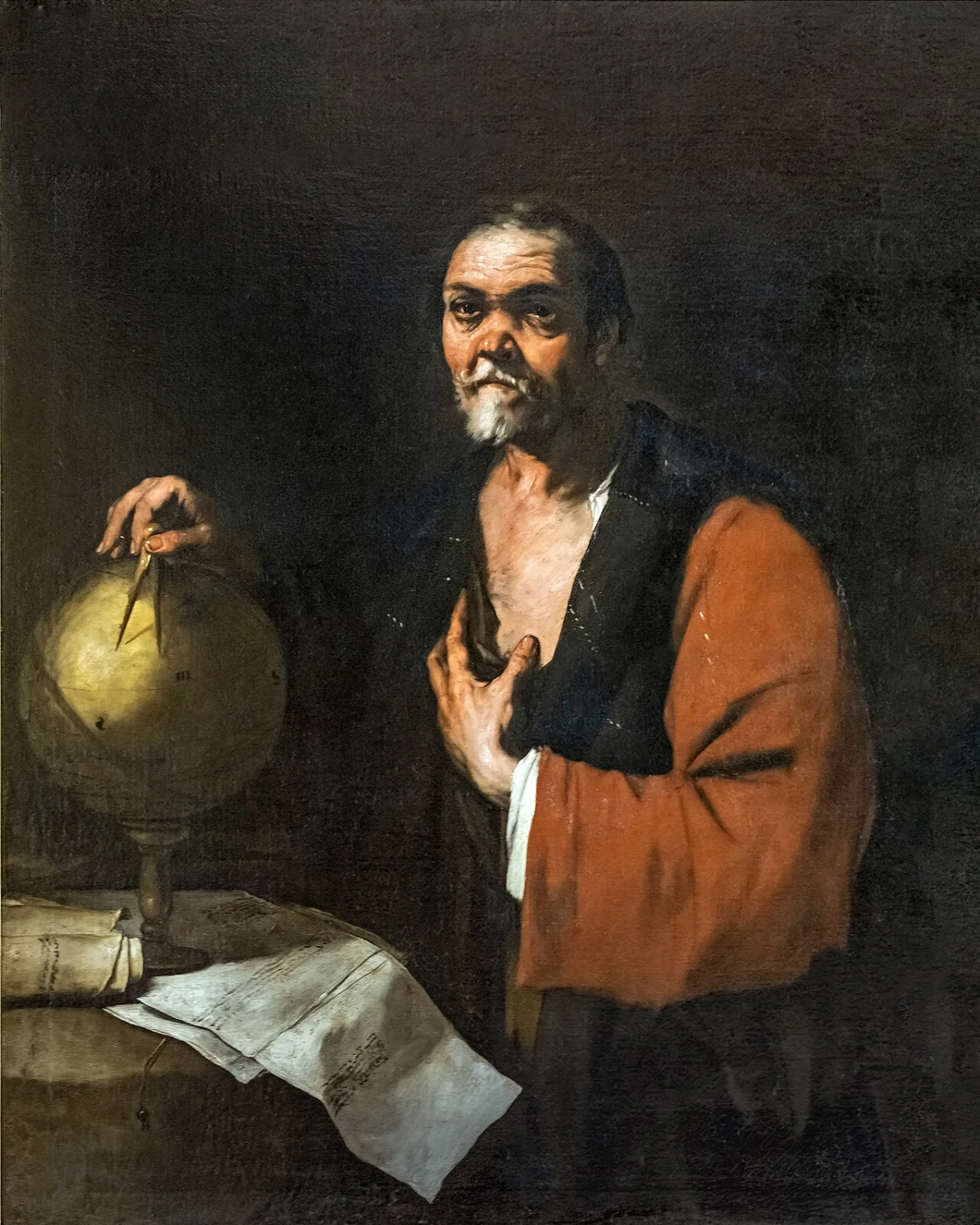
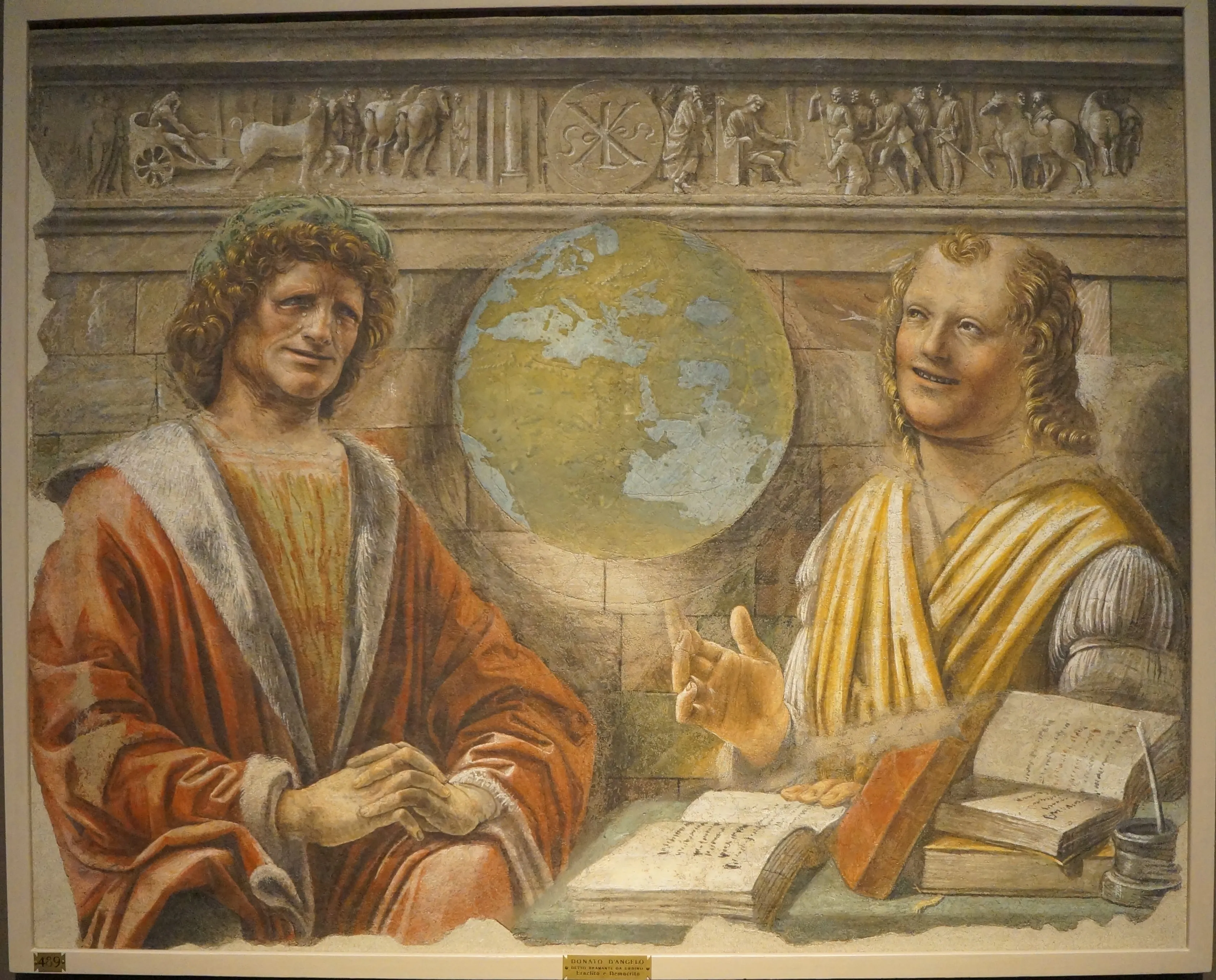
Donato Bramante’s use of oil on canvas in "Santa Maria presso San Satiro - Bramante false apse" highlights his technical brilliance. The painting’s illusionistic apse creates depth and realism, capturing the spirit of the High Renaissance. Bramante’s meticulous attention to detail is evident in every brushstroke, making this artwork a prime example for collectors. Explore related works such as "Heraclitus and Democritus" to experience more of Bramante’s exceptional oil on canvas creations.
Within "Santa Maria presso San Satiro - Bramante false apse," viewers discover a rich narrative woven through symbolic architectural elements. Bramante’s composition reflects the High Renaissance focus on harmony and perspective, inviting contemplation of faith and illusion. This hand-painted oil painting connects with the symbolic depth found in "Crying Heraclitus and Laughing Democritus." Each detail tells a story, making this piece an essential part of any fine art collection.
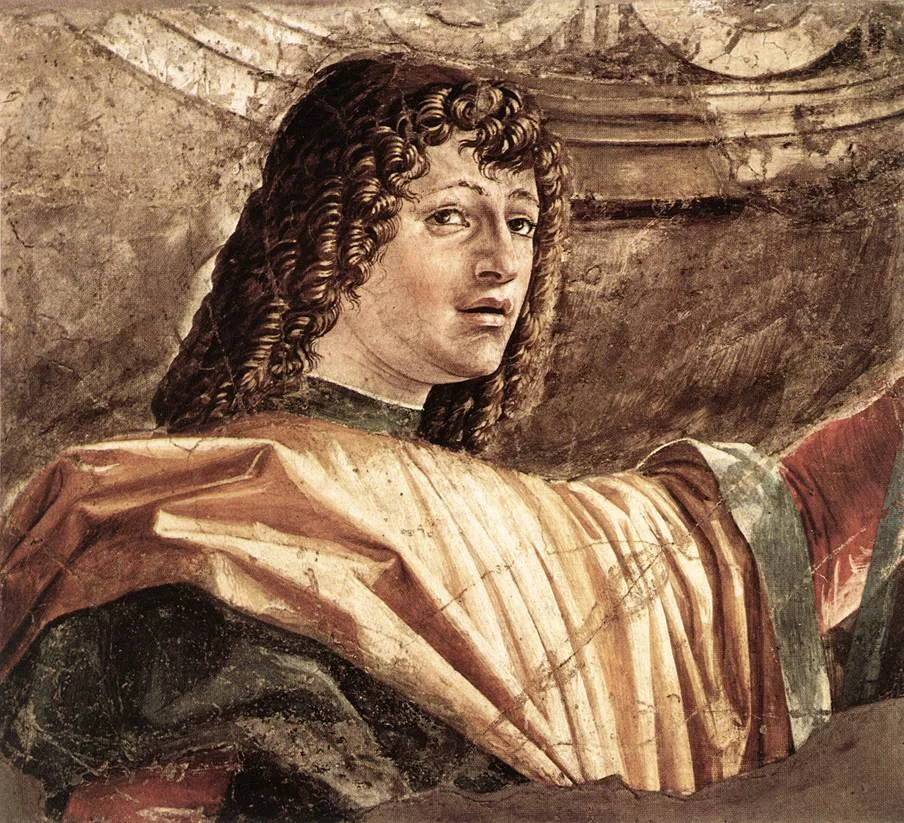
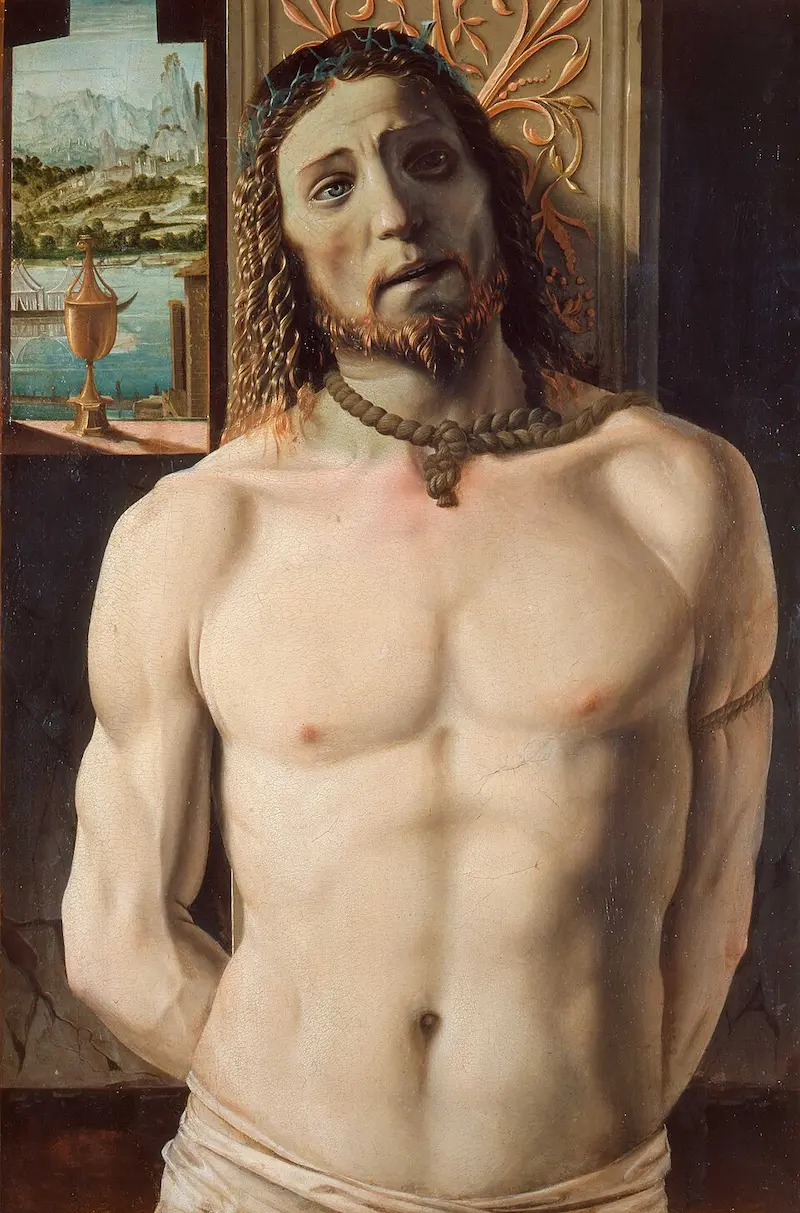
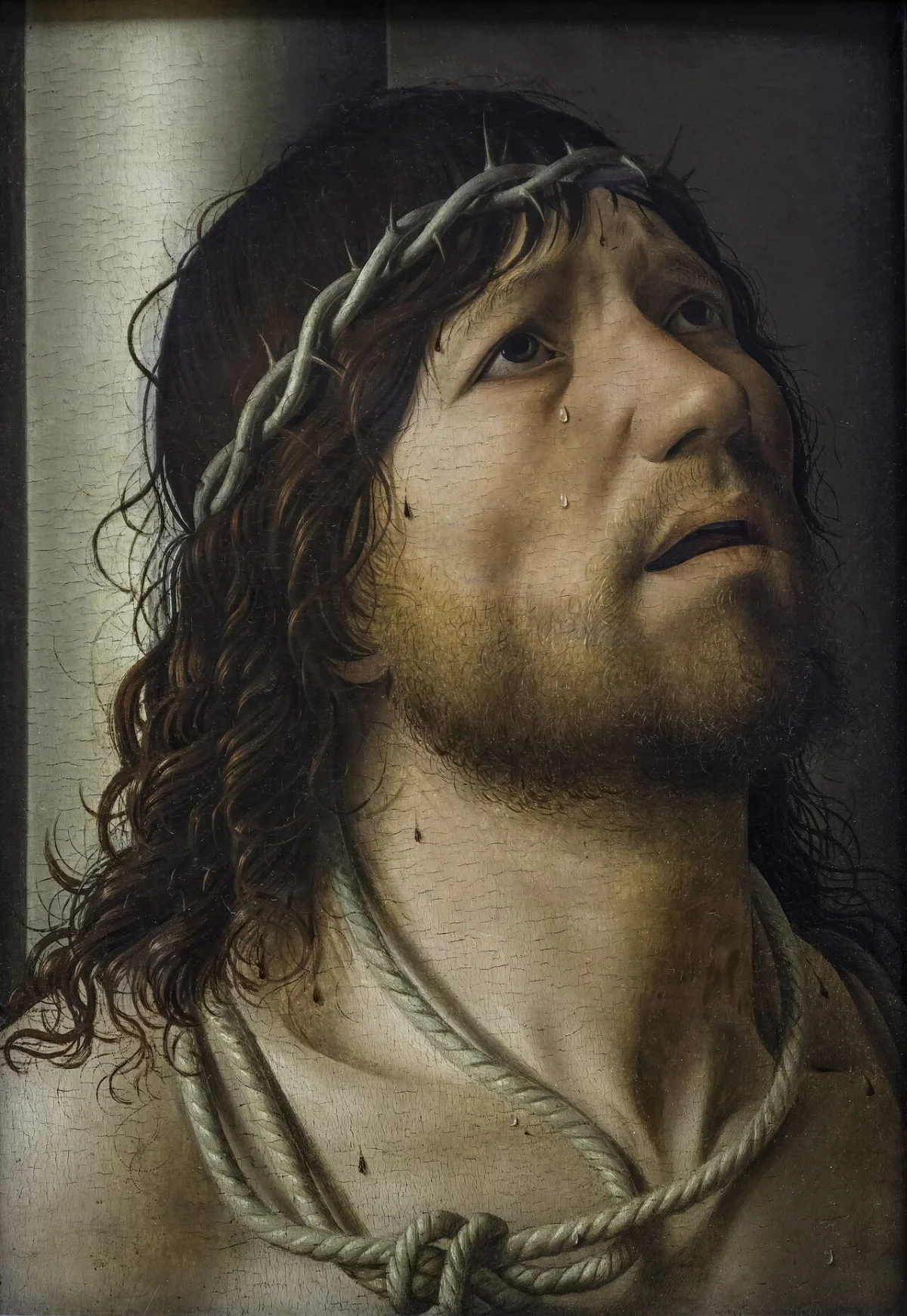
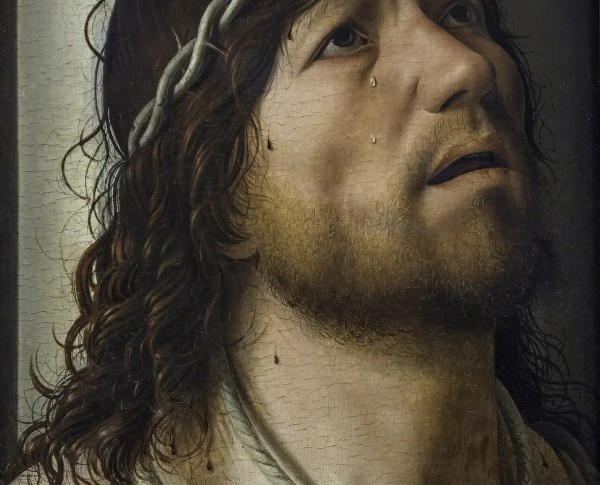
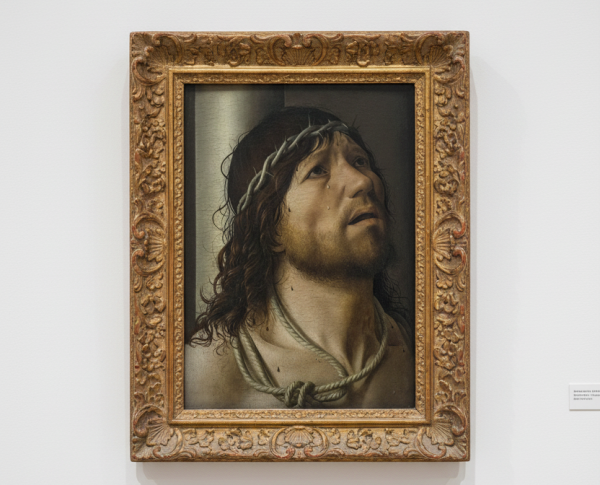
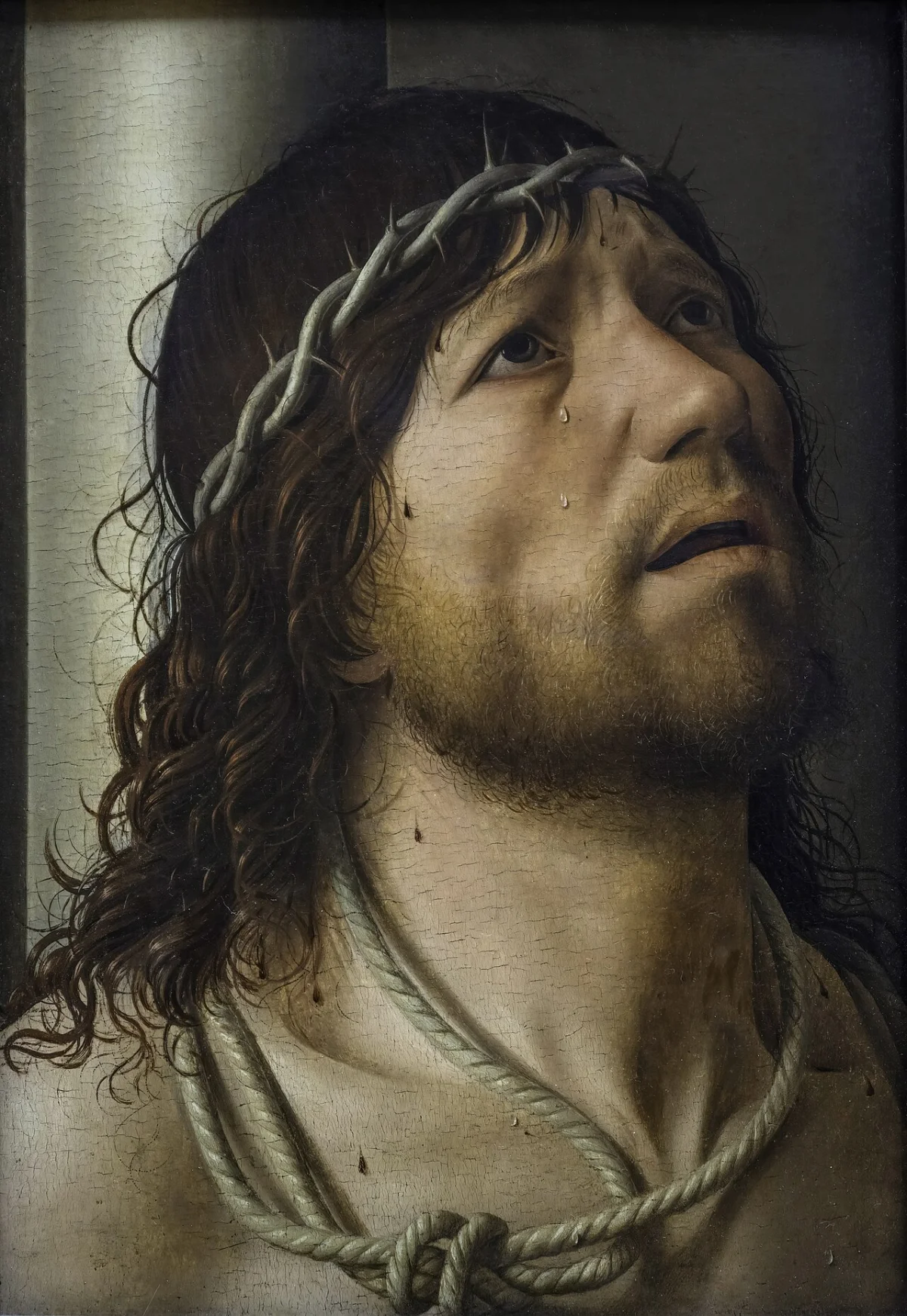
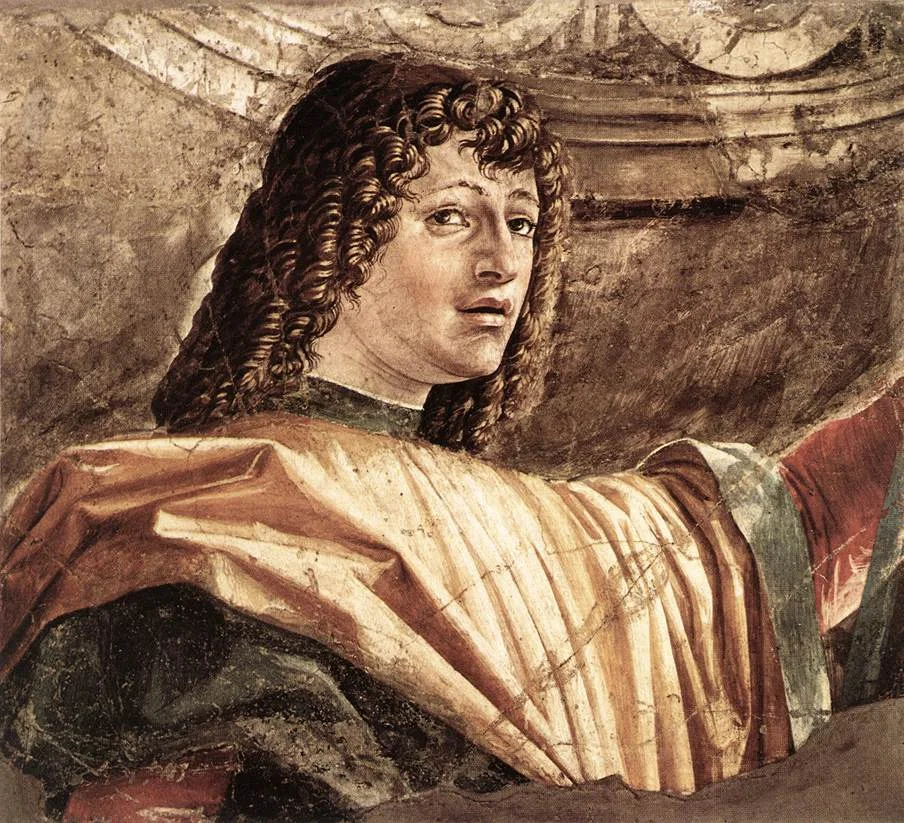
Owning "Santa Maria presso San Satiro - Bramante false apse" means possessing a fine art painting for sale that exemplifies High Renaissance genius. Donato Bramante’s innovative vision and mastery of oil on canvas make this artwork a prized possession. Collectors and enthusiasts can pair it with related pieces like "Christ at the Column" or "Man with a Halbard" to elevate their collection with historical and artistic significance, ensuring lasting value and admiration.
When Art Meets History
Donato Bramante’s masterpiece, "Santa Maria presso San Satiro - Bramante false apse," stands as a remarkable example of High Renaissance ingenuity. This hand-painted oil painting captures the inventive spirit of the era, where art and architecture merged seamlessly. Bramante's work sits alongside related paintings like "Our Lady of Piety" and "The Last Supper 1498," reflecting a period when artists redefined visual storytelling. Each stroke in this composition echoes a pivotal moment in art history.
Techniques That Speak
Bramante’s "Santa Maria presso San Satiro - Bramante false apse" showcases his mastery of perspective and illusion, making the oil on canvas appear deeper than its actual dimensions. Employing techniques also seen in "The Study of Drapery of a Seated Figure" and "Angel with Candlestick," Bramante manipulated spatial perception to create a sense of grandeur. The High Renaissance movement is renowned for such technical brilliance, and this painting exemplifies those advanced artistic methods.
Emotions on Display
The painting evokes awe and reverence, emotions often associated with sacred spaces. Bramante’s use of light and shadow in this fine art painting for sale draws viewers into a contemplative state, much like his contemporaries did in works such as "Christ on the Cross with the Virgin" and the "Citta di Castello Altarpiece." Through his High Renaissance vision, Bramante invites us to experience the profound spiritual atmosphere that defined his era.
Coveted by Collectors
Collectors worldwide seek Bramante’s "Santa Maria presso San Satiro - Bramante false apse" for its historical and artistic significance. As a hand-painted oil painting from the High Renaissance, it is highly prized, much like "Saint Jerome" and "Mary Magdalene." The painting’s unique perspective and masterful execution make it a centerpiece in any collection, embodying the timeless appeal of Donato Bramante’s artistry and the enduring legacy of Renaissance masterpieces.
Related High Renaissance Hand-Painted Oil Paintings by Other Artists
Other Famous High Renaissance Artists:
Frequently Asked Questions About Santa Maria presso San Satiro - Bramante false apse
What is the historical significance of the false apse in Santa Maria presso San Satiro?
The false apse, designed by Donato Bramante, is significant as it exemplifies the innovative architectural techniques of the Renaissance. It demonstrates how Bramante creatively addressed spatial limitations in the church, enhancing the illusion of depth and grandeur.
Who was Donato Bramante and what was his role in the Renaissance?
Donato Bramante was an influential Italian architect of the High Renaissance, known for his pioneering designs that combined classical elements with innovative concepts. His work on the false apse at Santa Maria presso San Satiro is a testament to his mastery of perspective and spatial composition.
What architectural features characterize the false apse?
The false apse features a semi-circular recess that creates an illusion of depth, supported by Corinthian columns and a coffered ceiling. This design not only maximizes the visual impact but also enhances the overall harmony of the church's interior.
How does the false apse reflect Renaissance ideals?
The false apse reflects Renaissance ideals through its emphasis on symmetry, proportion, and the use of classical elements. Bramante's design embodies the period's quest for beauty and harmony, merging functionality with aesthetic appeal.
What symbolism can be found in the design of the false apse?
The design of the false apse symbolizes the divine and the connection between heaven and earth. Its architectural grandeur serves to elevate the spiritual experience of worshippers, reinforcing the church's role as a sacred space.
What challenges did Bramante face when designing the false apse?
Bramante faced significant challenges related to the limited space available in the existing church structure. His innovative approach to creating a false apse allowed him to overcome these constraints while maintaining the integrity of the original design.
How did the false apse influence later architectural designs?
The false apse influenced later architectural designs by showcasing the potential of illusionistic techniques in church architecture. Its innovative use of space and perspective inspired subsequent architects to explore similar concepts in their own works.
What materials were used in the construction of the false apse?
The false apse was constructed using local materials, primarily brick and stucco, which were common in Renaissance architecture. These materials were chosen for their durability and ability to be molded into the intricate designs characteristic of the period.
In what ways does the false apse enhance the overall aesthetic of Santa Maria presso San Satiro?
The false apse enhances the overall aesthetic of Santa Maria presso San Satiro by creating a focal point that draws the eye upward, instilling a sense of grandeur. Its harmonious proportions and detailed ornamentation contribute to the church's overall beauty and spiritual ambiance.
What role did the false apse play in the liturgical practices of the church?
The false apse plays a crucial role in the liturgical practices of the church by providing a visually striking backdrop for religious ceremonies. Its design helps to create a sacred atmosphere that enhances the worship experience for congregants.






















_GFM_Painting_(1).webp)


 100% Hand-Painted: Finished in 3-6 Weeks

.png)















_(1).webp)