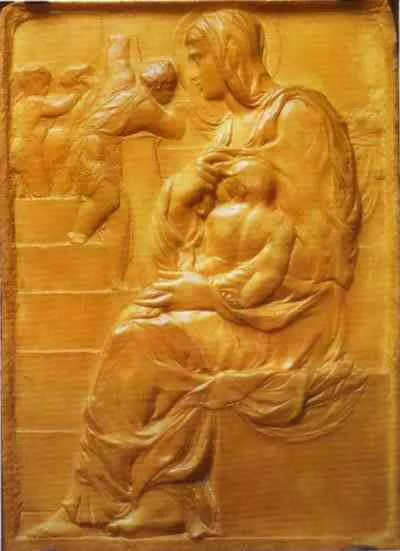
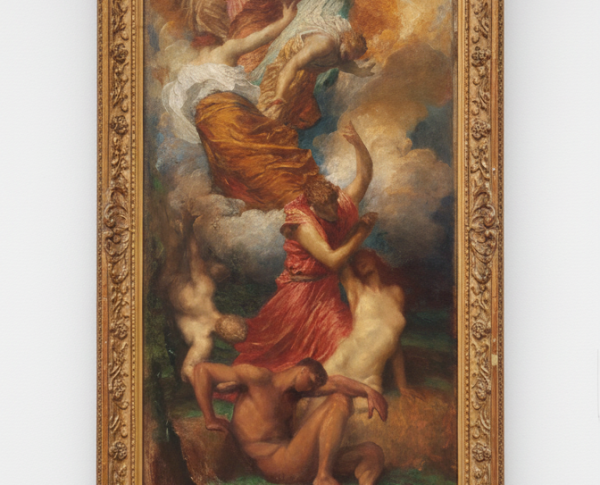
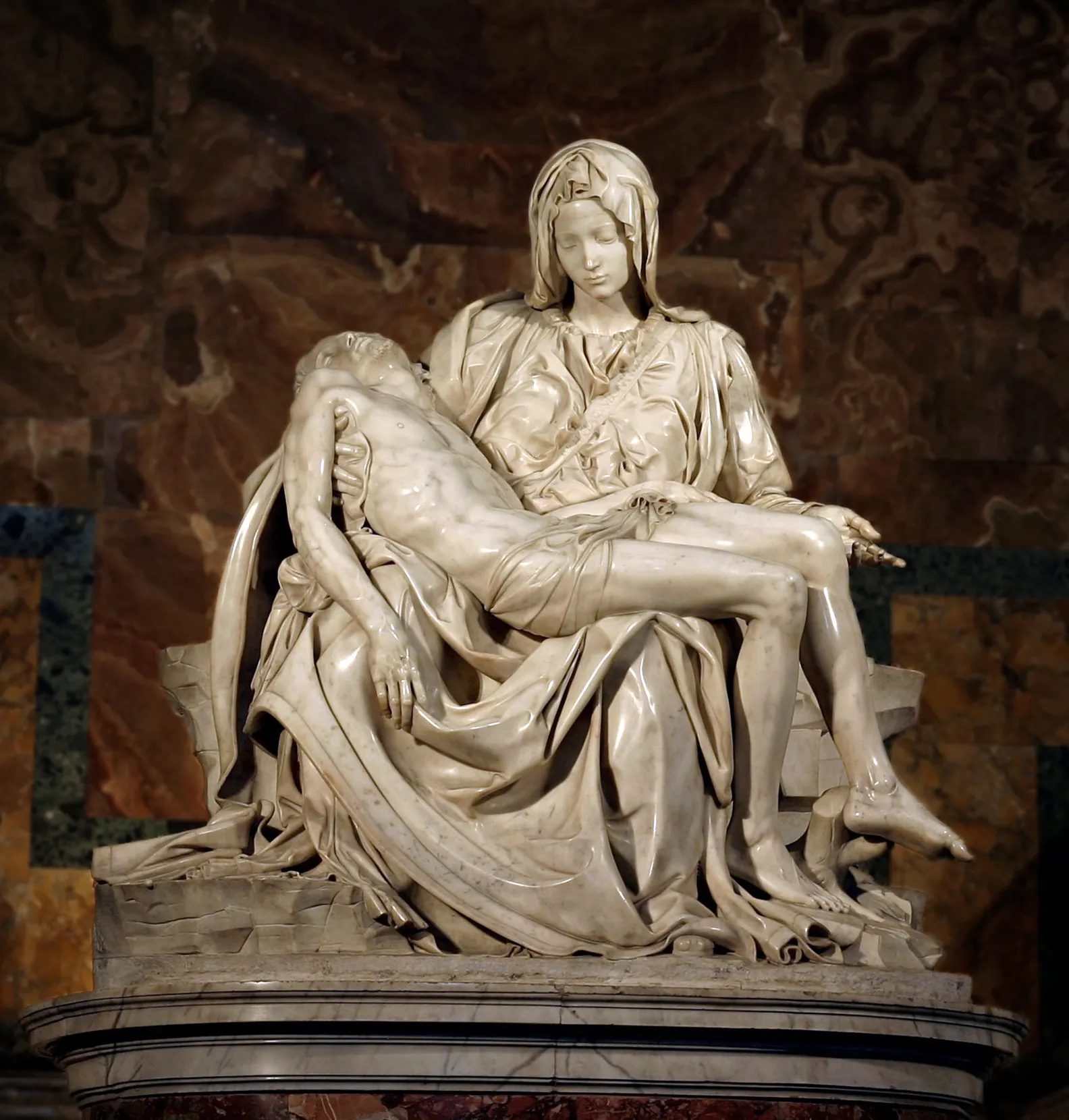
Michelangelo’s unparalleled technique is evident in every detail of "Our Lady of Piety," an exquisite oil on canvas that exemplifies High Renaissance ideals. The artist’s adept use of light and shadow brings the figures to life, much like his other celebrated works such as "The Virgin and Child with Saint John and Angels." Collectors searching for museum-quality pieces will appreciate the refined execution and timeless appeal of this masterpiece, a true highlight among oil on canvas paintings.
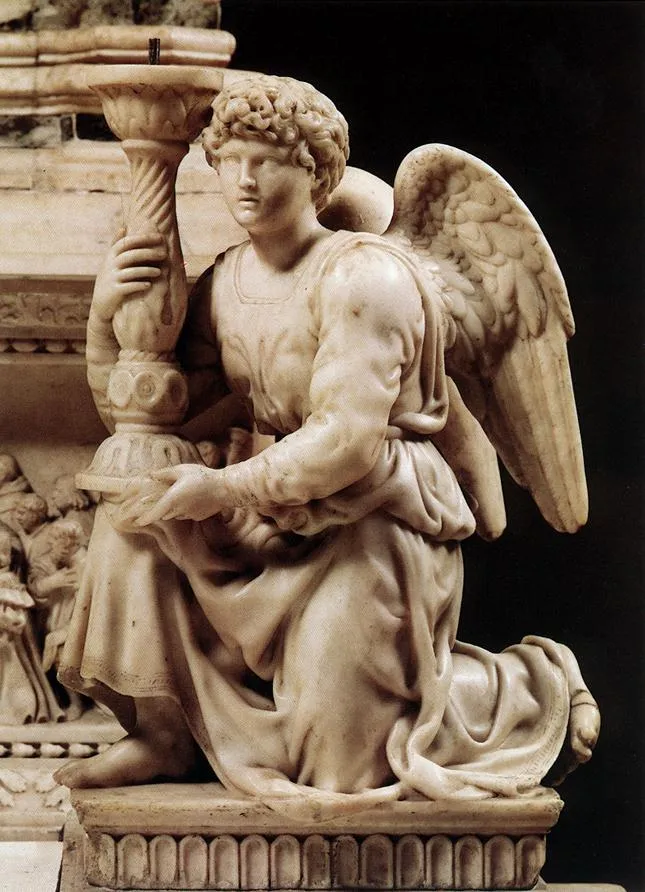
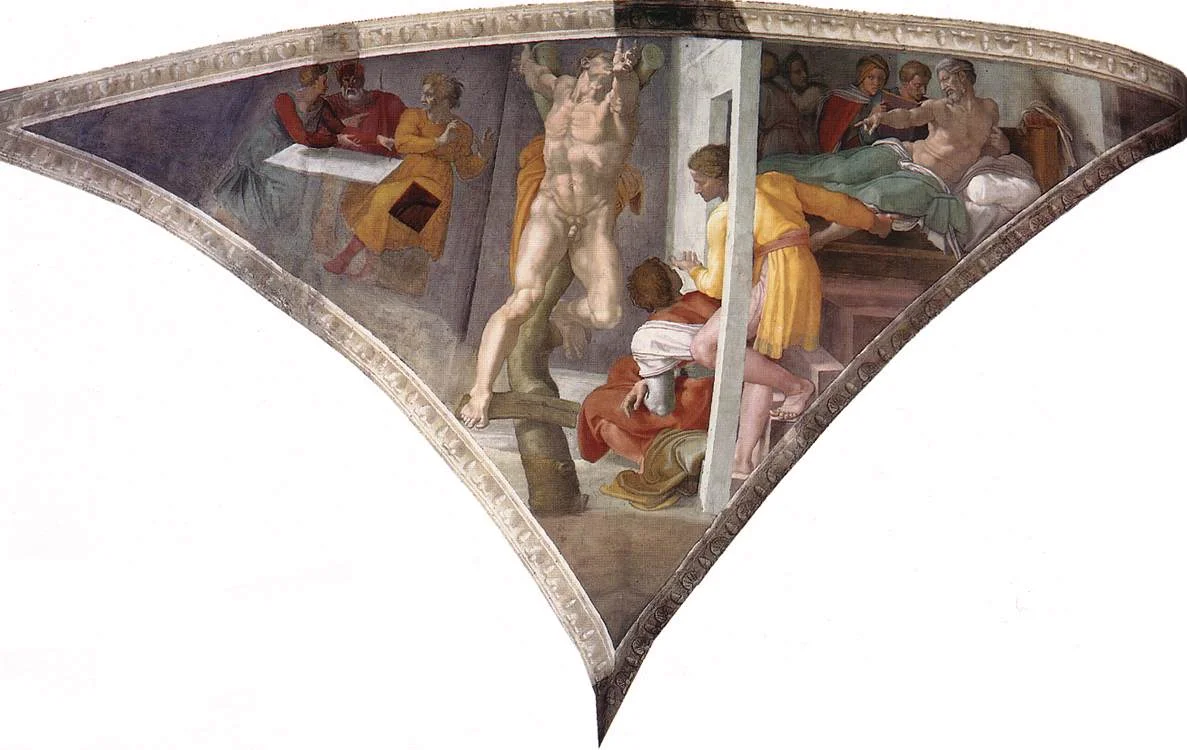
"Our Lady of Piety" is rich with symbolism, reflecting Michelangelo Buonarroti’s deep understanding of religious iconography within the High Renaissance movement. The painting’s serene composition and subtle details echo themes found in works like "Angel with Candlestick" and "The Torment of Saint Anthony." For those exploring meaningful additions to their collection, this hand-painted oil painting offers a narrative depth that distinguishes it as a significant fine art painting for sale.
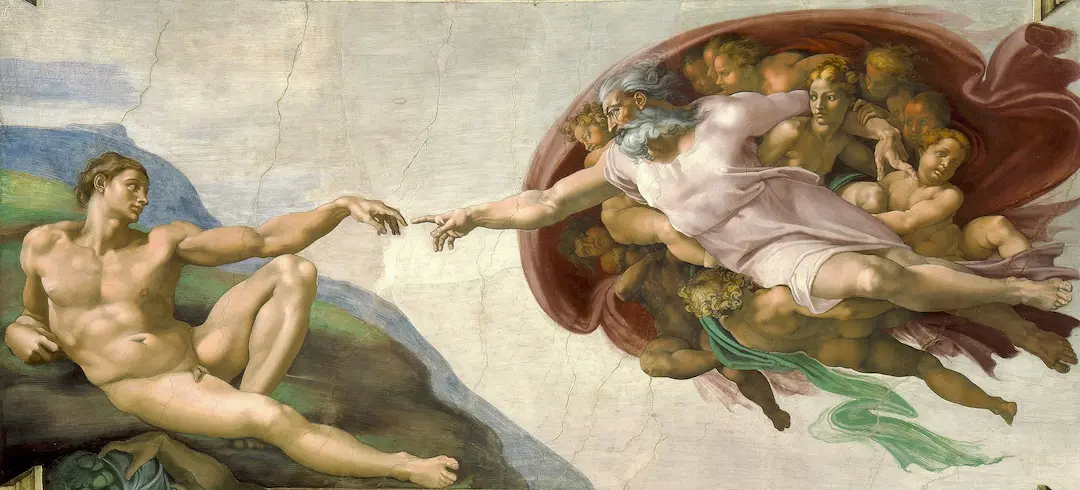
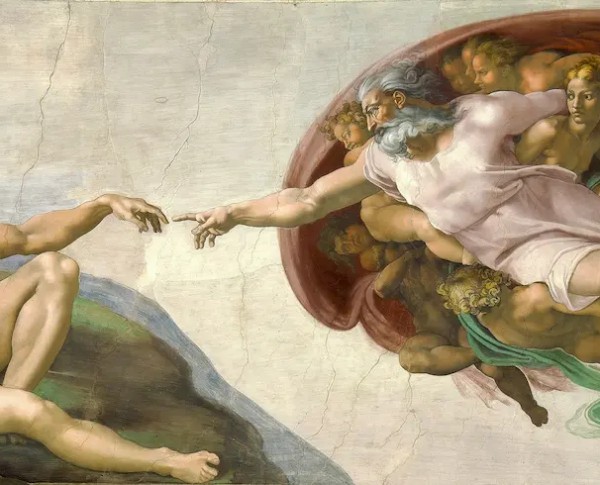
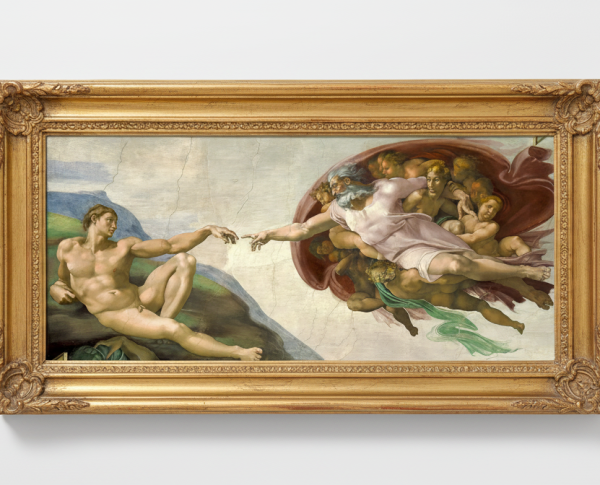
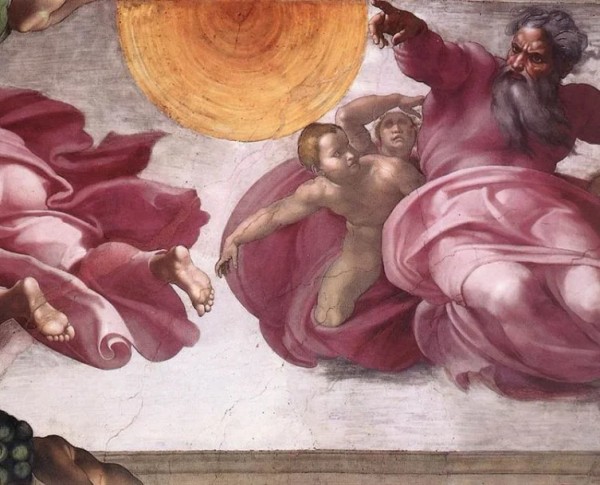
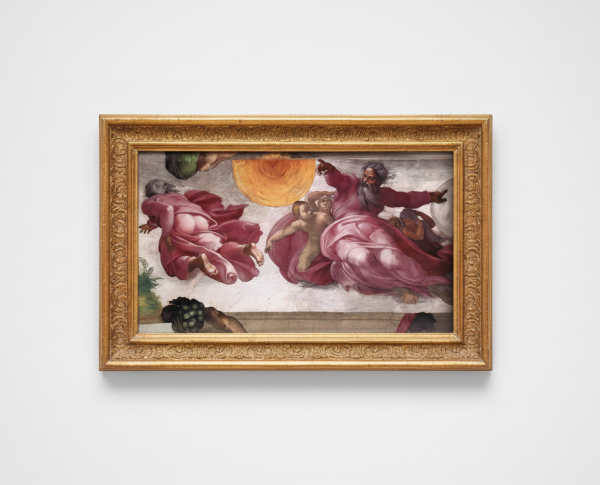
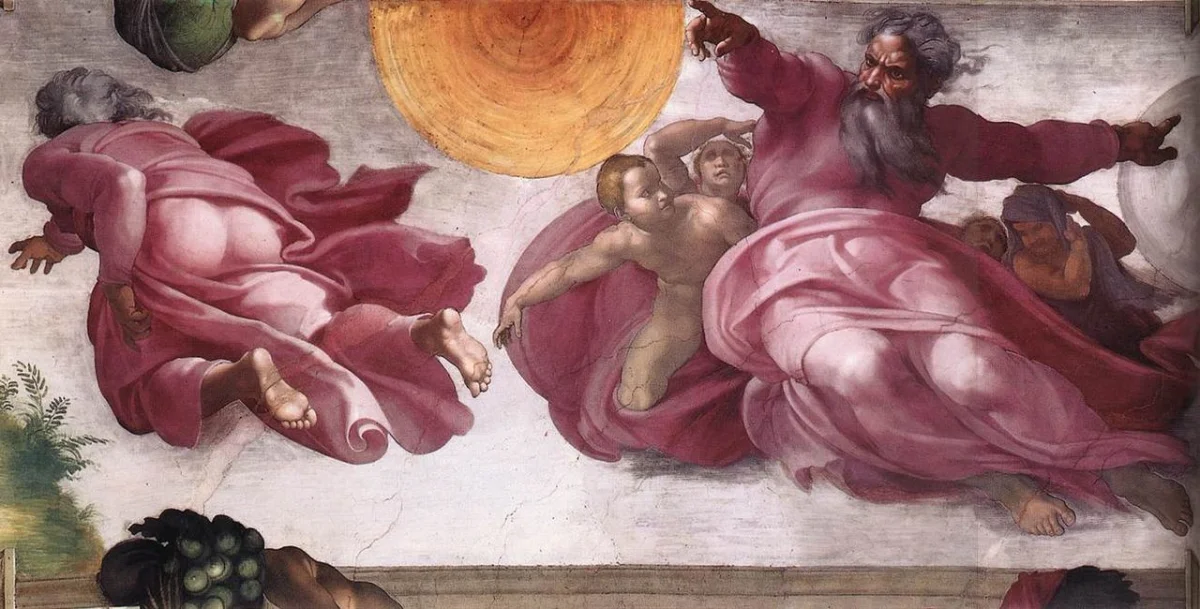
For discerning collectors, "Our Lady of Piety" by Michelangelo Buonarroti represents a rare opportunity to own a piece of High Renaissance history. This fine art painting for sale stands alongside masterpieces such as "The Creation of the Sun, Moon and Planets," offering unmatched artistry and cultural value. As an oil on canvas work, it is not only a visual masterpiece but also a testament to Michelangelo’s enduring legacy in the world of hand-painted oil paintings.
When Art Meets History
"Our Lady of Piety," created by Michelangelo Buonarroti during the High Renaissance, stands as a testament to the era's devotion to religious themes and technical mastery. This hand-painted oil painting bridges the gap between faith and artistry, echoing the cultural and spiritual values of its time. Michelangelo's work is often compared to other masterpieces like "Self Portrait" and "Christ on the Cross with the Virgin," all of which highlight the transformative power of Renaissance art.
Techniques That Speak
Michelangelo's "Our Lady of Piety" showcases his remarkable skill with oil on canvas, a medium that allowed for exquisite detail and depth. The artist’s use of light and shadow, as seen in related works such as "Drapery for a Seated Figure," demonstrates his understanding of anatomy and fabric. These technical achievements mark the painting as a standout of the High Renaissance movement, making it a benchmark for anyone appreciating the evolution of oil on canvas techniques.
Emotions on Display
In "Our Lady of Piety," Michelangelo Buonarroti captures profound grief and compassion, hallmarks of the High Renaissance. The emotional resonance of this fine art painting for sale is comparable to that in his "Heraclitus and Democritus" or "Saint Jerome." Through delicate expressions and poised gestures, Michelangelo invites viewers to connect with the sacred narrative, ensuring the painting’s legacy as an enduring symbol of empathy and devotion in fine art.
Coveted by Collectors
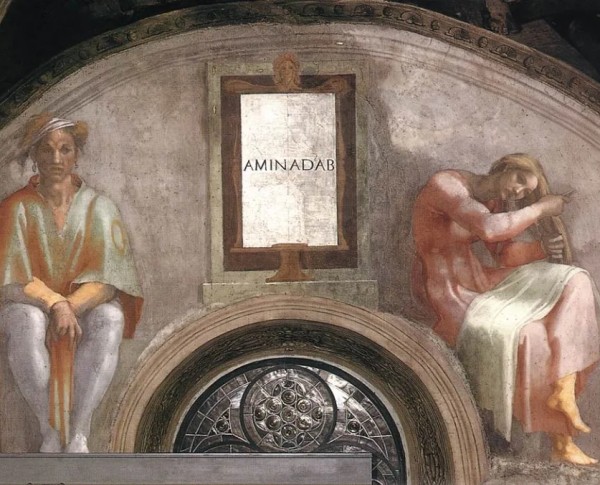
Collectors highly value "Our Lady of Piety" by Michelangelo Buonarroti for its historical importance and artistic brilliance. As a hand-painted oil painting from the High Renaissance, it is often sought after alongside renowned pieces like "The Study of Drapery of a Seated Figure" and the "Citta di Castello Altarpiece." Its provenance and the artist’s reputation make it a prized addition to any fine art collection, reflecting the timeless allure of Renaissance masterpieces.
Related High Renaissance Hand-Painted Oil Paintings by Other Artists
Other Famous High Renaissance Artists:
Frequently Asked Questions About Our Lady of Piety
What is the historical context of "Our Lady of Piety"?
"Our Lady of Piety," created by Michelangelo Buonarroti in the early 16th century, reflects the Renaissance's deep engagement with religious themes and human emotion, showcasing the era's artistic innovations and spiritual concerns.
What materials were used in the creation of "Our Lady of Piety"?
The sculpture is carved from marble, a medium favored by Michelangelo for its ability to convey intricate details and a lifelike quality, enhancing the emotional impact of the work.
What are the primary themes depicted in "Our Lady of Piety"?
The primary themes include maternal love, sacrifice, and redemption, as the Virgin Mary cradles the lifeless body of Christ, embodying both grief and profound devotion.
How does "Our Lady of Piety" reflect Michelangelo's artistic style?
The sculpture exemplifies Michelangelo's mastery of anatomy and drapery, showcasing his ability to convey emotion through the physicality of the figures and their expressions.
What is the significance of the pose of Mary and Christ in the sculpture?
The pose of Mary holding Christ is a poignant representation of maternal sorrow, symbolizing the deep bond between mother and son, as well as the universal theme of loss and compassion.
Where is "Our Lady of Piety" currently located?
"Our Lady of Piety" is housed in St. Peter's Basilica in Vatican City, where it serves as a focal point for visitors and a testament to Michelangelo's genius.
What influence did "Our Lady of Piety" have on subsequent art?
The sculpture has inspired countless artists and has become a benchmark for representations of the Virgin Mary, influencing both religious and secular art throughout the centuries.
What is the symbolism behind the use of marble in "Our Lady of Piety"?
Marble symbolizes purity and eternity, aligning with the sacred themes of the work and enhancing the spiritual resonance of the figures depicted.
How does "Our Lady of Piety" compare to other works by Michelangelo?
While many of Michelangelo's works focus on the human form and grandeur, "Our Lady of Piety" stands out for its intimate portrayal of grief and tenderness, showcasing a different emotional spectrum in his oeuvre.
What techniques did Michelangelo employ in "Our Lady of Piety" to achieve realism?
Michelangelo utilized techniques such as chiaroscuro to create depth and volume, as well as meticulous attention to anatomical details, resulting in a lifelike and emotionally charged representation.






















_GFM_Painting_(1).webp)


 100% Hand-Painted: Finished in 3-6 Weeks

.png)















_(1).webp)