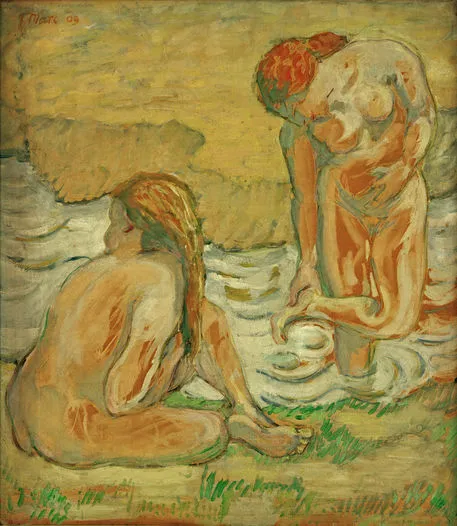
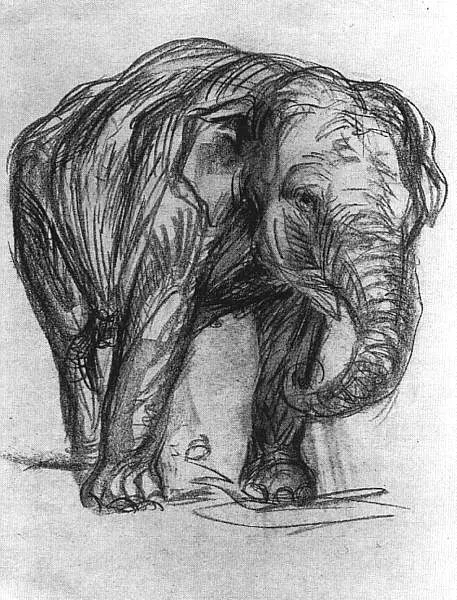
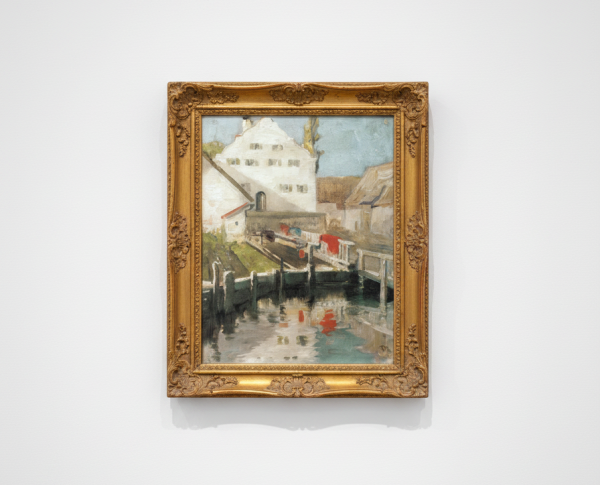
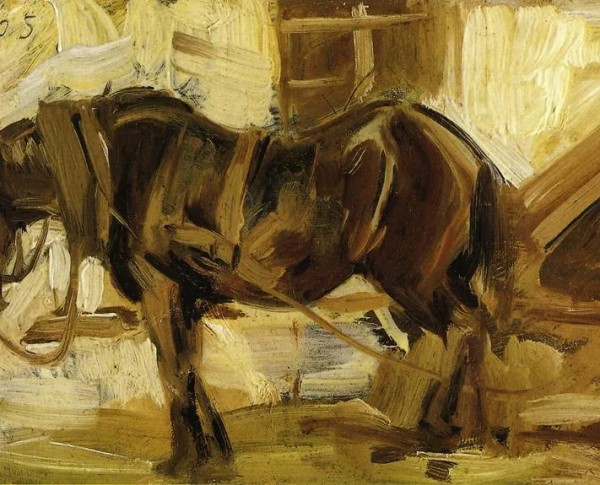
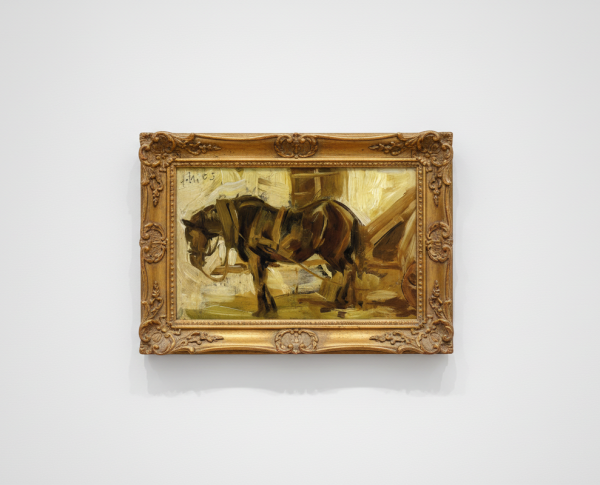
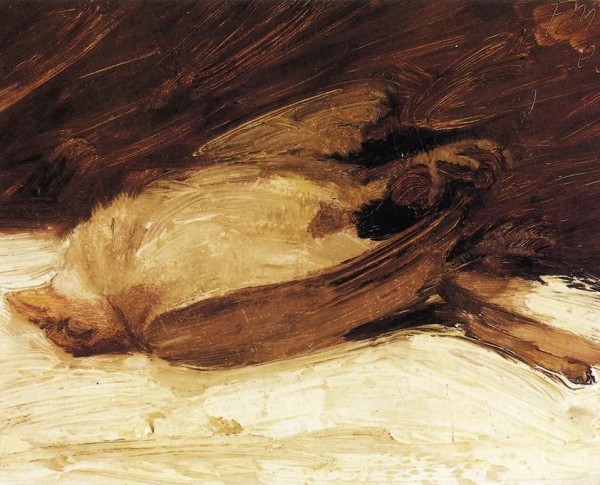
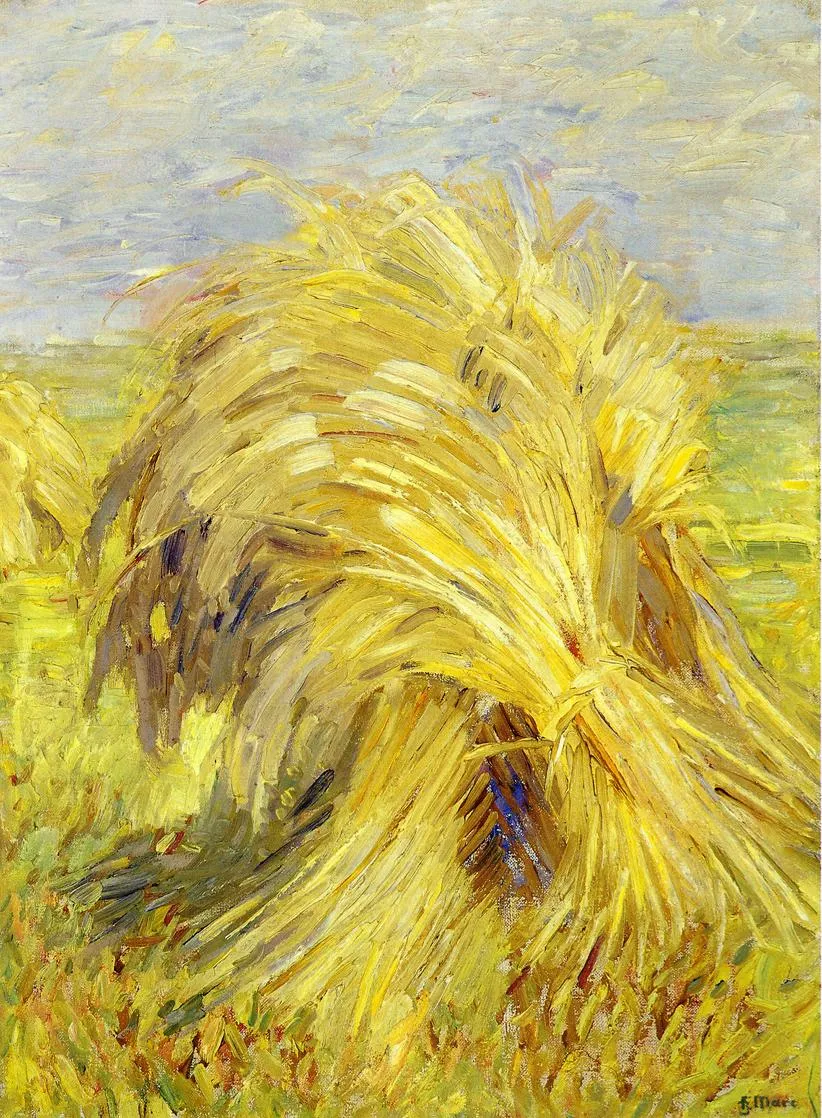
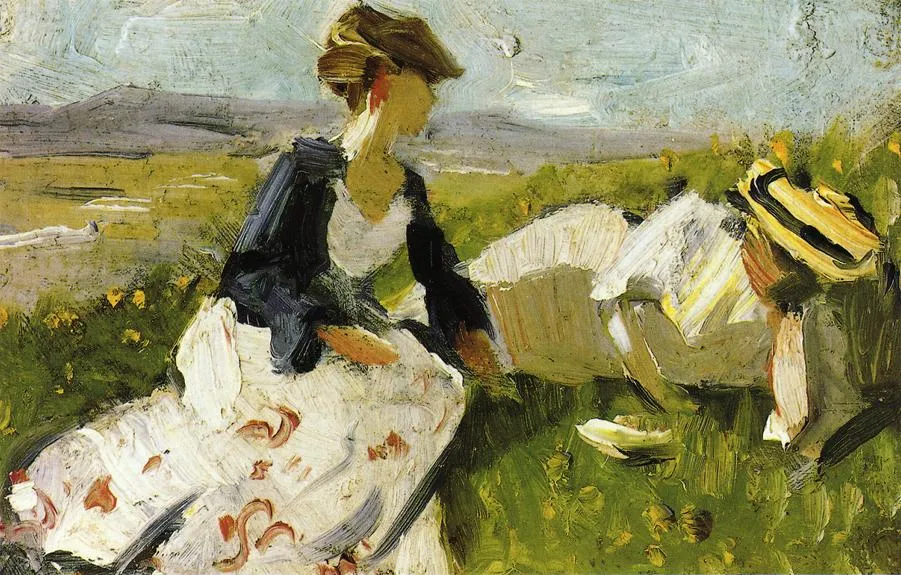
"Sheaf of Grain" showcases Marc's exceptional technique in oil on canvas, capturing the dynamic energy that defines Expressionism. Each brushstroke demonstrates his mastery in conveying movement and depth, making the artwork a standout addition to any fine art collection. Those interested in expanding their appreciation for Marc’s creative genius may also consider related products such as "Elephant" and "Two Women on the Hillside" for a more comprehensive view of his style.
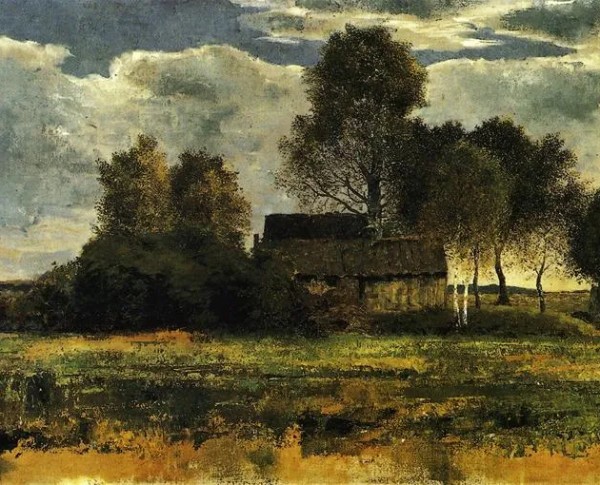
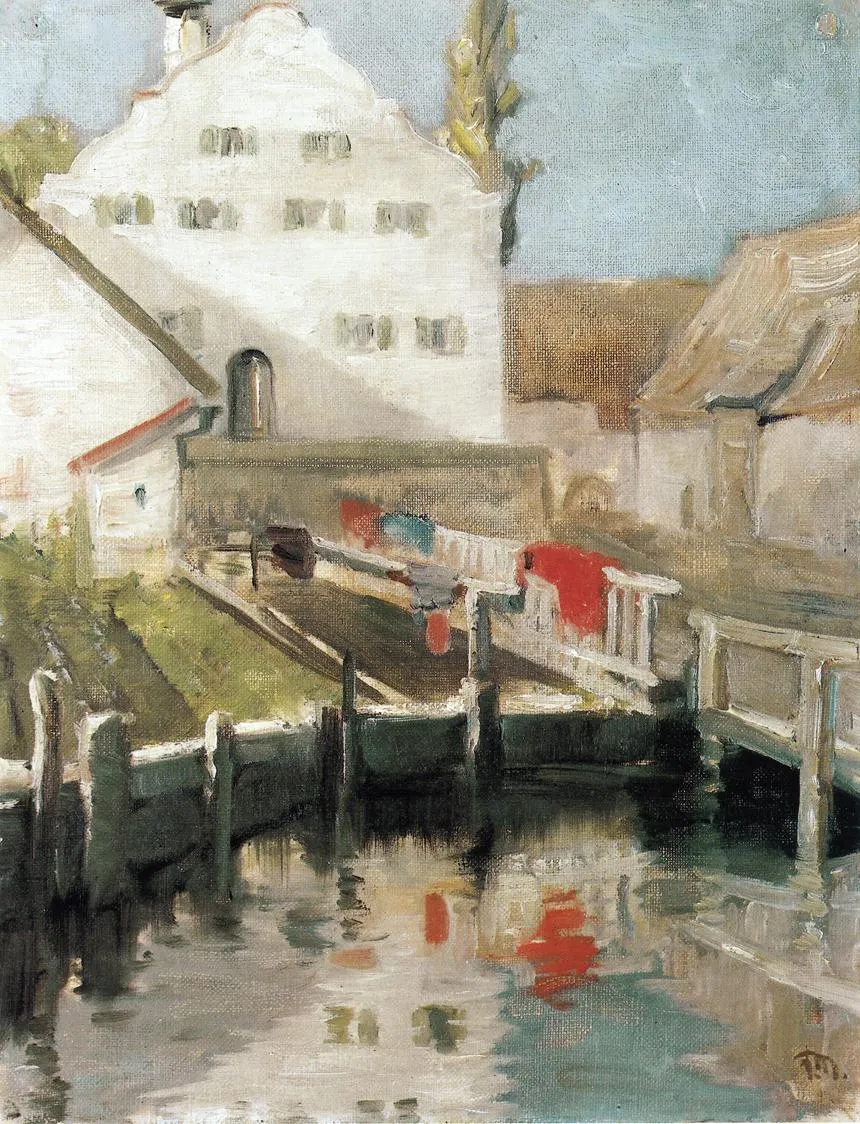
Through "Sheaf of Grain," Franz Marc weaves a narrative rich in symbolism, reflecting the spiritual connection between humanity and nature—a hallmark of the Expressionism movement. This fine art painting for sale invites viewers to interpret its deeper meanings, encouraging thoughtful reflection. Collectors often seek complementary works like "Cottages on the Dachau Marsh" and "Indersdorf" to further explore the profound stories embedded within Marc's oeuvre.
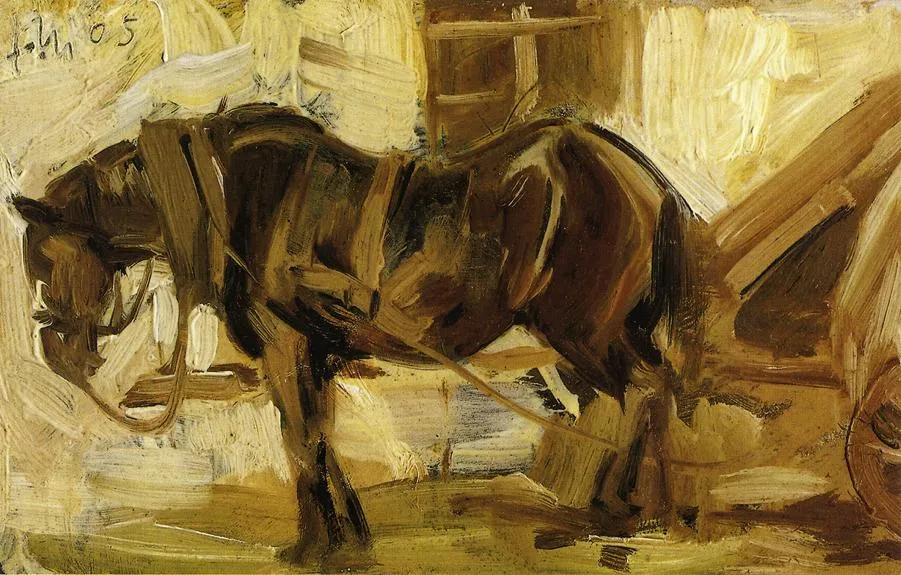
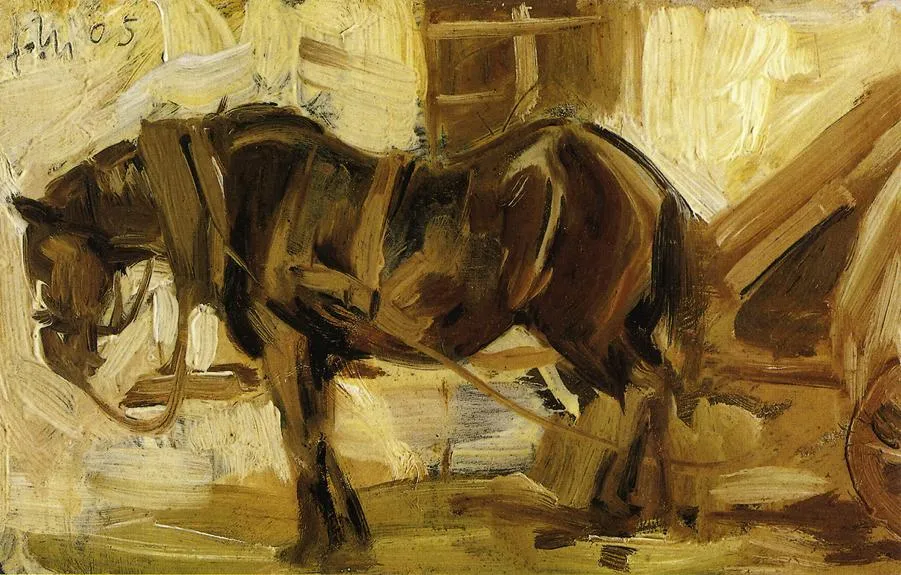
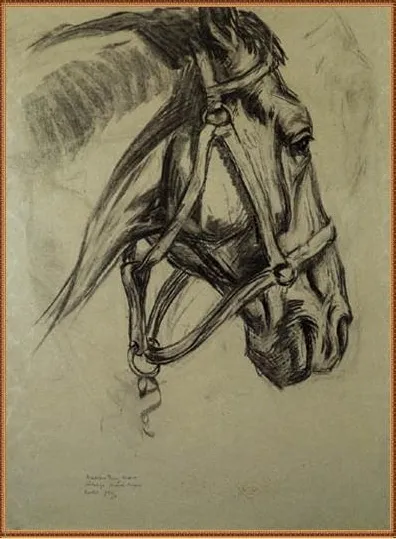
Owning "Sheaf of Grain" by Franz Marc means possessing a remarkable piece of Expressionist history. This hand-painted oil painting not only enhances the aesthetic of any space but also serves as a valuable investment for serious art collectors. As demand for authentic Expressionist works grows, related products such as "Small Horse Study" and "Head of the horse" remain highly sought after, making them excellent additions to any curated fine art collection.
When Art Meets History
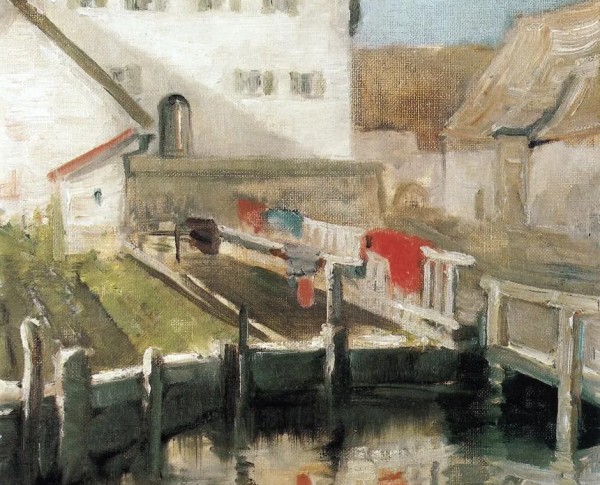
Franz Marc’s “Sheaf of Grain” stands as a striking testament to the Expressionism movement, capturing the spirit of early twentieth-century art. This hand-painted oil painting intertwines historical context with personal vision, echoing the transformative period in which it was created. Much like Marc’s contemporaries who produced works such as “Old Aker Church” and “The Sick Child,” “Sheaf of Grain” reflects a pivotal moment when artists sought to express deeper truths through bold color and dynamic form.
Techniques That Speak
Employing his signature oil on canvas approach, Franz Marc infused “Sheaf of Grain” with vivid hues and expressive brushwork. The textured surface and vibrant palette are hallmarks of the Expressionism movement, emphasizing emotion over realism. This technique, also evident in related paintings like “Madonna” and “Morning,” enables Marc’s subjects to transcend their physical forms. The result is an immersive visual experience that invites viewers into the artist’s imaginative world.
Emotions on Display
“Sheaf of Grain” by Franz Marc is more than a fine art painting for sale; it is a window into the artist’s emotional landscape. Through bold colors and abstract forms, Marc channels the intensity and energy characteristic of Expressionism. Similar to works such as “Vampire,” this painting conveys a sense of movement and vitality, inviting viewers to connect deeply with the scene. Marc’s unique style ensures that every brushstroke resonates with feeling and meaning.
Coveted by Collectors
Collectors and art enthusiasts prize “Sheaf of Grain” for its historical significance and artistic mastery. As a hand-painted oil painting by Franz Marc, it holds a distinctive place within the Expressionism movement, alongside acclaimed pieces like “The Sick Child.” The rarity and emotional impact of Marc’s works make them highly sought-after in the art market. Owning such a masterpiece allows collectors to possess a tangible piece of art history and creative genius.
Related Expressionism Hand-Painted Oil Paintings by Other Artists
Other Famous Expressionism Artists:
Frequently Asked Questions About Sheaf of Grain
What is the historical context of "Sheaf of Grain"?
"Sheaf of Grain" was created during a period of significant artistic experimentation in the early 20th century, particularly within the Expressionist movement in Germany. Franz Marc, a key figure in this movement, sought to convey emotional depth through color and form, reflecting the tumultuous social and political climate of the time.
What artistic techniques did Franz Marc employ in "Sheaf of Grain"?
In "Sheaf of Grain," Marc utilized bold colors and dynamic shapes to evoke emotional responses. His use of vibrant yellows and greens symbolizes vitality and growth, while the abstracted forms suggest a deeper connection to nature and the spiritual world.
What symbols are present in "Sheaf of Grain"?
The sheaf of grain itself is a powerful symbol of fertility, abundance, and the cycle of life. It represents not only agricultural prosperity but also the interconnectedness of humanity and nature, a theme prevalent in Marc's body of work.
How does "Sheaf of Grain" reflect Franz Marc's artistic philosophy?
Marc believed in the spiritual significance of nature and sought to express this through his art. "Sheaf of Grain" embodies his philosophy by highlighting the beauty and importance of the natural world, encouraging viewers to appreciate and connect with their environment.
What influences can be seen in "Sheaf of Grain"?
Marc was influenced by various artistic movements, including Impressionism and Post-Impressionism. The use of color and form in "Sheaf of Grain" reflects these influences, as well as the burgeoning interest in abstraction that characterized early 20th-century art.
What role does color play in "Sheaf of Grain"?
Color in "Sheaf of Grain" is not merely decorative; it serves to convey emotion and meaning. The bright yellows and greens evoke feelings of joy and vitality, while the contrasting tones create a sense of depth and movement, enhancing the viewer's emotional experience.
How does "Sheaf of Grain" relate to Franz Marc's other works?
How does "Sheaf of Grain" fit into the broader narrative of Expressionism?
"Sheaf of Grain" exemplifies the core tenets of Expressionism, which sought to prioritize emotional experience over realistic representation. Marc's focus on vibrant colors and abstract forms aligns with the movement's goal of conveying inner feelings and exploring the human condition through art.























_GFM_Painting_(1).webp)


 100% Hand-Painted: Finished in 3-6 Weeks

.png)















_(1).webp)