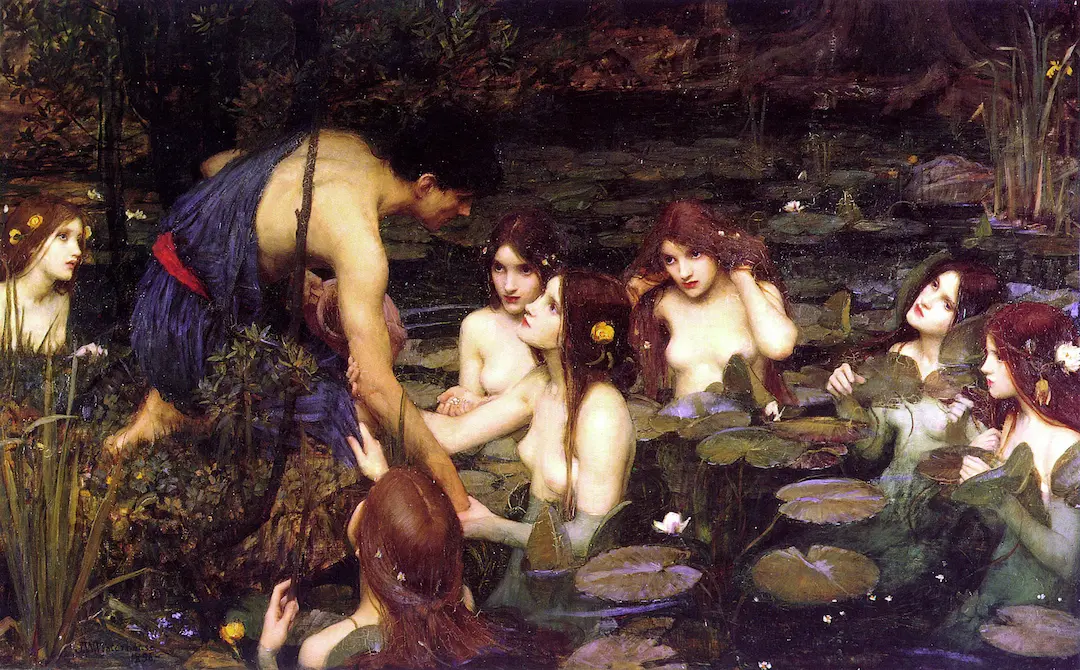
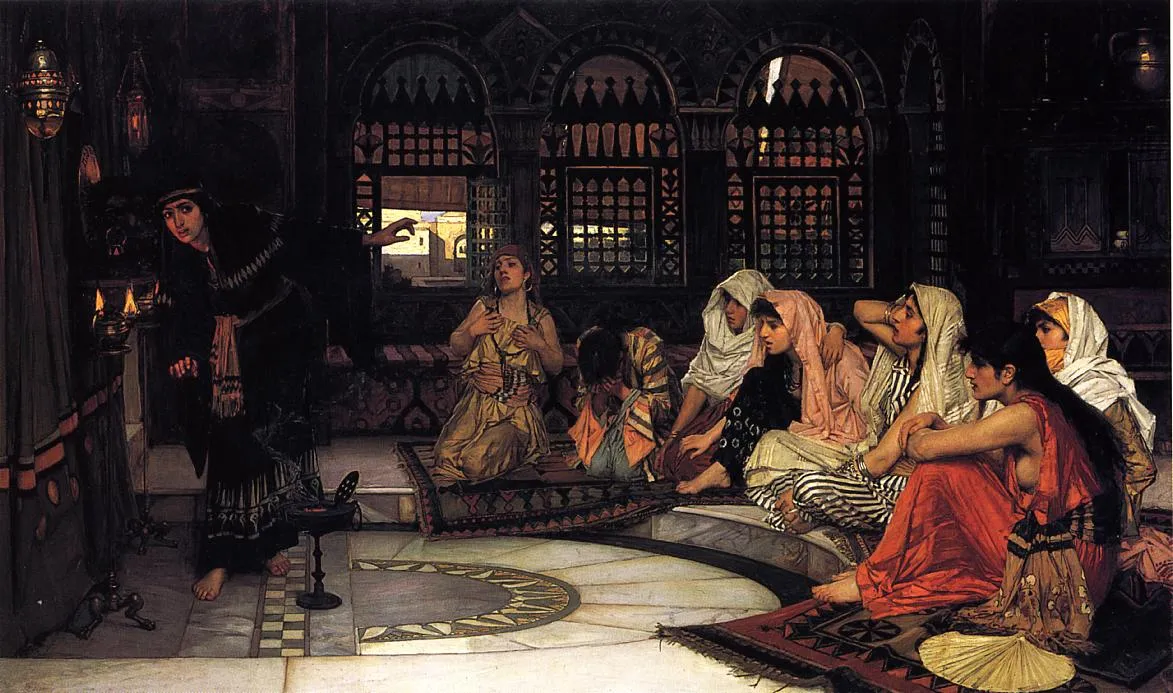
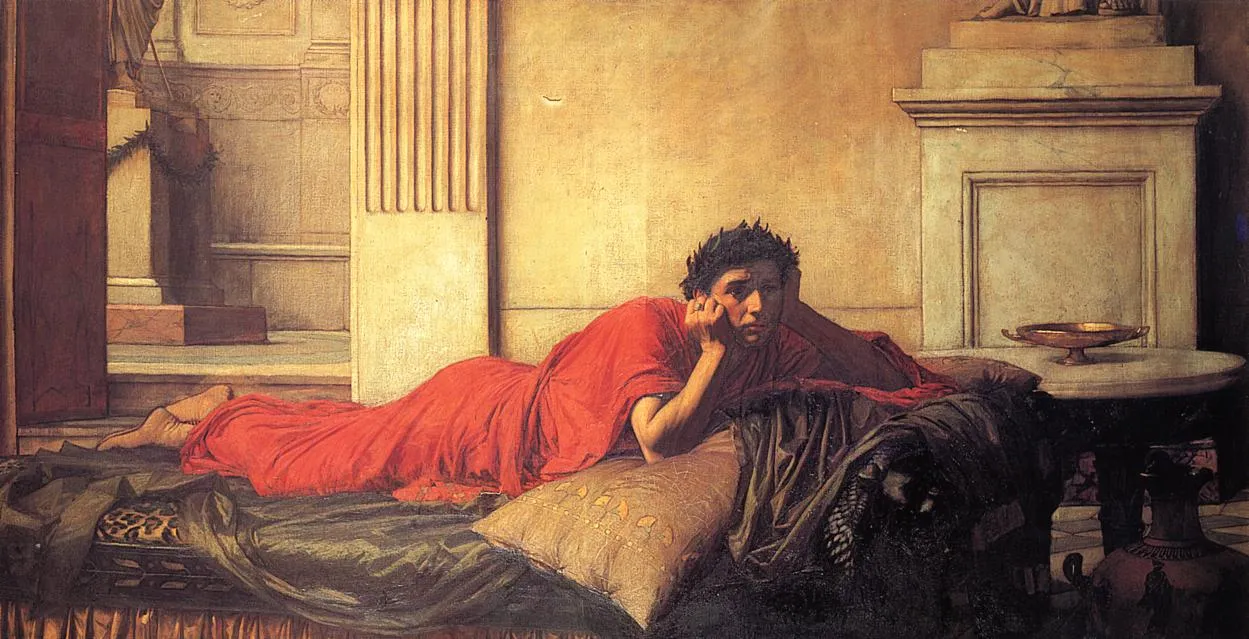
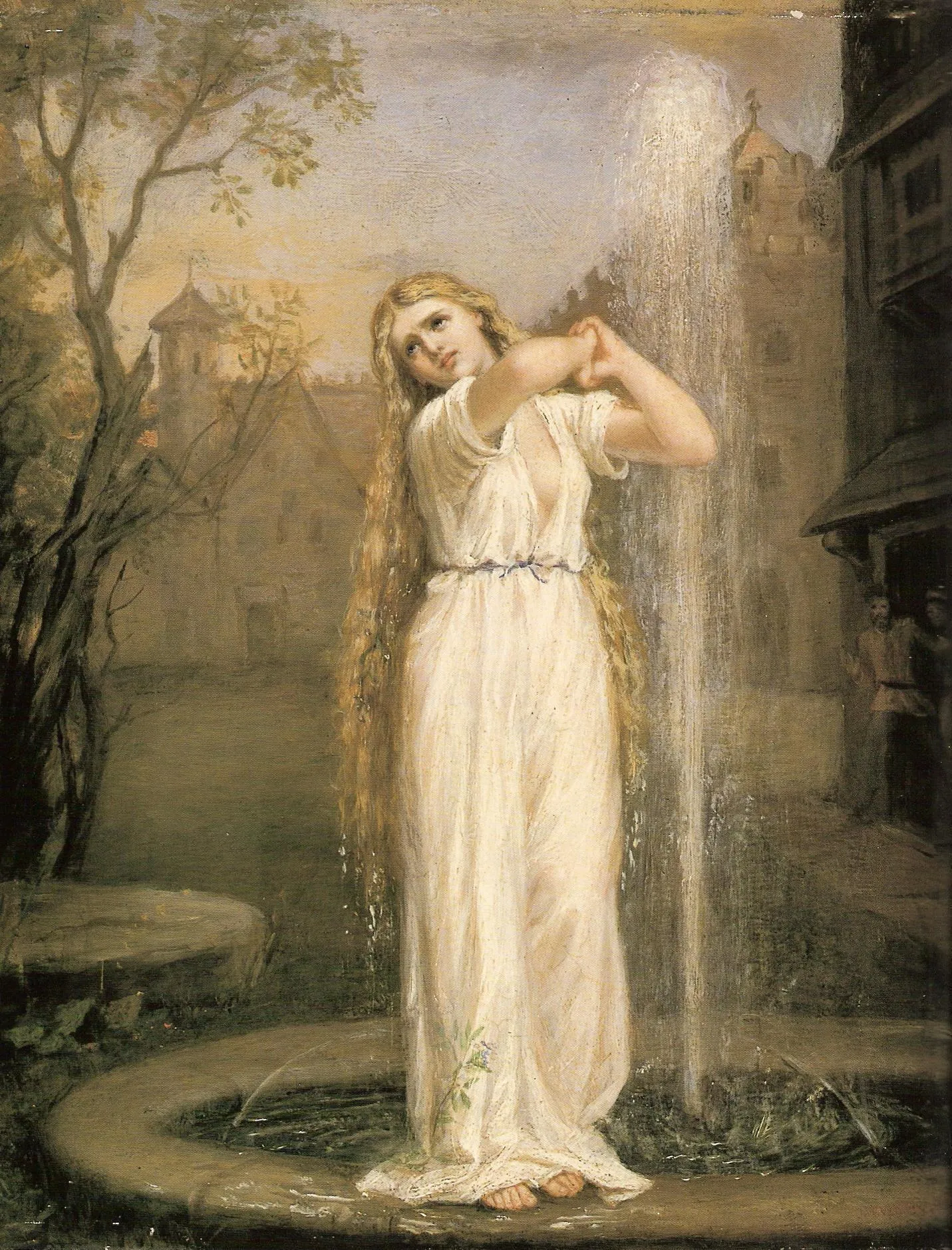
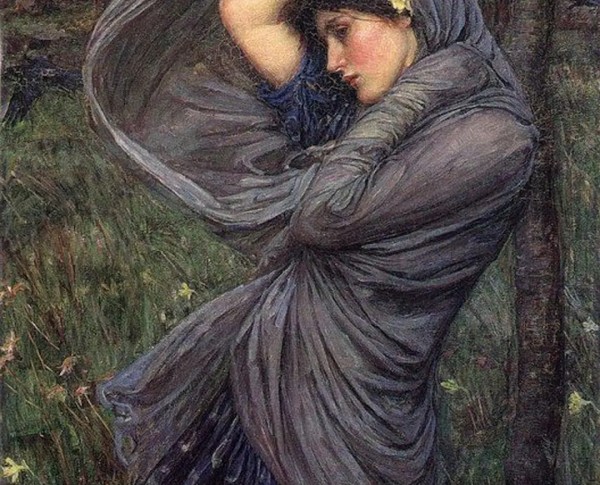
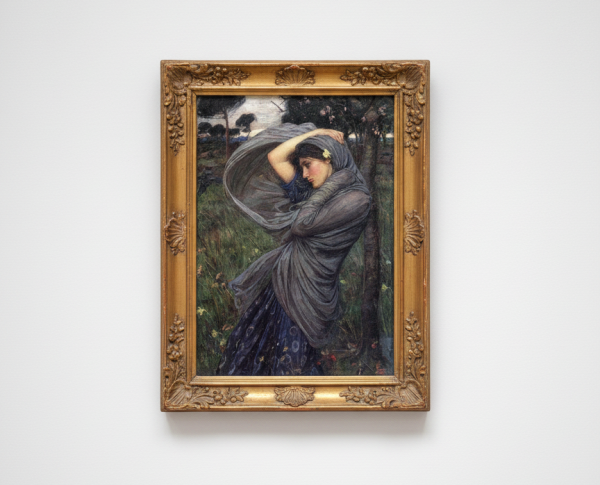
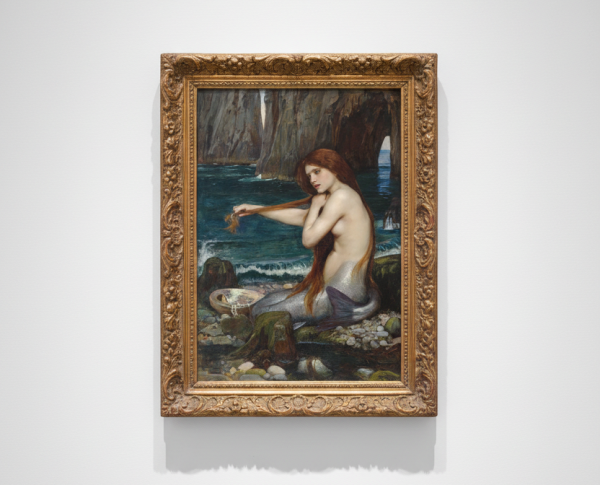
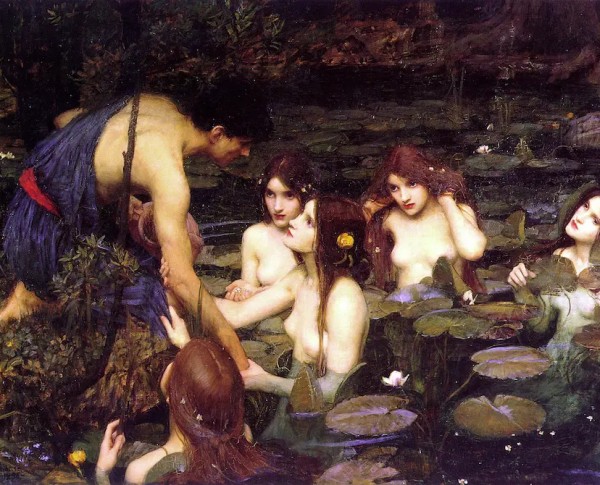
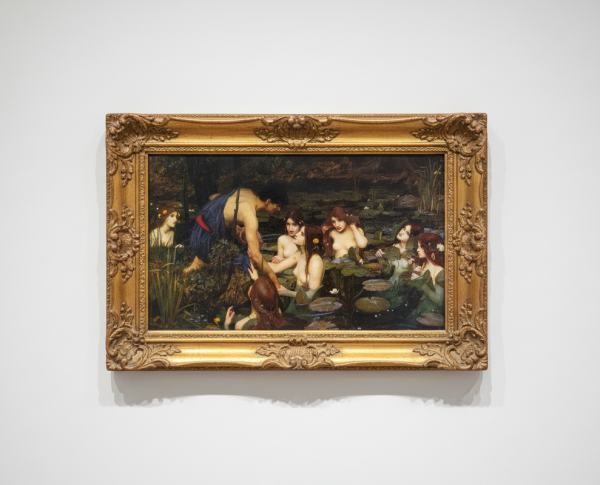
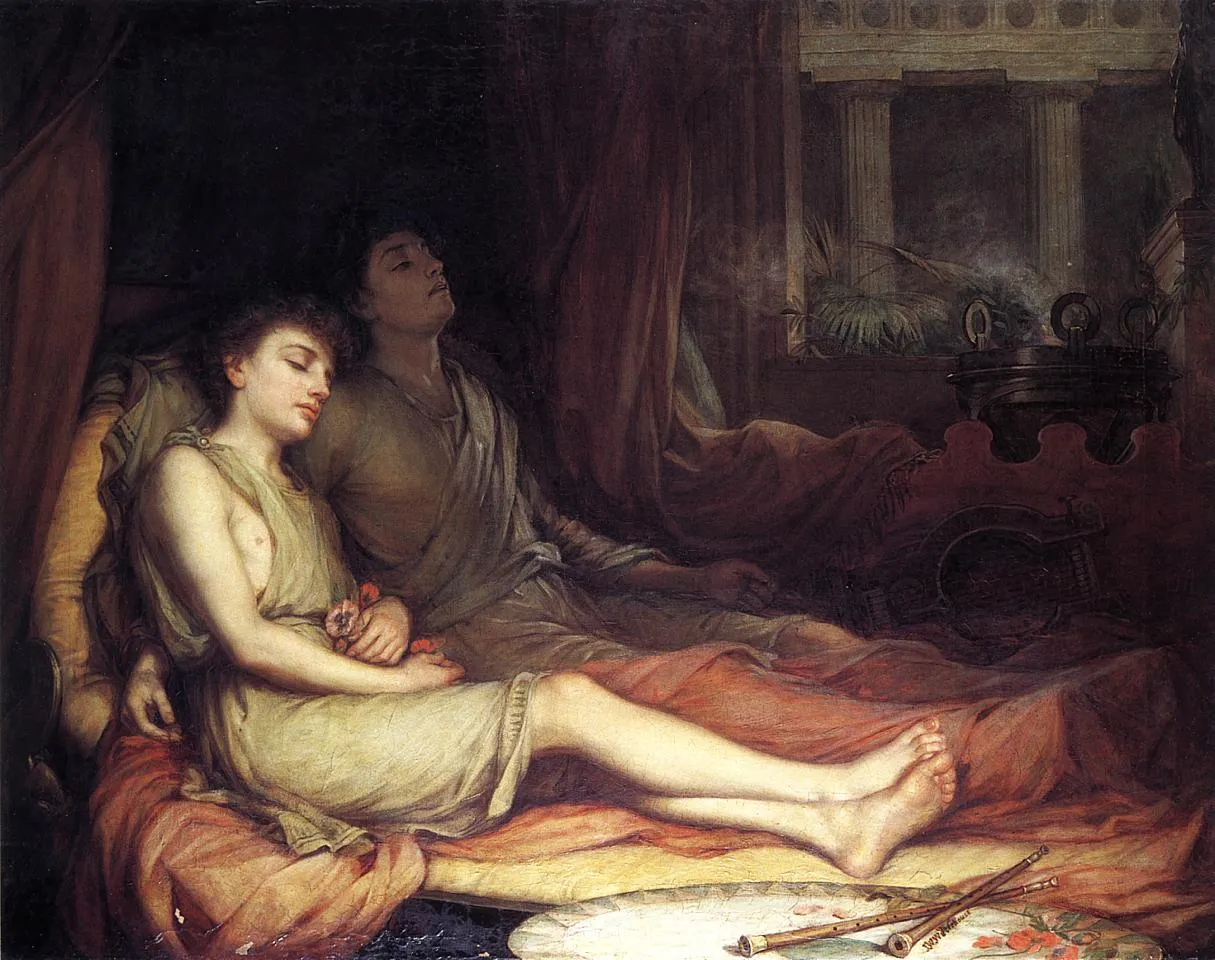
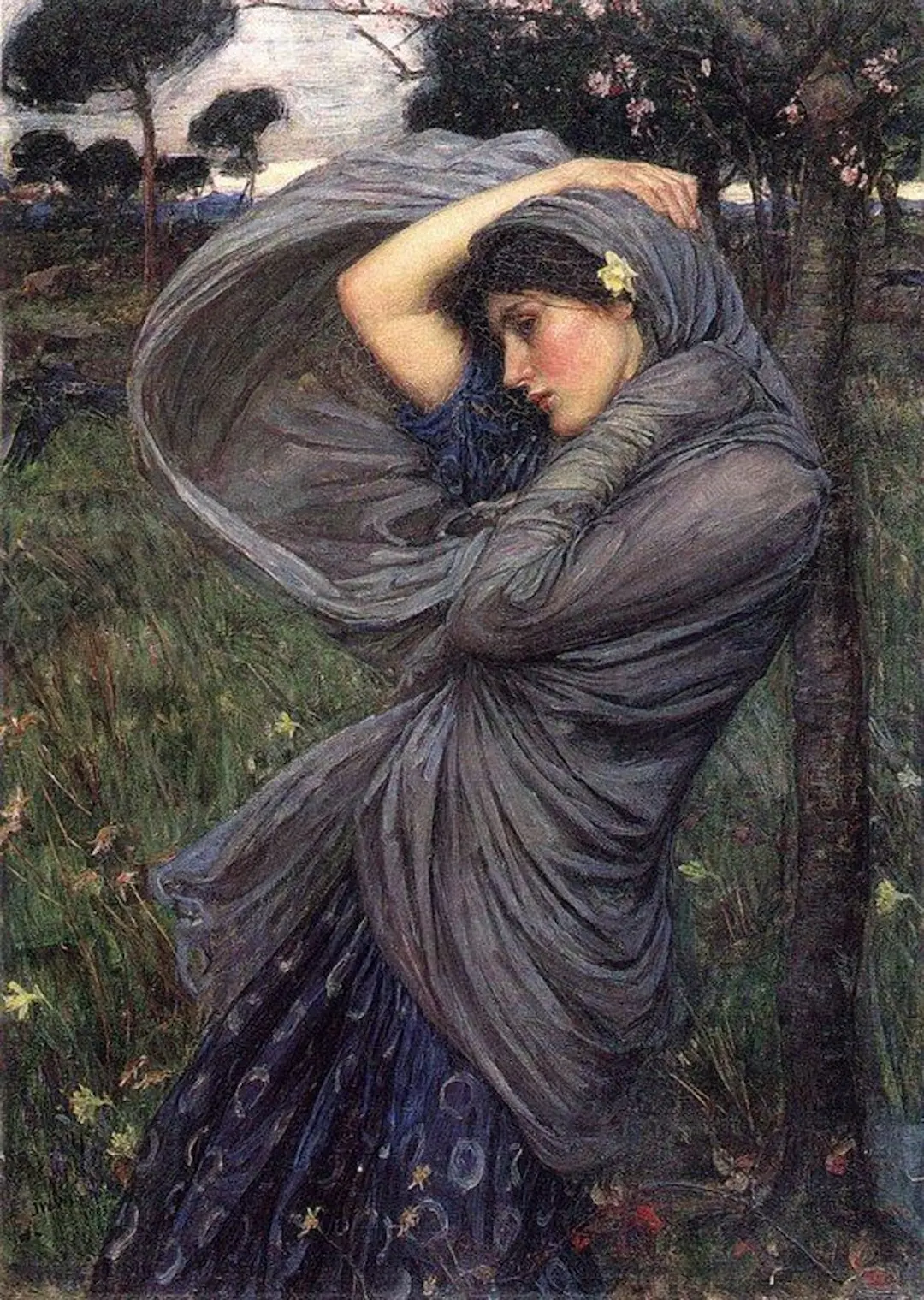
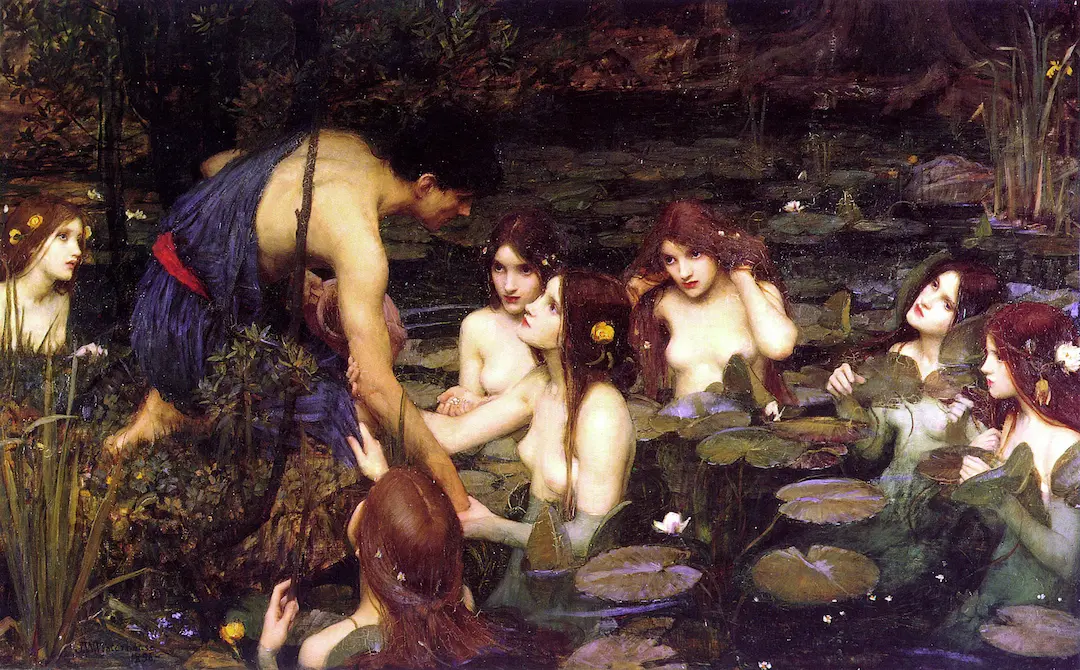
Waterhouse’s technique in "Sleep and His Half Brother Death" reveals his mastery of oil on canvas, a hallmark of the Pre-Raphaelites. Through delicate brushwork and rich color palettes, he breathes life into mythological themes. This approach is similarly observed in related works like "Boreas 1903" and "Hylas and the Nymphs 1896." The artist’s attention to detail and composition makes this oil on canvas painting an exemplary piece in any collection.
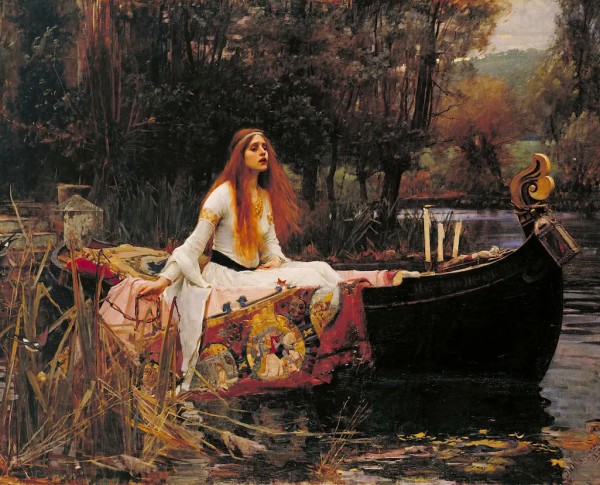
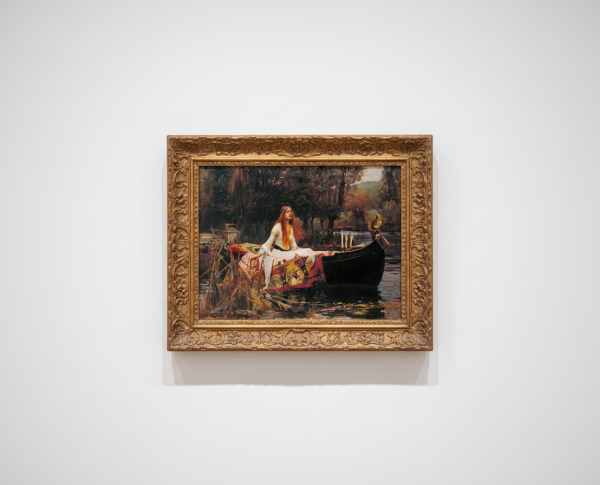
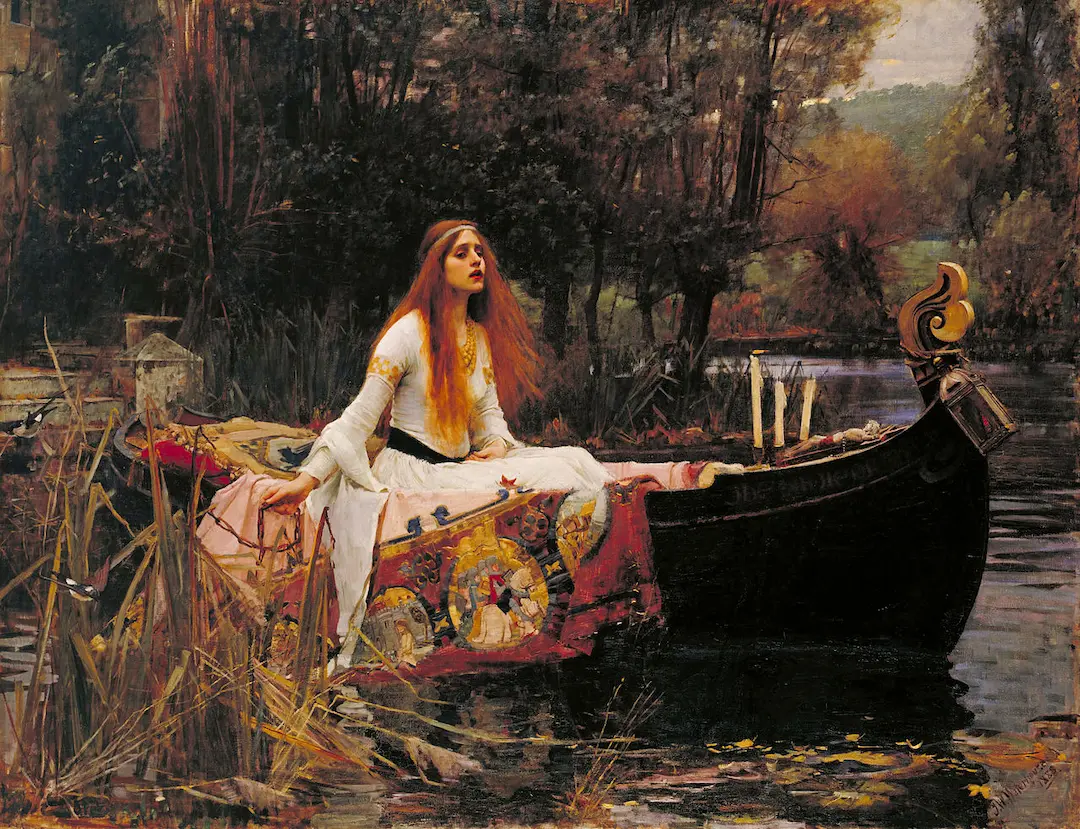
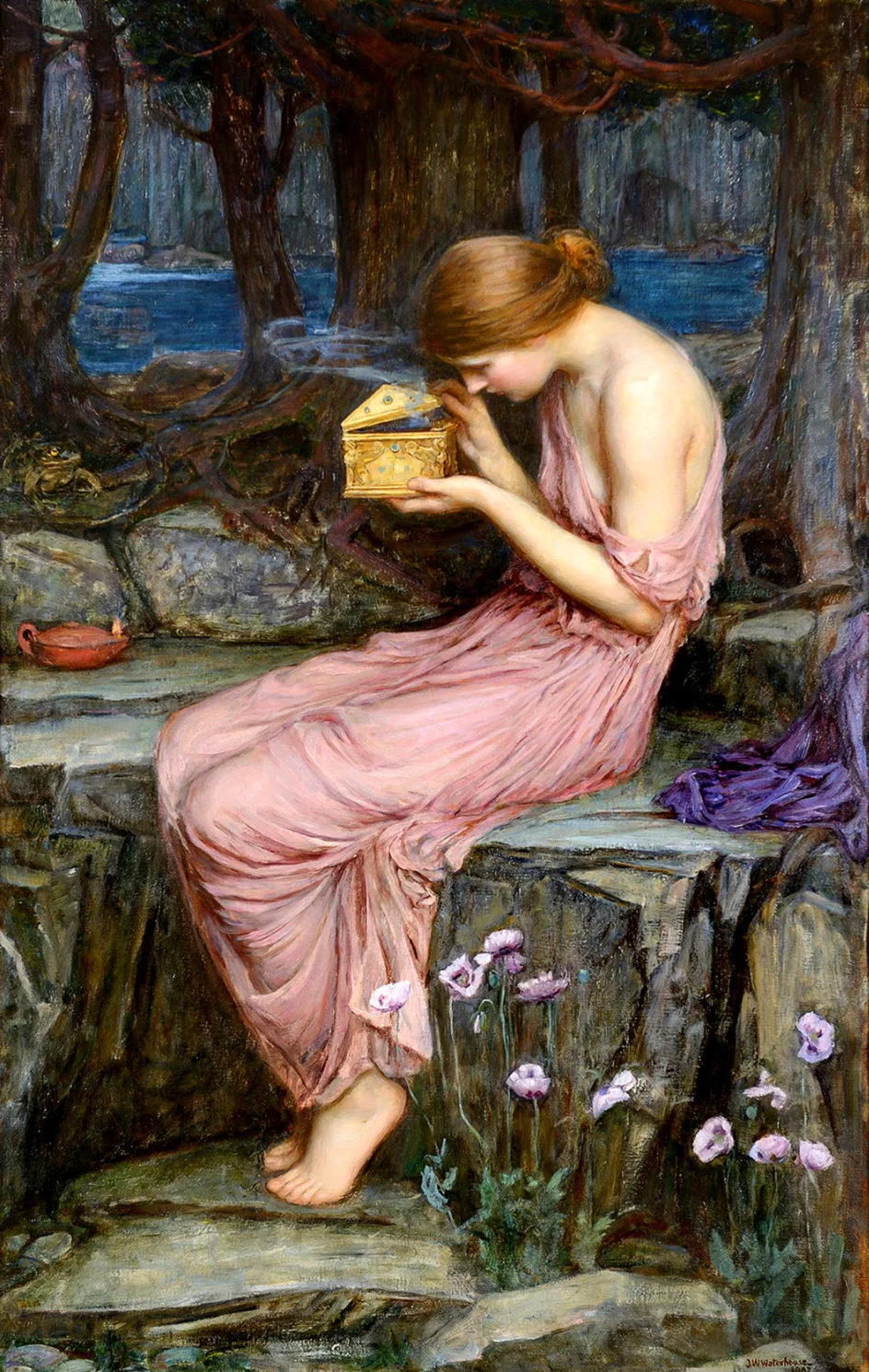
In "Sleep and His Half Brother Death," Waterhouse weaves classical mythology with Pre-Raphaelite symbolism. The painting’s dreamlike imagery invites viewers to contemplate the interplay of rest and mortality. This hand-painted oil painting, much like "The Lady of Shalott 1888" and "Psyche Opening the Golden Box 1903," uses allegory and symbolism to tell a compelling story. Collectors seeking a fine art painting for sale will find deep meaning and narrative in this work.
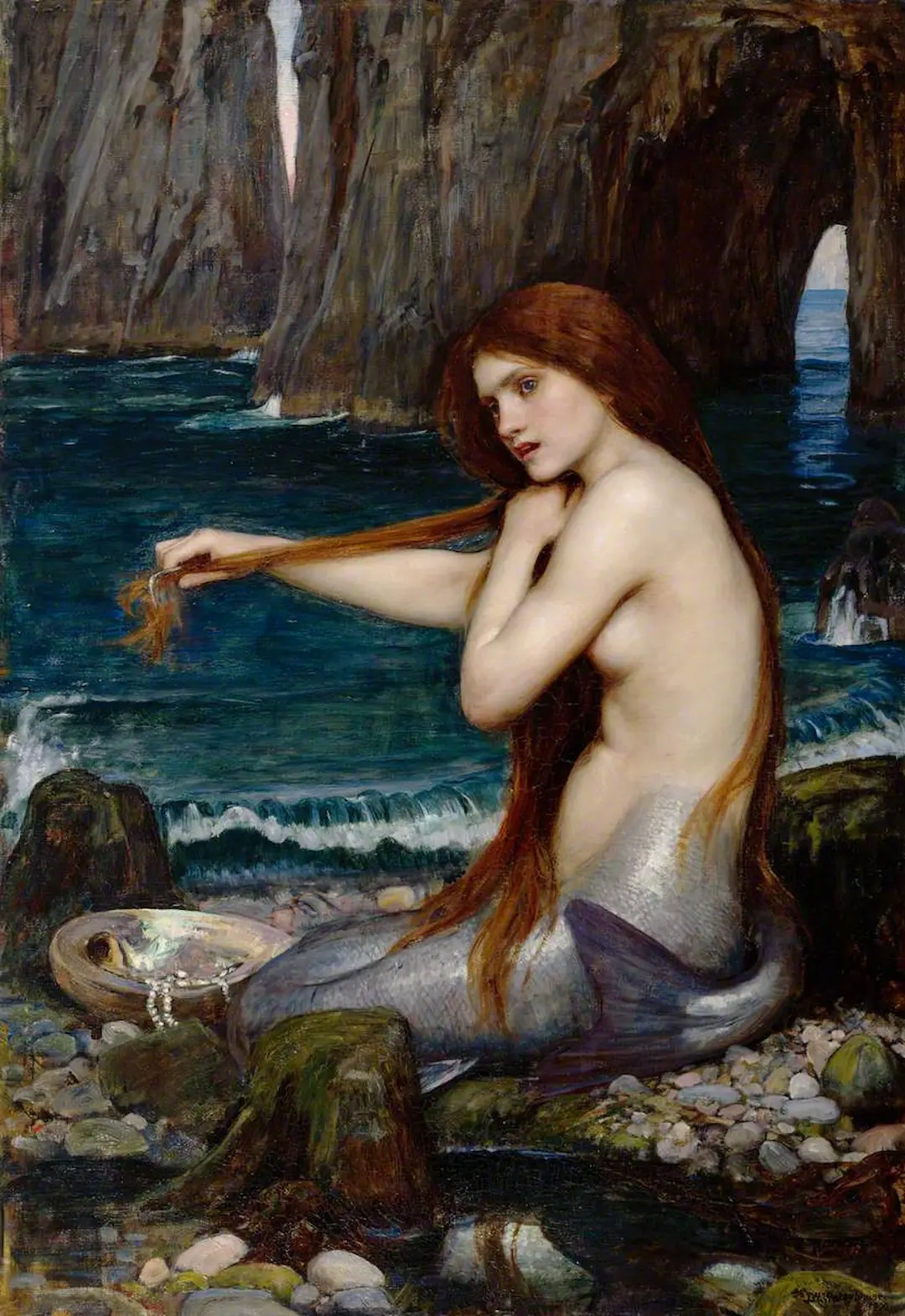
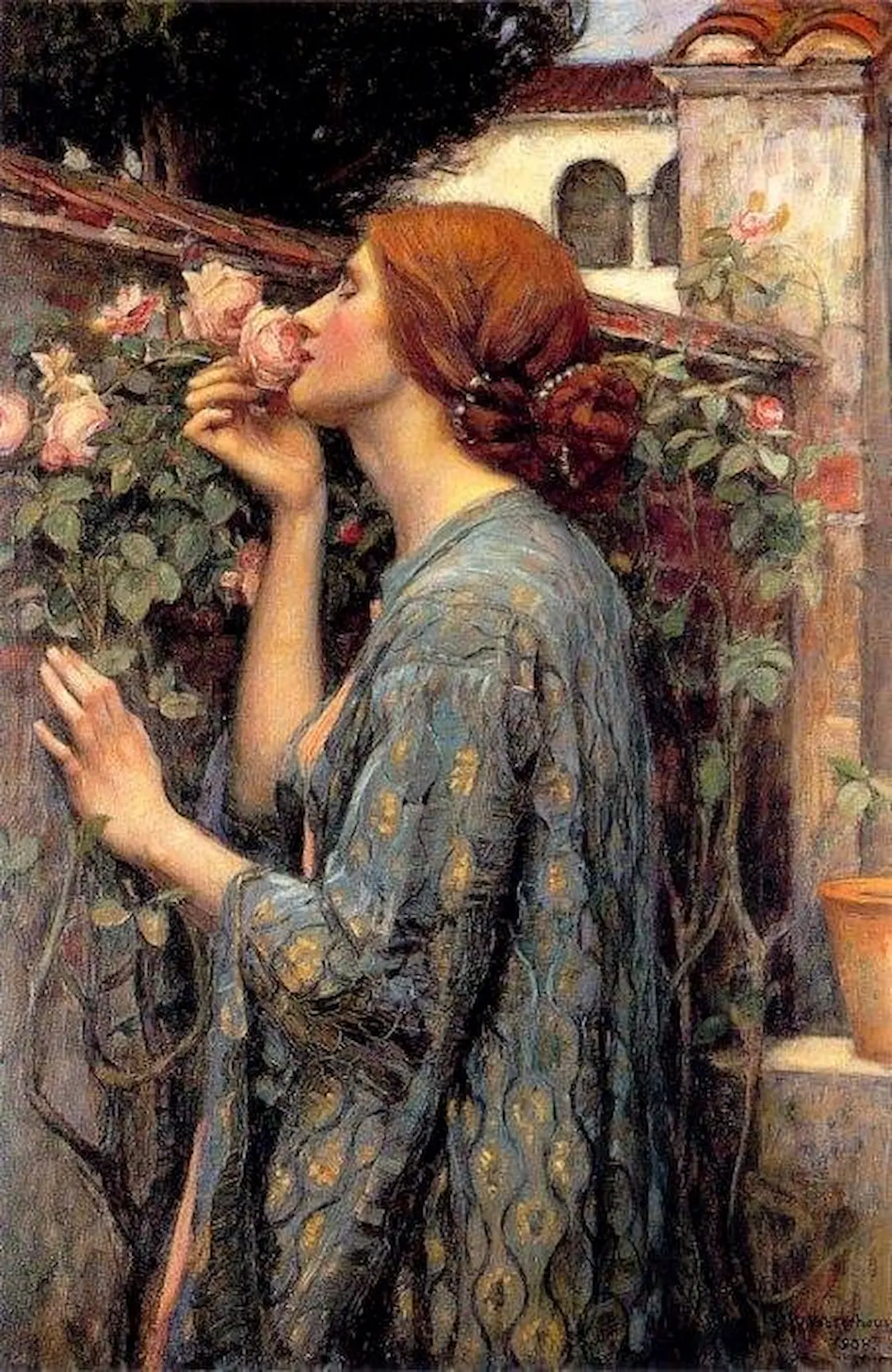
For art lovers and collectors, "Sleep and His Half Brother Death" by John William Waterhouse is a coveted fine art painting for sale. Its association with the Pre-Raphaelites movement and connections to masterpieces like "The Soul of the Rose 1908" and "A Mermaid 1900" enhance its value. Owning this painting, or related Waterhouse works, represents a commitment to preserving exceptional oil on canvas artistry and the timeless beauty of mythological themes.
When Art Meets History
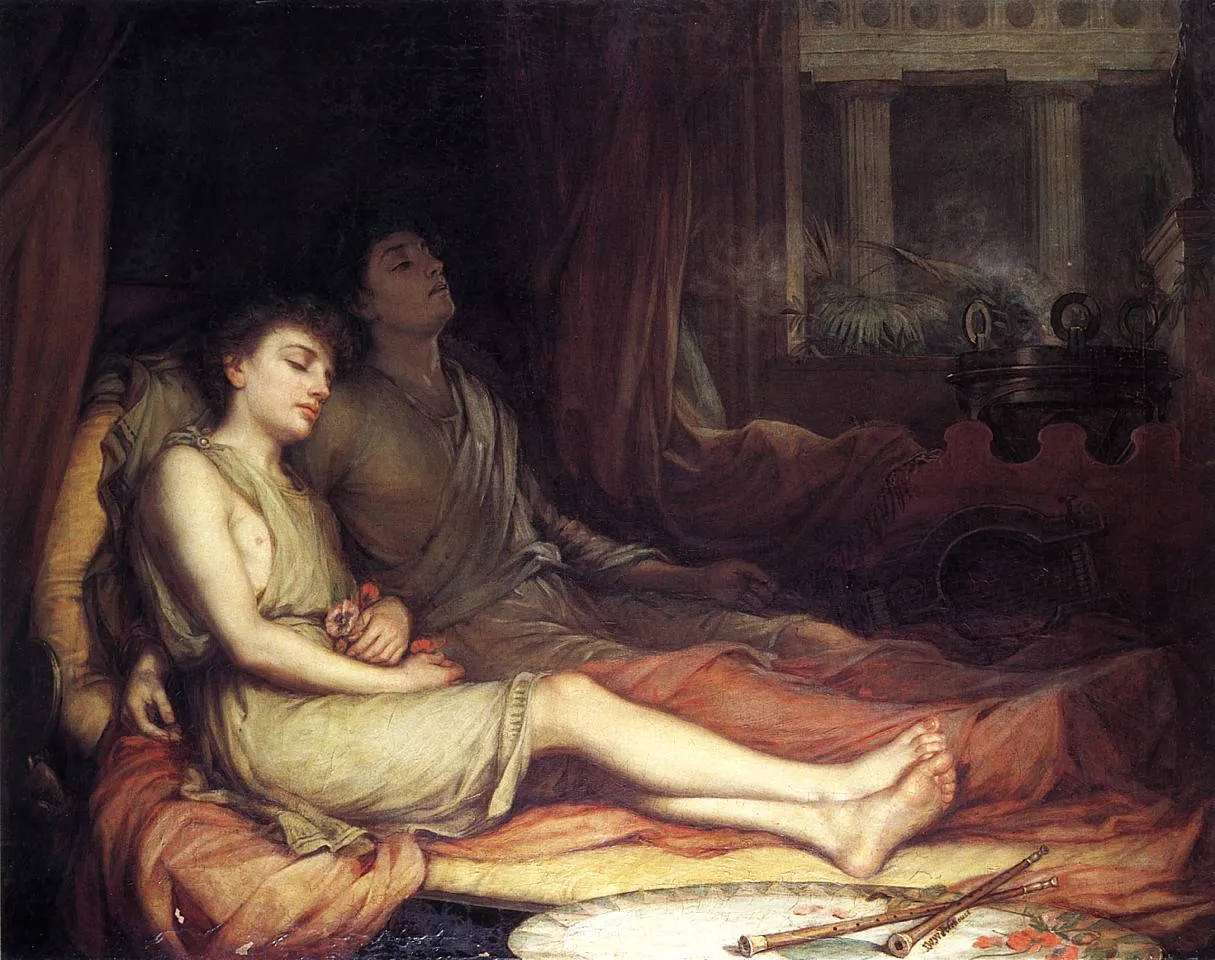
"Sleep and His Half Brother Death" by John William Waterhouse stands as a remarkable example of the Pre-Raphaelites movement, merging mythological themes with a deep sense of narrative. Painted in 1874, this hand-painted oil painting explores the thin veil between sleep and death, a concept that fascinated Victorian audiences. Waterhouse’s work resonates alongside related paintings like "Midsummer Eve" and "Night with her Train of Stars," each contributing to the era’s rich tapestry of symbolic storytelling.
Techniques That Speak
John William Waterhouse’s masterful use of oil on canvas is immediately evident in "Sleep and His Half Brother Death." His delicate brushwork and attention to detail, characteristic of the Pre-Raphaelites, create a luminous, ethereal quality. The artist’s layering techniques bring depth and vibrancy, setting his work apart. Collectors and admirers of fine art often compare this piece with "William Boxall" and "Portrait of Caroline Hill" for their similarly intricate execution and atmospheric effect.
Emotions on Display
"Sleep and His Half Brother Death" evokes a poignant mix of serenity and melancholy, hallmarks of Waterhouse’s approach. This fine art painting for sale captures the profound emotional tension between peaceful rest and eternal slumber. The Pre-Raphaelites’ fascination with human emotion is palpable here, much like in "Right Reverend Talbot." Waterhouse’s sensitive depiction of the figures invites viewers to contemplate the mysteries of life and mortality through his evocative imagery.
Coveted by Collectors
Collectors highly prize "Sleep and His Half Brother Death" not only for its historical significance but also for its exquisite artistry. As a hand-painted oil painting, it represents the pinnacle of Pre-Raphaelite achievement, echoing the allure of related works such as "Night with her Train of Stars." Waterhouse’s ability to blend myth, beauty, and emotion ensures that this painting remains a sought-after masterpiece, continually featured in prominent fine art painting for sale collections worldwide.
Related Pre-Raphaelites Hand-Painted Oil Paintings by Other Artists
Other Famous Pre-Raphaelites Artists:
Frequently Asked Questions About Sleep and His Half Brother Death
What is the historical context of "Sleep and His Half Brother Death"?
"Sleep and His Half Brother Death" was painted by John William Waterhouse in 1874, during the late Victorian era, a time characterized by a fascination with mythology, symbolism, and the exploration of human emotion through art.
What artistic style is represented in this painting?
The painting exemplifies the Pre-Raphaelite style, which emphasizes vivid colors, intricate detail, and a focus on themes drawn from mythology and literature, moving away from the academic standards of the time.
What symbolism is present in "Sleep and His Half Brother Death"?
The painting symbolizes the duality of life and death, with Sleep depicted as a serene figure and Death as a more foreboding presence, suggesting the inevitable connection between the two states of existence.
Who are the figures represented in the painting?
The figures in the painting represent Sleep, personified as a gentle, youthful man, and Death, often depicted as a more ominous figure, highlighting their relationship as both siblings and opposing forces in human experience.
What techniques did Waterhouse use to create depth in the painting?
Waterhouse employed techniques such as chiaroscuro to create depth and contrast, along with detailed brushwork to enhance the textures of the figures and the surrounding environment, adding to the painting's emotional impact.
How does the color palette influence the mood of the painting?
The color palette, dominated by soft blues and muted earth tones, evokes a tranquil yet somber mood, reflecting the themes of sleep and death while inviting contemplation on the nature of these states.
What literary influences can be seen in this artwork?
The painting draws inspiration from classical mythology, particularly the themes found in ancient texts that explore the relationship between life, death, and the human condition, reflecting Waterhouse's interest in literature.
What is the significance of the setting in the painting?
The setting, with its ethereal landscape and dreamlike quality, enhances the themes of the painting, suggesting a liminal space between the realms of sleep and death, inviting viewers to ponder the transition between these states.
How does "Sleep and His Half Brother Death" reflect Victorian attitudes towards death?
The painting reflects Victorian attitudes towards death, which often viewed it as a natural part of life, embracing a romanticized notion of mortality that was prevalent in art and literature during this period.
What impact did "Sleep and His Half Brother Death" have on later artists?
This painting influenced later artists by demonstrating the power of symbolism and emotional depth in art, encouraging subsequent movements to explore similar themes of mortality, dreams, and the human experience in innovative ways.























_GFM_Painting_(1).webp)


 100% Hand-Painted: Finished in 3-6 Weeks

.png)















_(1).webp)